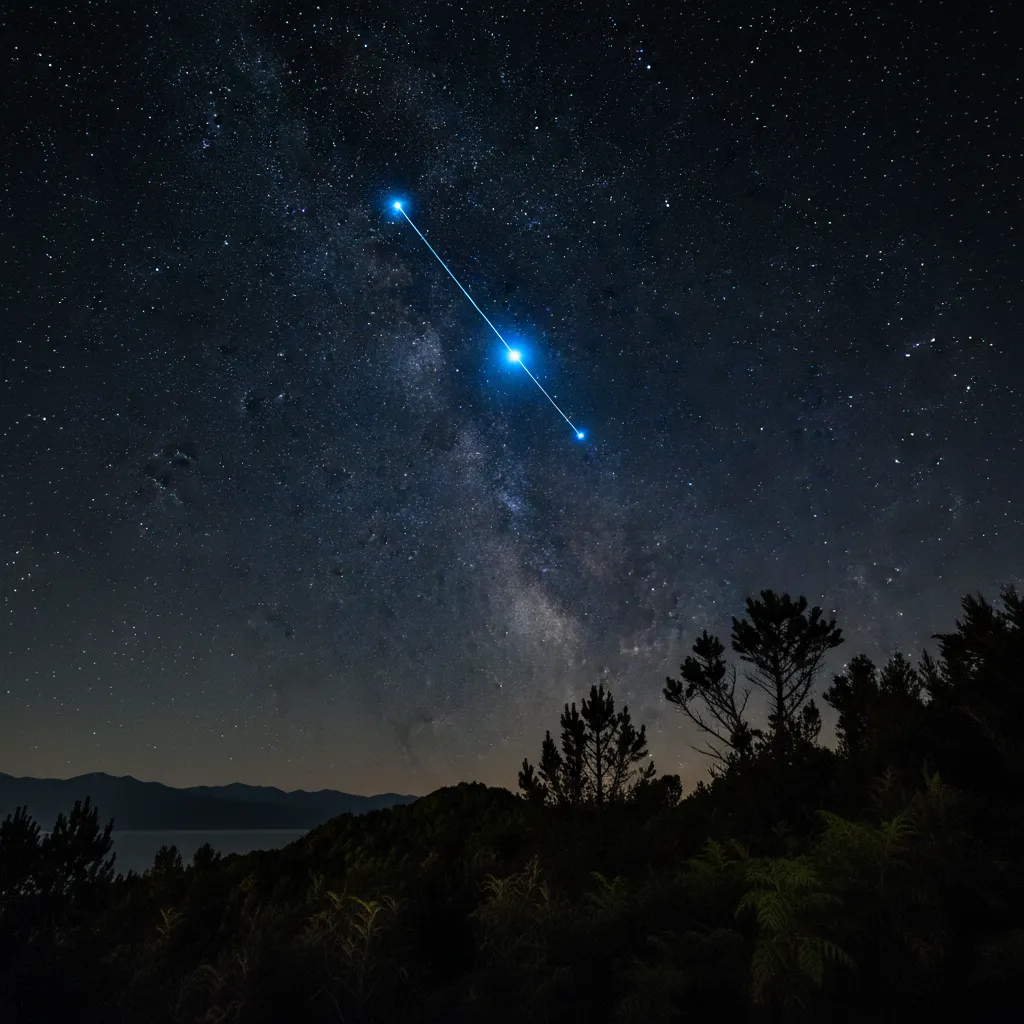
A Matariki AR star locator app is a specialized mobile application that utilizes Augmented Reality (AR) and GPS technology to overlay star maps onto the real-world night sky. These apps help users precisely identify the Pleiades cluster (Matariki) and its nine constituent stars, often providing cultural storytelling, audio guides, and navigation aids to enhance the Māori New Year observance.
As Aotearoa New Zealand celebrates Matariki, the rising of the Pleiades star cluster marks the Māori New Year—a time for remembrance, celebrating the present, and looking to the future. While ancient navigators relied on deep celestial knowledge to find these stars, modern technology allows anyone with a smartphone to connect with this celestial event. Downloading a Matariki AR star locator app bridges the gap between ancestral knowledge and digital convenience, offering an immersive educational experience right from your backyard.
Features of Top-Rated AR Star Finders
When you look to download a Matariki AR star locator app, not all astronomy tools are created equal. To truly appreciate the significance of the Māori New Year, you need an application that goes beyond simple star mapping. The market is flooded with generic sky maps, but the best tools for this specific cultural event offer a blend of precision technology and indigenous storytelling.
Augmented Reality (AR) Precision
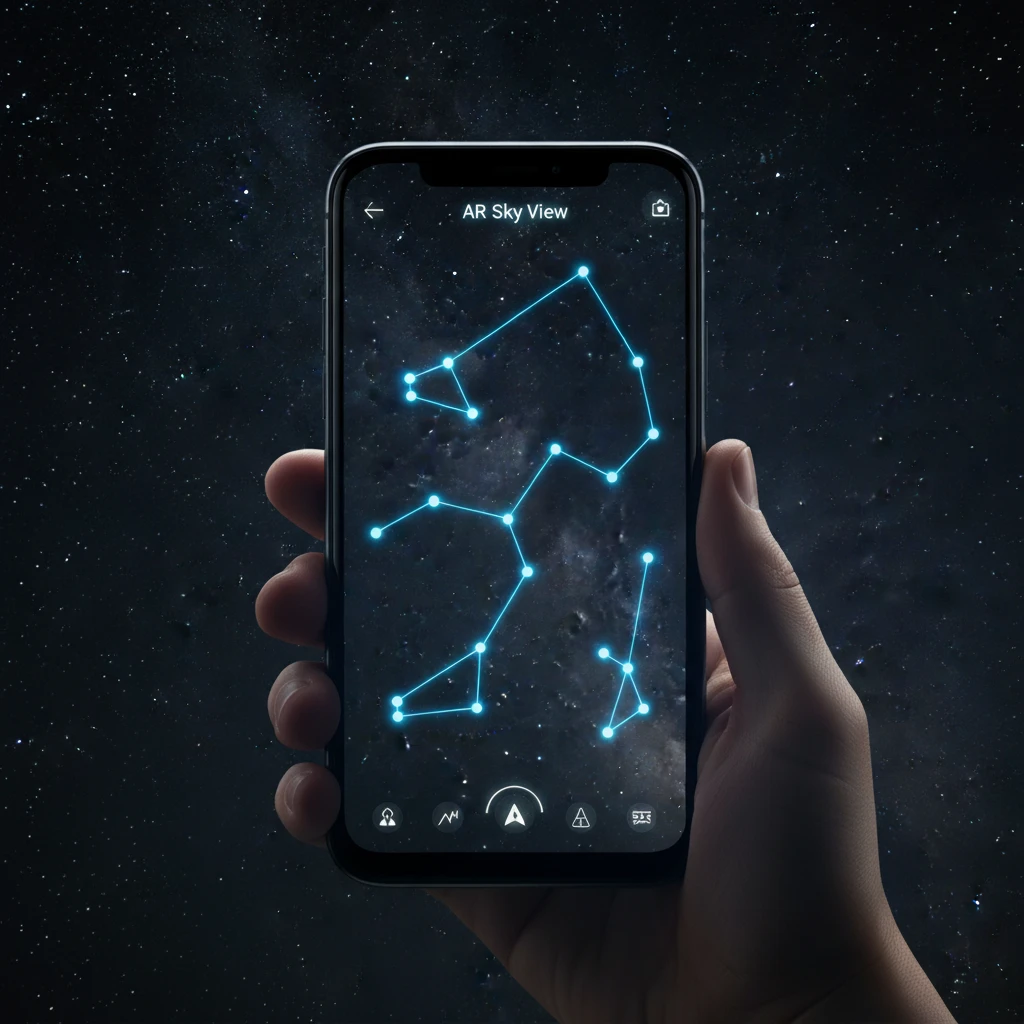
The core feature of these applications is the Augmented Reality interface. By utilizing your phone’s gyroscope, compass, and camera, the app overlays the names and positions of stars directly onto the live view of the sky. For Matariki, which appears low on the horizon in the pre-dawn sky during mid-winter, precision is key. A top-rated app will calibrate quickly and maintain stability, ensuring that when you point your device East, you are actually looking at the Pleiades and not a neighboring cluster like Hyades (Te Kokotā).
Cultural Narratives and Audio Guides
For a truly immersive experience, look for apps that integrate Mātauranga Māori (Māori knowledge). The most valuable apps for this niche do not just label the star “Alcyone” (the Greek name for the brightest star in the cluster); they label it “Matariki” and explain its significance as the mother of the other stars in the cluster. High-quality apps often feature audio narration in both Te Reo Māori and English, guiding users through the legends associated with each star, such as Tupu-ā-nuku (connected to food from the ground) and Waipuna-ā-rangi (connected to rain).
Night Mode and Compass Integration
Observing Matariki requires waking up before dawn. To preserve your night vision, excellent star locator apps offer a “Red Light Mode” or “Night Mode.” This feature turns the interface red, allowing you to read the screen without causing your pupils to constrict, which would make it harder to see the actual stars once you look away from the phone. Furthermore, integrated compass features help you orient yourself towards the North-East horizon, the critical direction for spotting the cluster.
How to Identify the 9 Stars of Matariki
While technology aids the process, understanding what you are looking for enhances the connection. A robust Matariki AR star locator app will help you distinguish the specific nine stars recognized in Māori tradition. The cluster is known internationally as the Pleiades or the Seven Sisters, but in Aotearoa, nine distinct stars are celebrated.
Locating Te Kāhui o Matariki
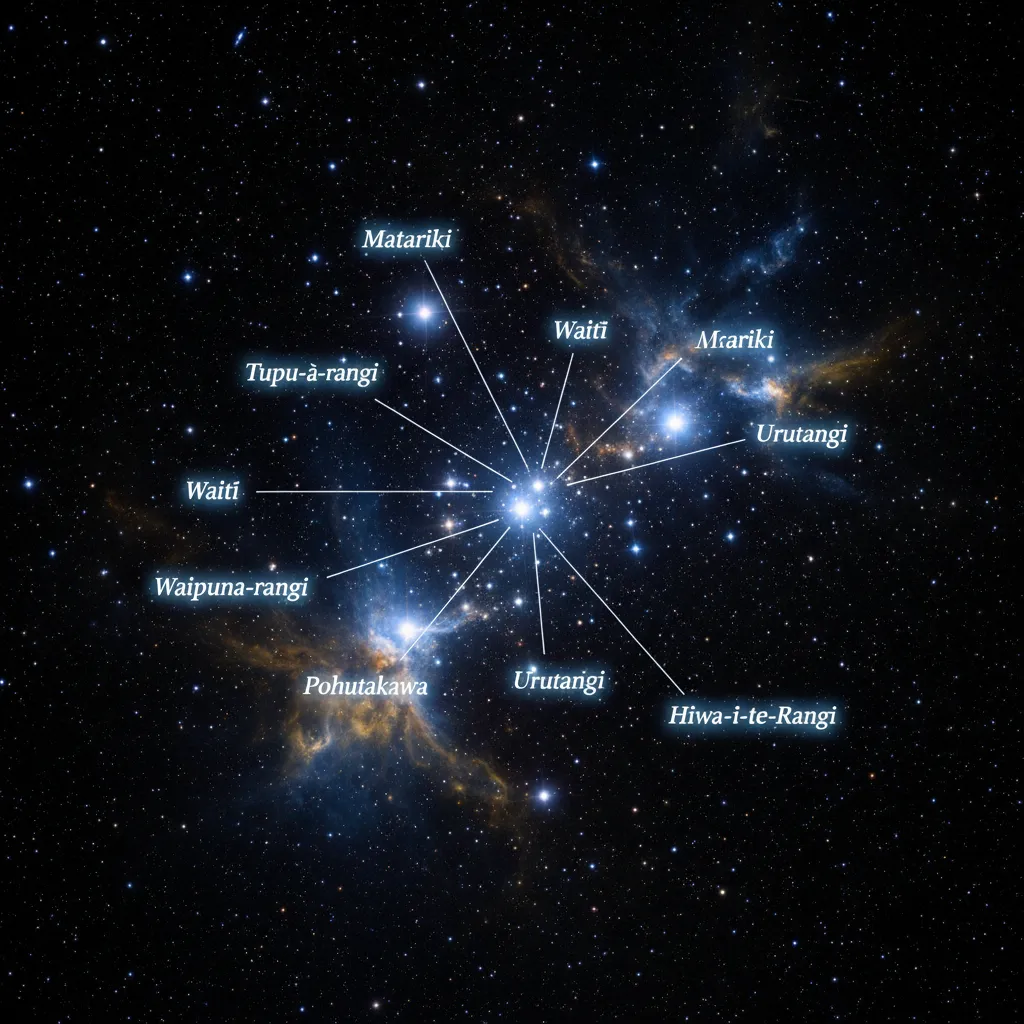
To find the cluster without an app, one usually finds the “Pot” (Orion’s Belt) and follows the line of the three belt stars to the left (in the Southern Hemisphere) to find the bright orange star Taumata-kuku (Aldebaran). Continuing that line leads to the cluster of Matariki. However, with an AR app, you simply hold your phone up. The app should highlight the following stars:
- Matariki: The mother star, signifying reflection, hope, and the connection to the environment.
- Pōhutukawa: Connected to those who have passed on.
- Tupu-ā-nuku: Associated with food grown in the ground.
- Tupu-ā-rangi: Associated with food from the sky (birds, fruit).
- Waitī: Connected to fresh water and the creatures within it.
- Waitā: Connected to the ocean and salt water food sources.
- Waipuna-ā-rangi: Associated with the rain.
- Ururangi: Connected to the winds.
- Hiwa-i-te-rangi: The wishing star, connected to granting our desires for the coming year.
Visualizing the Formation
In the app interface, these stars are often grouped tightly. A high-quality AR locator allows you to “zoom in” digitally. While the naked eye might see a blur of 6 or 7 stars, the app will separate them, allowing you to identify Hiwa-i-te-rangi or Pōhutukawa specifically, which are often fainter and harder to distinguish without digital assistance.
Best Matariki Star Locator Apps to Download
When searching the app stores, you may encounter a mix of general astronomy apps and specific cultural educational tools. Both have their place. Here is a breakdown of the types of apps you should consider downloading.
1. Stellarium Mobile (The Astronomer’s Choice)
Stellarium is widely regarded as one of the most accurate planetarium apps available. While it is a general astronomy tool, its database is vast. You can customize the “Sky Culture” settings in the desktop version (and select mobile versions) to display Māori starlore, changing the constellation lines from Western Greek figures to traditional Māori navigators and deities. This makes it an excellent tool for serious observers.
2. Star Walk 2 (The Visual Experience)
Star Walk 2 is famous for its beautiful UI and ease of use. It utilizes AR effectively to show you exactly where Matariki is rising. It often features special events or notifications for major celestial occurrences, including the rising of the Pleiades. It is highly visual, making it great for families and children.
3. Official NZ Cultural Apps
Keep an eye out for apps released by New Zealand institutions such as Te Papa Tongarewa or Te Wānanga o Aotearoa. Often, specific apps or web-based AR tools are released seasonally around the holiday. For example, apps focused on “Maramataka” (the Māori lunar calendar) often include star locators as a feature. These are the gold standard for cultural safety and accuracy.

Compatibility with iOS and Android
Before you download a Matariki AR star locator app, ensure your device meets the technical requirements. AR processing can be battery-intensive and requires specific hardware sensors.
iOS Requirements
For Apple users, most modern AR apps utilize Apple’s ARKit.
– OS Version: Ensure you are running iOS 14 or later for the smoothest experience.
– Hardware: iPhone 8 and newer models generally handle AR overlays without lag. The compass and gyroscope accuracy is critical, so if you have a magnetic case, you may need to remove it for the compass to calibrate correctly.
Android Requirements
Android users rely on ARCore (Google Play Services for AR).
– OS Version: Android 8.0 (Oreo) is typically the minimum, but Android 10+ is recommended for better battery management.
– Sensors: Your phone must have a hardware magnetometer (compass) and gyroscope. Some budget Android phones lack a gyroscope, which means the AR “point and view” feature will not work, restricting you to manual swiping mode.
User Ratings and Selection Guide
Navigating the app store can be tricky. When evaluating user ratings for star locator apps, focus on comments regarding “calibration” and “GPS accuracy.” A 5-star rating is meaningless if the app points North when the stars are East.
Common Pitfalls to Avoid
Avoid apps that require a constant data connection if you plan to view Matariki from a remote location (like a dark sky sanctuary) where signal might be weak. Check the “Data Safety” section in the Google Play Store or the “App Privacy” section in the Apple App Store to ensure the app doesn’t sell your location data.
Look for reviews that mention “bloatware” or excessive ads. Nothing ruins a spiritual moment of reflection like a pop-up ad for a mobile game. Paid versions of apps like Star Walk or Stellarium are often worth the small investment to remove ads and unlock high-definition textures.

Merging Culture with Technology
The availability of a Matariki AR star locator app represents a modern evolution of oral tradition. By digitizing this knowledge, we ensure that the stories of the stars are accessible to rangatahi (youth) in a medium they understand intuitively. These apps serve as a starting point—a digital waharoa (gateway)—inviting users to step through into a deeper understanding of the environment, the seasons, and indigenous wisdom.
Whether you are a seasoned astronomer or a first-time observer, downloading the right tool can transform a cold morning vigil into an enlightening encounter with the cosmos. Prepare your device, dress warmly, and let the digital guide lead you to the ancient stars.
What is the best free app to find Matariki?
Stellarium Mobile is widely considered the best free option. It offers a robust free version that allows you to identify stars and planets with high accuracy. While some advanced features are locked behind a paywall, the basic star spotting functionality is excellent for finding the Pleiades cluster.
Can I see Matariki without an app?
Yes, Matariki is visible to the naked eye, provided you know where to look and have clear skies. It appears as a small, shimmering cluster of stars on the northeast horizon just before dawn. However, an app helps confirm you are looking at the correct cluster and not other nearby stars.
Do these apps work offline?
Most high-quality astronomy apps download the star database to your phone, allowing them to work offline. This is essential for stargazing in remote areas with less light pollution but poor cell reception. However, GPS is still required to orient the sky map to your location.
Why does my star app point in the wrong direction?
This is usually due to compass interference. Magnetic phone cases, nearby metal objects, or a lack of calibration can cause this. To fix it, remove magnetic cases and move your phone in a figure-8 motion to recalibrate the internal compass sensors.
When is the best time to use the app for Matariki?
The best time to use the app is early morning, usually between 5:30 AM and 6:30 AM, during the lunar phases of Tangaroa (last quarter) in June or July. The specific dates vary year by year based on the maramataka (Māori lunar calendar).
Are there apps that teach the Māori names of the stars?
Yes, apps like Stellarium allow you to change “Sky Cultures” to Māori, displaying the traditional names. Additionally, local NZ educational apps often focus specifically on the Māori narratives and names associated with the Matariki cluster.