
Matariki for business involves aligning corporate operations with the indigenous principles of the Māori New Year: remembrance, celebrating the present, and planning for the future. Authentic engagement prioritizes cultural safety, environmental stewardship, and community well-being over commercial sales events, ensuring practices respect Tikanga Māori rather than exploiting the holiday for profit.
The Core Principles of Matariki in the Corporate Sphere
As New Zealand embraces Matariki as a public holiday, the business landscape is undergoing a significant shift. For decades, holidays were viewed primarily through the lens of retail opportunity. However, Matariki demands a different approach—one rooted in mātauranga Māori (Māori knowledge) and ethical responsibility. For business leaders, understanding the underlying values of this celestial event is the first step toward cultural safety.
Matariki is not merely a date on the calendar; it is a season of transition. In a business context, this translates to the end of the financial year for many, but more deeply, it represents a cycle of assessment. The three major themes of Matariki—remembering those who have passed (remembrance), celebrating the present (celebrating), and looking to the new year (planning)—map perfectly onto strategic business reviews, provided they are executed with cultural nuance.
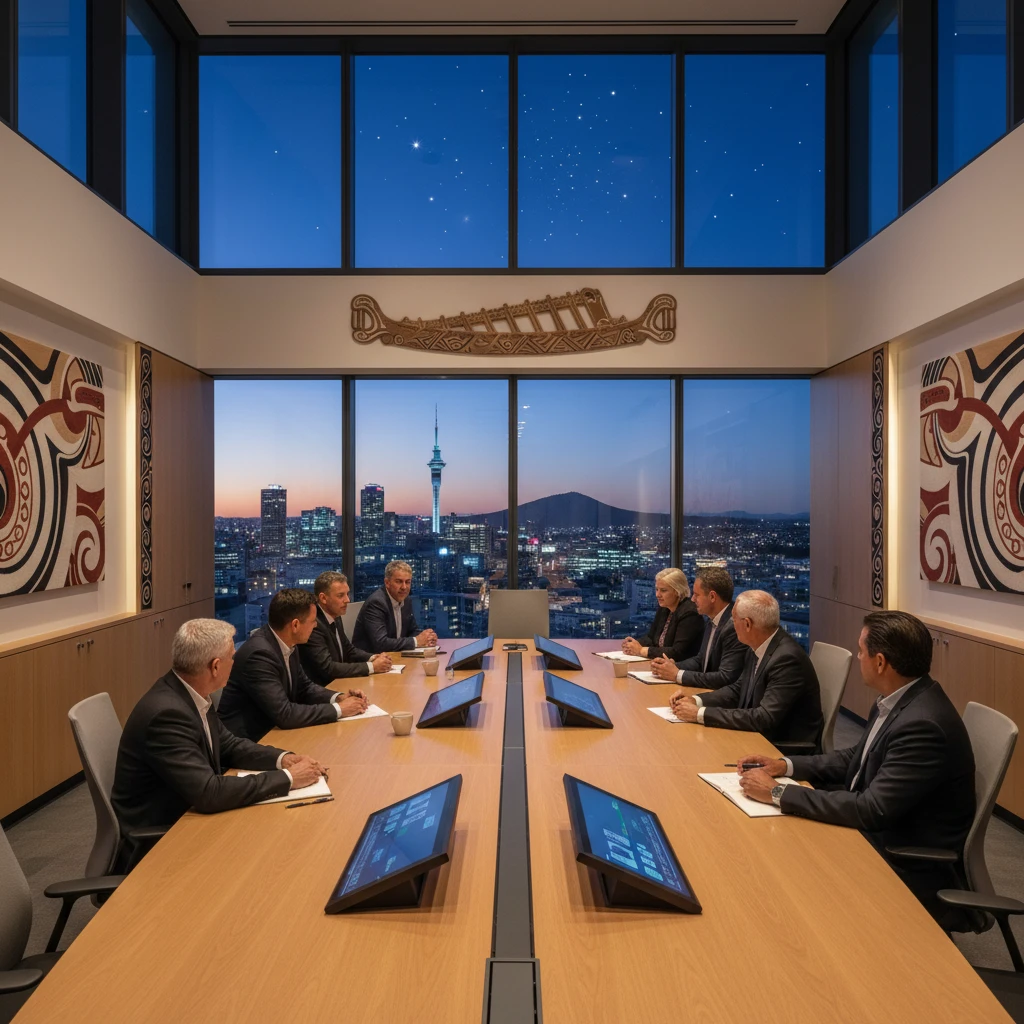
Integrating the Stars into Strategy
Each star in the Matariki cluster holds dominion over different environmental and social aspects. A sophisticated Matariki for business strategy can align specific corporate goals with these stars:
- Tupuānuku (Food from the earth): Reviewing supply chains for agricultural sustainability and soil health.
- Tupuārangi (Food from the sky): Assessing carbon footprints and air quality impact.
- Waitī and Waitā (Fresh and Saltwater): Auditing water usage and waste management protocols.
- Hiwa-i-te-rangi (The wishing star): Setting visionary goals and aspirations for the company’s future growth.
By anchoring business planning in these concepts, organizations move beyond performative gestures and start embedding indigenous values into their operational DNA.
Understanding and Avoiding Matariki Washing
With the rise of Matariki’s profile comes the inevitable risk of commercial exploitation, colloquially known as “Matariki Washing.” This phenomenon mirrors “Greenwashing,” where companies project an image of cultural allyship without the substance to back it up. Avoiding this is critical for reputation management and, more importantly, for maintaining ethical integrity.
What is Matariki Washing?
Matariki washing occurs when a business uses Māori imagery, patterns, or the Matariki name solely to drive sales, without engaging with the culture or communities from which these symbols originate. Examples include “Matariki Madness Sales,” slapping a generic kowhaiwhai pattern on disposable products, or using the holiday as a hook for clearing old stock.
To avoid this trap, businesses must ask themselves three critical questions before launching any campaign:
- Is there a relationship? Do we have an existing relationship with Māori stakeholders, or are we extracting value transactionally?
- Is there reciprocity? How does this initiative benefit the Māori community, not just our bottom line?
- Is it appropriate? Are we commercializing a concept that is meant to be sacred or reflective?
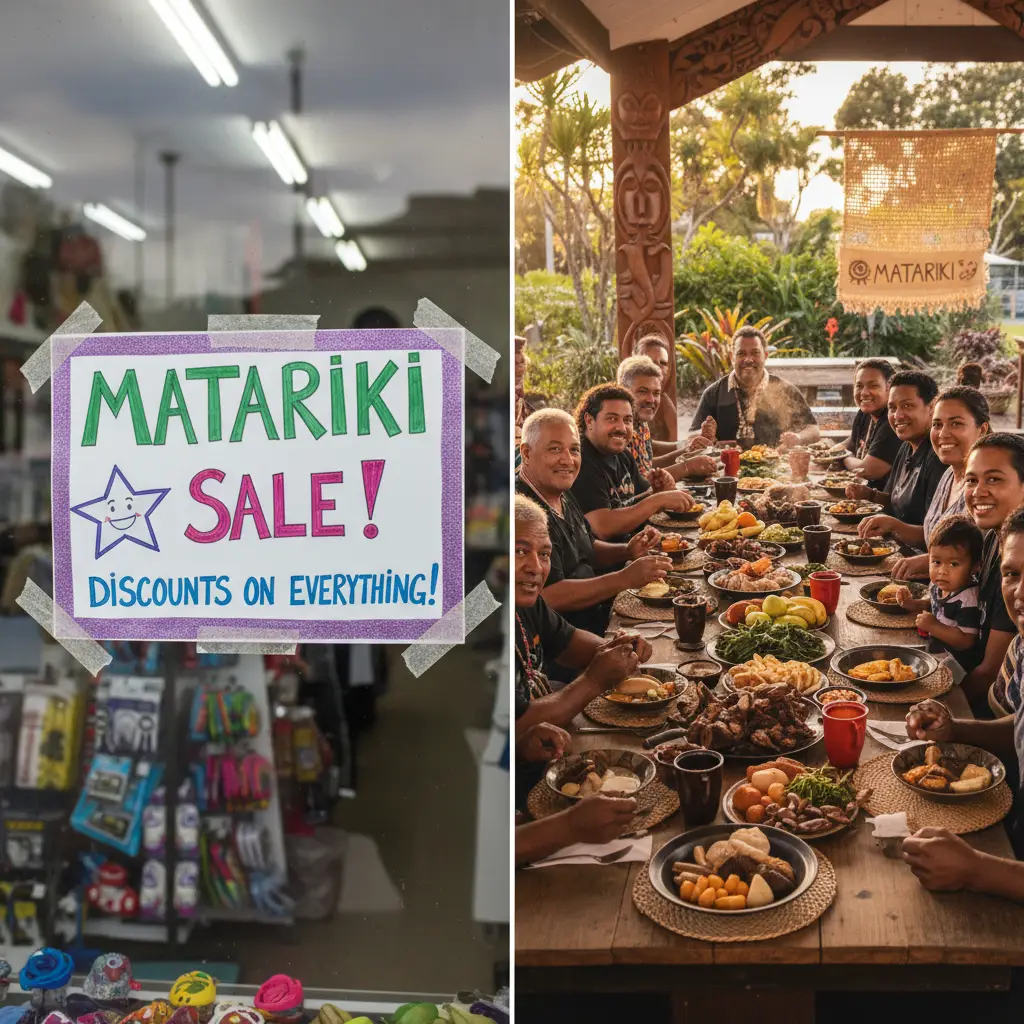
The “No-Sale” Rule
A growing consensus among ethical businesses is to treat Matariki as a “no-sale” period. Instead of discounting products, companies are choosing to close their doors to allow staff to be with whānau (family), or donating a percentage of profits during the period to environmental or indigenous charities. This signals to the market that your organization values people and planet over short-term profit spikes.
B2B Cultural Safety Frameworks
Cultural safety extends beyond the marketing department; it is a governance and HR issue. In the B2B sector, demonstrating cultural competency is increasingly becoming a prerequisite for tenders, partnerships, and government contracts.
Implementing a Tikanga-Based Policy
Developing a policy based on Tikanga (protocol) ensures that your business interactions are respectful. This involves:
- Correct Pronunciation: Mandating training for staff on the correct pronunciation of Māori names and place names. This is the baseline of respect.
- Karakia and Mihi: incorporating appropriate openings (mihi) and blessings (karakia) into significant meetings, not as a tick-box exercise, but to settle the space and set intentions.
- Manaakitanga (Hospitality): In a B2B context, this redefines client relations. It shifts the focus from “wining and dining” to genuine care for the client’s wellbeing and long-term success.
The Role of Cultural Advisors
Many organizations make the mistake of relying on their junior Māori staff to lead cultural initiatives. This is culturally unsafe and adds an unfair burden (cultural tax) to those employees. The ethical approach is to engage external cultural advisors or Poutikanga. These experts can audit your business practices and help build a framework that protects both the organization and the culture it seeks to engage with.
Corporate Gifting and Authentic Staff Engagement
Matariki is an excellent time for staff engagement, but the mechanisms used must align with the holiday’s values. Standard corporate gifting—often involving mass-produced, imported plastic goods—is antithetical to the environmental stewardship central to Matariki.
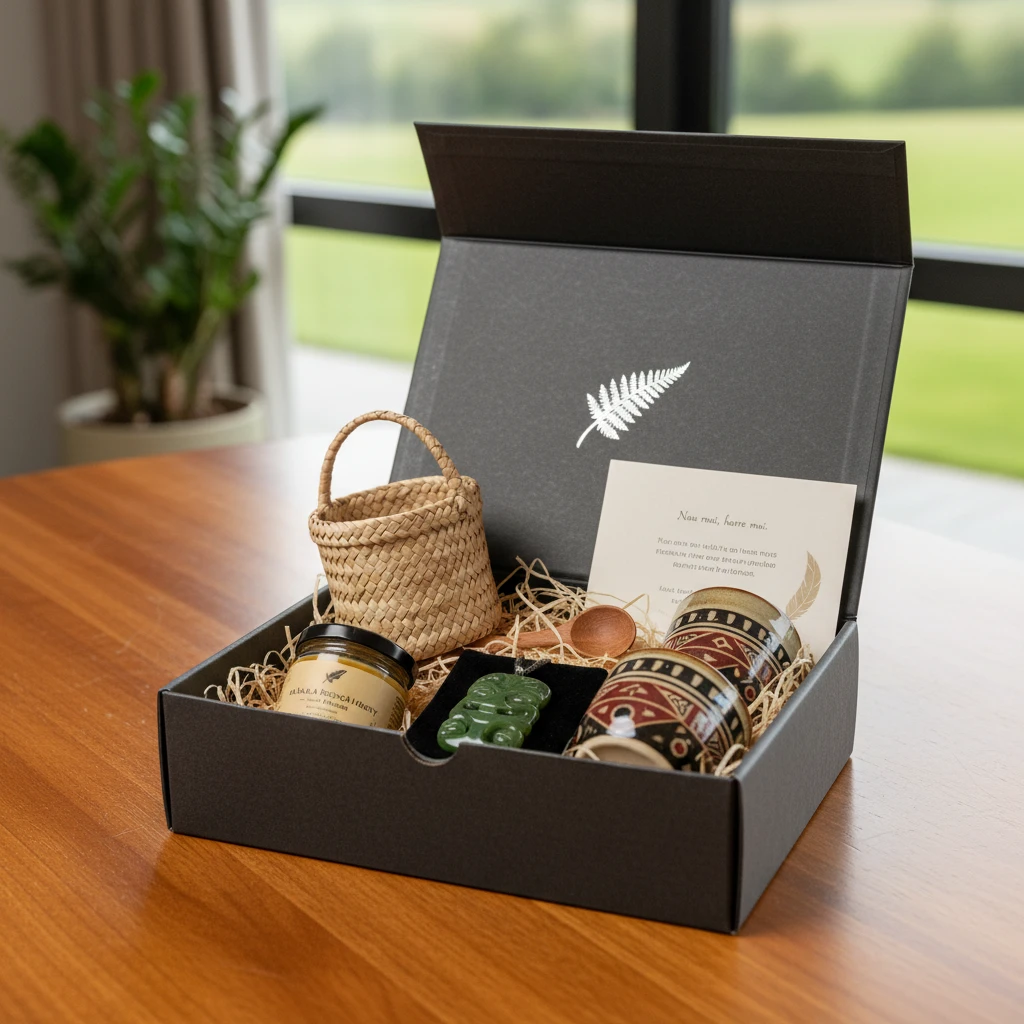
Ethical Gifting Strategies
When considering gifts for staff or clients during this period, prioritize procurement with purpose. This means sourcing from Māori-owned businesses (Amotai is a key database for this in New Zealand). Examples of appropriate gifts include:
- Rongoā Māori: Traditional healing balms or teas.
- Native Tree Seedlings: Encouraging staff to plant a tree (returning to the earth/Tupuānuku).
- Kai (Food): High-quality, locally sourced produce that can be shared with family.
Internal Celebrations
Internal engagement should focus on education and connection (Whanaungatanga). Rather than a standard office party, consider:
- Wānanga (Learning sessions): bringing in speakers to teach the history of Matariki.
- Shared Kai: A potluck lunch where the focus is on sitting together and sharing stories, not talking shop.
- Volunteering: Giving staff paid time off to work on environmental restoration projects, directly honoring the environmental stars of Matariki.
Partnering with Indigenous Creators and Suppliers
One of the most powerful ways to observe Matariki for business is to economically empower the indigenous economy. However, this requires navigating the partnership with sensitivity to avoid appropriation.
The Principles of Partnership
When commissioning Māori artists for design work, campaigns, or content, the following rules apply:
- Fair Remuneration: Indigenous knowledge and art have high value. Do not expect “exposure” to be sufficient currency. Pay market rates or higher for specialized cultural expertise.
- Attribution and Integrity: Ensure that the artist retains intellectual property rights where possible, or that the usage rights are clearly defined and limited. The story of the artwork belongs to the creator.
- Long-term Engagement: Move from transactional relationships (hiring for one month in June/July) to transformational relationships. How can you support that supplier year-round?

Aligning Matariki with ESG Goals
For large corporations, Matariki offers a unique cultural lens through which to view Environmental, Social, and Governance (ESG) criteria. By adopting Māori frameworks, businesses can localize their ESG strategies, making them more relevant to the Aotearoa New Zealand context.
Environmental (Kaitiakitanga): Use Matariki as the annual milestone for reporting on environmental impact reduction. The concept of Kaitiakitanga (guardianship) creates a higher moral imperative than simple regulatory compliance.
Social (Manaakitanga): Evaluate how the business supports the community. Are you providing a living wage? Is your workplace psychologically safe for diverse employees?
Governance (Rangatiratanga): Review leadership structures. Are indigenous voices represented at the board level? Is decision-making inclusive and transparent? Matariki is a time to reset the moral compass of the organization.
Frequently Asked Questions
What is the best way for a business to celebrate Matariki?
The best approach is internal reflection and education rather than external sales. Host a shared lunch for staff, organize a workshop on Māori culture, or engage in environmental volunteering. If you engage externally, focus on community support rather than product promotion.
Is it offensive to have a Matariki sale?
While not illegal, it is widely considered culturally insensitive and “Matariki washing.” Matariki is a time of remembrance and renewal, similar to Anzac Day or Good Friday, making aggressive commercialization inappropriate. It risks damaging your brand’s reputation with indigenous stakeholders.
How can I support Māori businesses during Matariki?
Utilize supplier diversity databases like Amotai to find Māori-owned businesses for your supply chain. Purchase corporate gifts from indigenous artisans, hire Māori catering firms for events, and engage Māori consultants for cultural safety training.
What are the 9 stars of Matariki relevant to business?
While all stars are relevant, businesses often focus on Tupuānuku and Tupuārangi (sustainability/environment), Waitī and Waitā (water conservation), and Hiwa-i-te-rangi (planning and future aspirations). These align well with ESG and strategic planning cycles.
Should we give staff the day off for Matariki?
In New Zealand, Matariki is a legislative public holiday, so most staff are entitled to the day off. For businesses that must operate, it is crucial to pay penal rates and perhaps offer a day in lieu, ensuring the time for reflection is respected.
How do I greet clients during Matariki?
A simple and respectful greeting is “Mānawatia a Matariki,” which translates to “Celebrate Matariki” or “Welcome Matariki.” It is appropriate to use this in email signatures, meeting openings, and general conversation during the period.