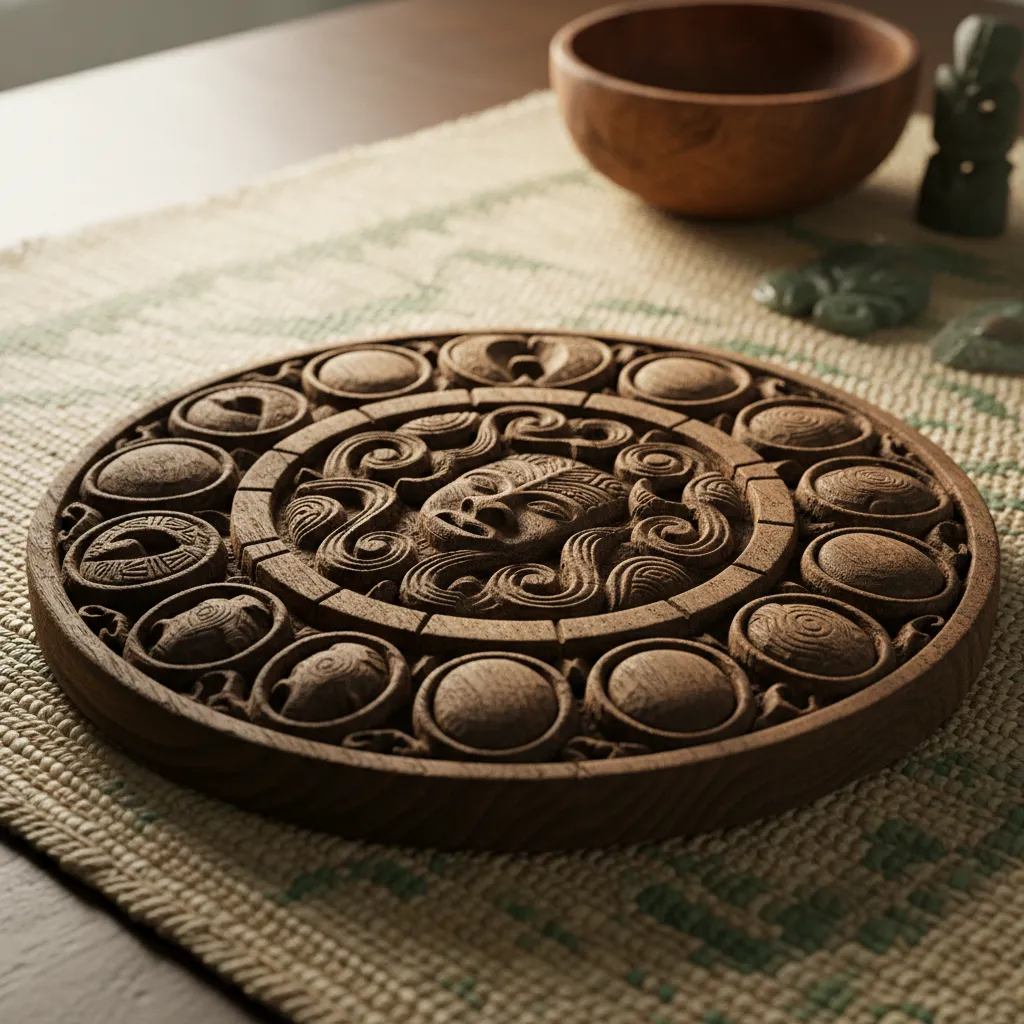
Actionable gardening advice using the Maramataka involves aligning horticultural tasks with specific lunar energy phases to optimize yield. By planting leafy greens during high-energy waxing phases and root crops during waning phases, gardeners utilize natural gravitational pulls and moisture levels, embracing the Māori concept of working in synchronicity with the environment.
Understanding Maramataka for Modern Gardens
In the pursuit of high-yield horticulture, modern gardeners often overlook one of the most sophisticated, time-tested systems of environmental management: the Maramataka. While often simplified as “planting by the moon,” the Maramataka is a complex, ancestral Māori system of time that observes the interactions between the moon, the sun, the stars, and the earth. It provides highly actionable gardening advice based on centuries of empirical observation regarding energy levels, moisture content in the soil, and animal behavior.
Unlike the Gregorian calendar, which is solar-based and relatively static regarding daily environmental changes, the Maramataka is lunar and environmental. It recognizes that the gravitational pull of the moon affects not only the tides but also the water table in the soil and the sap flow within plants. By adhering to these cycles, gardeners can significantly reduce the effort required for maintenance while maximizing the health and productivity of their crops.
Implementing this system requires a shift in mindset from “forcing” nature to “flowing” with it. The lunar month is divided into phases that dictate specific actions—days for high productivity, days for rest, and days for reflection. Recognizing these distinctions is the first step in applying actionable gardening advice that respects indigenous wisdom.
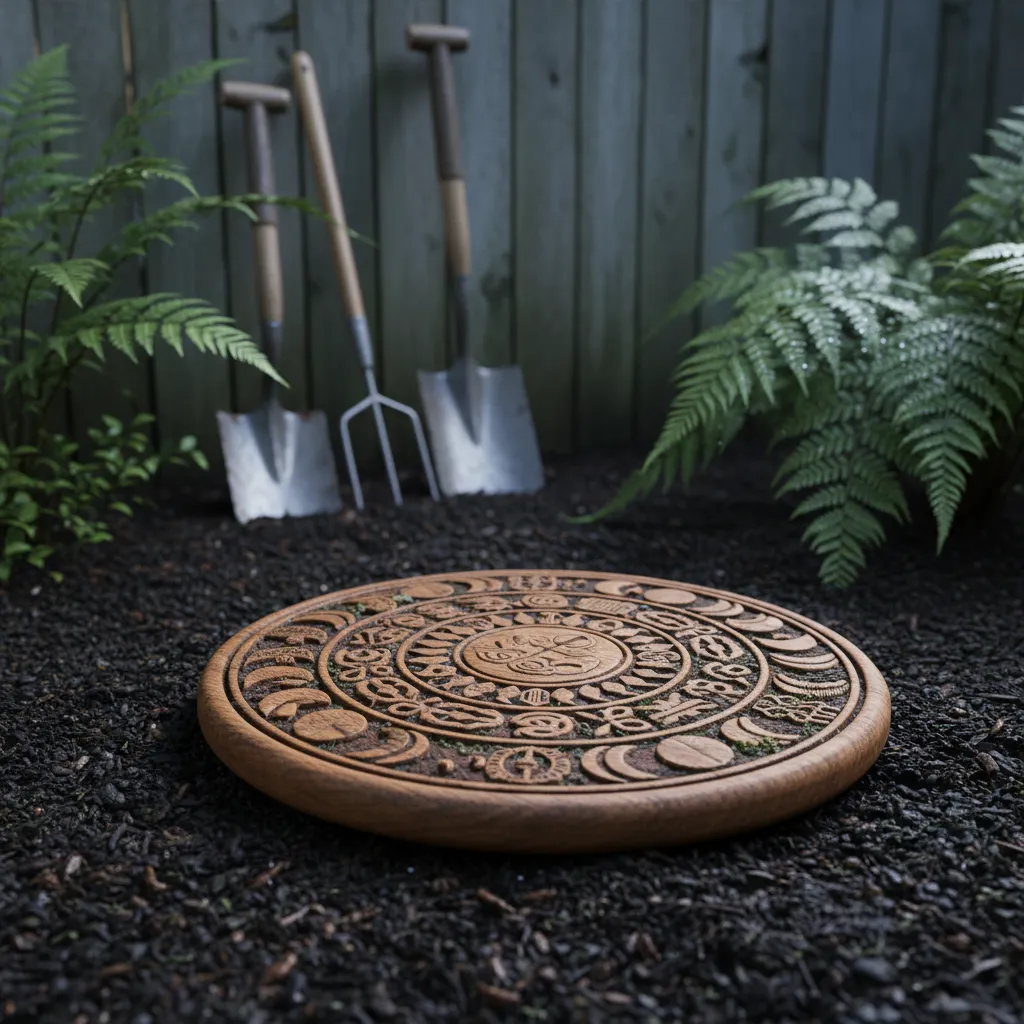
Best Days for Planting: Root Crops vs. Leafy Greens
One of the most practical applications of the Maramataka is determining exactly when to plant specific crop types. The moon’s phases influence the moisture availability in the soil and the sap flow in plants. Understanding the distinction between the waxing (growing) and waning (shrinking) moon is critical for success.
The Waxing Moon: Leafy Greens and Above-Ground Crops
As the moon moves from Whiro (New Moon) toward Rakaunui (Full Moon), light and gravitational pull increase. This period draws moisture upwards. This is the optimal time for planting crops that produce their yield above the ground.
- Target Crops: Silverbeet, spinach, lettuce, brassicas, corn, and tomatoes.
- The Science: The increasing light stimulates leaf growth, while the rising water table ensures that shallow-rooted seedlings establish quickly.
- Actionable Advice: Schedule your seed sowing for “The Tangaroa” days. These days, occurring shortly before the full moon, are considered highly productive and energetic, ideal for fishing and planting.
The Waning Moon: Root Crops and Bulbs
Following the full moon, as the light decreases, the energy draws down into the earth. The sap flow descends, focusing energy on the root systems. This is the period to plant crops that produce yield below the soil surface.
- Target Crops: Kūmara (sweet potato), rīwai (potatoes), carrots, beetroot, and garlic.
- The Science: With less moonlight stimulating leaf growth, the plant focuses resources on root development.
- Actionable Advice: Utilize the days immediately following Rakaunui. However, avoid the “Korekore” days (which translate to “nothing” or “void”), as these are low-energy days where planting often results in poor yields or pest issues.
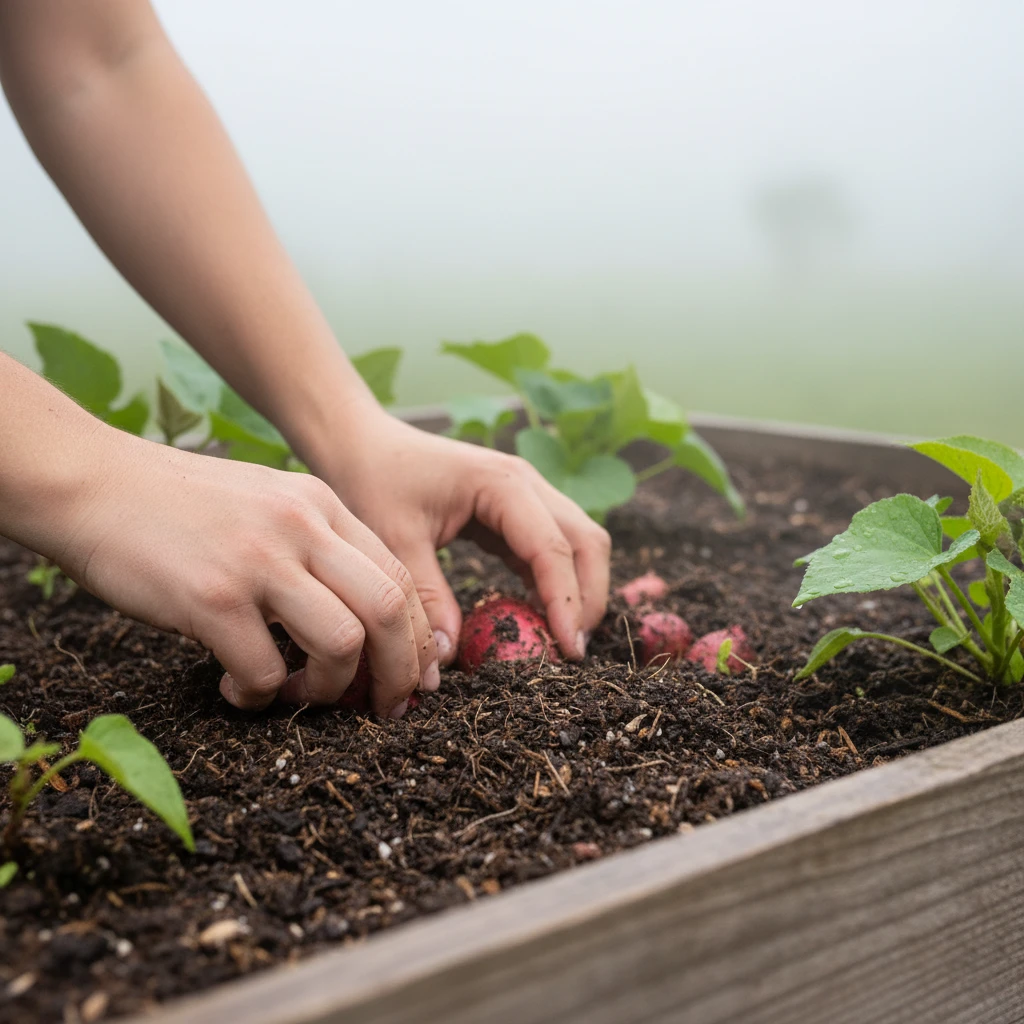
Winter Soil Preparation Techniques for Matariki
Matariki (the Māori New Year) typically falls in mid-winter (June or July). This timing is significant for gardeners. It marks the end of the harvest and the beginning of the planning phase. Actionable gardening advice during this period focuses less on active growth and more on restoration and preparation.
Resting Papatūānuku (The Earth Mother)
In traditional practices, the land is not forced to produce year-round. Winter is a time to let the soil rest and regenerate. Over-working the soil during winter can damage the soil structure and deplete essential microorganisms.
Cover Cropping and Mulching
Instead of leaving soil bare and exposed to harsh winter elements, effective preparation involves covering the soil. This mimics the forest floor.
- Mulching: Apply a thick layer of pea straw, leaf mold, or untreated wood chips. This regulates soil temperature, retains moisture, and suppresses weeds.
- Green Manure: Plant cover crops like lupin, mustard, or oats. These are not for harvesting but for chopping and dropping back into the soil in spring. They fix nitrogen and improve soil aeration.
Weed Management During Korekore Days
The Korekore phases, often viewed as “unproductive” for planting, are actually the most actionable days for maintenance. Because the energy is low, it is the perfect time to weed. Weeds pulled during these phases are less likely to regrow quickly, and the roots release from the soil more easily.
Traditional Māori Composting (Para) and Soil Health
Waste reduction is a core tenant of indigenous land management. In Te Ao Māori (the Māori world), there is no such thing as “waste,” only resources in transition. Para refers to refuse or waste, but when treated correctly, it becomes One (soil/earth).
The Concept of Reciprocity
Gardening is a reciprocal relationship. If you take from the soil, you must give back. Traditional composting methods focus on returning nutrients to Papatūānuku to ensure future abundance.
Utilizing Kai Moana (Seafood) Waste
Historically, Māori gardeners utilized resources from the ocean to fertilize the land, acknowledging the connection between Tangaroa (God of the Sea) and Rongo (God of Cultivated Food).
- Fish Frames and Heads: Burying fish waste deep beneath the soil where you intend to plant heavy feeders (like corn or tomatoes) in spring provides a slow-release source of nitrogen, calcium, and phosphorus.
- Rimurimu (Seaweed): Seaweed is a powerhouse of micronutrients. It can be collected (sustainably, taking only drift seaweed) and used as a mulch or brewed into a liquid fertilizer. It contains plant growth hormones that strengthen root systems and improve resistance to frost and disease.
Actionable Composting Steps
To create a high-quality compost system inspired by these traditions:
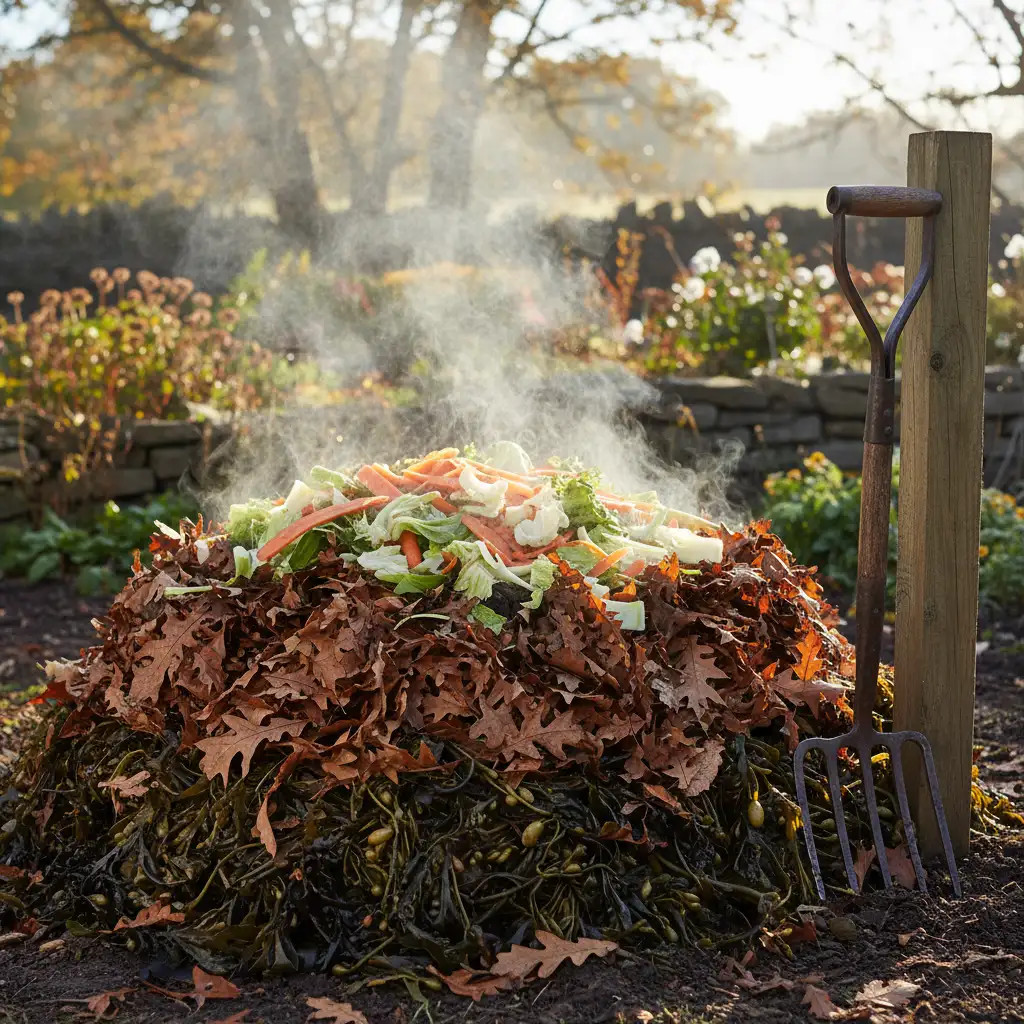
- Layering: Alternate “browns” (carbon-rich dried leaves, paper) with “greens” (nitrogen-rich food scraps, lawn clippings).
- Aeration: Turn the pile during the high-energy Tangaroa days to speed up decomposition.
- Observation: Watch the pile. If it smells, it lacks air or carbon. If it’s too dry, it needs water. Treat the compost pile as a living entity.
Monthly Gardening Checklist Based on Maramataka
To provide truly actionable gardening advice, we must move beyond the Gregorian calendar months and look at the repeating cycles within the lunar month. Regardless of the season, these phases dictate the *type* of work you should be doing.
Phase 1: Whiro to Tamatea (New Moon to First Quarter)
Energy: Low to building.
- Action: Planning and Preparation.
- Tasks: Check tools, repair fences, and observe the garden. As energy builds, begin sowing leafy greens in seed trays.
Phase 2: Tamatea to Rakaunui (First Quarter to Full Moon)
Energy: High, volatile, productive.
- Action: Planting and Active Gardening.
- Tasks: This is the prime time for planting above-ground crops. Transplant seedlings. Apply liquid fertilizers (like seaweed tea) as the uptake will be fastest now.
Phase 3: Rakaunui to Tangaroa (Full Moon to Last Quarter)
Energy: High but beginning to wane.
- Action: Harvest and Root Planting.
- Tasks: Plant root vegetables (carrots, potatoes). Harvest crops for storage; they will have lower water content now and store better. Prune fruit trees.
Phase 4: Tangaroa to Whiro (Last Quarter to New Moon)
Energy: Decreasing to low.
- Action: Maintenance and Resting.
- Tasks: Weed control (especially on Korekore days). Cultivate the soil. Avoid planting. Focus on cleaning up and preparing for the new cycle.

Indigenous Cultural Safety and Environmental Stewardship
When adopting knowledge from the Maramataka, it is vital to approach it with cultural safety and respect. This knowledge belongs to the indigenous people of Aotearoa (New Zealand) and is deeply tied to their identity and history.
Acknowledging Regional Variations
There is no single “universal” Maramataka. Different iwi (tribes) and hapū (sub-tribes) have variations based on their specific geography—coastal tribes observe different signs than inland tribes. Actionable gardening advice should always encourage practitioners to look for local knowledge relevant to their specific rohe (region).
Ethical Gardening
Using the Maramataka is not just about getting bigger vegetables; it is about an ethical stance toward the environment. It involves:
- Kaitiakitanga (Guardianship): Acting as a guardian of the land, not just a user.
- Sustainability: Never taking the first or the last of a resource. Ensuring that whatever you do leaves the soil better than you found it.
By integrating these principles, your gardening practice becomes a holistic activity that nurtures both the gardener and the environment.
Frequently Asked Questions
What is the best moon phase for planting tomatoes?
Tomatoes are above-ground crops that thrive when planted during the waxing moon phase (leading up to the full moon). specifically during the Tangaroa days, as the increasing light and moisture levels support rapid stem and leaf growth.
How do I prepare my garden for Matariki?
Matariki occurs in winter, so preparation involves clearing away dead summer crops, weeding, and applying a thick layer of mulch or planting green manure crops to protect the soil while it rests. It is also a time for sharpening tools and planning the spring layout.
What are the Korekore days in Maramataka?
Korekore days are low-energy periods in the lunar cycle. They are generally considered unsuitable for planting or fishing. However, they are excellent days for weeding and garden maintenance, as weeds pulled during this time are less likely to return vigorously.
Can I use Maramataka gardening advice outside of New Zealand?
Yes, the principles of lunar gardening—planting by the gravitational pull and light of the moon—are universal. However, the specific names of the phases and the environmental cues (like flowering trees or bird migrations) are specific to Aotearoa and would need adaptation for other climates.
Why is seaweed used in traditional Māori composting?
Seaweed (rimurimu) is rich in essential minerals, trace elements, and growth hormones. It decomposes rapidly and helps condition the soil, improve moisture retention, and boost plant resistance to stress, making it a valuable addition to traditional compost systems.
What is the difference between waxing and waning moon planting?
The waxing moon (growing light) draws moisture up, making it ideal for above-ground crops like leafy greens. The waning moon (decreasing light) pushes energy down into the roots, making it the best time for root vegetables like potatoes and carrots.