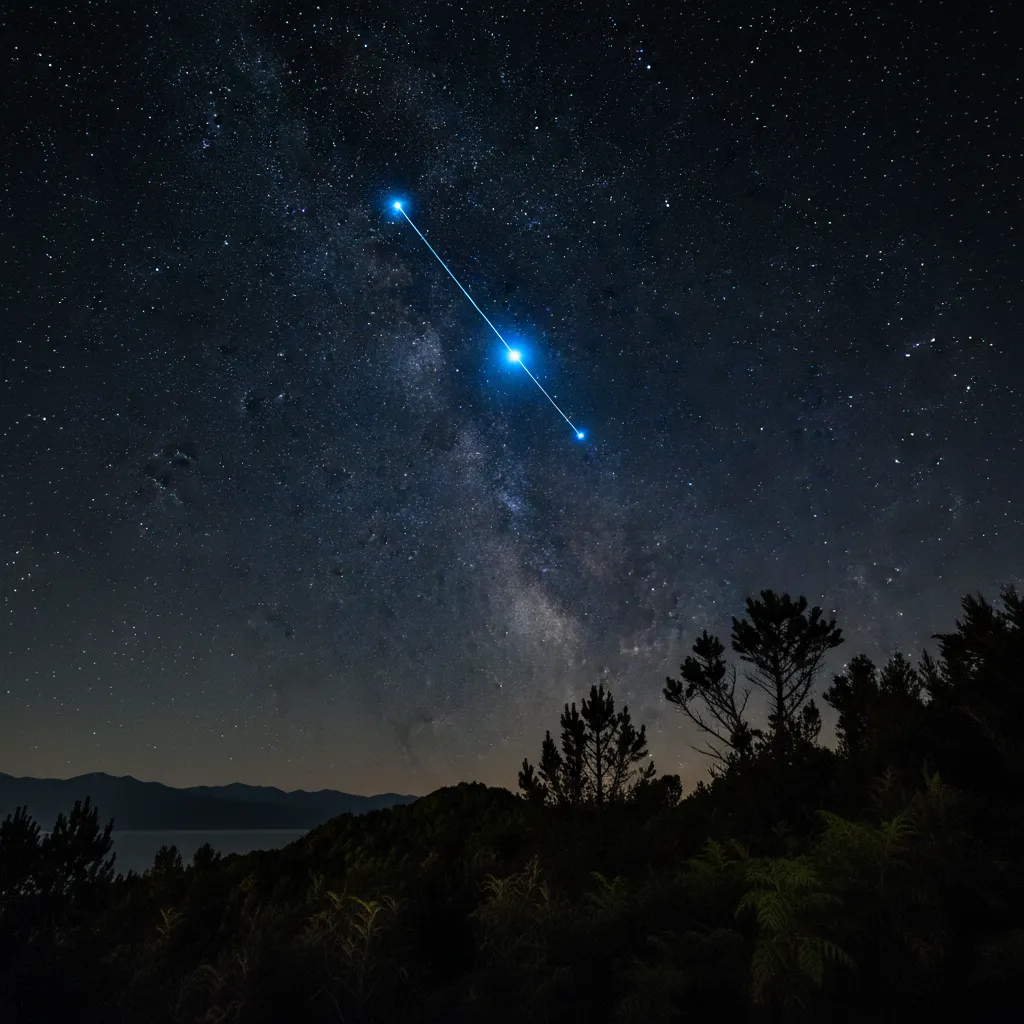
The primary difference between Ariki and Matariki lies in their classification. Matariki refers specifically to the Pleiades star cluster (Messier 45) that heralds the Māori New Year. Ariki is not a single star name but a title meaning “Chief” or “Noble,” often attributed to high-ranking stars like Rehua (Antares) or Atutahi (Canopus) that hold higher celestial authority than the Matariki cluster in Māori cosmology.
What is the Difference Between Ariki and Matariki?
Understanding the ariki vs matariki stars difference requires navigating both astronomical science and the rich tapestry of Te Ao Māori (the Māori world). A common misconception among those new to indigenous astronomy is that “Ariki” is the name of a specific star that competes with Matariki. In reality, the distinction is one of hierarchy and category.
Matariki is the proper name for the open star cluster known globally as the Pleiades. In Aotearoa New Zealand, the reappearance of this cluster in the mid-winter morning sky marks the beginning of the new year. It is a time of remembrance, celebrating the present, and looking to the future.
Ariki, conversely, is a title. In traditional Polynesian and Māori society, an Ariki is a paramount chief, a high priest, or a noble leader of the highest rank. When applied to astronomy, this title is reserved for the most significant stars in the night sky—those that serve as principal navigational aids or seasonal markers. While Matariki is the “Mother” or “Conductor” of her specific cluster, she is often viewed as subservient to the great Ariki stars of the heavens, such as Rehua (Antares) and Atutahi (Canopus).
Astronomical Differences: The Cluster vs. The Chiefs
To fully appreciate the ariki vs matariki stars difference, we must look at the physical characteristics of these celestial bodies.
The Matariki Cluster (Pleiades)
Matariki is an open star cluster located in the constellation Taurus. Astronomically, it is cataloged as Messier 45 (M45). It is one of the nearest star clusters to Earth and is dominated by hot blue luminous stars that have formed within the last 100 million years.
- Composition: Contains over 1,000 confirmed stars, though only 7 to 9 are typically visible to the naked eye.
- Distance: Approximately 444 light-years from Earth.
- Visual Appearance: A tight grouping of stars that resembles a small mist or a “little eyes” formation.
The Ariki Stars (Rehua and Atutahi)
The stars holding the title of Ariki are typically singular, high-magnitude stars that dominate their sector of the sky. The two most prominent Ariki are:
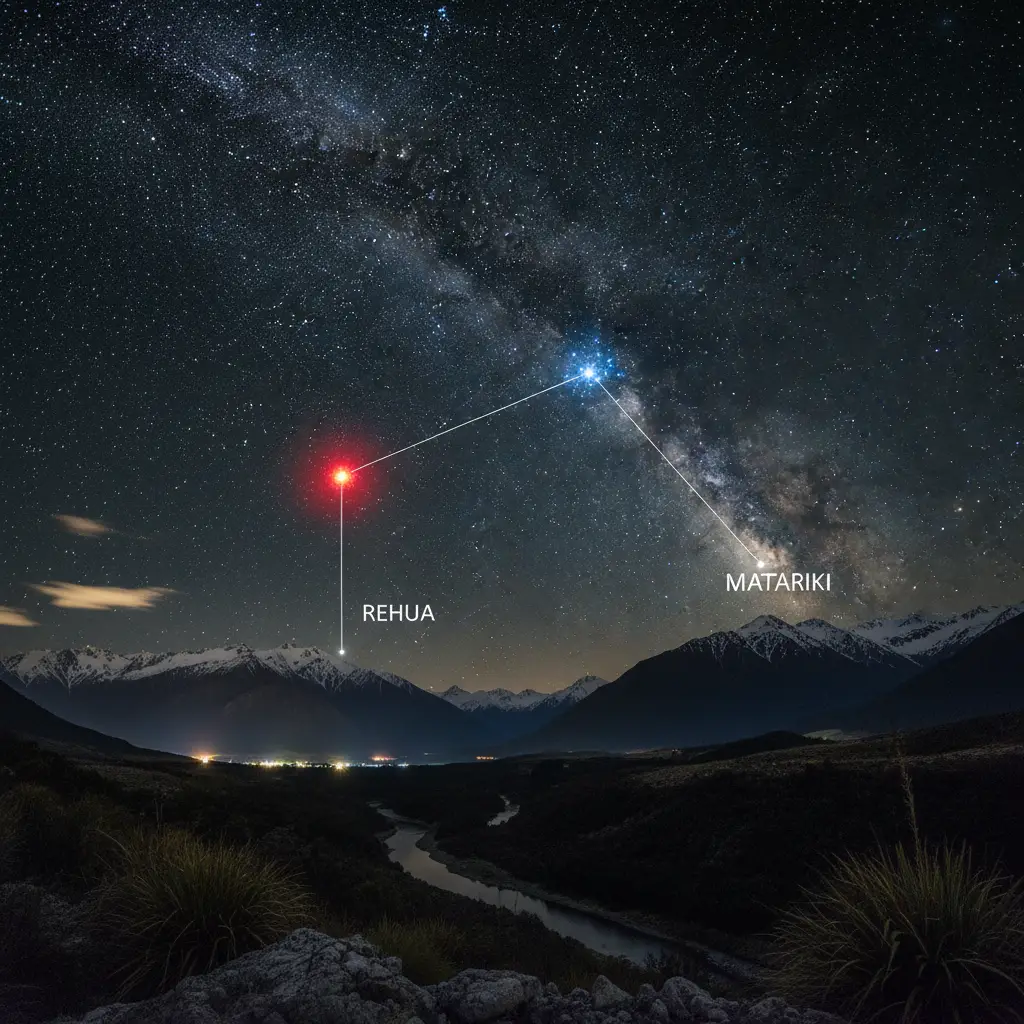
- Rehua (Antares): A red supergiant in the constellation Scorpius. It is one of the largest visible stars. In Māori tradition, Rehua is often considered the paramount chief of the heavens. He is associated with summer, heat, and healing.
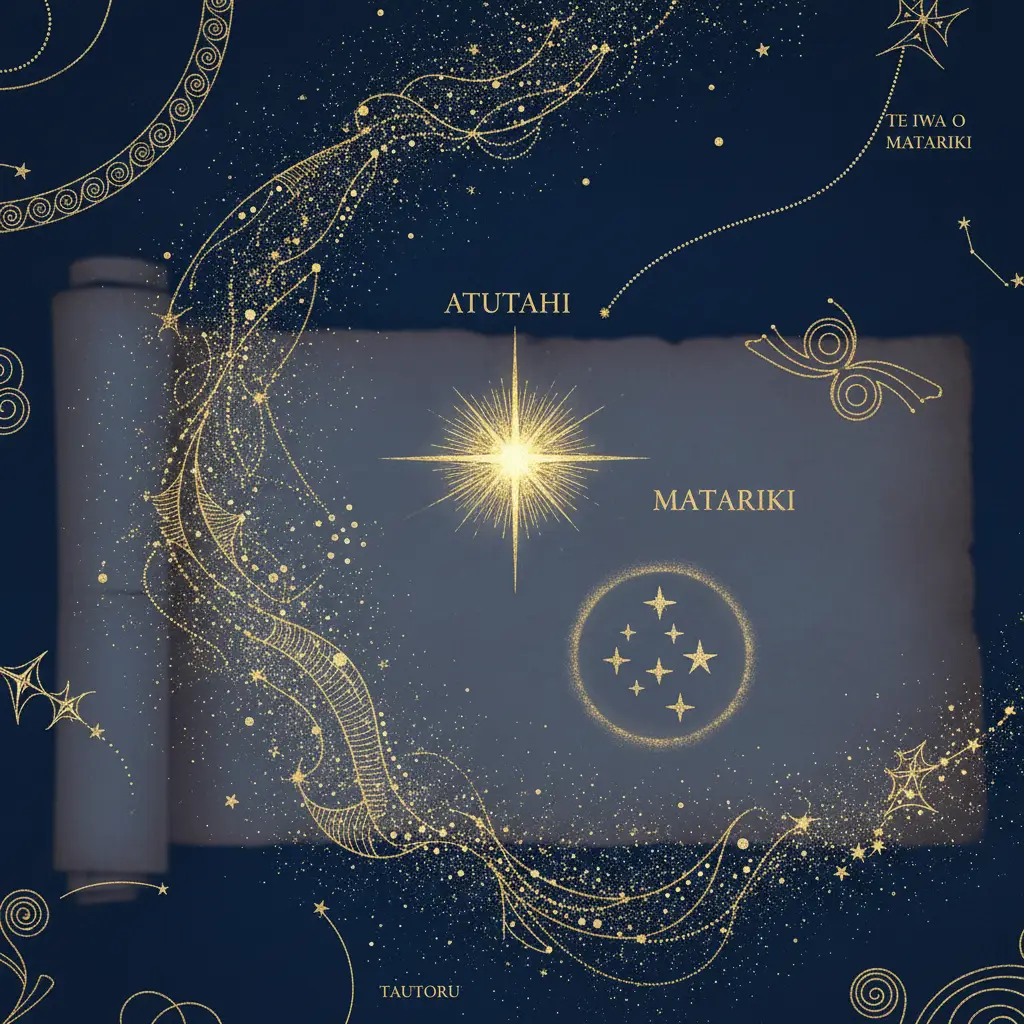
- Atutahi (Canopus): The second-brightest star in the night sky (after Sirius). Atutahi is often called Te Ariki o Te Rangi (The Chief of the Sky). It stands apart from the Milky Way (Te Ika-a-Rauparaha), signifying its tapu (sacred) nature, as a chief does not mingle commonly with the masses.
Cultural Narratives and Iwi Variations
The narratives surrounding these stars vary significantly between Iwi (tribes), which is a crucial aspect of indigenous cultural safety. There is no single “universal” Māori story, but rather a collection of tribal knowledges.
Matariki: The Mother and Children
In many traditions, specifically those aligned with the teachings of heavily forested regions like Tūhoe, Matariki is viewed as the mother, surrounded by her eight children. Each child is a star with a specific domain, such as fresh water, salt water, wind, or rain. The cluster as a whole represents unity and family welfare.
The Relationship with the Ariki
The connection between Matariki and the Ariki stars is often familial or marital in mythology. One prominent narrative suggests that Rehua (Antares) is the husband of Matariki. Since Rehua is a summer star and Matariki is a winter star, their relationship represents the changing of seasons. When Rehua sets in the west, Matariki rises in the east, maintaining the balance of the natural world.
Another narrative involves Atutahi (Canopus). As the Ariki, Atutahi remains outside the Milky Way basket. Some legends say he was left outside the basket of creation because of his high status, watching over the other stars, including the Matariki assembly.
The Role of Each Star in the Matariki Cluster
While the “Ariki” stars govern broad concepts like summer heat or celestial leadership, the stars within the Matariki cluster have specific, granular responsibilities related to environmental forecasting. Modern regeneration of this knowledge identifies nine distinct stars:
The 9 Stars of Matariki
- Matariki (Alcyone): The mother/conductor. Signifies reflection, hope, and the health of the people.
- Pōhutukawa (Sterope): Connected to those who have passed away.
- Tupuānuku (Pleione): Connected to food grown in the ground (soil).
- Tupuārangi (Atlas): Connected to food from the sky (birds, berries).
- Waitī (Maia): Connected to fresh water and food within it (eels, trout).
- Waitā (Taygeta): Connected to the ocean and food within it.
- Waipunarangi (Electra): Connected to rain.
- Ururangi (Merope): Connected to the winds.
- Hiwa-i-te-rangi (Celaeno): Connected to the promise of a prosperous season; the “wishing star.”
How to Spot Ariki and Matariki in the Sky
For observers in the Southern Hemisphere, distinguishing the ariki vs matariki stars difference visually is relatively straightforward once you know where to look.
Finding Matariki (Mid-Winter)
Matariki appears in the pre-dawn sky (around 5:30 AM to 6:30 AM) during June and July.
- Look to the Northeast horizon.
- Find Tautoru (The three stars of Orion’s Belt).
- Trace a line leftward from Tautoru to a triangular shape of stars called Te Kokotā (The Hyades/Face of Taurus).
- Continue that line leftward until you see a small, twinkling cluster. That is Matariki.
Finding Rehua (The Summer Ariki)
Rehua (Antares) is best seen in the summer months but is also visible at different times. It is the bright red heart of the Scorpion (Scorpius). If you are looking for Matariki in the winter morning, Rehua will likely be setting or not visible, as they occupy opposite sides of the seasonal calendar.
Finding Atutahi (The Southern Ariki)
Atutahi (Canopus) is circumpolar for much of New Zealand, meaning it never sets for many observers. It is the second brightest star in the sky. Look for the Milky Way; Atutahi sits just on the edge of the stream of stars, shining with a brilliant white-yellow light, watching over the galaxy.

Indigenous Cultural Safety and Protocol
When discussing ariki vs matariki stars difference within the context of the public holiday or educational settings, cultural safety is paramount. This involves respecting the mana (prestige) of the knowledge and the people it belongs to.
Avoid referring to Matariki as merely “The Seven Sisters.” While this is the Greek narrative, the Māori narrative is distinct. In Aotearoa, the cluster is gender-neutral or female-centric depending on the iwi, and often includes nine stars, not seven. Furthermore, do not conflate the “Ariki” title with a specific star unless you are referencing Rehua or Atutahi specifically.
Acknowledging the hierarchy of the stars—where Matariki signals the New Year, but Rehua and Atutahi hold the status of Ariki (High Chiefs)—demonstrates a deeper level of cultural competency. It shows an understanding that the sky, like society, is structured and ordered.

Frequently Asked Questions
Is Matariki a single star or a cluster?
Matariki is both. It is the name of the entire star cluster (Pleiades), but also the name of the specific central star (Alcyone) within that cluster, which acts as the mother or conductor to the others.
What does Ariki mean in Māori astronomy?
Ariki means “Chief” or “Noble.” In astronomy, it is a title given to the most prestigious and bright stars, such as Rehua (Antares) and Atutahi (Canopus), which are considered the lords of the sky.
Why are there sometimes 7 and sometimes 9 stars in Matariki?
It depends on visual acuity and tribal tradition. While 7 stars are easily visible to the naked eye, Māori astronomers with exceptional eyesight identified 9 distinct stars, each with a specific environmental purpose.
Who is the father of the Matariki stars?
Tribal narratives vary. In some traditions, Rehua (Antares) is considered the husband of Matariki and the father of her children. In others, the star Punga is mentioned. There is no single universal narrative.
When is the best time to view Matariki?
The best time to view Matariki is in mid-winter (June or July) during the early morning, just before the sun rises (pre-dawn), looking toward the northeast horizon.
Is Atutahi part of the Matariki cluster?
No, Atutahi (Canopus) is a separate, very bright star located far from the Matariki cluster. Atutahi is often considered an Ariki (Chief) star that stands outside the Milky Way.