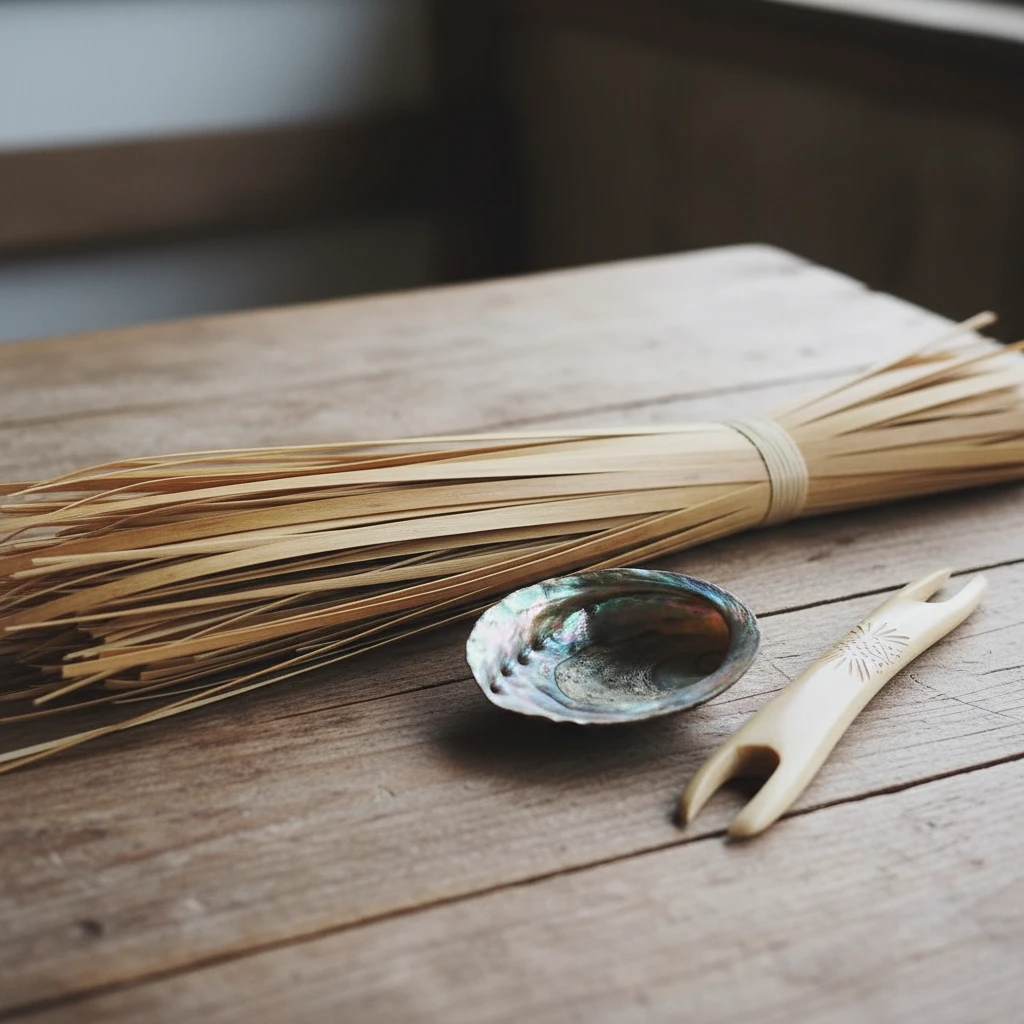
Modern Kaitiakitanga practices involve applying traditional Māori guardianship principles to contemporary environmental challenges to restore balance and sustainability. These practices encompass organic gardening using the Maramataka, zero-waste living strategies, restoring waterways with native planting, and community conservation. Adopting these methods satisfies a desire for actionable gardening advice while honoring indigenous wisdom and ensuring resources are preserved for future generations.
As Aotearoa New Zealand celebrates Matariki, the Māori New Year, the focus shifts towards reflection, renewal, and our connection to the environment. Kaitiakitanga is more than just conservation; it is an intricate web of rights, responsibilities, and obligations to care for the physical and spiritual well-being of the natural world. In a modern context, this ancestral knowledge offers a robust framework for addressing climate change, biodiversity loss, and sustainable living.
For those seeking meaningful ways to engage with the land, understanding Kaitiakitanga provides a pathway to ethical stewardship. Whether you are managing a large rural block or a small urban backyard, the principles of guardianship remain the same: respect the land, and the land will provide for you.
Understanding Kaitiakitanga in a Modern Context
Kaitiakitanga is derived from the word ‘kaitiaki’, which translates to guardian, steward, or trustee. Historically, kaitiaki could be people, but they could also be taniwha (spiritual beings) or specific animals that signaled the health of an ecosystem. The concept is deeply rooted in Whakapapa (genealogy), which establishes that Māori are not superior to the natural world but are related to it through a common ancestry with Papatūānuku (Earth Mother) and Ranginui (Sky Father).
In the modern world, practicing Kaitiakitanga means adopting a worldview where resource management is intergenerational. It moves away from the extractive economy—taking resources without thought for the future—toward a regenerative model. This shift is critical for Indigenous cultural safety, ensuring that the mana (authority) and mauri (life force) of the environment are respected.
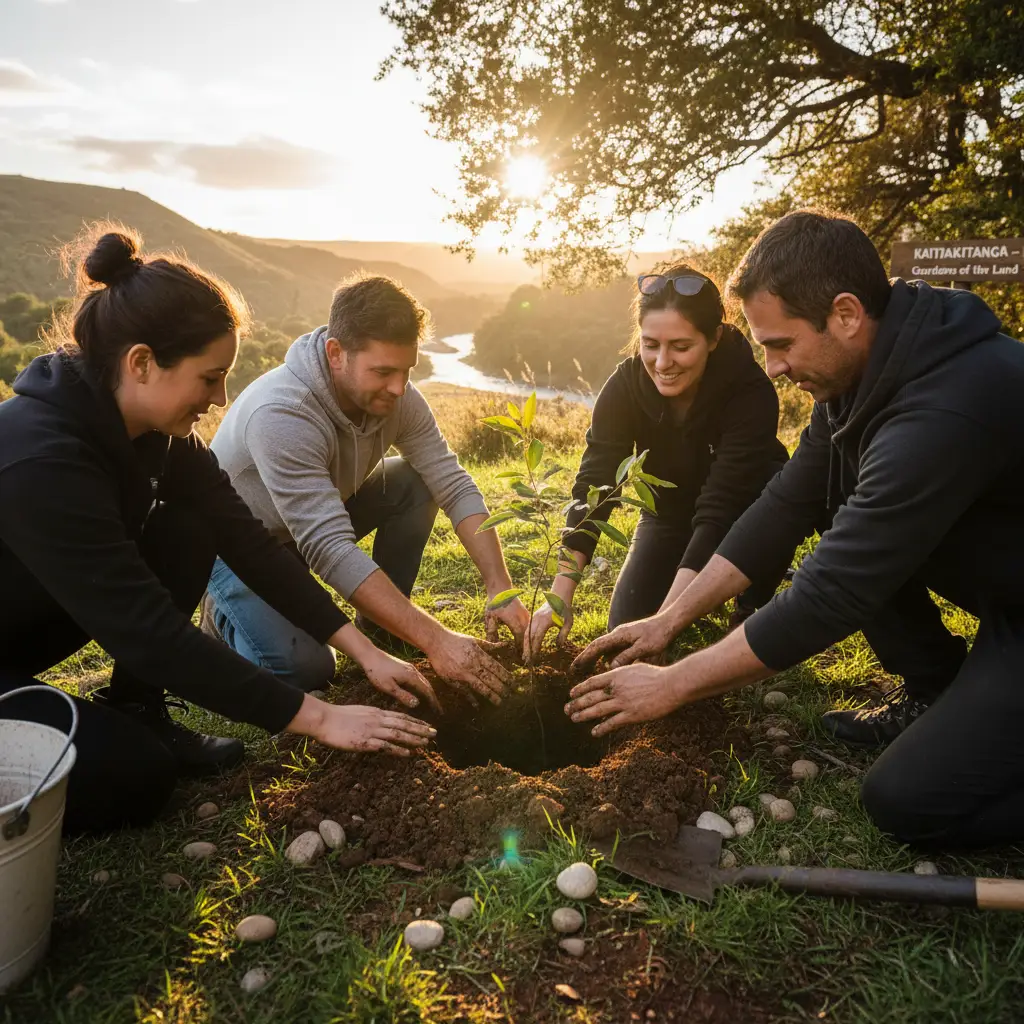
Modern Kaitiakitanga is not reserved solely for Māori; it is a discipline that anyone living in Aotearoa can respect and learn from, provided they do so with cultural humility. It involves observing the environment closely, noticing changes in bird song, water clarity, and flowering cycles, and adjusting human behavior to reduce harm.
Fulfilling the Desire for Actionable Gardening Advice through Māra Kai
One of the most direct ways to practice Kaitiakitanga is through Māra Kai (food gardening). Many homeowners and community groups have a strong desire for actionable gardening advice that goes beyond simple aesthetics and delves into sustainability and food sovereignty. By applying indigenous knowledge, gardeners can increase yields while healing the soil.
Using the Maramataka (Lunar Calendar)
The Maramataka is the traditional Māori lunar calendar used to guide planting, fishing, and harvesting. Unlike the Gregorian calendar, which is solar-based, the Maramataka observes the gravitational pull of the moon on water tables and sap flow in plants. Utilizing this system is a cornerstone of modern Kaitiakitanga gardening.
- Whiro (New Moon): Energy levels are low. This is a time for planning and resting, not for active planting.
- Tamatea (First Quarter): The weather can be unpredictable. It is often better to focus on weeding and pest control rather than planting delicate seedlings.
- Rakaunui (Full Moon): Sap flow is high. This is the optimal time for planting root vegetables and crops that grow above ground.
- Tangaroa Phases: Excellent for fishing and planting crops that require plenty of moisture.
Companion Planting and Soil Health
Kaitiakitanga emphasizes the interconnectedness of all living things. In the garden, this manifests as companion planting. Instead of using chemical pesticides that damage the Mauri of the soil, a Kaitiaki uses plants to support one another.
Actionable tips for your garden:
- Plant Kawakawa: The leaves of the Kawakawa tree are excellent for making insect-repellent sprays. Boil the leaves, let the water cool, and spray on vegetables to deter pests naturally.
- Marigolds and Kumara: Planting marigolds near Kumara (sweet potato) can help repel nematodes in the soil.
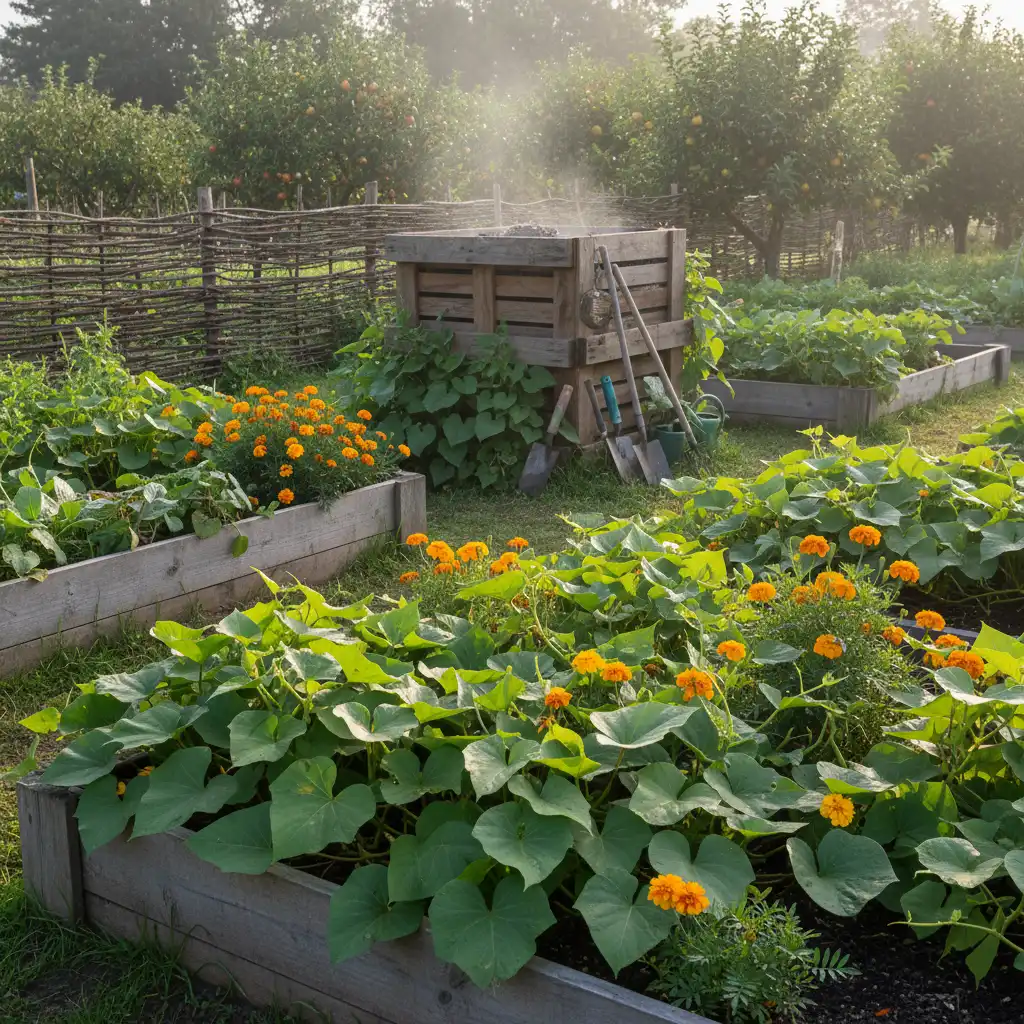
- Composting (Whakaora Oneone): Returning organic matter to the earth is a non-negotiable aspect of Kaitiakitanga. Treat your soil as a living entity. Avoid synthetic fertilizers; instead, use seaweed (rimurimu) gathered sustainably from the beach (only take what is loose, never cut from the rock) to provide essential trace minerals.
Applying Māori Values to Zero-Waste Living
The concept of waste is largely foreign to traditional Māori society, where everything had a use and eventually returned to Papatūānuku. The modern “throw-away” culture is the antithesis of Kaitiakitanga. To align with these values, we look to the Para Kore (Zero Waste) movement, which is gaining traction across marae and households in New Zealand.
The Hierarchy of Para Kore
Applying Māori values to zero-waste living requires a shift in mindset from “disposal” to “resource recovery.”
- Whakamahi Anō (Reuse): Before recycling, consider if an item can be repurposed. Old clothing can become cleaning rags; glass jars can store pantry staples.
- Hangarua (Recycle): When purchasing, choose materials that can be genuinely recycled in your local area (glass, aluminum, certain plastics).
- Whakawairākau (Compost): Food scraps should never end up in a landfill. In a landfill, organic waste generates methane, a potent greenhouse gas. By composting, you respect the food’s energy and return it to the cycle of life.
Respecting the Atua through Waste Reduction
In Māori cosmology, different realms are governed by different Atua (gods). Tāne Mahuta governs the forest; Tangaroa governs the sea. When we allow plastic to enter the ocean, we are disrespecting Tangaroa. When we dump toxic waste in the bush, we insult Tāne. Viewing waste reduction through this spiritual lens adds a layer of deep responsibility to daily habits, such as refusing single-use plastics and choosing biodegradable packaging.
Protecting Local Waterways and Biodiversity
Water (Wai) is the lifeblood of Papatūānuku. In the Māori worldview, water carries a life force (Mauri) that can be healthy or degraded. Protecting local waterways is one of the most critical modern Kaitiakitanga practices, especially given the state of many rivers and streams in urban and rural areas.
Riparian Planting Strategies
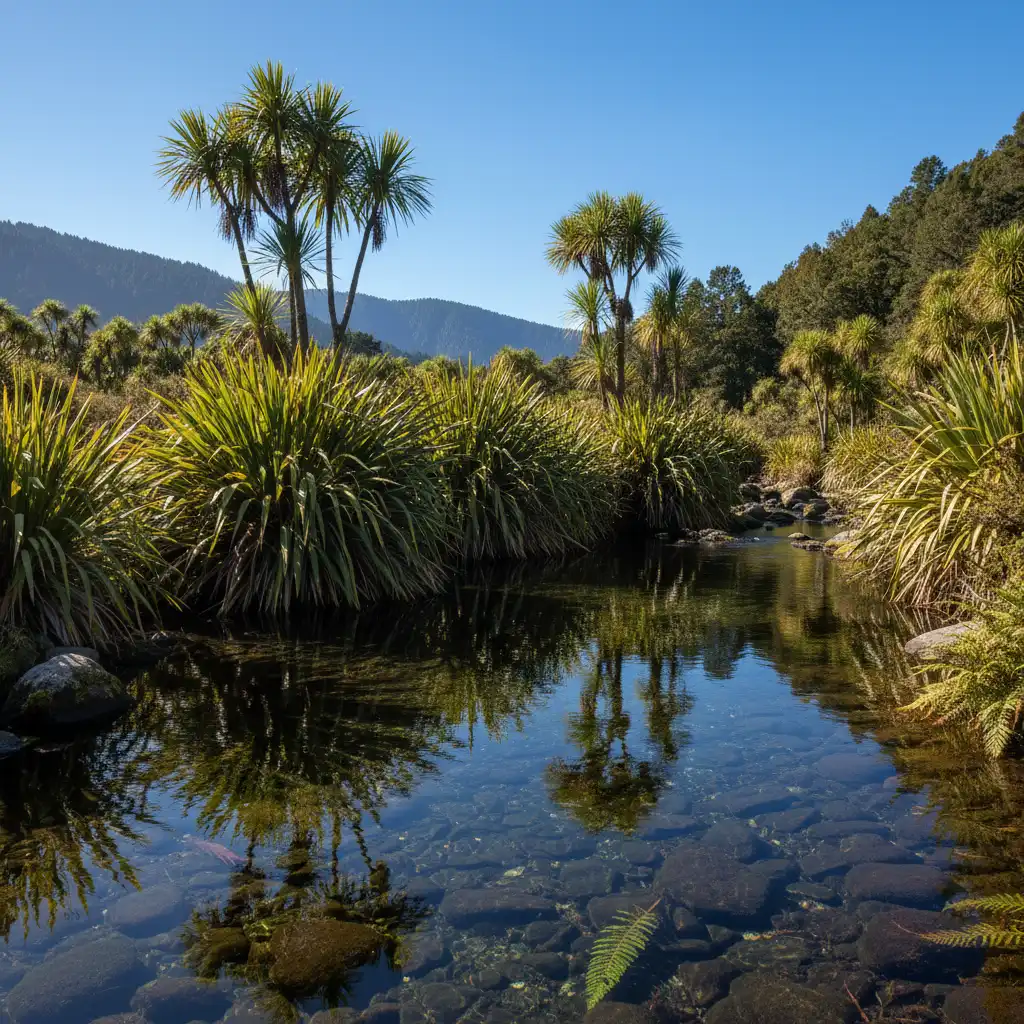
Riparian zones are the strips of land alongside waterways. Healthy riparian planting acts as a filter, stopping sediment and agricultural runoff from entering the water. It also provides shade, lowering water temperature to support native fish species like Inanga and Tuna (eels).
Key Native Plants for Waterways:
- Harakeke (Flax): Its deep roots stabilize banks, and it provides habitat for birds.
- Ti Kōuka (Cabbage Tree): Excellent for stabilizing soil and tolerates wet feet.
- Carex Secta (Purei): A tussock grass that creates overhangs in the water, providing perfect hiding spots for fish.
Urban Water Management
For those in cities, protecting waterways means being conscious of what goes down the stormwater drain. In many New Zealand towns, stormwater drains flow directly to the sea without treatment. Washing cars on the grass instead of the driveway prevents detergents from entering the marine ecosystem. Ensuring that litter is picked up prevents it from being washed into the ocean during heavy rain, protecting the domain of Tangaroa.
Community-Led Conservation Projects
Kaitiakitanga is rarely a solitary pursuit; it is communal. Whanaungatanga (building relationships) is essential for large-scale environmental restoration. Across the country, community-led conservation projects are restoring wetlands, eradicating pests, and reforesting land.
Engaging in these projects offers a practical application of Kaitiakitanga. Volunteer groups often focus on trapping introduced predators (possums, stoats, rats) that decimate native bird populations. This is not killing for the sake of killing; it is a protective measure to ensure the survival of taonga (treasured) species like the Kiwi and Kākāpō.
Participating in local “planting days” during Matariki is a powerful way to contribute. These events often combine labor with learning, where local Iwi or knowledgeable community leaders share histories of the land, reinforcing the cultural narrative of the area.
How to Become a Modern Kaitiaki
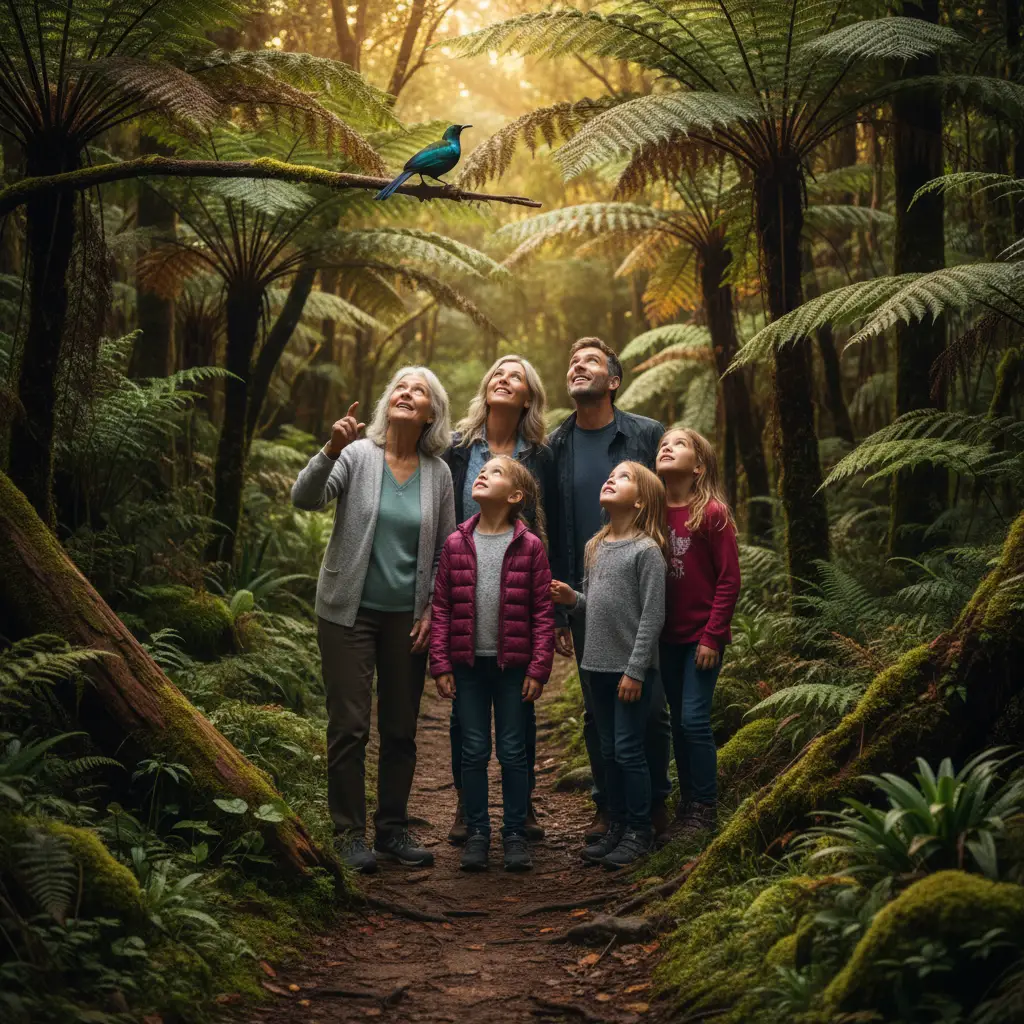
Becoming a modern Kaitiaki is a journey of education, observation, and action. It requires a commitment to learning the stories of the land you live on and respecting the indigenous knowledge associated with it.
Cultural Safety and Respectful Engagement
It is vital to approach Kaitiakitanga with cultural safety in mind. For non-Māori, this means acknowledging that while you can practice stewardship, the role of Mana Whenua (people of the land with authority) remains with the local Iwi and Hapū. Being a modern Kaitiaki involves:
- Asking for permission: Before gathering natural resources (like driftwood or flax) from public or private land, consider the tikanga (protocol). Is it appropriate? Have you said a karakia (prayer/acknowledgment) of thanks?
- Learning the names: Learn the original Māori names for the hills, rivers, and trees in your area. Names contain history and clues about the ecosystem.
- Reciprocity: Never take more than you need, and always give back to the land. If you harvest produce, ensure the soil is replenished.
By integrating these values into daily life—through the desire for actionable gardening advice, waste reduction, and community involvement—we honor the spirit of Matariki and ensure a thriving environment for the future.
Frequently Asked Questions
What is the core principle of Kaitiakitanga?
The core principle of Kaitiakitanga is guardianship and stewardship based on the understanding that humans and the natural world are genealogically connected. It emphasizes the responsibility to protect and enhance the mauri (life force) of the environment for current and future generations.
How can I apply Kaitiakitanga to my home garden?
You can apply Kaitiakitanga by using the Maramataka (lunar calendar) to guide planting, avoiding chemical sprays, practicing composting to return nutrients to Papatūānuku, and planting native species to support local biodiversity and soil health.
Why is Matariki important for environmental practices?
Matariki marks the Māori New Year and is a traditional time for harvesting, planting, and resetting one’s relationship with the environment. It serves as an annual reminder to assess our impact on the earth and plan for a sustainable year ahead.
What is the Para Kore movement?
Para Kore means “Zero Waste.” It is a Māori-led movement that designs out waste by educating communities on reducing, reusing, recycling, and composting, grounded in traditional values of respecting resources and not burdening the land with rubbish.
How does Kaitiakitanga relate to water conservation?
Kaitiakitanga views water as a living entity with its own mauri. Protecting it involves preventing pollution, restoring riparian edges with native plants to filter runoff, and ensuring that water use does not deplete the source beyond its ability to regenerate.
Can non-Māori be Kaitiaki?
Yes, non-Māori can practice the principles of Kaitiakitanga by acting as responsible stewards of the environment. However, it is important to do so with cultural humility, acknowledging the specific status of Mana Whenua and learning from local indigenous knowledge.