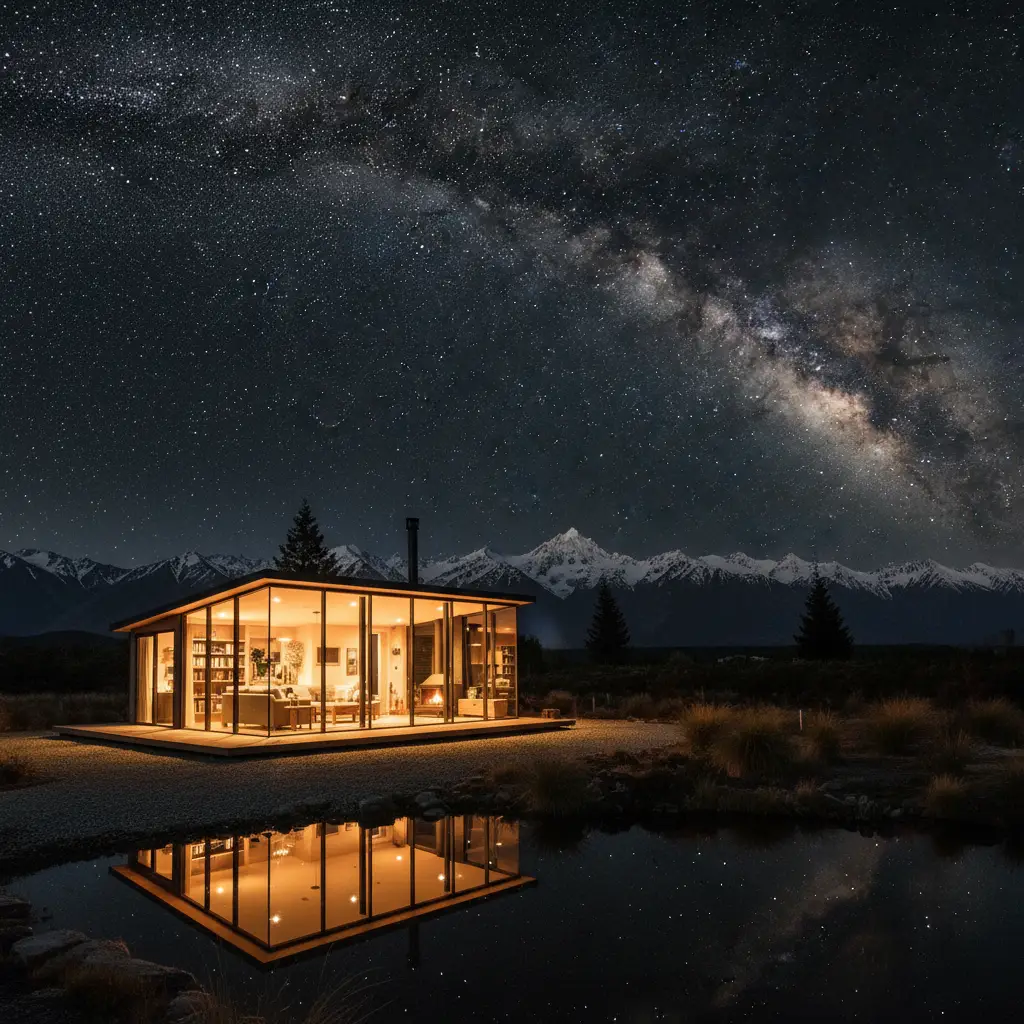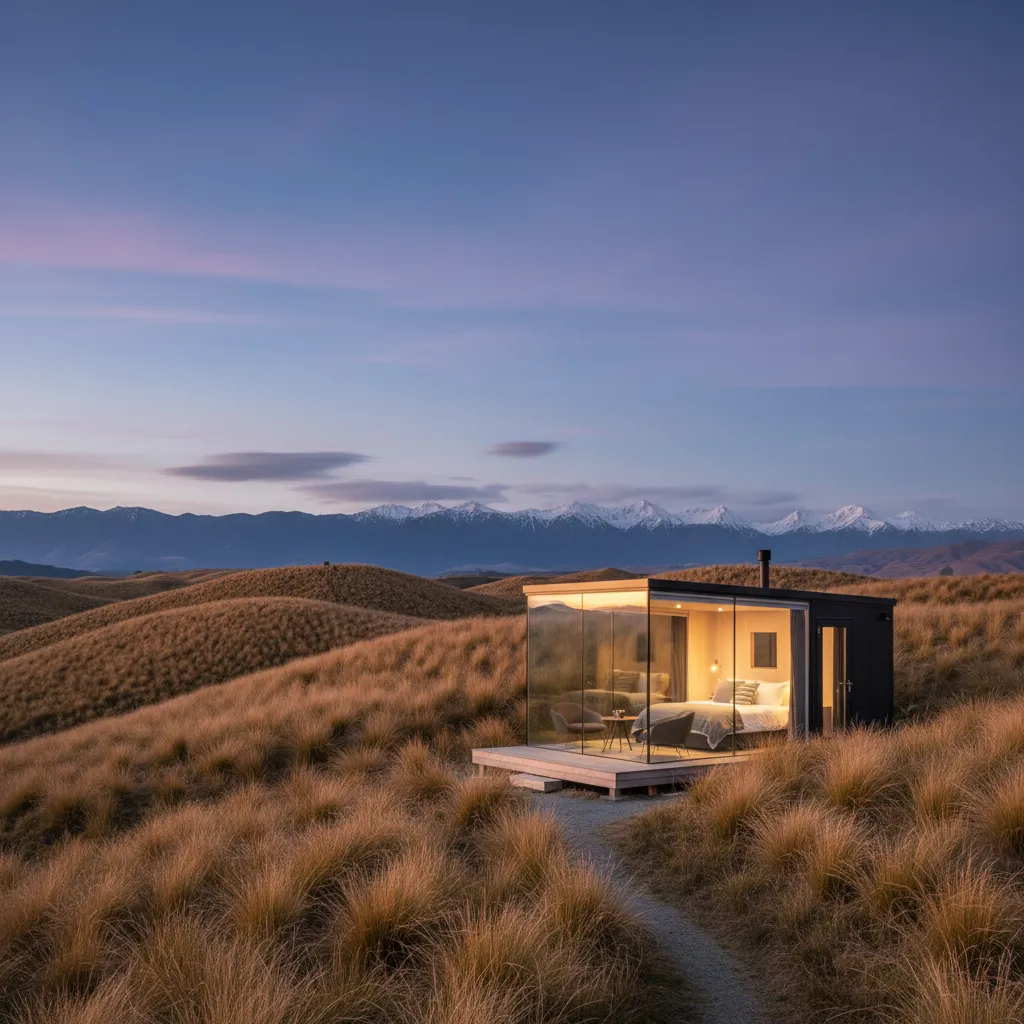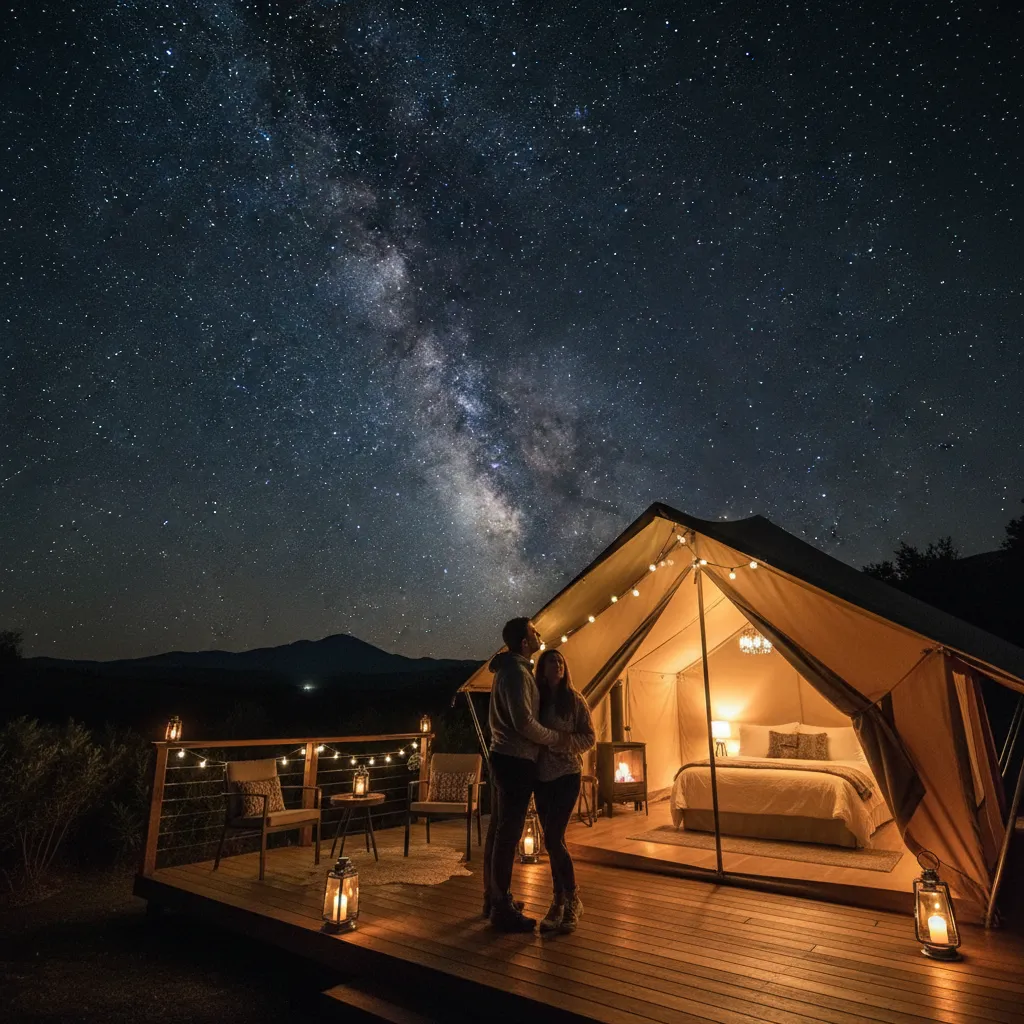
PurePods offers a standardized, high-end luxury experience featuring isolated, all-glass cabins designed specifically for 360-degree nature immersion and stargazing. In contrast, Canopy Camping Escapes is a curated directory of diverse glamping accommodations ranging from luxury tents to geodesic domes, offering wider variety in pricing, architectural style, and amenity levels for travelers seeking unique, boutique stays.
New Zealand’s luxury tourism sector has seen an exponential rise in demand for immersive nature experiences, particularly those that capitalize on the country’s world-renowned dark skies. With the official recognition of Matariki (the Māori New Year) as a public holiday, winter tourism centered around astronomy and introspection is booming. For travelers planning a getaway to witness the southern stars, the choice often narrows down to two industry leaders: the architectural marvel of PurePods and the eclectic portfolio of Canopy Camping Escapes.
While both options promise seclusion and a connection with the outdoors, they cater to slightly different travel philosophies. This comprehensive guide analyzes the nuances of both services, helping you decide which accommodation style aligns best with your desire for comfort, privacy, and celestial views.
Core Concept: Brand Consistency vs. Boutique Variety
To make an informed decision, one must first understand the fundamental business models of these two entities, as they dictate the user experience from booking to check-out.
What is a PurePod?
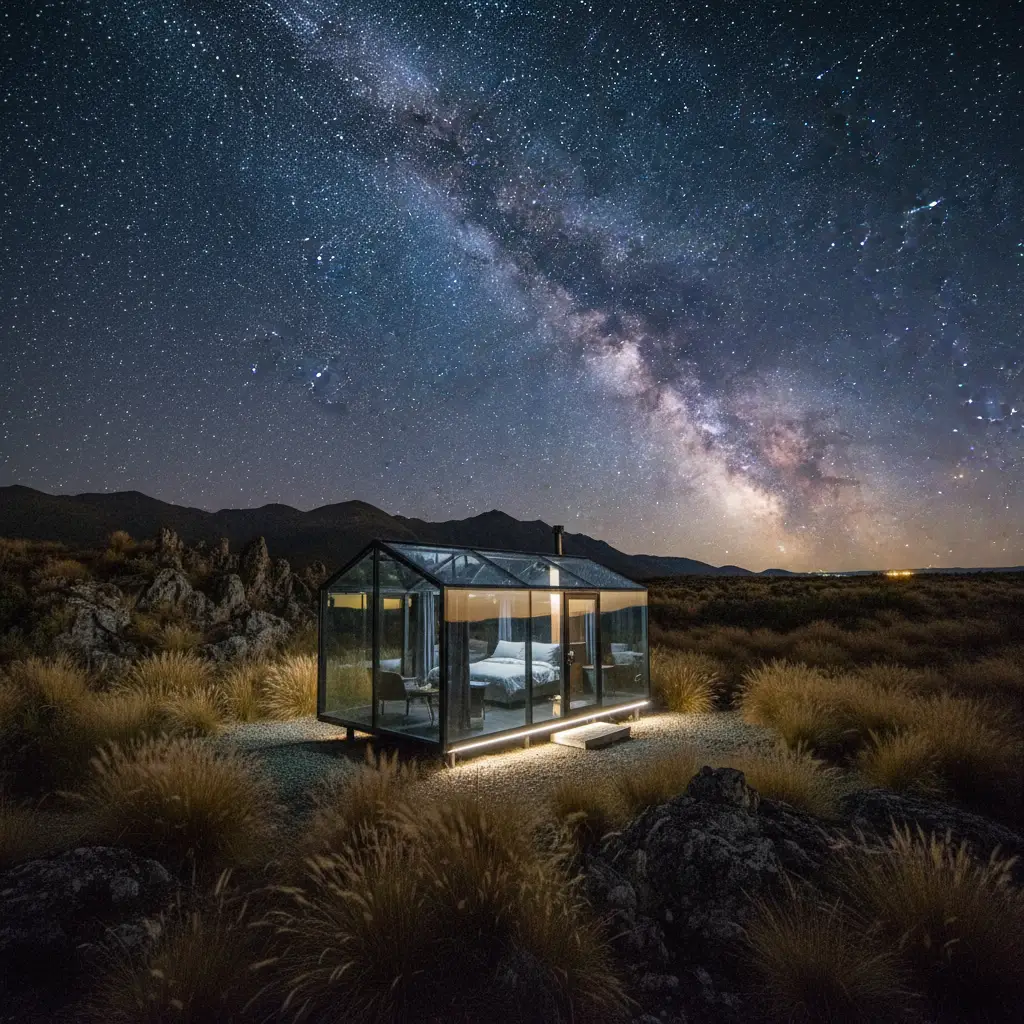
PurePods is a single operator offering a specific product: the glass cabin. Regardless of whether you book a PurePod in Kaikōura, Banks Peninsula, or Rakiura (Stewart Island), the infrastructure is remarkably consistent. You are booking a proprietary architectural design featuring glass floors, glass ceilings, and glass walls. The experience is heavily curated to ensure a specific standard of “pure” isolation. There is no Wi-Fi, no signal (usually), and the focus is entirely on digital detoxification.
What is Canopy Camping?
Canopy Camping Escapes functions more like a highly curated Airbnb for glamping. They do not own the properties; rather, they market a collection of unique stays owned by private hosts. This means the inventory is incredibly diverse. A stay with Canopy Camping could be a luxury canvas tent, a converted shepherd’s hut, a geodesic dome, or a timber cabin. Consequently, the “vibe,” amenities, and hosting style vary significantly from one location to another.
Comparing Privacy and Seclusion Levels
For many travelers, the definition of luxury is the absence of other people. Both brands market themselves on seclusion, but the execution differs.
The PurePods Isolation Guarantee
PurePods takes privacy to an extreme level. Their locations are selected specifically because they are hidden from roads, neighbors, and civilization. A hallmark of the PurePods experience is the journey to the pod; guests typically park their car in a designated area and walk 10 to 20 minutes through native bush or farmland to reach the cabin. This buffer zone ensures absolute silence and the feeling of being the only person on earth. Because the cabins are all-glass, this isolation is functional—you need to be sure no one is watching when your bathroom walls are transparent.
Canopy Camping’s Variable Privacy
Canopy Camping sites are generally very private, often located on large sheep stations or private farms. However, because they are individual host properties, the level of seclusion varies. Some sites might be a short drive from the farmhouse, while others are deep in the bush. Unlike PurePods, many Canopy Camping sites allow you to drive right up to the accommodation, which is convenient for hauling luggage but slightly diminishes the “deep wilderness” psychological effect. If absolute isolation is your priority, you must carefully read the specific listing details for each Canopy Camping property.
Glass Infrastructure: View Quality Analysis
When the objective is viewing the Aurora Australis or the Milky Way during Matariki, the physical structure of your accommodation becomes the lens through which you see the world.
The 360-Degree PurePod Experience
PurePods are engineered for optics. The ceiling is glass, the floor is suspended glass (often with ferns or tussocks growing beneath), and the walls are glass sliding doors. This creates a seamless visual field. During a storm, you feel as though you are standing in the rain without getting wet. At night, you can lie in bed and see the stars directly above you without obstruction. The glass is double-glazed for thermal efficiency, but the primary function is visual permeability. For astrophotographers or sky-watchers, this is the gold standard.
Canopy Camping’s Framed Views
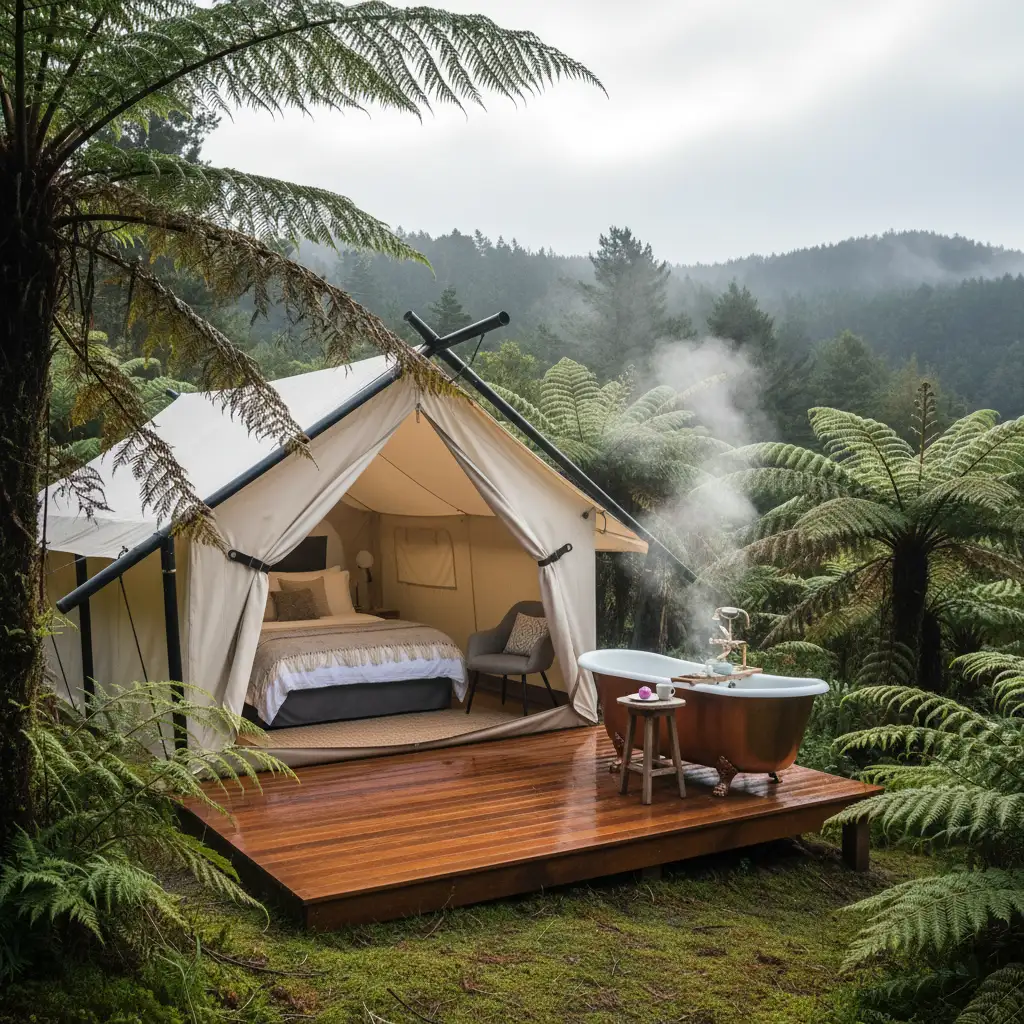
Canopy Camping properties focus on framed views. A geodesic dome might have a large bay window and a skylight, but it will also have solid insulated walls. A luxury tent might have zip-open windows and a deck, but the roof is canvas. While many Canopy Camping sites offer spectacular outdoor viewing platforms or outdoor baths for stargazing, the indoor viewing experience is generally more restricted than a PurePod. You typically have to step outside to get the full 360-degree celestial panorama.
Amenity Comparison: Heating, Cooking, and Bathrooms
Matariki occurs in mid-winter (June/July), meaning temperatures in New Zealand’s dark sky regions (like the Mackenzie Basin) can drop well below freezing. The quality of amenities is not just a luxury; it is a safety necessity.
Heating and Thermal Comfort
PurePods: These units utilize high-tech engineering. They typically feature underfloor heating powered by solar or gas, and bio-fuel heaters. The double-glazing is highly efficient, retaining heat even when it is snowing outside. The environment is climate-controlled and modern.
Canopy Camping: Heating methods are eclectic and rustic. Many sites feature indoor log burners (wood fires), which provide a romantic and intense heat but require effort to maintain. Canvas tents, even when insulated, can lose heat faster than a glass or timber cabin. If you are sensitive to the cold, look for Canopy Camping listings that specify “cabins” or “domes” rather than canvas tents for winter stays.
Bathroom Facilities
PurePods: The bathroom is inside the glass box. It features a flush toilet and a glass-walled shower. It feels like a modern hotel bathroom, just transparent. The water pressure is typically excellent, and the experience is polished.
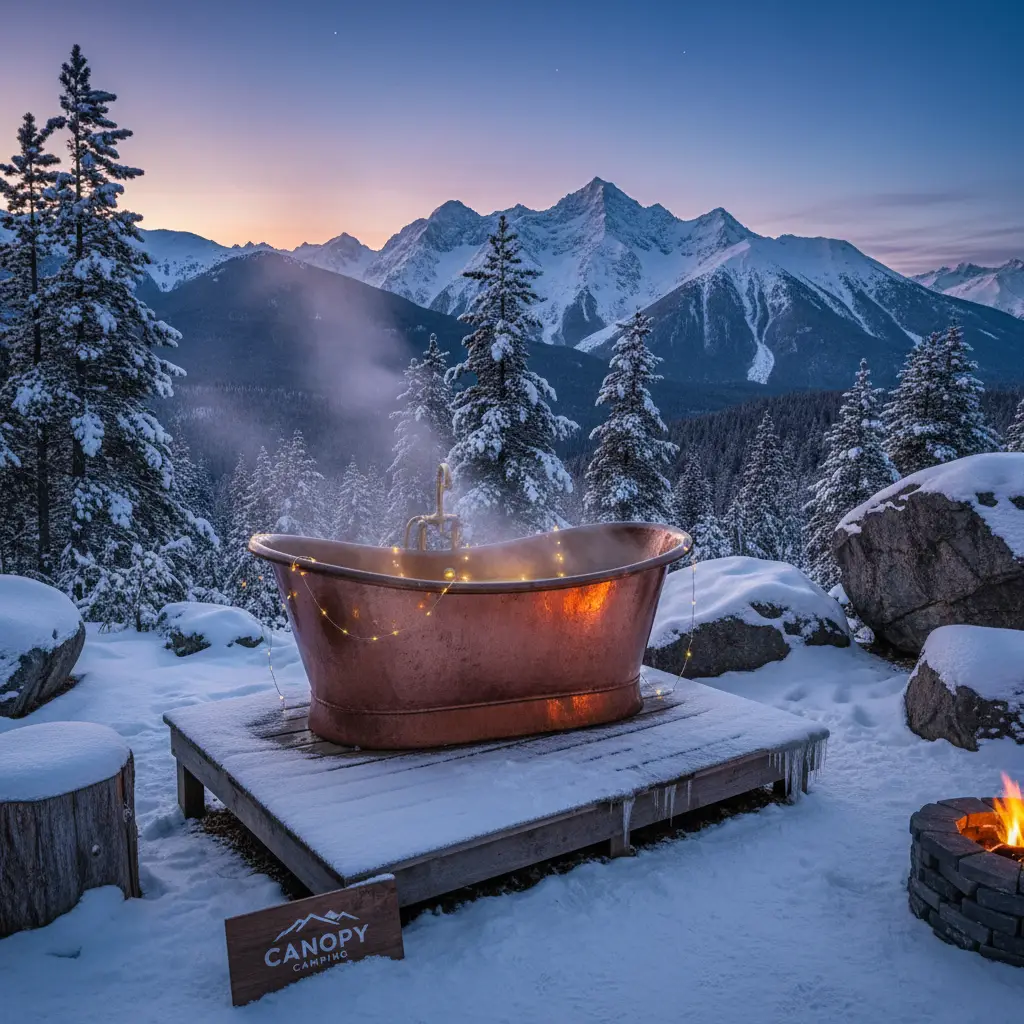
Canopy Camping: Bathrooms are often a highlight but are frequently semi-outdoor or separate structures. “Loo with a view” is a common theme, often utilizing composting toilets rather than flush systems. Outdoor bathtubs are a staple of the Canopy Camping brand—there are few things better than soaking in a hot bath under the stars in winter. However, the dash from the hot bath back to the tent in sub-zero temperatures is a factor to consider.
Price Points and Value for Money
Commercial intent requires a clear look at the investment involved. Both options sit in the premium to luxury bracket, but the value proposition differs.
- PurePods: Generally commands a higher, fixed price point (typically $600 – $900+ NZD per night). You are paying for the exclusivity of the technology, the guarantee of standardization, and the premium land access. It is an “event” stay, often booked for anniversaries or honeymoons.
- Canopy Camping: Offers a wider price spectrum. You can find rustic glamping spots for $250 – $350 NZD per night, ranging up to ultra-luxe stations costing $600+. This flexibility makes Canopy Camping more accessible for families or those wanting a unique experience without the ultra-premium price tag of a PurePod.
Best Options for Astrotourists & Matariki
For the specific niche of Dark Sky Tourism, location and light pollution are paramount. New Zealand is home to several Dark Sky Sanctuaries and Reserves.
PurePods for Hardcore Stargazers
If your primary goal is to watch the stars from your bed, PurePods is the winner. The Atatu PurePod (Banks Peninsula) or the Korimako PurePod are excellent for dark skies. The ability to wake up at 3:00 AM and see the Milky Way without leaving the warmth of your duvet is a unique selling point that canvas tents cannot replicate.
Canopy Camping for Atmospheric Stargazing
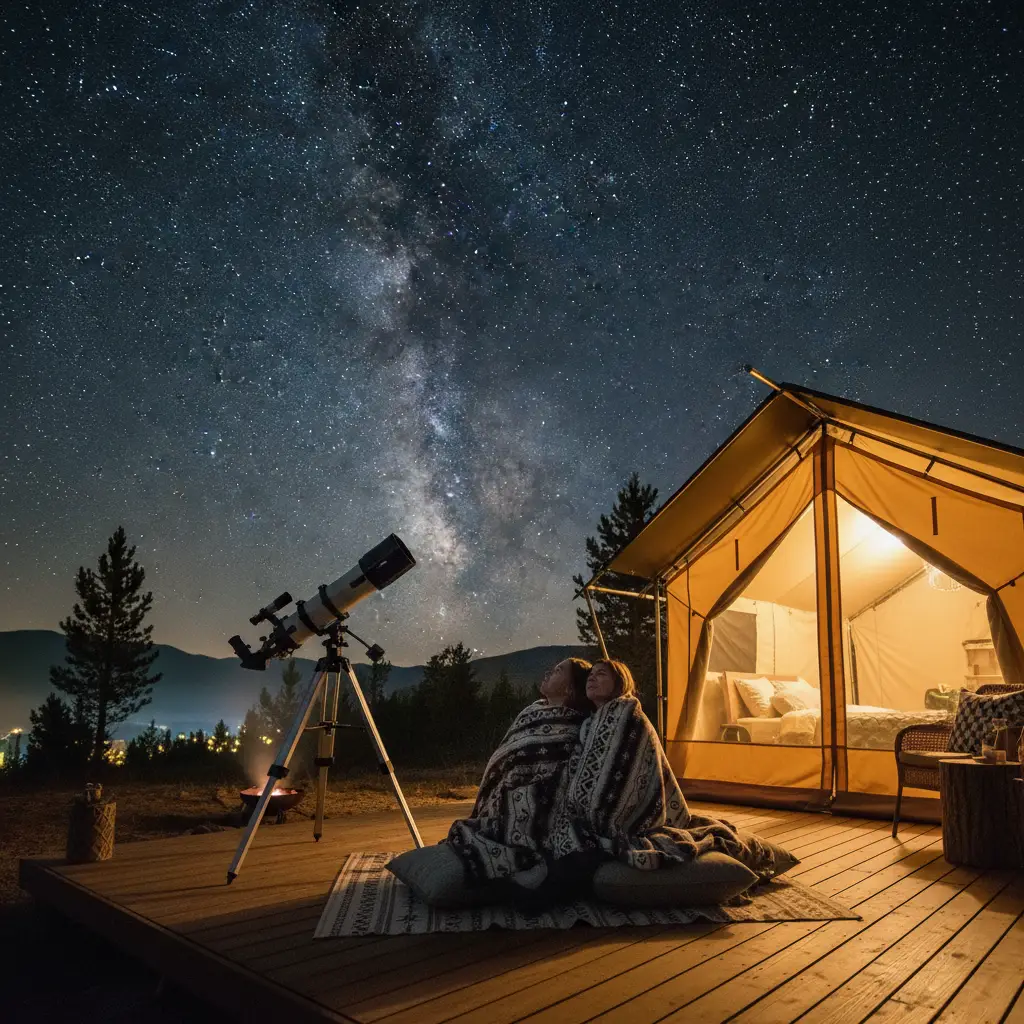
Canopy Camping excels in offering “Dark Sky Friendly” outdoor amenities. Look for listings in the Mackenzie Region (near Tekapo). Properties like Valley Views Glamping (often listed on similar platforms) or specific high-country stations on Canopy Camping offer outdoor fire pits and baths. This suits travelers who want the tactile experience of being outside under the stars, wrapped in wool blankets, celebrating Matariki with a mulled wine by an open fire.
Final Verdict: Which Should You Choose?
The choice between PurePods and Canopy Camping ultimately depends on whether you prioritize architectural novelty and seamless views or rustic character and variety.
Choose PurePods if:
- You want a guaranteed, standardized luxury experience with no surprises.
- You are visiting in the depths of winter and want modern climate control.
- Your priority is seeing the sky from indoors (bed/shower).
- You want total isolation and are willing to walk to get it.
Choose Canopy Camping if:
- You want a unique, character-filled accommodation (domes, tents, huts).
- You love outdoor baths and rustic wood fires.
- You need a wider range of price options.
- You prefer driving directly to your door.
Frequently Asked Questions
Are PurePods warm enough in winter?
Yes, PurePods are designed for year-round use. They feature heavy double-glazing, underfloor heating, and bio-fuel heaters, ensuring they remain warm even when it is snowing outside.
Do Canopy Camping sites have electricity?
Most Canopy Camping sites have electricity, often powered by off-grid solar systems. However, the capacity varies. Some can power hair dryers, while others only support phone charging and lighting. Always check the specific listing.
Can you see the Aurora Australis from PurePods?
Yes, specifically from PurePods located in the southern regions or those with clear southern horizons, such as the Rakiura (Stewart Island) PurePod or those on the Banks Peninsula during strong solar activity.
Is food provided at these glamping sites?
PurePods offers pre-ordered dinner and breakfast hampers featuring local produce for an extra fee. Canopy Camping sites are generally self-catering, though many hosts offer optional food packages or pizza ingredients for outdoor ovens.
Are these accommodations suitable for children?
PurePods generally have a strict occupancy limit (usually 2 people) and are marketed towards couples. Canopy Camping offers many family-friendly sites with larger tents and multiple beds, making them better for family groups.
How far in advance should I book for Matariki?
Matariki (June/July) is becoming a peak season for dark sky tourism. It is recommended to book at least 3 to 4 months in advance for PurePods and popular Canopy Camping sites to secure dates during the new moon period.