
The Maramataka is the traditional Māori lunar calendar, a sophisticated system of timekeeping that aligns daily activities with the phases of the moon and the appearance of stars. Unlike the solar Gregorian calendar, the Maramataka tracks 29.5-day cycles, guiding planting, fishing, and resource management based on the environmental energy levels of each lunar night.
For centuries, the indigenous people of Aotearoa (New Zealand) have looked to the night sky not just for navigation, but as a comprehensive guide for survival and cultural identity. Today, as New Zealand emerges as a world leader in Dark Sky Tourism, understanding the Maramataka offers visitors and locals alike a profound connection to the cosmos through an indigenous lens.
What is the Maramataka System?
The word Maramataka literally translates to “the moon turning” or the lunar calendar. It is a predictive tool based on thousands of years of empirical observation. While the Western world operates primarily on a solar calendar (365 days), the traditional Māori system is strictly lunar, focusing on the 29.5-day cycle of the moon as it orbits the Earth.
However, the Maramataka is far more than a simple method of counting days. It is a massive ecological database. It synchronizes the movements of the moon with the behavior of the ocean (tides), the land (flora), and the animal kingdom (fauna). Ancient tohunga (experts) observed that certain lunar phases correlated with higher sap flow in trees, more aggressive behavior in fish, or better conditions for planting kumara (sweet potato).
It is important to note that there is no single, universal Maramataka. Because New Zealand’s geography varies wildly—from the subtropical north to the alpine south—different iwi (tribes) developed specific calendars adapted to their local bioregions. For example, a coastal tribe’s calendar emphasizes fishing cycles, while an inland tribe’s calendar focuses heavily on forest gathering and cultivation.
Understanding the Phases and Energy Levels
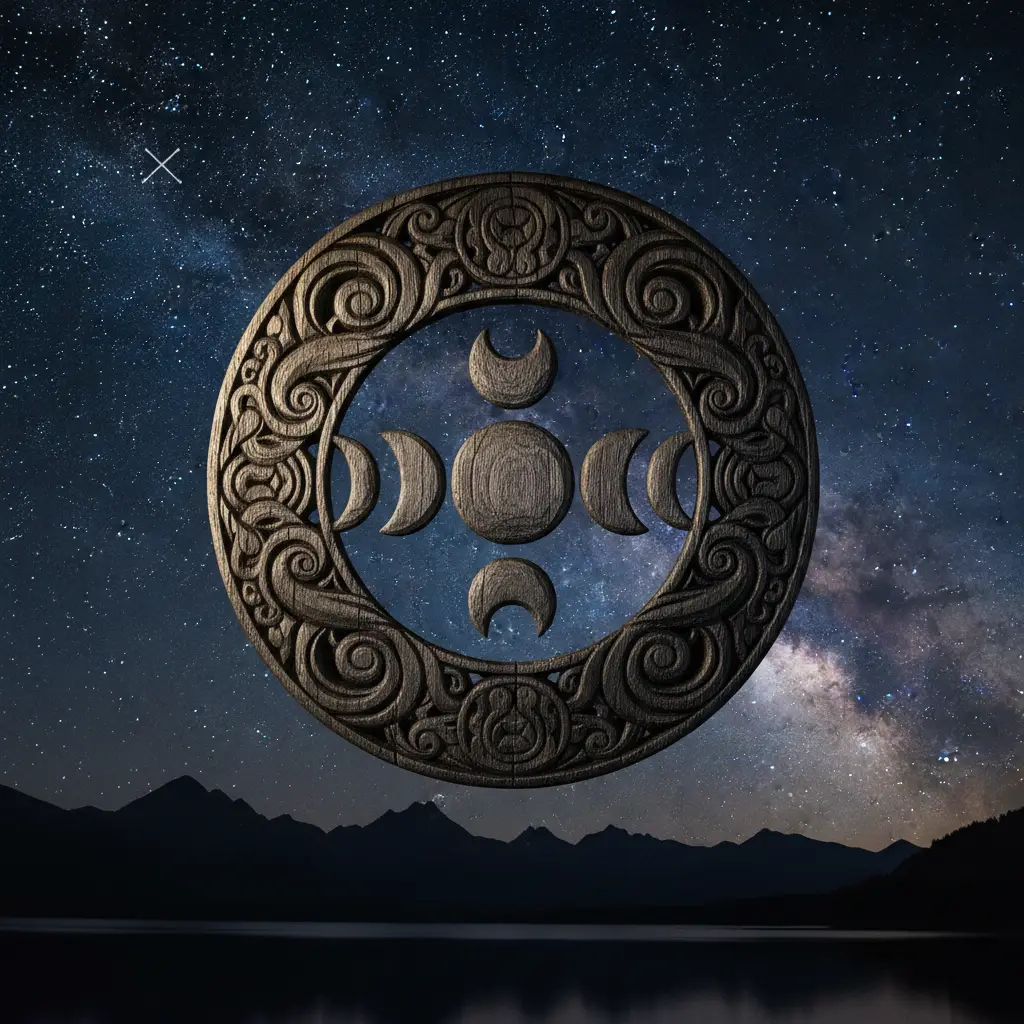
To understand the Maramataka, one must understand the classification of energy. The lunar month is generally divided into nights, each with a specific name and associated characteristics. These are often categorized into low, high, and volatile energy periods.
The Whiro Moon (New Moon)
The cycle typically begins with Whiro, the new moon. In Māori astronomy, this is a period of low energy and darkness. It is traditionally viewed as a time for rest, reflection, and planning, rather than action. It is considered an unfavorable time for planting food or fishing, as the life force in the environment is receding. Psychologically, it is the ideal time for setting intentions for the month ahead.
The Tamatea Phases (Volatile Energy)
Approaching the first quarter, we enter the Tamatea nights. The ocean is known to be rougher, and the weather more unpredictable. Historically, Māori navigators would exercise extreme caution during these phases. The energy is considered volatile and high-risk. In a modern context, people might find themselves feeling more restless or anxious during Tamatea phases. It is a time to be cautious with decision-making and physical exertion.
The Rakaunui (Full Moon)
Rakaunui represents the full moon, a time of high energy and abundance. The sap in trees is running high, making it an excellent time for planting crops that grow above ground. The ocean is active, and fishing is generally productive. This is the peak of the lunar cycle, associated with productivity, action, and harvest. Community gatherings and high-energy activities are best suited for this phase.
The Korekore Phases (Receding Energy)
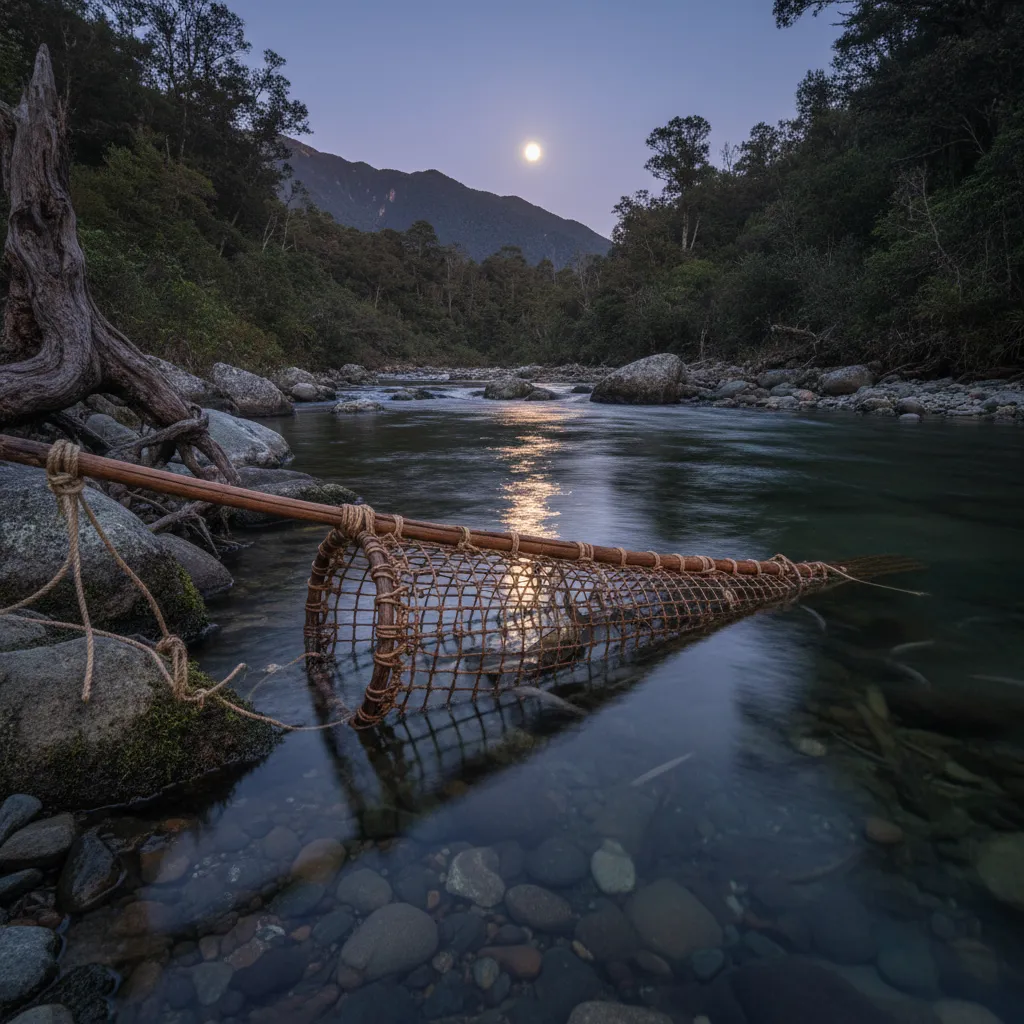
Following the full moon, the moon begins to wane. The Korekore nights are generally considered periods of scarcity or low productivity regarding food gathering (“kore” implies nothing or nil). However, this downtime was essential for maintenance tasks, such as repairing nets, sharpening tools, or engaging in wānanga (learning and discussion).
The Significance of Matariki and Puanga
Central to Māori astronomy and the regulation of the Maramataka is the appearance of specific stars that herald the New Year. This celestial event marks the reset of the lunar calendar and is a cornerstone of New Zealand’s cultural tourism sector.
What is Matariki?
Matariki is the Māori name for the star cluster known as the Pleiades. Its heliacal rising (rising just before the sun) in mid-winter marks the Māori New Year. This usually occurs in late June or July. Matariki is a time to remember those who have passed away in the previous year (associated with the star Pōhutukawa), celebrate the present harvest, and plan for the future. Each of the nine visible stars in the cluster holds dominion over a specific environmental domain, such as fresh water (Waitī), salt water (Waitā), or wind (Ururangi).
Why is Puanga celebrated in some regions?
While Matariki is celebrated nationally, it is not visible everywhere in Aotearoa at the same time due to mountainous geography. For iwi in the West Coast, Taranaki, and parts of the Far North, the Matariki cluster is often obscured by mountain ranges. Therefore, these tribes look to the star Puanga (Rigel), the brightest star in the Orion constellation. Puanga rises slightly earlier and higher in the sky, serving as the primary marker for the New Year in these regions. This distinction is vital for tourists and astronomy enthusiasts to understand, as it highlights the localized nature of Māori astronomy.
Living by the Moon: Practical Applications
The resurgence of the Maramataka in modern New Zealand society is not merely academic; it is practical. Many New Zealanders, both Māori and non-Māori, are returning to lunar living to enhance productivity and mental well-being.
Maramataka for Gardening (Kai)
Gardening by the moon is one of the most popular applications. The Maramataka dictates specific days for planting specific crops:
- Root Vegetables (Kumara, Potatoes): Best planted during the waning moon phases (after the full moon) when the energy is drawing down into the earth, encouraging root growth.
- Leafy Greens: Best planted during the waxing moon (leading up to the full moon) when the water table is rising and sap flow is upward.
- Weeding: The Korekore phases are ideal for weeding, as the low energy levels discourage the weeds from growing back quickly.
Maramataka for Fishing (Ika)
Fishing almanacs in New Zealand are heavily based on the Maramataka. The gravitational pull of the moon affects tides and the feeding habits of fish. The days immediately surrounding the Full Moon (Rakaunui) and the New Moon (Whiro) often produce the best catch rates, though the specific “bite times” are calculated based on the moon’s position relative to the horizon.
NZ Dark Sky Sanctuaries and Cultural Astronomy
New Zealand is rapidly becoming a premier destination for astro-tourism, boasting several International Dark Sky Sanctuaries and Reserves. Integrating the Maramataka into these experiences adds a layer of cultural depth that is unique to Aotearoa.
Aoraki Mackenzie International Dark Sky Reserve
Located in the South Island, this is the largest Dark Sky Reserve in the Southern Hemisphere. Here, tourism operators often combine telescope viewing with Māori legends of the sky. Visitors can learn how the great explorer Kupe used the stars to navigate across the Pacific Ocean to discover New Zealand.
Great Barrier Island (Aotea)
As an International Dark Sky Sanctuary, Aotea offers an off-grid experience where the lack of light pollution is absolute. Local guides explain how the Maramataka is used for island life, particularly regarding the protection of seabirds and marine life.
Rakiura (Stewart Island)
The southernmost Dark Sky Sanctuary, Rakiura offers a chance to see the Aurora Australis (Southern Lights). In Māori astronomy, these lights are often interpreted as the glowing fires of ancestors or signs of future events.
Cultural Protocols for Stargazing
When engaging with Māori cultural astronomy, there are protocols (tikanga) that visitors should respect to honor the knowledge and the environment.
Tapu and Noa (Sacred and Common)
The night is often considered the realm of the spirits and is treated with respect. In some traditions, food is not consumed while stargazing or discussing high-level astronomical knowledge, as food (noa) can diminish the sacredness (tapu) of the learning environment. It is best to check with local guides regarding their specific rules on eating near sacred sites.
Kaitiakitanga (Guardianship)
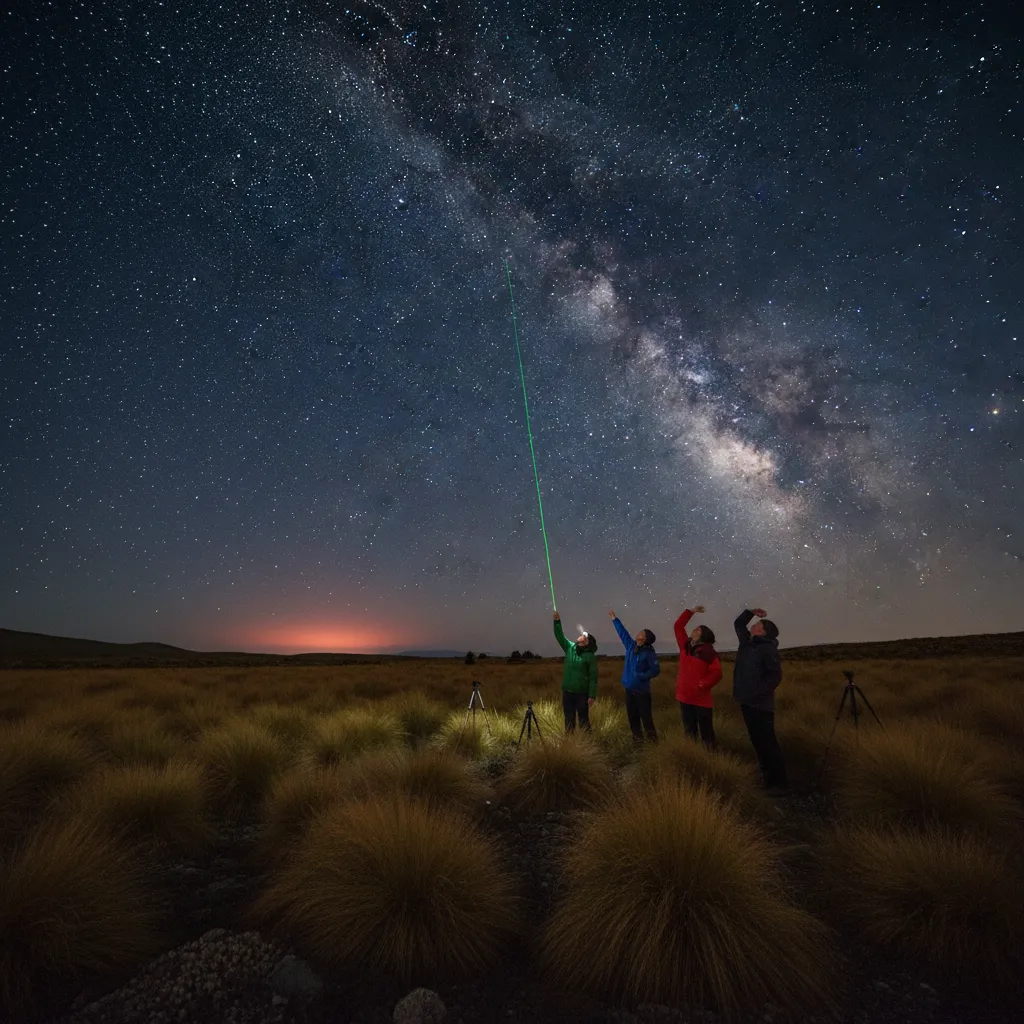
Stargazing in New Zealand is inextricably linked to the environment. Visitors are expected to practice kaitiakitanga—guardianship of the sky and land. This means minimizing light pollution (using red light torches), refraining from littering, and respecting silence to allow the natural world to speak.
Oral Tradition
Māori astronomy was traditionally passed down orally. When participating in a cultural tour, listening is more valued than questioning initially. Allow the storyteller to weave the narrative of the creation myths (Ranginui the Sky Father and Papatūānuku the Earth Mother) before asking technical questions about star magnitudes or distances.
Frequently Asked Questions
How many days are in the Maramataka calendar?
The Maramataka typically follows a lunar cycle of 29.5 days. However, because a lunar year is approximately 354 days (11 days shorter than the solar year), an extra month was occasionally added in traditional times to realign the calendar with the seasons and stars like Matariki.
What is the difference between Maramataka and the Gregorian calendar?
The Gregorian calendar is solar, based on the earth’s orbit around the sun (365 days), and is used for civil timekeeping. The Maramataka is lunar, based on the moon’s phases, and is used for ecological alignment, planting, fishing, and energy management.
Can I use the Maramataka for mental health?
Yes, many people use the Maramataka to manage mental well-being by aligning their activity levels with the moon’s energy. For example, using the high-energy full moon for socializing and the low-energy new moon for rest and introspection helps prevent burnout.
What are the best moon phases for fishing in NZ?
Generally, the days leading up to and including the Full Moon (Rakaunui) and the New Moon (Whiro) are considered the most productive for fishing due to stronger tides and increased fish activity. The volatile Tamatea phases are often avoided due to rough seas.
Is Matariki the same dates every year?
No, the dates for Matariki change every year. Because the Maramataka is a lunar calendar, the rising of the Matariki star cluster must align with a specific moon phase (usually the Tangaroa moon phase) in the lunar month of Pipiri (June/July).
Where is the best place to learn about Maramataka in New Zealand?
The best places to learn are at designated Dark Sky Sanctuaries like Tekapo, Great Barrier Island, or Stewart Island, often through guided tours led by local iwi. Museums such as Te Papa in Wellington also have extensive resources and exhibitions on Māori astronomy.