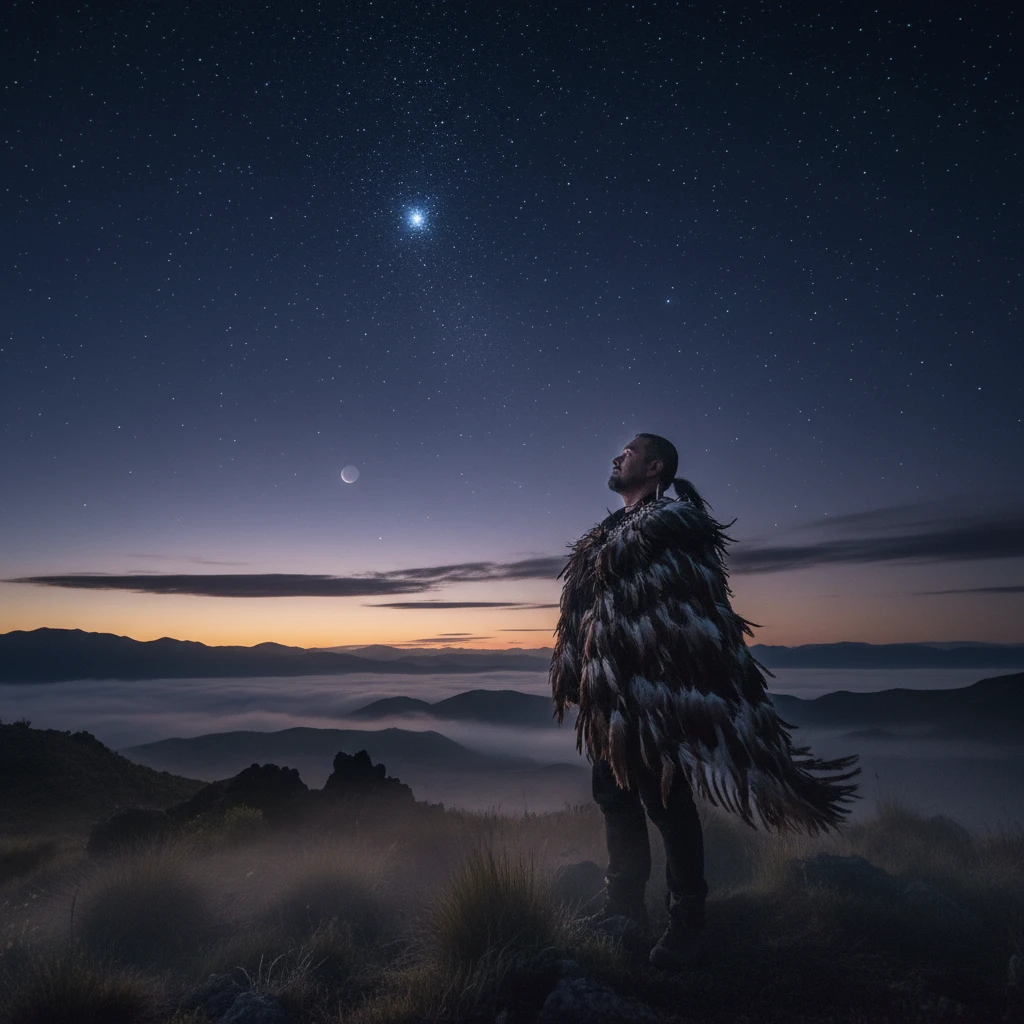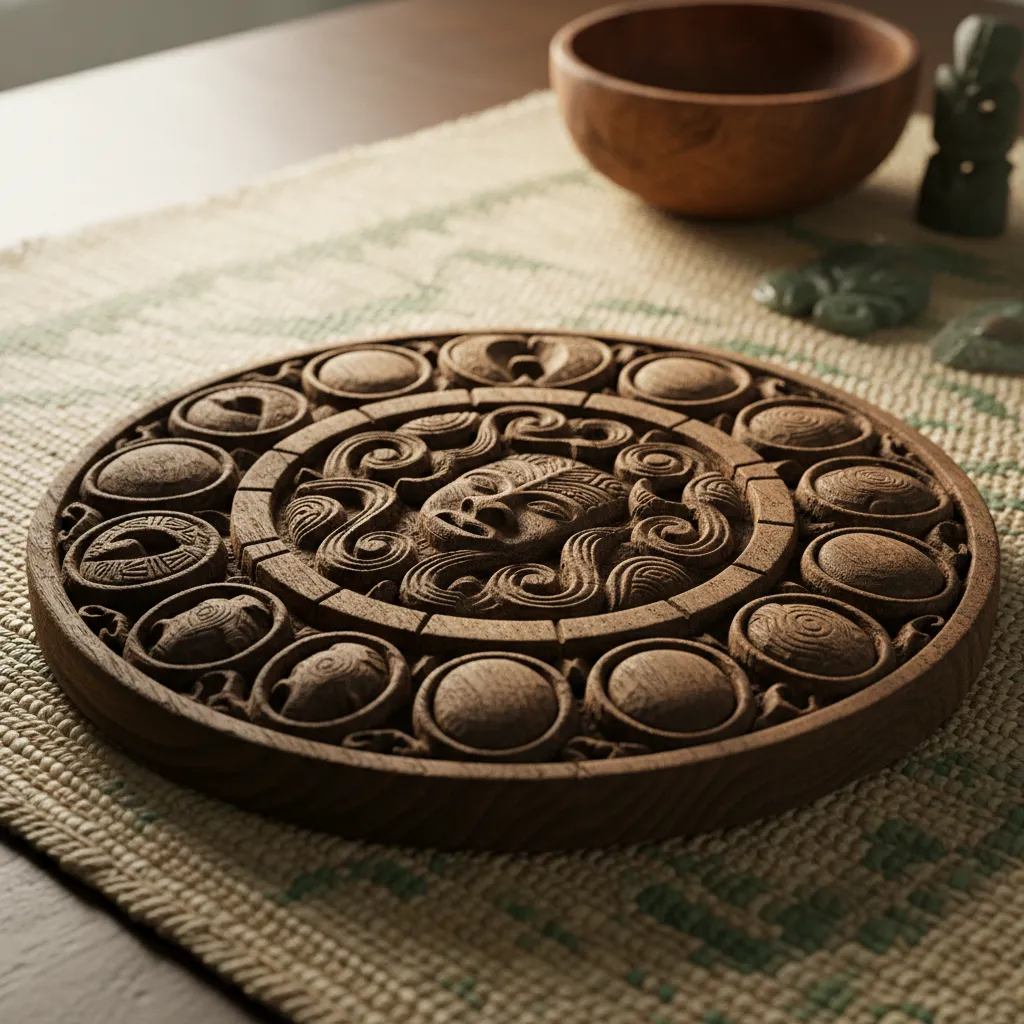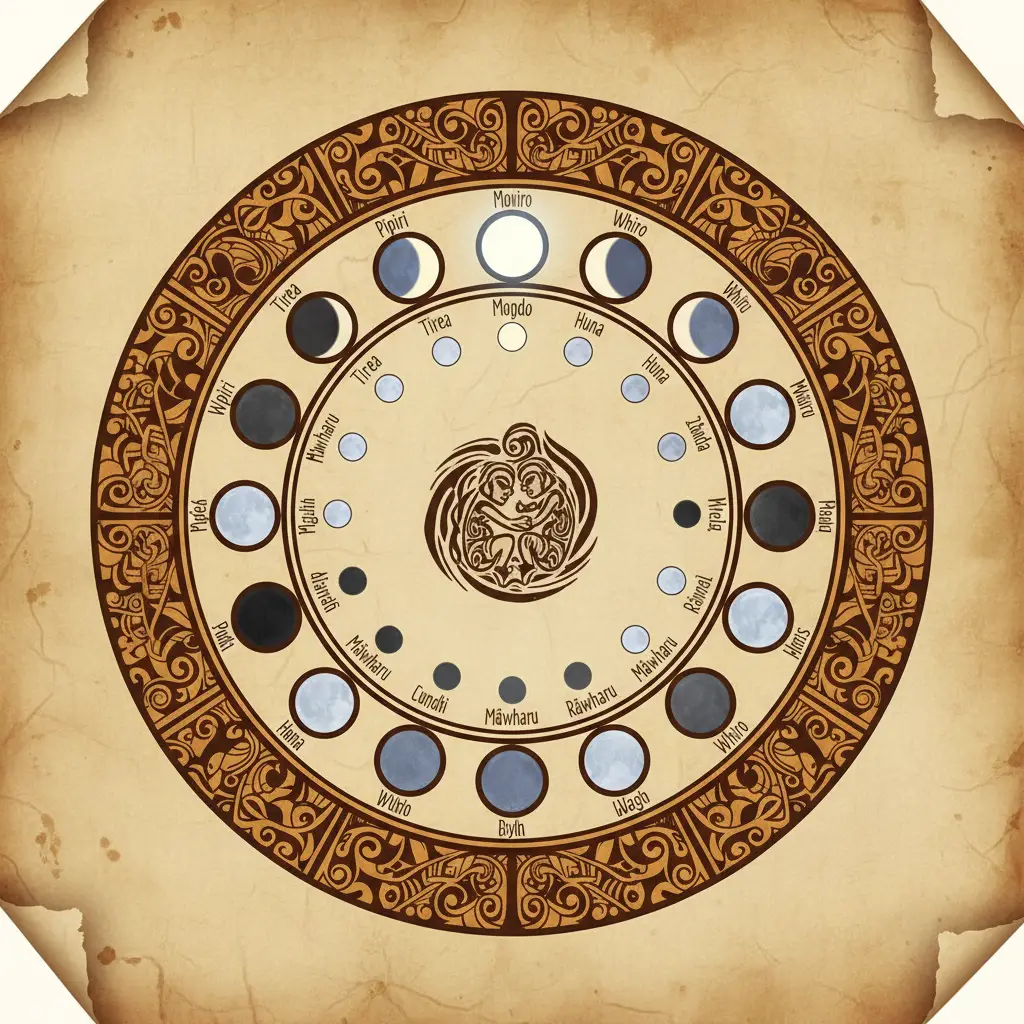
Maramataka phases explained refer to the traditional Māori lunar calendar system which divides the lunar month into approximately 30 nights. Each phase dictates specific energy levels governing planting, fishing, and human activity. By aligning daily tasks with the waxing and waning of the moon from Whiro to Rakaunui, practitioners optimize productivity and environmental sustainability.
The Maramataka is far more than a simple method of tracking time; it is a sophisticated ecological calendar that has guided the indigenous people of Aotearoa New Zealand for centuries. Rooted in deep observation of the celestial bodies, tides, and flora, the Maramataka provides a blueprint for living in harmony with the natural rhythms of the earth. In the context of the rising popularity of Dark Sky Tourism and the celebration of Matariki, understanding these phases offers a profound connection to the night sky.
What is the Maramataka?
The word Maramataka literally translates to “the moon turning” or the lunar calendar. Unlike the Gregorian solar calendar, which relies on the revolution of the earth around the sun, the Maramataka follows the cycles of the moon. This system was essential for survival in pre-colonial New Zealand, dictating when to plant kumara, when to fish for specific species, and when to rest.
In the modern context of New Zealand’s Dark Sky movement, the Maramataka serves as a cultural bridge. As tourists flock to Aotearoa to witness the pristine darkness of the Mackenzie Basin or Great Barrier Island, understanding the moon’s phase is crucial—not just for visibility of the stars, but for understanding the cultural narrative written in the sky.
The 30 Nights of the Moon: A Detailed Breakdown
The lunar cycle in the Maramataka is generally divided into roughly 30 nights (though the exact count can vary by iwi/tribe). These nights are grouped into phases that share similar characteristics. Understanding the nuances of these phases is key to mastering the Maramataka.
The Whiro Phase (The New Moon)
The cycle begins with Whiro. In this phase, the moon is invisible or a mere sliver. This is traditionally a time of low physical energy but high mental acuity. It is often associated with the darkness and the depths. While not ideal for planting or fishing, it is the perfect time for planning, strategizing, and reflecting.
The Waxing Moon (Ngā Rā o te Marama)
As the moon begins to grow, we enter a period of increasing energy. This section includes nights such as Tirea, Ohoata, and Tamatea.
- Tirea to Ohoata: The moon becomes visible. These are days of “creeping” energy. It is a good time to start small tasks.
- Tamatea Kai Ariki: The weather becomes unpredictable. The Tamatea phases (often four distinct nights) are known for changing winds and swells. Caution is advised on the water, reflecting a time of volatility in both nature and human temperament.
The Full Moon Phase (Te Rakaunui)
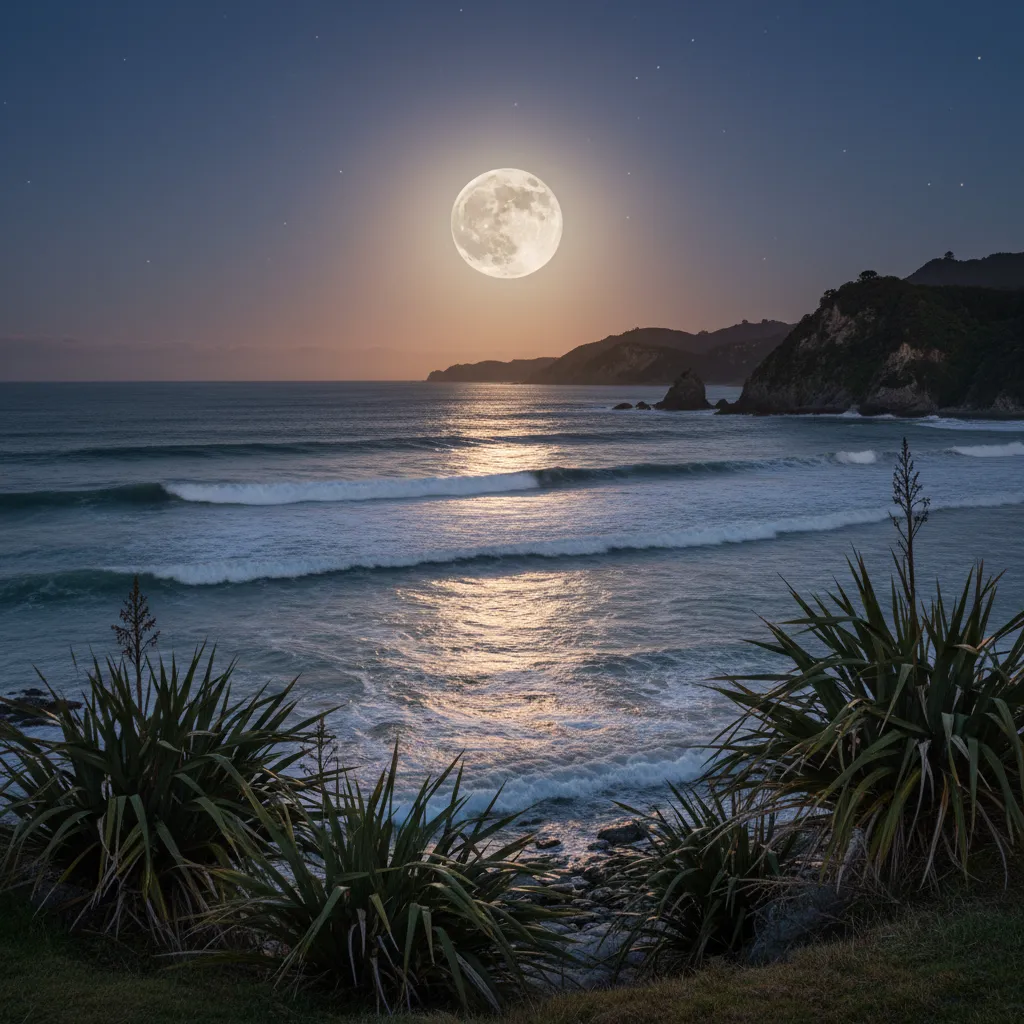
This is the peak of the cycle. The moon is fully illuminated, and the earth is bathed in light. Rakaunui represents high energy, abundance, and action. This is the optimal time for community gatherings, major events, and harvesting crops that grow above the ground.
The Waning Moon (Te Hekenga o te Marama)
Following the full moon, the light begins to recede. This phase includes the Tangaroa nights, which are highly prized for fishing.
- Tangaroa-a-mua, Tangaroa-a-roto, Tangaroa-kiokio: These days are incredibly productive for fishing and eeling. The gravitational pull is strong, and marine life is active. It is a time of productivity and industry.
- Korekore: As the moon shrinks further, we enter the Korekore nights. “Kore” implies nothingness or nil. These are low-energy days where fishing and planting yield poor results. It is a time designated for rest and negotiation rather than physical labor.
High Energy vs Low Energy Days
One of the most practical applications of the Maramataka is the categorization of days into high and low energy. This binary helps in planning schedules to avoid burnout and maximize output.
High Energy Days (Rakaunui, Tangaroa)
During high energy phases, the environment is vibrant. Sap flows strongly in trees, tides are significant, and human energy tends to be higher. In a business or personal context, these are the days to launch projects, hold important meetings, or engage in vigorous physical exercise. In the context of Matariki celebrations, these are the nights for feasting and public performance.
Low Energy Days (Whiro, Korekore)
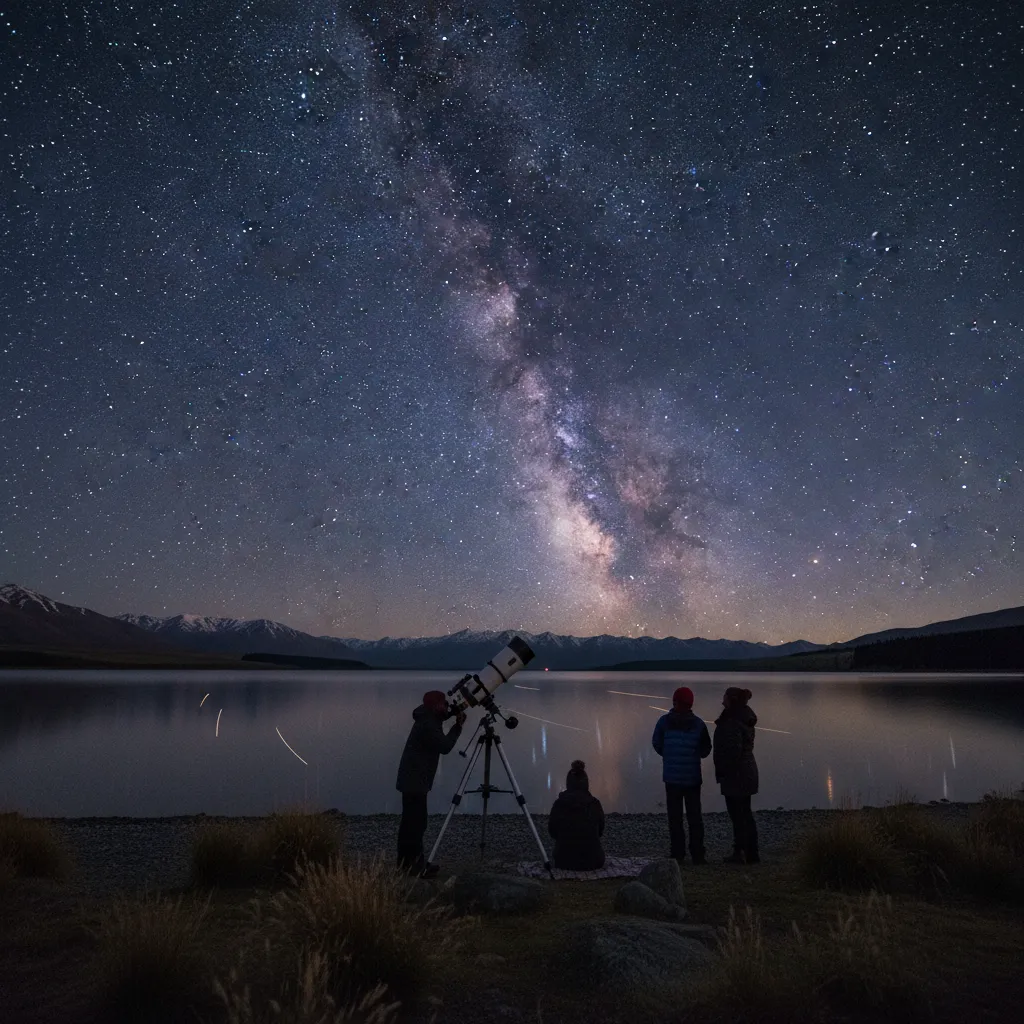
Conversely, low energy days are nature’s way of enforcing rest. Pushing against the grain during a Korekore phase often leads to frustration and diminishing returns. For the Dark Sky tourist, these low-light nights are actually the premium times for stargazing. While the physical energy of the earth is low, the visual clarity of the cosmos is at its peak due to the lack of moonlight interference.
Whiro (New Moon) to Rakaunui (Full Moon) Guide
To effectively utilize the Maramataka, one needs a practical guide on how to transition from the darkness of Whiro to the brightness of Rakaunui. This journey mirrors the process of bringing an idea to fruition.
Phase 1: Conception (Whiro)
Use the dark nights to conceive ideas. Just as the seed lies dormant in the soil, your plans should be internal. Focus on research, mindfulness, and setting intentions. For tourists, this is the best time to book a stargazing tour, as the absence of the moon allows the faint nebulae and Matariki cluster to shine brightest.
Phase 2: Growth (The Waxing Moon)
As the moon sliver grows, begin implementing your plans. The energy is building. Engage in planting crops that require strong root systems. In a professional setting, start drafting your proposals and reaching out to collaborators.
Phase 3: Fruition (Rakaunui)
The full moon is the deadline. It is the time of presentation and harvest. If you have been aligned with the Maramataka, this is when your efforts culminate. It is a time for celebration. However, for Dark Sky enthusiasts, the Rakaunui phase washes out the stars. This is the time to focus on moon-gazing or enjoying the illuminated landscape rather than deep-space observation.
Applying Maramataka to Modern Life and Dark Sky Tourism
In our 24/7 digital society, we have largely disconnected from natural cycles, leading to widespread burnout. Reintegrating the Maramataka into modern life offers a corrective rhythm.
Wellness and Mental Health
Acknowledging that we are not designed to be “on” 100% of the time is liberating. By scheduling rest during Korekore phases and intense work during Tangaroa phases, we work with our biology rather than against it. Mental health practitioners in New Zealand are increasingly looking to indigenous models like Te Whare Tapa Whā and the Maramataka to support holistic wellbeing.
Business and Productivity
Forward-thinking organizations are experimenting with lunar-aligned schedules. This doesn’t mean howling at the moon; it means scheduling strategic planning sessions during the new moon and execution-heavy tasks during the full moon. It aligns team energy with environmental cues.
The Dark Sky Connection
For the tourism industry, the Maramataka provides a rich narrative layer. Operators can tailor experiences based on the phase:
- Whiro/Korekore: Marketed as “Deep Space Discovery” nights. Focus on telescopes, galaxies, and the Matariki cluster.
- Rakaunui: Marketed as “Lunar Landscapes.” Focus on night photography, moonlit walks, and storytelling around the campfire.
By explaining these phases to visitors, tourism operators not only manage expectations regarding star visibility but also impart valuable cultural knowledge, deepening the visitor’s connection to Aotearoa.
Frequently Asked Questions
What is the best Maramataka phase for fishing?
The Tangaroa phases (Tangaroa-a-mua, Tangaroa-a-roto, Tangaroa-kiokio) are widely considered the best times for fishing. These occur shortly after the full moon during the waning cycle, where ocean activity and feeding are intense.
How does Maramataka relate to Matariki?
Matariki is the Māori name for the Pleiades star cluster. The rise of Matariki in the mid-winter sky marks the start of the Māori New Year. However, the exact date of the New Year celebration is determined by the Maramataka, specifically the first new moon (Whiro) following the rising of Matariki.
Can I use Maramataka for gardening?
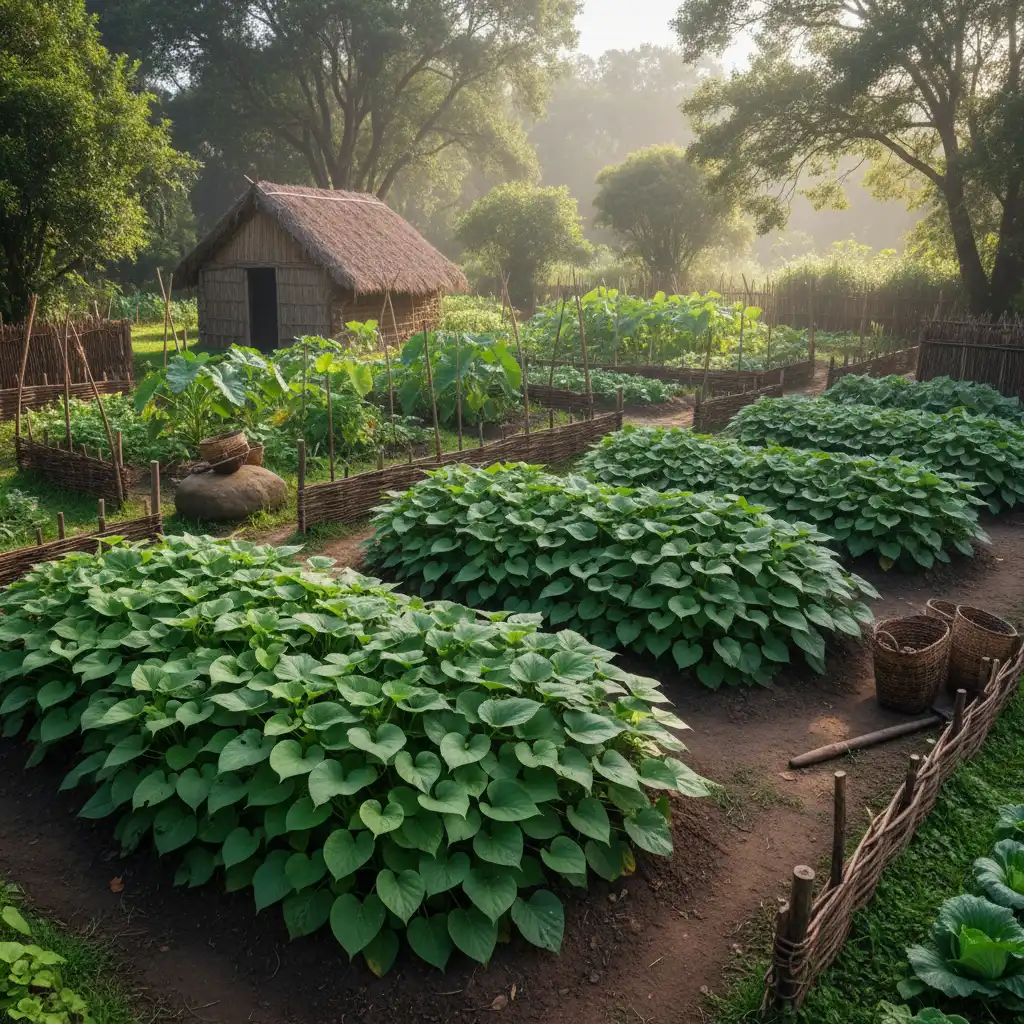
Yes, gardening is one of the primary uses of the Maramataka. Root vegetables are typically planted as the moon wanes, while crops that grow above ground are planted during the waxing moon. The Korekore days are generally avoided for planting.
What does the Korekore phase mean?
Korekore translates to “nil” or “nothing.” It is a low-energy phase in the Maramataka where productivity in fishing and planting drops. It is traditionally viewed as a time for rest, repair, and negotiation rather than resource gathering.
Is the Maramataka the same for all iwi (tribes)?
While the core principles remain the same, there are regional variations. Different iwi may have slightly different names for the moon phases or start their lunar count at different times depending on their specific geographical location and local environmental cues.
How can I track the Maramataka today?
There are numerous resources available, including printed calendars, apps, and websites dedicated to the Maramataka. Many local iwi release their own localized calendars which are the most accurate resource for specific regions in New Zealand.