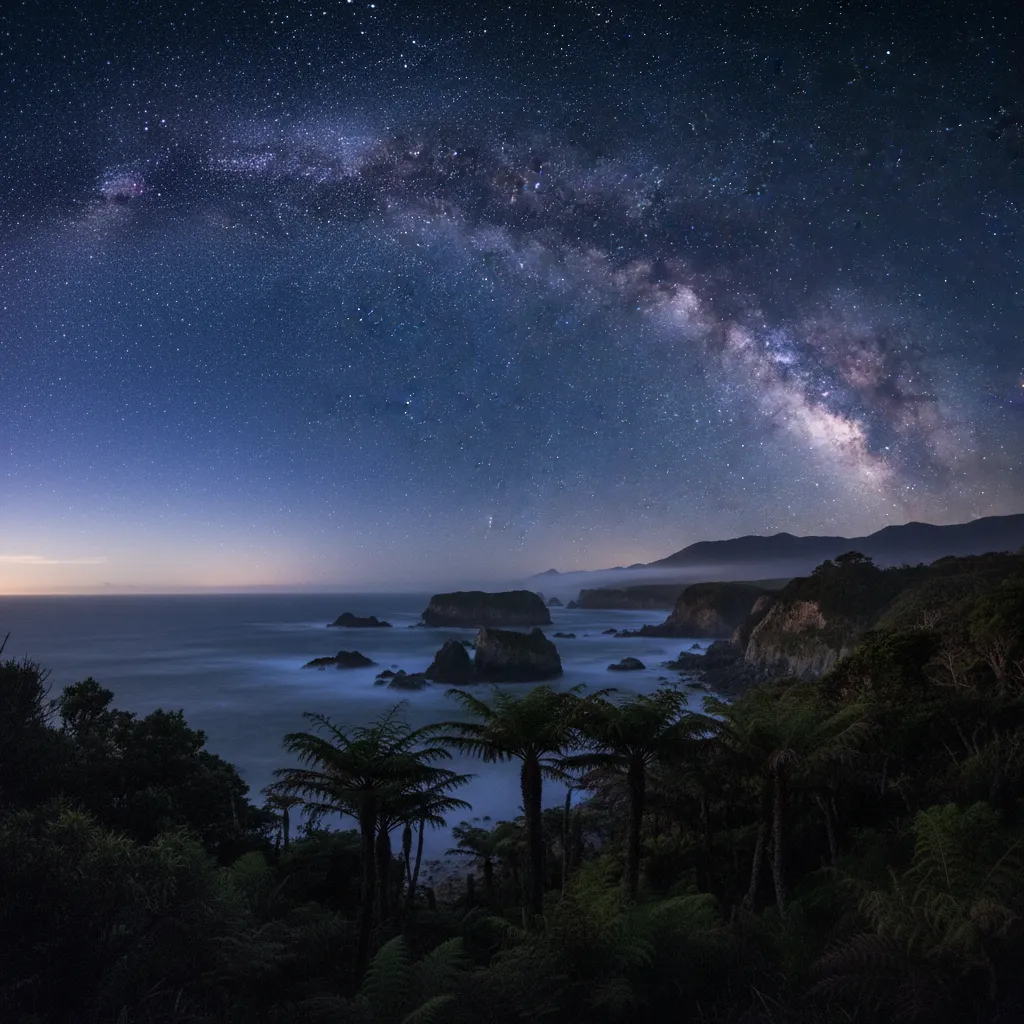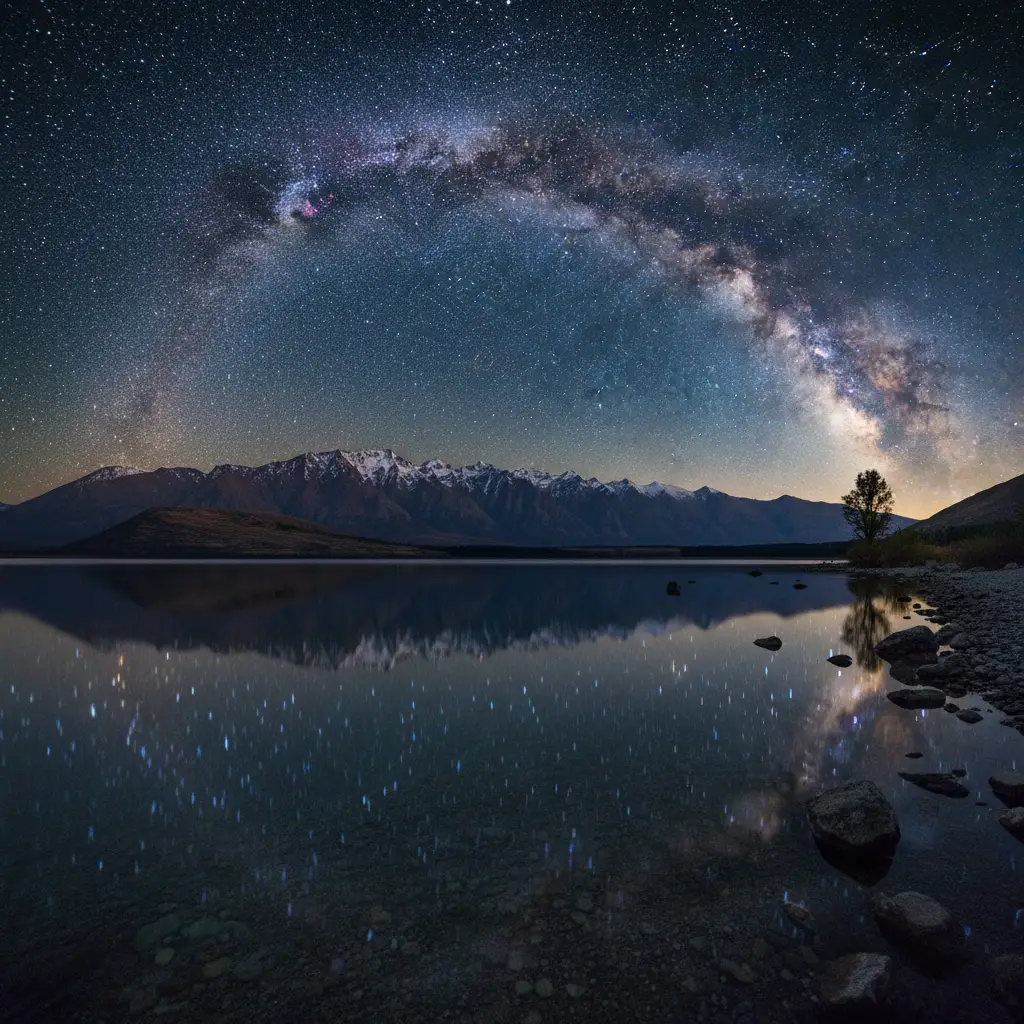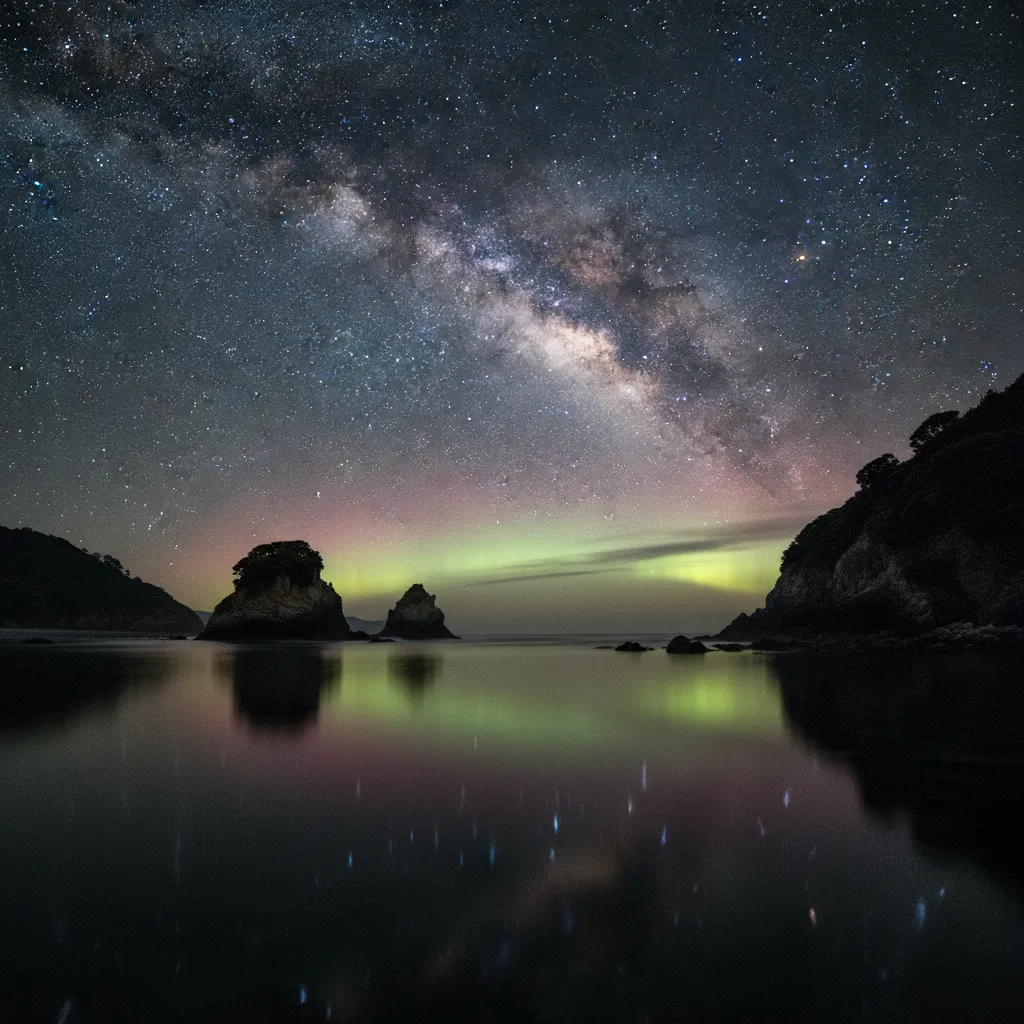
Great Barrier Island (Aotea) is an International Dark Sky Sanctuary, recognized for its exceptional quality of starry nights and nocturnal environment protected for its scientific, natural, educational, and cultural value. As the first island in the world to receive this status, it offers pristine, light-pollution-free skies perfect for world-class stargazing, astrophotography, and observing celestial events like Matariki.
What Defines a Dark Sky Sanctuary?
To understand the unique appeal of the Dark Sky Sanctuary Great Barrier Island, one must distinguish between a Dark Sky Reserve and a Sanctuary. While Reserves are often accessible to the public and may have suburban peripheries, a Sanctuary is typically situated in a very remote location with little to no threat to the quality of its dark night skies. In 2017, Great Barrier Island (Aotea) became the first island globally to be awarded this prestigious status by the International Dark-Sky Association (IDA).
The island operates entirely off the grid, meaning there is no reticulated electricity supply. Residents rely on solar power, wind, and generators. This unique infrastructure naturally minimizes light pollution, creating a Bortle Class 1 sky—the darkest possible rating on the scale used to measure night sky brightness. For visitors, this means the ability to see thousands of stars, the Magellanic Clouds, and the distinct structure of the Milky Way with the naked eye.
Getting There: Flights and Ferries
Reaching this remote paradise is part of the adventure. Located 90 kilometers northeast of Auckland, the journey to the Dark Sky Sanctuary Great Barrier Island requires crossing the Hauraki Gulf. Visitors have two primary modes of transport: air and sea. Choosing the right option depends on your budget, timeframe, and tolerance for sea travel.
Taking a Flight to Aotea
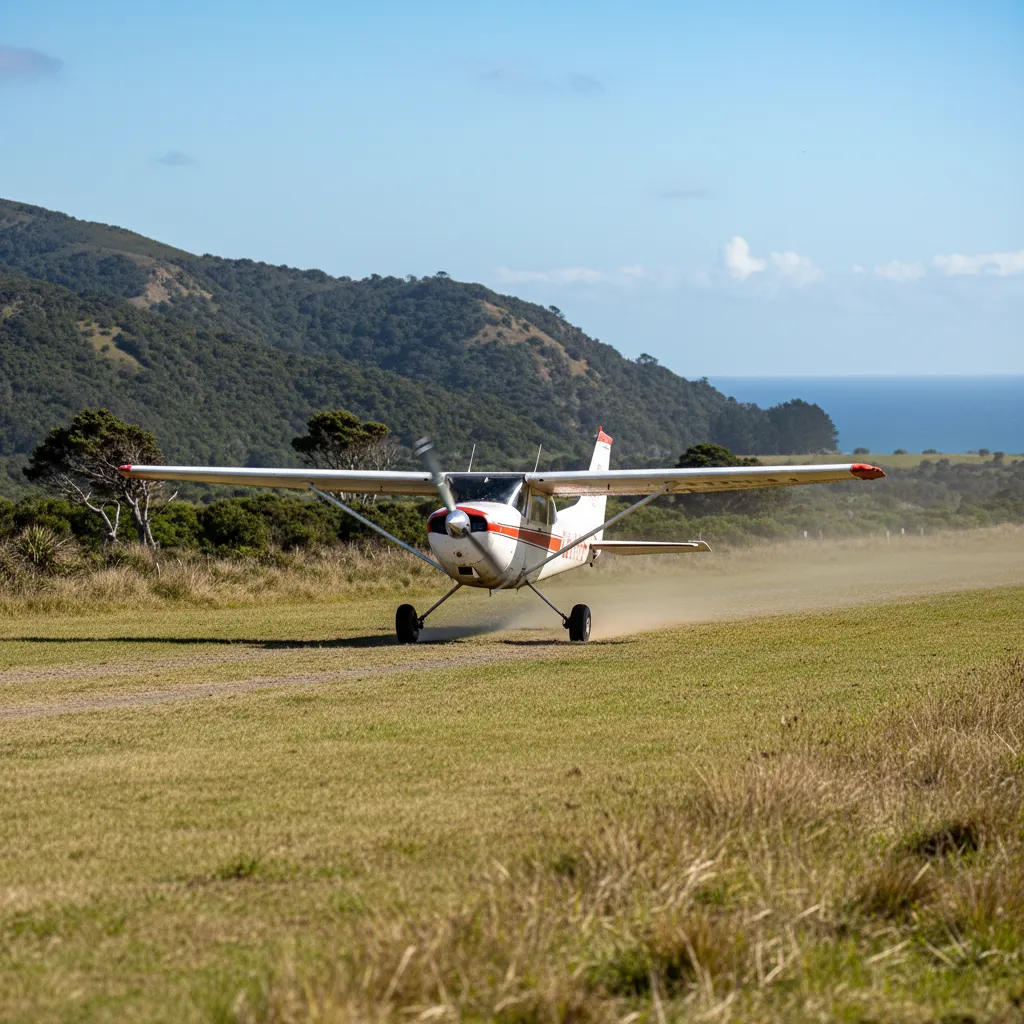
Flying is the most efficient way to maximize your time under the stars. Flights depart from Auckland Airport (Domestic) or the North Shore Aerodrome. The flight takes approximately 30 to 35 minutes, offering spectacular aerial views of the Hauraki Gulf, Rangitoto, and the Coromandel Peninsula before descending onto the island’s rugged landscape.
- Barrier Air: The primary carrier, operating frequent scheduled services to Claris and Okiwi airfields.
- Charter Flights: Helicopter and private charters are available for a more exclusive experience.
The airstrips on the island are unsealed or simple tarmac, reinforcing the remote, untouched nature of the destination immediately upon arrival.
Taking the Ferry
For those who wish to bring their own vehicle or prefer a slower pace, the SeaLink ferry is the only option. The ferry departs from Wynyard Quarter in Auckland City and arrives at Tryphena or Fitzroy.
- Duration: The trip takes approximately 4.5 hours.
- Considerations: The Hauraki Gulf can be choppy. If you are prone to seasickness, preparation is key. However, the ferry allows you to bring extensive camping gear, telescopes, and supplies that might exceed airline weight limits.
Off-Grid Luxury Accommodation Options
Staying on Great Barrier Island is a lesson in sustainable luxury. Because the island is off-grid, accommodation providers have innovated to offer high-end comfort without compromising the dark sky environment. When booking your stay, look for “Dark Sky Friendly” badges or properties that specifically mention red-light protocols to preserve night vision.
Eco-Lodges and Private Retreats
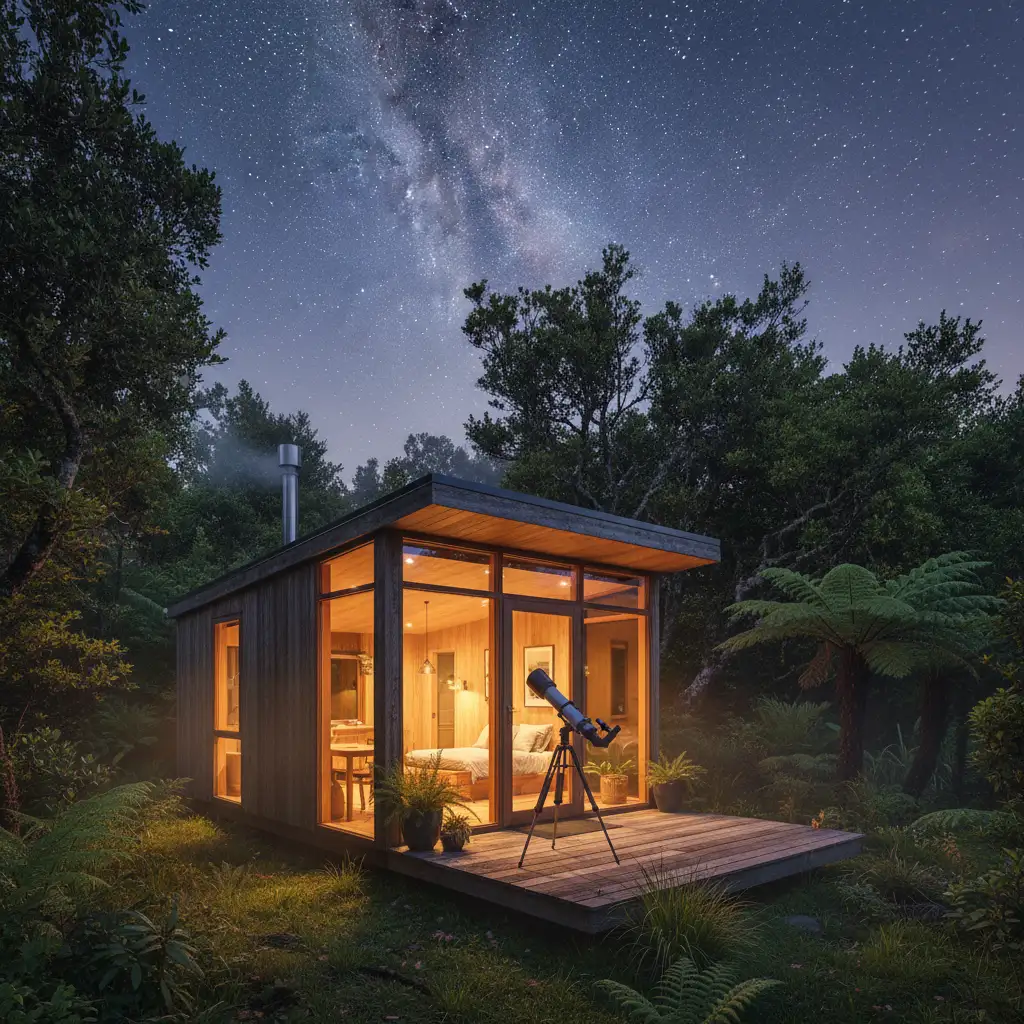
The island hosts several boutique lodges designed to blend seamlessly into the native bush. These properties often feature expansive decks, outdoor baths, and large skylights specifically designed for indoor stargazing.
Top-tier accommodations utilize sophisticated solar arrays and battery banks to power modern amenities. However, guests are often reminded to be mindful of power usage, particularly regarding external lighting. Many luxury baches (holiday homes) come equipped with telescopes and binoculars for guest use.
Glamping Under the Stars
For a more immersive experience, several operators offer luxury glamping tents. These setups place you directly in nature, often in secluded bays or atop ridges. Sleeping under canvas with the sound of the ocean and the brilliance of the galactic core above is a quintessential Aotea experience.
Best Beaches for Night Sky Viewing
While you can see the stars from almost anywhere on the island, certain locations offer superior horizons and foregrounds for viewing the Dark Sky Sanctuary Great Barrier Island. The eastern coast is generally preferred for its uninterrupted views across the Pacific Ocean, away from the light glow of Auckland City which can sometimes be seen faintly from the western coast.
Medlands Beach
Medlands is one of the most popular beaches on the island, known for its golden sands and surf. At night, the dunes provide excellent shelter from the wind while offering a wide-open view of the sky. The lack of streetlights ensures absolute darkness.
Awana Bay
Located further north, Awana Bay is a favorite among surfers and stargazers alike. It is a known nesting ground for the endangered Pāteke (brown teal) and Dotterel, so visitors must be extremely careful where they step. The bay is framed by dramatic headlands, creating a stunning silhouette against the Milky Way.
Harataonga
For those willing to venture off the beaten path, Harataonga offers a vast, open landscape. The campsite here is spacious, and the beach is screened by ancient trees. It is an ideal spot for setting up a tripod for long-exposure photography without fear of car headlights interrupting your shot.
Local Dark Sky Ambassadors and Tours
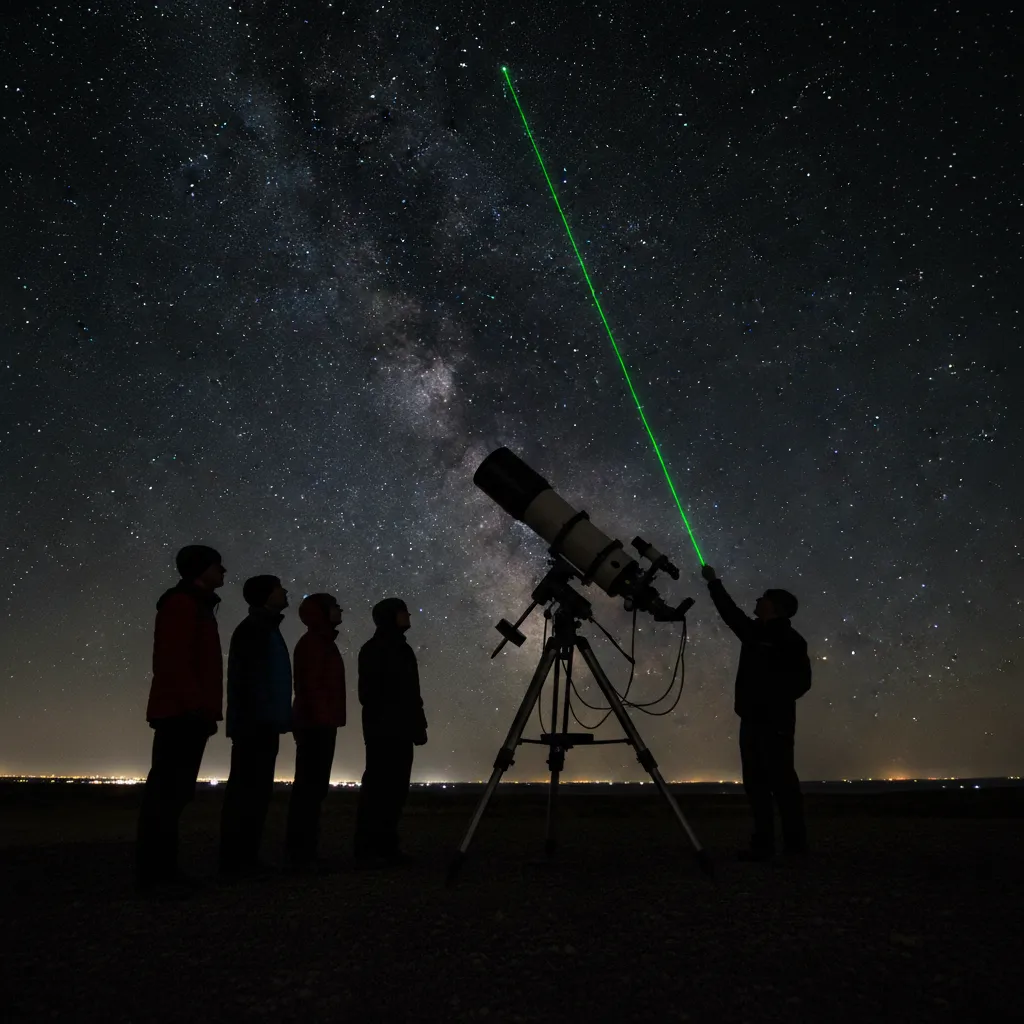
To truly appreciate the celestial mechanics above, booking a tour with a local expert is highly recommended. The island has a dedicated group of “Dark Sky Ambassadors”—locals trained to guide visitors through the constellations while weaving in local history and ecology.
Good Heavens
“Good Heavens” is the premier stargazing operator on the island. They offer packages that include comfortable “Moon chairs,” blankets, and hot chocolate/tea. Their guides use high-powered laser pointers to identify constellations and 8-inch Dobsonian telescopes to reveal deep-sky objects like the Jewel Box cluster, the Tarantula Nebula, and Saturn’s rings.
These tours are not just about astronomy; they are about storytelling. You will learn how early Polynesian voyagers navigated by the stars to reach Aotea and the significance of the night sky in Māori culture.
The Significance of Matariki on Aotea
Matariki (the Pleiades cluster) holds profound importance in New Zealand, marking the Māori New Year. Great Barrier Island is arguably one of the best places in the country to witness the rising of Matariki in mid-winter (June/July).
During this period, the island hosts various festivals and events celebrating the season. The visibility of the cluster is often clearer here than on the mainland due to the low humidity and lack of atmospheric pollution. Viewing Matariki from Aotea connects you to the ancestral practices of the tangata whenua (people of the land), who used the stars to predict the upcoming harvest and weather patterns.
Astrophotography Tips for the Barrier
Capturing the Dark Sky Sanctuary Great Barrier Island requires preparation. The darkness here is profound, which is a dream for sensors but can be challenging for composition.
- Gear: A sturdy tripod is non-negotiable. A wide-angle lens (14mm to 24mm) with a fast aperture (f/2.8 or lower) is ideal.
- Settings: Start with an ISO of 1600-3200, an aperture of f/2.8, and a shutter speed of 20-25 seconds (depending on your focal length to avoid star trails).
- Red Light: Always use a red headlamp when adjusting gear to preserve your night vision and the experience of others around you.
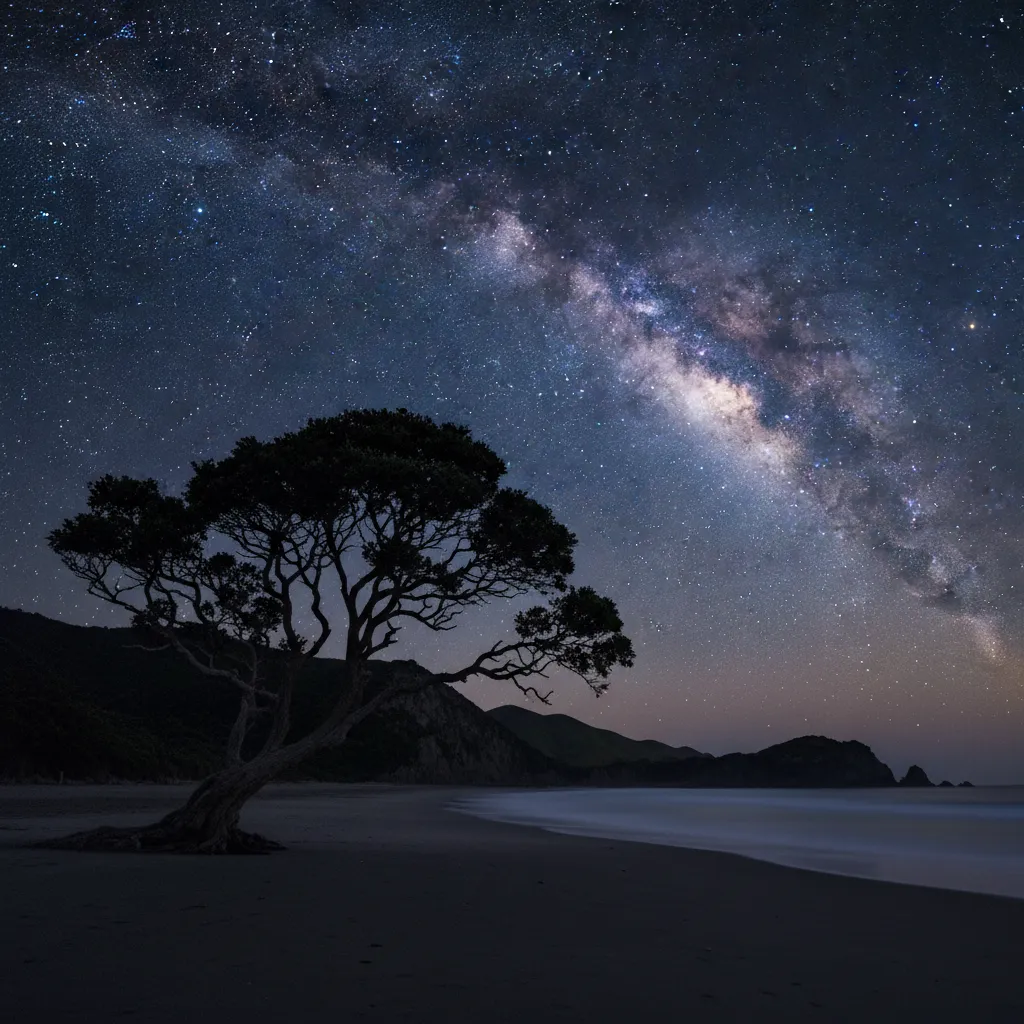
- Foreground: Use the island’s unique flora, such as the Nikau palms or Pohutukawa trees, to frame your shots and give them context.
Planning Your Dark Sky Adventure
Visiting the Great Barrier Island Dark Sky Sanctuary is more than a tourism activity; it is a commitment to conservation. By choosing to visit, you support a community dedicated to preserving the natural nightscape for future generations. Whether you are an amateur astronomer or simply seeking silence and starlight, Aotea offers a nocturnal experience that is increasingly rare in our modern, illuminated world.
When is the best time to visit Great Barrier Island for stargazing?
The best time for stargazing is during the New Moon phase when the sky is darkest. Winter (June to August) offers the clearest, crispest skies and the chance to see the Galactic Core and Matariki, though it is colder. Summer offers warmer nights for beach viewing.
Do I need a car on Great Barrier Island?
Yes, renting a car is highly recommended. The island is large, hilly, and lacks public transport. Having a vehicle allows you to travel between your accommodation and the best dark sky viewing spots safely at night.
Can I see the Aurora Australis from Great Barrier Island?
Yes, it is possible to see the Aurora Australis (Southern Lights) from the island during periods of high solar activity, particularly from south-facing vantage points, due to the lack of light pollution on the southern horizon.
Is Great Barrier Island expensive to visit?
Costs can be higher than the mainland due to the island’s remote, off-grid nature. Freight costs impact food and fuel prices. However, there is a range of accommodation from luxury lodges to DOC campsites to suit different budgets.
What should I pack for a dark sky trip?
Pack warm layers (even in summer, nights can be cool), a red-light torch (to save night vision), binoculars, a DSLR or mirrorless camera with a tripod, and sturdy footwear for navigating uneven terrain in the dark.
How dark is the sky on Great Barrier Island?
Great Barrier Island has a sky brightness measurement of roughly 21.8 mag/arcsec², placing it in Class 1 on the Bortle Scale. This is considered an “Excellent Dark Sky Site,” comparable to the darkest remote deserts and oceans in the world.