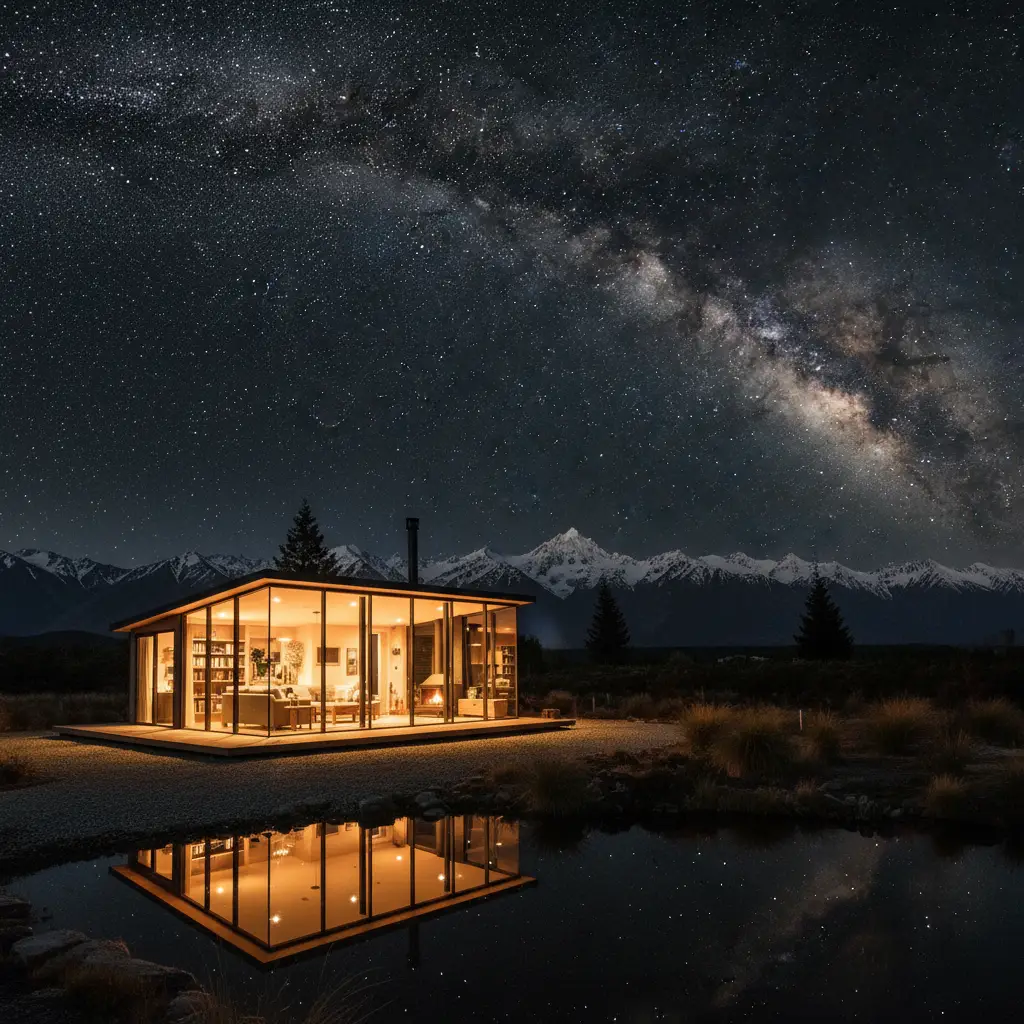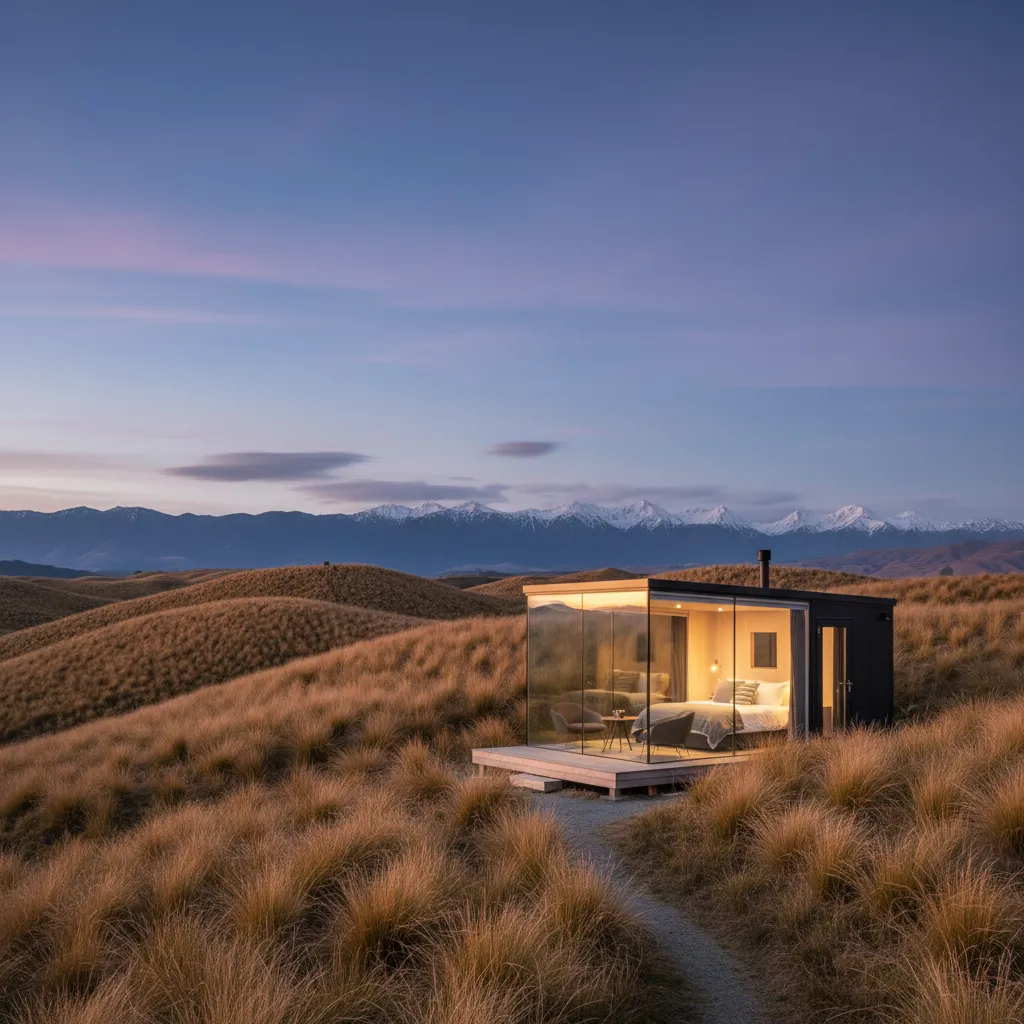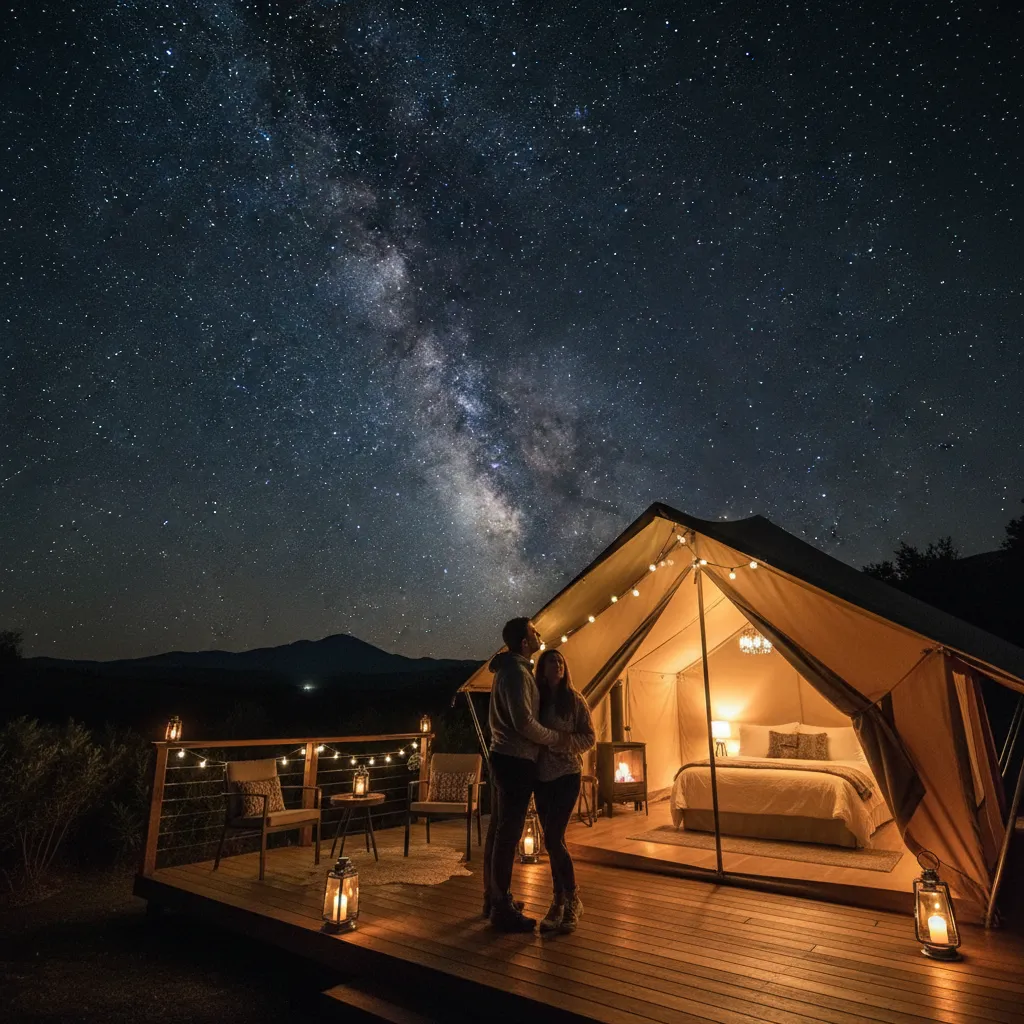
Stewart Island dark sky stays are specialized accommodations located within the Rakiura International Dark Sky Sanctuary, offering some of the world’s clearest views of the cosmos. These lodgings range from luxury lodges with private decks to secluded baches, all situated to minimize light pollution and maximize visibility of the Aurora Australis and the Milky Way.
Rakiura Stewart Island is not merely a destination; it is a portal to the universe. As the southernmost populated island in New Zealand, it holds the prestigious title of an International Dark Sky Sanctuary (IDSS), a distinction awarded to only a handful of locations globally. For astrotourists, photographers, and those seeking a profound connection with nature, securing the right accommodation is the first step in an unforgettable journey. This guide explores the premier Stewart Island dark sky stays, helping you position yourself perfectly under the glowing canopy of the southern skies.
Rakiura: The Land of Glowing Skies
The name Rakiura translates from Māori as “The Land of Glowing Skies.” While this likely references the stunning sunsets, today it is synonymous with the Aurora Australis and the unblemished tapestry of stars visible to the naked eye. In 2019, Stewart Island/Rakiura was officially accredited as an International Dark Sky Sanctuary by the International Dark-Sky Association (IDA). This accreditation is significant; unlike Dark Sky Parks which are often accessible to the public but may not be inhabited, a Sanctuary is typically situated in a very remote location with little to no threat to the quality of its dark skies.
With 85% of the island protected as Rakiura National Park and a small permanent population centered around Oban (Halfmoon Bay), light pollution is virtually non-existent. This creates a pristine environment where the celestial sphere dominates the landscape. When you book Stewart Island dark sky stays, you are not just booking a bed; you are securing a front-row seat to a galactic performance that has remained unchanged for millennia.
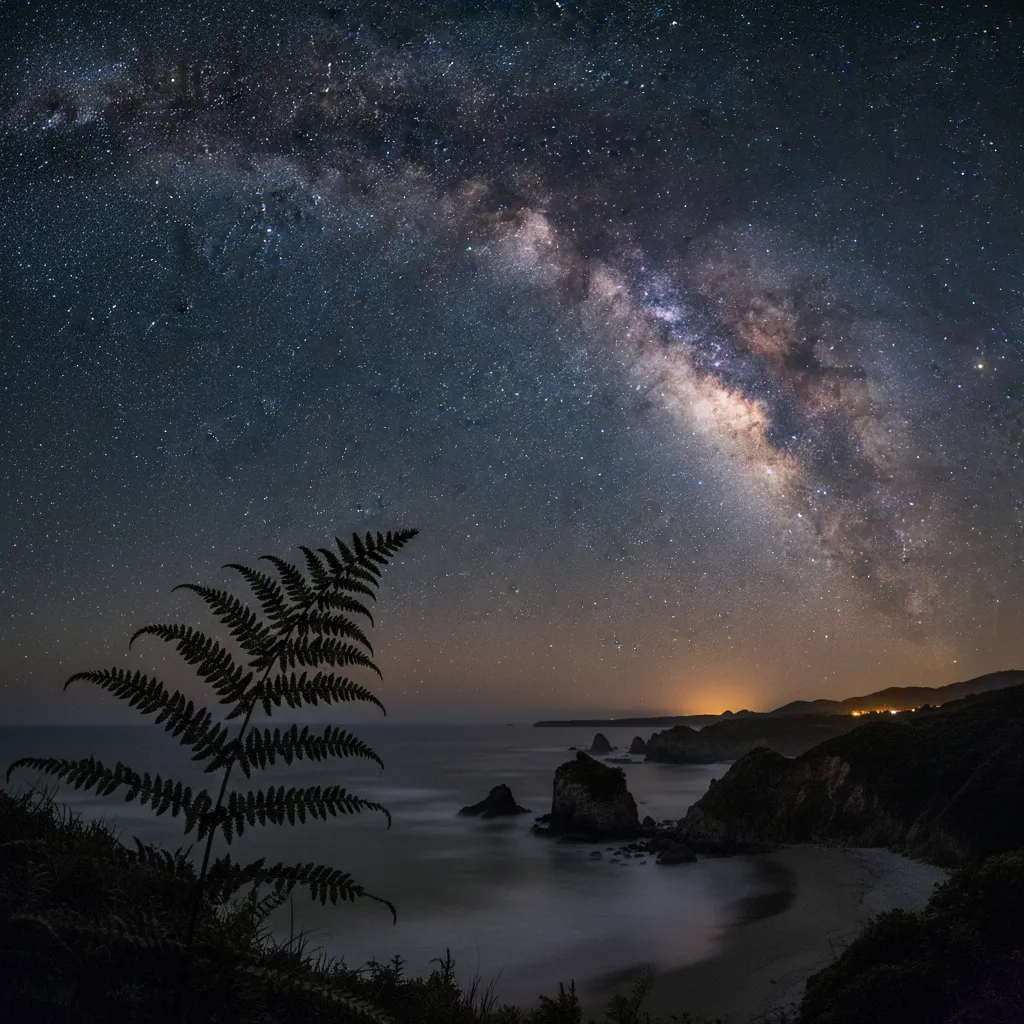
Chasing the Southern Lights (Aurora Australis)
The primary draw for many visitors seeking Stewart Island dark sky stays is the elusive Aurora Australis. Unlike the Aurora Borealis in the north, the Southern Lights are visible year-round, though the longer nights of winter (May through August) provide the best viewing windows. The phenomenon occurs when electrically charged particles from the sun collide with gases in the Earth’s atmosphere, creating curtains of green, pink, and violet light dancing across the southern horizon.
Understanding the KP Index
To successfully chase the aurora, one must understand the KP index, which measures geomagnetic activity. A KP index of 5 or higher usually indicates a strong storm visible from Stewart Island. However, because Rakiura is so far south (47°S), even a moderate magnetic disturbance can result in a visible display. Accommodations with unobstructed views to the south are critical for this reason, as the aurora often hugs the horizon before flaring upwards.
Top Accommodation for Aurora Viewing
Choosing the right base is essential. While the entire island offers dark skies, specific properties are optimized for the experience. The best Stewart Island dark sky stays offer privacy, low ambient light, and strategic orientation. We break down the options by category to help you choose the best fit for your commercial needs.
Luxury Lodges and Boutique Stays
For travelers who wish to view the cosmos in comfort, luxury lodges on the island provide exceptional amenities paired with spectacular views. These establishments often feature expansive decks and floor-to-ceiling windows.
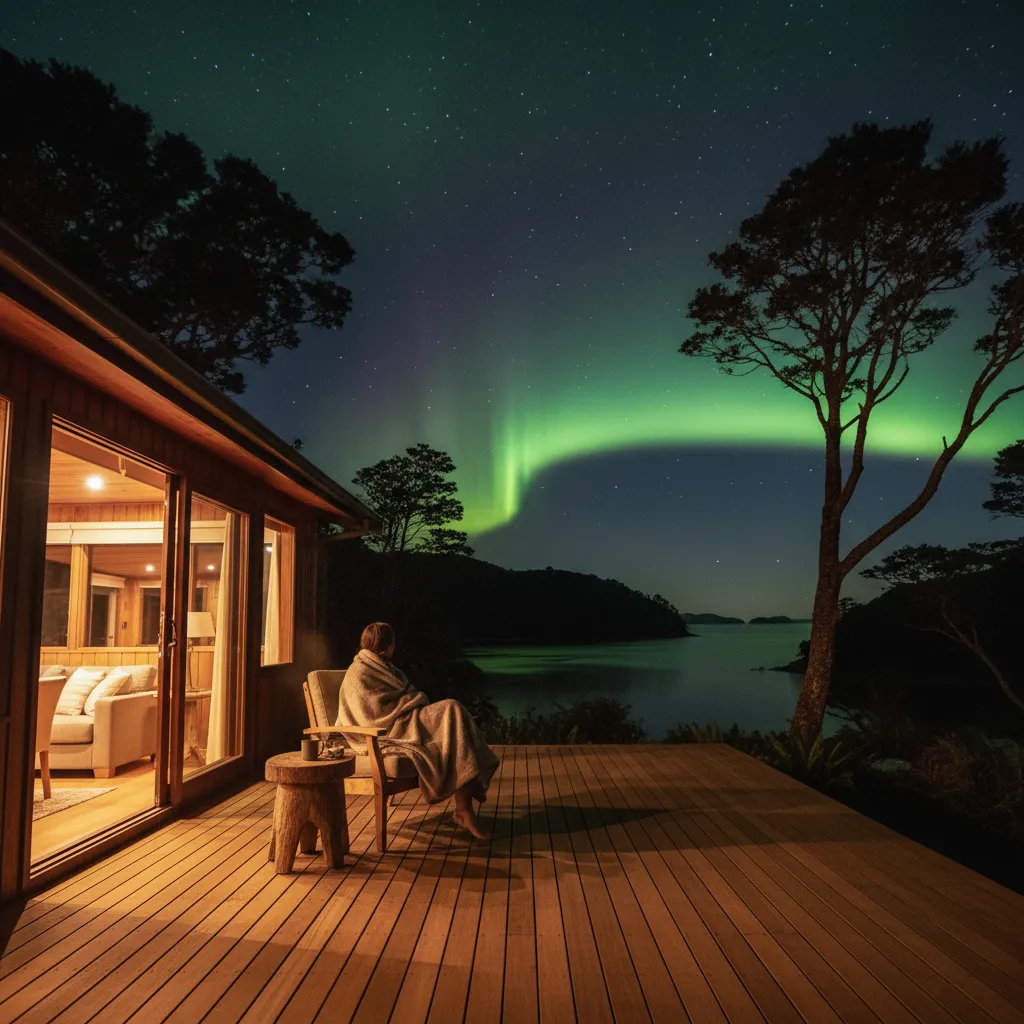
Observation Rock Lodge: Often cited as a premier location, this lodge boasts commanding views over Paterson Inlet. Its elevated position allows for a broad horizon, essential for spotting the aurora. The lodge is designed for exclusivity, often catering to couples or small groups, ensuring that no external lights disturb your night vision. Many guests report watching the Southern Lights directly from their private balconies wrapped in blankets provided by the hosts.
Private Holiday Homes (Baches)
New Zealanders call holiday homes “baches.” Renting a private bach is one of the most popular ways to experience Stewart Island dark sky stays. This option provides total control over your environment—you can turn off every light in the house to achieve total darkness.
When searching for a bach, look for properties listed in the Horseshoe Bay or Leask Bay areas. These locations are slightly removed from the main settlement of Oban, offering even darker skies while still being accessible by road. Look for listings that specifically mention “south-facing decks” or “sea views,” as these will provide the necessary sightlines for the aurora.
Hotels and Motels in Oban
The South Sea Hotel is an iconic fixture on the waterfront. While located in the center of the village, the light pollution in Oban is so minimal that you can still see an impressive array of stars from the hotel grounds. However, serious stargazers staying here often take a short walk up to Observation Rock (the public lookout, not the lodge) for a wider view. This lookout is only a 15-20 minute walk from the center of town and is a gathering spot for astronomy enthusiasts.
Budget-Friendly Backpackers
Stargazing is a democratic pursuit; it requires no wealth to look up. Stewart Island offers high-quality backpacker accommodation where the communal vibe often leads to impromptu stargazing parties. Hostels in Oban often organize group walks to dark sky viewing platforms, making them an excellent choice for solo travelers looking to share the experience.
Key Features to Look For in Accommodation
Not all stays are created equal when the goal is astronomy. When evaluating Stewart Island dark sky stays, prioritize the following features to ensure your investment pays off in celestial views.
South-Facing Orientation
The Aurora Australis appears in the southern sky. If your accommodation faces north (towards the mainland of New Zealand), you may miss the display unless you leave the property. Check the property map or ask the host directly about the orientation of the main viewing decks.
Low Light Pollution Policy
The best dark sky accommodations utilize red lighting in outdoor areas or have strict policies about curtain usage. Red light does not affect human night vision (scotopic vision), allowing you to move safely without ruining your ability to see faint stars. Ask if the property provides red light torches or has motion-sensor lighting that can be disabled.
Outdoor Comfort Amenities
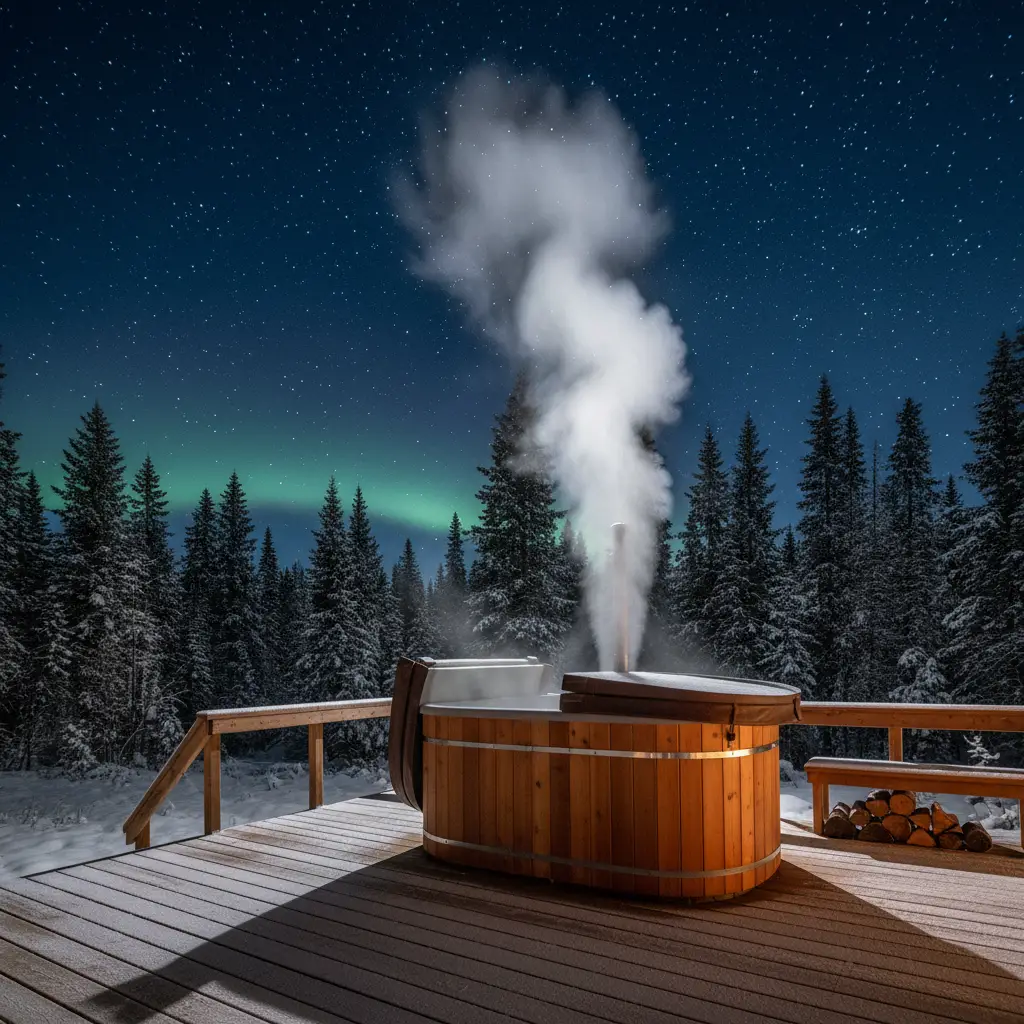
Stargazing is a sedentary activity performed in cold environments. Premium stays will offer outdoor heating, heavy wool blankets, or even outdoor bathtubs. Soaking in a hot tub while watching the Milky Way is a quintessential Rakiura experience that combines luxury with nature.
Matariki and Māori Astronomy
The rise of Matariki (the Pleiades star cluster) marks the Māori New Year and is a time of immense cultural significance in New Zealand. Rakiura is one of the best places in the country to witness the rising of Matariki due to the clear horizons and lack of atmospheric interference.
Visiting Stewart Island during the Matariki period (typically June or July) adds a layer of cultural depth to your trip. Many local operators and accommodation providers offer special packages or storytelling sessions that explain the Māori navigation (wayfinding) history and the significance of specific stars. Viewing the skies here connects you to the Polynesian voyagers who used these same stars to navigate the vast Pacific Ocean centuries ago.
What to Pack for Deep South Stargazing
The weather in the “Deep South” is changeable and often cold, especially at night. To enjoy your Stewart Island dark sky stay without discomfort, your packing list must be strategic.
Clothing Layers
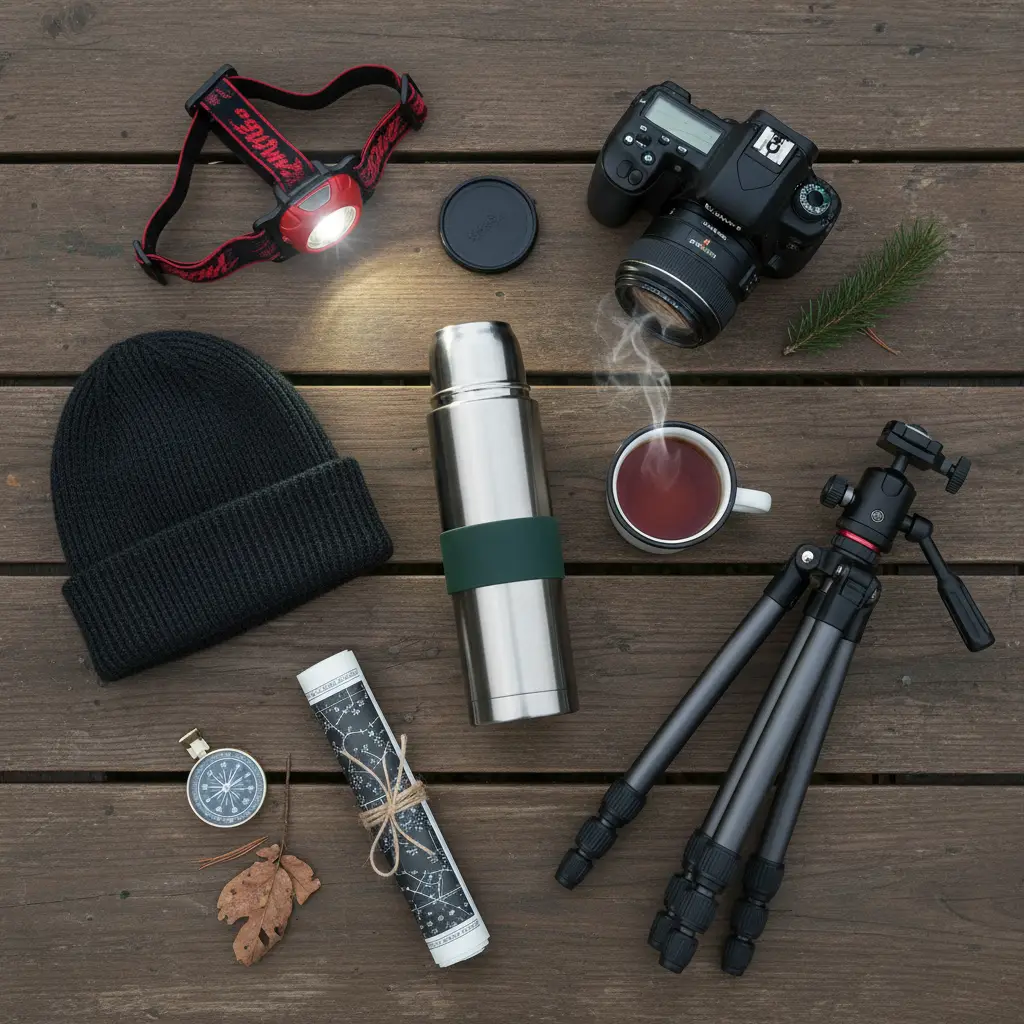
Merino wool is the gold standard. It regulates temperature and resists odors. You will need a base layer, a mid-layer (fleece or heavy wool), and a windproof/waterproof outer shell. Even in summer, night temperatures can drop significantly. A beanie and gloves are non-negotiable for anyone planning to stand outside for more than 15 minutes.
Photography Gear
To capture the night sky, a smartphone often isn’t enough, although newer models with “Night Mode” can capture the aurora. For professional results, bring a DSLR or mirrorless camera with a wide-angle lens (f/2.8 or lower). A sturdy tripod is mandatory; the winds on Rakiura can be strong, and camera shake will ruin long-exposure shots.
Red Light Torch
As mentioned, white light destroys night vision. It takes up to 30 minutes for the human eye to fully adapt to the dark. A headlamp with a red light mode is essential for navigating from your accommodation to viewing spots without blinding yourself or other stargazers.
Conclusion: Booking Your Celestial Escape
Stewart Island dark sky stays offer a retreat from the frenetic pace and light pollution of the modern world. Whether you choose a high-end lodge or a humble bach, the real luxury is the sky above. By aligning your visit with the lunar calendar (aim for a new moon) and checking the solar weather, you maximize your chances of witnessing the Aurora Australis. Rakiura is a sanctuary in the truest sense—a place where the night is not feared, but celebrated.
People Also Ask
What is the best time of year to see the Southern Lights in Stewart Island?
The best time to see the Southern Lights (Aurora Australis) in Stewart Island is during the winter months, from May to August. The nights are longest during this period, providing the maximum window of darkness. However, the aurora can occur at any time of year if solar activity is high.
Do I need a car on Stewart Island for stargazing?
You do not necessarily need a car. Many of the best viewing spots, including Observation Rock, are within walking distance of the main settlement, Oban. However, renting a car or e-bike can help you reach more remote bays like Horseshoe Bay for darker skies away from the village lights.
Is Stewart Island a Dark Sky Sanctuary?
Yes, Stewart Island/Rakiura was accredited as an International Dark Sky Sanctuary (IDSS) in 2019. It is the second IDSS in New Zealand (after Great Barrier Island) and is recognized for its exceptional quality of starry nights and nocturnal environment.
Can you see the Milky Way from Stewart Island with the naked eye?
Absolutely. Due to the exceptionally low levels of light pollution, the Milky Way is clearly visible to the naked eye on clear, moonless nights. The detail and brightness of the galactic core are often shocking to visitors used to city skies.
How do I get to Stewart Island?
You can get to Stewart Island by taking a one-hour ferry ride across Foveaux Strait from Bluff, or by taking a 20-minute fixed-wing flight from Invercargill Airport. The flight offers scenic views and is often smoother than the ferry crossing.
What is the difference between a Dark Sky Reserve and a Sanctuary?
A Dark Sky Sanctuary, like Stewart Island, is typically situated in a very remote location with little to no public access issues and threats to the quality of its dark skies. A Reserve is often more accessible and may include a mix of core dark zones and populated peripheral areas.