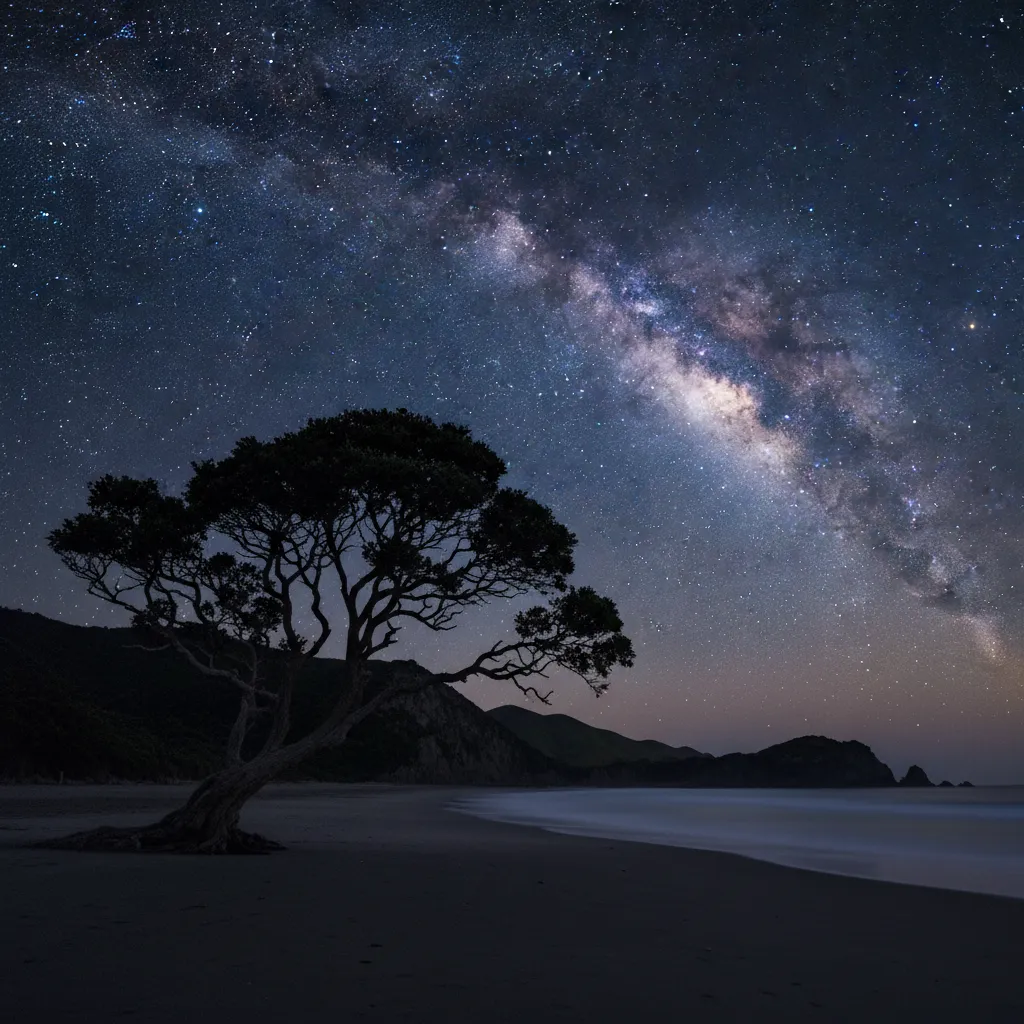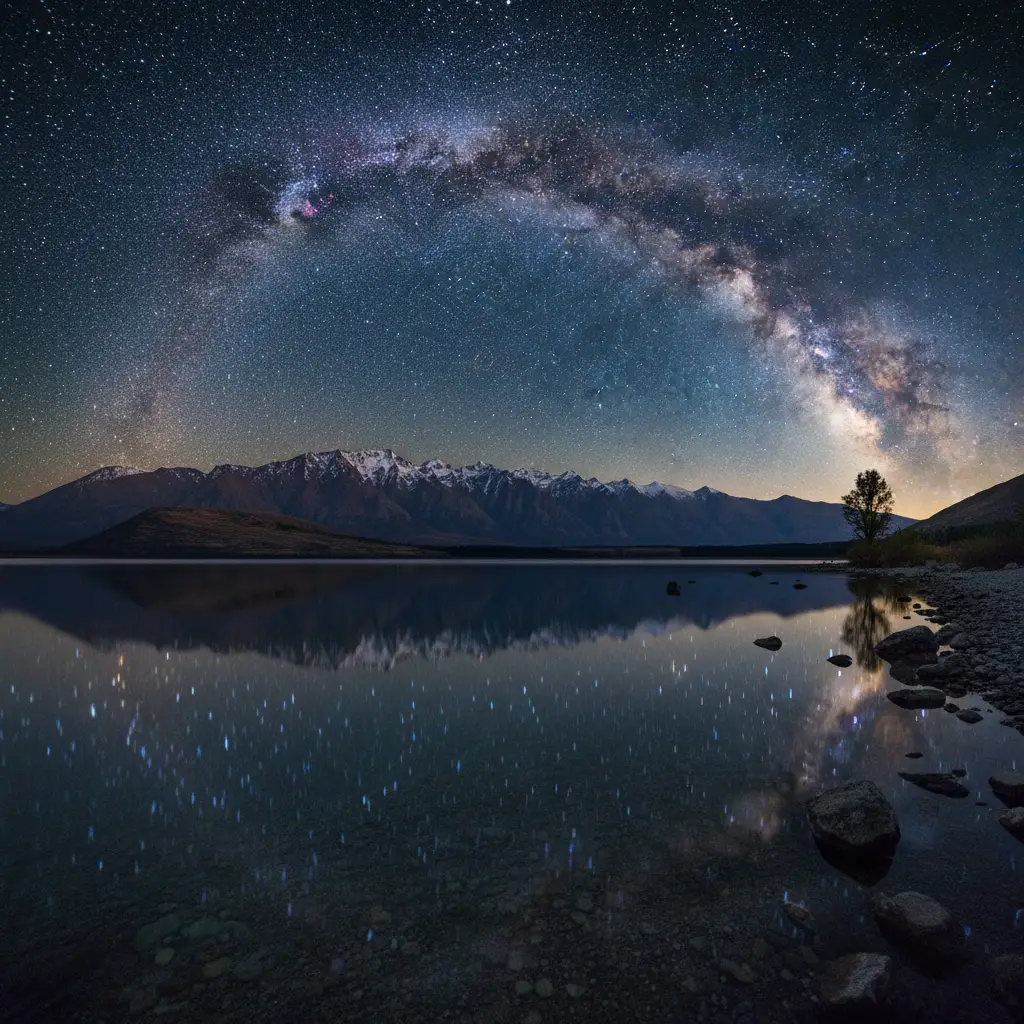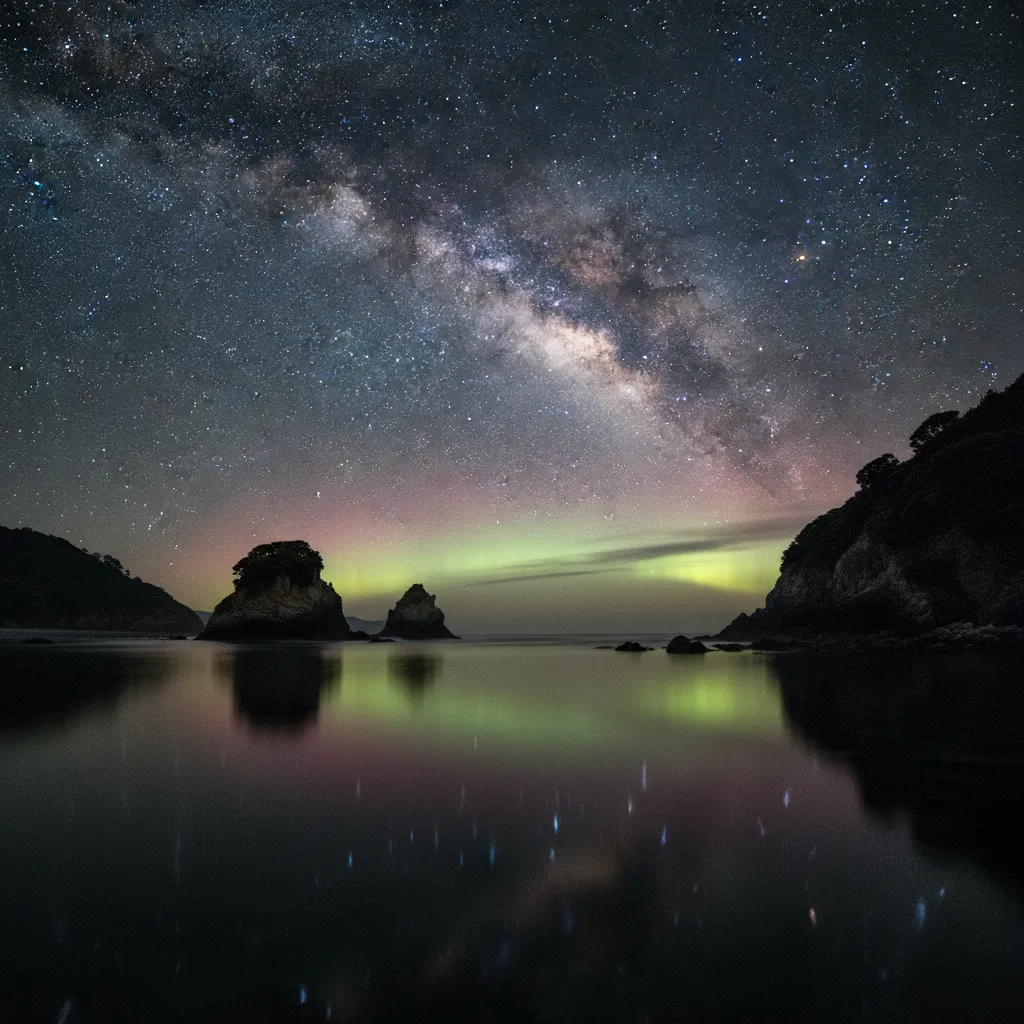
The best Puanga viewing spots in Northland are located along the eastern coastline where the horizon is unobstructed by terrain. Top locations include Matauri Bay, the Tutukaka Coast, and Cape Reinga. High-elevation points like Mount Manaia in Whangārei also offer ideal vantage points for observing the rise of Puanga (Rigel) in the pre-dawn winter sky.
Why Northland Celebrates Puanga Over Matariki
While the majority of Aotearoa New Zealand looks to the cluster of stars known as Matariki (the Pleiades) to mark the Māori New Year, the traditions in the Far North (Tai Tokerau) are distinct. For many iwi (tribes) in Northland, the star Puanga is the primary herald of the new year. Understanding why this distinction exists is crucial for anyone seeking authentic Puanga viewing spots in Northland.
Puanga is known astronomically as Rigel, the brightest star in the Orion constellation. In parts of the Far North, the geography of the land and the position of the horizon mean that Matariki sits very low in the sky, often obscured by mountain ranges or atmospheric conditions during the winter months. Puanga, however, rises higher and brighter in the northern and eastern skies, making it a more reliable indicator of the changing season.
The rise of Puanga usually occurs in June or July, appearing in the pre-dawn sky just before sunrise. It signals the end of the harvest and a time to remember those who have passed away during the year. Because Puanga is a solitary, brilliant blue-white supergiant star, it commands attention against the dark winter canvas of the Northland sky. To view it properly, one must find locations with minimal light pollution and a clear view toward the East-Northeast horizon.
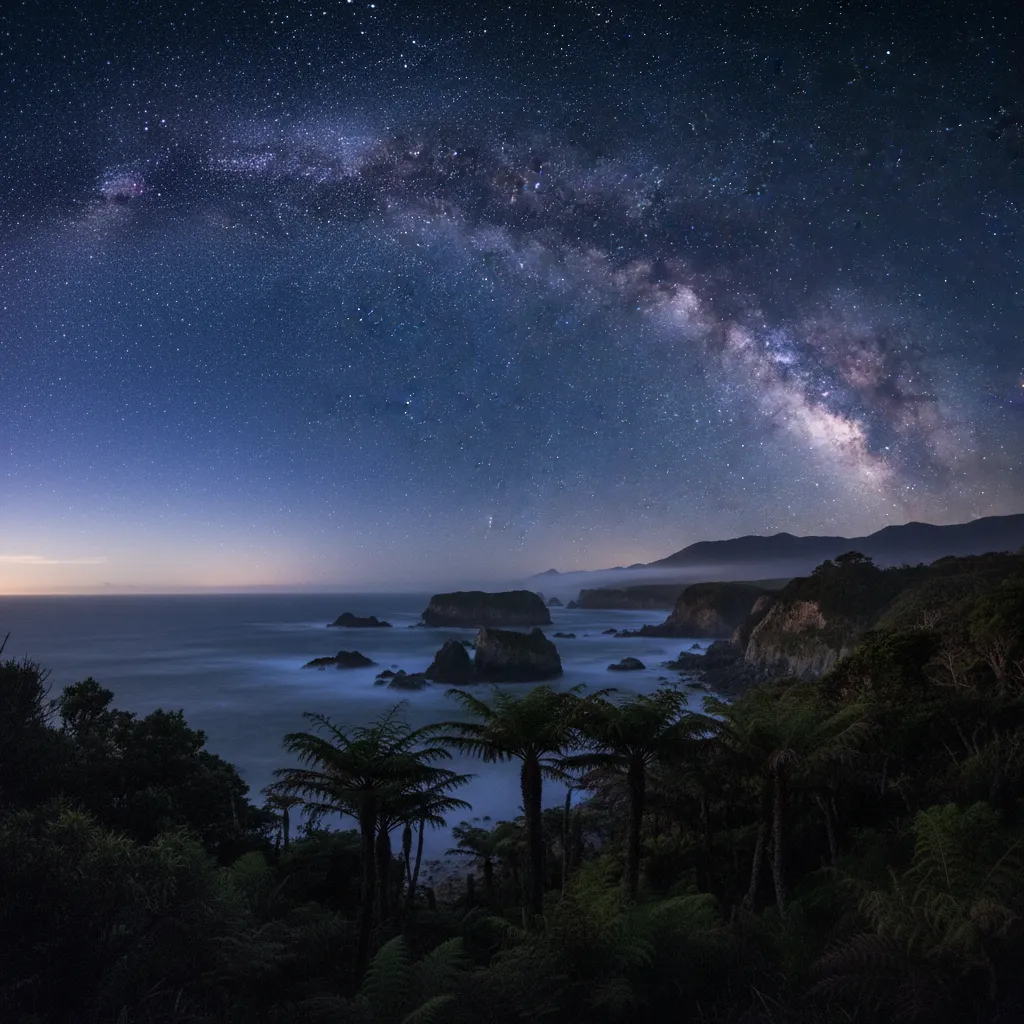
Top Coastal Locations for Horizon Views
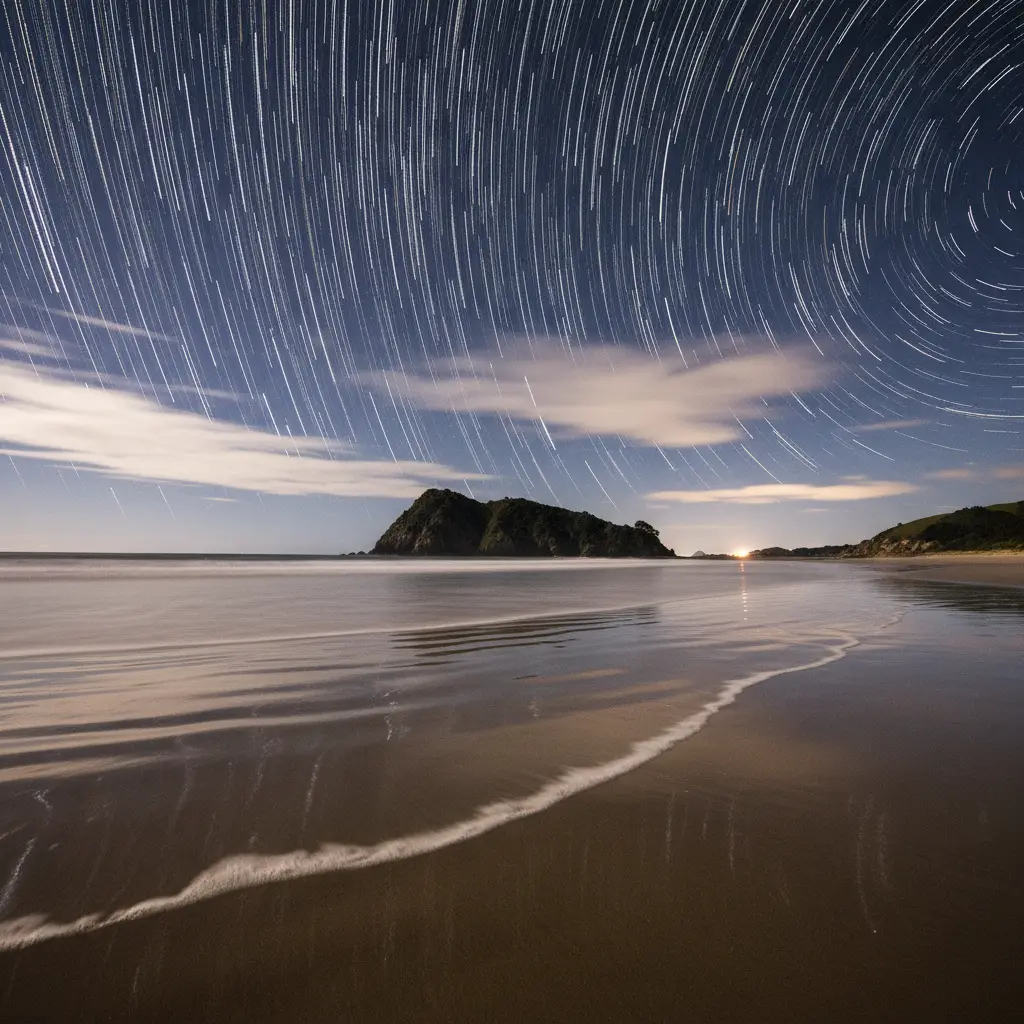
The most critical factor for spotting Puanga is a clear, flat horizon. Since the star rises in the East, Northland’s extensive eastern coastline offers some of the premier astrophotography and viewing opportunities in the country. The lack of major cities along these stretches ensures that light pollution is kept to a minimum, preserving the integrity of the night sky.
Matauri Bay and the Cavalli Islands
Matauri Bay is arguably one of the most spiritual and visually stunning locations to witness the rise of Puanga. Famous for the Rainbow Warrior memorial, the bay faces directly east. The elevation of the memorial site on the headland provides a panoramic view of the ocean, with the Cavalli Islands silhouetted against the dawn light. The absence of streetlights in this area allows the stars to pop with incredible intensity.
The Tutukaka Coast
Renowned for its diving, the Tutukaka Coast is also a sanctuary for stargazers. Locations such as Sandy Bay and Matapouri offer wide, sandy beaches where viewers can set up tripods or simply sit on the dunes. The curve of the coast here shields viewers from the lights of Whangārei city, creating a dark sky enclave. Matapouri’s horseshoe shape provides a natural amphitheater for watching the celestial display, while the sound of the waves adds a meditative layer to the experience.
Cable Bay and Taipā
Further north in Doubtless Bay, the beaches of Cable Bay and Taipā are legendary for their “red” sunrises, but before the sun breaks the horizon, they are prime spots for Puanga. The orientation of Doubtless Bay captures the northeastern sky perfectly. These locations are easily accessible by car, making them suitable for families or those who do not wish to hike in the dark. The calm waters of the bay often reflect the brightest stars, doubling the visual impact of the event.
High Elevation Vantage Points in Tai Tokerau
While beaches offer accessibility, elevation offers clarity. Getting above the sea mist and salt spray can provide a sharper image of the stars. Northland’s volcanic geography provides several accessible peaks that serve as excellent observatories.
Mount Manaia, Whangārei Heads
For the adventurous, a pre-dawn hike up Mount Manaia is a rewarding pilgrimage. The track is well-maintained, though steep. Reaching the summit before dawn places you 403 meters above sea level, with a commanding view over the harbor and out to the open ocean. The jagged rock formations of Manaia add a dramatic foreground to photographs of the night sky. From this height, you can often see Puanga rise slightly earlier than you would at sea level due to the dip of the horizon.
Parihaka Scenic Reserve
Located centrally in Whangārei, Parihaka is the ancestral maunga (mountain) of the local hapū. The summit lookout is accessible by vehicle, making it one of the most convenient high-elevation viewing spots. While there is some light glow from the city below, the lookout faces eastwards over the city toward the heads, and the elevation helps mitigate the light pollution. It is a popular spot for community gatherings during the Puanga season.
Cape Reinga (Te Rerenga Wairua)
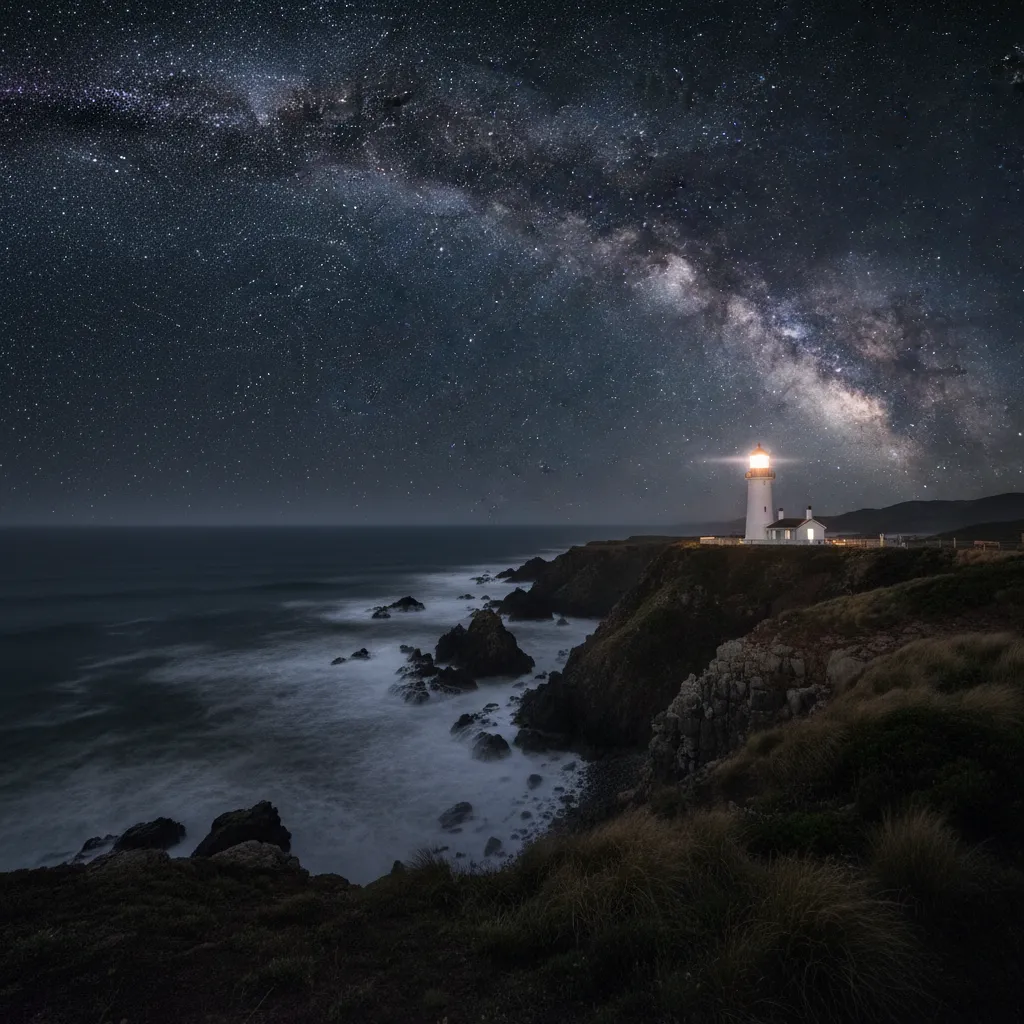
At the very tip of the North Island, Cape Reinga offers a spiritual connection unlike any other. This is the place where, according to Māori legend, spirits depart for the underworld. The lighthouse area provides a 360-degree view of the sky. Here, the Tasman Sea meets the Pacific Ocean. The isolation means this is a Class 1 Dark Sky location. Watching Puanga rise here, where the two oceans collide, is a profound experience that connects the observer to the history and wairua (spirit) of Aotearoa.
Cultural Tours and Storytelling in the North
To truly understand the significance of Puanga, it is best to view it through the lens of local knowledge. Several tourism operators in Northland incorporate astronomy and storytelling into their winter offerings.
Waitangi Treaty Grounds
The Waitangi Treaty Grounds often host Matariki and Puanga events, including early morning dawn ceremonies. These events typically involve karakia (prayers), waiata (songs), and storytelling about the celestial navigation used by Polynesian voyagers. Standing on the grounds where the nation’s founding document was signed, while watching the stars that guided the ancestors to these shores, bridges the gap between history and astronomy.
Manea Footprints of Kupe
Located in Opononi on the Hokianga Harbour, Manea Footprints of Kupe offers a deep dive into the story of the great navigator Kupe. While the Hokianga is on the west coast, the center provides educational context regarding celestial navigation. During the Puanga season, special evening tours often focus on the night sky, explaining how stars like Puanga were used to navigate the vast Pacific Ocean long before modern instruments existed.
Accommodation with East-Facing Views
For those who prefer to view the celestial event from the comfort of a private deck, choosing the right accommodation is key. You want to look for properties that advertise “sunrise views” or “ocean views” facing east.
Glamping in the Bay of Islands
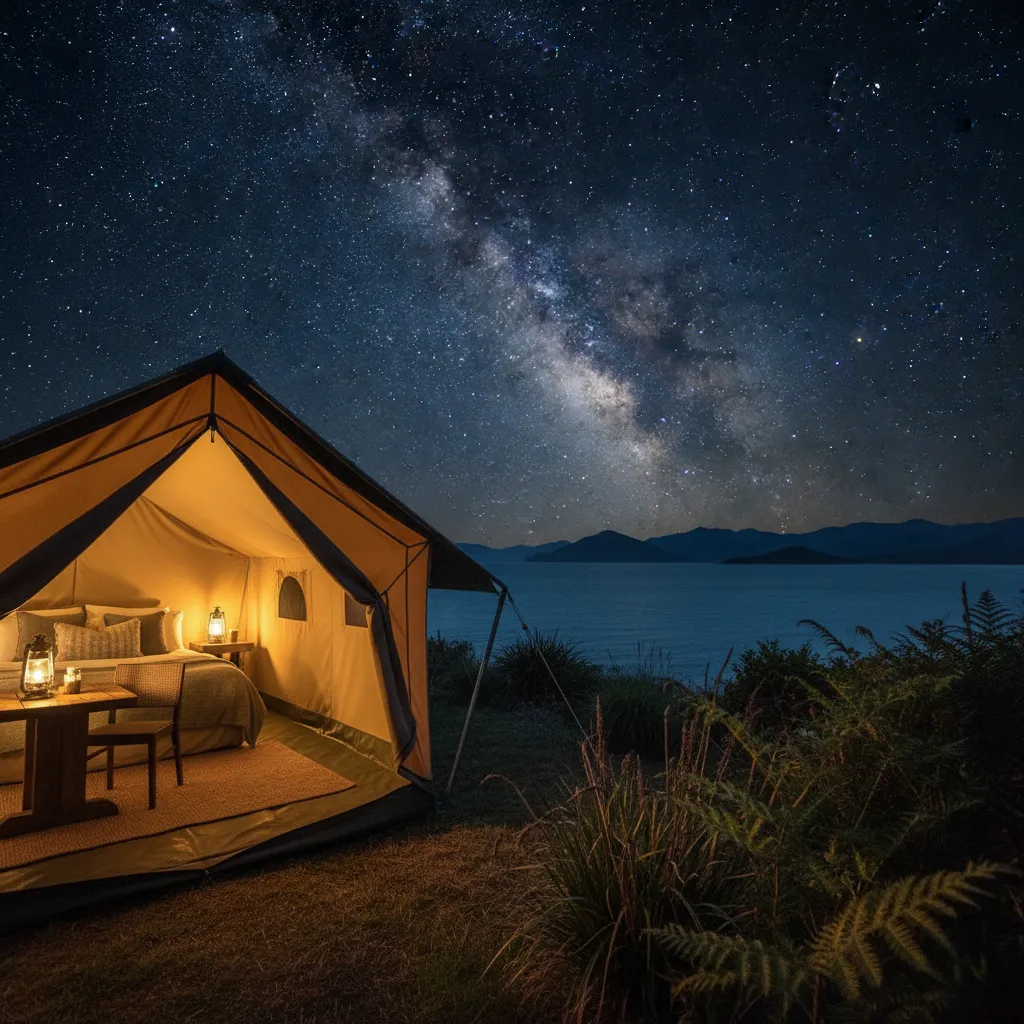
The Bay of Islands is home to numerous luxury glamping sites. Tents are often positioned on ridges to maximize views. Look for sites in Russell or Opua that face out toward the Cape Brett peninsula. These sites often provide telescopes and blankets, allowing you to wake up, unzip the canvas, and watch Puanga rise without leaving the warmth of your bed.
Carrington Estate, Karikari Peninsula
Located on the Karikari Peninsula, this estate is situated in a remote area with very little light pollution. The expansive grounds and proximity to the coast mean you can find a dark spot within walking distance of your room. The peninsula juts out into the ocean, providing wide, dark skies that are perfect for astrophotography.
Tips for the Ultimate Stargazing Experience
Successfully viewing Puanga requires more than just being in the right place; it requires timing and preparation. The winter months in Northland are mild compared to the south, but pre-dawn temperatures can still drop to near freezing.
- Timing is Everything: Puanga rises in the pre-dawn hours (around 5:30 AM to 6:30 AM) in June and July. Check local astronomical charts or apps like Stellarium to find the exact rise time for your specific date.
- Let Your Eyes Adjust: It takes approximately 20 to 30 minutes for human eyes to fully adjust to the dark. Avoid looking at your phone screen unless you have a red-light filter enabled.
- Dress Appropriately: Wear layers. Merino wool is excellent for regulating temperature. A beanie and gloves are essential, as you will be standing still for long periods.
- Photography Gear: If you plan to photograph the event, a sturdy tripod is non-negotiable. Use a wide-angle lens with a low f-stop (f/2.8 or lower) and set your shutter speed between 15 and 25 seconds to capture the stars without trailing.
Frequently Asked Questions
What is the difference between Puanga and Matariki?
Matariki is the star cluster known as the Pleiades, while Puanga is the star Rigel in the Orion constellation. In some parts of New Zealand, like Northland and the West Coast, Matariki is difficult to see due to geography, so Puanga is used to mark the New Year.
When is the best time to see Puanga in Northland?
The best time to view Puanga is in the early morning, just before sunrise, during the months of June and July. This coincides with the Māori New Year celebrations.
Do I need a telescope to see Puanga?
No, you do not need a telescope. Puanga (Rigel) is the seventh brightest star in the night sky and is easily visible to the naked eye, appearing as a bright blue-white star.
Is Puanga visible from the west coast of Northland?
Yes, Puanga is visible from the west coast, but because it rises in the East, you will be looking inland over the land rather than out over the ocean. High vantage points are recommended on the west coast to clear the ranges.
Are there guided Puanga tours available?
Yes, during the winter season, various cultural centers and tour operators, such as those at the Waitangi Treaty Grounds, offer special dawn ceremonies and guided talks focused on Puanga and celestial navigation.
What direction should I look to find Puanga?
You should look towards the East-Northeast horizon. Puanga is located above the three stars of Orion’s Belt (Tautoru).