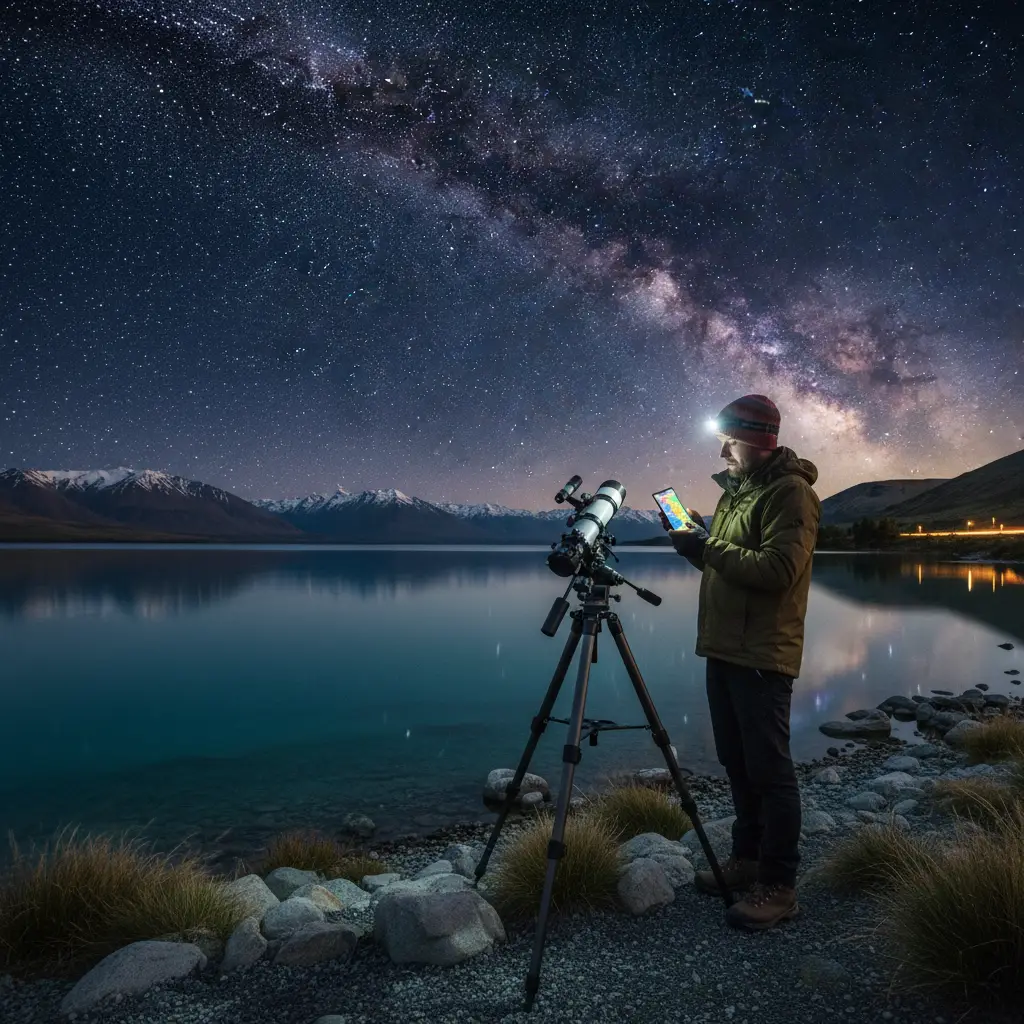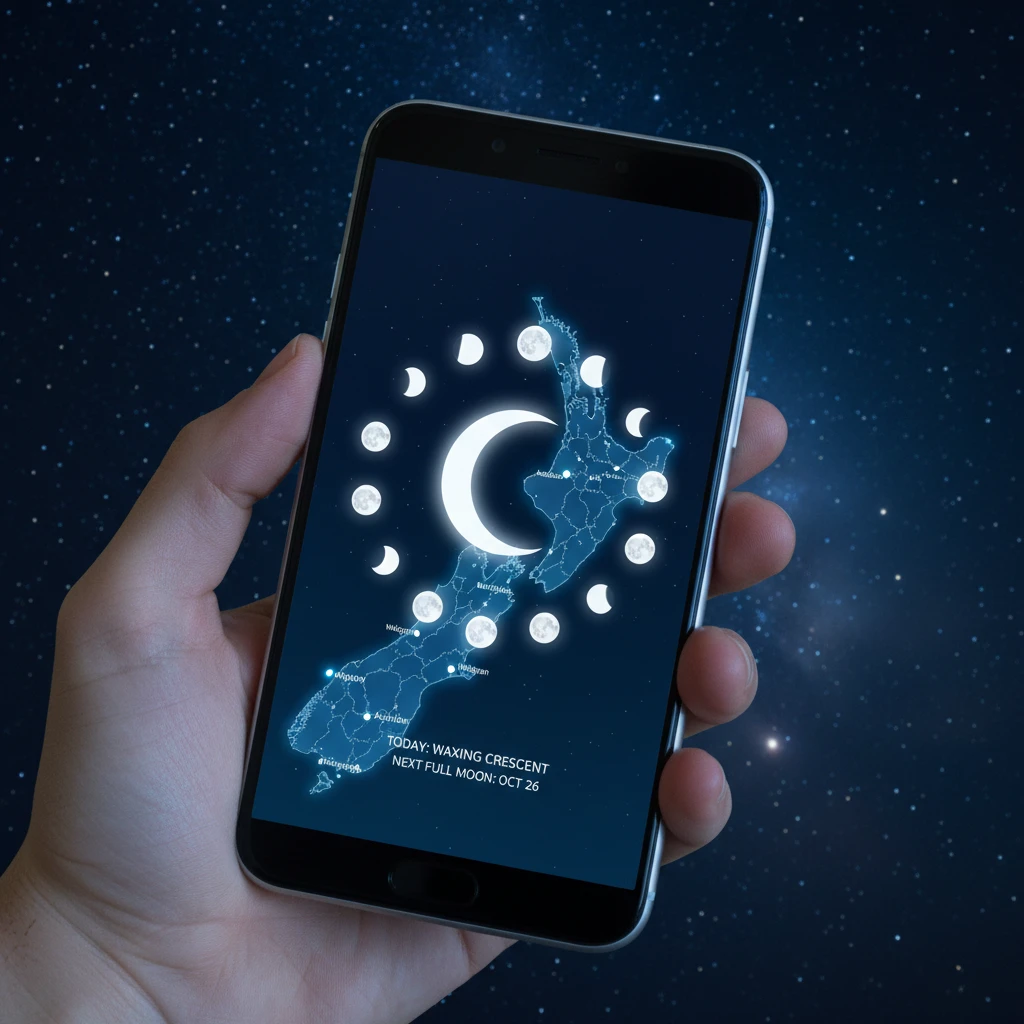
The best time of year for stargazing in New Zealand is generally during the winter months, specifically from May to August. These months offer the longest nights, crisp stable air, and prime visibility of the Milky Way’s galactic core and the Matariki cluster. However, the most critical factor is the lunar cycle; always schedule viewing around the New Moon for the darkest skies.
New Zealand is widely renowned as one of the premier astronomical destinations on Earth. With large swathes of the country protected as International Dark Sky Reserves and Sanctuaries, the Aotearoa night sky offers a window into the cosmos that few other places can rival. Whether you are chasing the Aurora Australis, hoping to photograph the Galactic Core, or celebrating the rise of Matariki, timing your visit is essential for success.
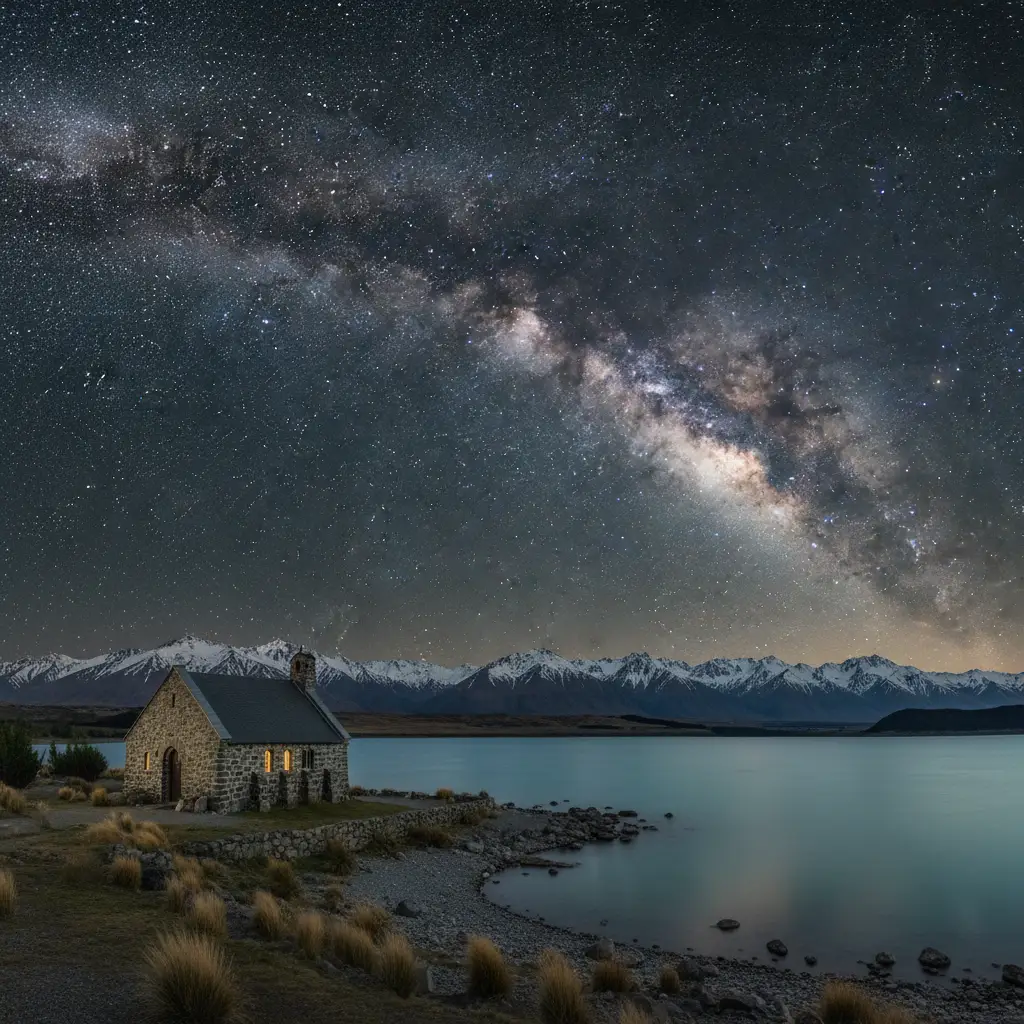
The Supremacy of Winter: May to August
When discussing the best time of year for stargazing NZ, professional astronomers and astrophotographers almost unanimously point to winter. While the temperatures can drop below freezing, particularly in the South Island, the atmospheric rewards are well worth the chill.
Why Winter Offers Superior Visibility
There are three primary scientific reasons why winter reigns supreme for New Zealand astronomy:
- Duration of Darkness: In June and July, New Zealand experiences its shortest days and longest nights. In the deep south, true astronomical darkness can last for over 12 hours, giving you ample time to observe deep-sky objects without rushing.
- Atmospheric Stability: Cold air holds less moisture than warm air. Humidity is the enemy of clear stargazing as it causes haze and distorts light. The crisp, dry winter air acts as a perfect lens, allowing stars to appear sharper and brighter.
- Galactic Positioning: The core of the Milky Way—the brightest and most visually stunning part of our galaxy—is visible directly overhead for longer periods during New Zealand winters. This results in the spectacular “river of stars” stretching across the zenith.
The Trade-off: Temperature Management
The primary drawback to winter stargazing is the cold. In the Mackenzie Basin, temperatures frequently drop to -5°C (23°F) or lower at night. Visitors must be prepared with thermal layers, down jackets, and gloves. However, many commercial observatories provide extreme cold-weather gear to guests, mitigating this discomfort.
Matariki: The Cultural Significance of the Winter Sky
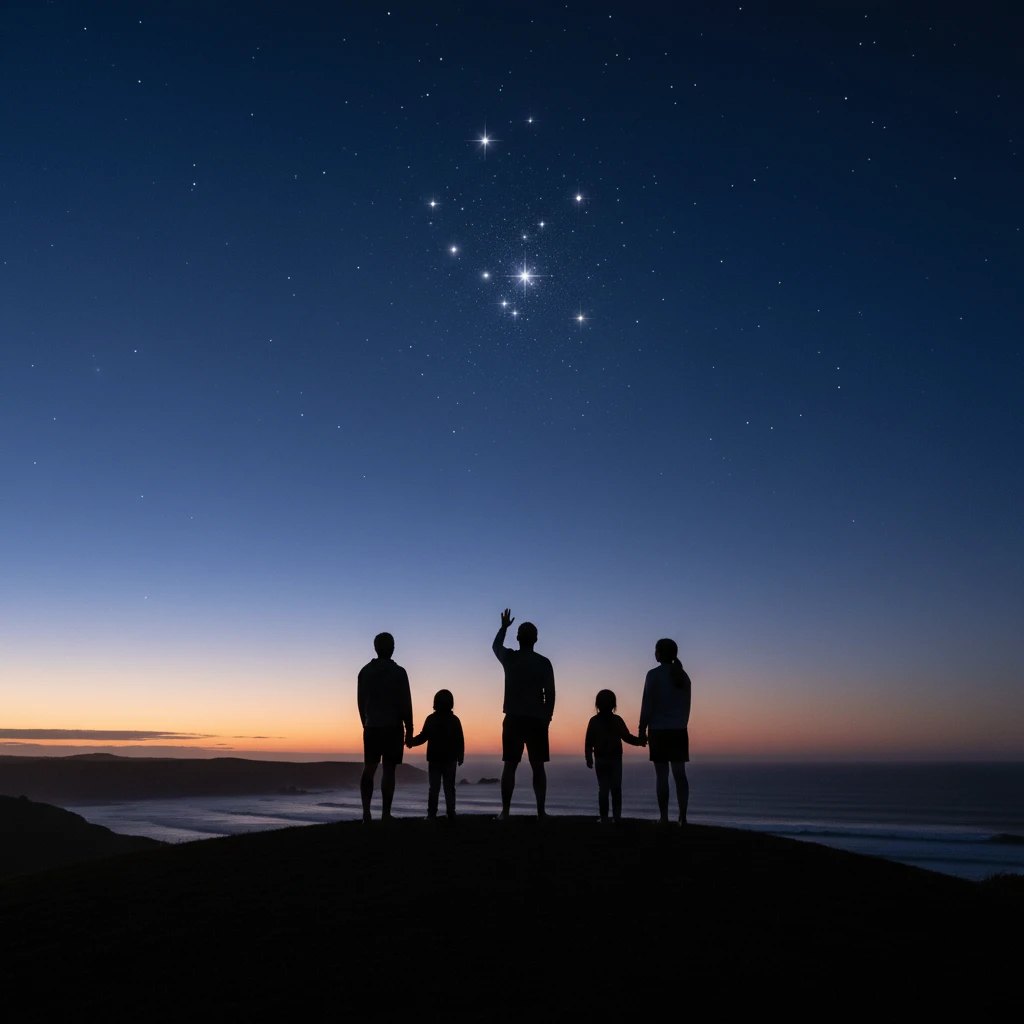
Winter in New Zealand is not just about clear skies; it is a time of profound cultural significance. The rise of the star cluster Matariki (known elsewhere as the Pleiades or the Seven Sisters) marks the Māori New Year. This usually occurs in mid-winter, typically late June or early July.
Historically, Matariki was used for navigation and to predict the success of the coming harvest. Today, it has become a national holiday and a focal point for dark sky tourism. Visiting New Zealand during the Matariki season adds a layer of cultural depth to the astronomical experience. You aren’t just looking at stars; you are participating in a tradition that dates back hundreds of years.
Shoulder Season Strategy: Autumn and Spring
If the idea of standing in sub-zero temperatures does not appeal to you, the shoulder seasons offer a compelling compromise. Many travelers find that the months of March, April, September, and October provide the perfect balance between comfort and visibility.
Autumn (March to May)
Autumn is arguably the second-best time for astrophotography. The weather is generally more stable than in spring, with long periods of high pressure settling over the country. The Galactic Core begins to rise earlier in the evening, meaning you don’t have to stay up until 3:00 AM to see the best parts of the Milky Way. The changing colors of the landscape in regions like Central Otago also provide stunning foregrounds for nightscapes.
Spring (September to November)
Spring brings the return of different constellations, including the mighty Orion. However, spring in New Zealand is notoriously volatile regarding weather. It is often the windiest time of year, particularly in the South Island. While you can still get crystal-clear nights, the “equinoctial gales” can bring rapid cloud cover. If you plan a trip in spring, flexibility is key. Allow several nights in one location to ensure at least one evening of clear skies.
Avoiding the Full Moon: Lunar Cycle Planning
Regardless of the season, the single biggest mistake tourists make is ignoring the lunar phase. The moon is the greatest source of natural light pollution. A Full Moon is thousands of times brighter than the brightest stars, and its glare will wash out the Milky Way, faint nebulae, and the Aurora Australis.
The Golden Rule: The New Moon Window
To experience the true majesty of a Dark Sky Reserve, you must plan your trip around the New Moon. The ideal window for stargazing is from four days before the New Moon to four days after it. During this time, the moon is either absent from the sky or a thin crescent that sets early, leaving the night perfectly dark.
What if I must travel during a Full Moon?
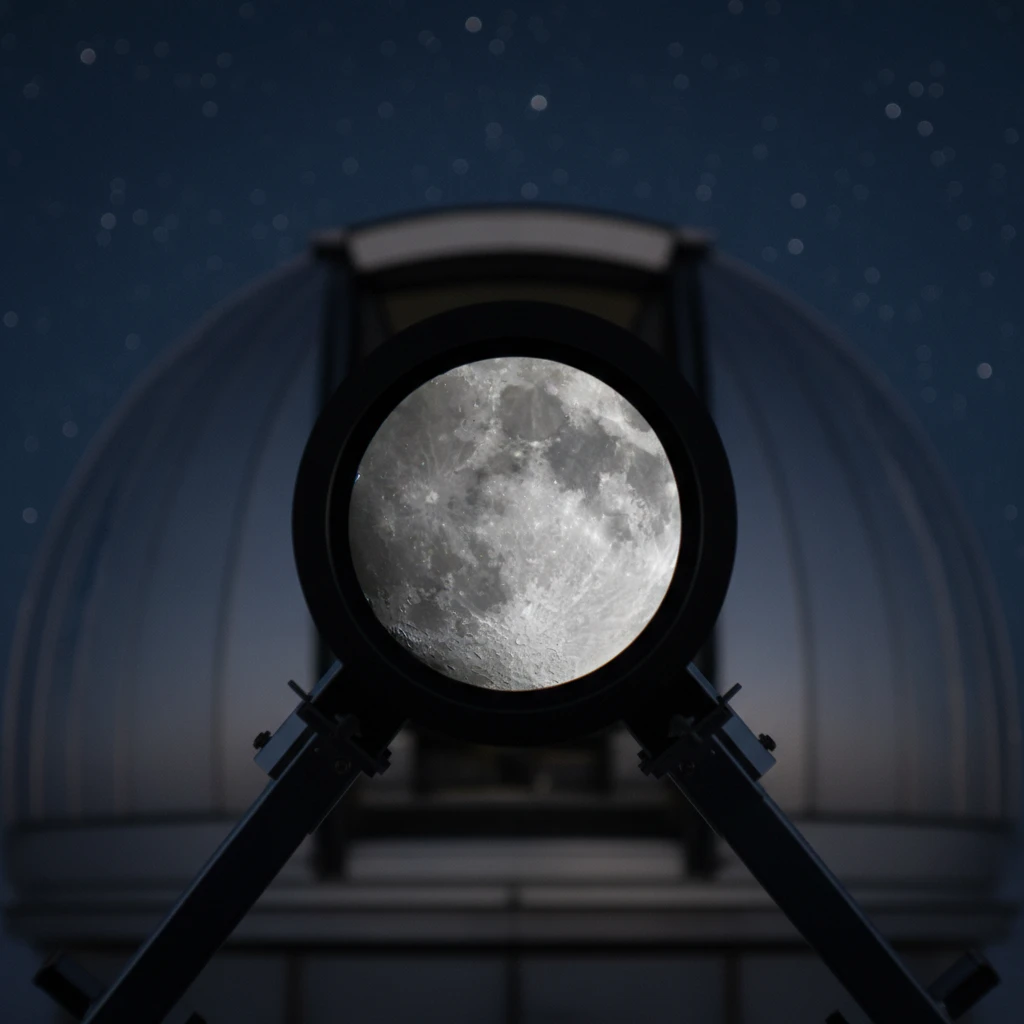
If your travel dates are fixed during a Full Moon phase, all is not lost. Focus your observation on the moon itself. Through a telescope, the craters and mountain ranges of the moon are breathtaking. Additionally, planets like Jupiter and Saturn are bright enough to cut through the moonlight and remain visible.
Regional Weather Patterns Explained
New Zealand’s geography creates distinct microclimates that affect cloud cover. Understanding these patterns helps in selecting the right location for the right time of year.
The Mackenzie Basin (Tekapo, Mt Cook, Twizel)
This is the heart of the Aoraki Mackenzie International Dark Sky Reserve. Being inland and shielded by the Southern Alps, it is protected from the prevailing westerly rain. This makes it one of the driest and clearest places in the country. Winter creates high-pressure systems here that can result in days of cloudless skies, though fog can occasionally settle in the valleys.
Great Barrier Island (Auckland Region)
As a Dark Sky Sanctuary located off the coast of Auckland, Great Barrier Island has a warmer, maritime climate. Winter here is wetter than in the Mackenzie Basin. For this specific location, late summer and early autumn (February to April) often provide better cloud clearance statistics than deep winter.
Stewart Island (Rakiura)
Rakiura, meaning “Land of Glowing Skies,” is the southernmost Dark Sky Sanctuary. Due to its latitude, it has the longest twilight in summer (bad for stargazing) but very long nights in winter. However, being an island exposed to the Southern Ocean, cloud cover is frequent. Visitors here should prioritize the Aurora Australis potential over general Milky Way viewing.
Chasing the Aurora Australis
Many visitors ask: When is the best time to see the Southern Lights in New Zealand?
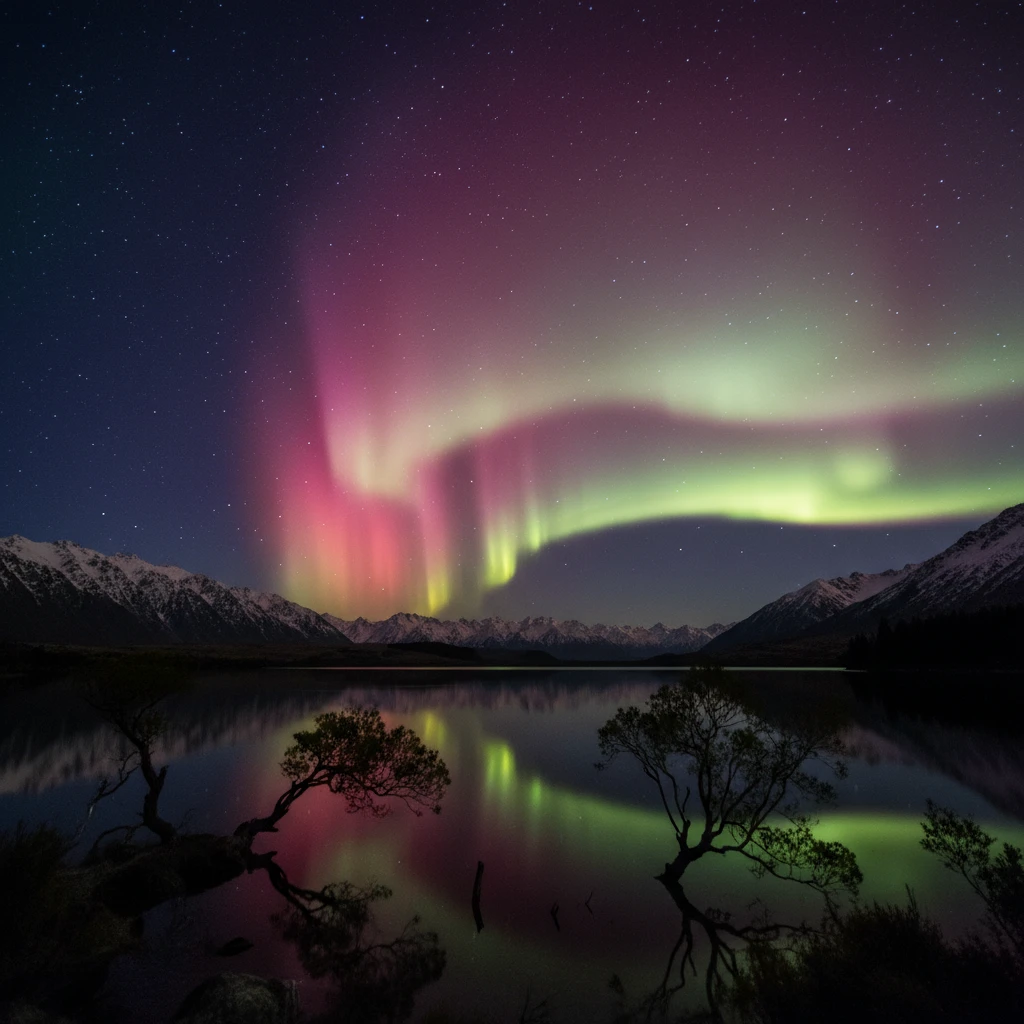
Unlike the Milky Way, the Aurora is dependent on solar activity, which can happen at any time of year. However, visibility requires darkness. Therefore, the probability of seeing the Aurora increases significantly in winter (March to September) simply because there are more hours of darkness.
To catch the Aurora, you need:
- High Solar Activity: Check apps like “Aurora Reach” or “Glendale App”.
- Clear South-Facing Horizons: Locations like Lake Tekapo, The Catlins, and Stewart Island are ideal.
- No Moon: Moonlight will easily overpower a faint aurora.
People Also Ask (PAA)
What is the best month to see the Milky Way in New Zealand?
June and July are generally considered the best months. During this time, the Galactic Core is high in the sky for the longest duration, and the nights are longest, providing maximum viewing windows.
Can you see stars in New Zealand in summer?
Yes, you can see stars in summer, but the sky does not get fully dark until very late (often after 11:00 PM), and the nights are short. The core of the Milky Way is also less visible during mid-summer compared to winter.
Where is the darkest sky in New Zealand?
The Aoraki Mackenzie International Dark Sky Reserve (covering Lake Tekapo, Mt Cook, and Twizel) and the Dark Sky Sanctuaries on Great Barrier Island and Stewart Island offer the darkest, most pristine skies in the country.
Do I need a telescope to see the Milky Way in NZ?
No. In Dark Sky Reserves, the Milky Way is clearly visible to the naked eye as a bright, cloudy band of light stretching across the sky. A telescope is only necessary for viewing planets or deep-sky nebulae in detail.
Is Matariki a good time for stargazing?
Yes, Matariki (mid-winter) is an excellent time for stargazing. It coincides with the longest nights of the year, and many regions host astronomy festivals and events to celebrate the Māori New Year.
How cold does it get stargazing in New Zealand?
In prime stargazing locations like the Mackenzie Basin during winter, temperatures often drop between -2°C and -10°C (14°F – 28°F). Warm layers, beanies, and gloves are essential.