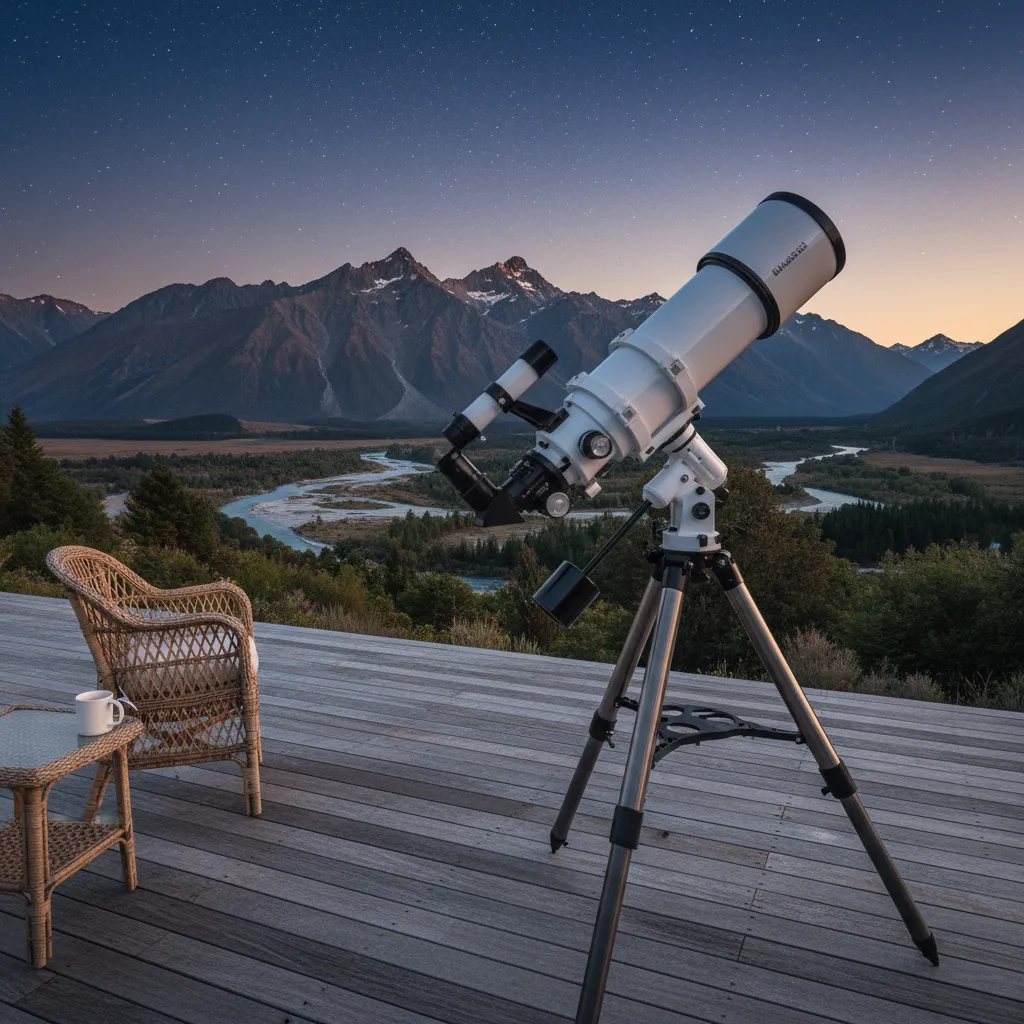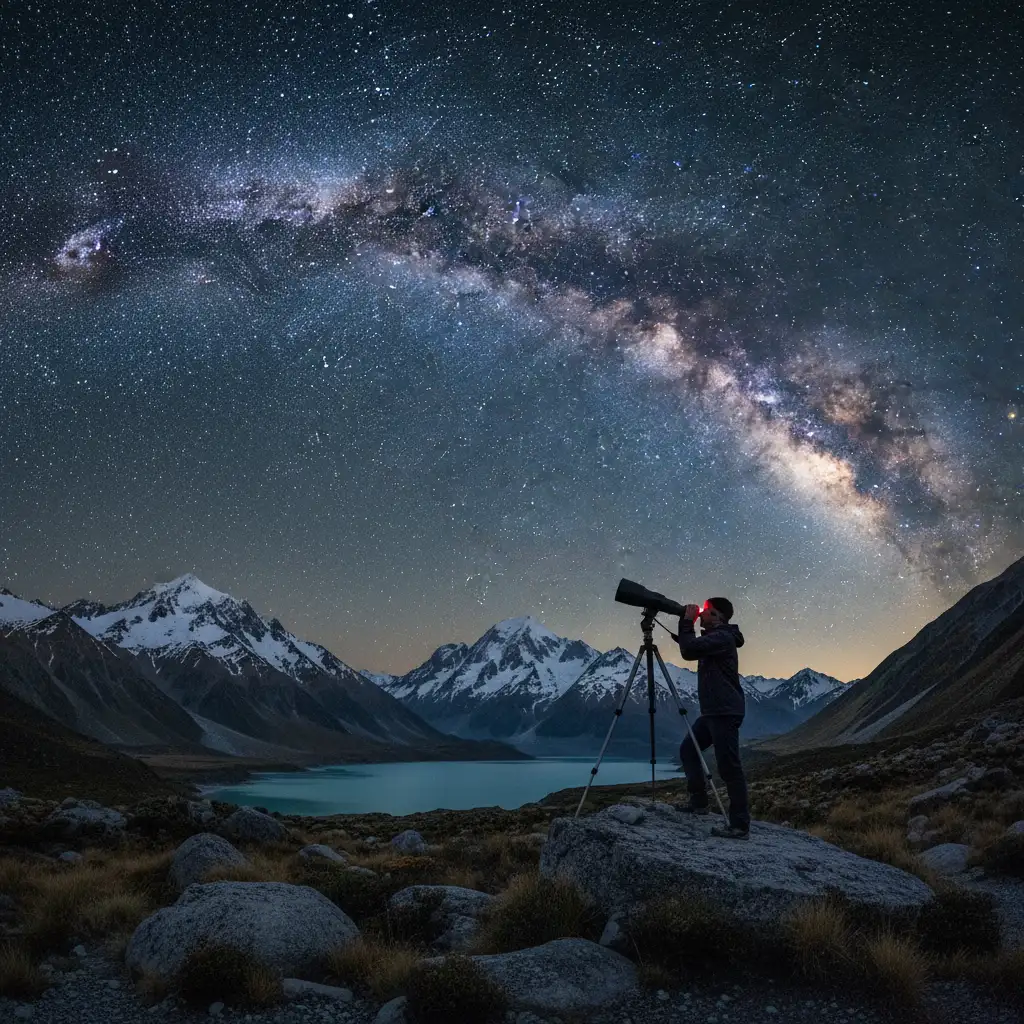
Telescope rental in Wellington is primarily accessible through the Wellington Astronomical Society’s instrument loan scheme for members, as well as select camera equipment hire companies specializing in astrophotography gear. This service offers enthusiasts a cost-effective pathway to utilize high-aperture Dobsonian and refractor telescopes for observing Matariki and deep-sky objects without the significant capital investment of purchasing hardware.
Wellington, New Zealand, offers a unique blend of urban accessibility and rugged coastal darkness, making it a prime location for amateur astronomy. whether you are a seasoned stargazer visiting the capital or a local looking to celebrate Matariki by observing the Pleiades cluster, renting equipment is often the smartest logistical choice. This guide covers everything from sourcing the best optics to finding the darkest skies in the Greater Wellington region.
Where to Rent High-Quality Telescopes in Wellington?
Finding a high-quality telescope to rent in Wellington requires knowing where to look, as traditional “party hire” shops rarely stock precision optical instruments. The market here is specialized, focusing on scientific communities and photography professionals.
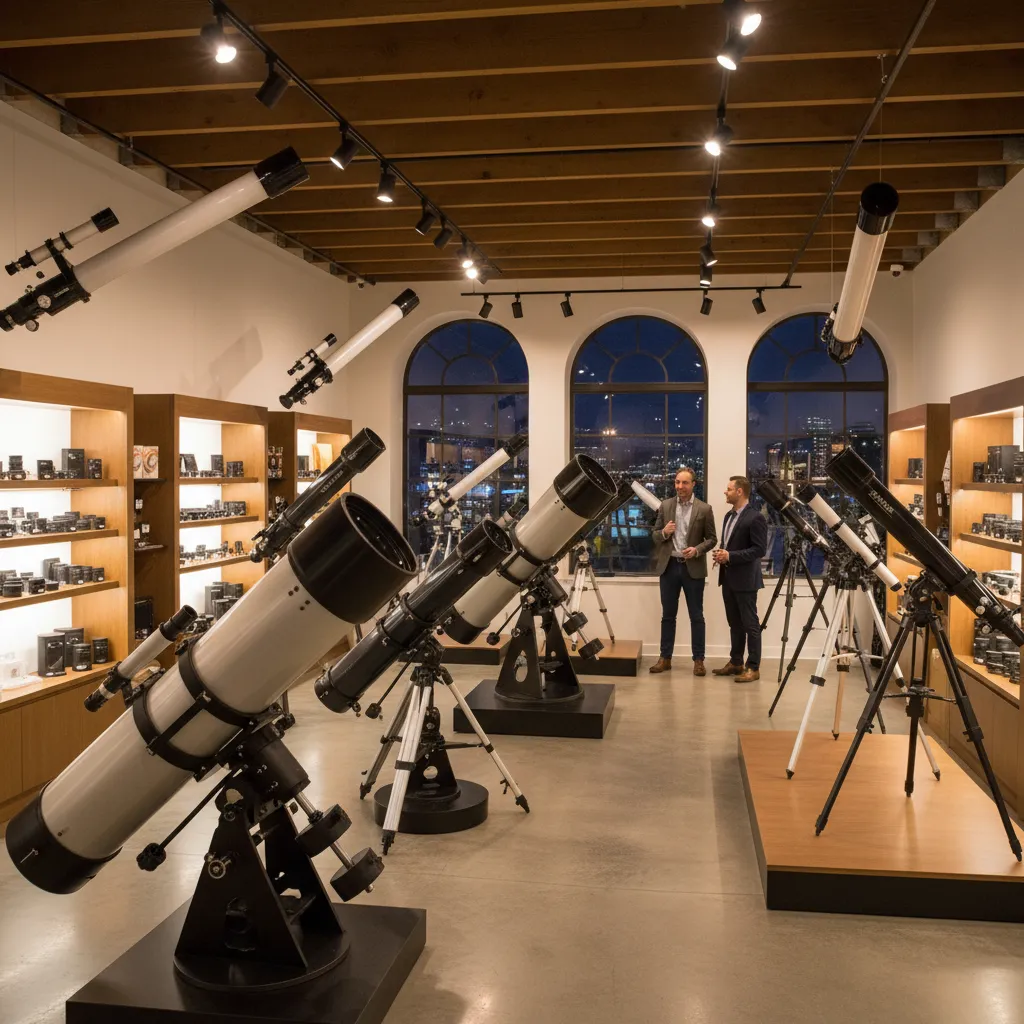
The Wellington Astronomical Society (WAS) Loan Scheme
For most individuals, the most accessible route to securing a high-performance telescope is through the Wellington Astronomical Society. While technically a “loan” scheme rather than a commercial daily rental, it functions similarly but with added value. By paying an annual membership fee (often cheaper than a weekend rental rate for camera gear), members gain access to a fleet of telescopes.
Available Gear often includes:
- 8-inch and 10-inch Dobsonians: These are “light buckets” ideal for deep-sky viewing.
- Refractors: Better for planetary viewing and portability.
- Solar Telescopes: Specifically designed for safe viewing of the sun.
This option is superior for beginners because it usually comes with expert advice on how to actually use the equipment, ensuring you don’t spend your rental period frustrated by a blurry image.
Professional Camera & Lens Hire
If your goal is astrophotography rather than visual observation, commercial camera rental houses in Wellington (such as Rubber Monkey or Topic Rentals) are your go-to solution. While they may not stock large visual Dobsonians, they rent high-end star trackers and telephoto lenses.
- Star Trackers: Devices like the Sky-Watcher Star Adventurer are available for rent. These mount to a tripod and counter the earth’s rotation, allowing for long-exposure photography.
- Spotting Scopes: High-end birding scopes can double as astronomy tools for observing the moon and bright planets.
Gear Guide: Should You Rent Binoculars or a Telescope?
Before putting down a deposit, it is critical to match the equipment to your experience level and your target celestial objects. Many renters make the mistake of getting the biggest telescope available, only to find it impossible to transport to a dark sky site.
When to Rent Astronomy Binoculars
Best for: Matariki (The Pleiades), The Moon, scanning the Milky Way, and beginners.
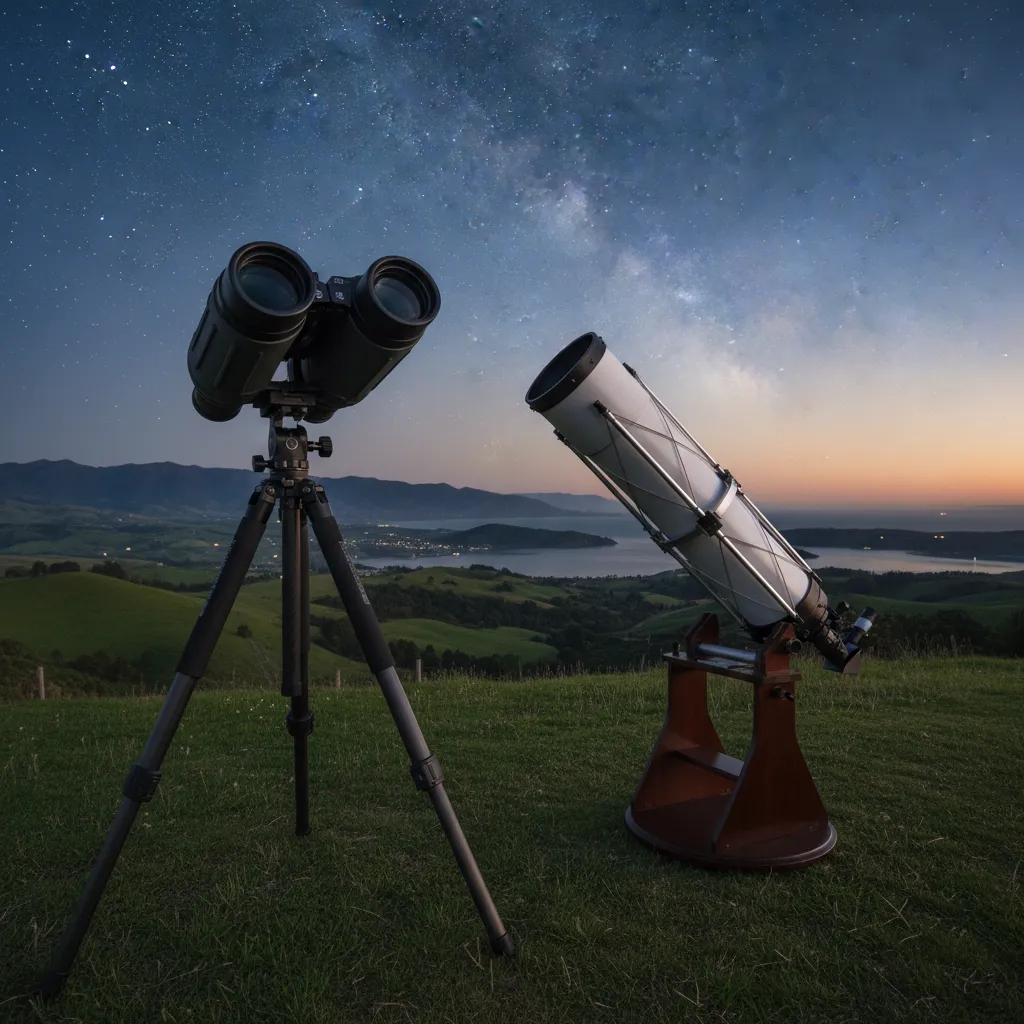
Binoculars are vastly underrated. For an event like Matariki, where the target is an open star cluster, binoculars often provide a superior view to a high-powered telescope. A telescope’s field of view is often too narrow to capture the entire cluster, whereas 10×50 or 15×70 binoculars frame it perfectly against the background sky.
When to Rent a Dobsonian Telescope
Best for: Faint fuzzies (nebulae), galaxies, and detailed planetary views.
If you have a vehicle and can drive to the Wairarapa or Red Rocks, a Dobsonian is the king of rentals. They are large and somewhat bulky, but they offer the most aperture (light-gathering power) per dollar. If you want to see the rings of Saturn or the bands of Jupiter clearly, this is the rental choice for you.
When to Rent a Refractor
Best for: Urban viewing, planets, and portability.
If you are observing from a balcony in Te Aro or a backyard in Karori, a refractor is a solid choice. They are generally more robust and easier to set up than reflectors, making them ideal for casual viewing sessions where light pollution is already a limiting factor.
Rental Costs and Deposit Requirements
Understanding the financial commitment is essential for planning your stargazing trip. Prices vary significantly based on the provider type.
Membership-Based Models (Societies)
This is the most economical approach for residents or long-term visitors.
- Cost: Approx. $40 – $60 NZD per year (Membership fee).
- Rental Fee: Often free or nominal ($10-$20) for members.
- Deposit: Usually not required, but vetting via membership application is necessary.
- Duration: Loans can last usually one month, allowing for plenty of clear nights.
Commercial Hire Rates
For camera gear, trackers, or high-end optics from rental houses:
- Daily Rate: $50 – $150 NZD depending on the item value.
- Weekend Rate: Often billed as 1.5 days.
- Deposit/Bond: Commercial renters often require a credit card hold or a bond ranging from $500 to $2,000 NZD, depending on insurance coverage.
- Insurance: Optional damage waivers are highly recommended when renting precision glass.
Optimizing for Matariki and Southern Skies
Matariki holds profound cultural significance in New Zealand, marking the Māori New Year. In Wellington, the rise of Matariki occurs in mid-winter (June/July), usually appearing in the pre-dawn sky towards the northeast.
Why Rent for Matariki?
Seeing the cluster with the naked eye is spiritual, but viewing it through rented optics reveals the “jewel box” nature of these young, blue stars. A rental telescope allows you to share this experience with whānau (family) in high definition.
Target List for Wellington Winter Skies:
- Matariki (Pleiades): Best viewed with binoculars or a wide-field telescope.
- Omega Centauri: The largest globular cluster in the sky, looking like a glittering snowball.
- The Jewel Box (Kappa Crucis): A colorful cluster near the Southern Cross.
- Carina Nebula: A massive star-forming region visible to the naked eye but spectacular through a telescope.
Best Spots near Wellington to Set Up
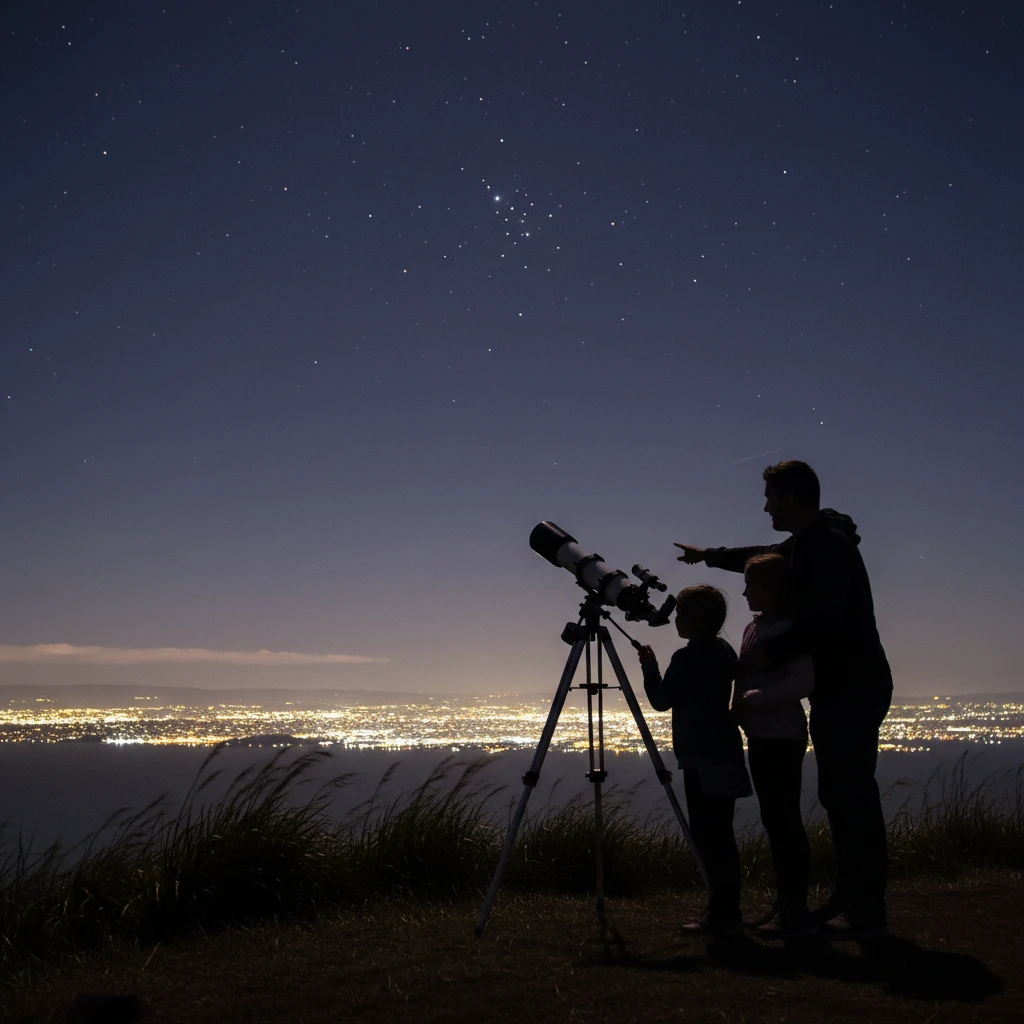
You have rented the gear, but where should you go? Light pollution in Wellington city can wash out deep-sky objects. Here are the top locations accessible with a rental setup.
1. Wairarapa Dark Sky Reserve (Top Choice)
Just over an hour’s drive from Wellington, the Wairarapa is an International Dark Sky Reserve. This is the premier location for using rented high-aperture telescopes.
- Drive Time: ~1 hour 15 mins.
- Bortle Scale: Class 1-2 (Extremely dark).
- Best For: Deep sky astrophotography and faint galaxies.
2. Red Rocks (Pariwhero)
Located on the south coast of Wellington, the hills block much of the city light looking South.
- Drive Time: 20 mins from CBD.
- Bortle Scale: Class 4 (Transition).
- Best For: Southern Cross, Carina Nebula, and planetary viewing.
- Warning: It can be extremely windy. Ensure your rental telescope has a sturdy mount or stay low to the ground.
3. Zealandia Ecosanctuary (Guided Only)
While you typically cannot bring large rental gear in for solo wanderings, the parking areas and surrounding zones in Karori offer surprisingly good darkness for being so close to the city, protected by the valley walls.

Quick Setup Guide for Rented Gear
To ensure you don’t damage rented equipment and get the best view, follow this inverted pyramid of setup priority.
1. Stability is Key
Wellington is known as “Windy Wellington” for a reason. Even a slight breeze can make a telescope view shake uncontrollably. Set up your tripod low. If renting a Dobsonian, place it on flat, solid ground (grass is better than concrete to reduce vibration).
2. Cool Down Time
Optics need to acclimate to the outside temperature. If you take a telescope from a warm car into the cold winter air, the view will be wavy due to heat currents. Let the rented scope sit outside (caps off) for 30-45 minutes before critical observing.
3. Alignment
Align your finder scope first. During the day (or using a distant streetlamp at night), center an object in the main telescope, then adjust the small finder scope to match. If these aren’t aligned, you will never find anything in the dark.
People Also Ask (PAA)
How much does it cost to rent a telescope in Wellington?
Commercial rentals for high-end optics can range from $50 to $150 per day. However, joining the Wellington Astronomical Society for roughly $40-$60/year grants access to their loaner scopes, which is the most cost-effective option for long-term use.
Can I see the Southern Lights (Aurora) from Wellington?
Yes, during periods of high solar activity, the Aurora Australis is visible from the Wellington South Coast (like Red Rocks). However, Auroras are best captured with cameras rather than viewed through telescopes.
What is the best time of year for stargazing in NZ?
Winter (June to August) is ideal because the nights are long and the galactic core of the Milky Way is high in the sky. This also coincides with Matariki.
Do I need a license to use a telescope in public parks?
Generally, no. You can set up a telescope in public spaces like Red Rocks or local parks. However, commercial operation (charging people to look) requires a permit.
Is a telescope better than binoculars for Matariki?
Not necessarily. Because Matariki (The Pleiades) is a wide open cluster, binoculars often provide a better framing of the whole group. Telescopes are better for zooming in on individual stars or planets.
Where is the darkest place near Wellington?
The Wairarapa Dark Sky Reserve, specifically around Martinborough and Carterton, offers the darkest skies accessible within a short drive, boasting Bortle Class 1-2 skies.