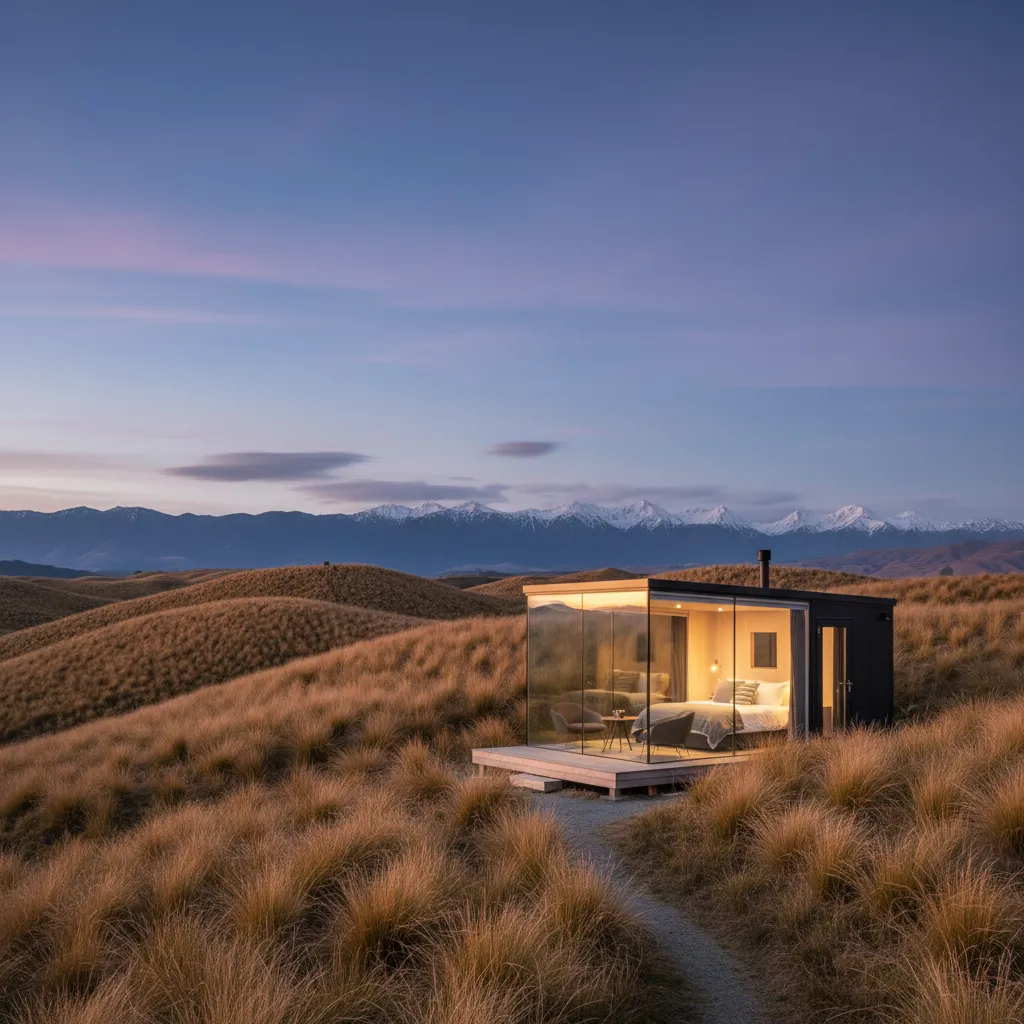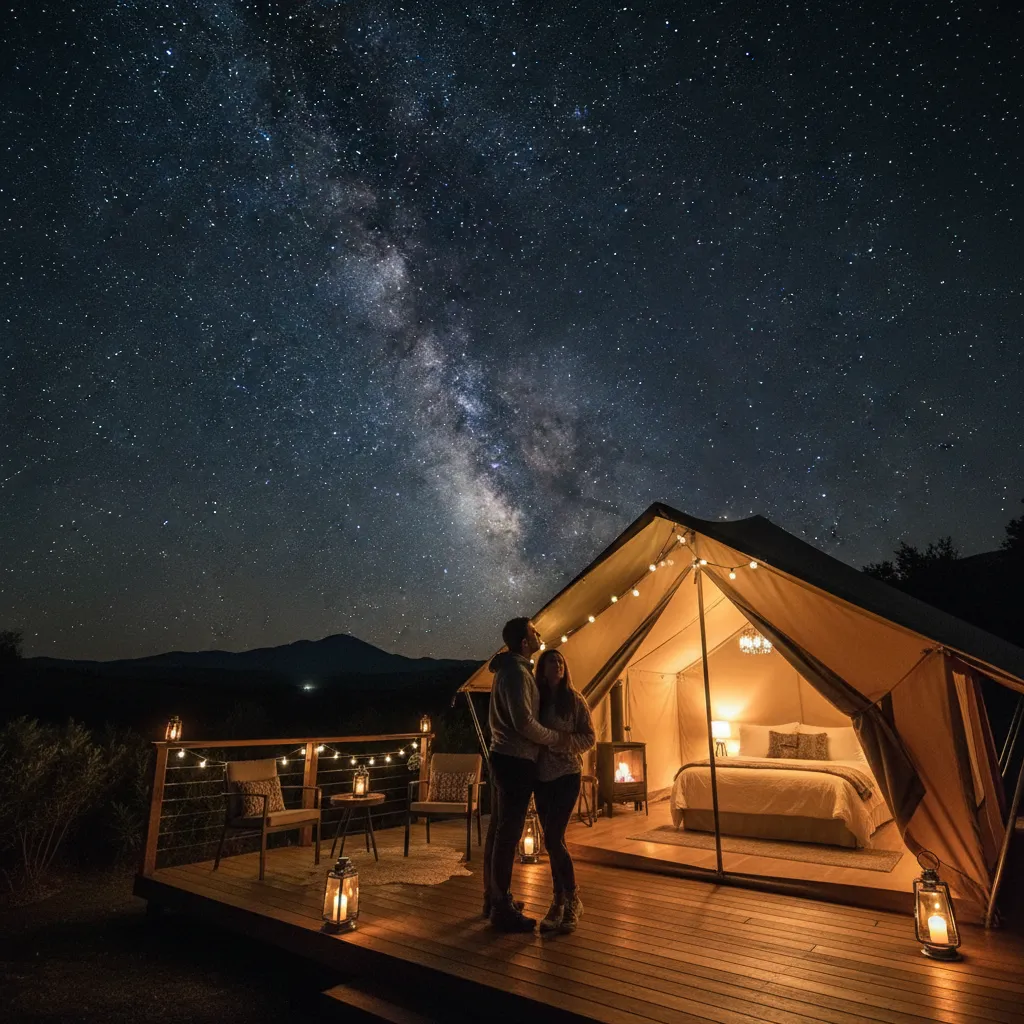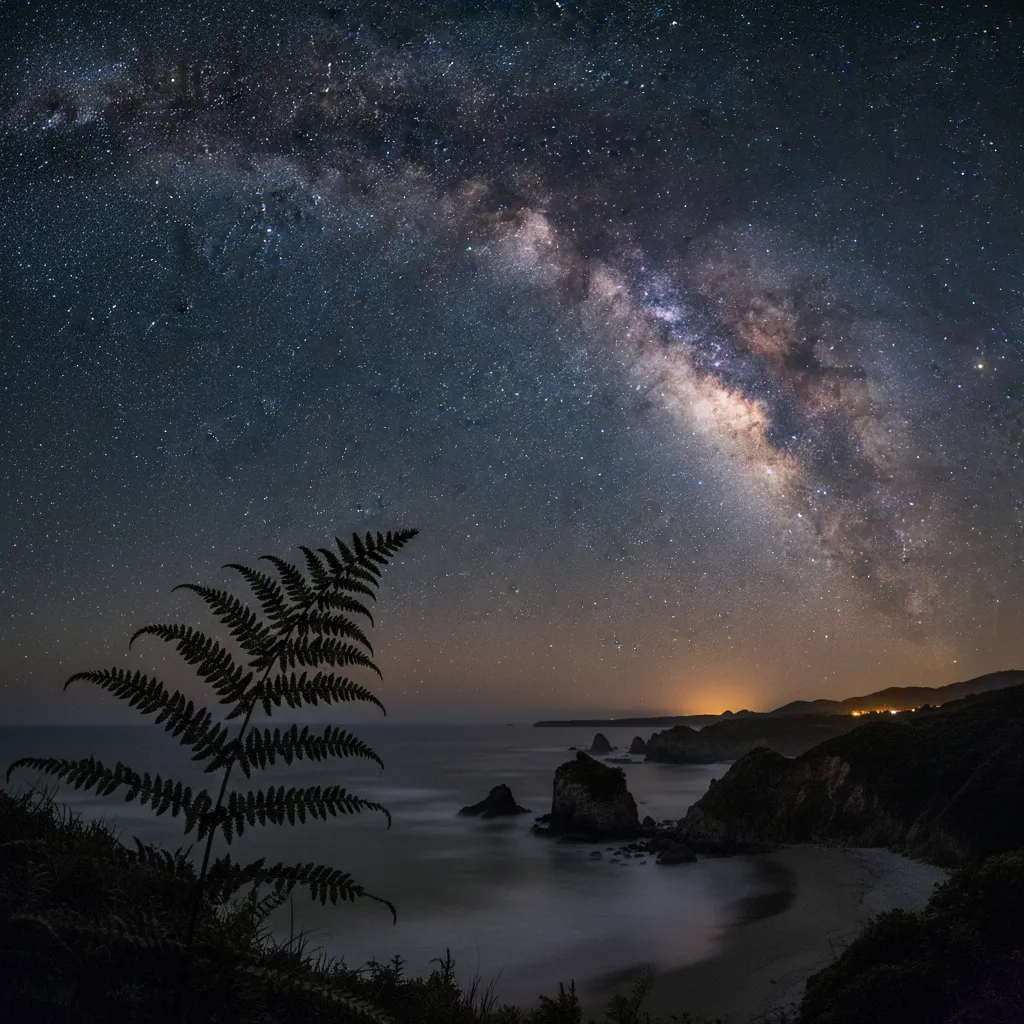
Top rated dark sky accommodation refers to lodging located within designated International Dark Sky Reserves or Sanctuaries, specifically designed to minimize light pollution. In New Zealand, these properties range from luxury glass pods to remote cabins, offering specialized amenities like private telescopes, skylights, and outdoor baths to maximize visibility of the Southern Lights and the Milky Way.
New Zealand is rapidly becoming the world’s premier destination for astrotourism. With the rise of Matariki (the Māori New Year) as a public holiday and a growing appreciation for the pristine night skies of the Southern Hemisphere, travelers are seeking more than just a bed to sleep in; they are seeking a front-row seat to the cosmos. Finding the perfect place to stay is critical to the experience. Whether you are hunting for the Aurora Australis or simply want to gaze at the Milky Way from a hot tub, the accommodation you choose dictates the quality of your stargazing.
What Makes a Property “Dark Sky Friendly”?
Before diving into specific recommendations, it is essential to understand the criteria that separate standard rural lodging from true dark sky accommodation. The distinction often lies in location and design intent.
The Importance of Location: Reserves and Sanctuaries
New Zealand is home to several internationally recognized dark sky areas. The most famous is the Aoraki Mackenzie International Dark Sky Reserve, encompassing Lake Tekapo, Mt. Cook, and Twizel. Other key areas include the Great Barrier Island (Aotea) Dark Sky Sanctuary and the Stewart Island/Rakiura Dark Sky Sanctuary.
Accommodations located within these zones are subject to strict lighting ordinances. This means streetlights are amber-hued and shielded, and commercial properties must limit light spill. When you book a “top rated” stay in these zones, you are paying for access to a Bortle Scale Class 1 or 2 sky—the darkest skies measurable on Earth.
Design Features to Look For
The highest-rated properties on platforms like Booking.com and Airbnb share common architectural features designed for stargazers:
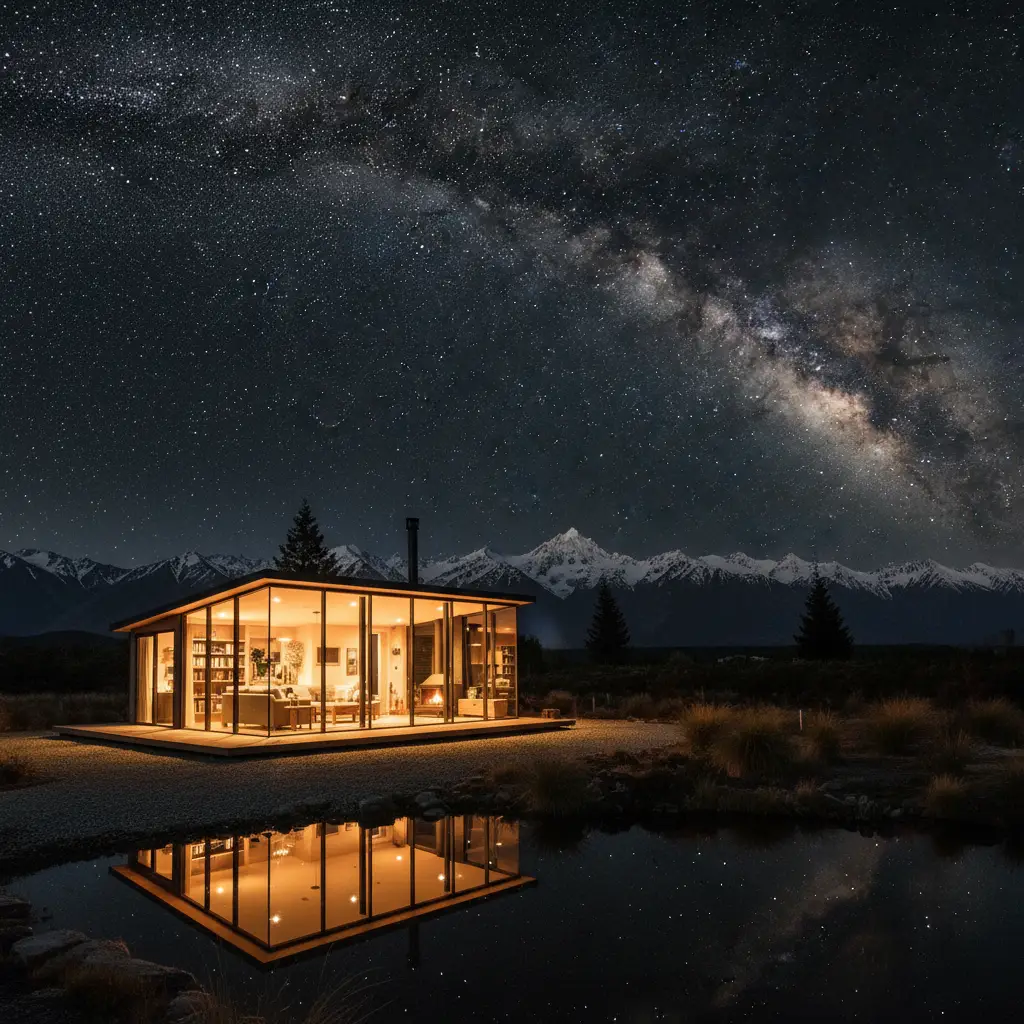
- Glass Ceilings and Walls: PurePods and Skyscapes allow for floor-to-ceiling views of the heavens from the comfort of a climate-controlled bed.
- Red Lighting Protocols: High-end lodges often utilize red lighting in pathways and bathrooms to preserve guests’ night vision (scotopic vision).
- Private Optics: Many top-tier listings provide guests with high-quality Dobsonian telescopes or binoculars included in the room rate.
Aggregated Ratings: The Best of the Best
Based on a cross-analysis of guest reviews from major booking platforms, focusing on cleanliness, location, and specifically “stargazing amenities,” here are the standout performers in New Zealand’s dark sky regions.
1. SkyScape (Twizel)
Consistently achieving near-perfect scores (9.8/10 average), SkyScape is often cited as the pinnacle of dark sky accommodation. Located on the outskirts of Twizel, these units are built partially into the earth with glass roofs.
Why it’s top-rated: Reviewers frequently mention the isolation. Unlike hotels in Tekapo town center, SkyScape suffers from zero light trespass. The “bed under the stars” concept is executed flawlessly here, with heavy insulation ensuring warmth even during the freezing Mackenzie winters.
2. Lakestone Lodge (Lake Pukaki)
Overlooking the turquoise waters of Lake Pukaki and Aoraki/Mt Cook, Lakestone Lodge is a purpose-built eco-lodge. It effectively balances luxury with environmental stewardship.
Why it’s top-rated: The lodge offers an exclusive “Night Sky Experience” for guests, guided by in-house astronomers. Guests appreciate not having to leave the property to access professional-grade telescopes.
3. Shearwater Apartments (Stewart Island/Rakiura)
For those venturing to the deep south, Shearwater Apartments consistently rank high for their unobstructed views of the Aurora Australis. Stewart Island is a Dark Sky Sanctuary, meaning the protection levels are even higher than a Reserve.
Why it’s top-rated: The balconies face south, providing the ideal vantage point for aurora hunting. Reviewers note the helpfulness of hosts in alerting guests when the “Southern Lights” are active.
Best for Couples vs. Families
The requirements for a romantic getaway differ vastly from a family educational trip. Here is how the top-rated options break down by traveler type.
Top Picks for Couples: Romance Under the Stars
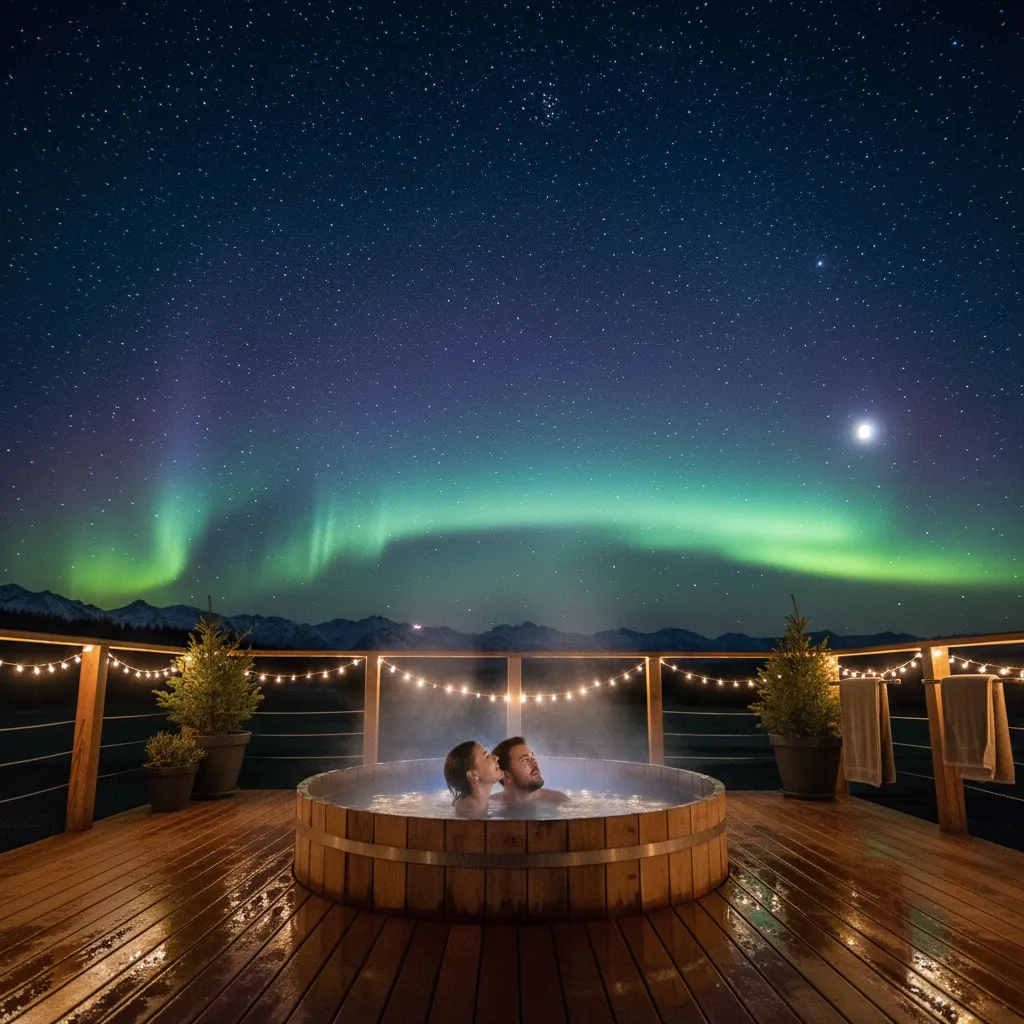
Couples generally seek privacy, silence, and luxury amenities like outdoor baths.
The PurePods (Various Locations):
PurePods are glass boxes located in secluded rural settings. They are off-grid and require a short hike to access, ensuring total privacy. The Atatū PurePod near Christchurch or the Manakau PurePod near Kaikōura offer exceptional dark skies.
- Pros: unmatched privacy, immersive nature experience.
- Cons: No Wi-Fi (often seen as a pro), self-catering only.
Top Picks for Families: Education and Adventure
Families require space, kitchen facilities, and safety. Glass pods are often too small for families, so the focus shifts to holiday homes and lodges.
Tekapo Springs & Glamping:
While Tekapo Springs is an attraction, the nearby accommodation options catering to families are plentiful. Look for holiday homes on the outskirts of the village.
- Pros: Proximity to the Dark Sky Project (interactive astronomy centre), full kitchens, multiple bedrooms.
- Cons: More light pollution than remote lodges, higher noise levels.
Recommendation: The YHA Lake Tekapo is surprisingly high-rated for families. It features a massive lounge window facing the lake and offers a budget-friendly way to stay right in the heart of the reserve.
Luxury vs. Budget-Friendly Options
Dark sky tourism has a reputation for being expensive, but the night sky is free. Your accommodation choice determines how comfortable you are while viewing it.
The Ultra-Luxury Tier
The Lindis (Ahuriri Valley):
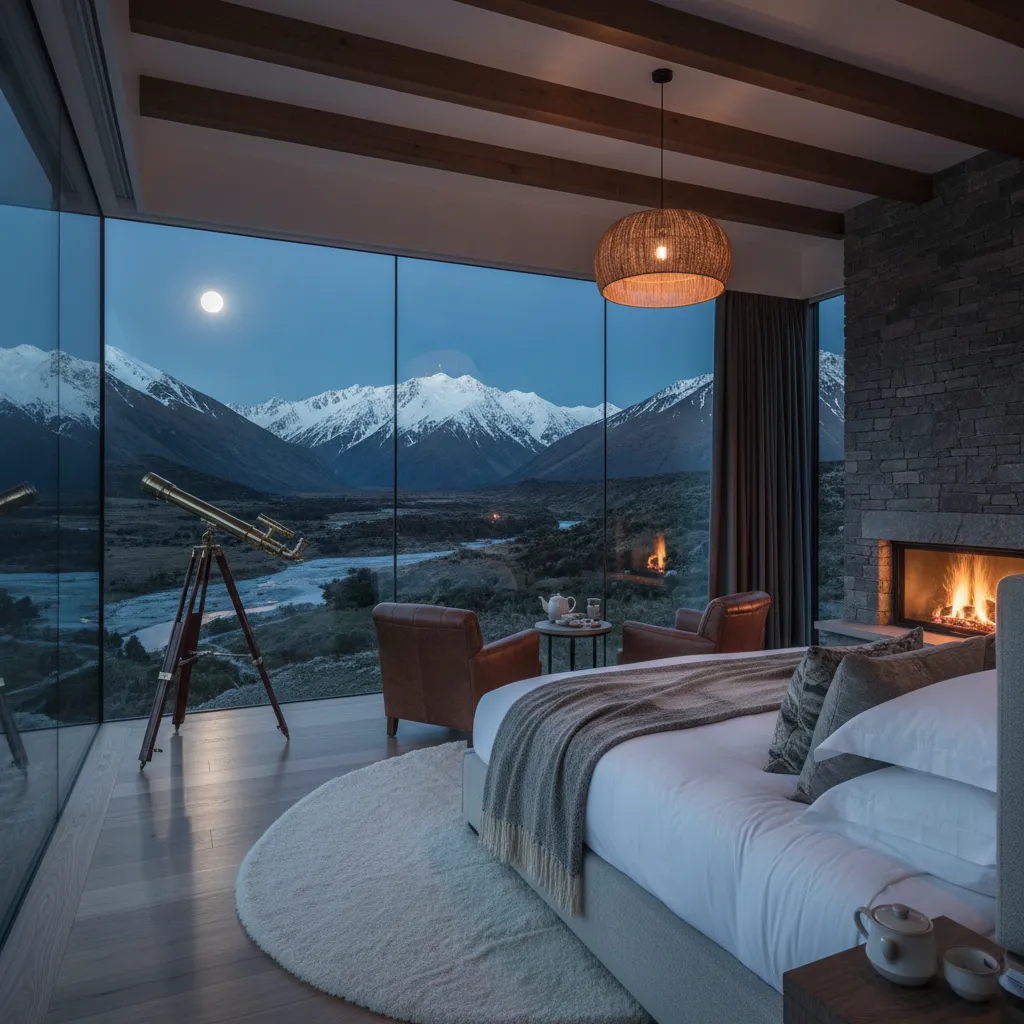
Architecturally stunning, The Lindis blends into the landscape with a curved wooden roof. It is one of the most expensive lodges in the Southern Hemisphere.
- Price Range: $2,500+ NZD per night.
- Experience: Five-star dining, private guides, and pods that look like beetles nestled in the tussock. The light pollution here is non-existent.
The Budget-Friendly Tier
Lake Tekapo Holiday Park:
For those willing to brave the cold, camping or staying in a basic cabin at the Holiday Park offers the same sky as the luxury lodges for a fraction of the price.
- Price Range: $30 – $150 NZD per night.
- Experience: Communal atmosphere. You will often find other astrophotographers setting up tripods by the lake edge. It is a social, shared experience of the cosmos.
Planning for Matariki and Seasonality
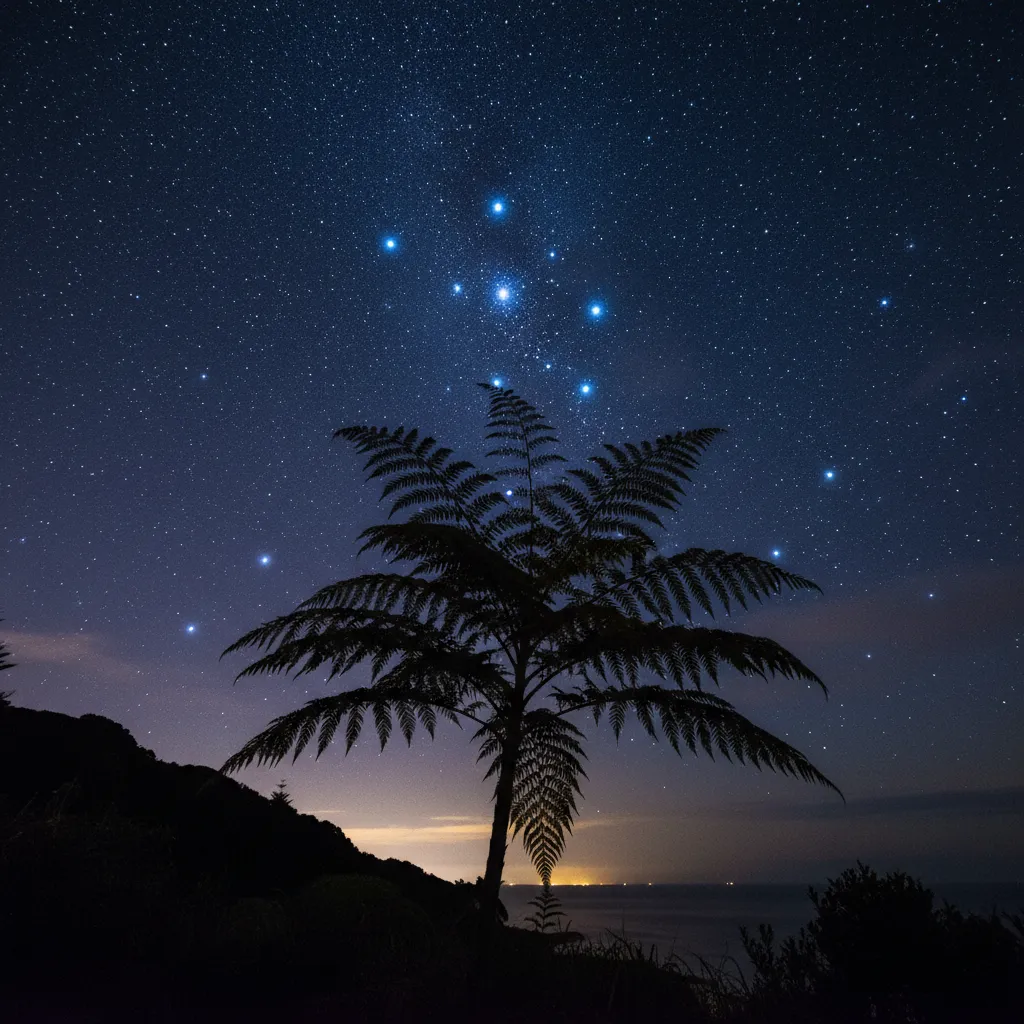
In New Zealand, the stars are a cultural touchstone. Matariki (the Pleiades star cluster) rises in mid-winter (June/July), signaling the Māori New Year. This is arguably the best time to book dark sky accommodation, but it requires preparation.
Why Winter is Superior
While summer (December-February) is warmer, the nights are short, with true darkness only occurring after 11:00 PM. In winter (June-August), it is dark by 6:00 PM, giving families and enthusiasts 12+ hours of viewing time. Furthermore, the galactic core of the Milky Way is most visible in the winter months.
Booking Strategy
Because Matariki is now a public holiday, accommodation in Tekapo, Twizel, and Great Barrier Island books out months in advance. To secure top-rated spots like SkyScape or the PurePods for a winter visit, you should aim to book at least 6 to 9 months prior.
People Also Ask
What is the best place to see the dark sky in New Zealand?
The Aoraki Mackenzie International Dark Sky Reserve is widely considered the best location due to its accessibility and infrastructure. However, for darker skies and isolation, the Great Barrier Island (Aotea) and Stewart Island (Rakiura) Dark Sky Sanctuaries offer superior darkness with less light pollution.
How much does dark sky accommodation cost in NZ?
Prices vary significantly. Budget options like holiday park cabins can cost between $80-$150 NZD per night. Mid-range glass pods typically range from $400-$800 NZD. Ultra-luxury lodges can cost upwards of $2,500 NZD per night.
Can you see the Southern Lights from Lake Tekapo?
Yes, Lake Tekapo is one of the best places to view the Aurora Australis (Southern Lights), especially during the winter months (May to August) when solar activity is high and the nights are longest.
What is the difference between a Dark Sky Reserve and a Sanctuary?
A Reserve usually has a core dark area surrounded by a populated periphery where lighting is controlled (like Tekapo). A Sanctuary is typically in a very remote location with little to no nearby population, resulting in naturally darker skies (like Great Barrier Island).
When is the best time for stargazing in NZ?
The best time is during the New Zealand winter (June to August). The air is crisp and clear, the nights are long, and the galactic core of the Milky Way is most visible. This also coincides with Matariki.
Are there glass igloos in New Zealand?
While New Zealand does not have the traditional ice igloos found in Scandinavia, it has “glass pods” and cabins with glass roofs (such as SkyScape and PurePods) that offer a similar floor-to-ceiling stargazing experience.