
The Maori planting calendar, known as the Maramataka, is a traditional lunar system that guides planting, harvesting, and fishing activities based on the moon’s phases. By aligning agricultural tasks with specific lunar energies, it optimizes sap flow, soil moisture, and crop yields, providing a sustainable framework for kai gathering and indigenous soil health management.
What is the Maori Planting Calendar (Maramataka)?
For centuries, Maori tūpuna (ancestors) have looked to the night sky not just for navigation, but for survival. The Maramataka is far more than a simple schedule; it is a sophisticated predictive tool based on thousands of years of observation of the celestial bodies, specifically the moon (Marama) and stars.
Unlike the solar Gregorian calendar which dictates a 365-day year, the Maramataka follows the lunar cycles, which are approximately 29.5 days long. Each phase of the moon carries a distinct energy profile that dictates the movement of water, the behavior of animals, and the growth patterns of plants. In the context of New Zealand astronomy and horticulture, understanding these cycles is the key to successful kai gathering (food gathering).
Modern science now corroborates what indigenous practitioners have known for generations: the moon’s gravitational pull affects moisture in the soil and sap flow in plants, much like it affects the ocean tides. By planting according to the Maramataka, modern gardeners can tap into these natural rhythms to produce heartier root vegetables, more vibrant leafy greens, and healthier soil ecosystems.
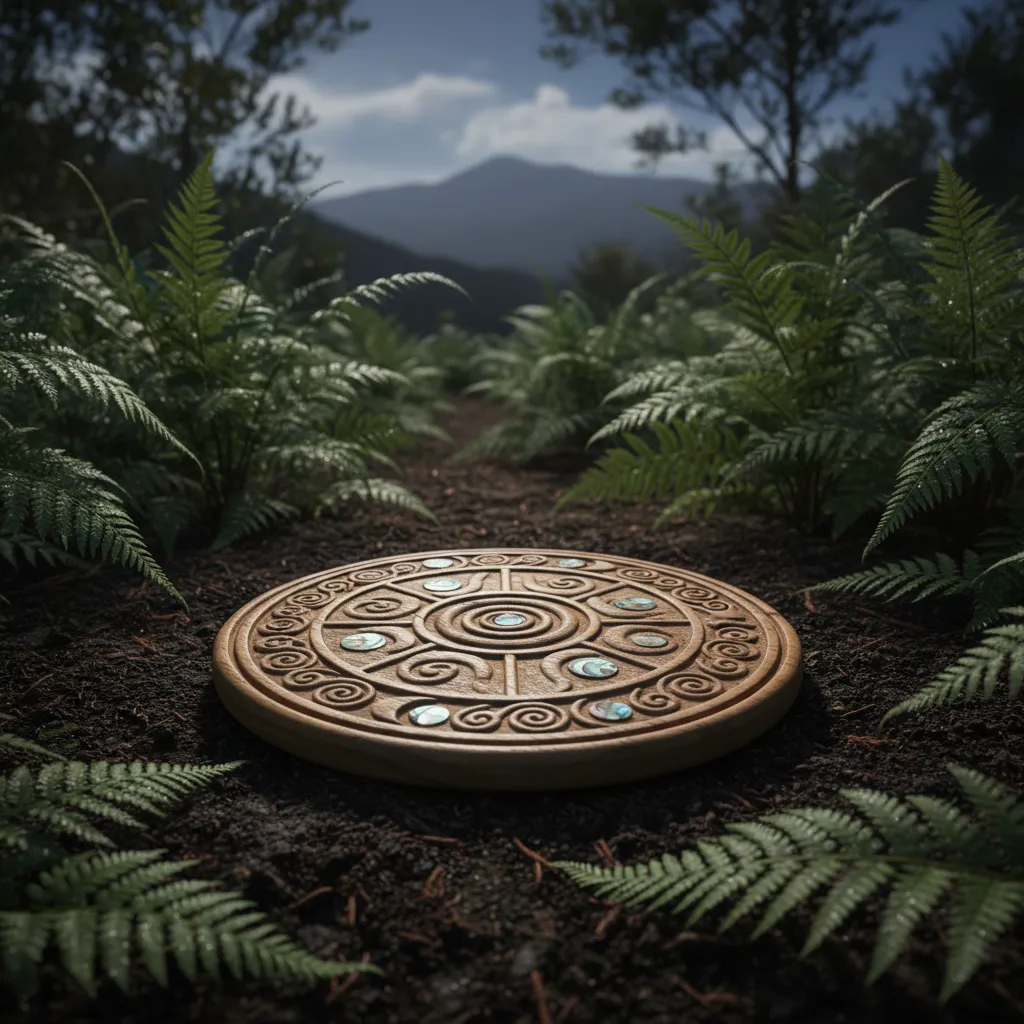
Understanding Lunar Phases and Energy
To effectively utilize the Maori planting calendar, one must understand the classification of days. The lunar month is generally divided into periods of high energy and low energy, productive days and resting days. These phases interact with the environment to either encourage growth or suggest dormancy.
The High Energy Phases
As the moon waxes (grows larger), light and gravitational pull increase. This pulls moisture upwards in the soil. During these times, sap rises, making it an ideal time for planting above-ground crops. The days leading up to and including the full moon are often considered the most potent for productivity.
The Low Energy Phases
As the moon wanes (decreases), the light fades and the gravitational pull shifts. Moisture settles lower in the soil, and sap flows downward into the roots. This period is generally better for root development and maintenance tasks like weeding, rather than new planting of delicate shoots.
The Korekore Days
A unique aspect of the Maramataka is the identification of “Korekore” days. These are periods associated with low productivity and negative energy for food gathering. Historically, these were days to rest, repair tools, or engage in planning rather than planting or fishing. Attempting to plant on a Korekore day is said to yield poor results, such as small crops or pest infestations.
Best Days for Root Vegetables vs Leafy Greens
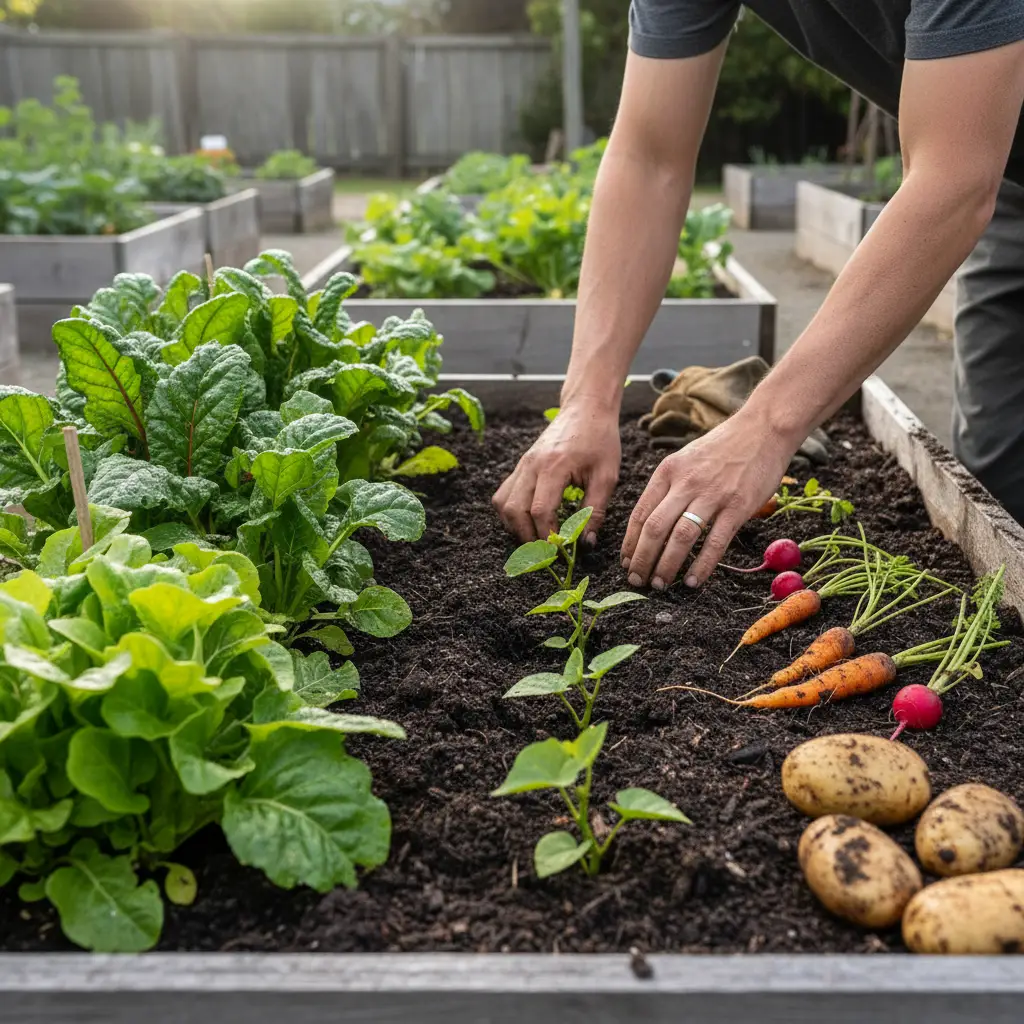
Successful cultivation relies on matching the crop type to the moon’s influence on water distribution. The Maramataka provides specific guidance on when to plant crops that grow above the ground versus those that grow below it.
When to Plant Leafy Greens
Leafy greens, such as silverbeet, spinach, and lettuce, thrive when planted during the waxing moon phase. The rising water table and increased sap flow encourage rapid leaf growth.
- The Tangaroa Phase: The days of Tangaroa-a-mua, Tangaroa-a-roto, and Tangaroa-kiokio are highly productive. These days occur shortly after the first quarter. They are renowned for being excellent for planting crops that produce above ground. The energy is vibrant and conducive to proliferation.
- Tamatea Phase: While often associated with unpredictable weather and winds, the Tamatea days can be energetic. However, caution is advised; experienced practitioners often wait for the weather to settle before planting delicate greens during this phase.
When to Plant Root Vegetables
Root vegetables like kūmara (sweet potato), rīwai (potatoes), and carrots require strong root systems. The waning moon is the optimal time for these crops.
- The Waning Gibbous: Immediately following the full moon, as the light begins to diminish, the energy directs downward. This focuses the plant’s resources into the root system, essential for tuber development.
- Whiro (New Moon): While the exact day of Whiro is often associated with the lowest energy and is sometimes treated as a day of rest, the days immediately preceding it (as the moon disappears) are excellent for harvesting root vegetables intended for long-term storage. The lower moisture content in the foliage means the tubers are less likely to rot.
The Influence of Mawharu and Rakaunui
Among the roughly 30 phases of the moon, two stand out significantly for their high productivity in the garden: Mawharu and Rakaunui. Recognizing these phases is critical for anyone serious about following the Maori planting calendar.
Mawharu: The Optimal Planting Day
Mawharu typically occurs right before the full moon. It is widely regarded as one of the most propitious days for planting kai. The conditions are characterized by high moisture levels in the soil and increasing light.
Crops planted during Mawharu are said to grow large and plentiful. It is particularly favored for the planting of the main crop of kūmara. If you have limited time in your schedule, prioritizing the day of Mawharu for your major planting efforts will yield the highest return on investment.
Rakaunui: The Full Moon Abundance
Rakaunui is the full moon phase. The moon is fully illuminated, and the gravitational pull is at its peak (often resulting in king tides in the ocean). In the garden, this translates to maximum vitality.
Activities for Rakaunui:
- Planting: Excellent for almost all crops, particularly those where you want vigorous growth.
- Harvesting: Fruits harvested on Rakaunui are often juicier and fuller due to the high water content.
- Fishing: While this guide focuses on planting, it is worth noting that Rakaunui is also a prime time for gathering kaimoana (seafood), as fish are more active and feeding.
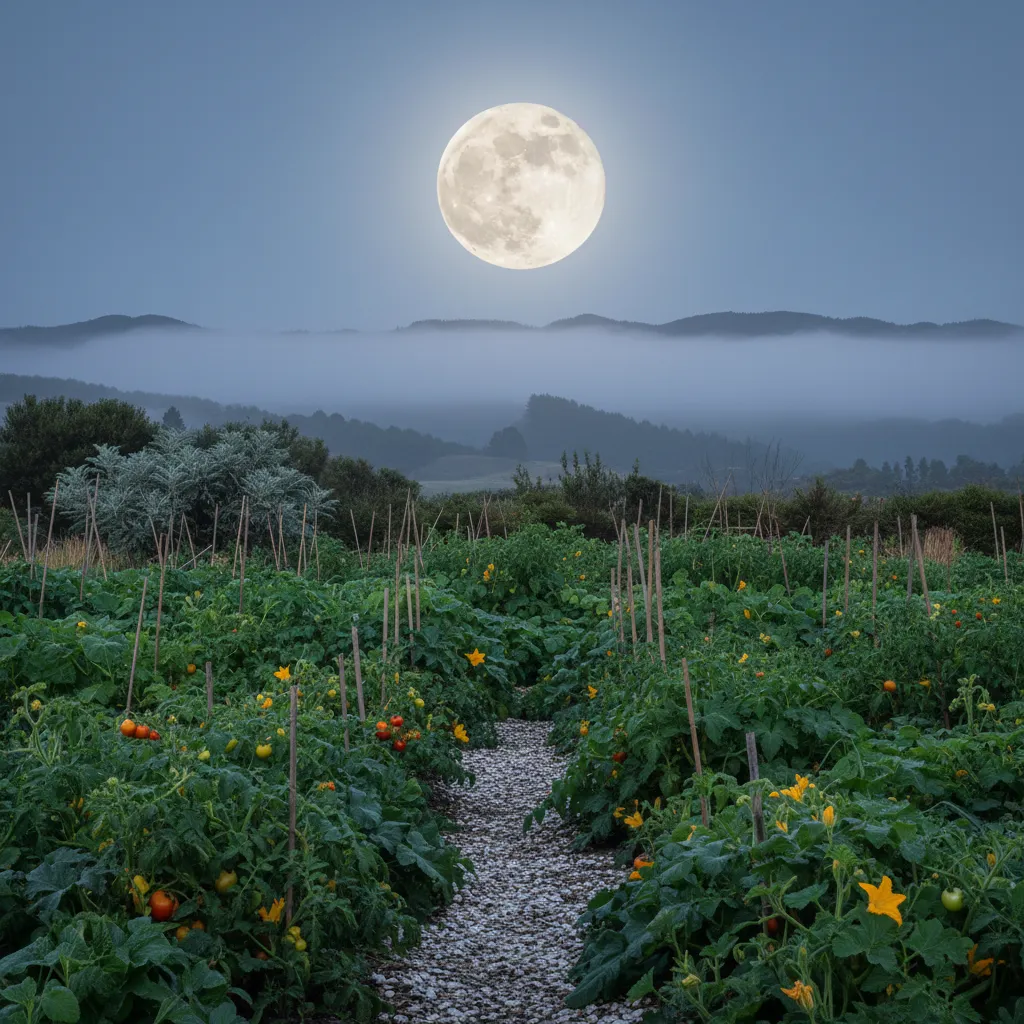
Seasonal Planting: Koanga (Spring) Focus
While the Maramataka dictates the daily activities, the solar seasons dictate the broad strategy. Koanga (Spring) is the season of renewal, awakening, and intense activity. In the New Zealand climate, aligning the lunar days with the warming soil of Koanga is essential.
Preparing for Koanga
As the star cluster Matariki (Pleiades) rises in mid-winter, it signals the approaching new year and the coming spring. By the time Koanga arrives, the soil begins to warm. The Maramataka becomes a critical guide for navigating the volatile spring weather.
Key Koanga Strategies
Spring weather in Aotearoa can be fickle, with sudden frosts or heavy rains. Using the Maramataka helps mitigate risks:
- Avoid Planting on Korekore Days: During spring, the margin for error is small. Planting seeds on a low-energy Korekore day may result in them rotting in the cold ground before they can germinate.
- Utilize the Tangaroa Days: Use these productive days to get fast-growing crops established. The strong energy helps seedlings break through the soil surface quickly, making them more resilient to pests.
- Observation of Tohu (Signs): The Maramataka is used in conjunction with biological signs. For example, the blooming of the Pōhutukawa or the song of the Pīpīwharauroa (shining cuckoo) signals specific planting times for kūmara. When these tohu appear, look for the next Mawharu or Rakaunui phase to begin planting.
Indigenous Soil Health Practices
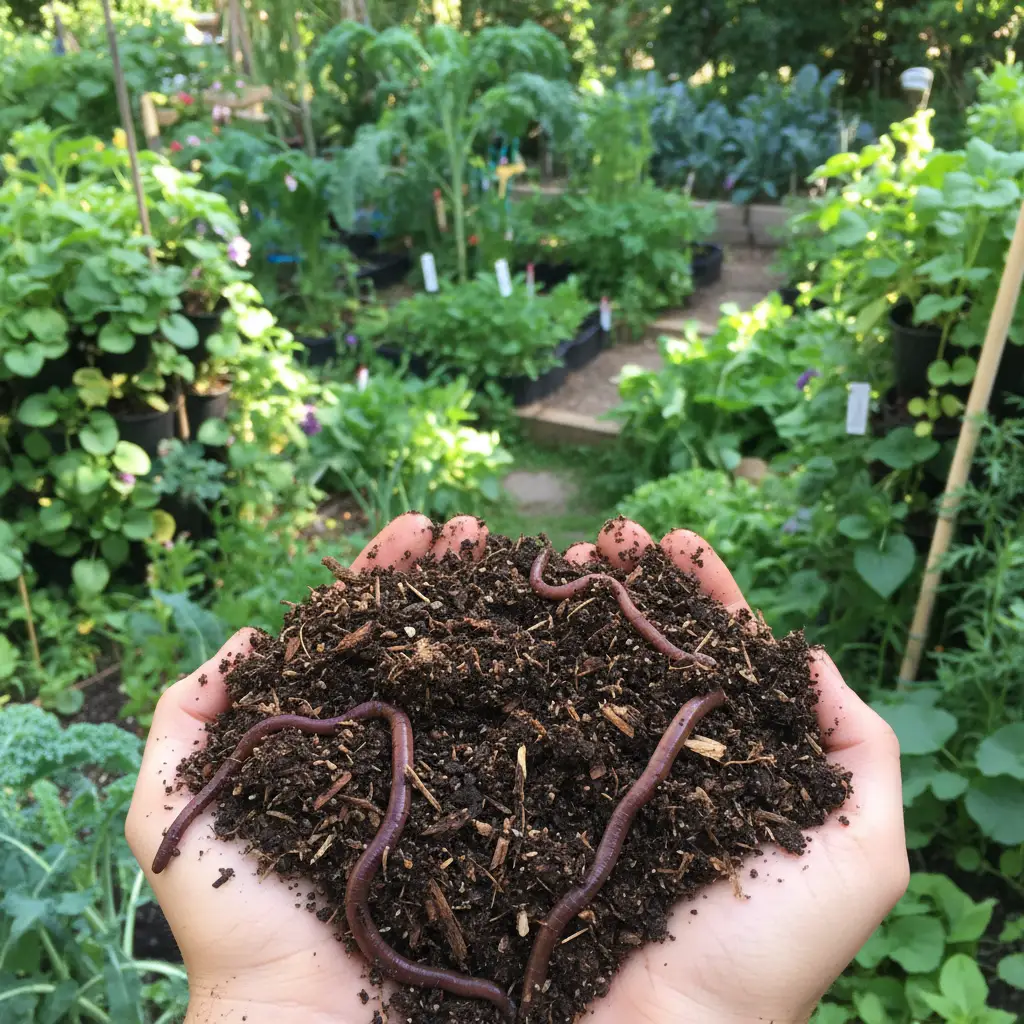
The Maori approach to agriculture is holistic. It is not merely about extraction but about reciprocity. Soil is not viewed as dirt, but as Papatūānuku (Earth Mother), a living entity that sustains life. Maintaining the mauri (life force) of the soil is paramount.
Composting and Reciprocity
Traditional practices involve returning organic matter to the earth. This is more than just fertilization; it is a ritual of giving back. Fish heads, shells, and crop residue are returned to the soil to replenish nutrients. This aligns with the concept of circularity found in nature.
Companion Planting
Indigenous knowledge emphasizes biodiversity. Monocultures are rare in traditional māra (gardens). Instead, crops are interplanted. For example, planting hue (gourds) alongside kūmara can provide ground cover that retains moisture and suppresses weeds, reducing the need for soil disturbance.
Minimal Soil Disturbance
Modern regenerative agriculture is just now catching up to the indigenous practice of minimal tillage. Over-tilling disrupts the fungal networks and soil structure. By planting according to the moon, gardeners can rely on natural cycles to loosen the soil (through moisture expansion and contraction) rather than mechanical force, preserving the delicate soil ecosystem.
Frequently Asked Questions
What is the best moon phase for planting potatoes?
The best time to plant potatoes (rīwai) is during the waning moon, specifically the days immediately following the full moon (Rakaunui). As the light decreases, energy moves down into the roots, encouraging strong tuber development.
How do I find the current Maramataka phase?
You can find the current phase by observing the moon directly, purchasing a Maramataka calendar from local marae or bookstores, or using New Zealand-specific gardening apps that incorporate Maori lunar cycles.
What are the Korekore days?
Korekore days are low-energy periods in the lunar month generally considered unsuitable for planting or fishing. They are best used for rest, planning, and maintenance tasks like weeding or tool repair.
Can I use the Maramataka for fishing?
Yes, the Maramataka is extensively used for fishing. The Tangaroa phases are particularly famous for being productive fishing days, as fish are more active and feeding patterns are intensified.
What is the difference between Whiro and Rakaunui?
Whiro is the new moon (darkness), representing low energy and a time for introspection or planning. Rakaunui is the full moon (maximum light), representing high energy, abundance, and the best time for planting and harvesting.
Does the Maramataka change depending on location?
Yes, while the general phases remain the same, local iwi (tribes) may have variations in naming and specific observations based on their local environment and latitude within New Zealand.


