
Maramataka for mental health is the practice of aligning daily activities and emotional self-care with the phases of the Māori lunar calendar. By synchronizing energy expenditure with the moon’s natural rhythm—prioritizing rest during low-energy phases like Whiro and executing plans during high-energy phases like Rākaunui—individuals can significantly reduce burnout, enhance emotional resilience, and foster a sustainable, nature-based approach to well-being.
In a world that demands constant productivity, the ancient wisdom of the Maramataka offers a reprieve. It is not merely a calendar for planting kumara or fishing; it is a sophisticated system of time that governs the energy of the environment and, by extension, ourselves. For those exploring maramataka for mental health, the journey begins with understanding that our internal tides are as susceptible to lunar influence as the oceans surrounding Aotearoa.
What is Maramataka and How Does it Influence Mental Health?
The Maramataka is the traditional Māori lunar calendar. Unlike the Gregorian calendar, which is a solar construct designed for administrative efficiency, the Maramataka is an environmental calendar based on the position of the moon, the stars, and the behavior of flora and fauna. It is a system of observation that has guided navigation, agriculture, and social dynamics in the Pacific for centuries.
In the context of mental health, the Maramataka provides a framework for “energy management” rather than “time management.” It acknowledges that human energy is cyclical, not linear. Just as the sap in trees rises and falls with the moon, so too does human cognitive capacity and emotional fortitude. Ignoring these natural rhythms often leads to friction—pushing for results when energy is low, or feeling restless when energy is high but undirected.
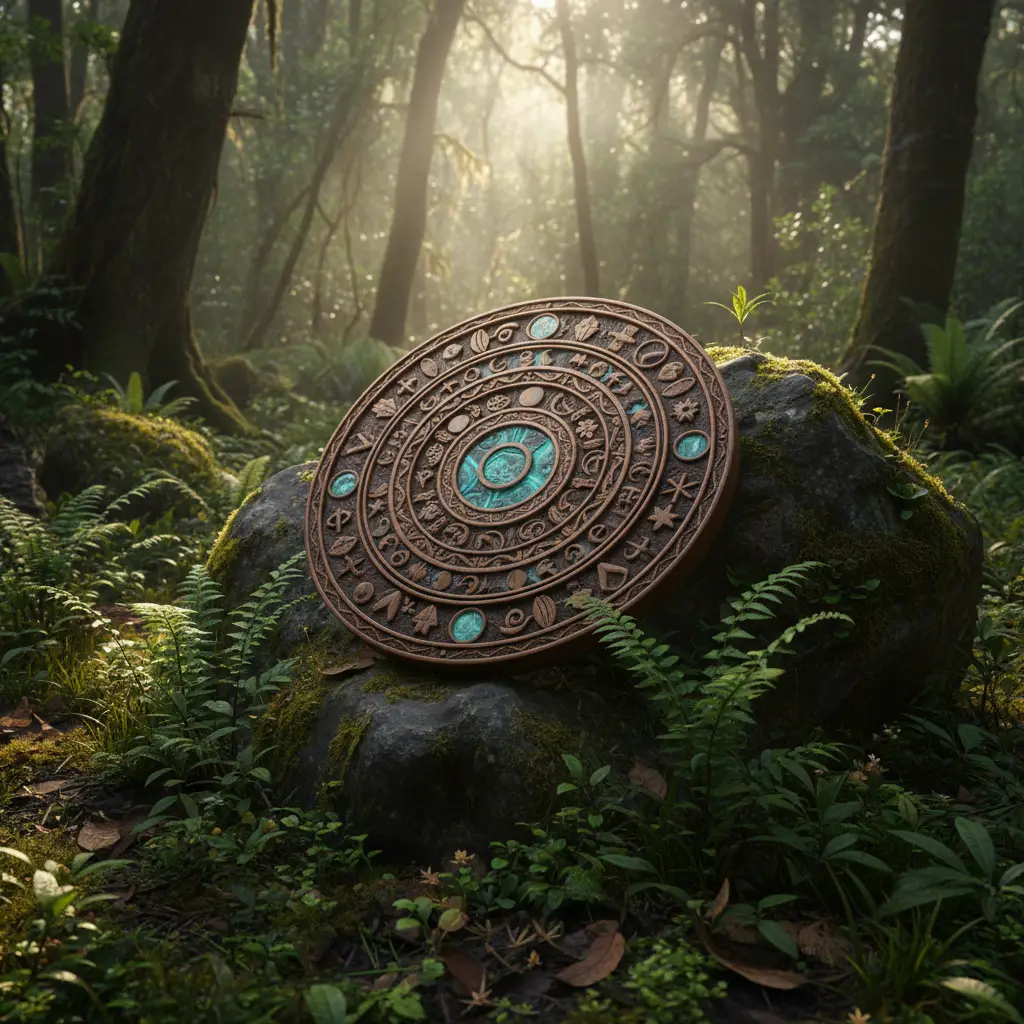
Adopting the Maramataka allows individuals to stop swimming against the current. It validates the need for rest not as a failure of productivity, but as a necessary biological alignment. By observing the distinct energy of each lunar phase, we can schedule our most demanding mental tasks for days of high energy and reserve days of low energy for introspection and recovery.
How Can Whiro and Mutuwhenua Promote Rest and Recovery?
One of the most profound shifts in adopting the Maramataka for mental health is the permission it grants to rest. In modern society, rest is often viewed as a reward for work done. In the Maramataka, rest is a prerequisite for the work to come.
Whiro: The New Moon
Whiro marks the new moon, the beginning of the lunar cycle. Traditionally, this is a day of very low energy. The moon is not visible, and the environment is quiet. For mental health, Whiro is the ultimate “permission slip” to do the bare minimum. It is a time to retreat, sleep in, and avoid starting new projects or engaging in high-conflict situations. Attempting to launch a business or resolve a complex relationship issue during Whiro often feels like wading through mud.
Mutuwhenua: The Dark Phase
Occurring at the end of the cycle, just before Whiro, Mutuwhenua is a time when the moon has “finished” with the land. It is a period of release. Mentally, this is the time to let go of what no longer serves you—anxieties, grudges, or failed plans from the previous month. It is a time for emptiness and silence.
Embracing these low-energy days prevents the cumulative exhaustion known as burnout. Instead of forcing consistency every day of the month, the Maramataka encourages intensity when appropriate and dormancy when necessary.
Which Phases are Best for Planning and High Energy Action?
Just as there are days for rest, there are days when the environment supports high output, communication, and physical exertion. Recognizing these phases allows you to capitalize on natural momentum.
The Tamatea Phases
The Tamatea phases are often associated with unpredictable energy. The weather can be volatile, and so can human emotions. While this might seem like a negative, in terms of mental health, this is high-octane energy that can be channeled into physical activity or tackling difficult challenges that require resilience. However, caution is advised; this is not the time for delicate negotiations, as tempers can be short.
Rākaunui: The Full Moon
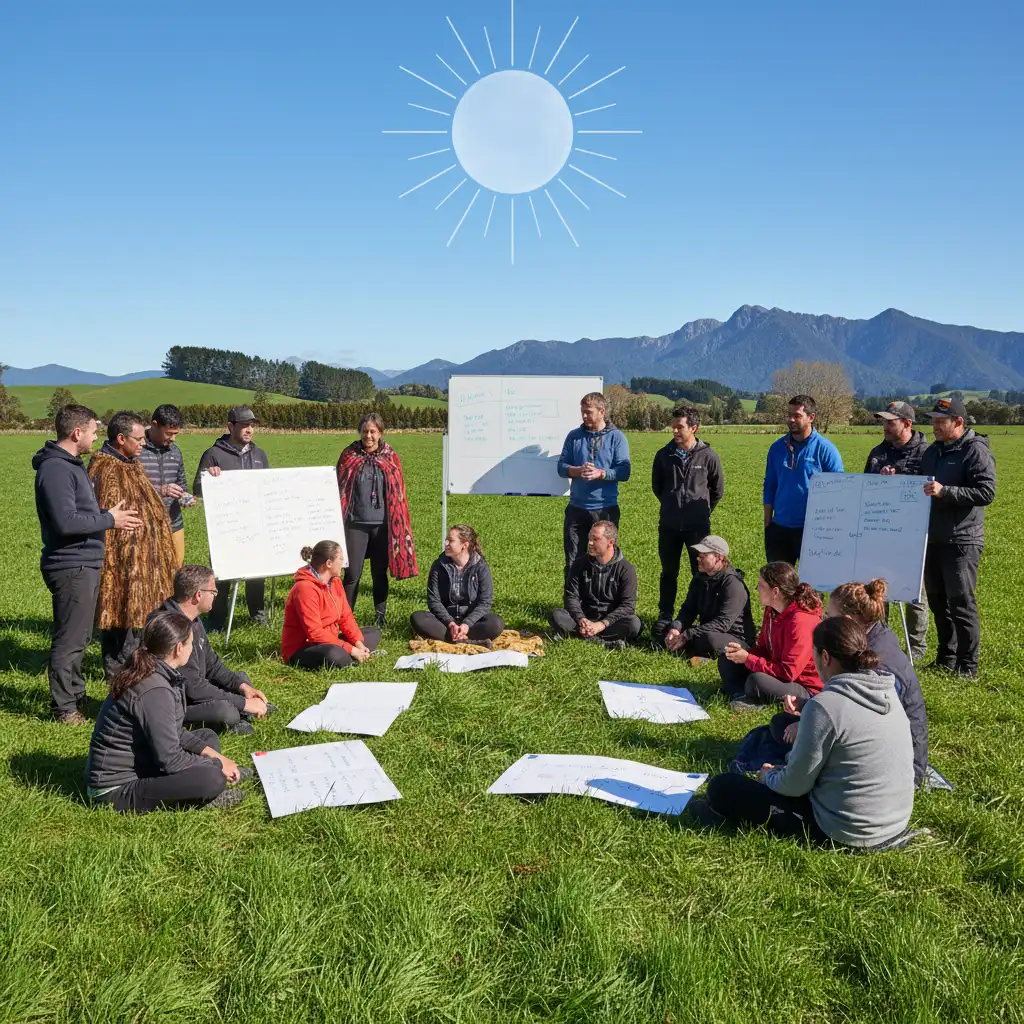
Rākaunui represents the peak of the cycle. The moon is full, nights are bright, and energy is at its highest. This is the optimal time for:
- Social Connection: Hosting events, networking, and community gatherings.
- High Productivity: executing major plans, harvesting results, and finalizing projects.
- Communication: Having important conversations where clarity is needed.
Aligning your most demanding work with Rākaunui ensures you have the internal resources to meet external demands. It is the summer of the lunar month—vibrant, abundant, and active.
Why is Reflecting During the Dark Moon Essential?
The concept of “Slow Living” aligns perfectly with the waning phases of the moon, specifically the Korekore phases. As the light of the moon decreases, so too should our outward focus.
The Korekore days are traditionally times when food gathering was less productive, leading to a natural pause in physical labor. Mentally, this is the time for review and analysis. It is a period for intellectual work rather than physical work. If you are struggling with a mental block, the waning moon is the time to sit with the problem, study it, and plan the solution, but perhaps wait to execute it until the energy turns.
Reflection during the dark moon is not passive; it is active strategy. It involves reviewing the month that has passed: What worked? What drained my energy? Where did I lose my temper? This “shadow work” prepares the soil of the mind for the next cycle.
How to Integrate Maramataka into Modern Slow Living in NZ
New Zealand is uniquely positioned to lead the world in integrating indigenous wisdom with modern wellness tourism. The “Slow Living” movement, which advocates for a cultural shift toward slowing down life’s pace, finds a practical toolkit in the Maramataka.
Living slowly in Aotearoa doesn’t just mean moving to a bach in the wop-wops; it means living intentionally. It means checking the moon phase before booking a calendar full of meetings. It involves reconnecting with the immediate environment—noticing when the Pōhutukawa blooms or when the eels are migrating—and understanding that you are part of that ecosystem.
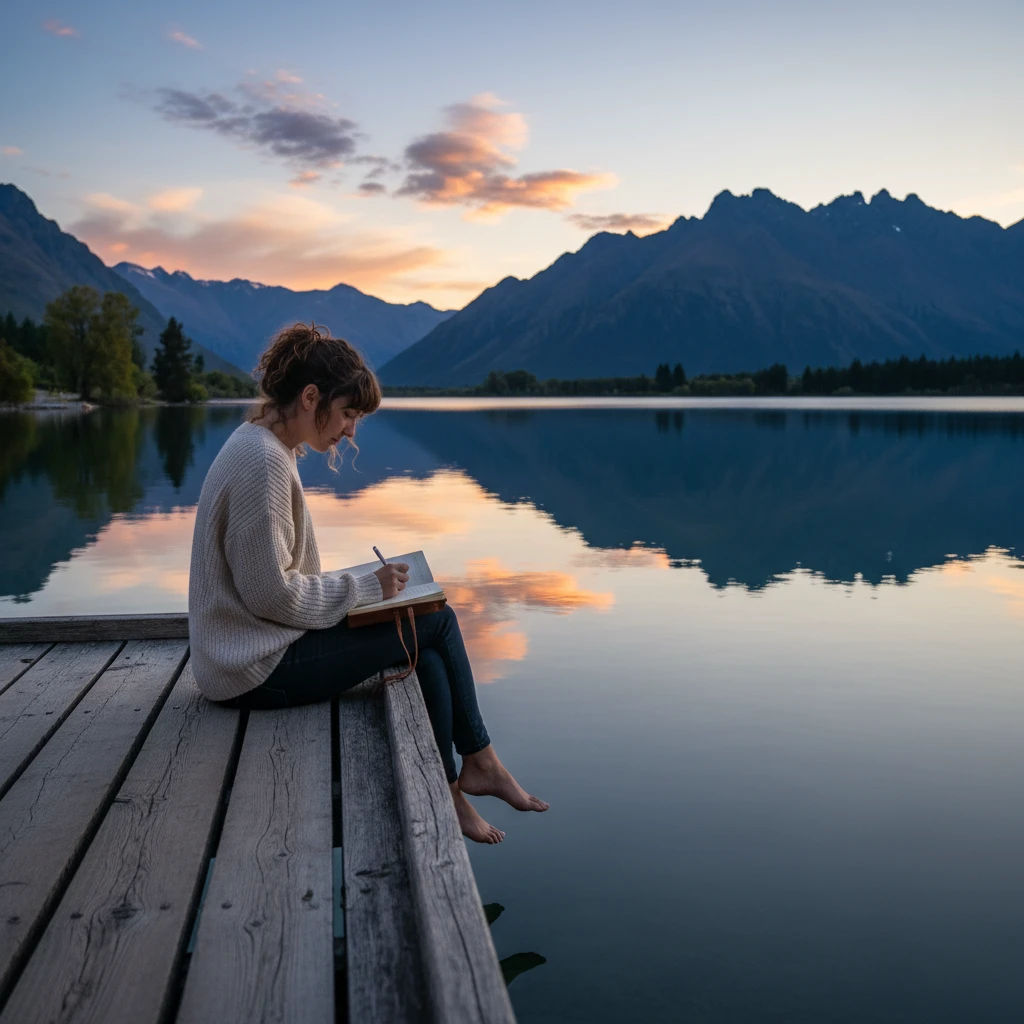
For the modern professional, this might look like:
- Scheduling “Whiro Days”: Blocking out the calendar during the new moon for administrative tasks or rest.
- Garden Therapy: Using the planting days (like the Tangaroa phases) to get hands in the soil, which is proven to ground anxiety.
- Digital Detox: aligning screen-free time with low-energy lunar phases to reduce cognitive load.
The Intersection of Aurora Tourism and Lunar Wellness
A burgeoning niche within New Zealand tourism is the pursuit of the Aurora Australis (Southern Lights). This pursuit aligns seamlessly with Maramataka and mental health. Chasing the aurora requires patience, silence, and darkness—elements that are scarce in modern life but essential for mental restoration.
Dark Sky Sanctuaries as Healing Spaces
New Zealand boasts several International Dark Sky Sanctuaries, such as Aotea (Great Barrier Island) and the Aoraki Mackenzie International Dark Sky Reserve. These locations are not just for astronomy; they are sanctuaries for the human mind. The darkness required to view the aurora is the same darkness required for deep sleep and the regulation of circadian rhythms.
Visiting these locations during the appropriate lunar phases (usually the dark moon phases to avoid light pollution) offers a dual benefit: the awe of witnessing the cosmos, which puts personal anxieties into perspective, and the physiological reset provided by true darkness.
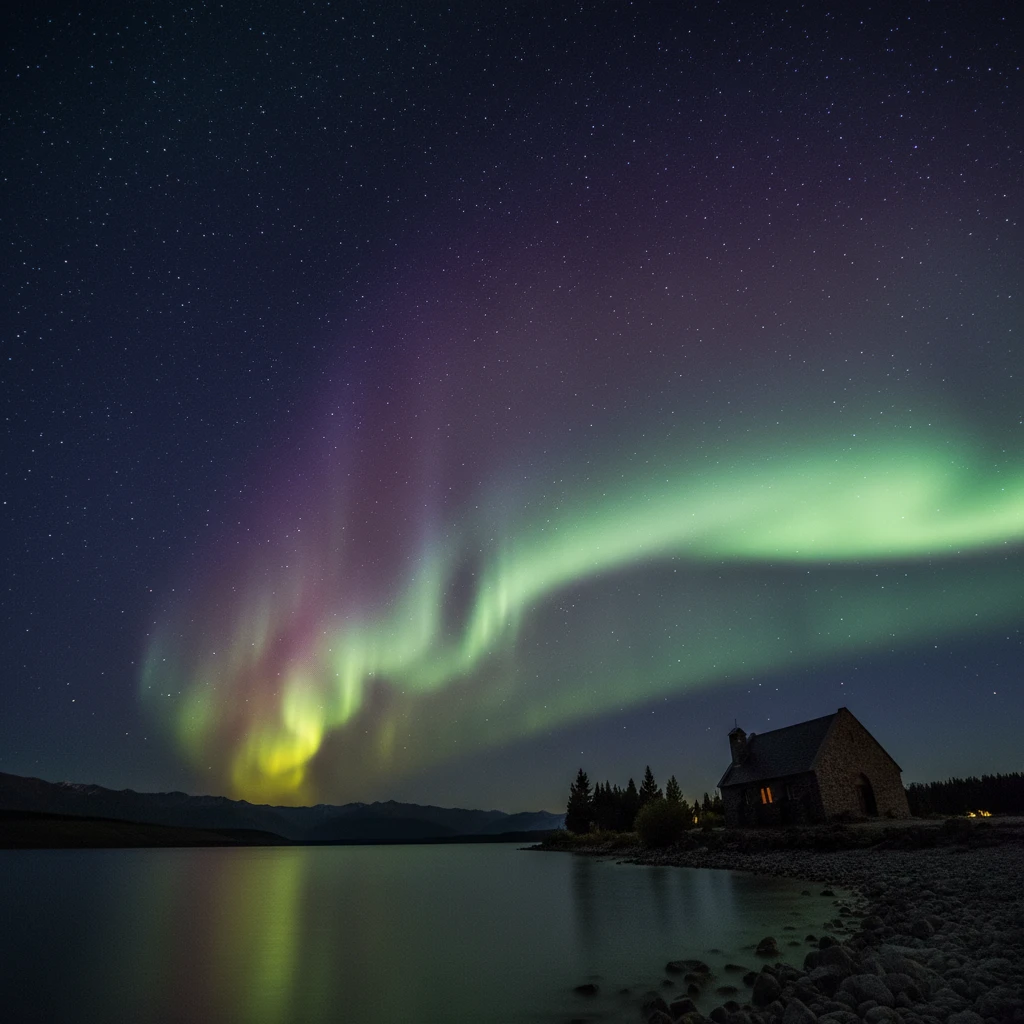
This “Astro-tourism” is a form of wellness travel. It forces the traveler to adopt the timeline of nature. You cannot schedule an aurora; you must wait, watch, and be present. This practice of patient observation is a powerful antidote to the instant-gratification culture that fuels anxiety.
Practical Steps to Begin Your Maramataka Journey
Integrating Maramataka for mental health does not require you to be an expert in astronomy. It starts with simple observation.
1. Look Up
Every night, step outside and locate the moon. Note its shape and position. Is it waxing (growing) or waning (shrinking)? Simply reconnecting visually with the moon anchors you in the physical world.
2. Track Your Energy
Keep a journal. Note your energy levels, mood, and sleep quality alongside the lunar phase. Over three months, patterns will emerge. You may find you consistently feel anxious during Tamatea or exhausted during Whiro. Awareness is the first step toward regulation.
3. Use a Maramataka Dial
Purchase a Maramataka calendar or dial tailored to your local area (rohe). Different iwi (tribes) have variations based on their specific geography. Following a local guide ensures you are aligned with the environment you actually live in.
4. Be Kind to Yourself
The most important aspect of Maramataka for mental health is self-compassion. If you feel low, check the moon. If it is a low-energy phase, release the guilt of not being productive. You are not lazy; you are in sync.
By weaving the threads of ancient Māori wisdom into the fabric of modern life, we find a sustainable path forward—one that honors the need for rest as deeply as the drive for action.
What is the best moon phase for mental health recovery?
The best phases for recovery are the waning moon phases leading into Whiro (New Moon). Specifically, Mutuwhenua and Whiro are ideal for rest, introspection, and low-stimulation activities, allowing the mind and body to reset before the new cycle begins.
Can Maramataka help with anxiety?
Yes, Maramataka can help manage anxiety by providing a predictable framework for energy fluctuations. Understanding that feelings of restlessness or high energy may be linked to specific phases (like Tamatea or Rākaunui) can externalize the experience, reducing self-blame and helping individuals plan coping strategies in advance.
How does the full moon affect mental health according to Maramataka?
In Maramataka, the full moon (Rākaunui) is a time of high energy. While this promotes productivity and connection, it can also lead to overstimulation and difficulty sleeping. For those with mental health challenges, it is important to channel this excess energy into physical activity or creative outlets to prevent it from turning into agitation.
Is Maramataka the same for everyone in New Zealand?
No, Maramataka variations exist between different iwi (tribes) and regions. Because the system is environmental, the signs (such as the flowering of trees or migration of fish) vary depending on the local geography. However, the core lunar phases and their general energy influences remain largely consistent.
How do I start using Maramataka for my daily routine?
Start by observing the moon nightly and journaling your energy levels. Acquire a Maramataka calendar specific to your region. Begin to schedule high-demand tasks during high-energy phases (waxing/full moon) and prioritize rest and administrative tasks during low-energy phases (waning/new moon).
What is the connection between Aurora chasing and Maramataka?
Aurora chasing relies on dark skies, which align with the Whiro (New Moon) and Korekore phases of the Maramataka. Both practices emphasize patience, connection to nature, and the benefits of darkness for resetting circadian rhythms, making them complementary practices for mental wellness.