A Maramataka wall calendar 2025 is a traditional Māori lunar calendar designed to align daily activities with the phases of the moon. It provides essential guidance for planting, fishing, and self-reflection by highlighting energy levels associated with specific lunar nights, helping users synchronize their modern lives with environmental cycles and indigenous wisdom.
Choosing the Best Maramataka Wall Calendar 2025
As we approach the new year, the demand for a comprehensive maramataka wall calendar 2025 has surged across Aotearoa and internationally. Unlike a standard Gregorian calendar, which measures time in linear solar days, the Maramataka is a cyclical system based on the movements of the moon (Marama) and the stars. For those seeking to align their lifestyle with the natural rhythms of the environment, selecting the right calendar is the first step toward a year of intentional living.
The resurgence of Māori astronomy has led to a diverse market of wall calendars. These resources are not merely decorative items; they are functional tools used for planning fishing trips (hī ika), gardening (māra kai), and managing personal energy levels. When searching for the perfect edition for 2025, it is crucial to understand that different iwi (tribes) may have slight variations in their lunar naming conventions and phase observations. Therefore, purchasing a calendar that reflects the local knowledge of your region—or a generalized version approved by authoritative cultural experts—is highly recommended.

For 2025, the top-rated calendars prioritize usability alongside aesthetic beauty. Many creators are now incorporating bilingual text, offering explanations in both Te Reo Māori and English, which makes these tools accessible to beginners in Māori astronomy. High-quality paper stock is also a significant factor, as these calendars are intended to be written on—users are encouraged to journal their observations of the environment directly onto the dates, creating a personal feedback loop with the lunar cycle.
Key Features to Look For in a Lunar Calendar
Not all lunar calendars are created equal. To ensure you are getting a resource that provides genuine commercial and practical value, look for the following specific features when shopping for your 2025 edition:
1. Clear Visual Indicators of Energy Levels
The core utility of the Maramataka is understanding the energy of the day. A superior wall calendar will visually code days as High, Medium, or Low energy. For example, the days of Rakaunui (Full Moon) are typically high energy, suitable for action, events, and planting. Conversely, the darker phase of Whiro (New Moon) is a time for rest, planning, and introspection. The best 2025 calendars use color gradients or icons to make this status instantly recognizable at a glance.
2. Fishing and Gardening Guides
For the practitioner interested in self-sufficiency, the calendar must include symbols indicating the best times to plant crops or go fishing. Traditional knowledge dictates that the gravitational pull of the moon affects water tables and sap flow in trees. A commercial-grade maramataka wall calendar 2025 will often feature specific icons—such as a fish hook or a seedling—on days where the harvest is predicted to be bountiful.
3. Dialectal Variations and Iwi Origins
Authenticity is paramount. Look for calendars that state their source of knowledge. Whether it is based on the teachings of the Far North (Tai Tokerau) or the East Coast (Tai Rāwhiti), knowing the whakapapa (lineage) of the information adds depth to your usage. Some premium calendars for 2025 offer interchangeable overlays or distinct sections that explain these tribal differences, providing a richer educational experience.
Essential Books on Māori Astronomy
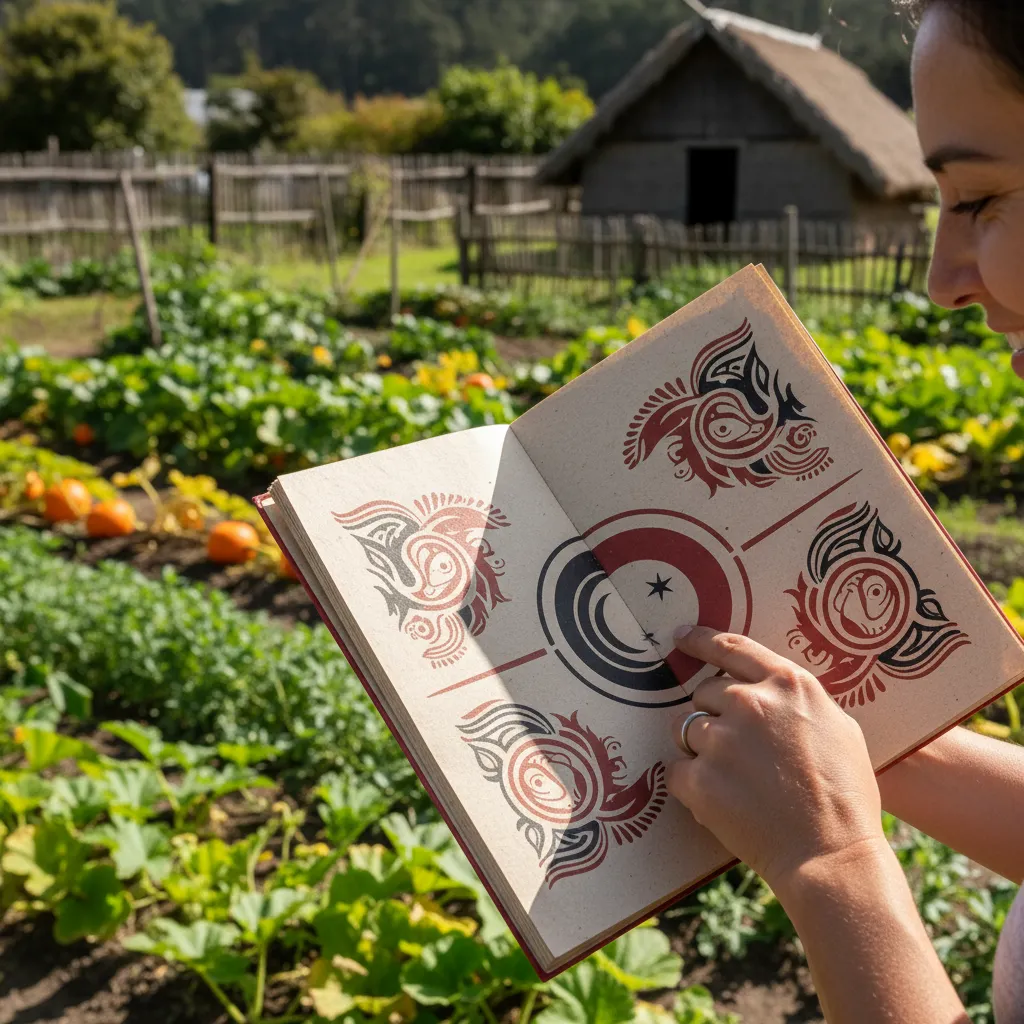
While a wall calendar is an excellent daily reference, it is often best paired with in-depth literature to fully grasp the “why” behind the phases. Investing in authoritative books on Māori astronomy allows you to deepen your understanding of the 2025 lunar cycle.
Matariki: The Star of the Year
Authored by Dr. Rangi Matamua, this is arguably the definitive text for modern practitioners. While focused on the Matariki cluster, it provides the foundational astronomical knowledge necessary to read a Maramataka correctly. It explains the pre-European concepts of time and how the stars interact with the moon to signal seasonal shifts.
Living by the Moon
For a more practical, hands-on approach, books titled “Living by the Moon” (often by authors like Wiremu Tawhai) serve as manuals. These texts often break down the 30 distinct phases of the moon, explaining the specific characteristics of each. They are invaluable companions to your maramataka wall calendar 2025, acting as a reference guide when you encounter a specific lunar phase name on your wall planner and want to understand its deeper mythological and practical implications.
Combining a wall calendar with these educational resources creates a robust system for learning. You can read the theory in the book and apply the practice via the calendar, reinforcing the knowledge through daily repetition.
Digital Apps for Moon Phases
In the digital age, the Maramataka has migrated from the wall to the smartphone. While the physical calendar serves as a visual anchor in the home, digital apps provide on-the-go precision. Several NZ-developed apps are expected to receive significant updates for the 2025 year, offering real-time data on moon rise, set times, and current phases.
Top-tier apps to consider downloading include those that offer push notifications for phase changes. Imagine receiving a notification that “Tomorrow is Tamatea a Ngana,” alerting you that the weather may be unpredictable and emotions might run high. This allows for proactive planning—perhaps postponing a difficult meeting or securing outdoor furniture.
However, digital tools should be viewed as supplements to, not replacements for, the physical wall calendar. The act of physically marking a calendar engages cognitive processes that help retain information. Use the app for alerts, but use your maramataka wall calendar 2025 for strategic monthly planning.

How to Use Your Maramataka for Daily Success
Owning the calendar is step one; using it effectively is step two. Many people hang the calendar and admire the artwork but fail to utilize the system for productivity or well-being. Here is a professional strategy for maximizing your 2025 Maramataka:
1. The Monthly Review
At the start of each lunar month (usually beginning with Whiro, the new moon), sit down with your calendar. Look ahead at the next 29.5 days. Identify the high-energy periods (Rakaunui phase) and schedule your most demanding work tasks, social gatherings, or physical challenges during this window. Conversely, identify the low-energy days and block out time for rest.
2. Observation and Journaling (Tirohia)
The Maramataka is an observational science. Your wall calendar should be used as a logbook. If you notice that you feel particularly lethargic or energetic on a certain day, write it down on the calendar date. Over the course of 2025, you will begin to see personal patterns emerge that align with the moon. You might discover that you consistently have headaches during the Tamatea phases, or that your garden thrives when planted during Mawharu.
3. Planning Food Sovereignty
For those using the calendar for gathering kai (food), cross-reference the calendar with local weather reports. The Maramataka might say it is a good fishing day, but local wind conditions must also be favorable. The most successful practitioners blend this ancient wisdom with modern meteorology.
Where to Buy Local Indigenous Guides
When purchasing a maramataka wall calendar 2025, the source matters. Buying from indigenous creators ensures that the knowledge is being shared respectfully and that the proceeds support the communities that have safeguarded this wisdom for centuries. Commercial appropriation of indigenous knowledge is a concern, so look for “Buy Māori Made” certifications or purchase directly from reputable sources.
Direct from Iwi and Marae
Many Marae (tribal meeting grounds) and Iwi organizations produce their own calendars as fundraisers. These are often the most authentic resources available, as they contain specific local knowledge regarding tides and flowering times of local flora.
Specialized NZ Bookstores and Art Galleries
High-end bookstores and museums (such as Te Papa Store or Auckland Museum Store) curate their selection carefully. They typically stock calendars by renowned artists and cultural experts. Online marketplaces that specialize in New Zealand made goods are also excellent venues to find unique, artistic interpretations of the Maramataka.

By choosing to buy local, you are not just buying a calendar; you are investing in the revitalization of mātauranga Māori (Māori knowledge). For 2025, make a conscious choice to support creators who are dedicated to keeping these traditions alive and relevant for the modern world.
Frequently Asked Questions
What is the difference between a Gregorian and a Maramataka calendar?
The Gregorian calendar is a solar calendar based on the earth’s revolution around the sun, consisting of 365 days. The Maramataka is a lunar calendar based on the cycles of the moon, with months lasting 29.5 days. The Maramataka focuses on energy cycles for planting and fishing, whereas the Gregorian calendar focuses on civil timekeeping.
When does the Māori lunar year start for 2025?
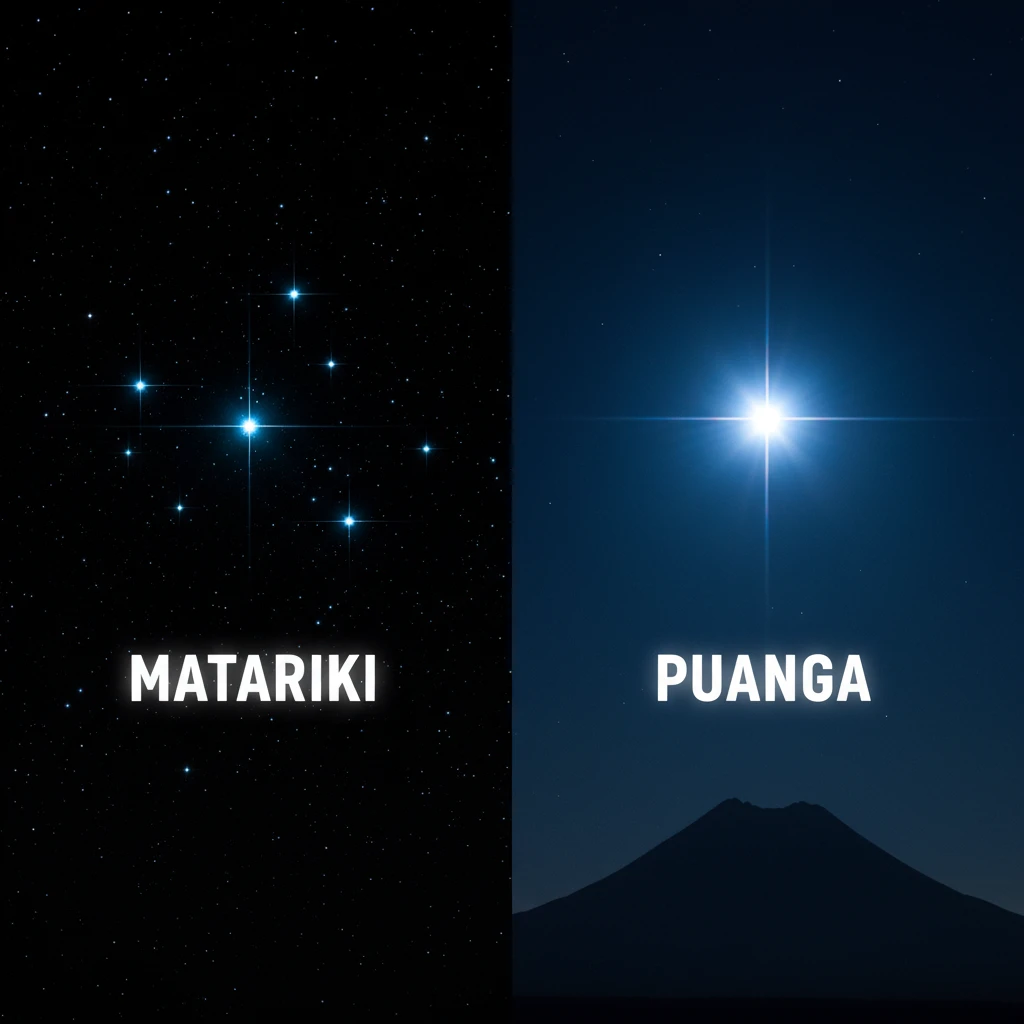
The Māori lunar year typically begins with the first new moon following the rising of the Matariki star cluster (Pleiades) or Puanga (Rigel), usually in June or July. For the 2025 calendar year, the Maramataka cycle continues from the previous year until this mid-winter reset occurs.
Can I use a Maramataka calendar for gardening?
Yes, gardening is one of the primary uses of the Maramataka. The calendar indicates days where water content in the soil and plants is highest (usually during full moon phases), which is ideal for planting. It also highlights barren days where planting should be avoided.
What are the best days for fishing in the Maramataka?
Generally, the days leading up to and including the Full Moon (Rakaunui) and the days of the Tangaroa phases are considered the most productive for fishing. The calendar will mark these days specifically, often noting morning or evening feeding times.
Do all Māori tribes use the same Maramataka?
No, there are regional variations. Different tribes (iwi) have adapted the calendar to suit their specific local environments, coastlines, and geography. While the core phases are similar, the names of the days and the specific guidance for each day may vary slightly.
Is the Maramataka scientifically accurate?
Yes, the Maramataka is based on centuries of empirical observation. Modern science supports many of its principles, particularly regarding the moon’s gravitational effect on tides and biological rhythms in marine life. It is a sophisticated system of environmental monitoring.