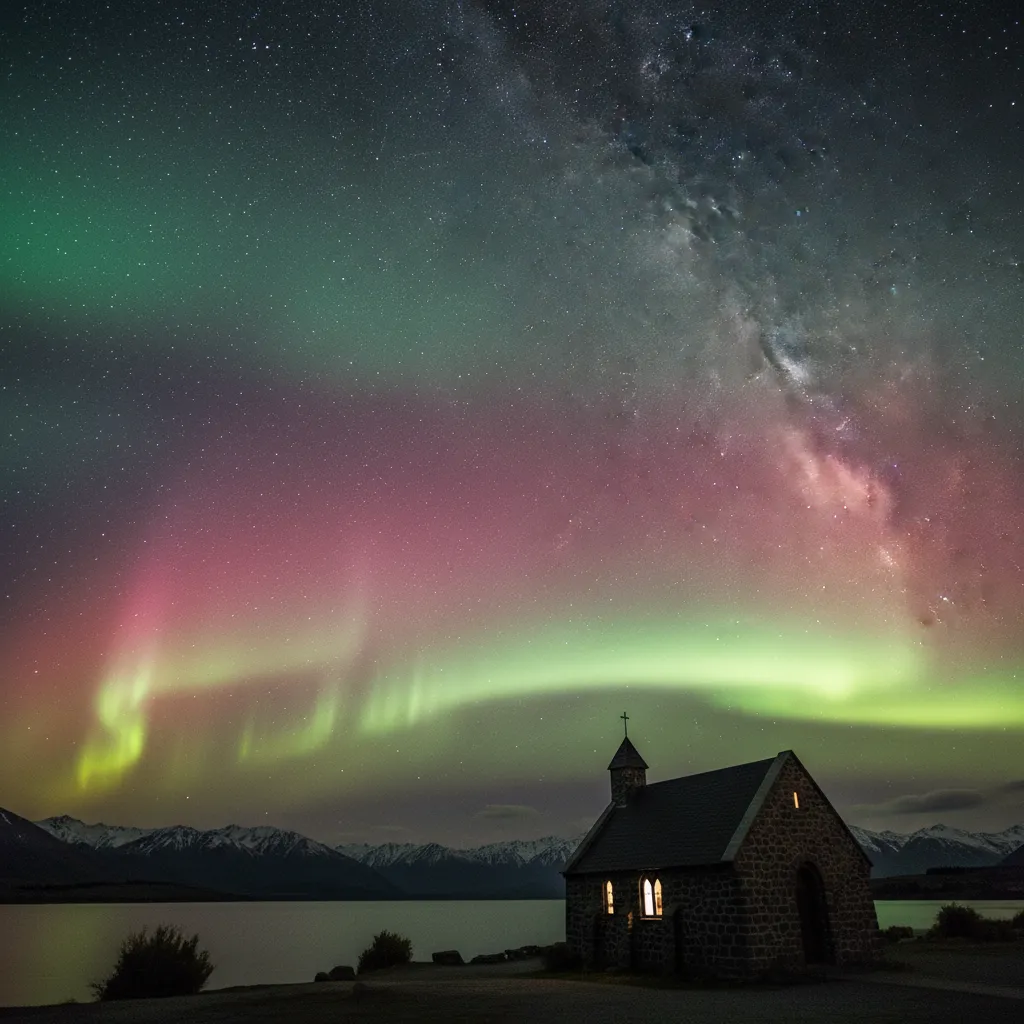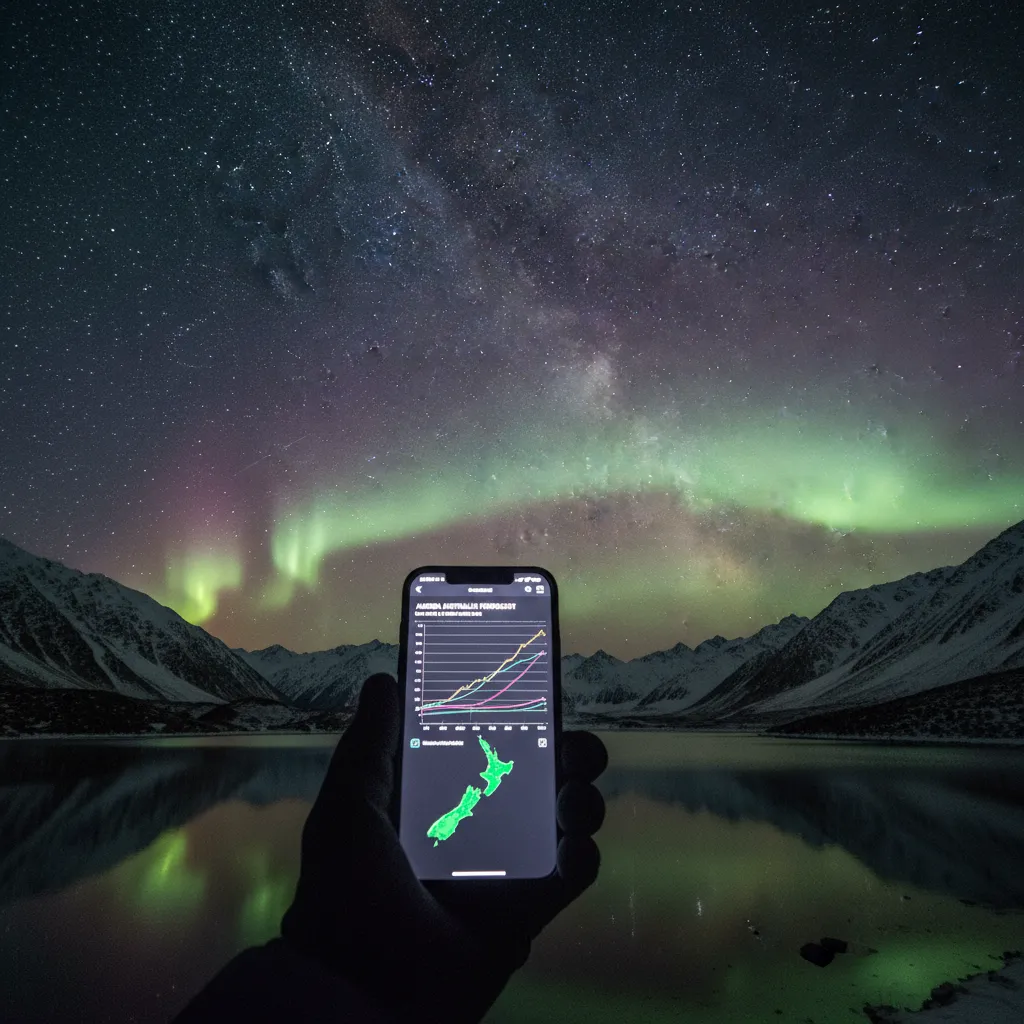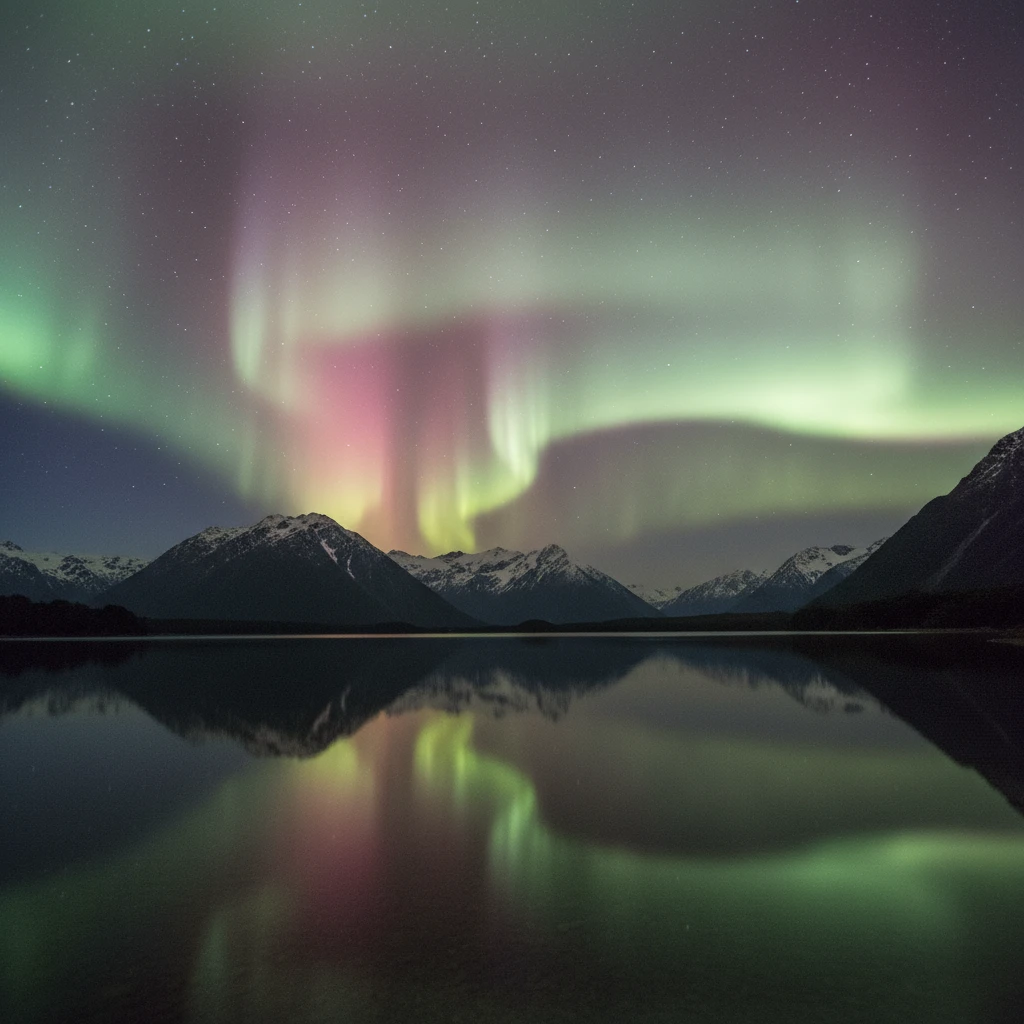
The history of Aurora Australis encompasses centuries of observation, from ancient Māori legends describing Tahunui-a-Rangi to modern astrophysical research. These Southern Lights are created when charged particles from solar winds interact with Earth’s magnetosphere, a phenomenon documented by early explorers like Captain Cook and analyzed through historical solar events like the 1859 Carrington Event.
What Causes the Aurora Australis?
To understand the history of Aurora Australis, one must first grasp the mechanics that drive this celestial engine. The phenomenon is not merely atmospheric; it is a violent yet silent conversation between the Sun and the Earth.
The process begins approximately 150 million kilometers away on the surface of the Sun. The Sun constantly emits a stream of charged particles, primarily electrons and protons, known as the solar wind. During periods of high solar activity, the Sun ejects massive clouds of plasma called Coronal Mass Ejections (CMEs). When these charged particles hurtle through space and collide with Earth’s magnetic field (the magnetosphere), the drama begins.
Earth’s magnetic field acts as a shield, deflecting most of this radiation. However, the magnetic field is weaker at the poles. Here, the charged particles spiral down the magnetic field lines and penetrate the upper atmosphere (thermosphere and exosphere). As they descend, they collide with gas atoms and molecules—primarily oxygen and nitrogen.
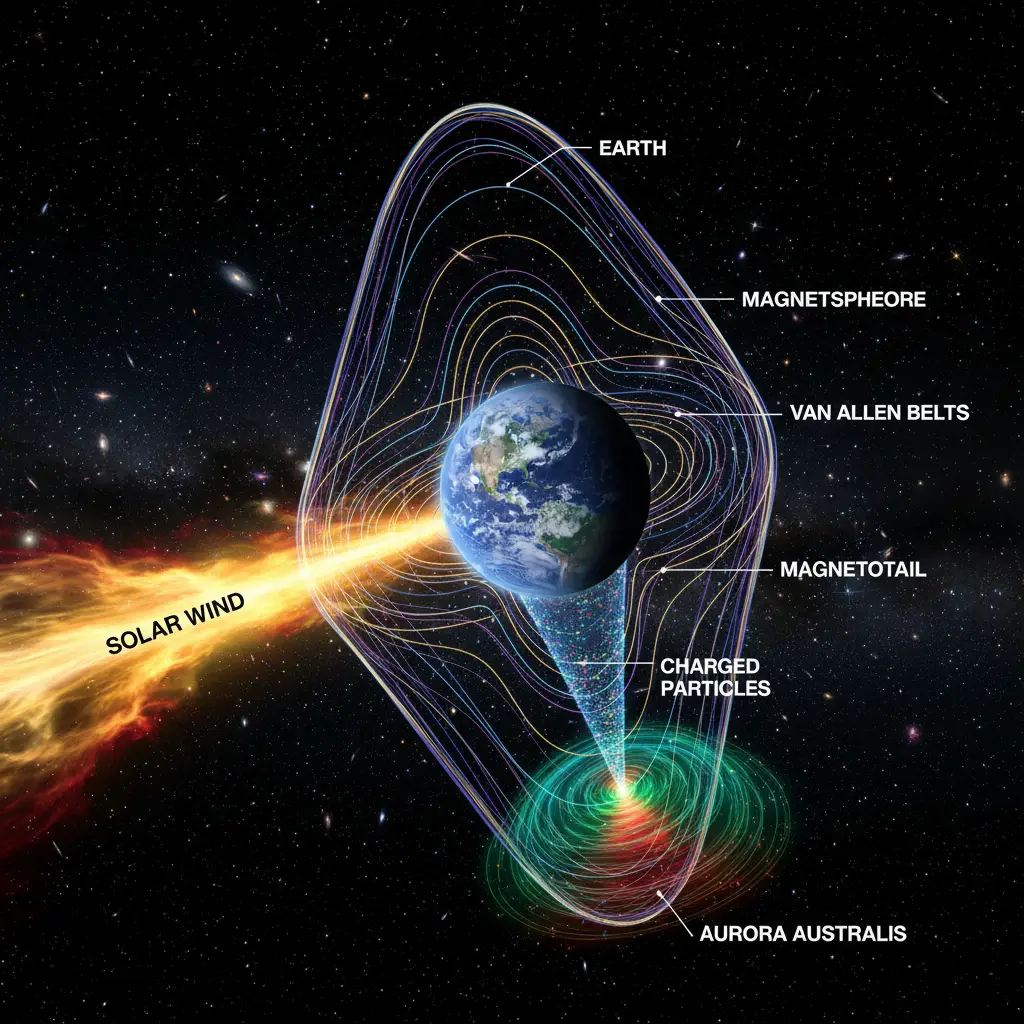
These collisions transfer energy to the atmospheric atoms, exciting them to higher energy states. When the atoms return to their ground state, they release that excess energy in the form of photons—light. This is the same principle that powers a neon sign, but on a planetary scale. The result is the dancing curtains of light we recognize as the Aurora.
Why Do Aurora Colors Vary?
Observers in New Zealand often report seeing different hues compared to their counterparts in the Northern Hemisphere. The specific colors visible during an auroral display are determined by two main factors: the chemical composition of the atmosphere at the point of collision and the altitude at which the collision occurs.
The Role of Oxygen and Altitude
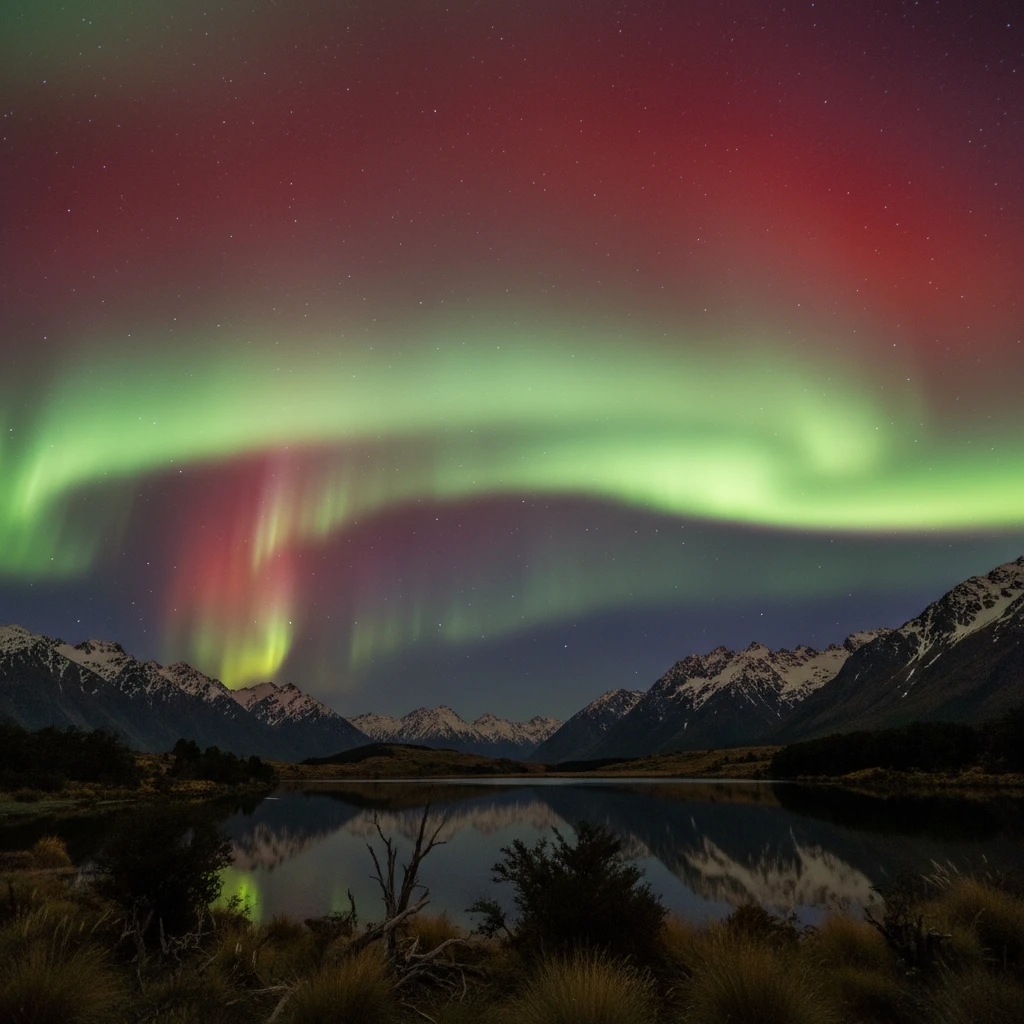
The most common auroral color is a pale, yellowish-green. This is produced by oxygen molecules located about 100 to 300 kilometers above the Earth. Because the human eye is most sensitive to green light, this is often the first color picked up by observers, even during moderate solar storms.
However, during intense geomagnetic storms—events that are significant in the history of Aurora Australis sightings—rare red auroras can appear. These are produced by high-altitude oxygen, situated roughly 300 to 400 kilometers up. Red light is emitted when excited oxygen atoms take a longer time to release their energy. In the denser lower atmosphere, these atoms would collide with other molecules before emitting red light, quenching the color. Therefore, pure red curtains are only seen at great heights and usually require intense solar activity to be visible from the ground.
Nitrogen and the Purples
Nitrogen, the most abundant gas in our atmosphere, is responsible for the purple, blue, and pink hues often captured in New Zealand astrophotography. When solar particles penetrate deep into the atmosphere (below 100 kilometers), they strike molecular nitrogen. This interaction produces a purple or violet glow. These colors are frequently seen at the lower edges of auroral curtains, creating a stunning gradient from the high-altitude red, through the mid-altitude green, down to the low-altitude purple.
What is the Difference Between Aurora Borealis and Australis?
A common misconception is that the Southern Lights (Australis) are a direct mirror image of the Northern Lights (Borealis). While they are siblings born of the same solar wind, they are not always identical twins.
Scientists historically believed in the theory of “conjugacy,” which suggests that auroras occur simultaneously and symmetrically at both poles. While this is generally true, recent imaging technology has revealed that the patterns can be asymmetrical. The interaction of the solar wind with the angle of Earth’s magnetic tilt (which changes with the seasons) can cause the aurora to be more intense in one hemisphere than the other.
From a viewing perspective, the context is the primary difference. The Aurora Borealis is often viewed over landmasses in high latitudes (Canada, Norway, Iceland). In contrast, the Aurora Australis ring sits mostly over the Southern Ocean and Antarctica. New Zealand, Tasmania, and the southern tips of South America are the only inhabited landmasses that regularly skirt the “Auroral Oval.” This makes a strong sighting of the Southern Lights a rarer and more prized event in the world of astronomy tourism.
History of Aurora Australis in New Zealand
The history of Aurora Australis is deeply intertwined with the history of Aotearoa (New Zealand). Unlike the steady observations available in the populous northern hemisphere, the southern records are sporadic but dramatic.
The Carrington Event of 1859
The most famous event in the recorded history of solar storms is the Carrington Event. In September 1859, a massive solar flare hit Earth. In New Zealand, the effect was profound. Historical newspapers from the time reported that the skies turned a brilliant blood-red. Gold miners in the South Island reportedly woke up at 1:00 AM and began preparing breakfast, thinking it was dawn. The display was so bright that people could read newspapers by the light of the aurora. This event remains the benchmark for extreme space weather and highlights the potential intensity of the Southern Lights.
Captain Cook’s Observations
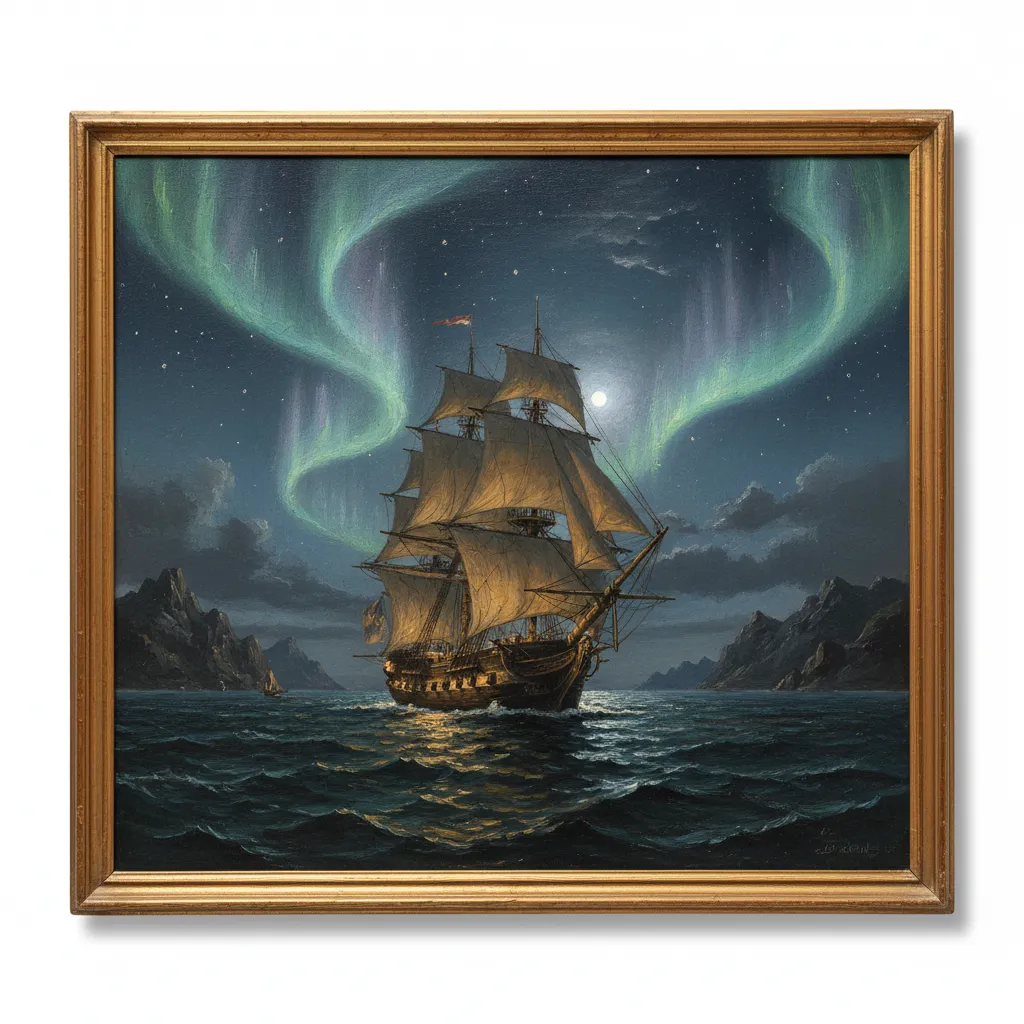
The name “Aurora Australis” was not formally used until the 18th century. Captain James Cook, during his voyage on the HMS Endeavour, recorded one of the earliest European sightings of the phenomenon in the Indian Ocean in 1770, noting that the phenomenon bore a striking resemblance to the Northern Lights he had seen previously.
Māori Astronomy and Maramataka
Long before European scientific classification, Māori had a deep understanding of the night sky, integral to navigation and the Maramataka (the Māori lunar calendar). The history of Aurora Australis in oral tradition is rich with metaphor and warning.
Māori have several names for the Southern Lights, reflecting their dynamic nature. The most common is Tahunui-a-Rangi, which translates loosely to “The Great Burning of the Sky” or “Glowing Sky.” This name perfectly captures the red, fire-like glow that is often characteristic of auroras seen from New Zealand’s latitudes (where the viewer is looking toward the pole and seeing the high-altitude red tops of the aurora).
Another term is Whakahau-kai, used in some traditions to describe the lights as a sign of future abundance or a prompt to gather food. However, in other iwi (tribal) traditions, the lights were viewed as a portent of conflict—the flashing lights representing the clash of weapons in the heavens, mirroring battles on Earth. These interpretations highlight that for Māori, the aurora was not just a pretty light show; it was a celestial signal woven into the fabric of life, agriculture, and warfare.
Modern Viewing: The Rise of Aurora Tourism
Today, the history of Aurora Australis has entered a new chapter: tourism. With the establishment of Dark Sky Sanctuaries, New Zealand has positioned itself as a premier destination for aurora hunters.
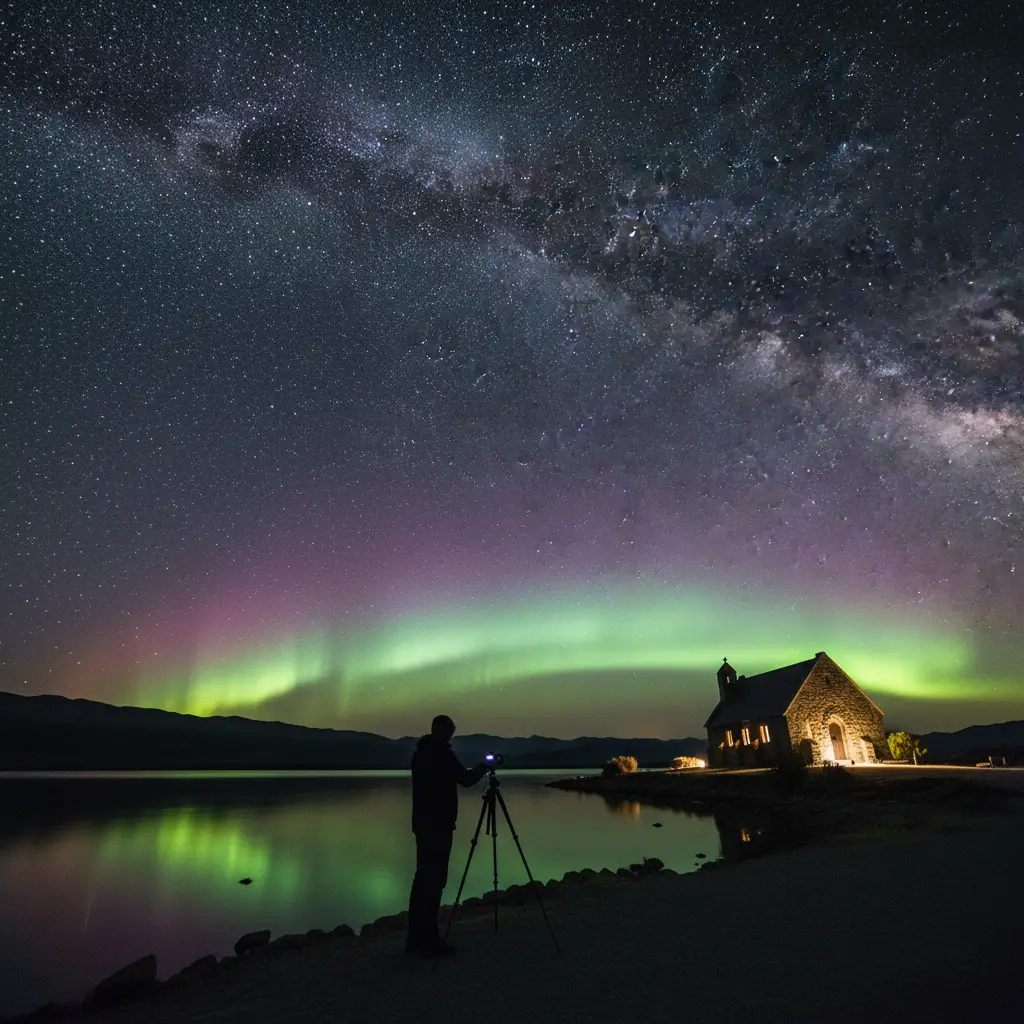
The Aoraki Mackenzie International Dark Sky Reserve is world-renowned. Here, the lack of light pollution allows the faint structures of the aurora to be visible to the naked eye. Further south, Stewart Island (Rakiura) offers even better odds. The name Rakiura itself translates to “The Land of Glowing Skies,” a direct reference to the prevalence of the aurora in this location.
For modern photographers and tourists, understanding the Kp index (a scale of geomagnetic activity) is vital. A Kp index of 5 or higher usually indicates that the Aurora Australis will be visible from the lower South Island. Unlike the history of accidental sightings, modern technology allows enthusiasts to predict these events, turning the Southern Lights into a chaseable, albeit still elusive, quarry.
People Also Ask
What is the Māori legend of the Southern Lights?
Māori often refer to the Southern Lights as Tahunui-a-Rangi (Great Burning of the Sky). Legends vary by tribe; some viewed the red glow as a reflection of torches from ancestors settling in the far south, while others saw it as a portent of war or a signal for harvest.
When is the best time to see Aurora Australis in New Zealand?
The best time to view the Aurora Australis is during the winter months (March to September) when the nights are longest. However, the phenomenon relies on solar activity, which can happen at any time of year. Viewing is best around midnight in areas with zero light pollution.
Why is the Aurora Australis harder to see than the Borealis?
The “Auroral Oval” (the ring of light) is centered around the magnetic pole. In the south, this ring is mostly over the Southern Ocean and Antarctica. New Zealand is situated further from the magnetic pole than many northern viewing locations like Norway or Canada, meaning only stronger solar storms push the lights far enough north to be clearly visible from NZ.
Can you see the Aurora Australis with the naked eye?
Yes, during strong geomagnetic storms (Kp 5+), the aurora appears as moving beams or a glow to the naked eye. However, the eye struggles to see color in low light, so it often looks like white or grey dancing clouds. Cameras, which can collect light over seconds, reveal the vibrant reds and greens.
What was the strongest Aurora Australis in history?
The Carrington Event of 1859 is widely considered the strongest recorded geomagnetic storm. In New Zealand, the aurora was so bright that gold miners thought it was morning, and the red glow terrified many who believed the sky was on fire.
Where are the best places in New Zealand to see the Southern Lights?
The best locations are in the lower South Island and Dark Sky Sanctuaries. Top spots include Stewart Island (Rakiura), The Catlins, Lake Tekapo (Aoraki Mackenzie Dark Sky Reserve), and the Otago Peninsula.