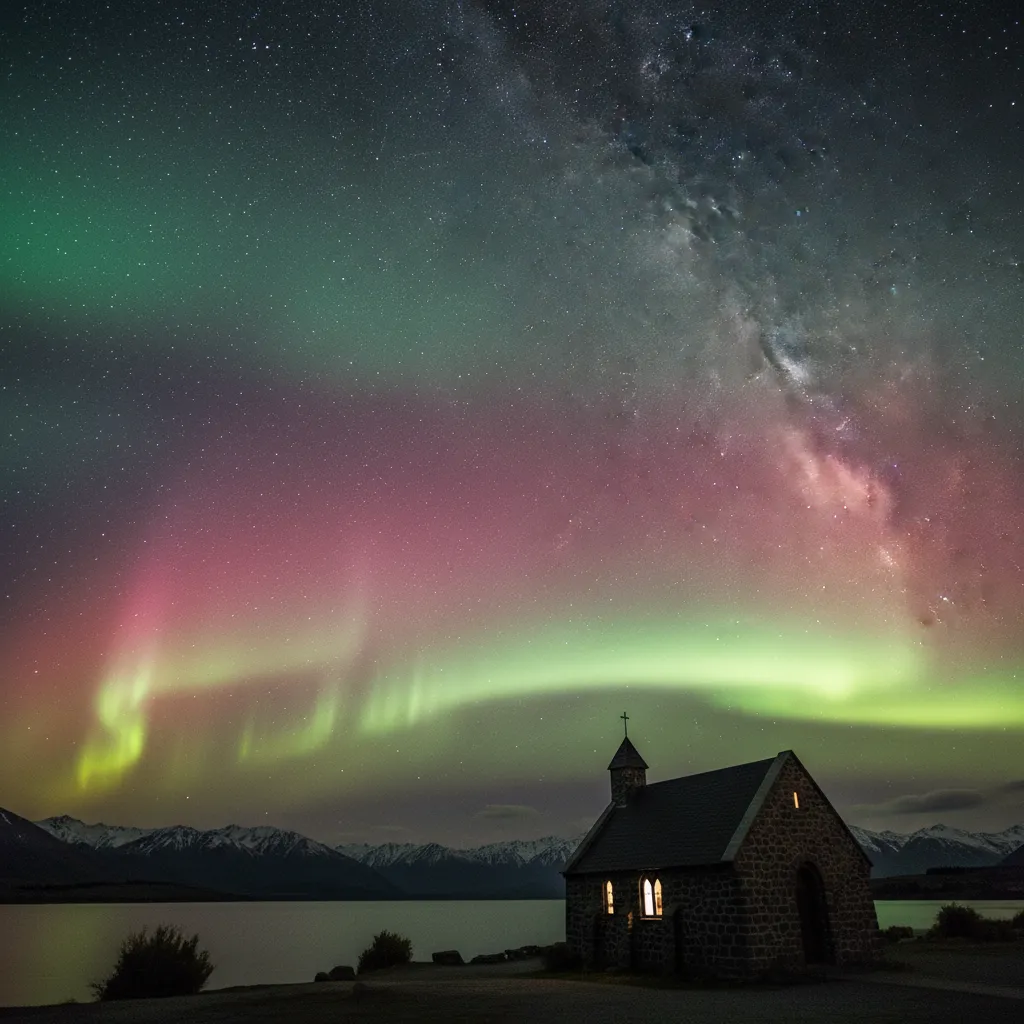
To download an aurora alert app is to equip yourself with a real-time geomagnetic activity monitor essential for catching the Southern Lights. These applications track Kp indices, Bz values, and solar wind density, sending push notifications directly to your device when conditions over New Zealand are favorable for visibility.
The Aurora Australis is an elusive phenomenon. Unlike the predictable rising of the Matariki star cluster, the Southern Lights appear at the whim of solar wind and magnetic fields. For astrophotographers and skywatchers in New Zealand—from the Dark Sky Sanctuary of Stewart Island to the shores of Lake Tekapo—relying on luck is not a strategy. Success requires precision technology.
In this guide, we analyze the most effective tools available, comparing dedicated applications against social media alerts, and providing specific instructions on how to configure your device to ensure you never miss a geomagnetic storm.
Why You Need Specialized Software for the Southern Lights
The primary reason to download an aurora alert app is the volatility of space weather. An aurora display can manifest and vanish within a span of 20 minutes. Relying on visual checks or delayed reports often results in missing the peak of the substorm.
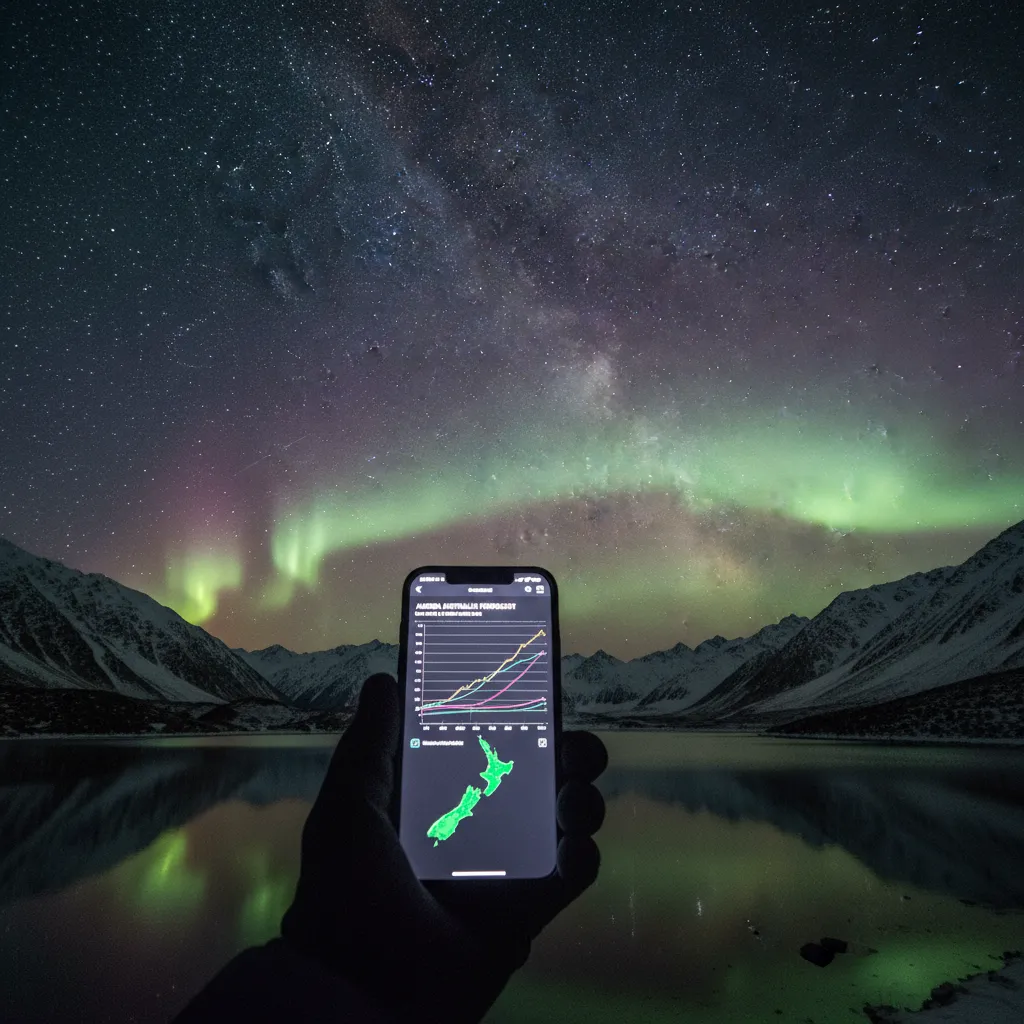
Understanding the Metrics
Professional alert apps monitor specific data points from satellites like DSCOVR. To make an informed decision on which app to download, you must understand what these tools measure:
- Kp Index: A scale of 0-9 measuring geomagnetic activity. In New Zealand, a Kp of 4 or 5 is often required to see the lights from the South Island, while a Kp of 7+ might be needed for the North Island.
- Bz (Interplanetary Magnetic Field): This is arguably more critical than Kp. For the aurora to be visible, the Bz must be negative (south-pointing). Alert apps trigger when the Bz drops significantly.
- Solar Wind Speed: Higher speeds (500 km/s+) increase the likelihood of a vibrant display.
The NZ Standard: Glendale App Review
When searching to download an aurora alert app specifically for the New Zealand context, the Glendale App is frequently cited by the local astrophotography community as the gold standard. Unlike generic global apps, Glendale aggregates data that is highly relevant to Southern Hemisphere hunters.
Key Features
The Glendale application excels in visualizing the “Ovations” model, providing a real-time probability map of where the aurora is visible. Its strength lies in its community-driven data combined with raw satellite feeds. It offers granular control over alerts, allowing users to filter notifications based on their specific latitude. This prevents “alert fatigue”—where users in Auckland get notified for weak storms only visible in Invercargill.
Why Download Glendale?
For the commercial user or serious hobbyist, Glendale offers a robust alert system that integrates reports from ground-based observers. This human verification layer acts as a fail-safe against false positives from automated satellite data. If you are serious about New Zealand astronomy, this is a critical tool in your digital arsenal.
SpaceWeatherLive: For the Data-Driven Hunter
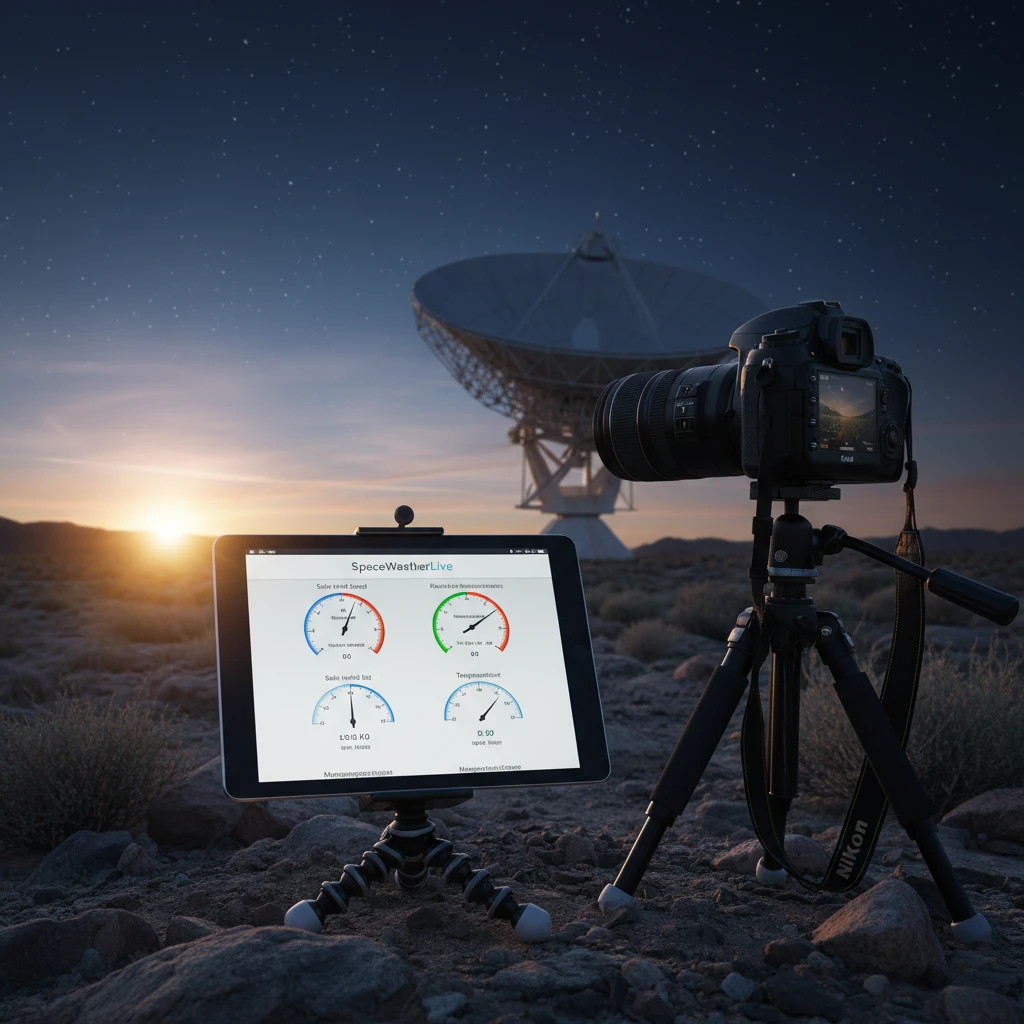
If you prefer raw data over simplified interfaces, you should download the SpaceWeatherLive app. It is widely regarded as the most comprehensive tool for monitoring solar activity globally. While it has a steeper learning curve, it provides the earliest possible warning of incoming geomagnetic storms.
Advanced Capabilities
SpaceWeatherLive allows users to track Coronal Mass Ejections (CMEs) from the moment they leave the sun. By monitoring the ACE and DSCOVR satellite data directly, users can anticipate an aurora event days in advance, rather than just minutes. The app features customizable push notifications for:
- Kp thresholds (e.g., Alert me only if Kp > 5).
- Solar flare detection (X-class and M-class flares).
- Geomagnetic storm commencement.
My Aurora Forecast & Alerts: The User-Friendly Choice
For those new to the hobby or involved in casual aurora tourism, “My Aurora Forecast & Alerts” is the best entry-level option to download. It simplifies complex magnetometry into a clean, modern interface.
Visual Forecasts
The app provides a sleek visual representation of the auroral oval. If you are in Queenstown or Dunedin, you can simply look at the percentage probability shown for your current location. It removes the need to interpret Bz or Density values manually. It is available on both iOS and Android stores and is highly rated for its intuitive design.
Local Facebook Groups vs. Dedicated Apps
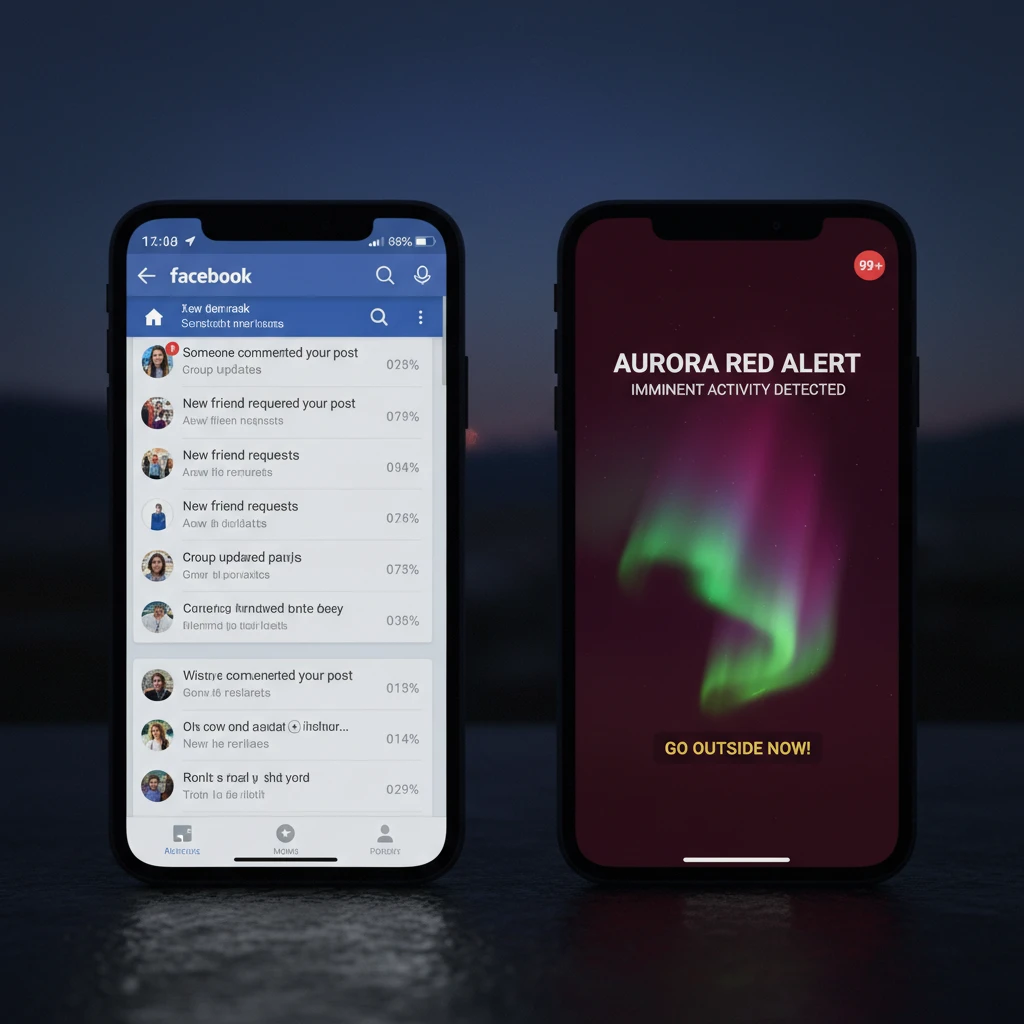
A common debate in the NZ astronomy community is whether to rely on social media groups or download aurora alert apps. While groups like “Aurora Australis (NZ)” are invaluable for community spirit and post-event photo sharing, they are inefficient for real-time alerts.
The Latency Issue
Facebook algorithms do not prioritize chronological order. A post stating “The sky is exploding right now!” might appear in your feed three hours later. Furthermore, waiting for a human to post means the initial onset of the storm has already occurred. Dedicated apps automate this process, pinging your phone the second satellite data indicates a threshold breach. For commercial operators running aurora tours, relying on Facebook is a liability; downloading a dedicated app is a professional necessity.
Setting Up Custom Notifications for Success
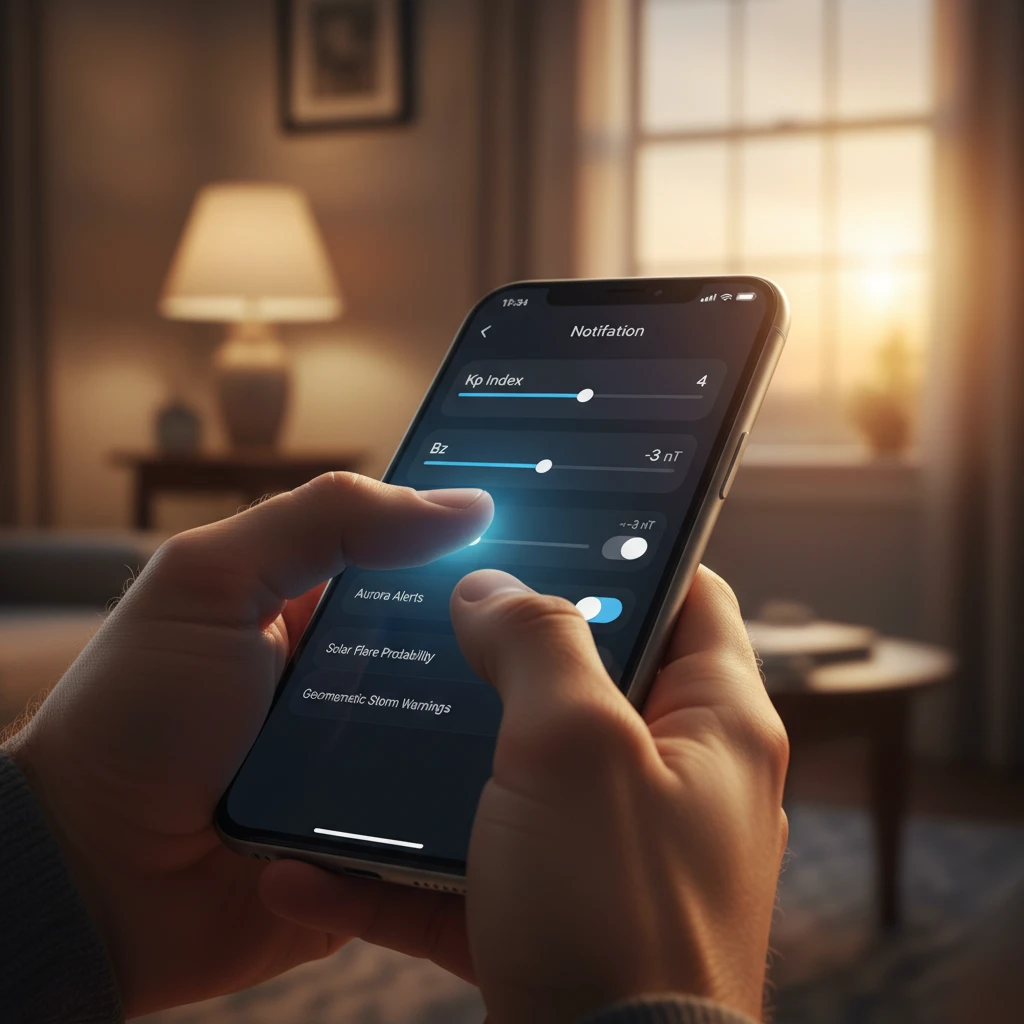
Downloading the app is only the first step. To ensure you actually wake up for a 3:00 AM display, you must configure your notifications correctly. Many operating systems (iOS and Android) will silence notifications during “Do Not Disturb” or “Sleep” modes unless specific exceptions are made.
Configuration Workflow
- Override Silent Mode: Go into your phone’s settings and ensure the aurora app has permission to override “Do Not Disturb.” On iOS, this is often found under “Critical Alerts.”
- Set Thresholds High: If you live in Wellington (further north), set your Kp alert threshold to Kp5 or Kp6. If you set it to Kp3, you will be woken up constantly for displays you cannot see.
- Bz Alerts: If the app supports it, set an alert for when Bz drops below -10nT. This is often a stronger indicator of a sudden visual display than the Kp index alone.
Connecting Tech with Maramataka & Astronomy
In New Zealand, the pursuit of the aurora is deeply connected to the land and the sky. While we use modern technology to track these events, it is valuable to contextualize them within Maramataka (the Māori lunar calendar) and local astronomy.
The Maramataka guides the planting and fishing cycles based on the moon and stars. While it does not predict auroras (which are solar-driven), using these apps allows us to align modern observation with ancient appreciation of the night sky. When you download an aurora alert app, you are essentially installing a modern navigational tool that complements the traditional knowledge of the stars.
Frequently Asked Questions
What is the best aurora alert app for New Zealand?
The Glendale App is widely considered the best for New Zealand users due to its specific local data and community reporting features. SpaceWeatherLive is excellent for advanced data, while My Aurora Forecast is best for beginners.
Is there a free app to download for aurora alerts?
Yes, most major apps like My Aurora Forecast & Alerts and SpaceWeatherLive offer free versions with robust features. Some offer paid upgrades for ad-free experiences or more granular push notifications.
What Kp index do I need to see the aurora in NZ?
In the lower South Island (Invercargill, Stewart Island), a Kp of 3-4 is often sufficient. In Christchurch, you generally need Kp 5. For the North Island (Wellington, Auckland), you typically need a strong storm of Kp 7 or higher.
Why do I need to check the Bz value?
The Bz value indicates the direction of the interplanetary magnetic field. For the solar wind to connect with Earth’s magnetosphere and create bright auroras, the Bz must be negative (southward). Even with high Kp, a positive Bz often results in no visible aurora.
Do these apps work without internet?
No. Aurora alert apps rely on real-time data streaming from satellites like DSCOVR and ACE. You must have a data connection (Wi-Fi or cellular) to receive alerts and view live graphs.
Can these apps predict the aurora days in advance?
They can provide a 27-day forecast based on solar rotation, and a 3-day forecast based on coronal hole streams. However, precise real-time alerts are only accurate about 30-60 minutes in advance as the solar wind reaches Earth.