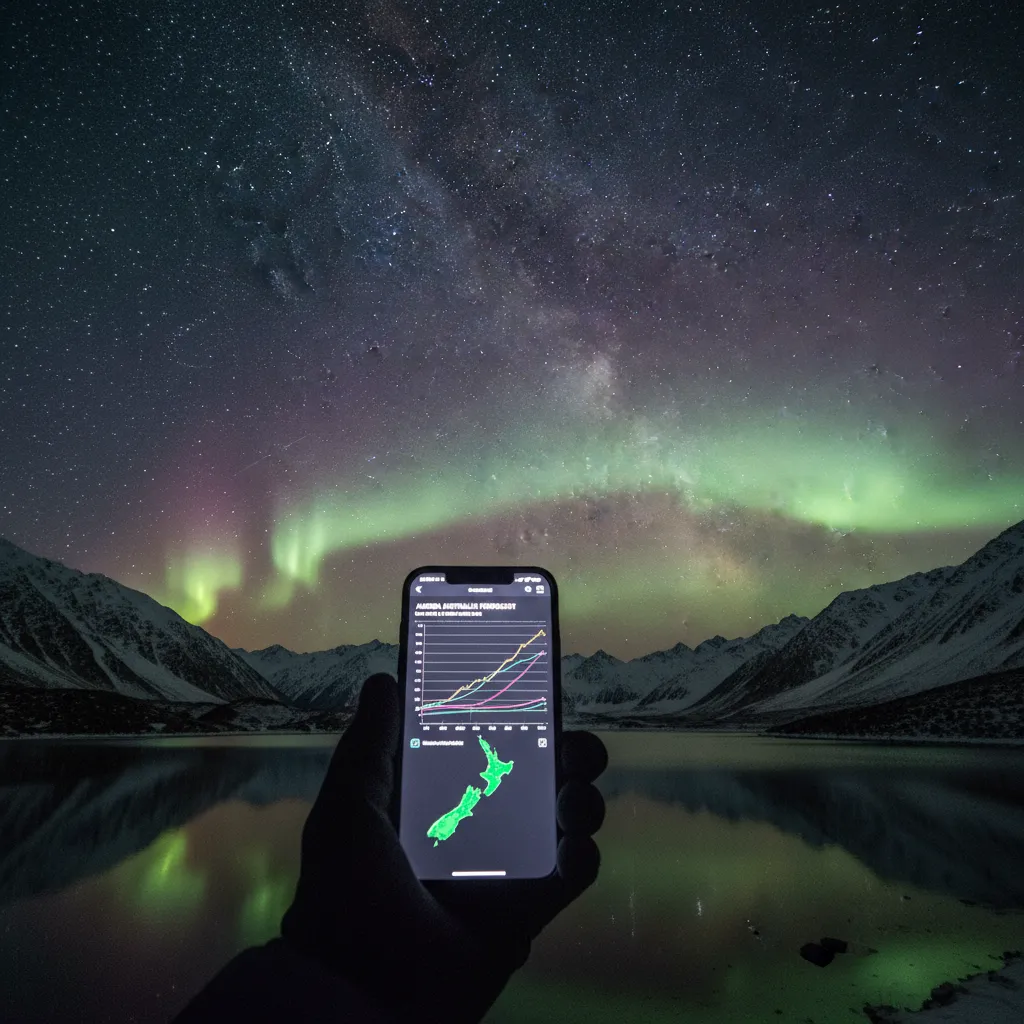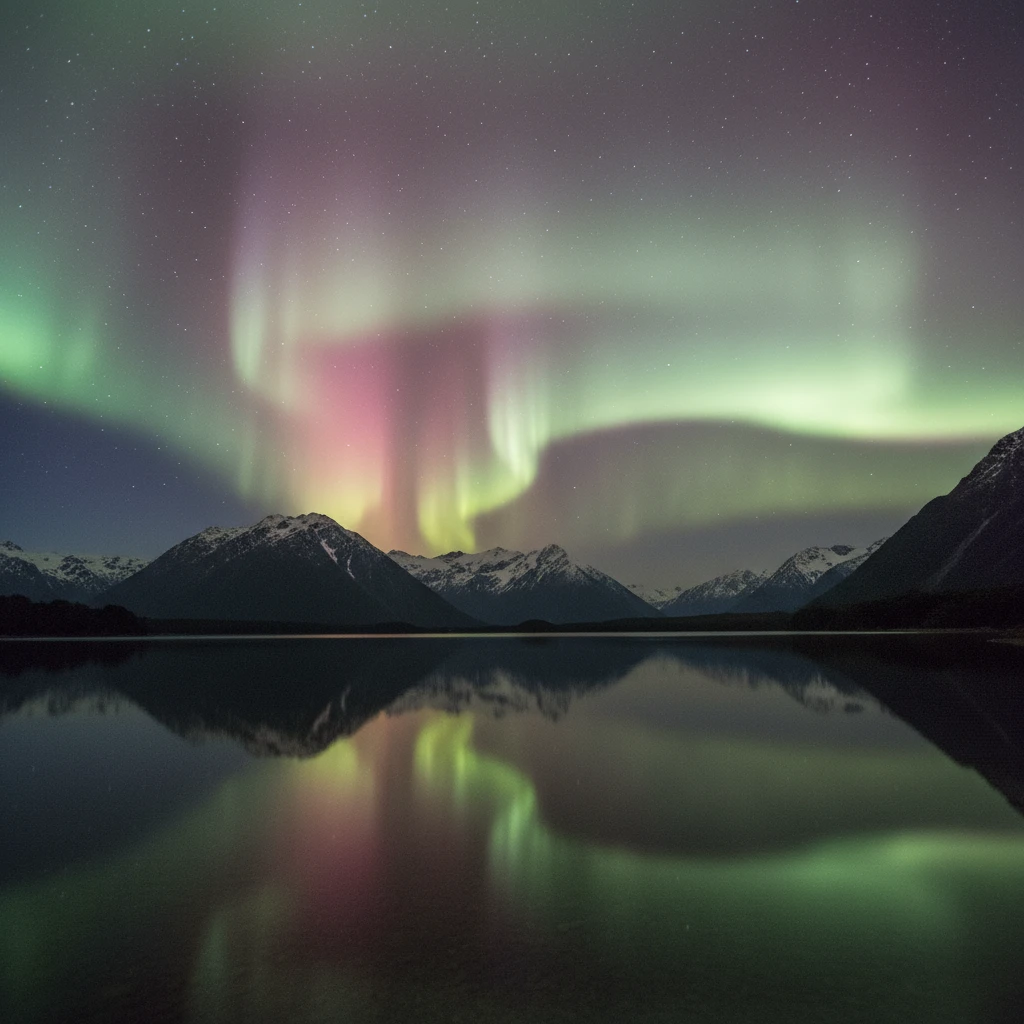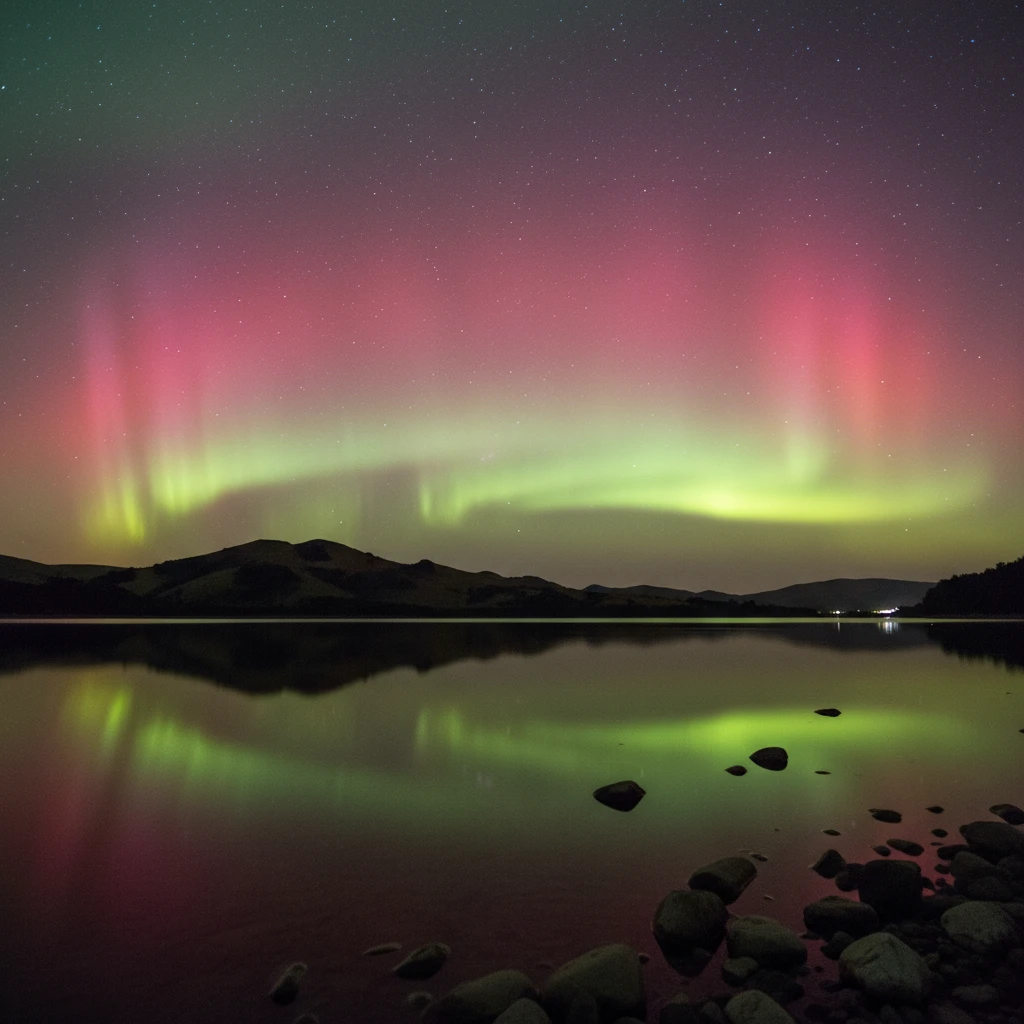
The best time to see the Aurora Australis in New Zealand is during the cooler months from March to September, with peak solar activity often occurring around the equinoxes in late March and late September. To maximize visibility, observers should choose nights with clear, dark skies during a new moon phase, particularly between midnight and 4:00 AM, while utilizing real-time solar wind data.
Witnessing the Southern Lights, or Aurora Australis, is a bucket-list experience for many. Unlike the predictable rhythm of the tides, the aurora is an elusive phenomenon governed by the volatile mood of the sun. While New Zealand offers some of the world’s most accessible dark sky sanctuaries, knowing exactly when to look is the difference between staring at a black void and witnessing a sky ablaze with ribbons of pink, green, and violet.
This comprehensive guide analyzes the astronomical, seasonal, and meteorological factors that define the best time to see Aurora NZ, integrating modern solar physics with the unique atmospheric conditions of Aotearoa.
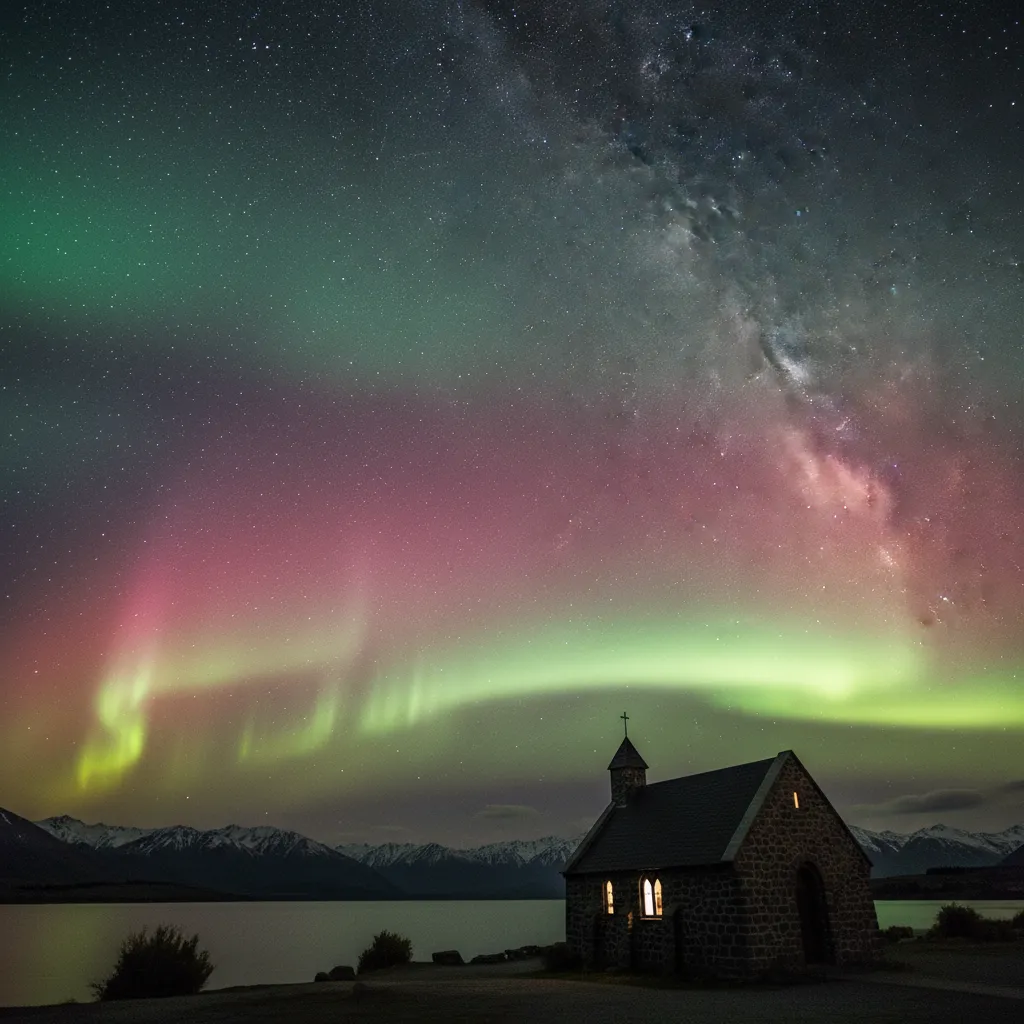
The Equinox Effect: Why Spring and Autumn Rule
While many assume the depths of winter provide the best viewing opportunities due to the length of the nights, statistical data supports the equinoxes as the prime windows for geomagnetic activity. This phenomenon, known as the Russell-McPherron effect, explains why March (Autumn) and September (Spring) often yield the most intense auroral displays.
Understanding Magnetic Alignment
During the equinoxes, the Earth’s magnetic dipole is tilted at an angle that allows for a more efficient connection with the Interplanetary Magnetic Field (IMF). Think of this as opening a window; during the equinoxes, the “window” into Earth’s magnetosphere is aligned perfectly to catch the solar wind. This alignment allows charged particles from the sun to flow more easily into our atmosphere, sparking the ionization process that creates the visible lights.
For aurora hunters in New Zealand, this means that the weeks surrounding March 20th and September 22nd are statistically the most likely times to encounter geomagnetic storms (G1 to G5 class), provided the sun is active.
Winter Darkness vs. Weather Constraints
While the equinoxes provide the magnetic geometry for storms, the winter months of June, July, and August offer the most critical commodity for viewing: darkness. In the lower South Island, winter nights can stretch for over 14 hours, significantly increasing the probability of catching a display.
The Trade-off: Clear Skies vs. Storm Systems
The challenge with New Zealand winters is meteorology. The same southerly fronts that bring cold, clear air straight from Antarctica can also bring heavy cloud cover and snow, particularly to the Southern Alps.
- June and July: These are the darkest months. If you get a high-pressure system sitting over the South Island, creating crisp, frost-laden nights, viewing conditions are optimal.
- August: Often signals the transition back toward spring, retaining long nights but occasionally offering more stable weather patterns than mid-winter.
To succeed in winter, flexibility is key. You must be willing to chase clear skies, often driving away from the coast toward inland basins like the Mackenzie Country where cloud cover is less persistent.

The 2025 Solar Maximum: A Historic Opportunity
We are currently living through a golden era for aurora tourism. The sun operates on an 11-year cycle of activity, oscillating between a solar minimum (quiet) and a solar maximum (active). We are currently approaching the peak of Solar Cycle 25, with maximum activity predicted to occur throughout 2024 and 2025.
What Does Solar Maximum Mean for New Zealand?
During a solar maximum, the sun is riddled with sunspots—magnetic knots on the solar surface that can erupt into solar flares and Coronal Mass Ejections (CMEs). When these CMEs impact Earth, they cause geomagnetic storms.
In years of solar minimum, the aurora is often only visible from Antarctica or the far southern oceans. However, during the Solar Maximum, the “auroral oval” (the ring of light around the magnetic pole) expands northward. This expansion brings the lights well within view of the South Island and, during strong storms (Kp7+), even the North Island.
Recommendation: Prioritize trips during 2025. The frequency and intensity of displays will likely be higher than they will be for the subsequent decade.
Moon Phases and Maramataka
Light pollution is the enemy of the aurora. This includes both artificial city lights and natural moonlight. A full moon can be bright enough to wash out the delicate structures of a moderate aurora, turning vibrant beams into a faint, milky haze.
Avoiding the Full Moon
The best time to see aurora NZ is strictly during the New Moon phase, or the week leading up to it (Third Quarter). During these times, the sky is at its darkest, allowing the contrast of the aurora to pop against the background stars.
Maramataka: The Māori Lunar Calendar
In New Zealand, understanding the Maramataka (Māori lunar calendar) adds a layer of cultural depth and practical utility to aurora hunting. Māori ancestors were keen astronomers, navigating the Pacific by the stars. The aurora, known as Tahunui-a-rangi (Great burning of the sky), was often viewed as a tohu (sign).
Consulting the Maramataka can help align your viewing with the phases of Whiro (New Moon), ensuring the lowest natural light interference. This indigenous knowledge system emphasizes observation of the environment, reminding us that patience and connection to the sky are virtues of the observer.
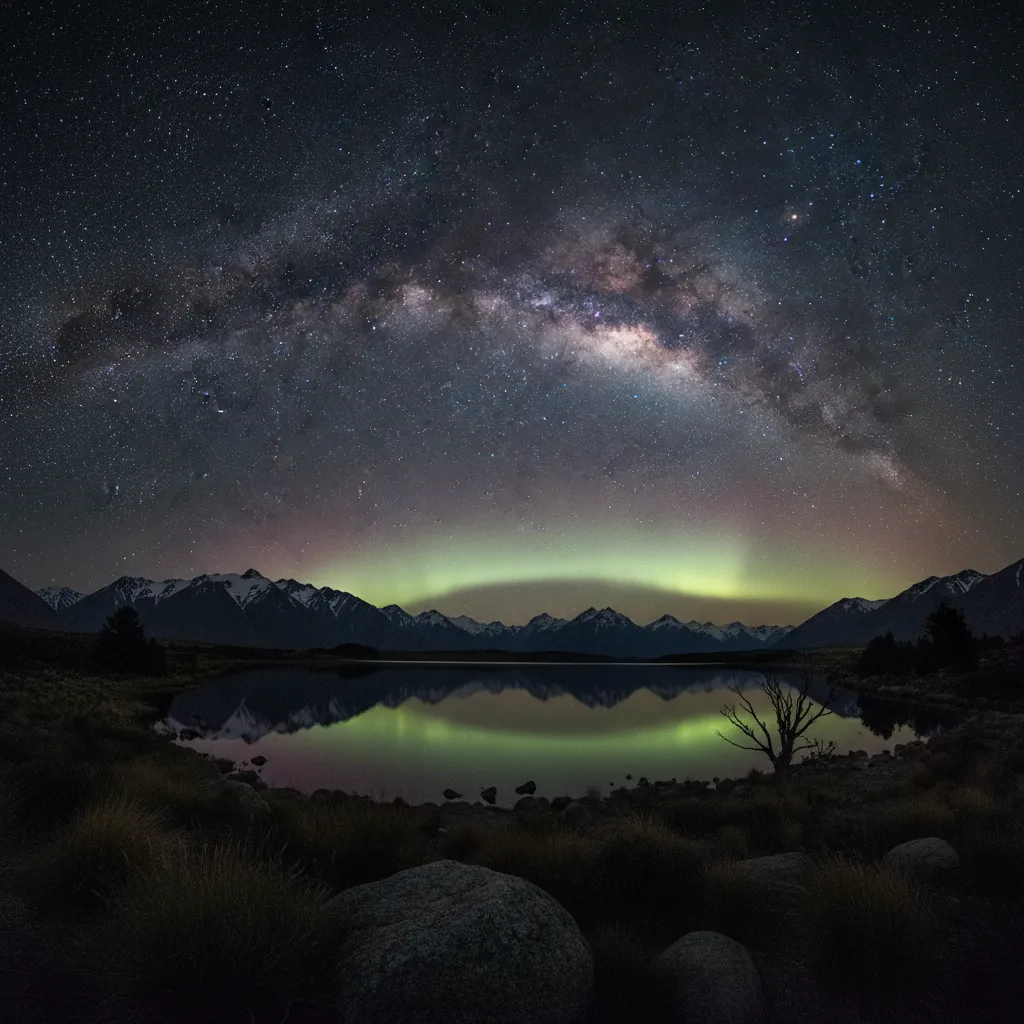
Top Locations for Aurora Hunting
Geography is just as important as timing. To see the Aurora Australis, you need a clear view to the south and minimal light pollution. Here are the premier destinations in Aotearoa.
1. Aoraki Mackenzie International Dark Sky Reserve
Located in the center of the South Island, this 4,300 square kilometer reserve is one of the best places on Earth for astronomy. The region includes Lake Tekapo, Twizel, and Mount Cook Village. The surrounding mountains often block low cloud, and strict lighting ordinances ensure the skies remain pitch black.
2. Stewart Island / Rakiura
The name Rakiura translates to “The Land of Glowing Skies,” a testament to its history with the aurora. As the southernmost populated landmass in New Zealand, it is physically closer to the magnetic pole than anywhere else in the country. In 2019, it was designated an International Dark Sky Sanctuary.
3. The Catlins and Dunedin
The Otago Peninsula and the wild coast of the Catlins offer unobstructed views south over the ocean. Hoopers Inlet near Dunedin is a favorite among local astrophotographers because the water reflects the aurora, doubling the visual impact.
4. Queenstown and Wanaka
While Queenstown itself has light pollution, a short drive to Moke Lake or up the Crown Range Road provides excellent elevation and darkness. The mountainous foregrounds here make for dramatic photography compositions.
Interpreting Solar Data: Kp, Bz, and Speed
Relying on luck is rarely a good strategy for aurora hunting. Modern enthusiasts use real-time data to predict when the lights will dance. Here are the three metrics you must understand.
The Kp Index
The Kp index measures geomagnetic activity on a scale of 0 to 9.
* Kp 1-3: Usually only visible photographically or from Stewart Island.
* Kp 4-5: Visible to the naked eye in the lower South Island.
* Kp 6-9: Major storm. Visible throughout the South Island and potentially the lower North Island (Wellington/Wairarapa).
The Bz (Interplanetary Magnetic Field)
This is arguably more important than the Kp index. The Bz measures the direction of the solar wind’s magnetic field. For the aurora to occur, the Bz must be negative (Southward). If the Bz is positive (Northward), the Earth’s magnetic field deflects the solar particles, and no aurora will happen, even if the Kp is high. Look for a Bz of -10nT or lower for a strong show.
Solar Wind Speed
The faster the solar wind hits Earth, the harder the impact. Speeds above 500 km/s are favorable for auroral activity. When a high speed combines with a negative Bz, the sky is likely to ignite.
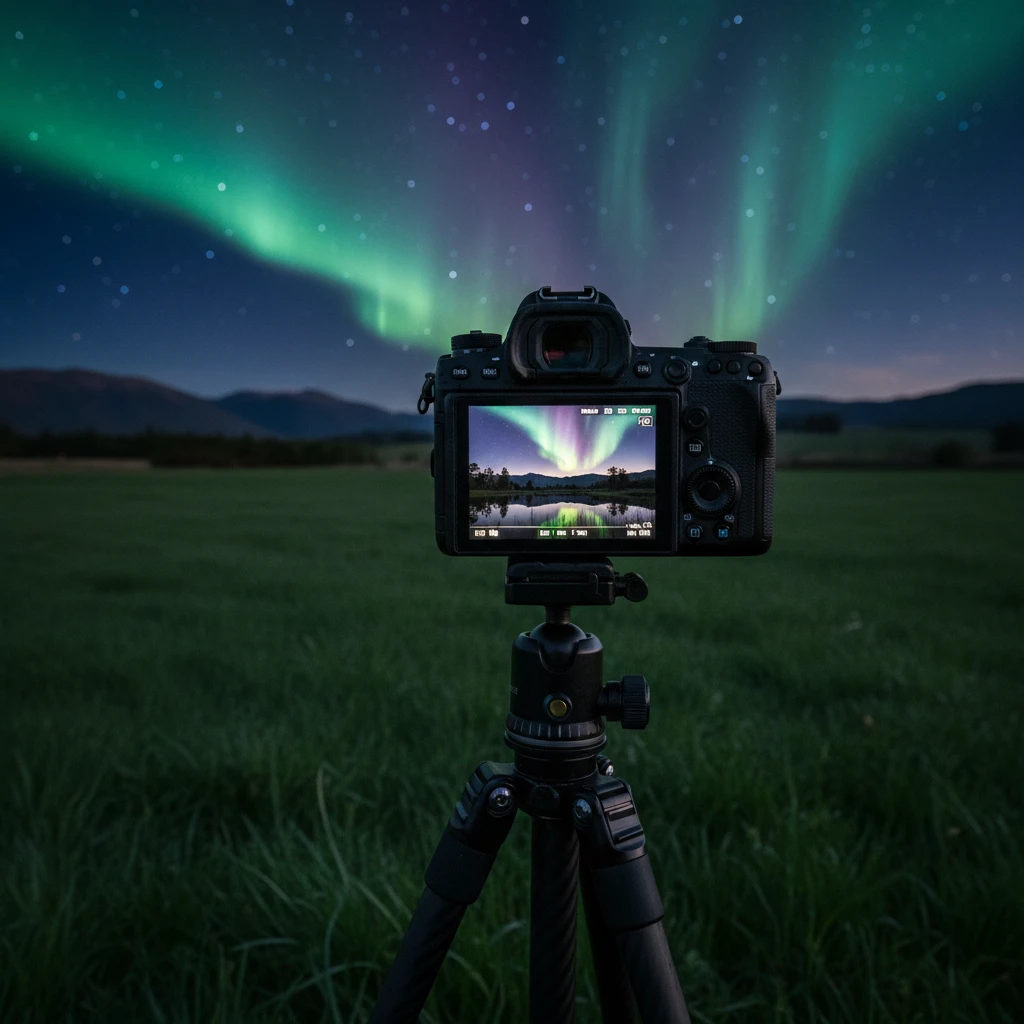
Essential Gear and Photography Tips
The human eye perceives the aurora differently than a camera sensor. To the naked eye, the aurora often looks like a shifting grey or white cloud, only showing color during intense storms. Cameras, however, can accumulate light over time, revealing the vivid reds and greens.
Basic Settings for Aurora Photography
- Tripod: Essential. Handheld shots will be blurry.
- Lens: Wide angle (14mm to 24mm) with a fast aperture (f/2.8 or lower).
- ISO: Start at ISO 1600 or 3200.
- Shutter Speed: Between 5 and 15 seconds. Longer than 20 seconds may cause the stars to trail.
- Focus: Set to manual focus and lock it to infinity (often marked by the ∞ symbol or a distant star).
Conclusion
The best time to see the Aurora Australis in New Zealand is a convergence of science and serendipity. By targeting the equinox months of March and September, or the long dark nights of winter, and aligning your trip with the New Moon and the 2025 Solar Maximum, you drastically increase your odds. Yet, the hunt is part of the magic. Standing under the vast, unpolluted skies of Aotearoa, waiting for the heavens to wake up, is a profound experience that connects you to the cosmos in a way few other events can.
What is the best month to see the Southern Lights in New Zealand?
The best months are generally March and September due to the equinox effect, though the winter months of June, July, and August offer the longest hours of darkness for viewing.
Can you see the aurora in New Zealand with the naked eye?
Yes, during strong geomagnetic storms (Kp5 or higher), the aurora is visible to the naked eye as moving beams of light. However, colors are less intense than in photos; the eye often perceives it as white or pale green, while cameras capture the vibrant reds and purples.
Where is the best place in New Zealand to see the aurora?
The best places are in the lower South Island, specifically Stewart Island (Rakiura), The Catlins, Lake Tekapo, and the Aoraki Mackenzie International Dark Sky Reserve, due to their southern latitude and low light pollution.
What time of night is best for the aurora?
While the aurora can appear anytime after dark, statistical peak activity often occurs between 10:00 PM and 2:00 AM. However, serious aurora hunters should monitor real-time data throughout the night.
Do I need a tour to see the aurora in New Zealand?
No, a tour is not strictly necessary if you have a vehicle and can access dark sky locations. However, tours can be beneficial for accessing private land, learning astrophotography, and having a guide who understands the weather and solar data.
How does the 2025 Solar Maximum affect aurora viewing?
The 2025 Solar Maximum represents the peak of the sun’s 11-year activity cycle. This means more frequent sunspots and solar flares, resulting in stronger and more frequent aurora displays that are visible further north than usual.