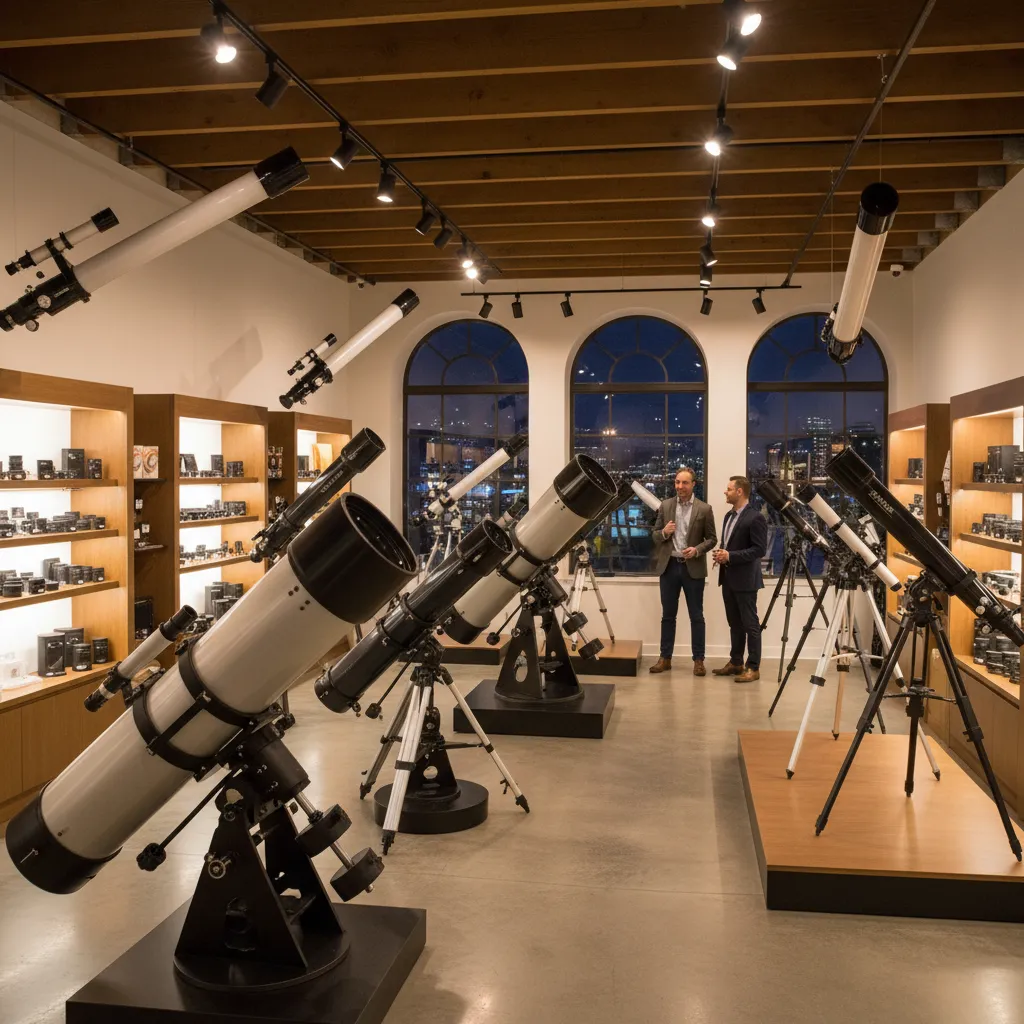
To purchase a telescope online in NZ safely, prioritize established local retailers like Jacobs Digital, AstroNZ, or specialized camera stores over international marketplaces. This ensures coverage under the Consumer Guarantees Act, safer domestic shipping for fragile optics, and access to local support for collimation and setup.
The Landscape of Buying Telescopes in New Zealand
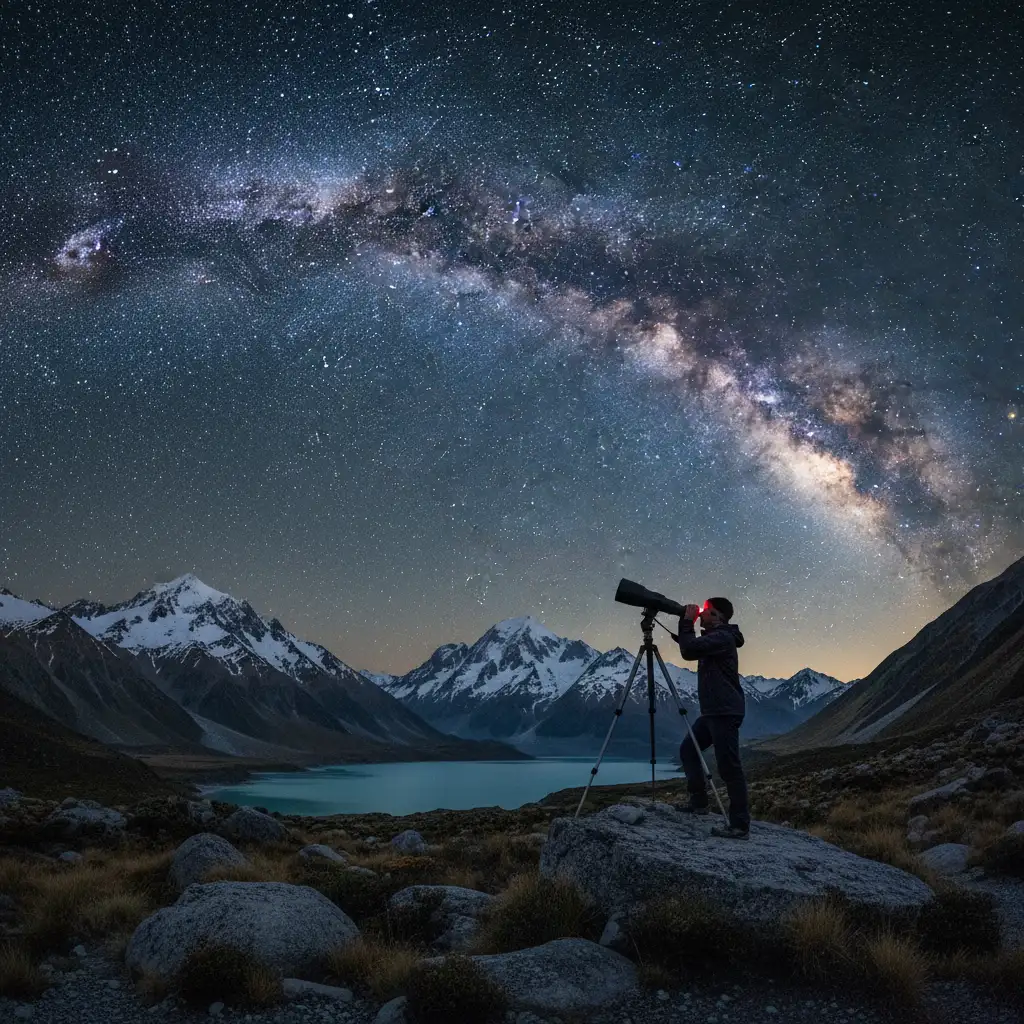
New Zealand offers some of the darkest skies in the world, from the Aoraki Mackenzie International Dark Sky Reserve to the remote corners of Great Barrier Island. Consequently, the demand for high-quality astronomical equipment is significant. However, for the aspiring astronomer, the process to purchase telescope online NZ can be fraught with logistical challenges unique to our island nation.
Unlike consumers in the US or Europe, Kiwis face distinct hurdles regarding shipping costs, customs duties, and the availability of specific optical brands. While the temptation to buy cheap instruments from generalist big-box stores or overseas giants is high, the reality of owning a precision optical instrument requires a more strategic approach. This guide is designed to navigate the transactional complexities of acquiring a telescope in New Zealand, ensuring your investment leads to clear views of the Southern Cross rather than frustration with broken mirrors and voided warranties.
Reputable NZ Retailers vs. Importing
When you decide to purchase a telescope online in NZ, the primary decision is whether to buy from a domestic specialist or import directly from overseas retailers like B&H Photo, Amazon, or High Point Scientific.
The Case for Local Retailers
New Zealand is home to a small but dedicated group of optical specialists. Retailers such as Jacobs Digital, AstroNZ, and Photogear have established supply chains with major brands like Celestron, Sky-Watcher, and Meade. Buying locally offers several non-negotiable advantages:
- Consumer Guarantees Act (CGA) Protection: This is your strongest asset. If a product fails to meet acceptable quality standards, local retailers are legally obligated to remedy the issue. International sellers are not bound by New Zealand law.
- No Surprise Customs Fees: When importing optical equipment over a certain value (usually NZD $1000), you are liable for 15% GST plus import entry transaction fees. Local prices already include GST.
- Local Stock Availability: Global supply chains for telescopes have been volatile. Local retailers often warehouse popular models (like the 8-inch Dobsonian), meaning delivery times are measured in days, not months.
The Risks of Direct Importing
While the sticker price on a US website may look attractive, the final landed cost is often deceptive. Telescopes are heavy and bulky. Shipping a 20kg Dobsonian base from the USA can cost upwards of NZD $400-$600. Furthermore, if the mirror arrives cracked—a common occurrence with international freight handling—the cost of returning the item usually falls on the buyer, effectively doubling your shipping loss.
Choosing the Right Model for Kiwi Skies
Before clicking “checkout,” it is crucial to match the telescope design to your specific location and intent. The New Zealand market favors specific types of scopes due to our unique atmospheric conditions.
Dobsonians: The King of Visual Astronomy
For most beginners in NZ, the “Dobsonian” reflector is the gold standard. It offers the largest aperture (light-gathering capability) for the lowest price. A 6-inch or 8-inch Dobsonian is ideal for viewing deep-sky objects like the Orion Nebula or the Carina Nebula, which are spectacular from NZ latitudes.
Refractors: The Astrophotography Choice
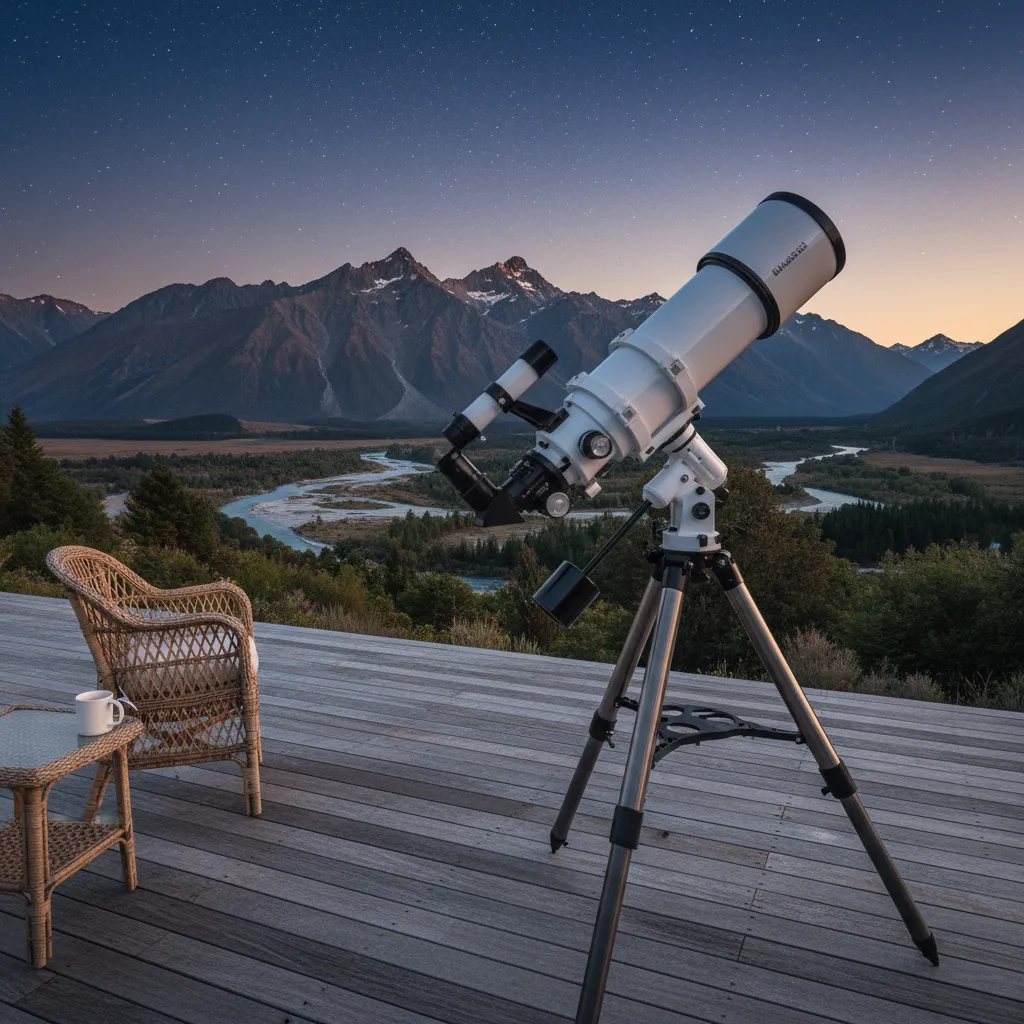
If your goal is to capture images of the Aurora Australis or wide-field nebulas, a high-quality Apochromatic (APO) Refractor is preferred. These are lighter, require less maintenance (no collimation), and mount easily on star trackers.
Warranty and Support Considerations
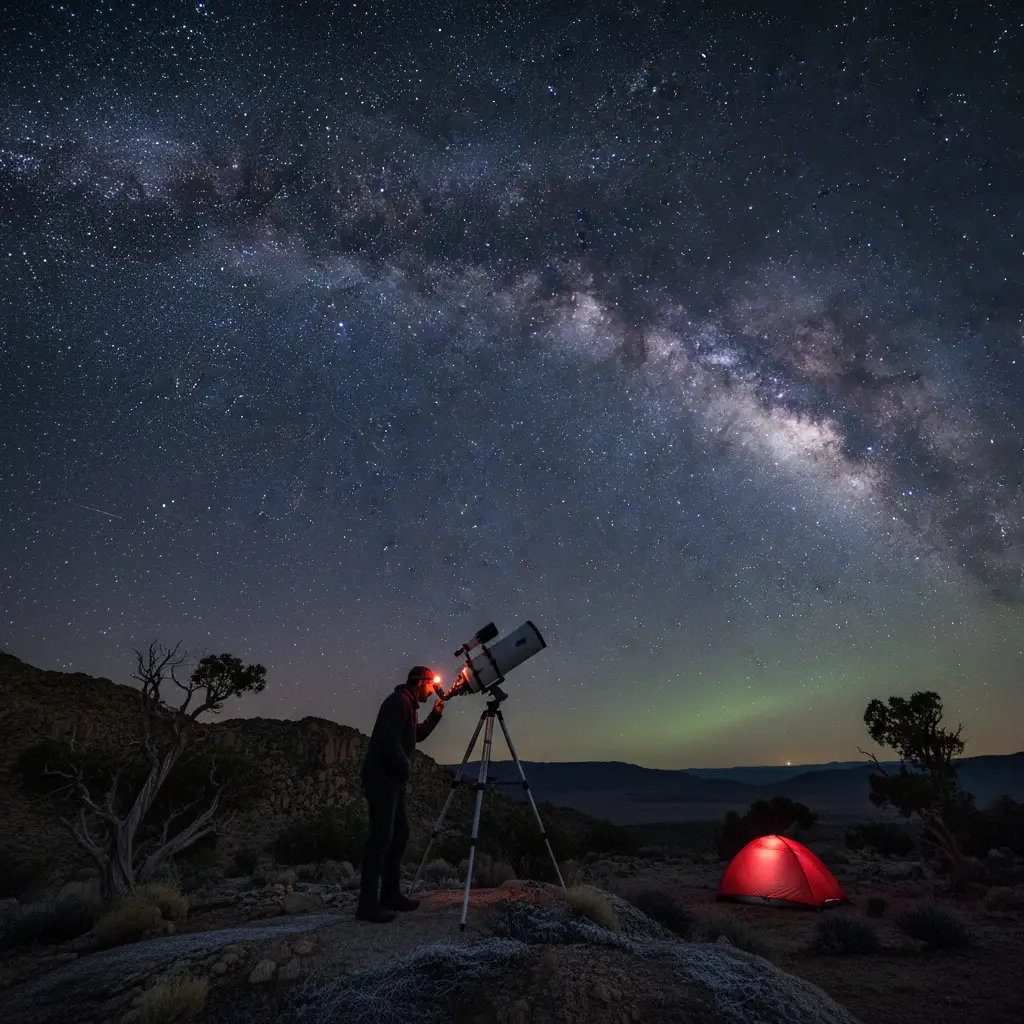
Telescopes are precision instruments that require calibration. This is where the “after-sales” value of a local purchase becomes apparent.
Collimation and Maintenance
Reflector telescopes (Newtonians and Dobsonians) require collimation—the alignment of the primary and secondary mirrors. While this can be done at home, beginners often struggle with it. Many reputable NZ telescope shops offer collimation services or can guide you through the process over the phone. An overseas retailer cannot help you align your optics.
Handling Defects
Optical defects, such as astigmatism in the lens or pinched optics, may not be immediately obvious to a novice. If you purchase from a specialized NZ astronomy shop, they often inspect units or can verify a defect quickly. Under the CGA, you have the right to a repair, replacement, or refund. Dealing with an international warranty claim often involves shipping the unit back to the country of origin, a process that is often cost-prohibitive.
Shipping Fragile Optics: What You Need to Know
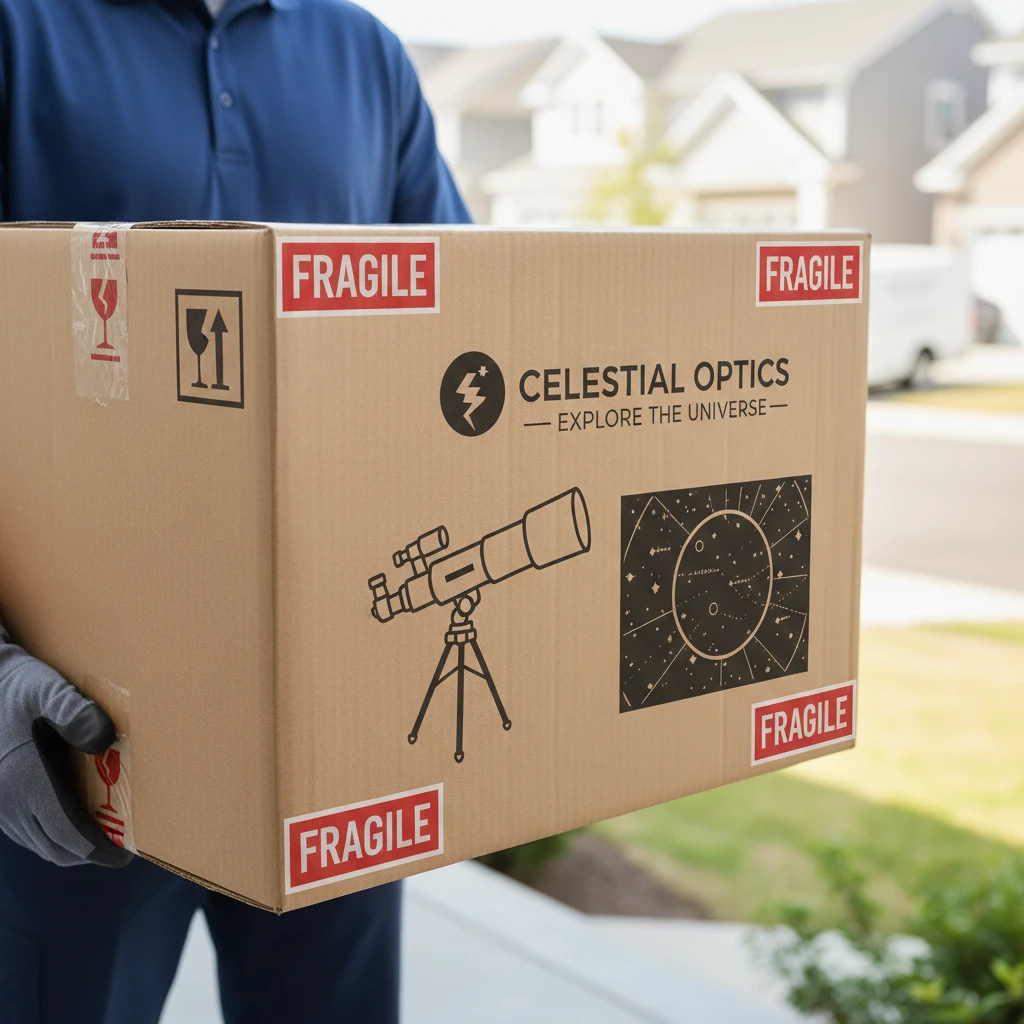
Shipping a glass tube across the rugged terrain of New Zealand requires care. When you purchase a telescope online in NZ, pay close attention to the shipping method.
Courier vs. Freight
Small telescopes (refractors) can travel via standard couriers (NZ Post, CourierPost). However, large Dobsonians often come in two large boxes and may require specialized freight forwarding (like Mainfreight) to ensure they are not thrown around in sorting hubs.
Inspection Upon Delivery
Crucial Step: When the courier arrives, inspect the box for external damage before signing. If the box is crushed, punctured, or rattled, sign for it as “Damaged” or refuse delivery. Once you sign for a package as “Good Condition,” it becomes significantly harder to claim insurance for transit damage.
Navigating the Second-hand Market in NZ
Because high-end telescopes are durable, the second-hand market is a viable option for budget-conscious buyers. Platforms like TradeMe and Facebook Marketplace often list telescopes.
What to Watch For
- Mirror Fungus: In New Zealand’s humid climate, optics stored in damp garages can develop fungus. This etches the glass and ruins the coatings. Always ask for a photo of the mirror surface looking down the tube.
- The “Department Store” Trap: Avoid cheap telescopes often found on TradeMe with claims of “600x Magnification.” These are usually low-quality toys. Stick to brands like Sky-Watcher, GSO, Celestron, and Meade.
- NZ Astronomy Forums: The best deals are often found on dedicated forums like the Royal Astronomical Society of New Zealand (RASNZ) buy/sell pages, where enthusiasts care for their gear meticulously.
Maramataka and Aurora Tourism
The resurgence of interest in Maramataka (the Māori lunar calendar) and the booming Aurora tourism industry in the South Island has changed the telescope market. Buyers are no longer just looking for scientific instruments; they are looking for cultural connectors.
Equipment for the Aurora Australis
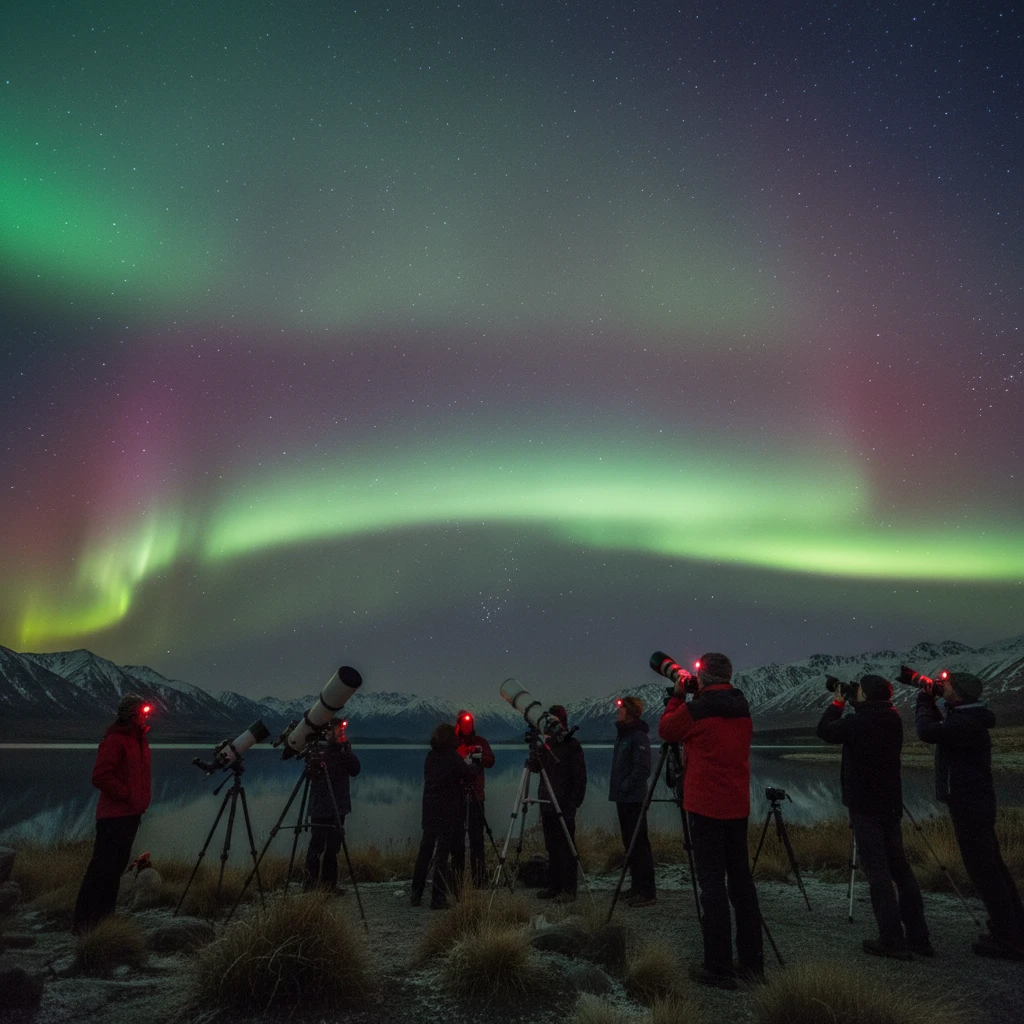
It is important to note that you do not typically use a high-magnification telescope to view the Aurora. The Aurora covers a massive portion of the sky. For Aurora enthusiasts, the best “purchase” is actually a sturdy tripod and a DSLR camera, or a wide-field binocular. However, many Aurora tourists purchase wide-field telescopes (short focal length refractors) to view the star fields within the Aurora or to observe the planets while waiting for the lights to appear.
Frequently Asked Questions
What is the best telescope for beginners in NZ?
For most beginners in New Zealand, an 8-inch Dobsonian (Sky-Watcher or GSO) is the best balance of price, performance, and ease of use. It provides enough light gathering to see faint galaxies in our dark skies but is simple enough to set up in minutes.
How much does a good telescope cost in NZ?
A high-quality entry-level telescope typically costs between NZD $600 and $1,200. While you can find cheaper models, they often have unstable mounts or poor optics that lead to frustration. A solid Dobsonian usually starts around the $800 mark.
Can I see the Aurora Australis with a telescope?
Generally, no. Telescopes have a narrow field of view, while the Aurora is a wide-sky phenomenon. Telescopes are better used for viewing specific objects like planets or nebulas. To view the Aurora, use your naked eye or wide-field binoculars.
Is it cheaper to import a telescope to NZ from Amazon?
It rarely works out cheaper for large telescopes once you factor in the high shipping costs for heavy items, the 15% GST charged at the border, and the lack of a valid local warranty. Small accessories might be cheaper, but optical tubes are risky to import.
Where is the best place to buy telescopes in Auckland?
Auckland has several reputable dealers. Jacobs Digital on Dominion Road is a well-known stockist of Celestron and other major brands. Additionally, the Stardome Observatory shop offers beginner-friendly equipment vetted by astronomers.
Do I need a computerized mount for astrophotography?
Yes. If you intend to take long-exposure photos of deep-sky objects, you need an equatorial mount with a motor drive to track the rotation of the earth. A manual telescope (like a standard Dobsonian) is not suitable for long-exposure photography.