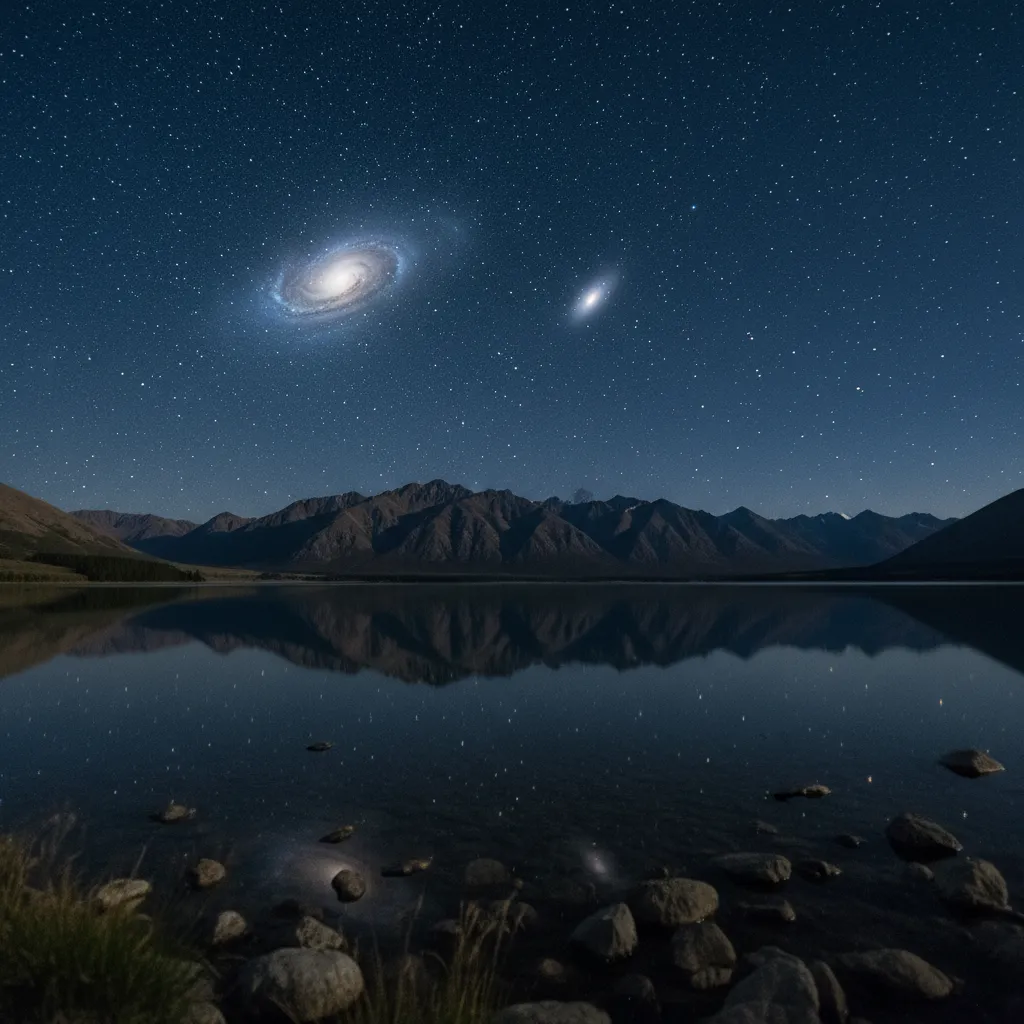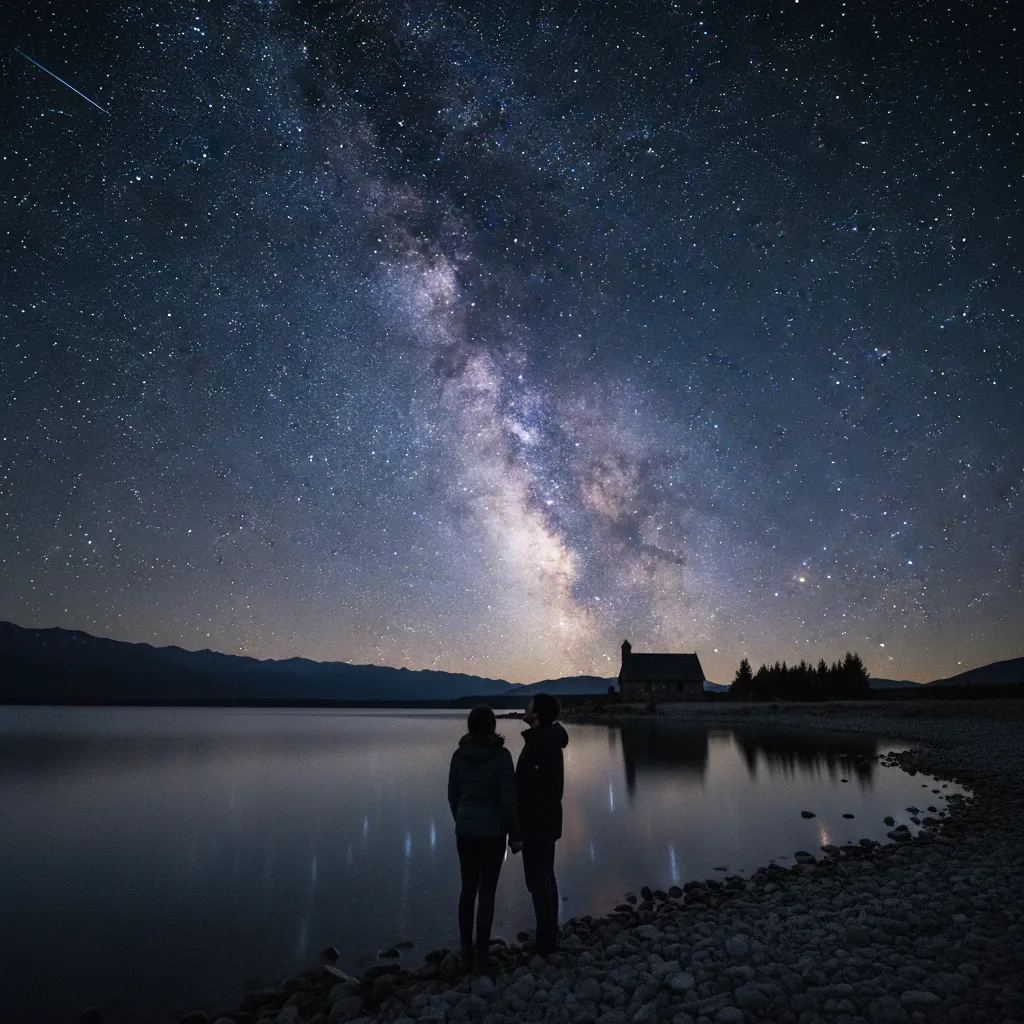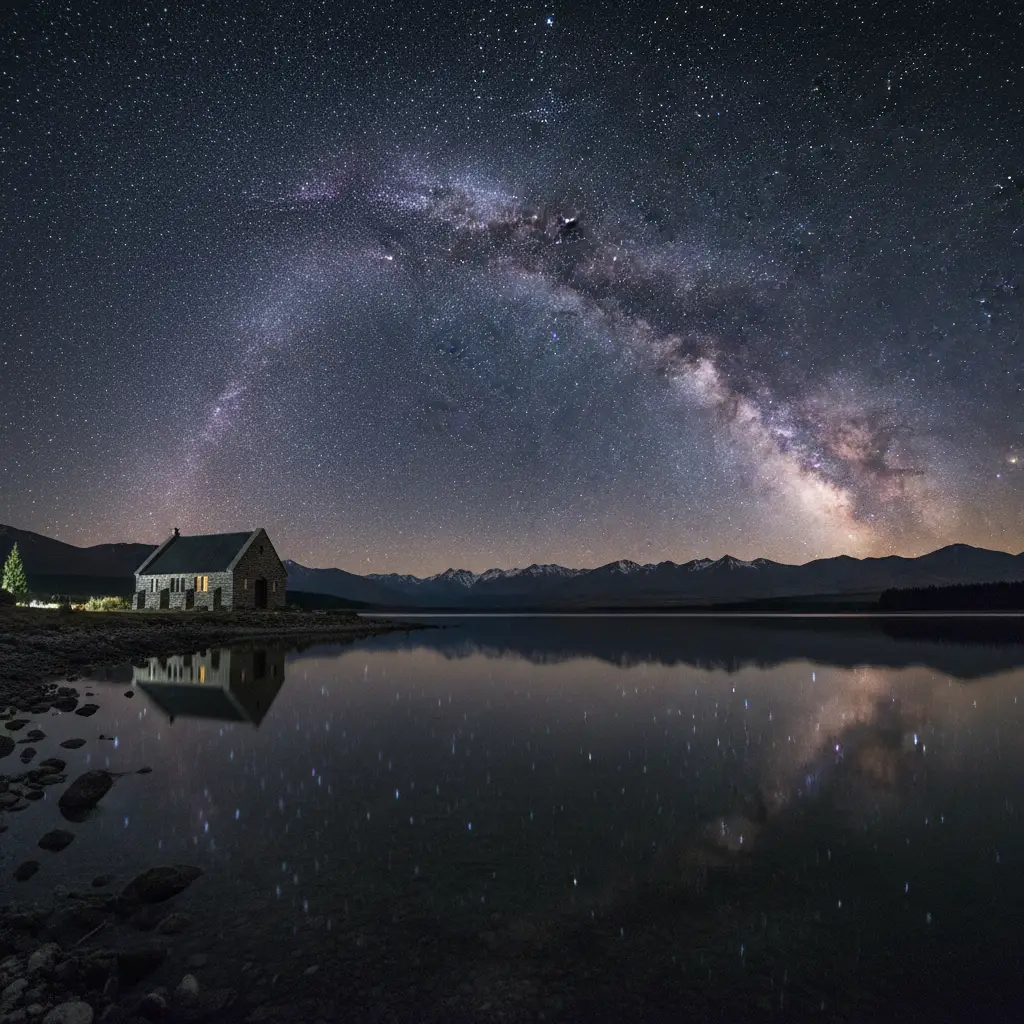
The Milky Way Core season in New Zealand runs primarily from late February through October. The galactic center rising nz phenomenon begins in the early mornings of Autumn, appearing in the South-East. By mid-winter (June-July), the core is visible overhead throughout the night, before transitioning to an evening setting in the South-West during Spring.
Understanding the New Zealand Milky Way Season
New Zealand is widely recognized as one of the premier locations on Earth for astrophotography. Due to its isolated geography, low light pollution, and high southern latitude, the visibility of the Milky Way—specifically the bright, dust-lane-rich Galactic Core—is unparalleled. However, seeing the core is not a year-round possibility; it requires specific alignment between Earth and the center of our galaxy.
The “season” refers to the months when the Galactic Center is visible in the night sky. During the off-season (November to January), the core is above the horizon during the day, obscured by the sun. For astrophotographers and stargazers chasing the galactic center rising nz events, understanding the transition from the “Early Season” to the “Late Season” is critical for planning successful observation sessions.
The Early Season: The Graveyard Shift (February – April)
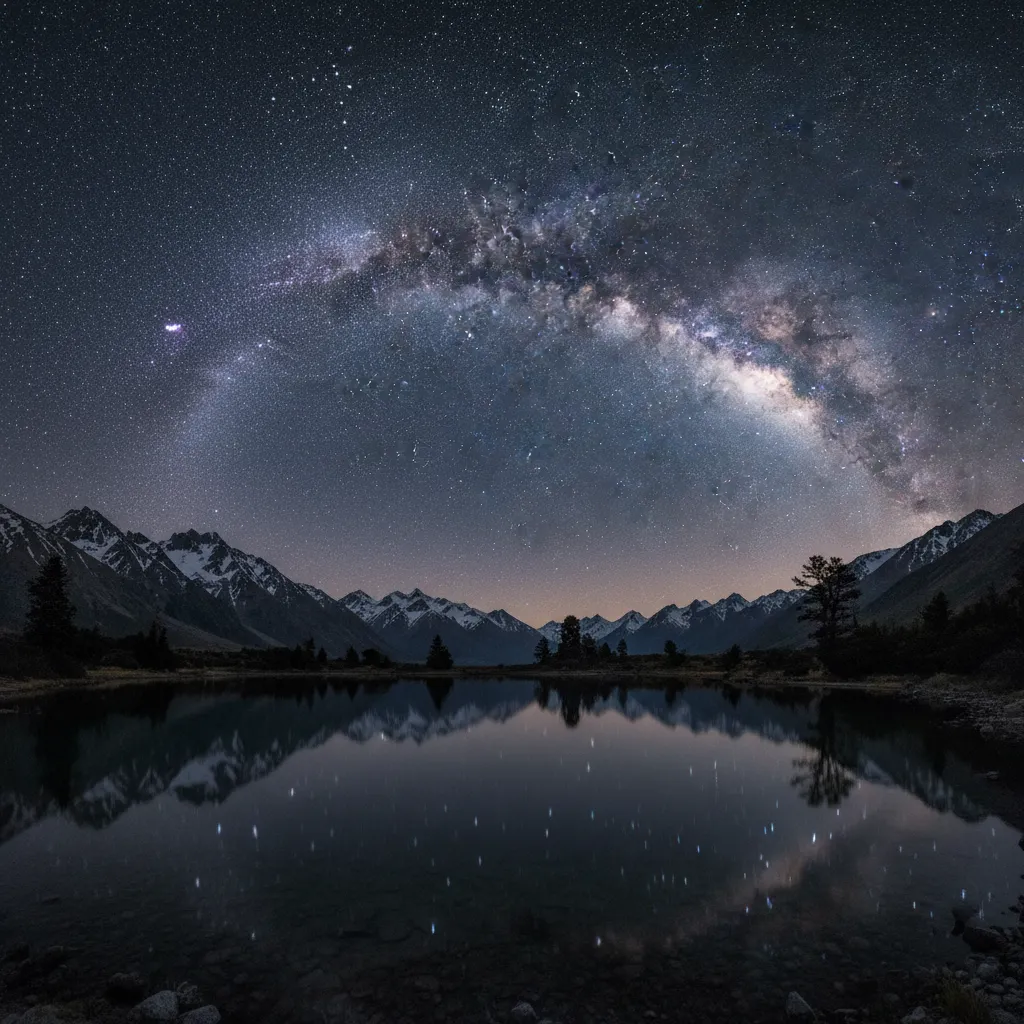
The season officially kicks off in late February. At this time of year, the core rises in the South-East very early in the morning, typically between 3:00 AM and 5:00 AM. This period is often referred to by astrophotographers as the “Graveyard Shift” because it requires waking up well before dawn.
During these autumn months, the Milky Way appears as a low, sweeping arch across the eastern horizon. This is the prime time for capturing panoramic images where the entire arch frames a landscape, such as the coastline of the Catlins or the peaks of Aoraki/Mount Cook. The core will be low on the horizon, rising rapidly as the sun begins to brighten the sky (astronomical twilight).
Peak Season: Mid-Winter Clarity (May – July)
As New Zealand moves into winter, the core rises earlier each night. By June and July, the Galactic Center is already visible as soon as true darkness falls. This is arguably the best time for casual stargazers because you do not need to stay up late or wake up early.
In mid-winter, the Milky Way stretches directly overhead (the zenith) for much of the night. The cool, crisp winter air often provides the best atmospheric clarity (seeing conditions), assuming you can brave the sub-zero temperatures common in the Mackenzie Basin or Central Plateau. This is when the core is most prominent, displaying the dark dust lanes often called the “Great Rift.”
Late Season: The Vertical Descent (August – October)
By Spring, the dynamic changes again. The core is already high in the sky at sunset and begins its descent towards the South-West shortly after dark. During September and October, the Milky Way often appears vertical, plunging straight down into the horizon. This vertical orientation is fantastic for composition, allowing photographers to align the galaxy with lighthouses, trees, or mountain peaks. By late October, the core sets so soon after sunset that the season effectively concludes.
Monthly Schedule: When to Shoot
To successfully capture the galactic center rising nz, timing is everything. The rising times shift by approximately four minutes earlier each day. Below is a general guide for the best viewing times based on the middle of each month (times vary slightly depending on your specific latitude in NZ, e.g., Auckland vs. Invercargill).
February (Late)
Visibility Window: 4:00 AM to 5:30 AM
Direction: South-East
Notes: The core just peeks above the horizon before dawn light interferes. Requires a very low horizon line (like the ocean).
March
Visibility Window: 2:00 AM to 5:30 AM
Direction: South-East to East
Notes: The arch becomes more defined. A classic time for the “Milky Way Arch” panorama.
April
Visibility Window: 12:00 AM (Midnight) to 5:30 AM
Direction: South-East rising, moving North-East
Notes: Excellent balance between viewing hours and comfortable temperatures before deep winter sets in.
May
Visibility Window: 10:00 PM to 5:30 AM
Direction: Rising East, transiting overhead
Notes: The core is visible for the majority of the night.
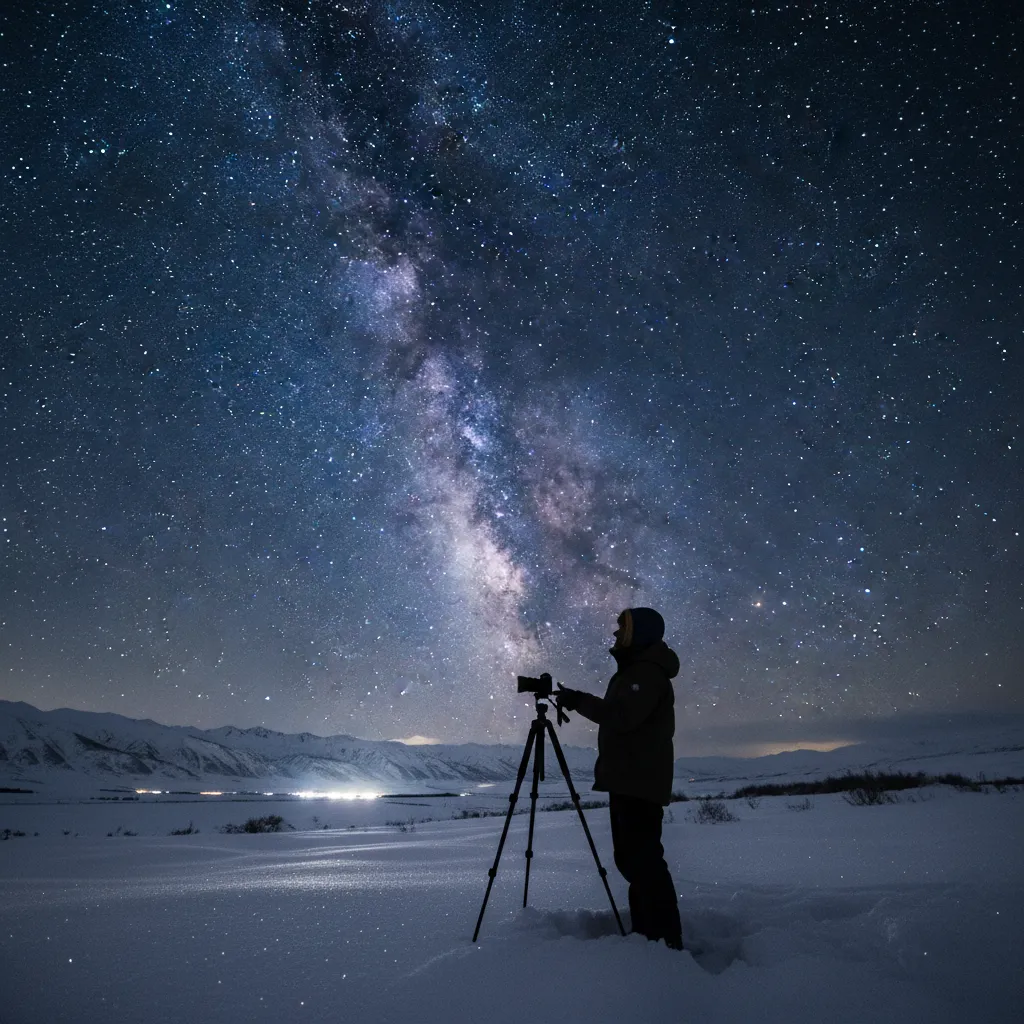
June & July (Peak Winter)
Visibility Window: 6:30 PM (Sunset) to 4:00 AM
Direction: Overhead / Zenith
Notes: Longest nights of the year (Matariki season). The core is incredibly bright and high.
August
Visibility Window: 7:00 PM to 2:00 AM
Direction: West / South-West
Notes: The core begins to set earlier. Good for vertical compositions.
September
Visibility Window: 8:00 PM to 12:00 AM
Direction: South-West
Notes: The window shortens significantly. The core sets around midnight.
October
Visibility Window: 9:00 PM to 10:30 PM
Direction: South-West
Notes: The end of the season. The core is only visible for a brief hour after twilight before dipping below the horizon.
Maramataka and Cultural Significance
In Aotearoa New Zealand, the night sky holds profound cultural significance. The observation of celestial bodies is central to Maramataka (the Māori lunar calendar) and Tātai Arorangi (Māori astronomy).
While modern astrophotographers focus on the “Galactic Core,” Māori narratives often view the Milky Way as Te Ika-a-Rōrangi (The Fish of the Sky) or Te Waka o Tamarereti (Tamarereti’s Canoe). The dark dust lanes within the core, which obscure the stars behind them, are particularly significant. In contrast to Western astronomy which connects the dots of bright stars, many Southern Hemisphere indigenous cultures, including Māori, recognize the “Dark Cloud Constellations.”
The most famous of these is the Great Emu in the Sky (common in Aboriginal Australian astronomy) or the various dark shapes recognized in Māori lore. Furthermore, the rising of the star cluster Matariki (Pleiades) in mid-winter marks the Māori New Year. While Matariki is separate from the Galactic Core, they are often viewed in the same sky during the peak winter months (June/July), making this period a culturally rich time for sky observation.
Composition Ideas for NZ Landscapes
New Zealand offers diverse foregrounds that can elevate a standard star shot into a world-class landscape photograph. Because the position of the galactic center rising nz changes, your composition strategy must adapt to the month.
1. The Coastal Arch (Feb – April)
In the early season, the Milky Way forms a low arch. Head to the East Coast (e.g., Nugget Point Lighthouse, Castlepoint, or Moeraki Boulders). The goal is to capture the full 180-degree arch rising out of the ocean. This usually requires shooting a multi-row panorama.
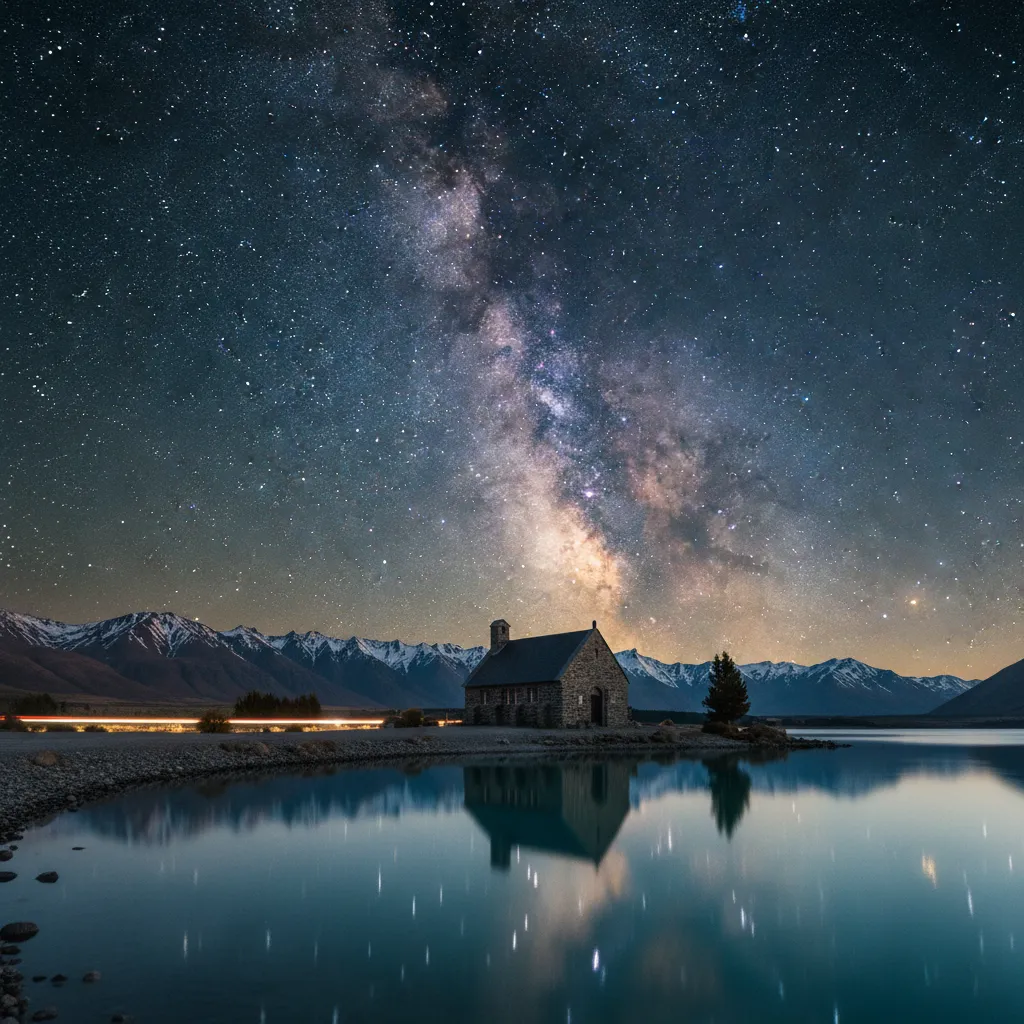
2. The Alpine Reflection (May – June)
As the core rises higher, it sits beautifully over the Southern Alps. Locations like Lake Matheson, Lake Tekapo, or the Hooker Valley Track are ideal. The lack of wind on winter nights often allows for perfect star reflections in the glacial lakes.
3. The Vertical Alignment (August – October)
In late season, the Milky Way stands straight up. This is perfect for “leading lines.” Use a road (like the road to Mount Cook), a jetty, or a vertically oriented rock formation. Align the vertical Milky Way so it looks like it is erupting from the subject.
Technical Guide: Gear and Settings
Capturing the faint light of the galactic core requires specific equipment and settings. You do not need the most expensive camera, but you do need equipment capable of manual operation.
Essential Gear
- Camera: A Full-frame DSLR or Mirrorless camera is preferred for better low-light performance (ISO handling), though modern crop-sensor cameras are very capable.
- Lens: A wide-angle lens (14mm to 24mm) with a fast aperture. An aperture of f/2.8 is the standard, but f/1.8 or f/1.4 is even better for letting in more light.
- Tripod: A sturdy tripod is non-negotiable. Long exposures require the camera to be perfectly still.
Starting Settings
Every night is different, but these settings provide a solid baseline for New Zealand skies:
- Aperture: f/2.8 (or as wide as your lens goes).
- ISO: 3200 to 6400. Don’t be afraid of high ISO; it’s necessary to capture the dust lanes.
- Shutter Speed: Use the “500 Rule” or “NPF Rule” to calculate this. Generally, for a 14mm lens, 20-25 seconds is safe. Any longer, and the rotation of the earth will cause the stars to trail (blur).
- Focus: Manual focus is essential. Set your lens to manual and focus on a bright star using Live View magnification until it is a sharp point of light.
Using Apps to Track the Core
You cannot see the galactic core with the naked eye until your eyes have dark-adapted (usually 20 minutes), and even then, it looks like a faint cloud. Cameras reveal the color and detail. To know exactly where the galactic center rising nz will occur, use planning apps.
Recommended Apps
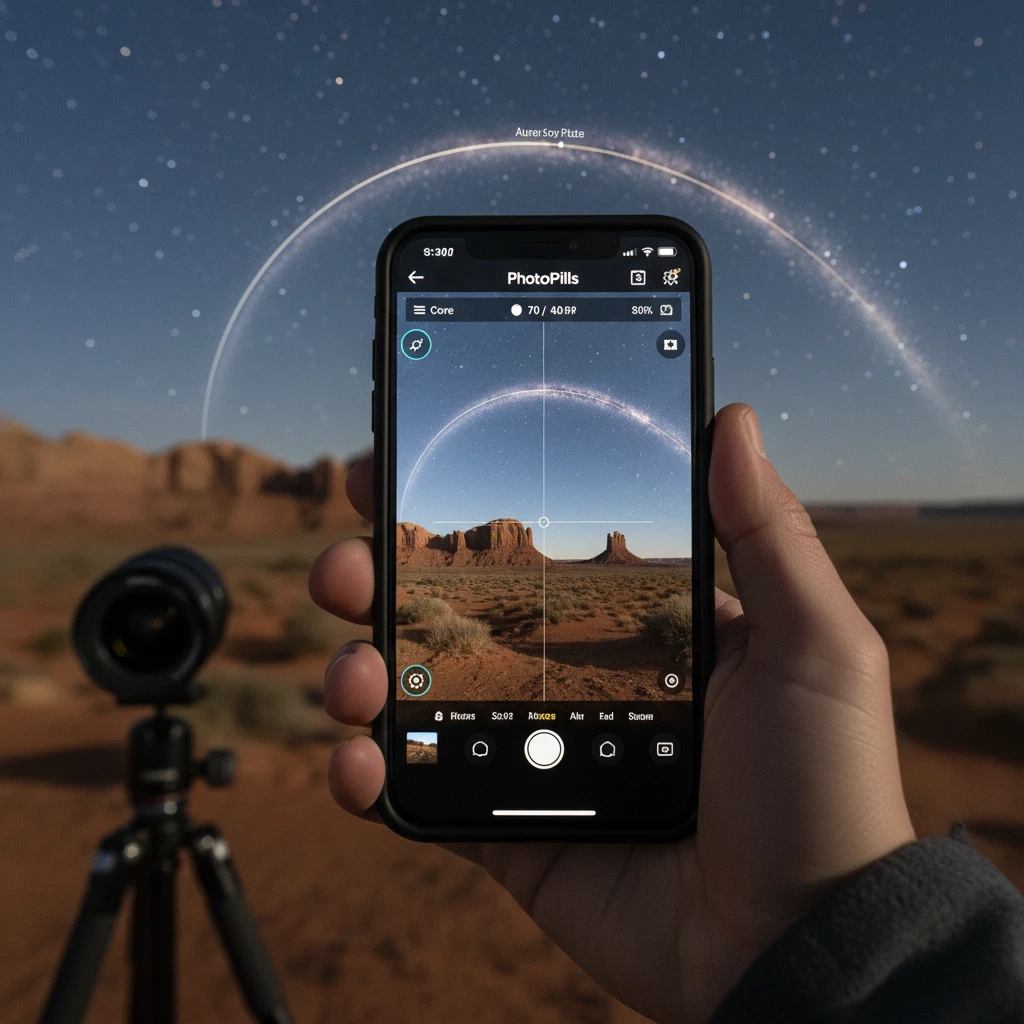
PhotoPills: The gold standard for astrophotographers. It features a “Night AR” mode where you can hold your phone up to the landscape and see exactly where the Milky Way will rise and set at any future date and time.
Stellarium Mobile: A fantastic planetarium app that helps you identify stars and visualize the night sky. It is excellent for checking the position of the moon.
The Moon Phase Factor
Even if the season is right, the moon can ruin the view. A full moon is bright enough to wash out the details of the Milky Way, making it invisible. Always plan your shoots around the New Moon (when the moon is not visible) or times when the moon has set. The window of 4-5 days before and after the New Moon is the “safe zone” for astrophotography.
Frequently Asked Questions
When is the best time to see the Milky Way in New Zealand?
The best time to view the Milky Way core is during the New Moon phase between late February and October. June and July offer the longest viewing windows as the core is visible for most of the night, while February requires early morning viewing and October requires evening viewing.
Where does the Galactic Center rise in New Zealand?
The Galactic Center rises in the South-East. In the early season (Autumn), it stays low in the eastern sky. As the year progresses, it moves higher towards the North/Zenith, eventually setting in the South-West.
Can I see the Milky Way with my naked eye in NZ?
Yes, absolutely. New Zealand has some of the darkest skies in the world. Once your eyes adjust to the dark (approx. 20 mins), the Milky Way looks like a distinct, cloudy band of light stretching across the sky. You won’t see color (eyes can’t detect color in low light), but you will see the structure.
What is the best month for astrophotography in NZ?
Many photographers prefer June or July (Winter). Although it is cold, the air is crisp (less haze), the nights are long, and the core is high in the sky, allowing for clear shots away from light pollution on the horizon.
Do I need a star tracker to photograph the Milky Way?
No, a star tracker is not required for single-exposure wide-angle shots. However, a tracker allows you to shoot much longer exposures (1-4 minutes) at lower ISOs without star trails, resulting in cleaner, more detailed images.
How do I find dark sky locations in New Zealand?
Look for Dark Sky Sanctuaries or Reserves. The Aoraki Mackenzie International Dark Sky Reserve (Tekapo/Mt Cook) is world-famous. Other great spots include Great Barrier Island, Stewart Island/Rakiura, and the Wairarapa Dark Sky Reserve.