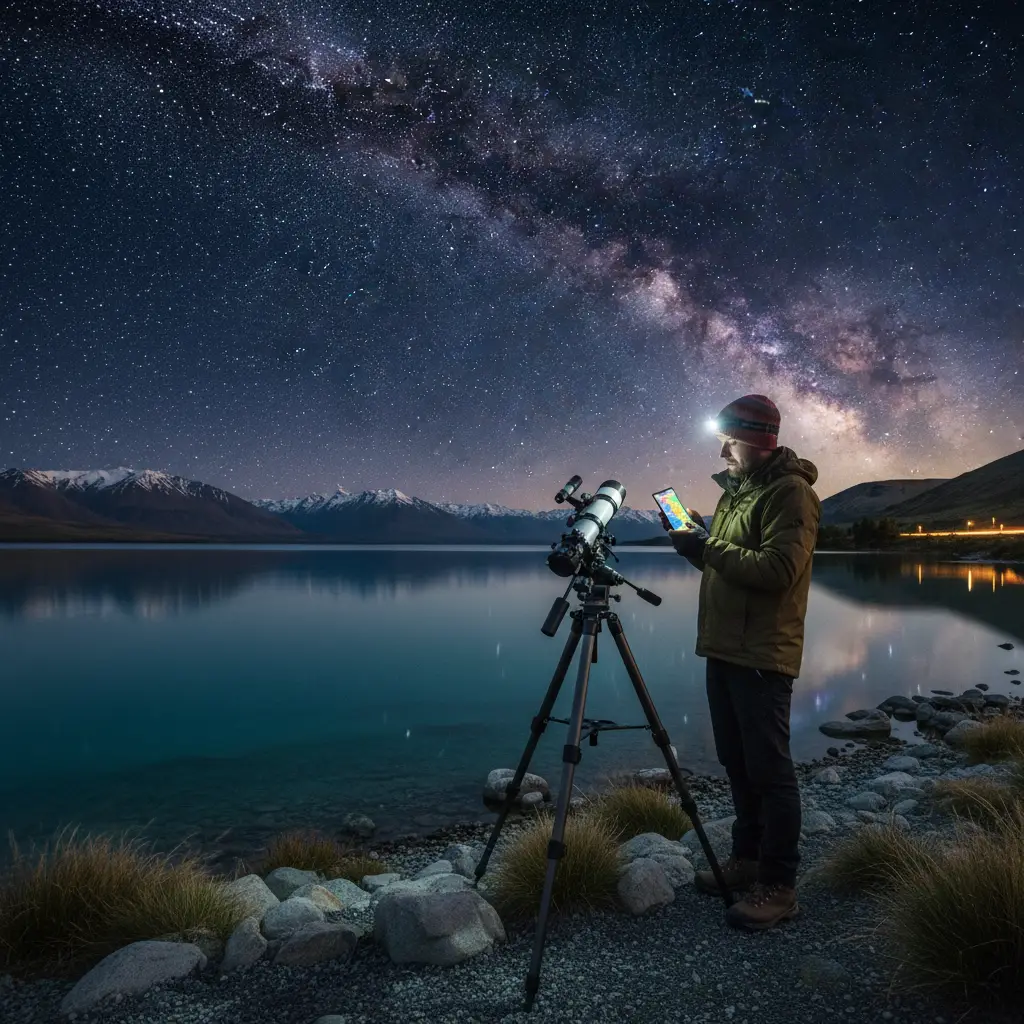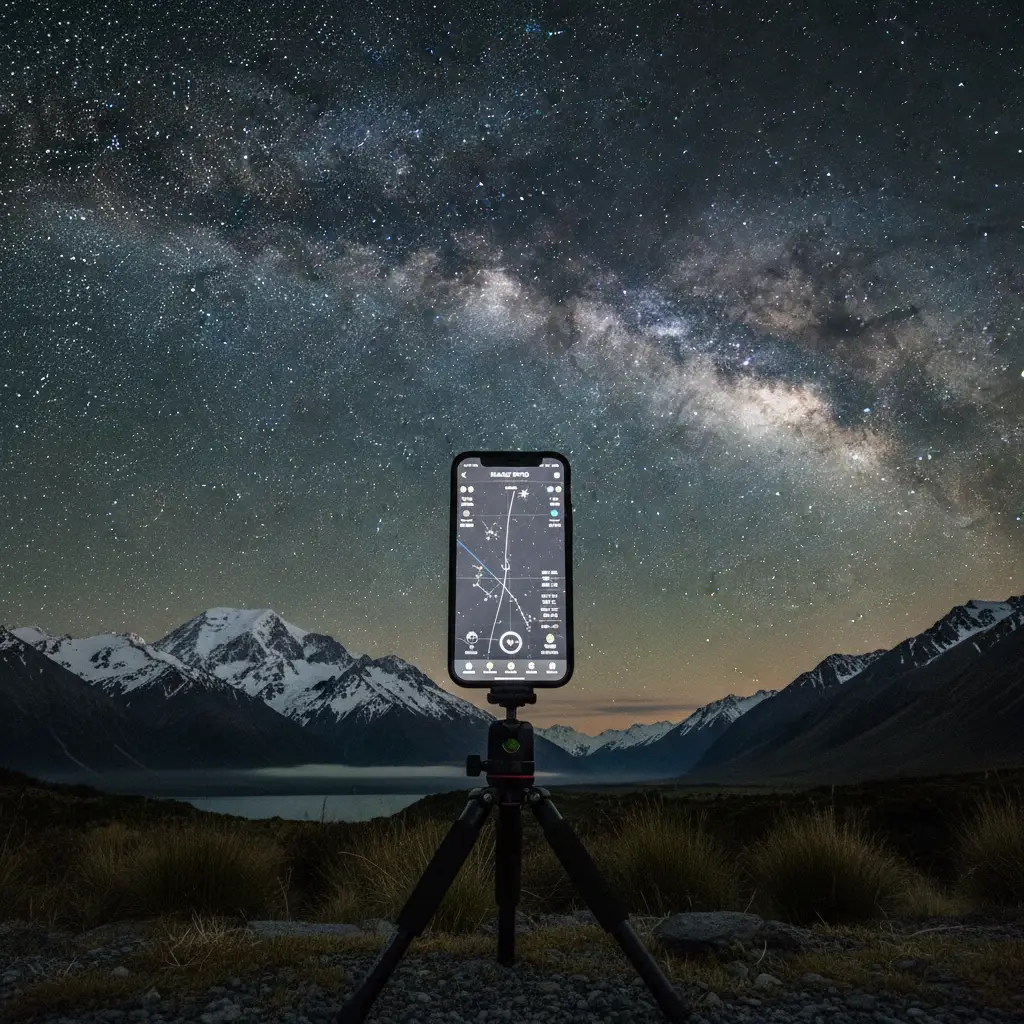
Subscribing to moon phase notifications allows users to receive automated, real-time alerts regarding the current lunar cycle, illumination percentage, and tidal shifts. These services are essential for New Zealand astronomers, anglers, and Maramataka practitioners, ensuring they never miss critical events like the New Moon, Full Moon, or optimal planting and fishing windows.
Whether you are a landscape photographer chasing the perfect light, a gardener adhering to the ancient wisdom of the Maramataka, or an aurora hunter seeking the darkest skies, staying synchronized with the lunar cycle is paramount. In New Zealand, where our connection to the ocean and the night sky is deeply ingrained in our lifestyle, having precise astronomical data delivered directly to your device transforms how you plan your days and nights.
Why Subscribe to Moon Phase Notifications?
In a world driven by digital calendars and artificial lighting, it is easy to lose touch with the natural rhythms of the celestial bodies. However, for many professionals and enthusiasts in New Zealand, the moon is not merely a night-light; it is a clock, a calendar, and a tide-maker. When you subscribe to moon phase notifications, you are effectively syncing your schedule with the natural world.
The transactional value of these alerts lies in their predictive power. Instead of reacting to environmental conditions, you can plan ahead. For the marine sector, knowing the exact moment of a King Tide can prevent property damage or signal the perfect time to launch a boat. For the agricultural sector, specifically those utilizing biodynamics or Maramataka, the moon dictates the flow of sap in plants and the energy levels of the soil.
Benefits for Astronomers and Stargazers
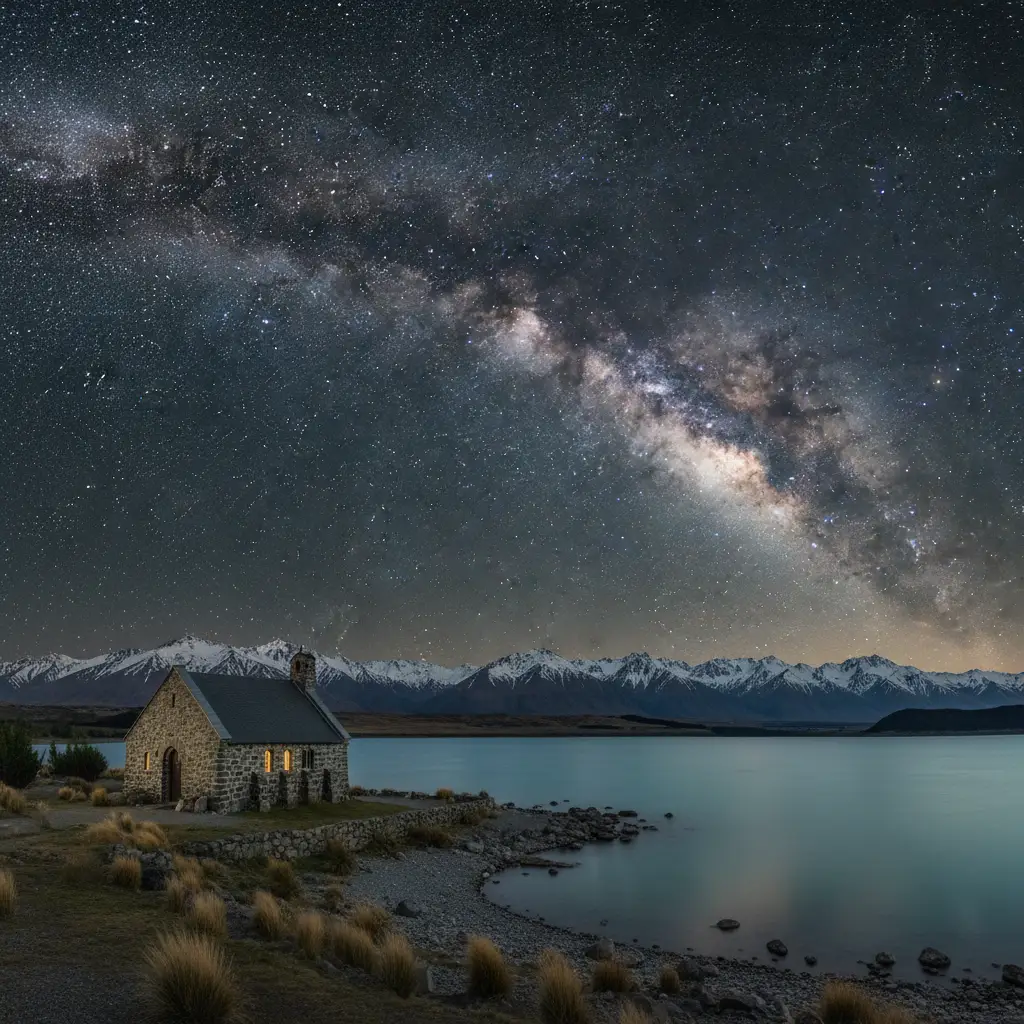
New Zealand boasts some of the darkest skies in the world, with dedicated Dark Sky Sanctuaries in places like Tekapo and Great Barrier Island. However, light pollution isn’t just man-made; the moon is the greatest natural light polluter. A Full Moon washes out deep-sky objects, making it impossible to view faint nebulae or galaxies. By subscribing to alerts, you receive notifications for the New Moon phase—the prime window for astrophotography and deep-sky observation.
The Angler’s Advantage
It is common knowledge among Kiwi fishermen that solunar activity influences fish behavior. The gravitational pull of the moon affects not just the tides, but the feeding habits of marine life. Major feeding times often coincide with moonrise and moonset. An automated notification service ensures that you are alerted to these “major” and “minor” periods, allowing you to hit the water exactly when the bite is on, rather than guessing based on outdated almanacs.
The Daily Moon Phase Widget & Tools
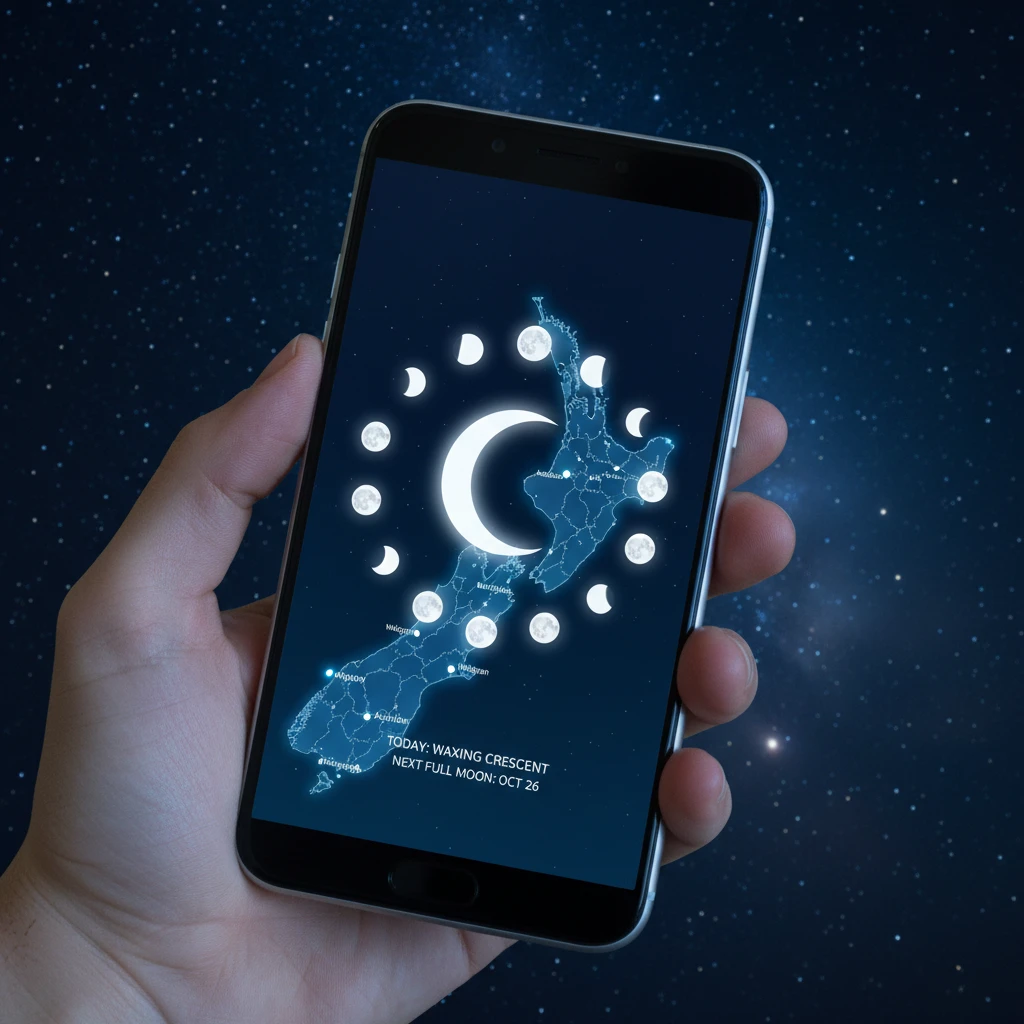
Modern technology has moved beyond static calendars. Our suite of tools includes a dynamic Daily Moon Phase Widget designed for seamless integration into your digital life. This tool provides more than just a visual representation of the moon; it offers hard data required for precision planning.
Key metrics provided by comprehensive moon phase tools include:
- Illumination Percentage: Knowing whether the moon is 98% illuminated versus 50% is crucial for night photography.
- Moon Age: Measured in days since the last New Moon, helping track the exact point in the synodic month.
- Rise and Set Times: Precise timing for when the moon will breach the horizon, adjusted for New Zealand’s specific longitude and latitude.
- Distance (Perigee/Apogee): Alerts when the moon is closest to Earth (Supermoon), resulting in larger tides and brighter nights.
When you seek to subscribe to moon phase notifications, ensure the provider offers a widget that updates in real-time, correcting for Daylight Saving Time automatically—a frequent pain point in static astronomical tables.
Tide Times for Major NZ Harbours
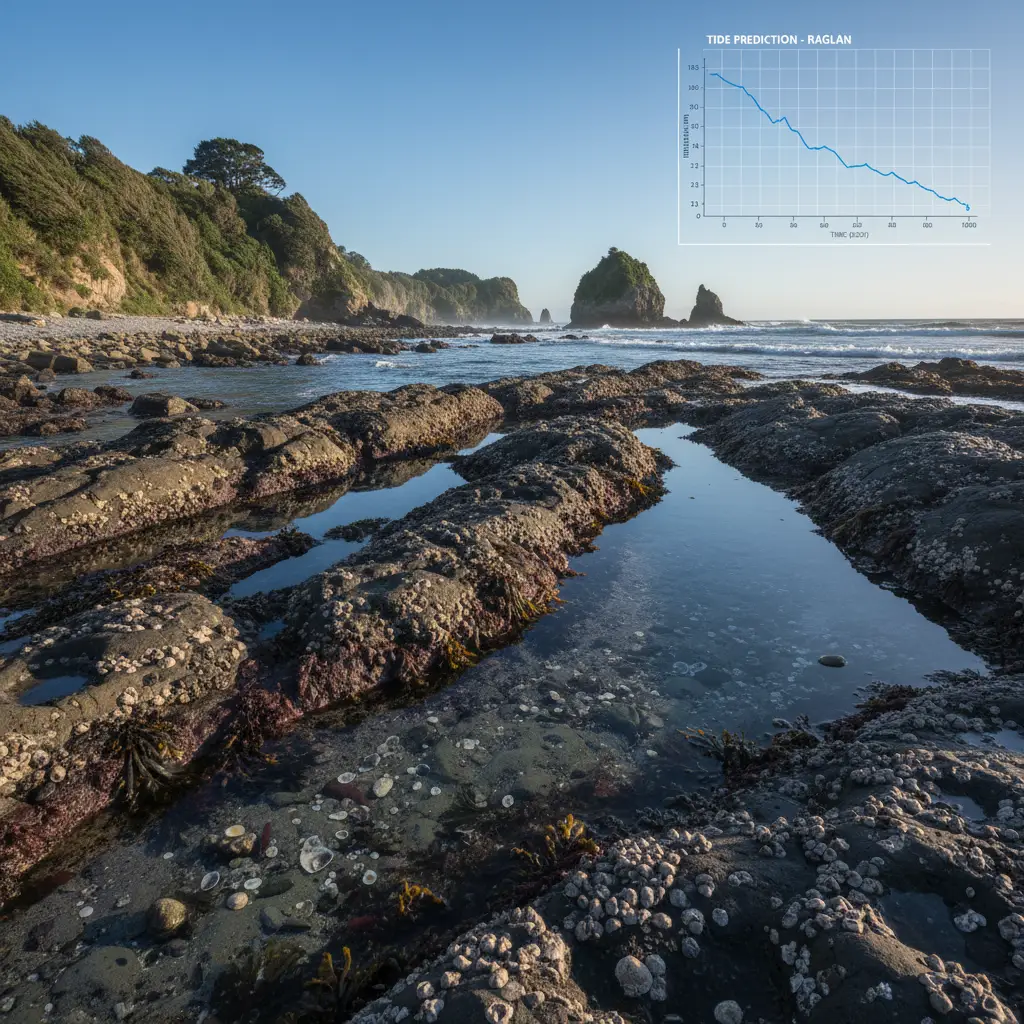
The moon’s gravitational force is the primary driver of Earth’s tides. For an island nation like New Zealand, with thousands of kilometers of coastline, tide data is critical safety information. Our notification system couples lunar data with hydrological predictions to provide accurate tide times for all major harbours.
Coverage Areas
We provide granular data for key maritime hubs including:
- Waitematā Harbour (Auckland): Essential for commuters, recreational boaters, and the Ports of Auckland logistics.
- Wellington Harbour: Critical for Cook Strait ferry crossings and recreational diving on the south coast.
- Lyttelton & Otago Harbours: Supporting the South Island’s commercial shipping and fishing fleets.
- Manukau Harbour: Known for its treacherous bar crossing, where precise tide and swell knowledge is a matter of life and death.
High and Low Tide Alerts
Subscribers can customize their alerts to receive “Tide-to-Go” notifications. For example, a surfer might set an alert for “2 hours before High Tide” at Piha to catch the best break, while a fisherman might want an alert for “Dead Low Tide” to gather bait or harvest shellfish (kai moana) safely.
Integration with Maramataka: Te Ao Māori
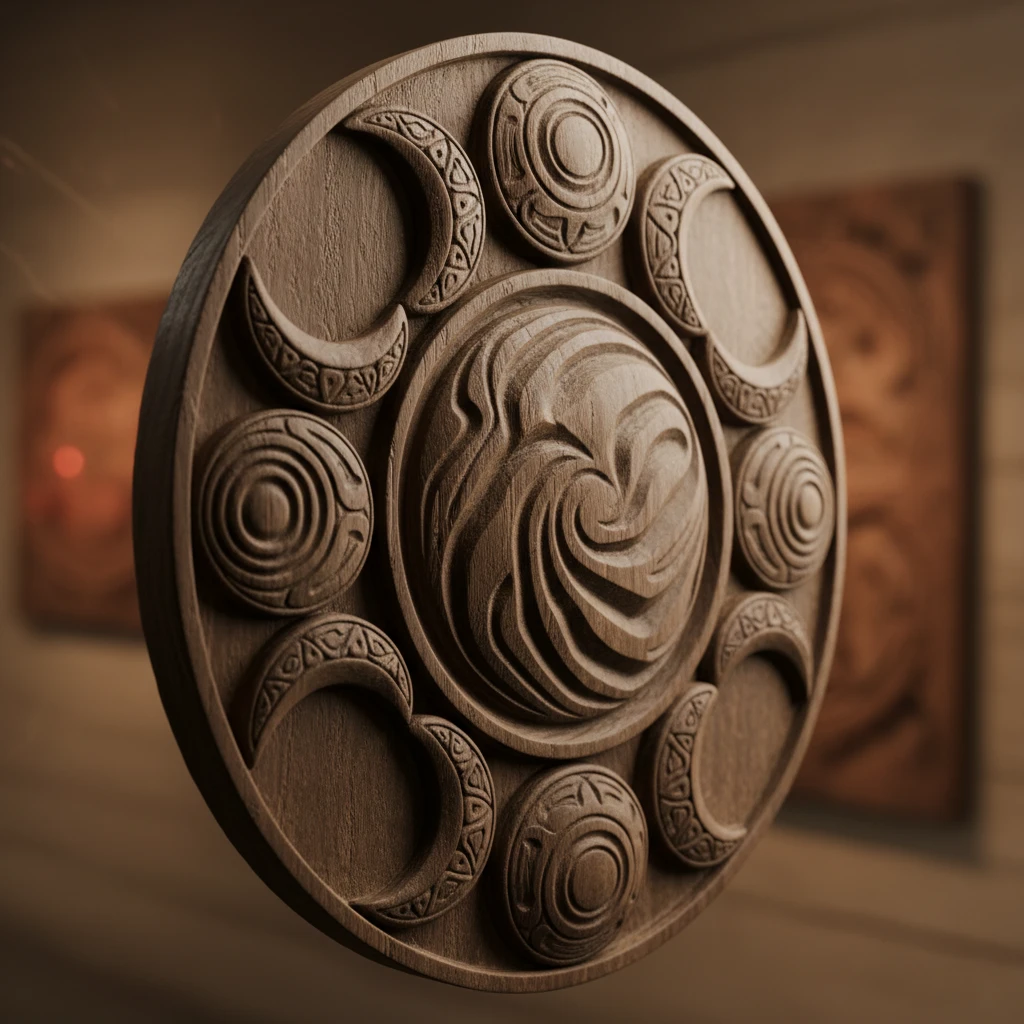
One of the most unique and valuable aspects of our New Zealand-focused service is the integration with the Maramataka—the traditional Māori lunar calendar. Unlike the Gregorian solar calendar, the Maramataka is attuned to the environment’s subtle cues, using the moon’s phases to guide daily activities.
The Maramataka is not a single calendar but varies slightly between iwi (tribes) based on their local geography. However, the core principles remain consistent. By subscribing to our Maramataka-integrated notifications, you gain insight into the energy of the day.
Key Phases for Kai and Ika
Our notifications translate traditional knowledge into actionable alerts:
- Rākaunui (Full Moon): High energy. A productive time for gardening and planting, as water tables are high.
- Whiro (New Moon): Low energy. A time for rest, reflection, and planning. Often considered poor for fishing but excellent for eel catching in some traditions.
- Tangaroa Phases: Located in the last quarter, these days are renowned for being the most productive for fishing. A notification here signals it is time to prepare the boat.
- Tamatea: Known for unpredictable weather and changing winds. An alert for Tamatea warns users to exercise caution on the water.
This integration bridges the gap between ancient wisdom and modern convenience, allowing you to live in accordance with the environment.
Our Email Subscription Service Features
To fully leverage this data, a passive approach is insufficient. You need the data pushed to you. Our email subscription service is designed to be the “set and forget” solution for astronomical awareness. When you subscribe to moon phase notifications with us, you are configuring a personal astronomical assistant.
Customization and Granularity
We understand that a generic “Full Moon” email is not enough for serious users. Our platform allows for deep customization:
- Frequency Control: Choose between Daily Briefings, Weekly Outlooks, or Event-Specific Alerts (e.g., only notify on New Moons and King Tides).
- Location Targeting: Input your GPS coordinates or select your nearest NZ town to receive azimuth and elevation data specific to your horizon.
- Thematic Filters: Select your interest group—Gardening, Fishing, Photography, or Astronomy—to curate the tips included in your newsletter.
Delivery and Reliability
We utilize enterprise-grade email infrastructure to ensure high deliverability. Critical alerts, such as Tsunami warnings triggered by seismic activity (often correlated with tidal surges), or rare astronomical events like eclipses, are prioritized to land in your primary inbox, not the spam folder.
Optimizing for Aurora Australis Hunting
New Zealand is one of the few places on Earth where the Aurora Australis (Southern Lights) can be seen regularly. However, seeing the Aurora requires a confluence of three factors: high solar activity, clear weather, and a dark moonless sky.
Even a KP-index of 7 (a strong geomagnetic storm) can be rendered invisible by the glare of a Full Moon. Our subscription service cross-references lunar data with space weather forecasts. We send “Aurora Red Alerts” only when the conditions align: the moon is below the horizon (or in a New Moon phase) AND solar activity is high.
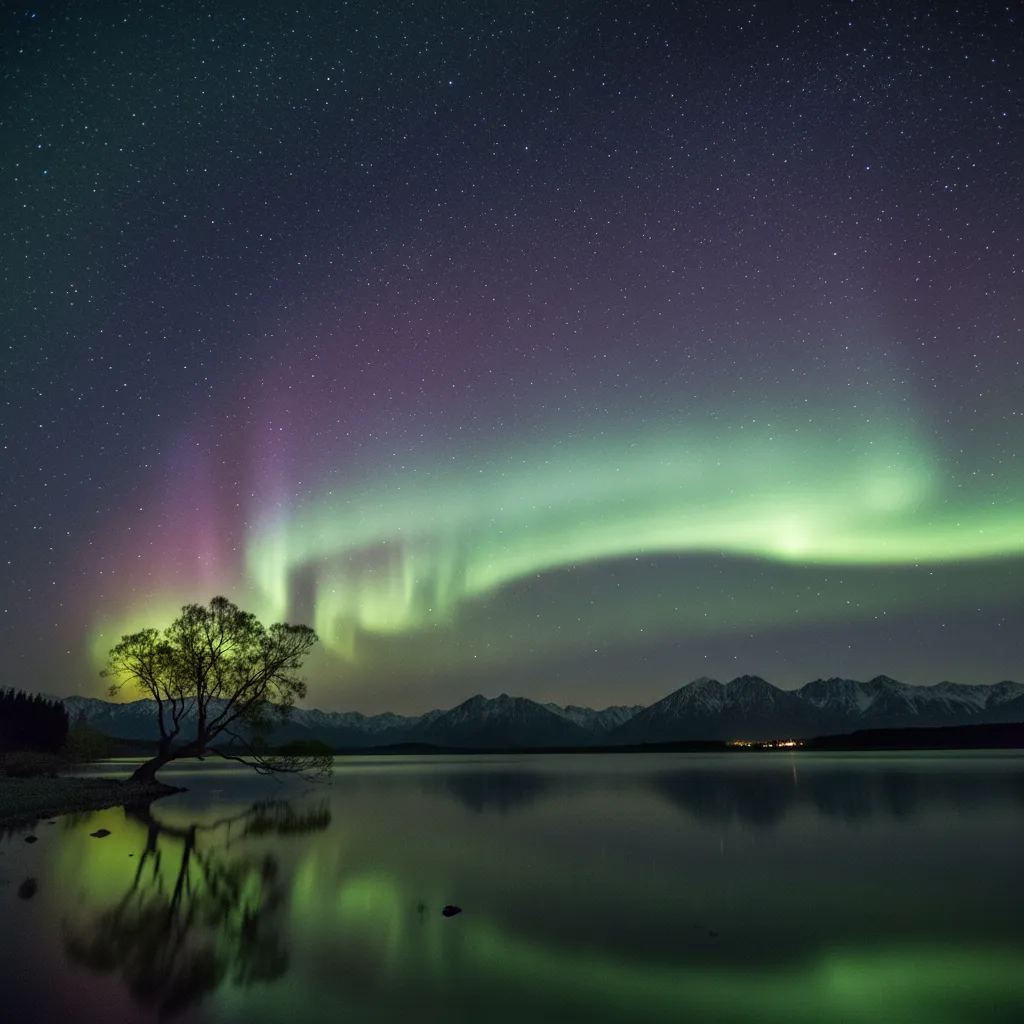
This specific feature saves hunters wasted trips to dark sky locations. If the moon is at 80% illumination, the alert will advise that viewing conditions are compromised, allowing you to save your fuel and energy for a better night.
Final Thoughts on Lunar Tools
The decision to subscribe to moon phase notifications is a decision to engage more deeply with the natural world. Whether you are navigating the dangerous bars of the Manukau Harbour, planting kūmara according to the Maramataka, or setting up a telescope in Tekapo, accurate, timely data is your most valuable asset.
By combining modern astronomical algorithms with localized New Zealand tide data and cultural heritage, our tools provide a comprehensive guide to the rhythms of the earth and sky. Do not leave your planning to chance; let the cosmos guide your schedule through our precision alerts.
Frequently Asked Questions
How do I get notified of the full moon?
You can get notified of the full moon by subscribing to a dedicated astronomical email service or downloading a moon phase app that supports push notifications. These services allow you to set specific alerts for the Full Moon, usually delivered 24 hours in advance to help you prepare for observation or rituals.
Is there an app for Maramataka?
Yes, there are several apps and digital calendars specifically designed for the Maramataka. These tools differ from standard lunar calendars by highlighting the specific Māori phases (like Tangaroa or Tamatea) and providing advice on activities like fishing (hī ika) and gardening (māra kai) based on traditional knowledge.
How does the moon affect fishing in NZ?
In New Zealand, the moon affects fishing primarily through tides and light. The “solunar theory” suggests fish are most active during moonrise and moonset. Additionally, the gravitational pull during New and Full Moons creates larger tides (spring tides), which moves more water and baitfish, often triggering aggressive feeding behavior in predatory fish like Snapper and Kingfish.
What is the best moon phase for Aurora Australis?
The best moon phase for viewing the Aurora Australis is the New Moon. During this phase, the moon is not visible in the night sky, providing the darkest possible background. This maximizes the contrast, allowing the faint colors and pillars of the Southern Lights to be seen clearly, whereas a Full Moon can wash them out.
Are tide tables accurate for all NZ beaches?
Standard tide tables are highly accurate for major ports (Standard Ports). However, for specific beaches or secondary ports, there are time and height differences. High quality tide tools apply “secondary port corrections” to give you the exact time for remote beaches, but you should always allow a small margin of error for local wind and atmospheric pressure effects.
How often should I check moon phase data?
For general interest, checking weekly is sufficient. However, for specific activities like fishing, tidal navigation, or biodynamic gardening, you should check daily. Subscribing to daily notifications is the most efficient way to ensure you have the current data without needing to manually search for it every day.