To buy Matariki corporate gifts NZ effectively, organizations must prioritize cultural authenticity and sustainability. The most appropriate strategy involves sourcing locally made taonga (treasures) directly from Māori-owned businesses, such as artisanal kai (food), rongoā (traditional wellness products), or contemporary toi (art). This approach ensures your gifting honors the principles of Matariki—reflection, celebration, and environmental stewardship—while directly supporting the indigenous economy.
As Aotearoa New Zealand embraces Matariki as a public holiday, the corporate sector is increasingly looking for meaningful ways to participate. Unlike other gifting occasions, Matariki demands a higher level of cultural sensitivity and thoughtfulness. It is not merely about exchanging goods; it is about acknowledging the rising of the stars, the passing of the old year, and the promise of the new one.
This guide serves as a comprehensive resource for procurement managers, HR directors, and business owners seeking to navigate the cultural nuances of Matariki gifting. We will explore how to select gifts that resonate with the values of the holiday, identify reputable Māori suppliers, and manage logistics to ensure your team celebrates this significant event with respect and pride.
Appropriate Gifting Protocols for Matariki
When you set out to buy Matariki corporate gifts NZ, understanding the tikanga (protocols) behind the gesture is paramount. Matariki is a time for remembering those who have passed (hibernation/reflection), celebrating the present (gathering), and planning for the future (planting). Therefore, corporate swag—cheap plastic items, branded merchandising without context, or imported goods—is largely inappropriate for this occasion.
What makes a gift appropriate for Matariki?
The most respectful gifts are those that align with the environment and the stars themselves. For instance, gifts related to the garden align with the star Tupu-ā-nuku (associated with food from the ground), while gifts related to freshwater align with Waitī. Authenticity is the currency of value here. A small, handmade item woven from harakeke (flax) holds significantly more cultural capital than an expensive, mass-produced electronic gadget.
Furthermore, the concept of Manaakitanga (hospitality and care) should drive your decision-making. The gift should express care for the recipient’s well-being or their whānau (family). This is why food and wellness products are the dominant categories for Matariki gifting; they are inherently shared and restorative.
Why Buy Matariki Corporate Gifts from NZ Māori Businesses?
The search intent to “buy Matariki corporate gifts NZ” should inevitably lead you to Māori-owned enterprises. Supporting indigenous business is not just a Corporate Social Responsibility (CSR) box-ticking exercise; it is a direct contribution to the economic self-determination (Tino Rangatiratanga) of Māori communities.
When you purchase from Māori creators, you are buying a story (whakapapa). Many Māori businesses operate on a social enterprise model, where profits are reinvested into iwi (tribe) development, language revitalization, or environmental protection. By aligning your corporate spend with these businesses, your company demonstrates a genuine commitment to the principles of the Treaty of Waitangi and the spirit of the holiday.
Identifying Authentic Suppliers
Look for the “Amotai” verification or membership in Māori business networks. Authentic suppliers will be transparent about their sourcing. If a company claims to sell “Matariki gifts” but the products are imported or use Māori imagery without permission, steer clear. This is considered cultural appropriation and can cause reputational damage to your brand. Instead, look for businesses that highlight the artisan, the region (rohe) the product comes from, and the specific connection to Māori culture.
Kai (Food) Hampers: Connecting to the Earth
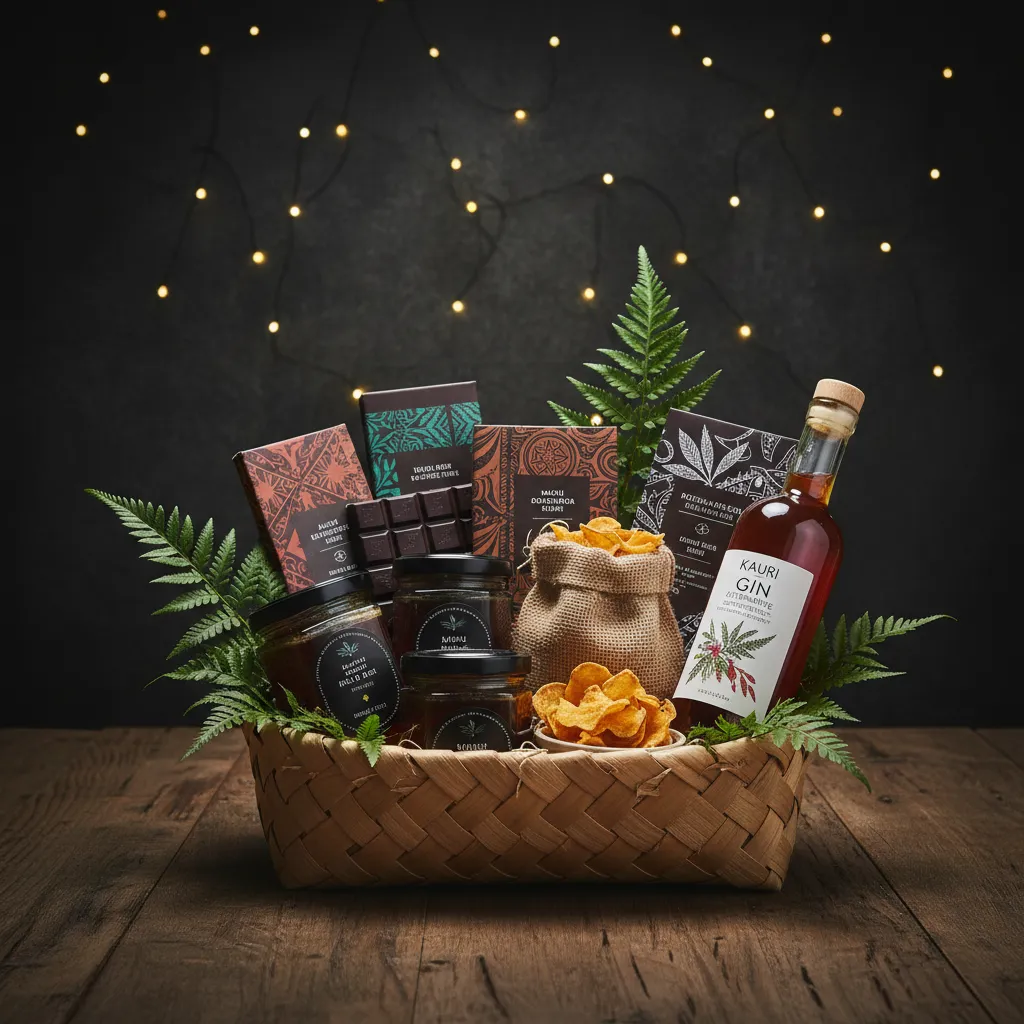
Food is central to Matariki celebrations. Historically, Matariki occurred at the end of the harvest, when food stores (pātaka) were full. Sharing kai is the ultimate expression of coming together. Modern corporate hampers can reflect this by focusing on premium, locally sourced ingredients.
Top Kai Gift Ideas
1. Rewena Bread Kits and Indigenous Spices:
Gift sets that allow recipients to bake their own Rewena bread (traditional potato bread) encourage the activity of cooking and sharing. Pair this with horopito or kawakawa seasoning rubs. This aligns with Tupu-ā-nuku, the star connected to food grown in the ground.
2. Premium Manuka Honey and preserves:
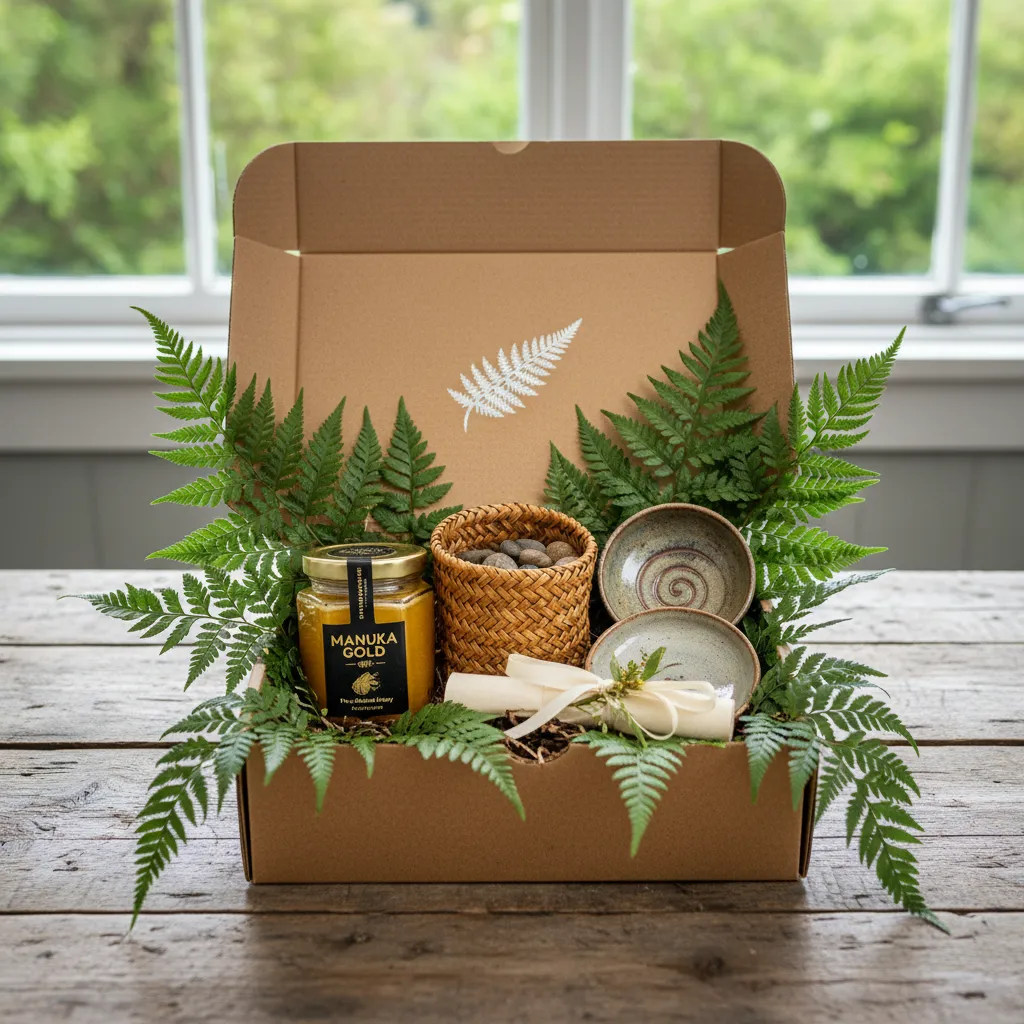
High-grade UMF Manuka honey is a world-class product unique to New Zealand. Look for brands that are 100% Māori owned and control the supply chain from hive to jar. Pair honey with fruit preserves using native ingredients like feijoa or tamarillo.
3. Chocolate with Native Botanicals:
New Zealand has several award-winning chocolatiers who infuse cacao with native flavors. Look for bars featuring kumara, kawakawa, or Marlborough sea salt. These make excellent, scalable gifts for large teams.
Rongoā Māori: Gifts of Wellness and Healing
Matariki is a time of rest and rejuvenation. As we enter the colder months of mid-winter, gifts that promote health and well-being are incredibly practical and thoughtful. Rongoā Māori is traditional healing which encompasses herbal remedies, physical therapies, and spiritual healing.
Implementing Wellness in Corporate Gifting
When looking to buy Matariki corporate gifts NZ in the wellness category, ensure the producers follow sustainable harvesting protocols (tikanga). You want products that heal people without harming the environment.
Kawakawa Balms and Oils:
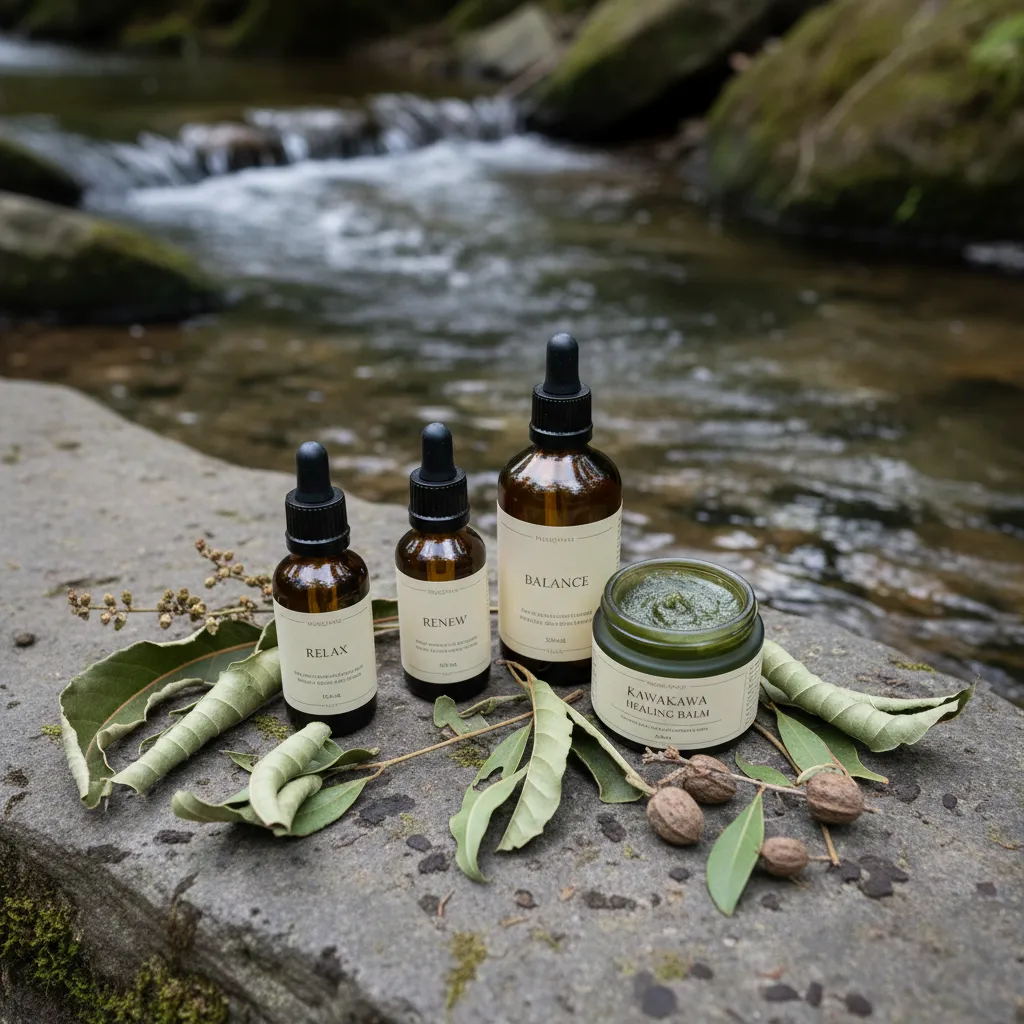
Kawakawa is one of the most versatile healing plants in the Māori pharmacopeia. Balms made from this heart-shaped leaf are excellent for soothing skin, which is perfect for winter. Gift sets often include lip balms, muscle rubs, and moisturizers.
Native Tea Blends:
Tea is a universal corporate gift, but you can elevate it by choosing blends that use Manuka leaf, Kumarahou, or Kohekohe. These teas are often consumed to boost immunity during winter. Packaging these in reusable tins with Māori designs adds to the aesthetic value and longevity of the gift.
Mirimiri (Massage) Vouchers:
For executive gifting or smaller teams, consider vouchers for Mirimiri. This goes beyond a standard massage; it is a holistic therapy that releases tension and aligns energy, perfectly suiting the reflective nature of Matariki.
Toi and Taonga: Sustainable Art and Craft
For high-value clients or senior leadership, mass-produced items are insufficient. Toi (art) represents a deeper connection to culture. When you commission or purchase art, you are supporting the preservation of traditional knowledge.
Scalable Art Options
Contemporary Ceramics:
Many Māori ceramicists blend traditional motifs (kowhaiwhai patterns) with modern functionality. Mugs, bowls, or plates that can be used for daily kai serve as a constant reminder of the relationship. Ceramics align with Tupu-ā-nuku (clay from the earth).
Raranga (Weaving):
Small woven items like kono (small food baskets) or putiputi (woven flowers) can be used as packaging for other gifts. This replaces plastic wrap with something biodegradable and handcrafted. For higher-end gifts, consider finely woven kete (baskets).
Whakairo (Carving):
While large carvings are expensive, laser-cut wood products offering traditional designs (like coasters, wall art, or ornaments) provide a scalable way to incorporate wood carving aesthetics into corporate gifting. Ensure the wood used is sustainable or reclaimed native timber.
Bulk Ordering Timelines for June Delivery
Matariki dates shift annually based on the lunar calendar, but the public holiday generally falls in late June or early July. To buy Matariki corporate gifts NZ successfully, you must account for the fact that many authentic suppliers are small-batch producers, not industrial factories.
The Procurement Countdown
- March/April: Research and Selection. This is the time to identify suppliers. If you are commissioning custom items (e.g., branded packaging with Māori artists), you must start now.
- Early May: Place Orders. Artisanal producers need 4-6 weeks to create stock, especially for orders over 50 units. Rongoā products often require curing times, and food products need fresh ingredient sourcing.
- Late May: Finalize Logistics. Confirm delivery addresses. If you have remote staff, decide if gifts are going to the office or individual homes.
- Mid-June: Delivery Buffer. Aim to have gifts in hand at least 10 days before the Matariki public holiday. This allows for distribution during team events before staff disperse for the long weekend.
Warning on “Just-in-Time” Ordering:
Do not rely on last-minute ordering for Matariki. Unlike Christmas where stock is stockpiled for months, Matariki stock is often made to order to ensure freshness and adherence to the seasons. Late orders often result in limited choices or forced reliance on non-authentic, mass-produced alternatives.

Conclusion
Choosing to buy Matariki corporate gifts NZ is a powerful way to engage with the unique culture of Aotearoa. By moving away from generic corporate merchandise and embracing authentic, sustainable, and meaningful gifts like kai, rongoā, and toi, your organization honors the spirit of the season. Remember to plan early, prioritize Māori-owned businesses, and focus on gifts that bring people together. In doing so, you turn a simple transaction into a celebration of community, history, and the future.
People Also Ask
What is a good gift for Matariki?
A good Matariki gift focuses on the themes of gathering, reflection, and the environment. Popular choices include artisanal food hampers (kai), native wellness products (rongoā) like kawakawa balm, or sustainable items made from flax (harakeke) and wood. The best gifts are locally sourced and support Māori businesses.
Is it appropriate for companies to celebrate Matariki?
Yes, it is highly appropriate and encouraged for New Zealand companies to celebrate Matariki. It is a time to acknowledge the unique culture of Aotearoa, reflect on the past business year, and set goals for the future. However, celebrations should be culturally sensitive and avoid commercializing the holiday in a tacky manner.
What are the 9 stars of Matariki and their meanings?
The stars are: Matariki (health/wellbeing), Pōhutukawa (the dead), Tupu-ā-nuku (food from the ground), Tupu-ā-rangi (food from the sky), Waitī (freshwater food), Waitā (saltwater food), Waipuna-ā-rangi (rain), Ururangi (wind), and Hiwa-i-te-rangi (wishing star). Gifts can be themed around these domains.
How do you support Māori businesses during Matariki?
You can support Māori businesses by purchasing corporate gifts directly from them rather than through third-party resellers who may not pass on fair value. Look for businesses verified by Amotai or those that clearly state their whakapapa (lineage) and sourcing methods.
What is the traditional food for Matariki?
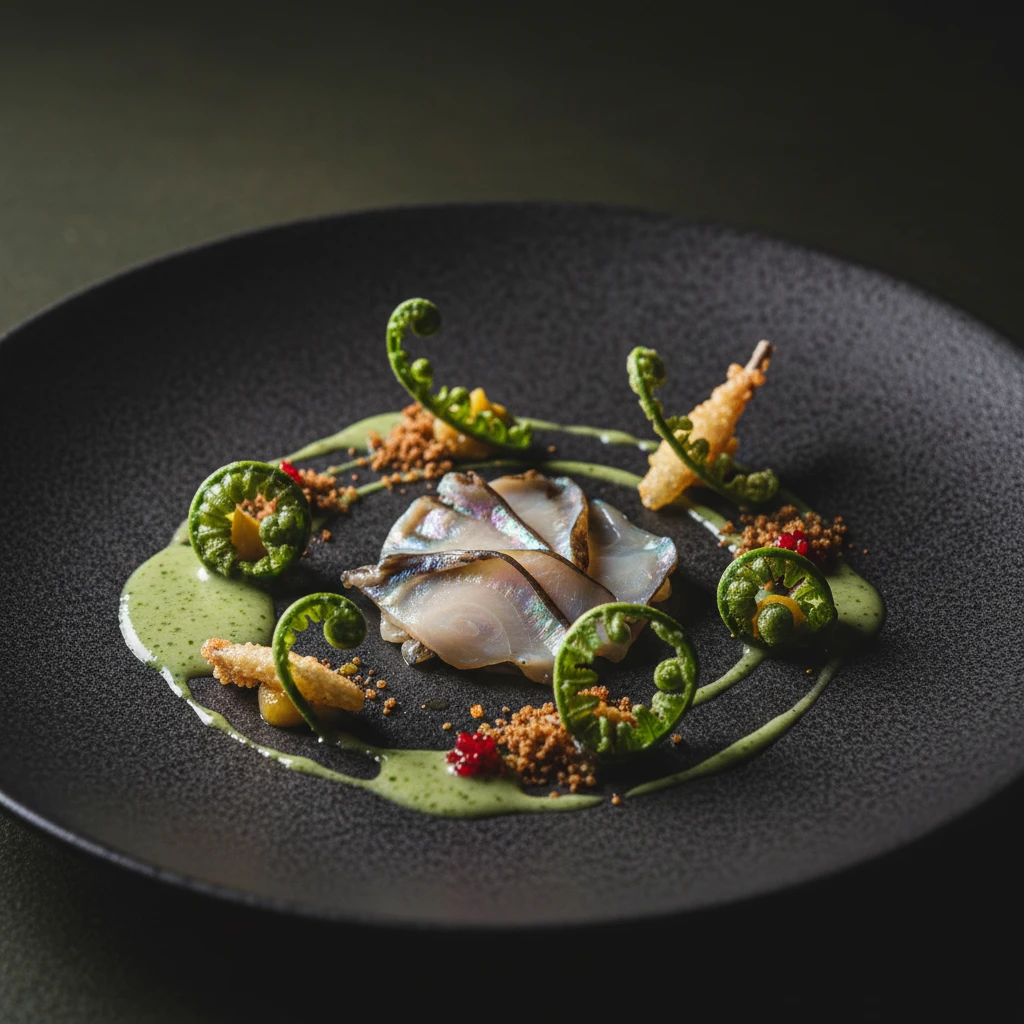
Traditional Matariki food includes kumara (sweet potato), fish, birds, and preserved foods stored for winter. Modern celebrations often feature hāngī (earth oven cooking), rewena bread, and dishes using native ingredients like pikopiko (fern fronds) and horopito.
When should I order corporate gifts for June?
For Matariki gifts to be delivered in June, you should place bulk orders by early May at the latest. Since many authentic gifts are artisanal and handmade, suppliers require 4 to 6 weeks lead time to produce and package large quantities.