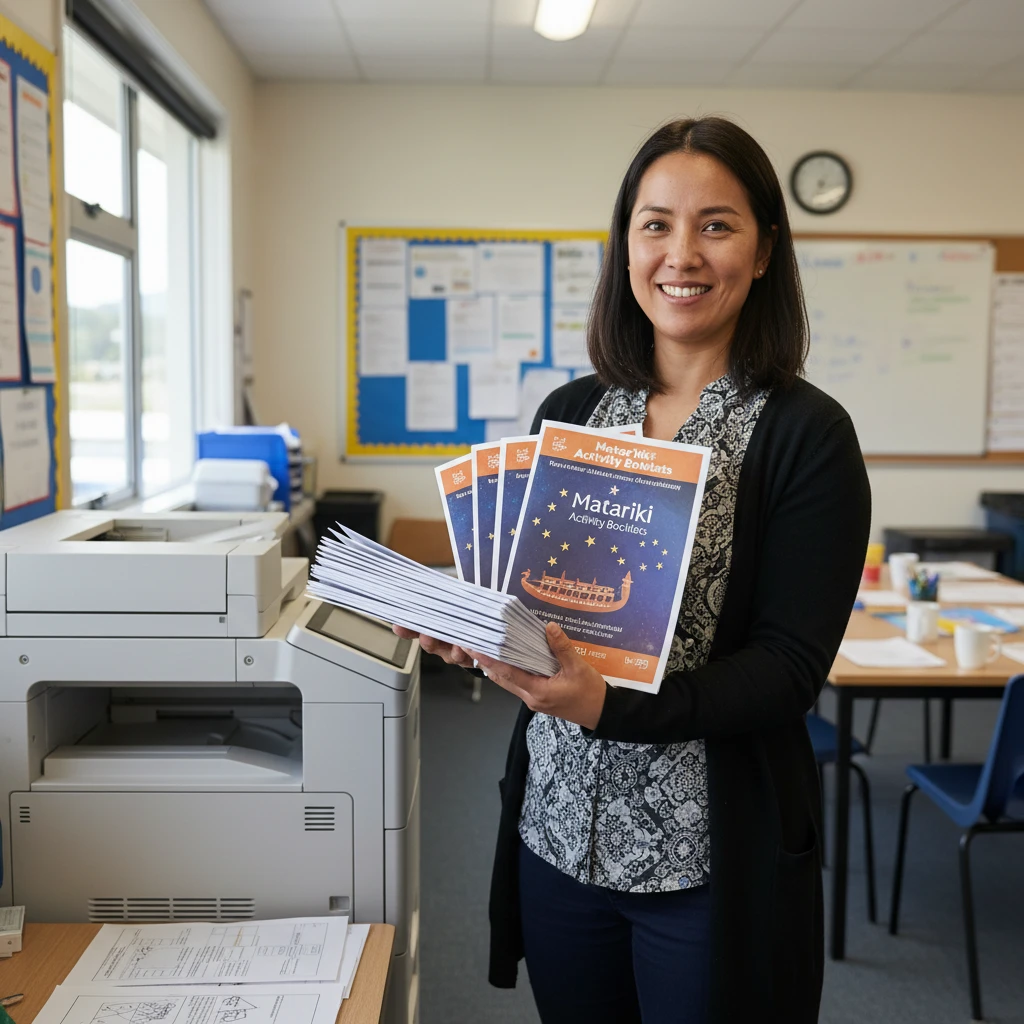
Free Matariki activity sheets are comprehensive, downloadable educational resources designed to celebrate the Māori New Year. These printables encompass mindfulness coloring pages representing the nine stars, Te Reo Māori word finds, connect-the-dots constellations, and crosswords, providing engaging, culturally responsive learning tools for New Zealand classrooms and whānau.
The Importance of Matariki Educational Resources
Matariki, the Māori New Year, is a significant event in Aotearoa New Zealand’s cultural calendar. Marked by the rising of the Pleiades star cluster, it is a time for remembrance, celebrating the present, and looking to the future. As Matariki is now an official public holiday, the demand for high-quality, culturally accurate educational materials has surged. Free Matariki activity sheets serve as a vital bridge between cultural concepts and classroom application.
These resources are not merely “busy work” for students. When designed correctly, they align with Te Whāriki (the Early Childhood curriculum) and the New Zealand Curriculum for primary and intermediate levels. They provide tangible ways for tamariki (children) to engage with the pūrākau (stories) and values associated with Matariki. By utilizing printable activity sheets, educators and parents can facilitate discussions about astronomy, environmental stewardship, and family history in a format that is accessible and engaging for diverse learning styles.
Mindfulness Coloring Pages of the 9 Stars
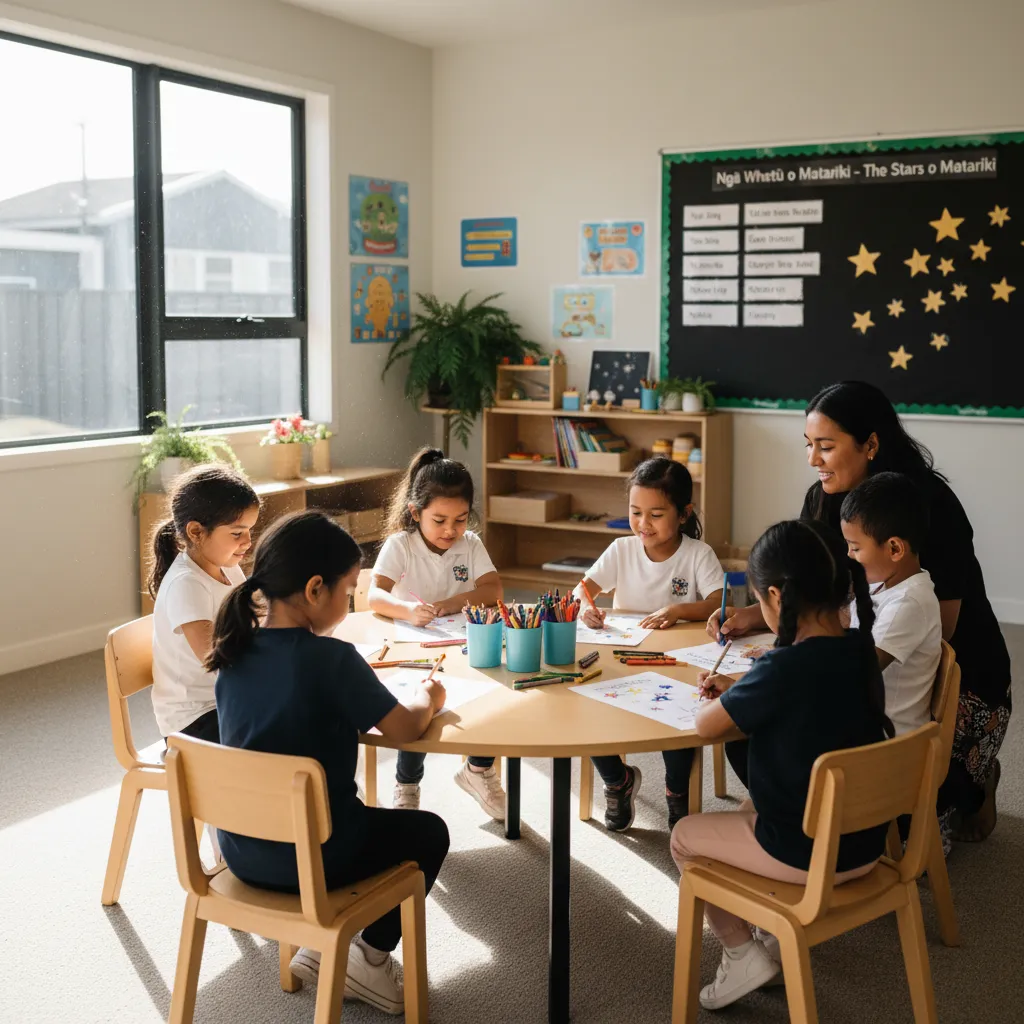
Mindfulness coloring has become a staple in modern education, offering a quiet, meditative activity that improves focus and fine motor skills. Our collection of free Matariki activity sheets places a heavy emphasis on the nine stars of the cluster. Each star holds a specific dominion and meaning, making these coloring pages a dual-purpose tool for art and science education.
Understanding the Stars Through Art
To maximize the educational value, we recommend using coloring sheets that feature specific Māori patterns (kowhaiwhai) integrated with the star personifications. Here is how the coloring activities are broken down by star:
- Matariki (The Mother Star): Coloring pages for Matariki often feature themes of health and wellbeing. These sheets usually encourage the use of bright, healing colors and serve as the centerpiece of the collection.
- Pōhutukawa: Associated with those who have passed on. These activity sheets often incorporate designs of falling leaves or spirits, providing a gentle way to discuss remembrance with children.
- Tupuānuku: Connected to food grown in the ground. Coloring sheets here feature kūmara (sweet potato) vines and root vegetables, perfect for pairing with a garden lesson.
- Tupuārangi: Connected to food from the sky (birds and berries). These pages are rich with illustrations of kererū and native trees.
- Waipuna-ā-rangi: Associated with rain. These sheets utilize flowing, water-like patterns, teaching children about the water cycle.
- Ururangi: The star of the wind. Dynamic, swirling patterns characterize these sheets, allowing children to experiment with motion in their art.
- Waitī: Connected to fresh water. Illustrations include eels (tuna) and rivers.
- Waitā: Connected to the ocean. These pages feature marine life and ocean currents.
- Hiwa-i-te-rangi: The wishing star. These activity sheets often include blank spaces where children can write or draw their hopes for the coming year.
By engaging with these specific designs, students are not just coloring; they are memorizing the distinct roles of the cluster members.
Matariki Word Finds and Crosswords
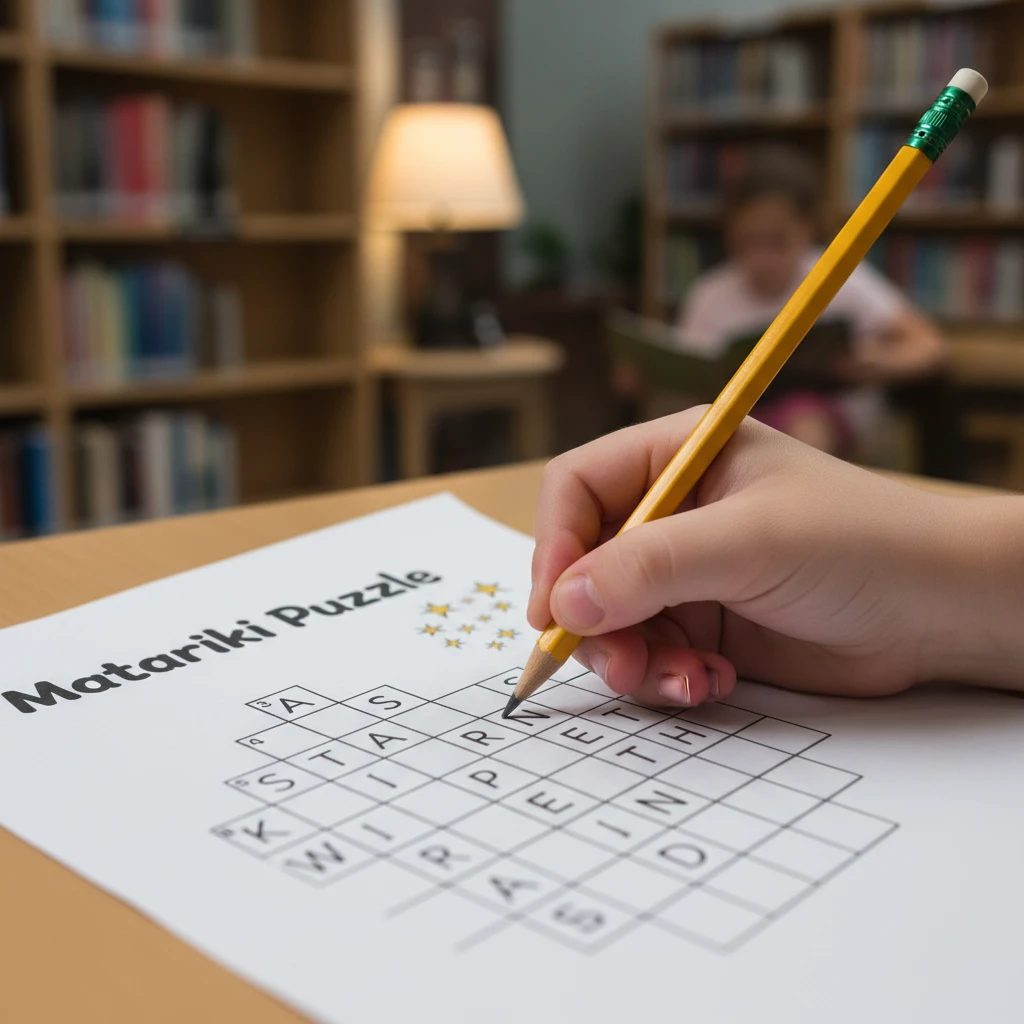
Literacy is a crucial component of the New Zealand curriculum, and integrating Te Reo Māori into daily lessons is a priority. Free Matariki activity sheets often include word finds and crosswords designed to build vocabulary and reinforce spelling.
Te Reo Māori Vocabulary Builder
Word finds are excellent for younger learners or those new to the language. They help students recognize letter patterns and become familiar with essential terminology. Common vocabulary included in these puzzles involves:
- Whetū (Star)
- Kai (Food)
- Whānau (Family)
- Maumahara (Remembrance)
- Hākari (Feast)
Crosswords for Deepening Knowledge
For intermediate students (Years 5-8), crosswords provide a higher level of challenge. Instead of simply finding a word, the student must understand the concept to solve the clue. For example, a clue might read “The star connected to the ocean and food gathered from it,” requiring the answer “Waitā.” This requires the student to recall the specific attributes of the stars, moving beyond rote memorization to active recall.
Connect-the-Dots Constellations
Astronomy is the foundation of Matariki. While cultural narratives are vital, understanding the physical position of the stars in the night sky is equally important. Connect-the-dots activity sheets offer a practical way to teach celestial navigation basics.
Identifying the Cluster
Many people mistake the Southern Cross or Orion’s Belt for Matariki. Connect-the-dots worksheets guide children through the specific geometry of the Pleiades cluster. By physically drawing the lines between the stars, children learn the spatial relationship between them. Advanced sheets may also include the surrounding constellations, such as Te Waka o Rangi (The Canoe of the Sky), to provide context on where to look in the pre-dawn sky.
Integration with Outdoor Activities
These sheets are best used as a precursor to an actual viewing event. Teachers can have students complete the connect-the-dots puzzle during the day, and then encourage them to take the sheet home to use as a map when looking at the sky with their parents early in the morning.
Integrating Sheets into the NZ Curriculum
To ensure these free Matariki activity sheets provide maximum educational value, they should be woven into a broader unit plan. Using isolated worksheets is less effective than integrating them into a thematic approach.
Social Sciences and History
Use the coloring pages of Pōhutukawa to discuss local history and people of significance in the community who have passed away. This connects to the Social Sciences curriculum regarding how people remember and record the past.
Science and Nature
The stars Tupuānuku and Tupuārangi provide a perfect segue into biology and botany. After coloring the sheets, classes can engage in planting native trees or preparing a vegetable garden, grounding the abstract concept of the stars in tangible environmental action.
The Arts
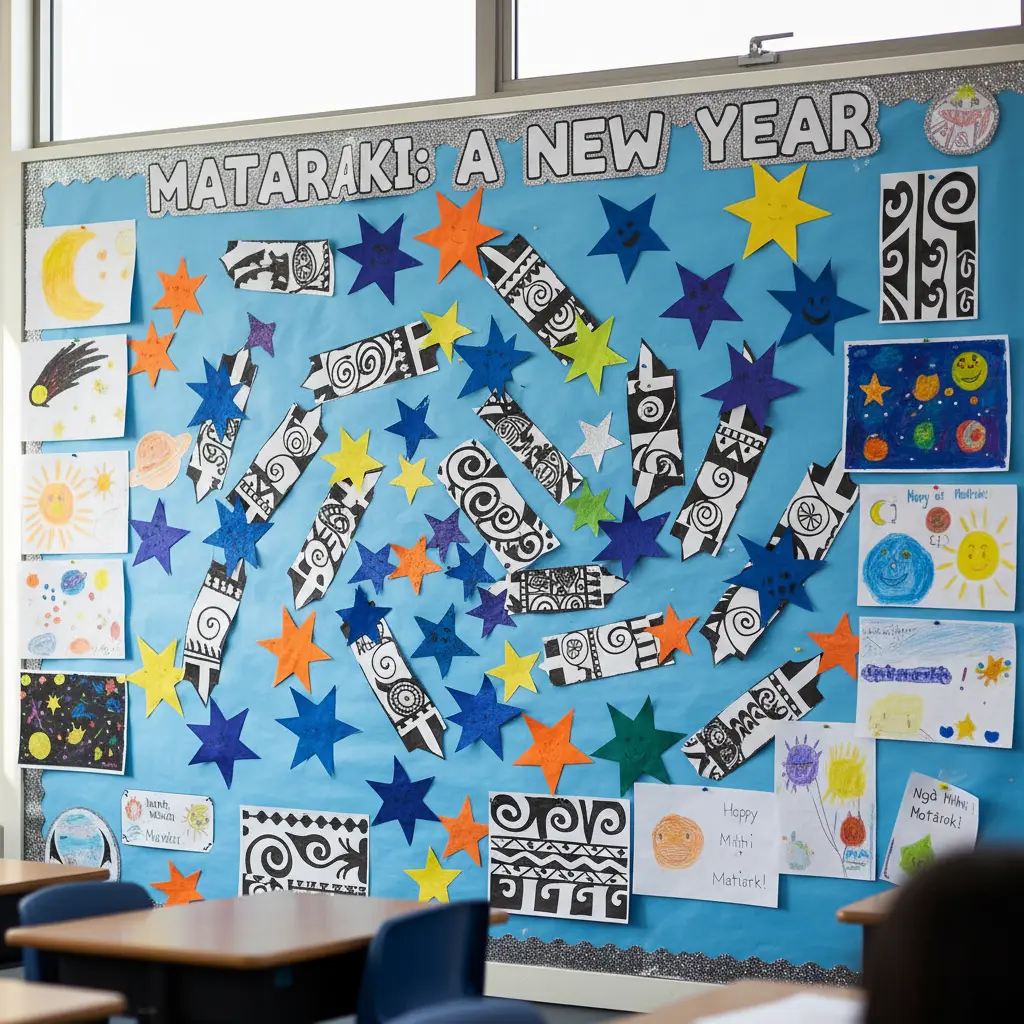
Use the finished coloring pages to create a classroom “night sky” on the ceiling or a wall mural. This collaborative project fosters a sense of community (whanaungatanga) within the classroom.
Usage Rights for Schools and Organizations
When searching for “free Matariki activity sheets,” it is critical to understand the usage rights associated with the downloads. Intellectual property rights protect the artists who create these resources, particularly Indigenous artists who incorporate cultural patterns.
Creative Commons and Educational Use
Most reputable educational sites in New Zealand release these resources under a Creative Commons Attribution-NonCommercial-ShareAlike (CC BY-NC-SA) license. This generally means:
- You Can: Download, print, and photocopy the sheets for classroom use, library programs, or community events where no money changes hands.
- You Cannot: Sell the sheets, include them in a paid workbook, or upload them to another website claiming them as your own.
- Attribution: You must usually leave the copyright footer or artist’s logo visible on the printed page.
Respecting Cultural Integrity
Ensure that the resources you download are from authentic sources. Look for materials created in partnership with Māori advisors or educational bodies to ensure the information regarding the stars and tikanga (customs) is accurate. Misrepresentation of cultural symbols can be offensive, so vetting your sources is a key responsibility for educators.
How to Access and Print These Resources
Accessing high-quality printables is straightforward, but optimizing them for classroom use requires a few technical considerations.
File Formats
Look for files provided in PDF format. PDFs preserve the vector quality of the lines, ensuring that when you print a coloring page, the lines are crisp and not pixelated. Avoid saving low-resolution JPEGs from Google Images, as these will print poorly and frustrate students.
Eco-Friendly Printing
Schools are increasingly conscious of paper waste. To align with the environmental values of Matariki:
- Double-Sided Printing: Print a coloring page on one side and a word find on the back.
- Lamination: For color-by-number or connect-the-dots sheets, consider printing a class set on cardstock and laminating them. Students can use whiteboard markers to complete the activities, wipe them clean, and reuse them next year. This significantly reduces paper waste over time.
- A5 Size: For simpler word finds, print two per A4 page to halve your paper usage.
Frequently Asked Questions
What are the 9 stars of Matariki?
The nine stars are Matariki, Pōhutukawa, Tupuānuku, Tupuārangi, Waipuna-ā-rangi, Ururangi, Hiwa-i-te-rangi, Waitī, and Waitā. Each star represents a different aspect of the environment and wellbeing, from fresh water and the ocean to the wind and rain.
Are these activity sheets suitable for preschoolers?
Yes, many free Matariki activity sheets are designed specifically for Early Childhood Education (ECE). Look for sheets with large, bold outlines for coloring and simple shape matching activities rather than complex word finds or crosswords.
Can I use these sheets for a community event?
Generally, yes. Most free educational resources permit use in non-commercial community settings. However, always check the specific licensing terms on the download page to ensure you are compliant with the artist’s requests.
How do I teach the pronunciation of the star names?
Many activity sheets come with phonetic guides. It is highly recommended to use online audio resources, such as Māori Dictionary or YouTube tutorials, to hear the correct pronunciation and practice it with your students before introducing the worksheets.
Is Matariki the same date every year?
No, Matariki follows the Māori lunar calendar (Maramataka). The dates shift slightly each year within the Gregorian calendar, usually falling in late June or early July. Ensure your activity sheets do not have specific dates printed on them if you plan to reuse them.
Why is Hiwa-i-te-rangi called the wishing star?
Hiwa-i-te-rangi is the star to which Māori would send their dreams and desires for the year ahead. It is similar to the concept of “wishing upon a star.” Activity sheets for this star often involve writing down goals or aspirations.