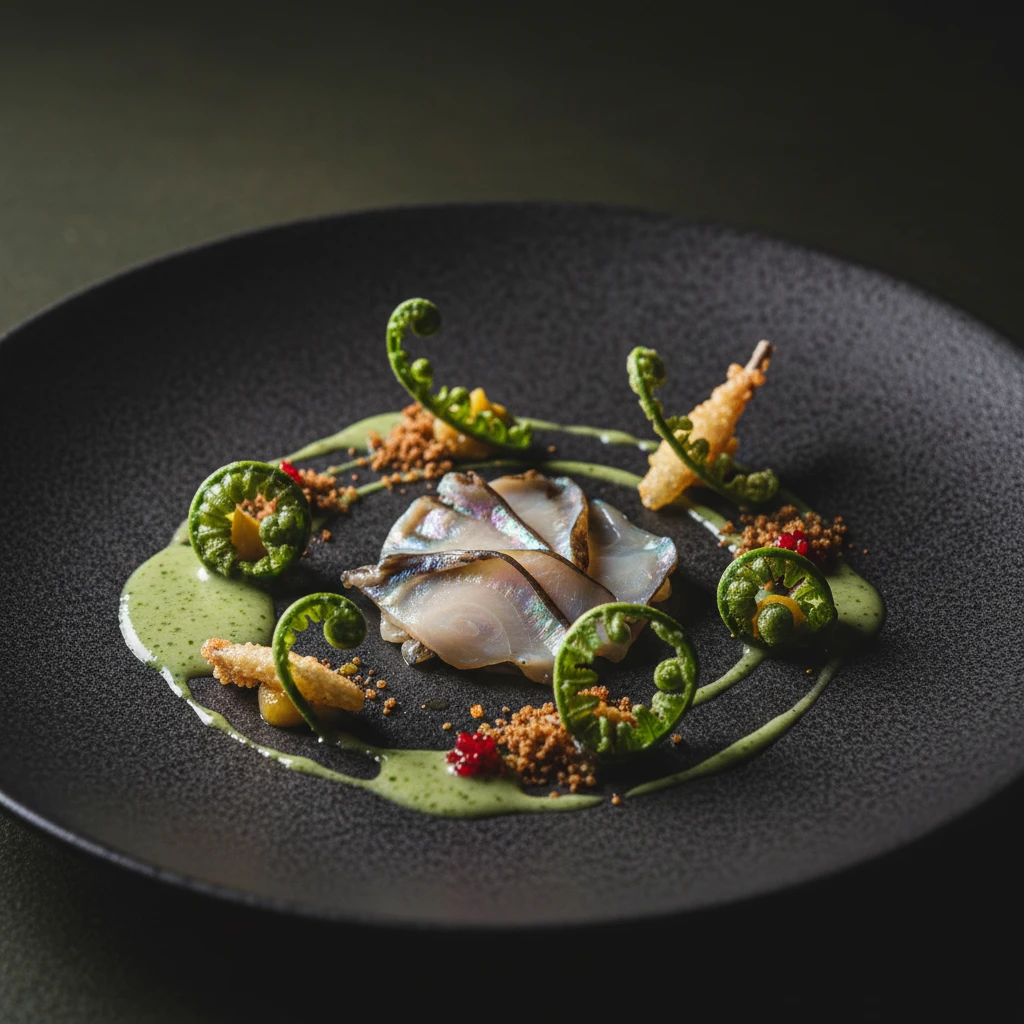
Modern Matariki fashion in New Zealand is a vibrant fusion of traditional Māori motifs and contemporary streetwear or high fashion, specifically designed to celebrate the Māori New Year. This growing sector features Matariki earrings and clothing NZ, characterized by designs incorporating the nine stars (whetū), native manu (birds), and indigenous materials like pounamu and rimu wood, emphasizing cultural pride and sustainability.
The Rise of Modern Matariki Fashion
With the official recognition of Matariki as a public holiday in Aotearoa, the demand for culturally significant attire has surged. Matariki earrings and clothing NZ represent more than a seasonal trend; they are a visual language of identity, remembrance, and celebration. As New Zealanders gather to remember those who have passed and plan for the future, fashion becomes a medium for storytelling.
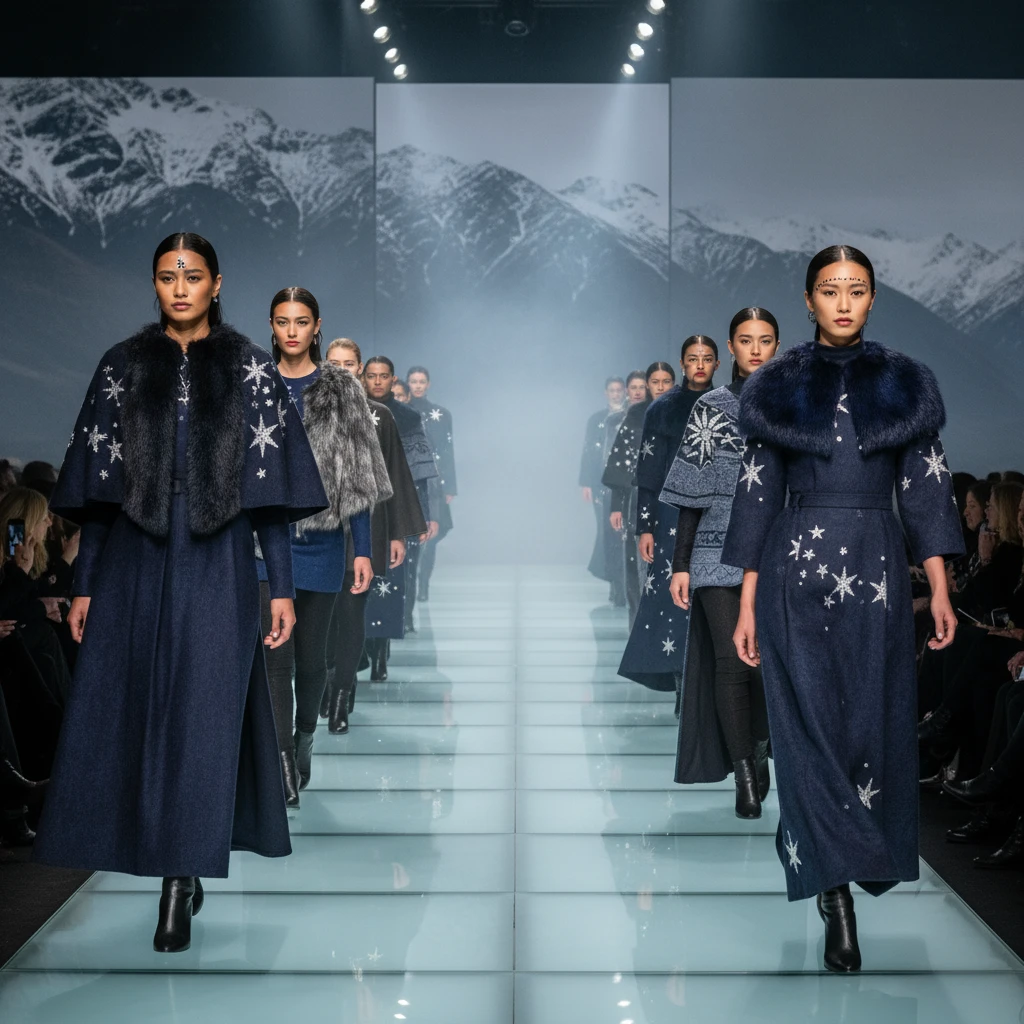
The aesthetic of Matariki fashion is distinct. It often moves away from the bright, summery florals typical of Western New Year celebrations, embracing instead the deep, rich tones of winter in the Southern Hemisphere. You will frequently see deep navy blues representing the night sky (Te Pō), shimmering silvers and golds mimicking the stars, and earthy ochres grounding the designs in the whenua (land). This seasonal alignment ensures that the clothing is not only culturally relevant but also practical for the June and July climate.
Symbolism in Matariki Jewellery: More Than Just Accessories
When searching for Matariki earrings and clothing NZ, jewellery often serves as the most accessible entry point for engagement. However, these pieces are rarely purely decorative. They carry heavy symbolic weight, linking the wearer to the pūrākau (legends) of the star cluster.
The Whetū (Star) Motif
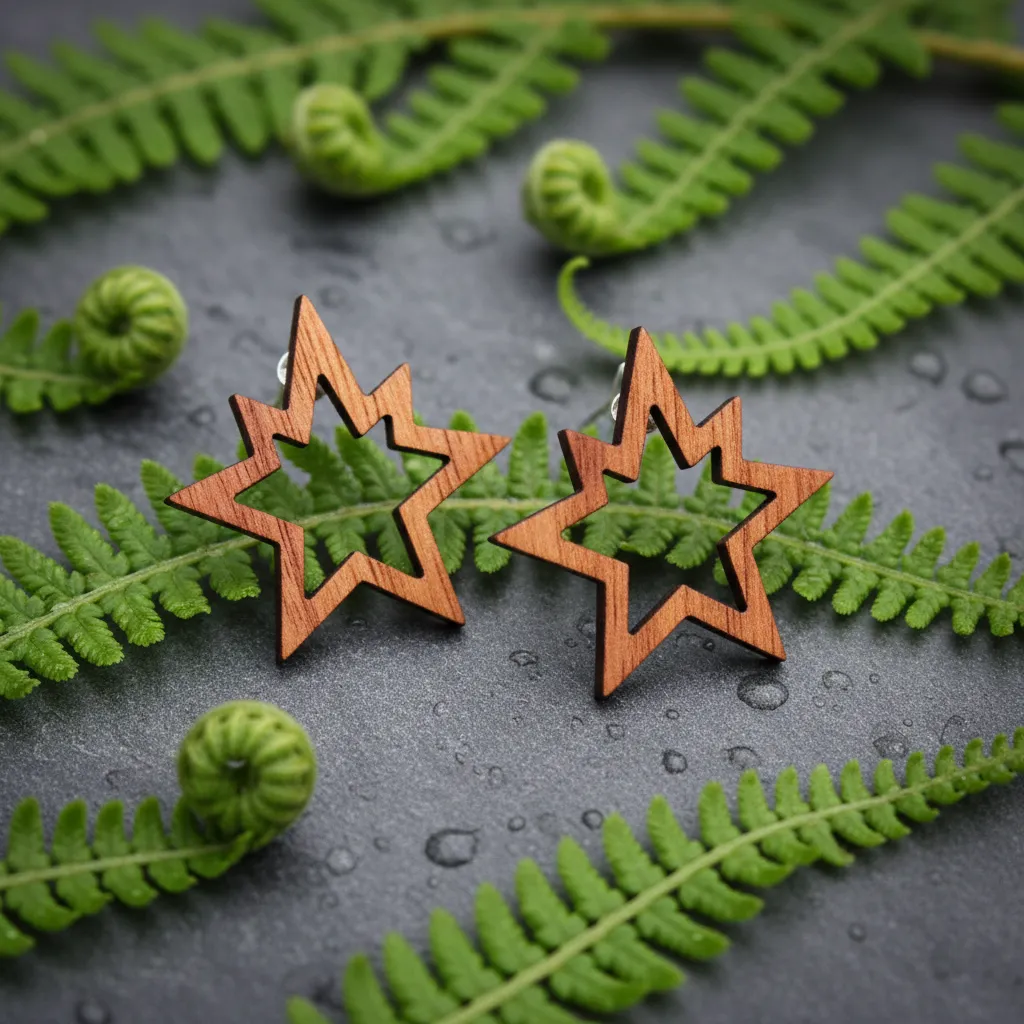
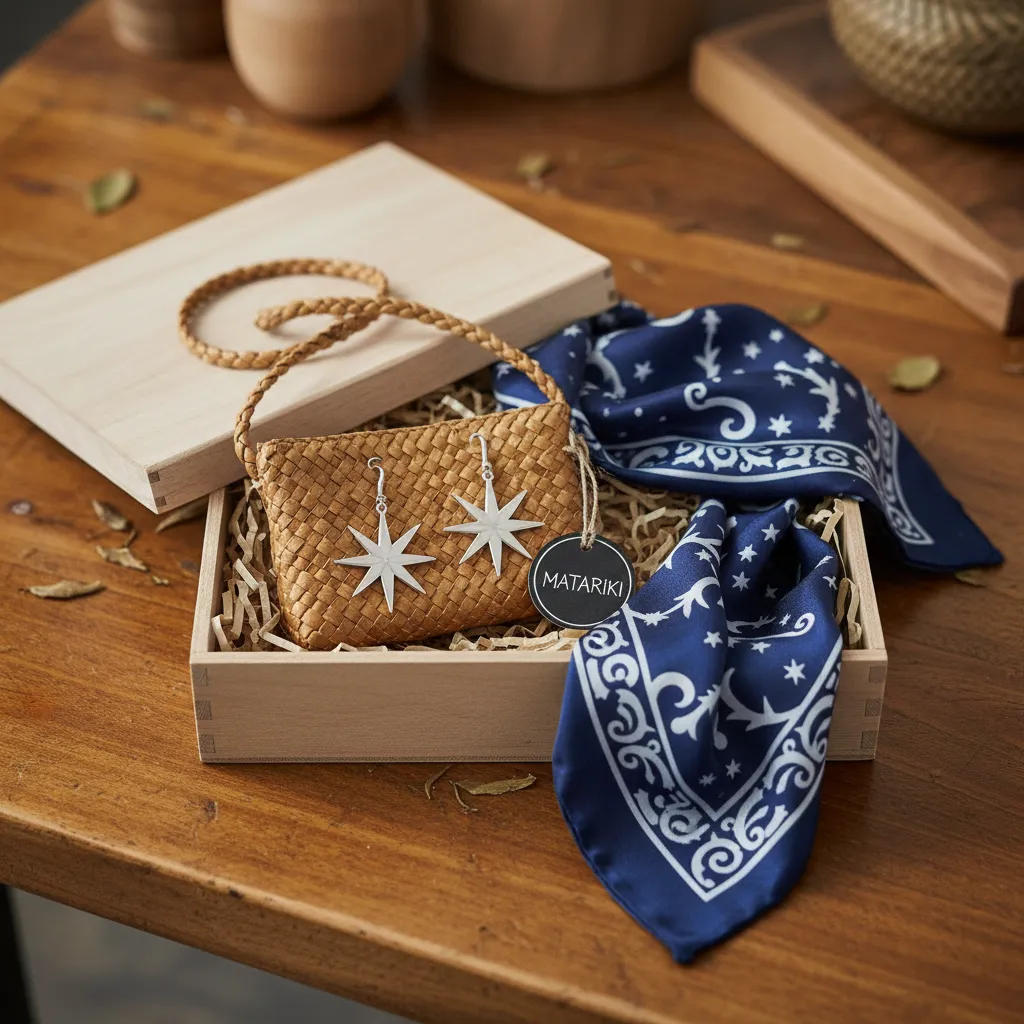
The most prevalent design in Matariki jewellery is the whetū. Earrings shaped like stars—often featuring either seven or nine points depending on the wearer’s iwi tradition—are ubiquitous during this season.
- Hiwa-i-te-rangi: Often represented in designs meant for wishing or goal setting.
- Pōhutukawa: Designs linked to remembrance often use darker hues or wood.
Contemporary jewellers are innovating with materials, moving beyond traditional bone and stone to use laser-cut acrylics, recycled rimu, and precious metals. This blend of ancient symbolism with modern manufacturing allows for bold, statement pieces that catch the eye and spark conversation.
Feathers and Flora
Beyond the stars, imagery of the Huia feather and native flora like the Kowhai or Pohutukawa is common. In the context of Matariki, these elements remind us of our environmental responsibilities—a core tenet of the holiday. Wearing earrings depicting the Tūī or the Huia is a nod to Te Taiao (the natural world) and the protection of our taonga species.
Top Māori Designers Releasing Matariki Collections
The landscape of New Zealand fashion is being redefined by Māori designers who are reclaiming narratives through textiles. When looking for authentic Matariki earrings and clothing NZ, it is crucial to look toward these creators who ensure that the whakapapa (genealogy) of the design is respected.
Kiri Nathan: A stalwart in the industry, Kiri Nathan often releases collections that weave traditional weaving practices (raranga) with high-end couture. Her work frequently highlights the connection between the wearer and the environment, perfect for the reflective nature of Matariki.
Local Streetwear Labels: Brands like Huffer or Federation often collaborate with Māori artists during this period, but the most authentic pieces come from dedicated Māori-owned labels like Aho Creative or Campbell Luke. These designers integrate tohu (symbols) into everyday wear, allowing the principles of Matariki to be worn in the office, at school, or on the street.
Emerging Jewellers: Platforms like the Poi Room or Kura Gallery showcase independent artisans. Look for artists creating ‘taonga’ pieces—items meant to be treasured. Creators working with polymer clay are also exploding in popularity, offering affordable, brightly colored options that appeal to younger generations wanting to express their cultural pride.
Clothing Trends: From Streetwear to Kakahu
Matariki fashion is not a monolith; it spans from casual streetwear to formal attire. Understanding these trends helps consumers make informed purchasing decisions that align with their personal style and the occasion.
Graphic Tees and Hoodies
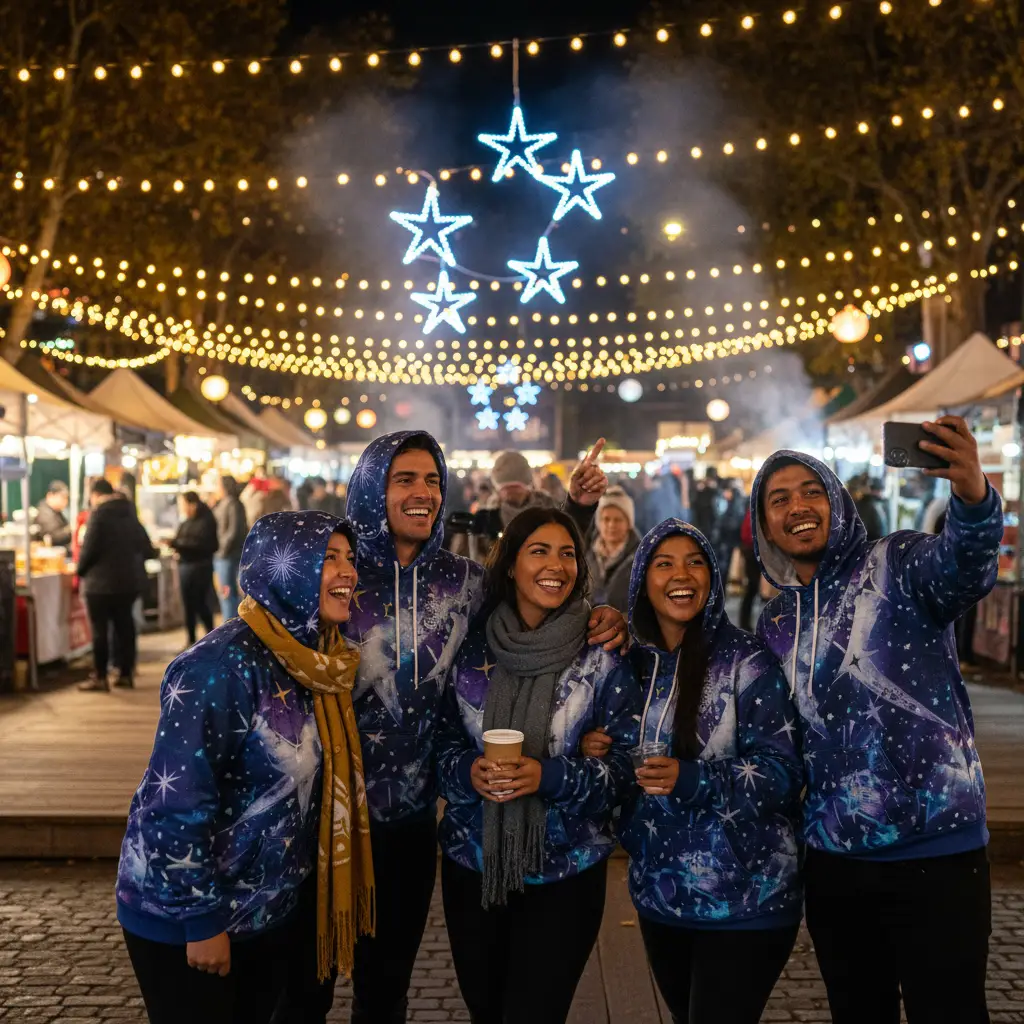
For many, celebrating Matariki is about community events—early morning dawn ceremonies or night markets. Practicality drives the trend for high-quality hoodies and t-shirts featuring bold graphic prints of the star cluster. Typography plays a huge role here, with Te Reo Māori phrases like “Mānawatia a Matariki” (Celebrate Matariki) taking center stage. This normalize the language and makes the holiday visible in everyday spaces.
Contemporary Kakahu
For formal Matariki balls and dinners, contemporary kakahu (clothing) is in high demand. This includes dresses and shirts featuring indigenous prints—patterns derived from kōwhaiwhai (rafter patterns) or tāniko (weaving patterns). These garments allow the wearer to embody the sophistication of Māori design without wearing traditional regalia, which might be reserved for specific ceremonial contexts.
Supporting Local Makers vs. Mass Production
As Matariki grows in commercial popularity, major retailers have begun stocking Matariki-themed merchandise. This presents a dilemma for the conscious consumer: convenience versus authenticity.
The Importance of Buying Māori-Made
When you purchase Matariki earrings and clothing NZ from pakihi Māori (Māori businesses), you are directly supporting the economic autonomy of indigenous communities. Furthermore, you are guaranteed that the cultural intellectual property is being treated with respect. Mass-produced items from offshore factories often lack the nuance of accurate storytelling and may appropriate sacred symbols without understanding their context.
How to Identify Authentic Goods
To ensure your purchase supports the kaupapa (purpose) of Matariki, look for the “Toi Iho” trademark or check the “About Us” section of a website to verify Māori ownership. Authentic creators will often share the story behind the specific design—explaining which star it represents or which region the style originates from. If a product is labeled generically without context, it is likely mass-produced.
Matariki Gift Guide for Fashion Lovers
Matariki is increasingly becoming a time for gift-giving, similar to the concept of sharing the harvest. If you are looking to gift fashion items this winter, here are top recommendations based on current market trends.
- For the Minimalist: Look for sterling silver stud earrings in the shape of the Matariki cluster. These are subtle, elegant, and can be worn year-round.
- For the Bold Statement Maker: Large, acrylic laser-cut earrings in neon colors or iridescent finishes. These capture the ‘light’ of the stars and are popular festival wear.
- For the Eco-Conscious: Scarves or wraps made from organic wool or linen, dyed with natural pigments. This aligns with the environmental focus of the holiday.
- For the Tamariki (Children): T-shirts with glow-in-the-dark star constellations. These are educational and fun, helping children learn the names of the stars while staying warm.
People Also Ask
Below are common questions regarding Matariki fashion and etiquette.
What colors should I wear for Matariki?
While there are no strict rules, colors that reflect the season and the night sky are popular. Deep blues, blacks, and purples represent Te Pō (the night), while silver, gold, and white represent the stars (Te Whānau Mārama). Earthy tones are also appropriate to acknowledge Papatūānuku (Earth Mother).
Is it appropriate for non-Māori to wear Matariki designs?
Yes, provided the items are purchased from authentic sources and worn with respect. Wearing Matariki earrings and clothing NZ is seen as a way of sharing in the celebration of the national holiday. However, avoid wearing items that are restricted to specific achievements or whakapapa unless you have the right to do so.
Where can I buy authentic Matariki earrings?
The best places to buy are directly from Māori artists via their websites, at local markets (such as the Matariki markets held in major cities), or through recognized galleries like Kura Gallery or The Poi Room. Online marketplaces like Chooice often feature verified NZ creators.
What do the 9 stars of Matariki represent in fashion?
In fashion, the 9 stars are often represented collectively as a cluster or individually to signify specific intentions. For example, designs focusing on ‘Waitī’ and ‘Waitā’ might feature water motifs, while ‘Tupuānuku’ and ‘Tupuārangi’ might feature botanical prints or food motifs.
Can I wear Matariki clothing to work?
Absolutely. Many workplaces encourage staff to celebrate Matariki. A subtle approach might involve wearing star-themed jewellery or a scarf, while more casual workplaces may welcome graphic tees supporting the holiday.
What is the difference between Matariki and Puanga fashion?
Some iwi (tribes) in regions where Matariki is not visible celebrate Puanga instead. Fashion for Puanga carries similar themes of renewal and remembrance but centers on the star Rigel (Puanga). You may find specific designs featuring a single bright star rather than the cluster of seven or nine.