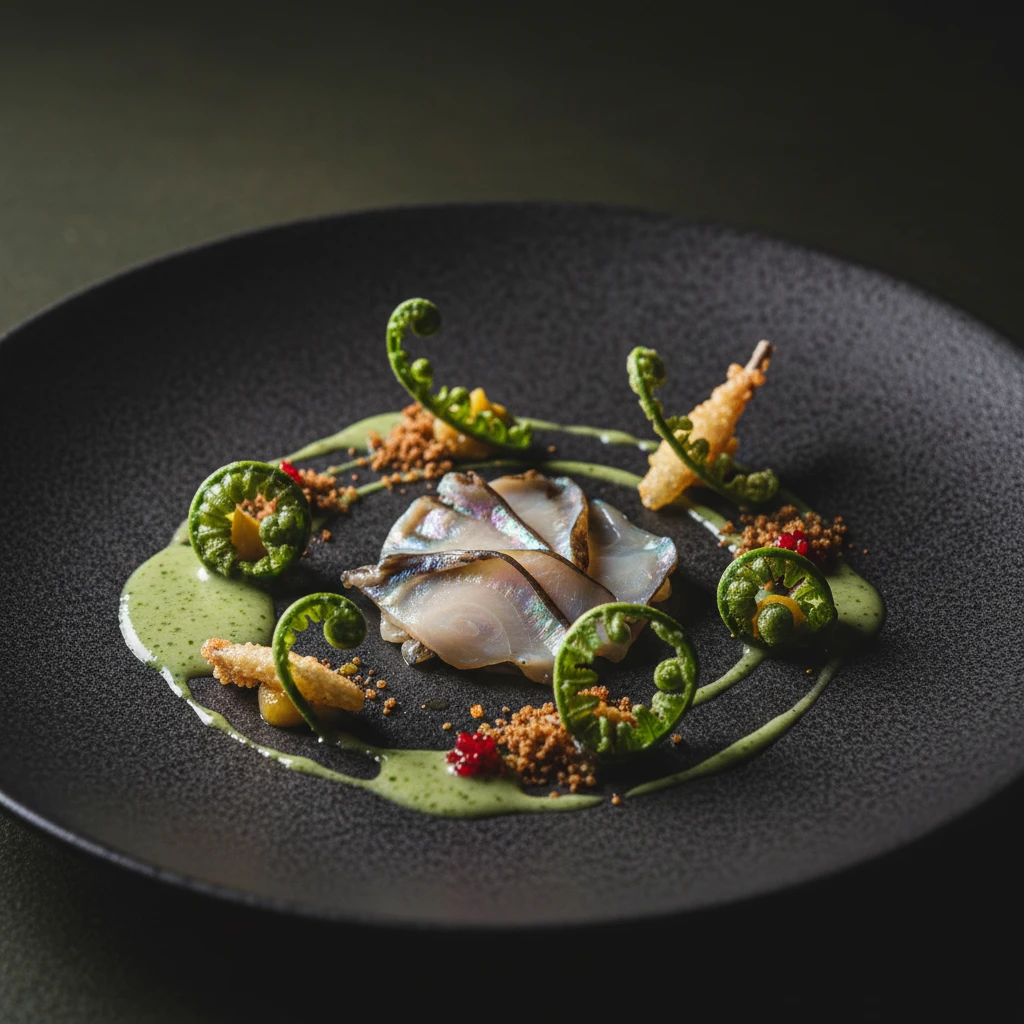
To celebrate Matariki at home, observe the three major principles: remembering those who have passed (Maimoatanga), celebrating the present with a feast (Hākari), and planning for the future. A simple home observance involves a pre-dawn Hautapu ceremony where steam from cooking food is offered to the stars, followed by reciting the names of loved ones and setting goals with Hiwa-i-te-rangi.
The Significance of Matariki and the Hautapu
Matariki, the Māori New Year, is a time of profound cultural importance in Aotearoa New Zealand. It marks the reappearance of the Pleiades star cluster in the mid-winter sky. Traditionally, this was a time when crops had been harvested and stored, allowing whānau (families) and hapū (sub-tribes) to gather, reflect, and plan for the seasons ahead.
At the heart of traditional celebrations is the Hautapu. The word Hautapu translates to “sacred wind” or “sacred breath.” In the context of Matariki, it refers to the ceremonial offering of food to the stars. The underlying belief is that the stars are sustained by the essence of the food rising up as steam. In return, the stars provide the people with the energy and signs needed for a prosperous year ahead.
While historically these ceremonies were conducted by tohunga (experts) on a large scale, modern celebrations encourage whānau to reclaim these traditions within their own homes. Understanding how to celebrate Matariki at home allows you to connect deeply with the environment, the maramataka (Māori lunar calendar), and your genealogy.

Preparing for Your Home Ceremony
Celebrating Matariki requires intention and preparation. Because Matariki is a time to reset, the days leading up to the rising of the stars are perfect for cleaning the house, finishing outstanding tasks, and resolving minor conflicts within the family. This ensures you enter the New Year with a clear mind and a clean space.
Gathering the Essential Elements
To perform a modified Hautapu at home, you will need to prepare specific foods that correspond to the stars within the Matariki cluster. The cluster contains stars associated with different domains of the natural world. Your offering should represent these domains:
- Tupu-ā-nuku: Food grown in the ground (e.g., Kūmara or potatoes).
- Tupu-ā-rangi: Food from the sky/trees (e.g., Chicken or fruit).
- Waitī: Food from fresh water (e.g., Eels or freshwater fish).
- Waitā: Food from the salt water (e.g., Fish or shellfish).
You do not need large quantities; small portions reserved specifically for the ceremony are sufficient. The focus is on the spiritual acknowledgement of where our sustenance comes from.
Step-by-Step: How to Perform a Simple Hautapu
Performing a Hautapu at home is a powerful way to ground your family in tradition. The ceremony is traditionally performed pre-dawn, just before the sun rises, when the stars are most visible.
1. The Timing and Location
Wake up early, usually between 5:00 AM and 6:30 AM, depending on your location and the date. Dress warmly. The ceremony should ideally take place outdoors where you have a clear view of the eastern horizon, which is where Matariki rises. If you cannot go outside, an open window facing east is a suitable alternative.
2. Cooking the Offering
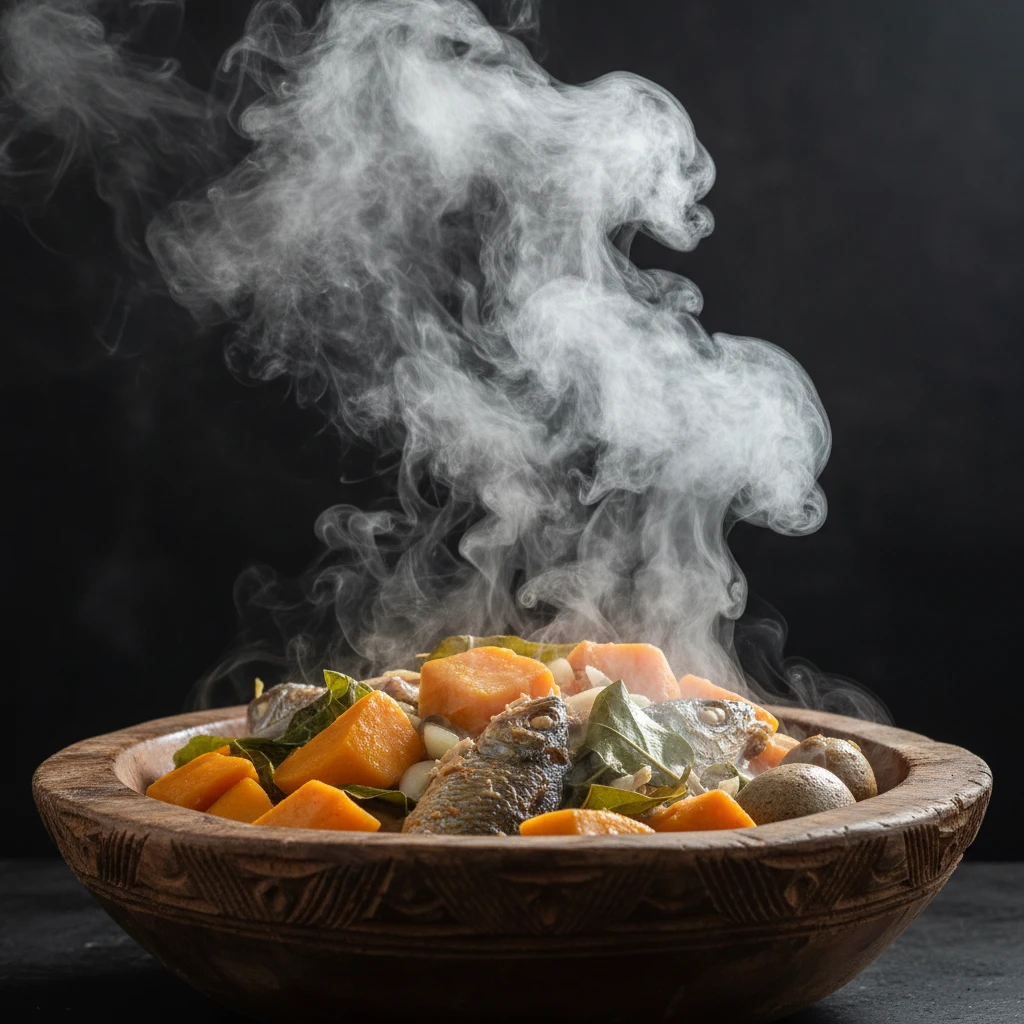
Prepare your four food items (earth, sky, fresh water, salt water). The most traditional method for the Hautapu is steaming or boiling, as the generated steam is the vehicle for the offering. Cook these items in a pot or a steamer just before you head outside. Do not season this food; it is an offering to the stars, not a meal for consumption yet.
3. The Offering (Te Whāngai i ngā Whetū)
Take your steaming pot outside. Place it on a table or hold it up. As the steam rises (this steam is called the hau), it is believed to carry your gratitude to the stars.
At this moment, you may recite a karakia (prayer) or simply speak from the heart. You might say:
“Ngā mihi ki a koutou, ngā whetū o te tau hou. (Greetings to you, the stars of the new year.)
We offer this essence to you. Thank you for the bounty of the past year, and we ask for sustenance and prosperity in the year to come.”
Allow the steam to dissipate into the sky. This act connects the physical realm (the food) with the spiritual realm (the stars).
Maimoatanga: Rituals for Remembering Loved Ones
Once the offering is made, the focus shifts to Pōhutukawa, the star in the cluster connected to those who have passed away. Matariki is the time to farewell the spirits of those who died since the last appearance of the cluster.
Calling the Names
This part of the ceremony, known as Maimoatanga, is often the most emotional. Stand with your whānau and speak the names of family members, friends, or community figures who have passed in the last year. You can do this by:
- Reading a list of names aloud into the morning air.
- Holding up photos of your loved ones.
- Sharing a brief, fond memory about each person.
It is appropriate to cry and express grief during this time. The belief is that when you call their names during Matariki, you are helping release their spirits to become stars in the sky, guided by Pōhutukawa. This ritual provides a necessary emotional release (whakawātea) before moving into the celebration of the new year.

Looking Forward: Setting Goals with Hiwa-i-te-rangi
After acknowledging the past, the ceremony turns toward the future. This connects to the star Hiwa-i-te-rangi, the “wishing star.” This is the youngest star in the cluster, to whom you send your dreams and aspirations for the coming year.
Setting Intentions
This is not quite the same as a “New Year’s Resolution” which is often about self-improvement; wishes to Hiwa-i-te-rangi are often about prosperity, abundance, and the wellbeing of the collective family.
Activity Idea: Have every member of the family write down one major hope or goal for the year on a piece of paper. You can read these aloud to the star, or keep them private. Some families choose to bury these papers in the garden (returning them to Papatūānuku) or burn them safely, allowing the smoke to carry the wish upward.
Examples of intentions include:
- “We ask for a healthy harvest in our vegetable garden this year.”
- “We seek success in our studies and learning.”
- “We ask for unity and peace within our extended family.”
The Hākari: Ideas for the Family Feast
Once the sun has risen and the formal ceremonies are complete, the restriction of tapu (sacredness) is lifted, and the state of noa (common/free) is restored through food. This is celebrated with a Hākari (feast).
Traditional Kai to Serve
Your Matariki feast should ideally reflect the bounty of the environment. Try to include ingredients that represent the stars you honoured earlier:
- Roast Kūmara and Pumpkin: Representing Tupu-ā-nuku (earth).
- Smoked Fish or Mussels: Representing Waitā (salt water).
- Watercress Salad or Eel: Representing Waitī (fresh water).
- Chicken or Duck: Representing Tupu-ā-rangi (sky).
- Rēwena Bread: A traditional sourdough potato bread that is perfect for sharing.
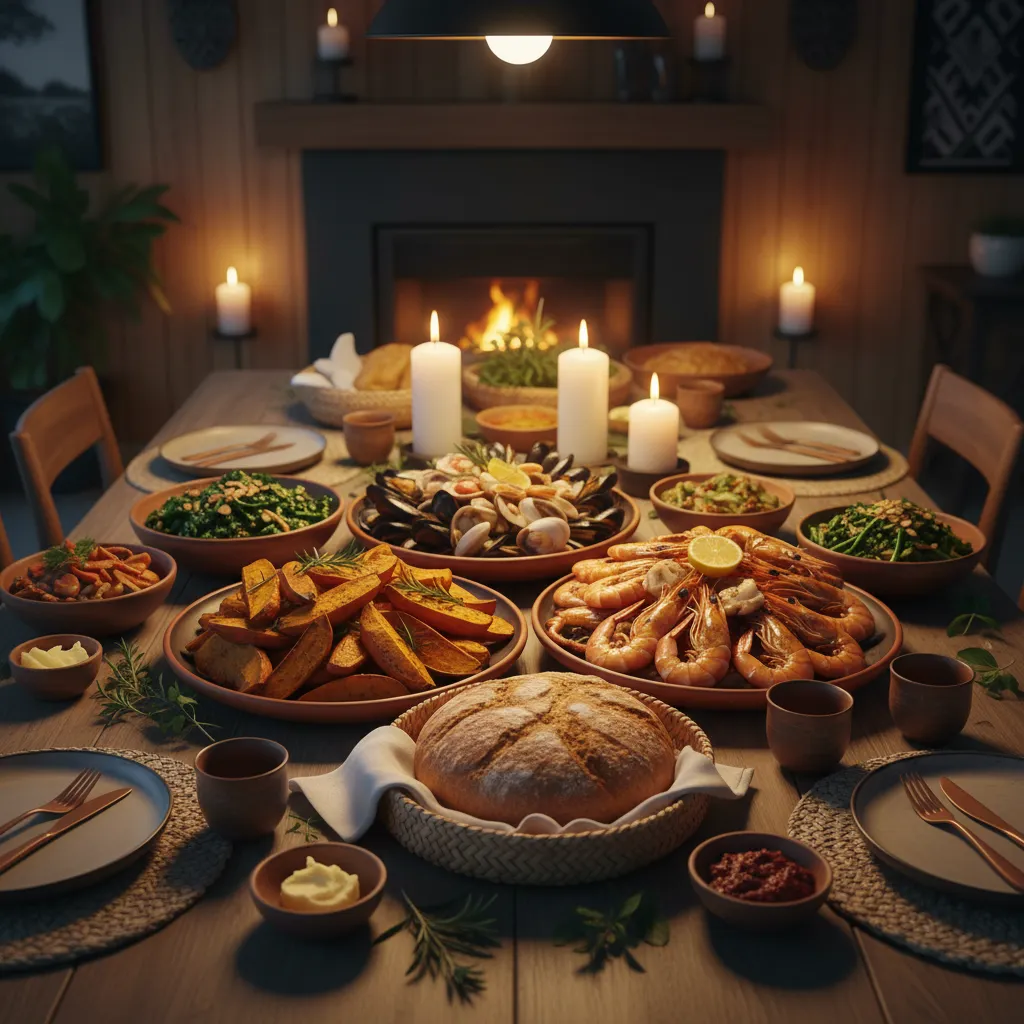
The Hākari is not just about eating; it is about connection. Ensure that televisions and phones are turned off. Use this time to tell stories, plan family events for the year, and enjoy each other’s company. By concluding the ritual with shared food, you solidify the bonds of the living, having honoured the dead and the gods.
Frequently Asked Questions
What is the best time to see Matariki?
The best time to view Matariki is early in the morning, just before dawn (between 5:30 AM and 6:30 AM), looking towards the north-eastern horizon. The specific dates change every year based on the lunar calendar (Maramataka), usually occurring in late June or early July.
Can anyone celebrate Matariki or is it only for Māori?
Matariki is a celebration for everyone in Aotearoa New Zealand. While it is rooted in Māori culture and worldview, the values of remembrance, celebrating the present, and looking to the future are universal. Non-Māori are encouraged to participate respectfully and learn about the traditions.
What if I can’t see the stars due to weather?
It is very common for the winter sky to be cloudy. If you cannot physically see the stars, you can still perform the ceremony. The ritual is about the intention and the timing. The stars are there, even if obscured by clouds. Proceed with your Hautapu and karakia as planned.
What is the difference between Matariki and Puanga?
In some parts of New Zealand (like Taranaki and parts of the South Island), the Matariki cluster is difficult to see due to geography. In these areas, the star Puanga (Rigel) is the signal for the New Year. The celebrations and meanings are very similar, but the specific star acknowledged is different.
How do I find the Matariki cluster in the sky?
To find Matariki, first find the ‘pot’ (Orion’s Belt/Tautoru). Follow the line of the three stars to the left until you see a bright triangular shape (Te Kokotā). Continue left to the next bright cluster, which is Matariki. It appears as a small, twinkling group of stars.
Is it okay to drink alcohol during the Hautapu?
Generally, the Hautapu is a tapu (sacred) ceremony, and alcohol is not typically part of the ritual offering or the immediate ceremony. It is best to stick to water or tea during the pre-dawn ritual. Alcohol may be consumed later during the Hākari (feast) if that is your family’s preference, but the ceremony itself should remain clear-headed and focused.