
The Maramataka is the traditional Māori lunar calendar that tracks time based on the movements of the moon and stars. Unlike the solar Gregorian calendar, it dictates daily activities like planting, fishing, and resting by aligning with the moon’s energy phases, ensuring communities live in harmony with the natural environment.
For centuries, the indigenous people of Aotearoa (New Zealand) have relied on the Maramataka not merely as a method of counting days, but as a comprehensive ecological guide. It is a system deeply rooted in observation, linking the celestial movements of the moon and stars with the terrestrial behaviors of birds, fish, and plants. Understanding the Maramataka offers a profound insight into a worldview that prioritizes rhythm, balance, and environmental sustainability.
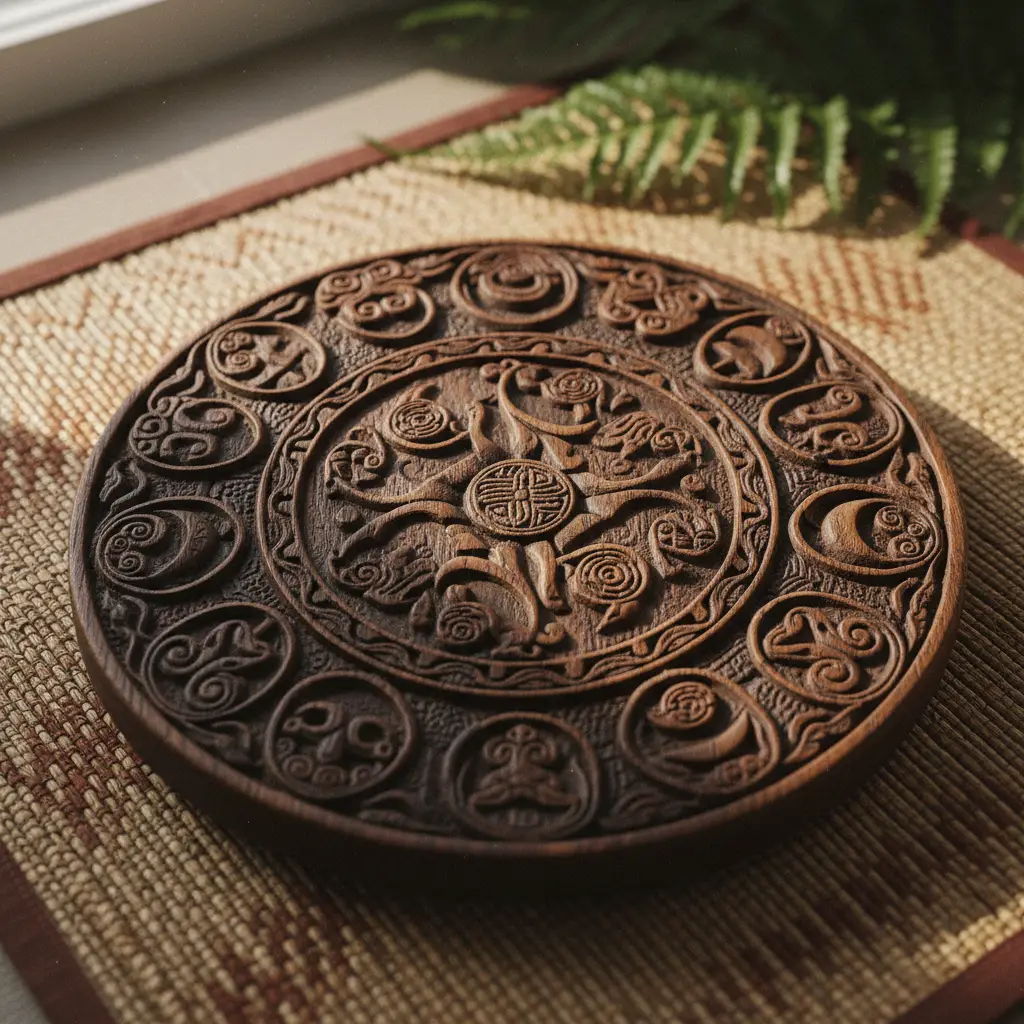
What is the Maramataka?
The word Maramataka literally translates to “the moon turning” (marama meaning moon, and taka meaning to turn or rotate). It serves as a predictive tool for scheduling activities essential for survival and prosperity. In traditional Māori society, success in gardening (mahinga kai) and fishing was not a matter of luck but the result of strictly adhering to the guidance of the Maramataka.
This system is not uniform across all of New Zealand. Because the geography and climate of Aotearoa vary significantly from the winterless north to the snowy south, different iwi (tribes) developed their own localized variations of the Maramataka. However, the core principles remain consistent: time is cyclic, and different days carry different energies suitable for specific tasks.
Difference Between Solar and Lunar Calendars
To fully grasp the Māori lunar calendar explained in a modern context, one must distinguish it from the Gregorian calendar used globally today.
The Gregorian (Solar) Calendar
The standard calendar is solar, based on the earth’s revolution around the sun, taking approximately 365.25 days. It is designed to keep the seasons in roughly the same place each year but disconnects the days of the month from the actual phases of the moon. In a solar calendar, the 1st of the month could be a full moon, a new moon, or anything in between.
The Maramataka (Lunar-Stellar) Calendar
The Maramataka is primarily lunar but anchored by the stars (stellar). A standard lunar month (synodic month) lasts approximately 29.5 days. This means a lunar year is roughly 354 days long—about 11 days shorter than the solar year.
If left uncorrected, the lunar months would drift out of sync with the seasons (e.g., a winter month eventually occurring in summer). To correct this, Māori astronomers used the rising of specific stars, most notably Matariki (the Pleiades) or Puanga (Rigel), to reset the calendar annually. This ensures that the lunar months realign with the appropriate seasonal markers necessary for agriculture.
Phases of the Moon and Planting Guide
The Maramataka divides the lunar month into specific nights, each with a name and a set of instructions. These phases are the ultimate guide for productivity, particularly in agriculture and fishing.
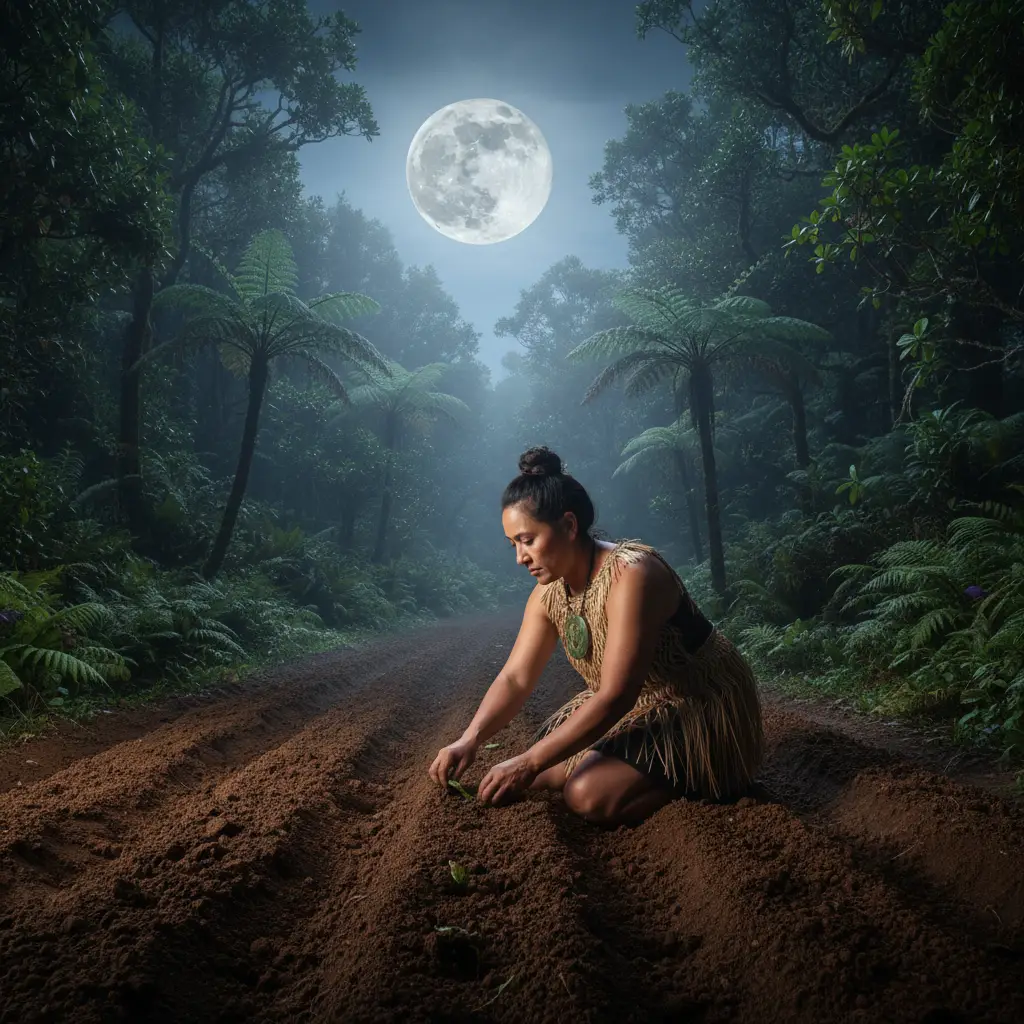
The Whiro Phase (New Moon)
Whiro marks the new moon. It is generally considered a time of low energy. The nights are dark, and it is often viewed as an unfavorable time for planting food or starting new ventures. Traditionally, this is a time for rest, reflection, and planning rather than doing. It is a time to retreat and conserve energy.
The Waxing Moon (Increasing Energy)
As the moon begins to grow, the energy lifts. This period includes phases like Tirea and Oue.
- Planting: This is an excellent time for planting crops that grow above the ground. The rising water tables (tides) and increasing light are believed to pull vegetation upward.
- Fishing: Fishing improves as the moon waxes, particularly for eel and crayfish.
The Rakaunui Phase (Full Moon)
Rakaunui is the time of the full moon and represents the peak of energy and productivity. The moon is fully illuminated, and the tides are high.
- Activity: This is the optimal time for high-output activity. Community gatherings, planting, and harvesting are favored.
- Planting: Root vegetables (like kūmara and potatoes) are often planted around the full moon phases, as the energy begins to turn inward and downward following the peak.
The Tangaroa Phase (Waning Moon)
Following the full moon, the cycle enters the Tangaroa phases. Tangaroa is the god of the sea, and naturally, these days are highly auspicious for fishing.
- Fishing: This is widely considered the best time of the month for fishing. The catch is usually plentiful, and the fish are active.
- Gardening: While fishing takes precedence, weeding and maintenance are good tasks for this period as the energy for growth slows down.
The Korekore Phase
The term Kore implies “nothing” or “nil.” The Korekore nights occur during the waning quarter. As the name suggests, these are days of low productivity for food gathering.
- Guidance: Do not plant. Do not fish. These days are set aside for administrative tasks, repairing nets, sharpening tools, or engaging in wānanga (learning/discussion). It is nature’s way of enforcing a break to prevent over-harvesting.
Understanding Energy Levels: High, Low, and Volatile
Beyond simple planting instructions, the Maramataka is a sophisticated energy management system. It categorizes days based on the “mauri” (life force) or energy present in the environment.

High Energy Days
Days like Rakaunui (Full Moon) and the Tangaroa phases are high energy. People generally feel more energetic, children may be more active (or restless), and physical tasks feel easier to accomplish. These are the “go” days.
Low Energy Days
The Whiro (New Moon) and Mutuwhenua (dark moon just before new) are low energy. It is common to feel lethargic or introspective. The Maramataka validates these feelings, suggesting that rest is the correct action, rather than pushing against the grain.
Volatile Energy Days (Tamatea)
The Tamatea phases are known for unpredictable weather and volatile energy. Winds can change direction suddenly, and the seas can become rough. In terms of human behavior, these days can bring about unsettled feelings or anxiety. It is advised to exercise caution and avoid risky behaviors during Tamatea nights.
How Matariki Resets the Maramataka
The alignment of the lunar year with the solar year is critical for a calendar used for agriculture. This alignment happens through the observation of stars, specifically the heliacal rising of the Pleiades cluster, known to Māori as Matariki.
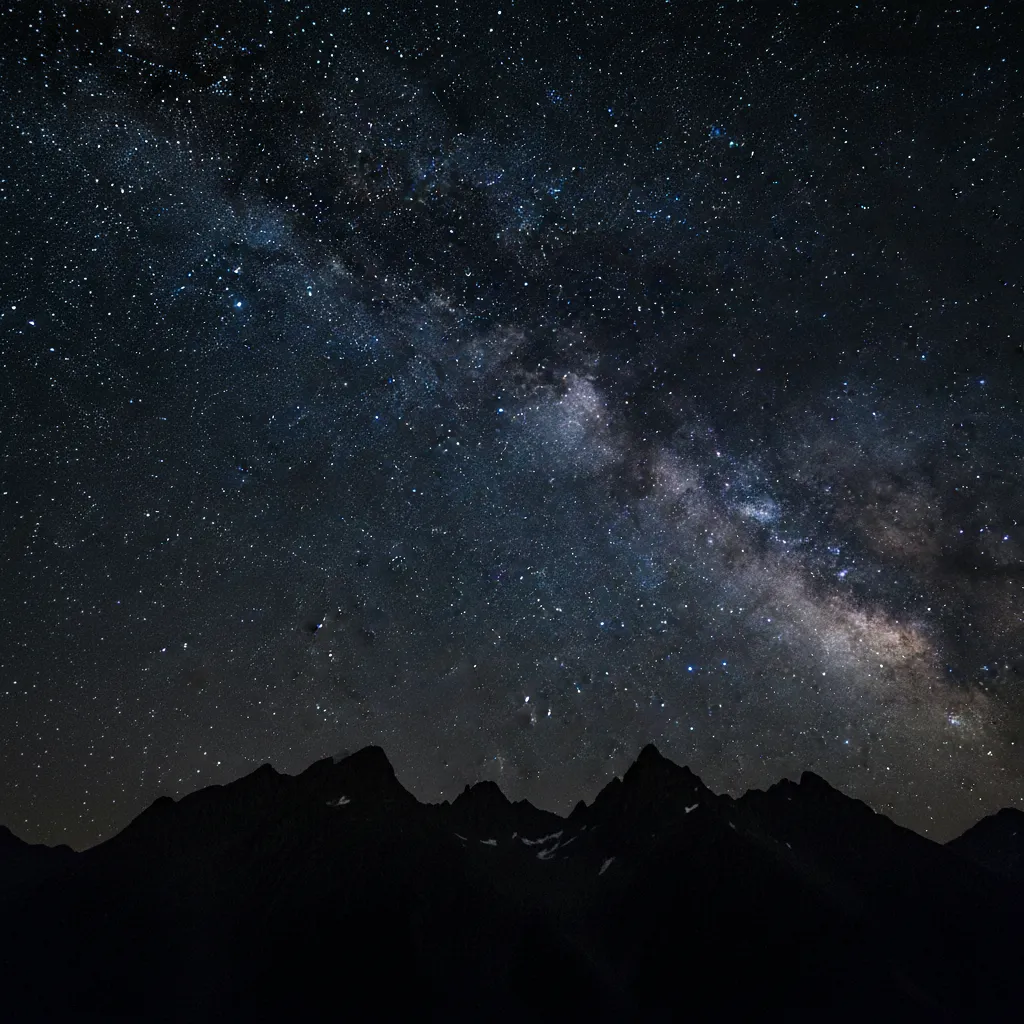
The Māori New Year
Matariki usually rises in mid-winter (late June or early July). When this cluster is sighted on the eastern horizon just before dawn, it signals the end of the current lunar year and the beginning of the new one. The first new moon following the sighting of Matariki marks the official start of the New Year.
Regional Variations (Puanga)
It is important to note that Matariki is not visible in all parts of New Zealand due to mountainous terrain (specifically in parts of the West Coast, Taranaki, and Whanganui). In these regions, the star Puanga (Rigel) is used as the marker for the New Year. This highlights the adaptability of the Maramataka to local environments.
The sighting of these stars prompts the recalibration of the months, ensuring that the month of Pipiri (June/July) always aligns with the cold of winter, and the month of Hakihea (December) aligns with the warmth of summer.
Living by the Maramataka Today
In recent years, there has been a significant resurgence in the use of the Maramataka, not just for gardening, but for holistic wellbeing and mental health.
Maramataka and Mental Health
Many health practitioners and social services in New Zealand are integrating the Maramataka into their care models. By tracking their energy levels against the moon phases, individuals can better understand their own emotional rhythms. For example, recognizing that a feeling of low mood coincides with a Whiro (low energy) phase can help normalize the feeling and encourage self-compassion rather than frustration.
Environmental Kaitiakitanga
The Maramataka reinforces the concept of Kaitiakitanga (guardianship). By strictly adhering to days where fishing is forbidden (Korekore), communities practice sustainable resource management. It prevents the depletion of fish stocks and allows ecosystems to regenerate.
Resources to Buy Maramataka Calendars
For those interested in applying this ancient wisdom to their daily lives, there are numerous resources available. Authentic Maramataka calendars often include dialect-specific information relevant to different regions.
- Te Papa Tongarewa Store: The national museum of New Zealand often stocks high-quality calendars and books explaining the system.
- Local Iwi and Marae: Many tribes produce their own calendars that are specific to their local environment and history. Purchasing from these sources directly supports the community.
- The Spinoff / Atea: Often features resources and articles by experts like Rereata Makiha and Heeni Hoterene, who are leading voices in the revitalization of Maramataka knowledge.
- Online Retailers: Search for “Maramataka wall planner” or “Māori lunar calendar diary” to find tools that overlay the lunar phases onto the standard Gregorian dates for ease of use.
Frequently Asked Questions
What is the difference between Matariki and Maramataka?
Maramataka is the system of timekeeping (the calendar itself), while Matariki is the star cluster (Pleiades) whose rising signals the start of the New Year within that calendar system.
How many days are in a Māori lunar month?
A standard lunar month in the Maramataka is approximately 29.5 days. However, the count of nights can vary slightly between different iwi (tribal) traditions, usually numbering between 29 and 30 nights.
What is the best moon phase for fishing?
The Tangaroa phases (occurring after the full moon) are widely considered the most productive for fishing. The energy of the ocean is active, and fish are more likely to bite.
Can I use the Maramataka for gardening in other countries?
The principles of lunar gardening (planting by the moon) apply globally. However, the specific seasonal markers (like Matariki) and star alignments are specific to the Southern Hemisphere and the latitude of New Zealand.
What does the Korekore moon phase mean?
Korekore translates to “nothing” or “void.” These are days of low productivity for food gathering. It is a time to rest, refrain from fishing or planting, and focus on planning or maintenance.
Why does the Māori calendar start in winter?
The New Year begins with the rising of Matariki in mid-winter (June/July) because this period marks the end of the harvest and a time of dormancy before the earth begins to warm up again for the new growing season.