
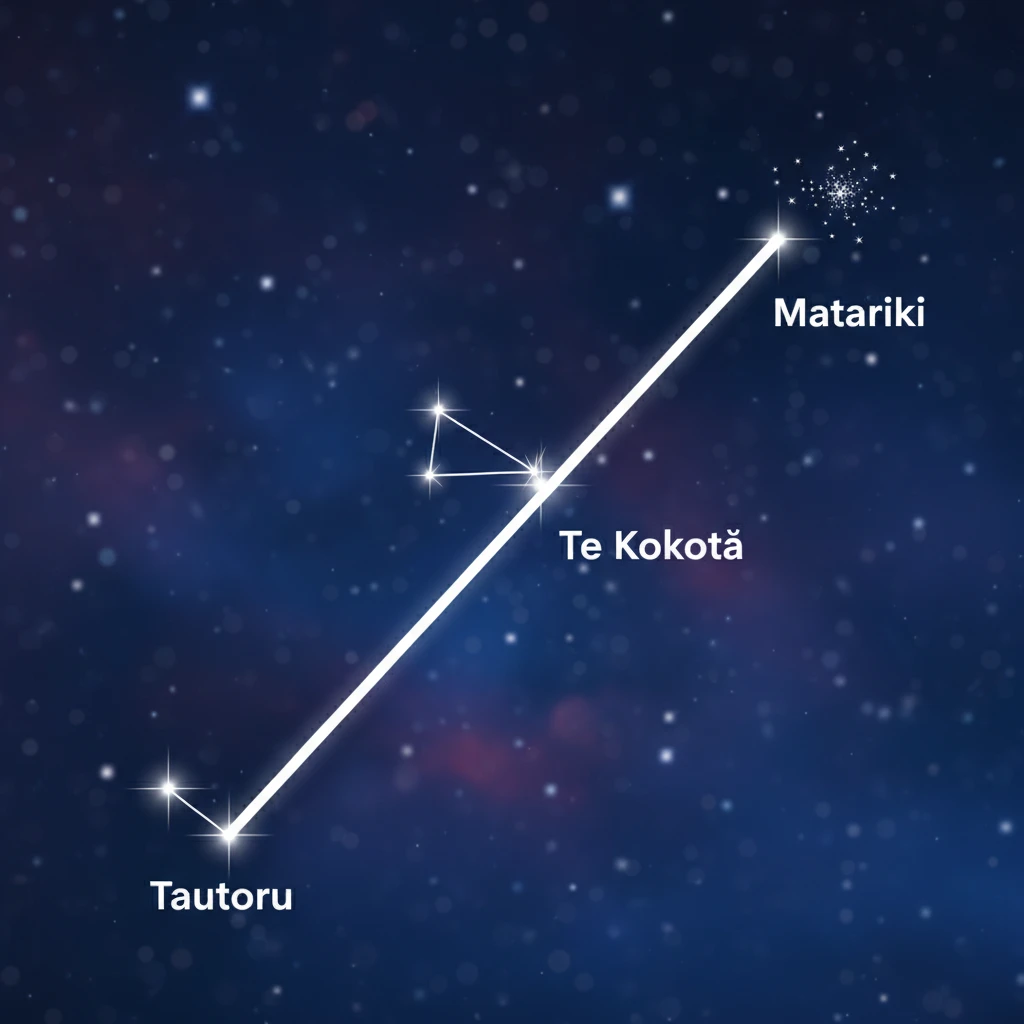
To find Matariki in the sky, look toward the northeastern horizon approximately 30 to 60 minutes before sunrise between late June and mid-July. Locate Tautoru (Orion’s Belt) first, then follow the line of the three stars leftward to the triangular cluster Te Kokotā (Hyades), and continue left until you spot the tight, twinkling cluster of Matariki (Pleiades).
The Significance of Sighting Matariki in 2025
As Aotearoa New Zealand prepares to celebrate the public holiday on Friday, June 20, 2025, the resurgence of interest in traditional astronomy (tātai arorangi) has never been higher. Matariki, known internationally as the Pleiades or Messier 45 (M45), is not merely a star cluster; it is a seasonal marker that signals the Māori New Year. The reappearance of these stars in the pre-dawn sky—known as the heliacal rising—marks a time for remembrance, celebrating the present, and looking to the future.
While modern calendars mark the date, the true astronomical event requires precise timing and specific knowledge of the night sky. Unlike the solitary bright stars that dot the heavens, Matariki is an open star cluster. This means it appears as a congregation of stars bound together by gravity. For the observer, this manifests as a distinct, shimmering vibration of light, often described in Māori tradition as a “little heap” or a gathering of people.
Understanding how to find Matariki in the sky is a skill that connects us to centuries of navigators and observers. It requires patience, early rising, and an understanding of the celestial landscape that rotates above us.
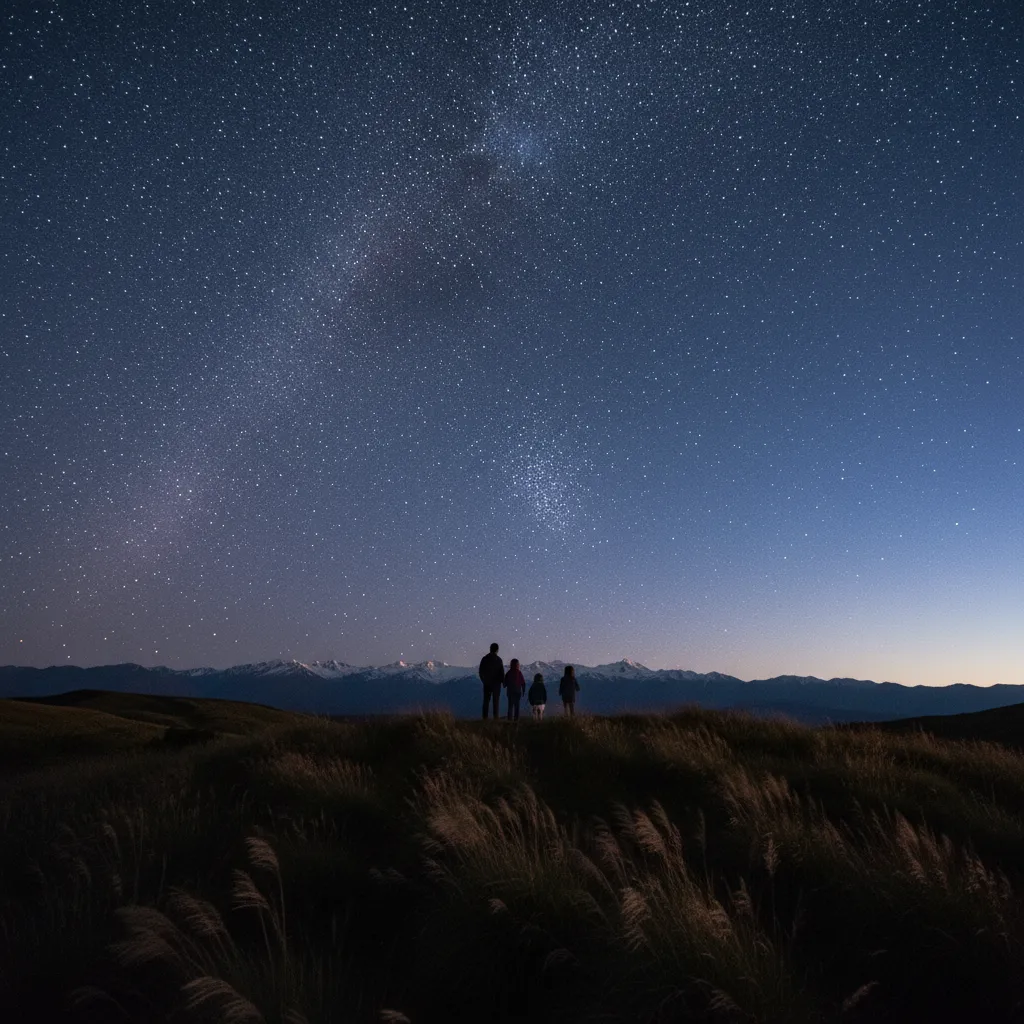
Best Time and Conditions for Viewing
Timing is the most critical factor in locating this star cluster. You cannot see Matariki in the middle of the night during the New Year period; it must be viewed in the early morning.
The Pre-Dawn Window
The optimal time to view Matariki is during the phase known as Tangaroa in the lunar calendar, specifically in the last quarter of the moon cycle. For the 2025 celebration period, the viewing window opens in late June and extends through July.
You should aim to be at your viewing location between 5:30 AM and 6:30 AM. The goal is to catch the cluster after it has risen above the horizon but before the sun’s light (Te Rā) begins to bleach the sky, rendering the stars invisible. This brief window of darkness before dawn is essential.
Direction and Elevation
Matariki rises in the North-East. If you have a compass or a smartphone app, look for a heading between 45° and 60°. However, you do not need technology to find it if you know how to read the stars that rise before it. The cluster sits relatively low on the horizon during the early rising period, so elevation is key. You need a view that is unobstructed by tall buildings, streetlights, or high mountain ranges to the east.
Step-by-Step Navigation Guide
The most reliable method for locating Matariki is to use a technique called “star hopping.” This involves identifying larger, brighter, and more recognizable constellations and using them as signposts to guide your eye to the smaller cluster.
1. Find Tautoru (The Pot / Orion’s Belt)
Start by looking toward the eastern horizon. The most recognizable constellation in the winter sky is Orion, known in New Zealand as “The Pot” or strictly as Tautoru (The Three). You are looking for the three distinct stars that form a straight line—the bottom of the pot. These stars are Mintaka, Alnilam, and Alnitak.
2. Draw a Line Leftward
Once you have locked your eyes on Tautoru, imagine a straight line running through these three stars and extending to the left (northward). You are going to follow this trajectory across the sky.
3. Locate Te Kokotā (The Face / Hyades)
Follow the line from Tautoru to the left, and you will encounter a bright orange star. This is Aldebaran. It sits within a V-shaped cluster of stars known as the Hyades, or Te Kokotā to Māori. This cluster represents the face of the sky. If you see this triangle shape, you are on the right path.
4. Continue to Matariki
Continue your imaginary line from Te Kokotā further to the left. You will pass a bright blue-white star called Puanga (Rigel) located above Tautoru, but keep your line moving left from the Hyades. You will eventually land on a small, tight cluster of stars that looks like a diamond or a small cloud of light. This is Matariki.
Using Celestial Markers: Tautoru and Te Kokotā
Why do we use Tautoru and Te Kokotā? In the vastness of the pre-dawn sky, the scale can be overwhelming. Matariki itself is relatively small compared to the sprawling constellations around it. Without these markers, it is easy to mistake other stars for the cluster or miss it entirely.
The Role of Puanga (Rigel)
It is important to acknowledge the star Puanga (Rigel). In some parts of New Zealand, specifically the West Coast, Taranaki, and parts of the Far North, the geography of the landscape means Matariki is often obscured by mountains or rises too late to be seen clearly. In these rohe (regions), the rising of Puanga—a very bright star located above Tautoru—signals the New Year. While Puanga is a single star and Matariki is a cluster, they are cosmologically linked in the narrative of the New Year.
Naked Eye vs. Binoculars
One of the most common questions regarding how to find Matariki in the sky is whether special equipment is necessary. The answer is both yes and no, depending on the experience you seek.
The Naked Eye Experience
Historically, Matariki was always viewed with the naked eye. Māori tohunga (experts) would gauge the visibility of the stars to predict the productivity of the coming harvest. If the stars were clear and bright, it signaled a warm, productive season. If they were hazy or shimmering violently, it predicted a cold, difficult winter. Viewing with the naked eye connects you to this ancestral perspective. To the naked eye, it appears as roughly seven visible stars (though there are hundreds in the cluster).
Using Binoculars
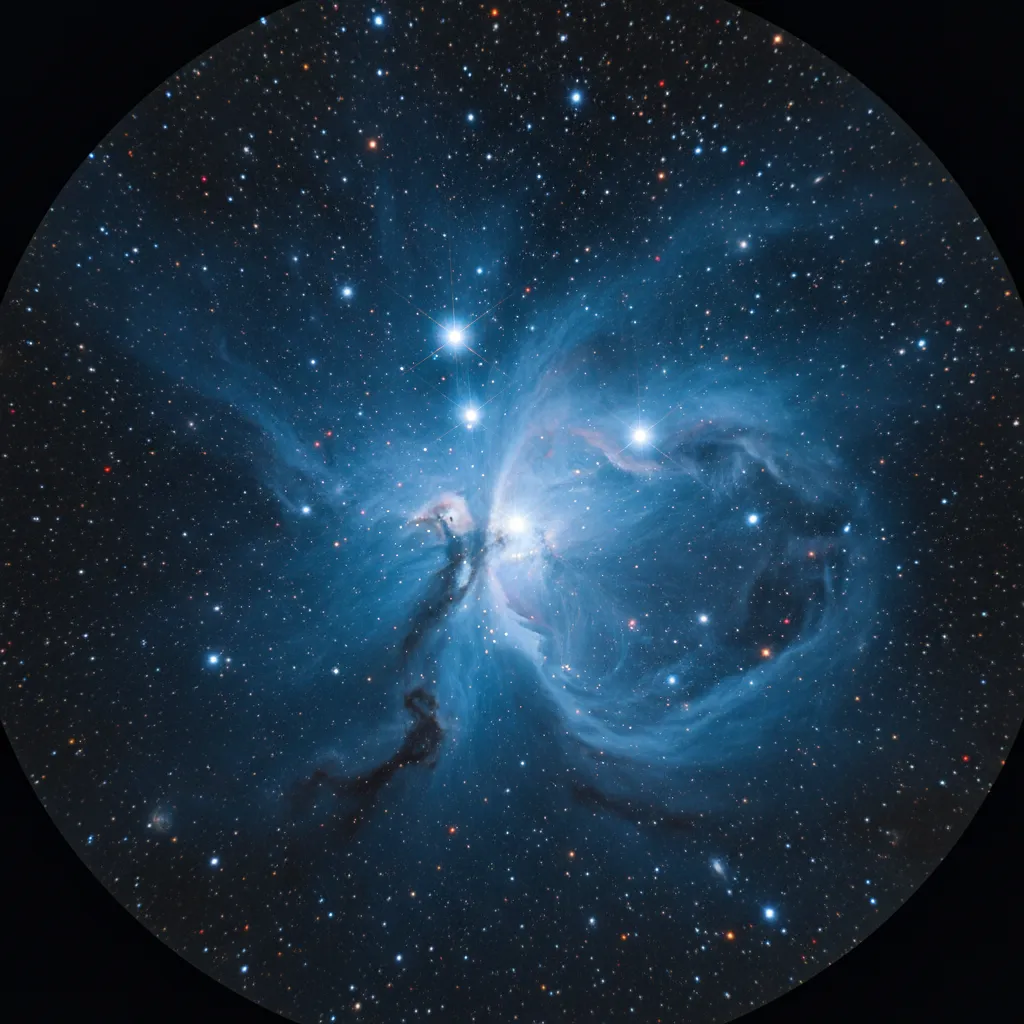
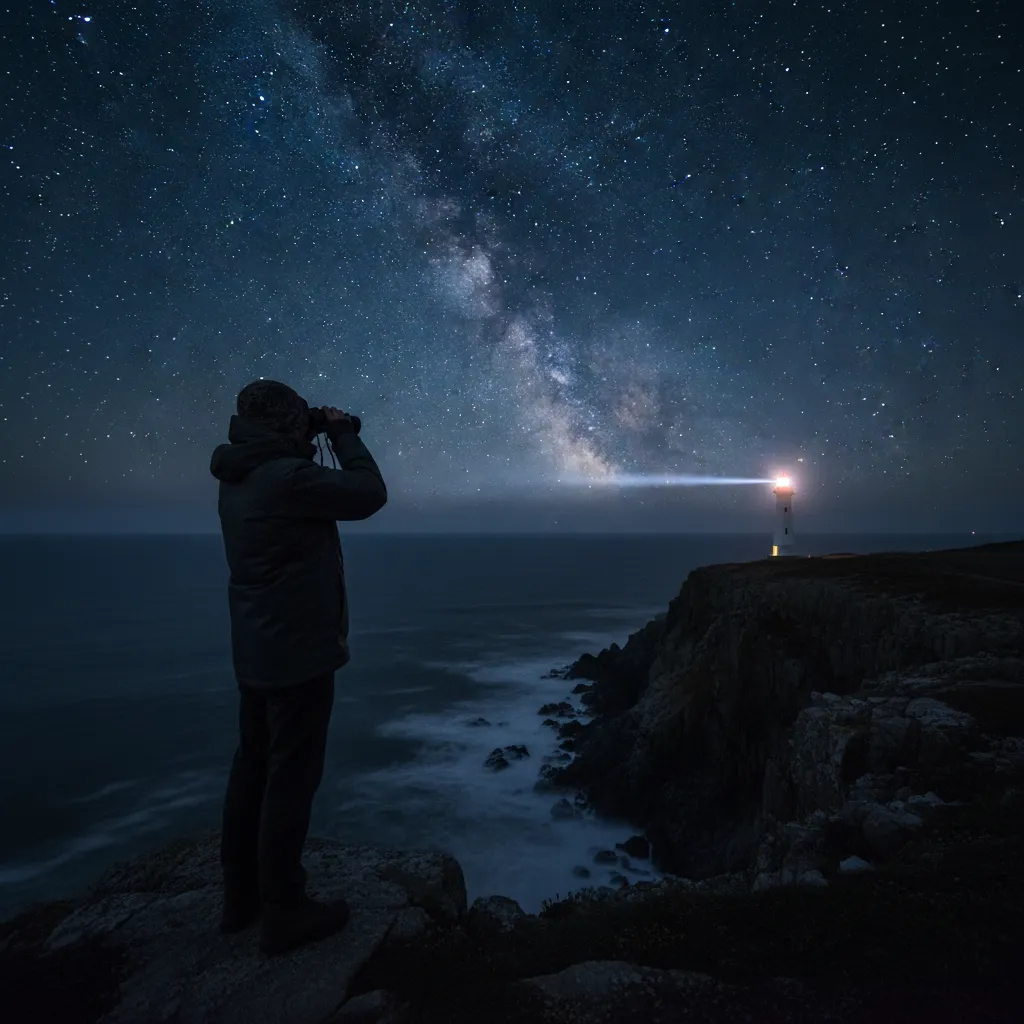
For the modern observer, a standard pair of binoculars (e.g., 7×50 or 10×50) transforms the experience. Through binoculars, the “haze” resolves into dozens of brilliant, diamond-like blue stars. The cluster is physically quite large (about four times the diameter of the full moon), so telescopes with high magnification often zoom in too much, cutting off part of the cluster. Binoculars are widely considered the best optical tool for viewing the Pleiades.
Troubleshooting: Clouds and Location
New Zealand winters are notoriously volatile. It is very common to wake up at 5:00 AM only to find a blanket of cloud covering the eastern horizon. Here is how to handle adverse conditions.
What to do if it is cloudy?
If the horizon is clouded over, do not give up immediately. Wait for 15 to 20 minutes. The wind at that time of morning can often move cloud layers quickly, creating gaps. If the cloud cover is total, you will need to try again the following morning. Matariki remains visible in the morning sky for months, though its cultural significance as the “New Year signal” is tied to its first rising.
Avoiding Light Pollution
Light pollution is the enemy of astronomy. Streetlights and city centers create a “skyglow” that washes out faint objects like star clusters. To successfully find Matariki, you should travel to a location away from direct street lighting. Parks, beaches, or designated Dark Sky Sanctuaries (like those in Tekapo, Great Barrier Island, or Wairarapa) offer the best viewing experiences.
The Cultural Importance of the Sighting
Finding Matariki is more than an exercise in navigation; it is a ritual of reconnection. In traditional society, the sighting was conducted by a tohunga kōkōrangi (astronomer). They would weep to acknowledge those who had passed away since the last rising of Matariki, calling out the names of the dead to the stars to be carried into the heavens.
Today, this practice continues. When you locate the cluster, take a moment to reflect on the year that has passed, remember loved ones lost, and set intentions for the year ahead. The stars of Matariki—Matariki (the mother) and her children (Waitī, Waitā, Waipuna-ā-rangi, Tupu-ā-nuku, Tupu-ā-rangi, Ururangi, Pōhutukawa, and Hiwa-i-te-rangi)—each represent different environmental domains, from fresh water to the food that grows in the ground. Viewing them is an acknowledgment of our environment.
People Also Ask
When is the best date to see Matariki in 2025?
The best time to view Matariki in 2025 is during the lunar phase of Tangaroa, typically in late June to early July. The public holiday is observed on June 20, 2025, which is a prime time to begin looking for the cluster in the pre-dawn sky.
Which compass direction is Matariki?
Matariki rises in the North-East. If you are using a compass, look for a bearing between 45 and 60 degrees. It will be low on the horizon, so ensure you have a clear view toward the northeast.
Is Matariki the same as the Seven Sisters?
Yes, Matariki is the Māori name for the Pleiades star cluster, which is known as the Seven Sisters in Greek mythology. It is also known as Subaru in Japan and Krittika in India.
Why can’t I see Matariki?
If you cannot see Matariki, it is likely due to one of three reasons: it is not the right time of year (it is invisible in May), you are looking at the wrong time of day (it must be pre-dawn in winter), or light pollution/clouds are obscuring the view.
What is the difference between Puanga and Matariki?
Matariki is a star cluster, while Puanga (Rigel) is a single bright star. In regions where Matariki is hard to see due to mountains (like the West Coast), tribes often celebrate Puanga as the marker of the New Year instead.
How many stars are in the Matariki cluster?
While there are hundreds of stars in the cluster, only about 7 to 9 are typically visible to the naked eye. In Māori narrative, there are nine stars celebrated: Matariki and her eight children.