
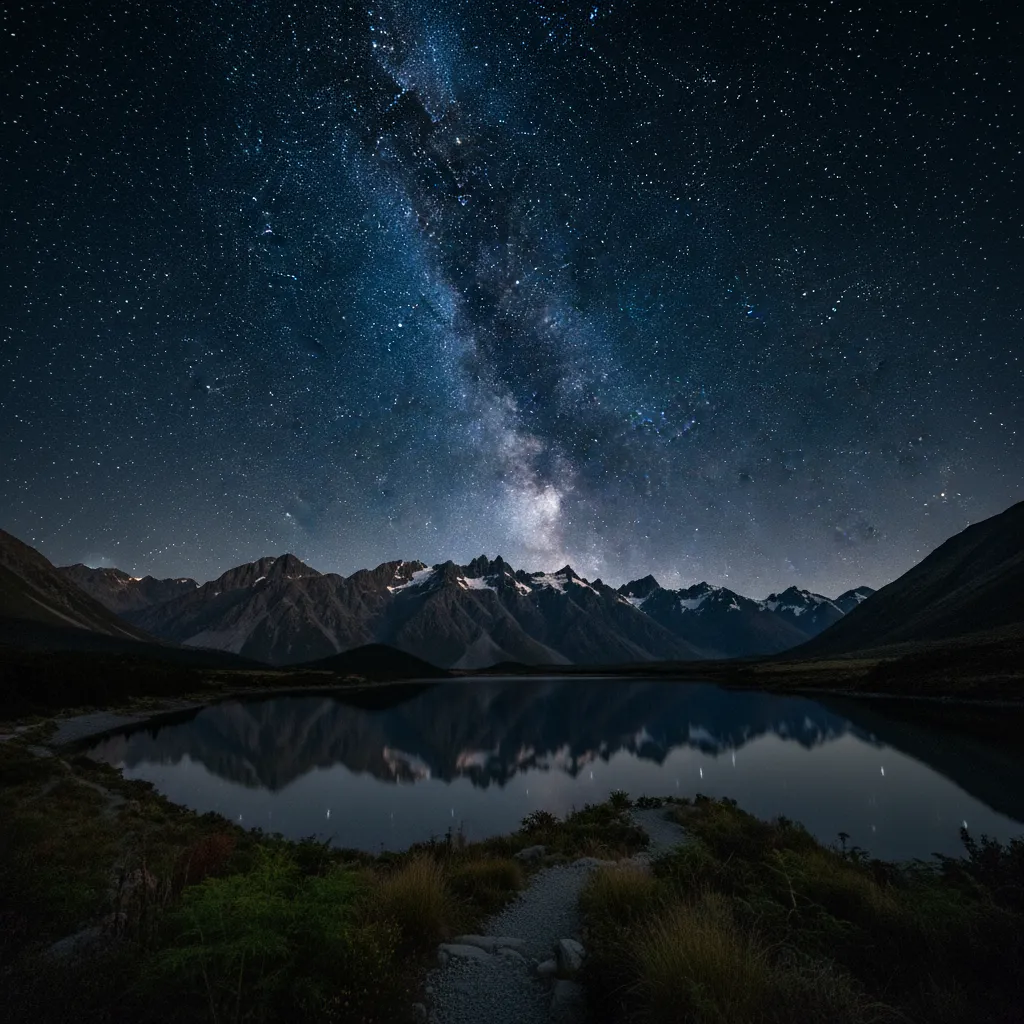
Matariki is the Māori name for the Pleiades star cluster, and its heliacal rising in mid-winter marks the beginning of the Māori New Year. It is a significant time in New Zealand for remembering those who have passed, celebrating the present with whānau (family), and planning for the future.
What is Matariki and Why is it Celebrated?
Matariki is a shortened version of Ngā Mata o the Ariki o Tāwhirimātea, or “The eyes of the god Tāwhirimātea.” In astronomy, this cluster is known as the Pleiades or the Seven Sisters. While it is recognized globally by various cultures, in Aotearoa New Zealand, it holds a profound significance as the herald of the Māori New Year.
The celebration occurs during mid-winter, typically in June or July, when the cluster reappears in the dawn sky. Unlike the Gregorian New Year which is fixed on January 1st, the timing of Matariki shifts each year based on the lunar calendar (Maramataka) and the position of the stars.
Traditionally, Matariki was a time to acknowledge the dead and to release their spirits to become stars in the sky. It was also a time to give thanks for the harvest. If the stars appeared clear and bright, it signified an abundant season ahead; if they were hazy, it predicted a cold, harsh winter and poor crops. Today, the celebration has evolved into a period of national unity, cultural learning, and environmental reflection.
The Three Major Principles
Modern celebrations of Matariki are guided by three major principles that align with the past, present, and future:
- Remembrance: Honoring those who have passed away since the last rising of Matariki.
- Celebrating the Present: Gathering together to give thanks for what we have, sharing kai (food), and celebrating with family and friends.
- Looking to the Future: Planning for the year ahead and setting new goals or intentions.
The Significance of the Public Holiday
In 2022, New Zealand marked a historic moment by celebrating Matariki as an official public holiday for the first time. This was a watershed moment for the nation, representing the first public holiday in Aotearoa that recognizes Te Ao Māori (the Māori world) and is unique to this part of the world.
The Te Kāhui o Matariki Public Holiday Act 2022 formalized this observance. The dates are not arbitrary; they are advised by the Matariki Advisory Committee, which uses the Maramataka (lunar calendar) to predict the exact dates of the rising for decades to come. This aligns the nation’s rhythm with the environment rather than a commercial or colonial calendar.
The establishment of this holiday serves an educational purpose, inviting all New Zealanders—regardless of background—to learn about Māori astronomy, environmental science, and cultural values. It encourages a pause in the busy mid-winter season to reconnect with nature and community.
Overview of the Nine Stars of Matariki
While many cultures identify seven stars in the Pleiades, Māori astronomy typically recognizes nine distinct stars within the Matariki cluster. Each star holds dominion over a specific aspect of the environment and human life. Understanding these stars is essential to a comprehensive Matariki New Zealand guide.
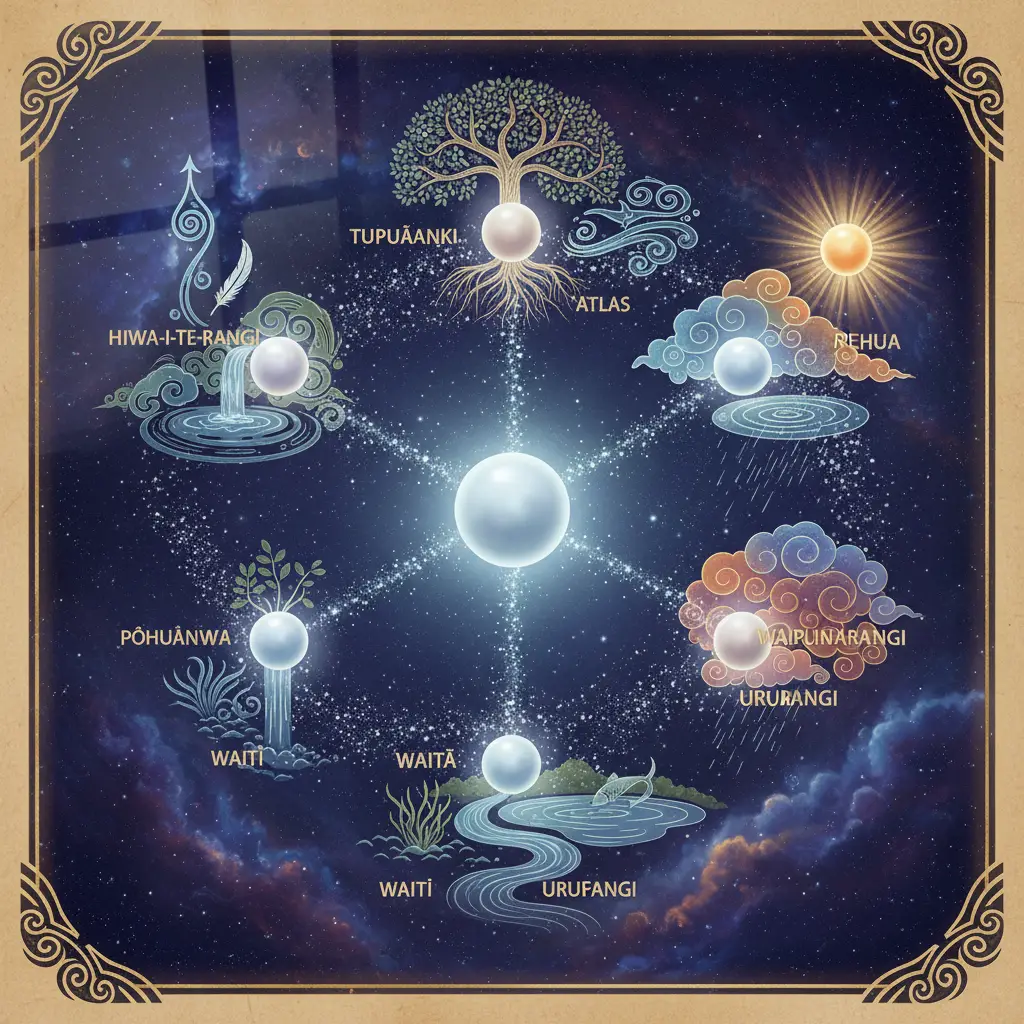
1. Matariki
The mother of the other stars in the cluster. Matariki signifies reflection, hope, and the connection to the environment. She is often associated with the health and well-being of the people. When we gather, we do so under the watchful eye of Matariki.
2. Pōhutukawa
This star is connected to those who have passed on. It is the star that carries the dead across the year. During the rising of Matariki, names of those who have died in the past year are called out to Pōhutukawa to guide them into the afterlife.
3. Tupuānuku
Tupuānuku is the star connected to food that grows in the ground. “Tupu” means to grow, and “Nuku” refers to Papatūānuku (the Earth Mother). This star oversees the harvest of crops like kūmara (sweet potato) and ensures the soil is fertile.
4. Tupuārangi
This star is associated with food that comes from the sky and above the ground. This includes birds, berries, and fruits from trees. It reminds us of the importance of our forests and the creatures that inhabit the canopy.
5. Waitī
Waitī watches over fresh water environments and the food sources within them. This includes rivers, streams, and lakes, as well as eels (tuna) and freshwater fish. It serves as a reminder to protect our freshwater resources.
6. Waitā
Waitā is the twin of Waitī and represents the ocean and salt water. This star is associated with the vast food sources of the sea (kai moana). It signals the tides and the abundance of fish in the ocean.
7. Waipuna-ā-rangi
This star is connected to the rain. Its name translates to “Water that pools in the sky.” It welcomes the winter rains and snow that eventually melt to feed the rivers and hydrate the land for the coming spring.
8. Ururangi
Ururangi is the star connected to the winds. The name means “The winds of the sky.” It determines the nature of the winds for the year—whether they will be benevolent or destructive.
9. Hiwa-i-te-rangi
The youngest star, Hiwa-i-te-rangi, is the wishing star. It is to this star that you send your wishes and aspirations for the coming year. It represents the promise of a prosperous future.
The Maramataka: The Māori Lunar Calendar
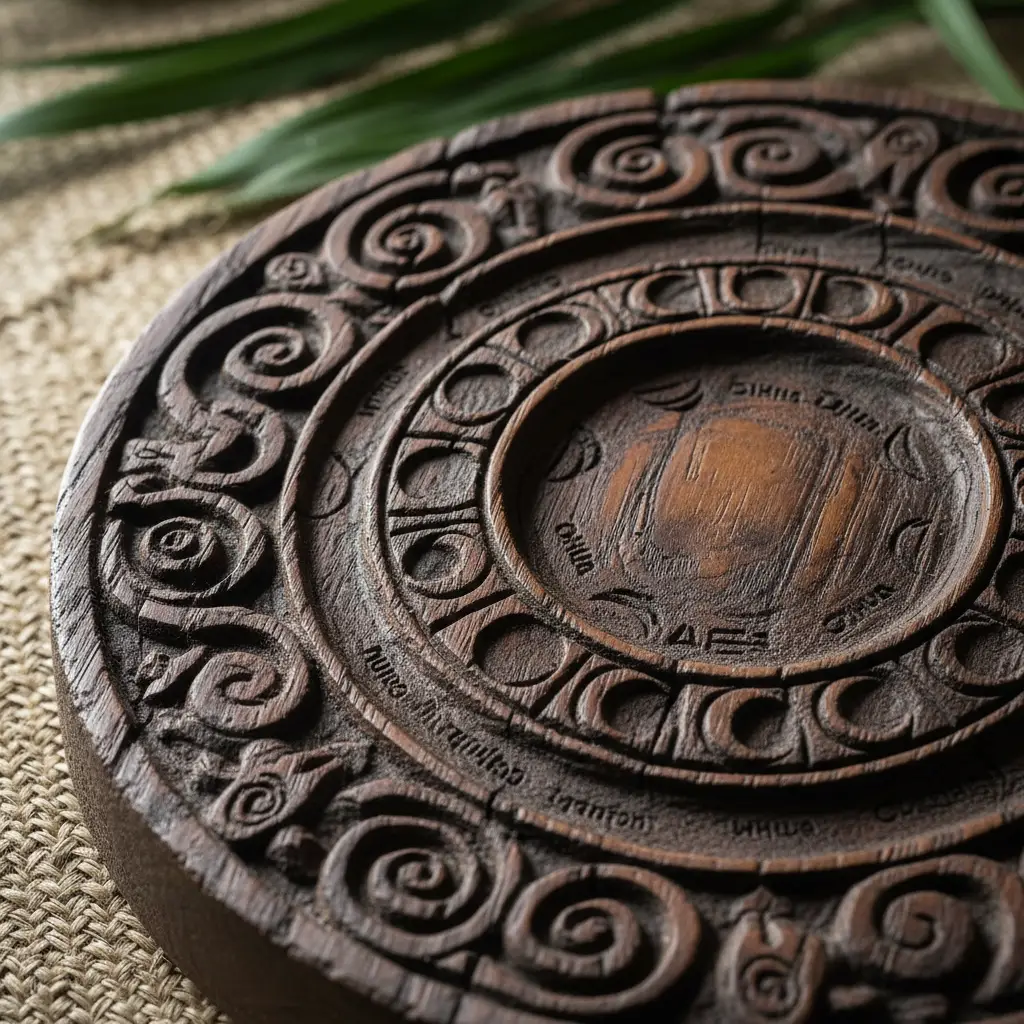
To truly understand Matariki, one must understand the Maramataka. Unlike the solar Gregorian calendar, the Maramataka is based on the phases of the moon and the position of stars. It is a highly sophisticated system used by Māori ancestors to track time and determine the best days for fishing, planting, and harvesting.
Matariki appears in the eastern sky in the lunar month of Pipiri (June/July). The holiday is timed to coincide with the Tangaroa moon phase, which is a productive time for fishing and planting. This deep connection between the celestial bodies and terrestrial activities highlights the environmental wisdom embedded in Māori culture.
How to Celebrate Matariki 2024/2025
Celebrating Matariki is about reconnecting with people and place. Whether you are Māori or non-Māori, there are respectful ways to participate in this unique New Zealand event.
Attend a Hautapu Ceremony
The traditional ceremony involves cooking food in an earth oven (umu kohukohu whetū) and releasing the steam to the stars as an offering. While these are often formal iwi (tribal) events, many local councils and marae host public ceremonies at dawn. Watching the stars rise while sharing karakia (prayers) is a moving experience.
Share a Feast (Hākari)
Food is central to Matariki. Host a mid-winter feast with friends and family. Try to include foods represented by the stars: kūmara (Tupuānuku), fish (Waitā), and birds/chicken (Tupuārangi). It is a time to relax, tell stories, and enjoy each other’s company.
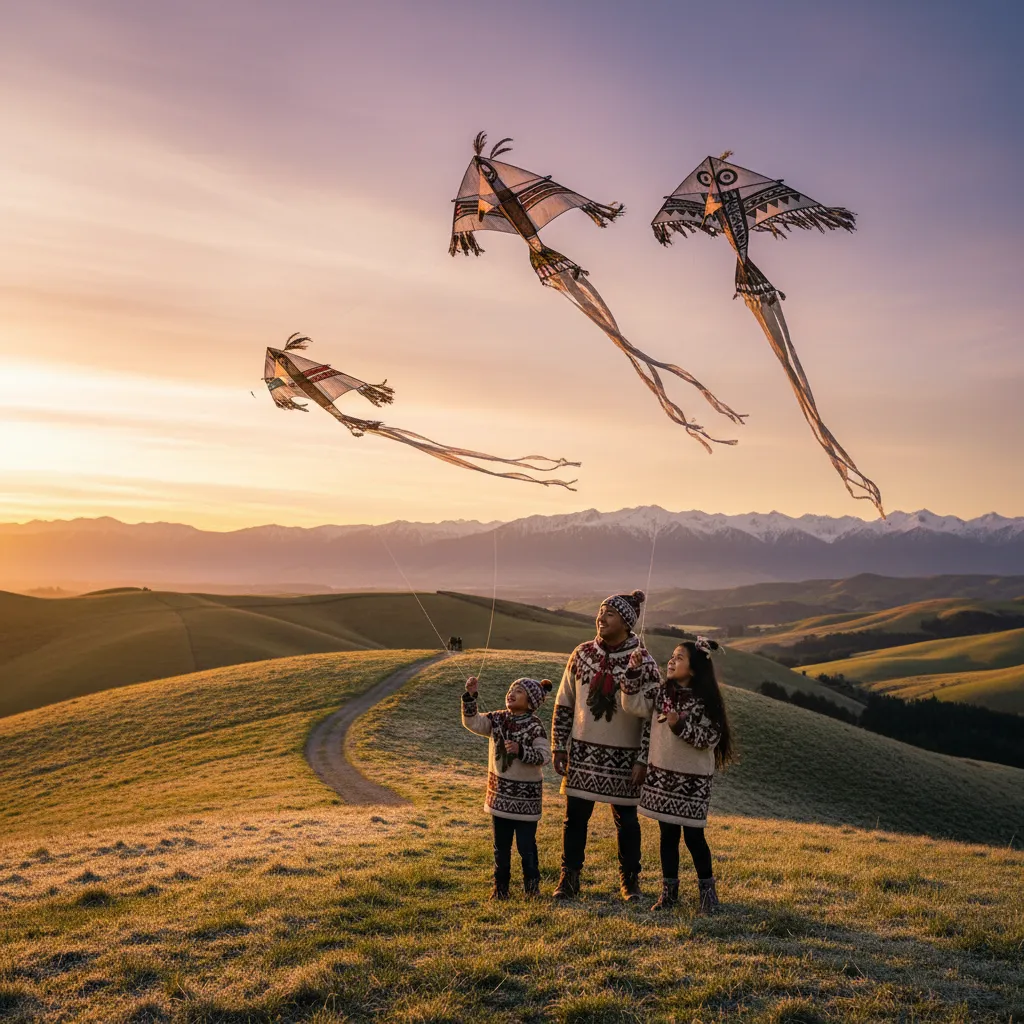
Manu Tukutuku (Kite Flying)
Kites were traditionally flown during Matariki to flutter close to the stars, connecting the heavens and the earth. This is a fantastic activity for families and children. Many regions hold kite festivals during the holiday weekend.
Environmental Action
Since Matariki is deeply tied to the environment, planting native trees or cleaning up a local waterway is a perfect way to honor the stars Waitī, Waitā, and Tupuānuku. It is a practical way to ensure the land remains abundant for future generations.
Resources and Events
For those looking to deepen their knowledge or find local events, several authoritative resources are available:
- Te Papa Tongarewa: The Museum of New Zealand offers extensive educational resources, videos, and event listings.
- Matariki.com: A dedicated portal for news, dates, and cultural information regarding the holiday.
- Local Council Websites: Check the websites of Auckland Council, Wellington City Council, and others for regional festivals and light shows.
- Living by the Stars: Professor Rangi Matamua is a leading expert on Māori astronomy. His books and online content are the gold standard for Matariki knowledge.
People Also Ask
When is the Matariki public holiday observed?
The date changes every year based on the lunar calendar. For example, in 2024, it is observed on June 28th, and in 2025, it will be observed on June 20th. The dates are announced years in advance to allow for planning.
Is Matariki celebrated only in New Zealand?
While the specific celebration of “Matariki” as the Māori New Year is unique to Aotearoa New Zealand, the Pleiades cluster is celebrated globally. It is known as Subaru in Japan, the Seven Sisters in Greece, and holds significance in Hawaiian and Native American cultures.
What is the proper greeting for Matariki?
The most common greeting is “Mānawatia a Matariki,” which translates to “Celebrate Matariki” or “Welcome Matariki.” It is a respectful and joyful way to wish someone well during the holiday.
Why are there sometimes 7 stars and sometimes 9?
The visibility of the stars depends on eyesight, atmospheric conditions, and location. While 7 stars are easily visible to the naked eye (hence “Seven Sisters”), Māori astronomers with keen eyesight and deep knowledge identified 9 distinct stars in the cluster, each with its own meaning.
What food should be eaten during Matariki?
Ideally, a Matariki feast includes foods from the domains of the stars: food from the earth (kūmara, potatoes), food from the sky (birds, fruits), and food from the water (fish, shellfish). A hangi (earth oven) is the traditional method of cooking.
Can non-Māori celebrate Matariki?
Absolutely. Matariki is a public holiday for all people in Aotearoa. It is an invitation to learn about the indigenous culture of New Zealand, respect the environment, and spend time with loved ones. Everyone is encouraged to participate.