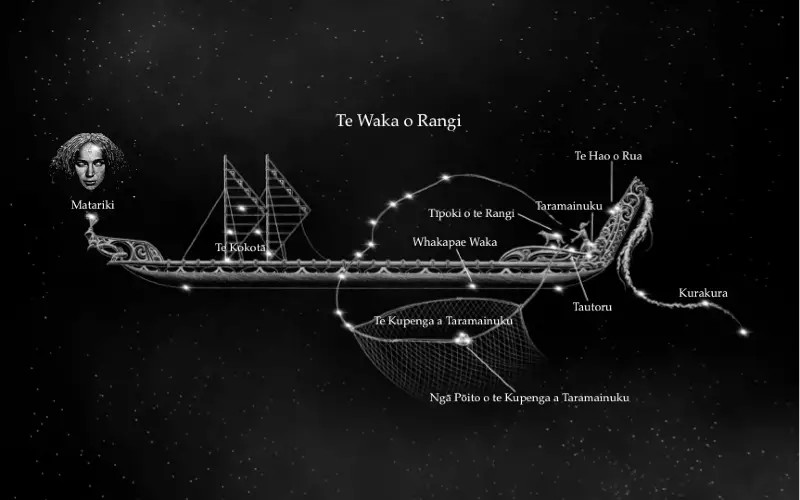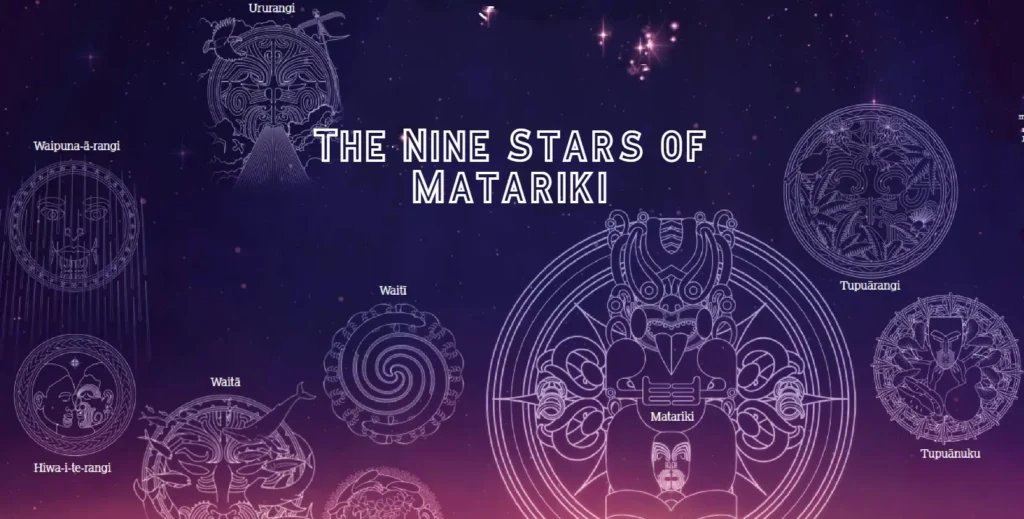
Tupu-ā-nuku and Tupu-ā-rangi are the specific Matariki stars associated with food sources. Tupu-ā-nuku governs edible plants grown within the soil, such as kūmara and root vegetables, while Tupu-ā-rangi oversees food resources located in the sky, including birds, berries, and fruits found in the forest canopy.
Matariki, the Māori New Year, is a time of renewal, remembrance, and deep connection to the environment. While the entire cluster of stars holds significance, agricultural communities and hunters have historically looked to specific stars to guide their sustenance. Understanding the roles of Tupu-ā-nuku and Tupu-ā-rangi provides essential insight into traditional food systems, harvesting cycles, and the spiritual connection between tangata whenua (people of the land) and the natural world.
What are the Matariki stars associated with food?
In the Matariki cluster (Pleiades), each of the nine visible stars holds a distinct domain and purpose. When discussing sustenance and survival, two stars shine brightest in their relevance to agriculture and hunting: Tupu-ā-nuku and Tupu-ā-rangi. These stars are the children of Rehua (Antares) and Matariki (Alcyone), and their names literally translate to “grow in the earth” and “grow in the sky.”
For centuries, tohunga (experts) would observe the brightness, clarity, and color of these stars upon their rising in mid-winter. These observations were not merely symbolic; they were critical environmental indicators used to predict the productivity of the coming season. If the stars appeared clear and bright, a bountiful harvest was expected. If they were hazy or shimmering, it warned of a cold, lean season ahead.

Tupu-ā-nuku: Guardian of the Soil
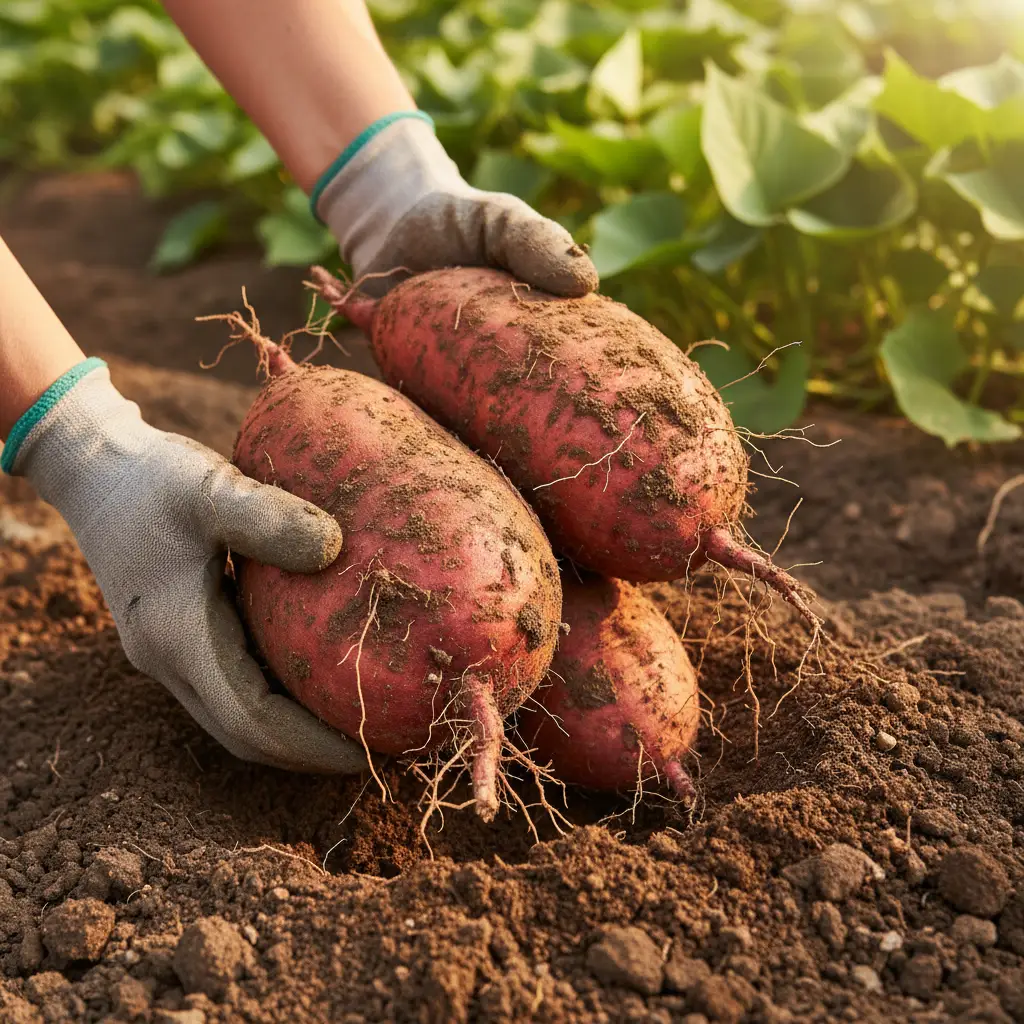
Tupu-ā-nuku is the star connected to everything that grows within the soil to be harvested for food. The name can be broken down: ‘Tupu’ means to grow, and ‘Nuku’ is a shortened reference to Papatūānuku, the Earth Mother. This star acknowledges the life-giving properties of the earth and the complex biological systems occurring beneath our feet.
Edible Plants and Root Vegetables
The primary domain of Tupu-ā-nuku includes all root vegetables and low-growing plants. Historically, the most vital crop for Māori was the kūmara (sweet potato), which required careful cultivation and storage to survive the Aotearoa winter. Other crops under the influence of this star include:
- Taro: A starchy tuber brought from Polynesia.
- Uwhi (Yam): A winter-hardy crop.
- Hue (Gourd): Used for food when young and containers when mature.
Soil Health and Papatūānuku
Tupu-ā-nuku reminds us that the health of the plant is contingent on the health of the soil. In traditional Māori gardening, the soil was treated with immense respect. Composting, crop rotation, and the addition of ash or seaweed were methods used to honor Tupu-ā-nuku and ensure the soil remained fertile. The appearance of this star signals the time to check the soil’s condition and prepare beds for the spring planting, even though the ground is currently cold.
Tupu-ā-rangi: Bounty of the Sky and Forest
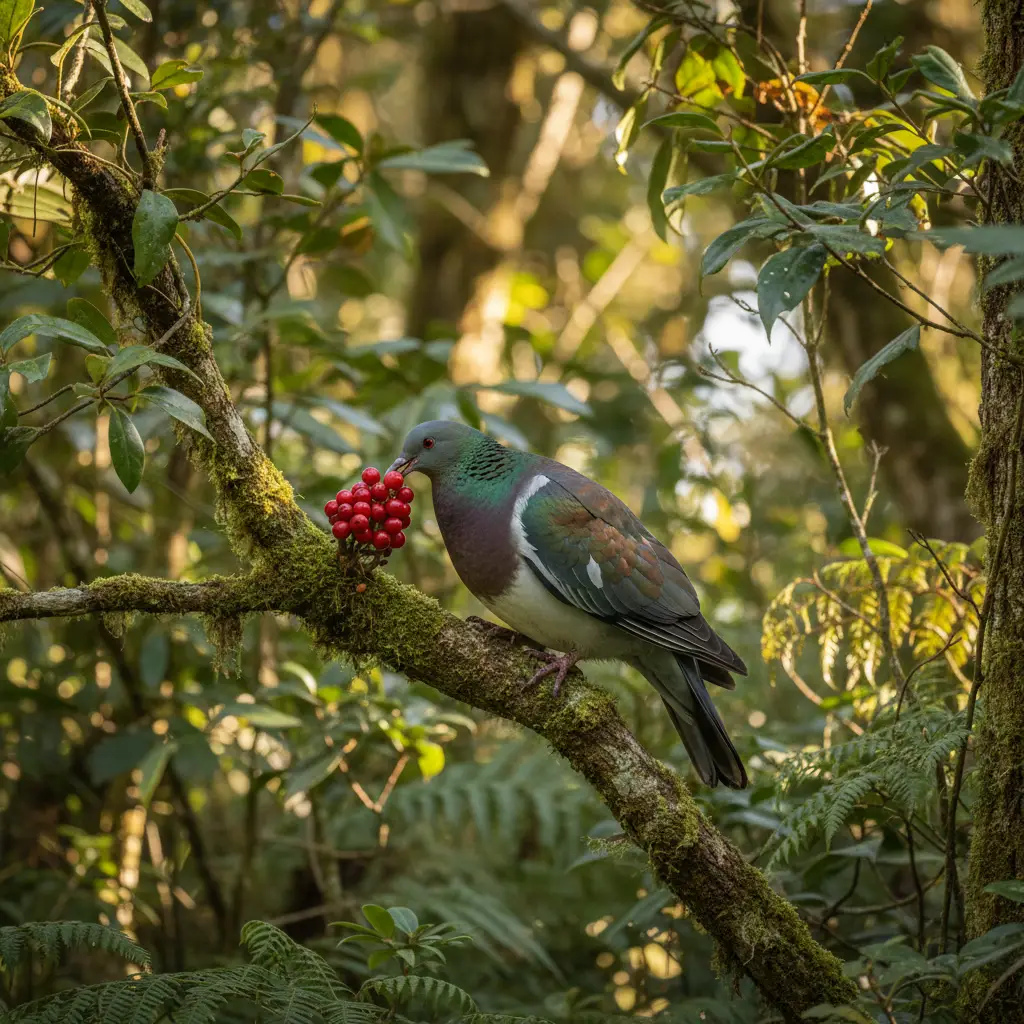
While Tupu-ā-nuku looks down, Tupu-ā-rangi looks up. ‘Rangi’ refers to Ranginui, the Sky Father. This star is associated with food sources that originate in the sky or are harvested from the trees. This includes birds, berries, and fruits, and other delicacies found in the forest canopy.
Birds, Berries, and Fruits
Prior to colonization, birds were a primary source of protein for Māori. The rising of Tupu-ā-rangi marked a time when bird hunters (kaiwhakangau) would assess the bird population. If the star was bright, it indicated the forest would be abundant with berries, which in turn meant the birds would be fat and plentiful.
Key foods associated with Tupu-ā-rangi include:
- Kererū (NZ Wood Pigeon): Prized for their size and taste, often preserved in their own fat.
- Tūī and Kākā: Other forest birds traditionally hunted.
- Hinau, Miro, and Karaka berries: Essential forest foods that required specific processing to be edible.
Conservation and the Forest Ecosystem
Today, Tupu-ā-rangi serves as a powerful symbol for conservation. With many native bird species now protected or endangered, the focus has shifted from hunting to preservation. Celebrating Tupu-ā-rangi in the modern context often involves tree planting, pest control (trapping predators like stoats and rats), and restoring habitats to allow native birdlife to flourish. It teaches us that the “harvest” is not infinite and must be managed with care.
The Connection to Winter Harvesting
Why do these stars rise in mid-winter? Matariki appears in the pre-dawn sky around June or July, coinciding with the end of the harvest season. By this time, the kūmara have been lifted and stored, and the preserving of birds and fish is nearing completion. The appearance of Tupu-ā-nuku and Tupu-ā-rangi is the cosmic signal that the cycle is complete.
The Hautapu Ceremony
A central ritual of Matariki is the Hautapu (sacred offering). During this ceremony, food representing the different stars is cooked in an earth oven (umu). The steam rising from the oven is released to feed the stars.
- For Tupu-ā-nuku: Kūmara or other root vegetables are offered.
- For Tupu-ā-rangi: Birds (now often substituted with chicken in modern ceremonies) represent the sky.
This ritual establishes a reciprocal relationship: the people offer the essence of the food back to the stars, thanking them for the past year’s bounty and asking for favor in the year to come.
Traditional Kai (Food) Preservation Methods
Because Matariki occurs in winter, it is deeply linked to the concept of storage. The ability to preserve food meant the difference between survival and starvation during the cold months when fresh growth was stagnant. Tupu-ā-nuku and Tupu-ā-rangi oversaw the food that filled the storehouses.
Whata and Pātaka
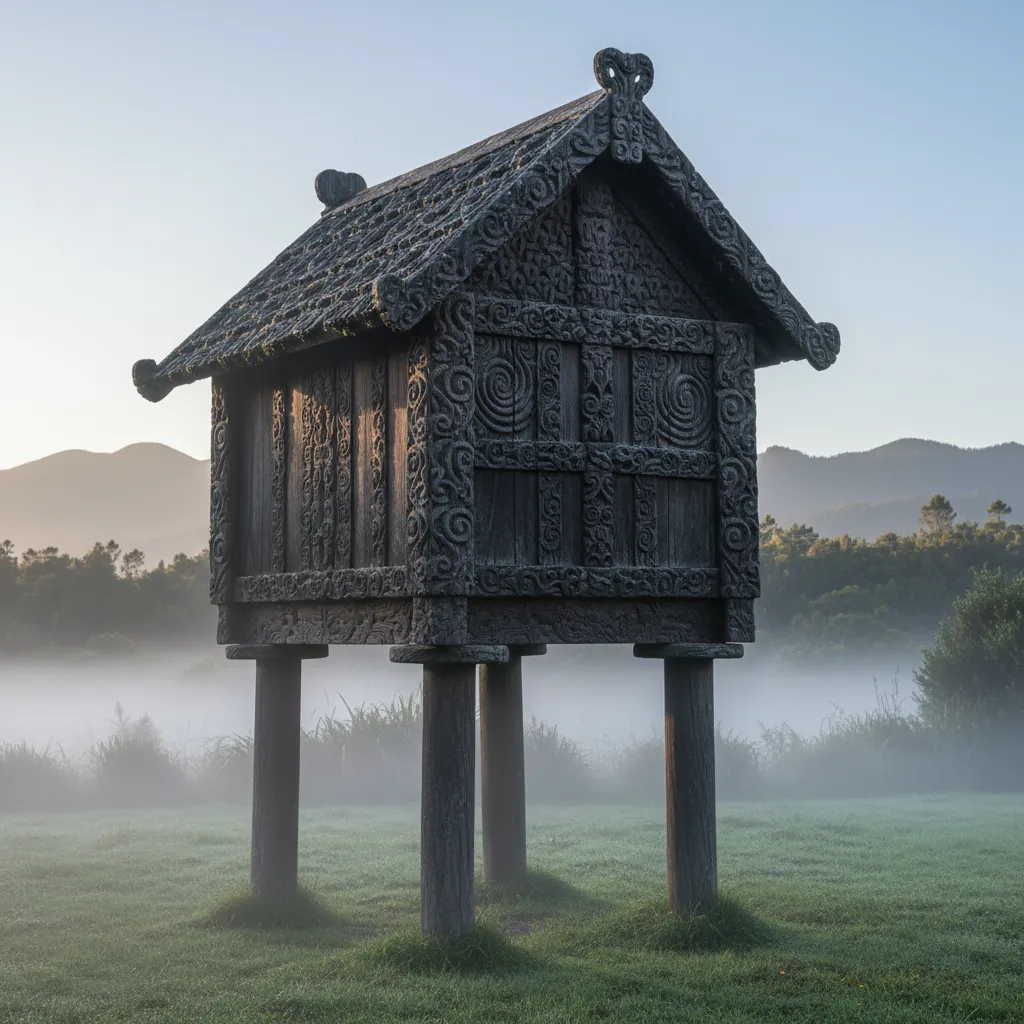
Food was stored in elevated structures known as whata or decorated storehouses called pātaka. These were raised on posts to protect the contents from kiore (rats) and moisture. The pātaka was often the most intricately carved building in a village, signifying the wealth and mana of the tribe based on their food reserves.
Smoking, Drying, and Fermenting
To ensure the harvest lasted, Māori utilized sophisticated preservation techniques:
- Huahua: Birds were cooked and preserved in their own fat inside gourds (hue) or kelp bags. This method could preserve meat for up to a year.
- Drying (Maroke): Fish and crayfish were dried in the sun and wind on racks.
- Fermentation (Kōtero): Potatoes or corn were submerged in running water to ferment, extending their shelf life and altering their flavor profile.
Gardening Tips for the Māori New Year
While Matariki is a time of rest for the soil, it is the beginning of the planning phase for the gardener. Aligning your gardening practices with the energy of Tupu-ā-nuku can lead to a more productive spring.
Follow the Maramataka (Lunar Calendar)
The Māori lunar calendar, or Maramataka, provides daily guidance on when to plant and fish. Matariki marks the reset of this calendar. Modern gardeners can use this time to learn the phases of the moon. For example, planting is generally encouraged during the waxing moon (energy rising) and discouraged during the waning moon (energy falling).
Soil Preparation and Mulching
Since Tupu-ā-nuku governs the soil, winter is the ideal time to feed the earth.
- Mulch heavily: Cover your garden beds with straw, leaves, or seaweed to protect the soil structure from heavy winter rains.
- Add compost: Layer organic matter now so it breaks down in time for spring planting.
- Plant Garlic and Shallots: These are traditionally planted on the shortest day of the year (near Matariki) to be harvested on the longest day.
Planning the Marae Kai
Use the downtime of Matariki to plan your crop rotation. If you planted heavy feeders (like cabbages or corn) in a bed last year, plan to plant nitrogen-fixers (like beans or peas) or root crops (Tupu-ā-nuku’s domain) in that spot next season. This ensures the soil remains balanced and productive.
Embracing the Harvest
Tupu-ā-nuku and Tupu-ā-rangi are more than just twinkling lights in the winter sky; they are celestial reminders of our dependence on the earth and the heavens. They teach us to respect the sources of our food, to practice gratitude for the harvest, and to prepare diligently for the future. By understanding these matariki stars associated with food, we deepen our connection to the cycle of life and the rhythms of the natural world.
What food is associated with the Matariki star Tupu-ā-nuku?
Tupu-ā-nuku is associated with all food that is grown in the ground or harvested from the soil. This primarily includes root vegetables like kūmara (sweet potato), taro, uwhi (yams), and turnips. It also encompasses the general health and fertility of the soil itself.
What is the meaning of Tupu-ā-rangi?
Tupu-ā-rangi translates to “grow in the sky.” It is the star within the Matariki cluster connected to food sources that come from the heavens or are found in the trees, such as birds (manu), berries, and fruits. It is also linked to the wellbeing of the forest.
How do Māori use stars to predict the harvest?
Traditionally, tohunga (experts) would observe the brightness and clarity of Tupu-ā-nuku and Tupu-ā-rangi when they rose in the pre-dawn sky. Bright, clear stars predicted a warm season and a bountiful harvest. Hazy or shimmering stars warned of cold weather and poor crop yields.
What is the Hautapu ceremony in relation to food?
The Hautapu is a sacred offering ceremony where foods representing the different stars are cooked. The steam is released to feed the stars. For Tupu-ā-nuku, root vegetables are used; for Tupu-ā-rangi, birds are used. This ritual expresses gratitude and seeks favor for the year ahead.
Why is Matariki a good time for gardening planning?
Matariki occurs in mid-winter when the land is resting. It marks the New Year and the reset of the Maramataka (lunar calendar). It is the ideal time to prepare soil, add compost, mulch beds, and plan crop rotations before the active growing season begins in spring.
What are the 9 stars of Matariki and their meanings?
The nine stars are: Matariki (health/wellbeing), Pōhutukawa (the dead), Tupu-ā-nuku (food from earth), Tupu-ā-rangi (food from sky), Waipuna-ā-rangi (rain), Waitī (freshwater food), Waitā (saltwater food), Ururangi (winds), and Hiwa-i-te-rangi (wishes/aspirations).