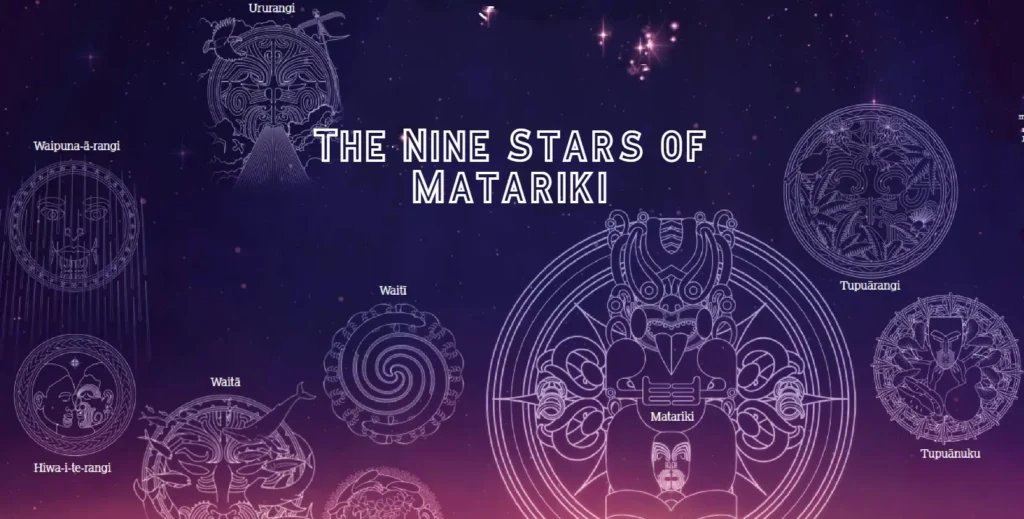
Matariki weather prediction is a traditional system of environmental forecasting based on observing the visibility, color, and shimmer of specific stars within the Matariki cluster during their heliacal rising, which can be tracked using an Interactive Night Sky Map Tool: Locate Matariki Now. By analyzing stars like Ururangi and Waipuna-ā-rangi, experts determine the likelihood of wind, rain, and seasonal climate patterns to guide agricultural planning for the year ahead.
For centuries, the appearance of the Matariki star cluster (Pleiades) has signaled more than just the Māori New Year; it has served as a critical environmental dashboard for the survival of the people. While the celebration involves remembrance and feasting at Events in Hamilton, Rotorua & Dunedin, the scientific application of mātauranga Māori (Māori knowledge) regarding these stars provided a sophisticated method for anticipating seasonal shifts. Specifically, the stars Ururangi and Waipuna-ā-rangi act as the primary indicators for atmospheric conditions, dictating the management of crops and food storage.
Ururangi: The Mood of the Winds
To understand Matariki weather prediction, one must first look to Ururangi. Positioned as one of the key stars in the cluster, Ururangi is intimately connected to the domain of Tāwhirimātea, the atua (deity) of winds and weather. The name itself translates to “The Winds of the Sky,” and its appearance is traditionally analyzed to forecast the prevailing wind patterns for the coming year.
Interpreting the Visibility of Ururangi
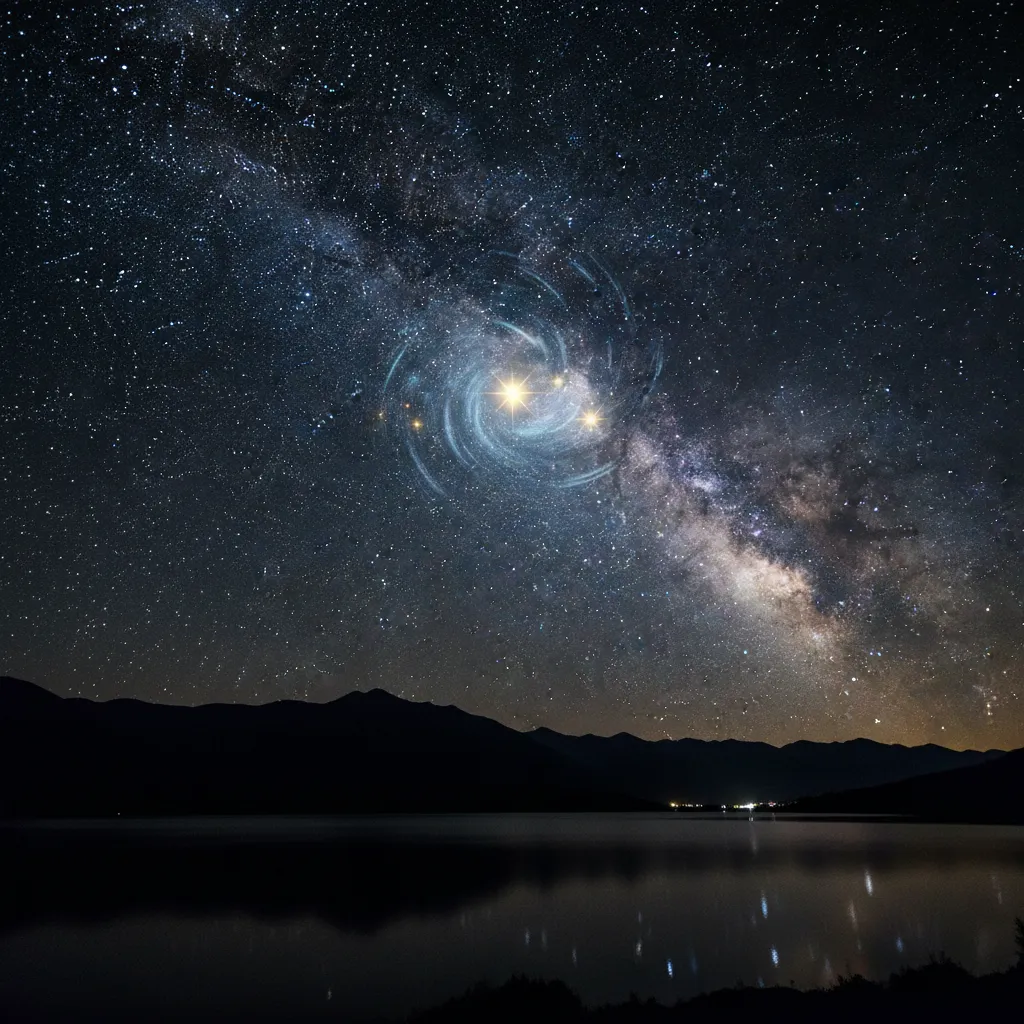
The tohunga kōkōrangi (expert astronomers) would observe Ururangi carefully in the pre-dawn sky during mid-winter. The interpretation relies heavily on the star’s clarity and behavior:
- Clear and Bright: If Ururangi appears distinct, steady, and bright, it signals a year of calm winds. This is a favorable sign for crops that are susceptible to wind damage and suggests a stable climate for fishing voyages.
- Hazy or Blurry: A shimmering or fuzzy appearance suggests turbulence. This predicts a season dominated by strong gales and unpredictable shifts in wind direction.
- Disappearing: In rare instances where the star is difficult to see while others are visible, it can indicate extreme weather events or storms that may require reinforcing structures and careful management of resources.
The Cultural Significance of Wind
In the context of te ao Māori (the Māori world), wind is not merely air in motion; it is a personality. Ururangi is associated with the various “moods” of the wind, from the gentle breeze that aids pollination to the destructive gales that flatten forests. By consulting Ururangi, ancestors could prepare for the temperament of the season, adjusting their activities to align with the environmental reality.
Waipuna-ā-rangi: Rainfall and Water Cycles
While Ururangi governs the air, Waipuna-ā-rangi governs the moisture that falls from it. The name Waipuna-ā-rangi translates to “Water gathered in the sky” or “Pool of the sky.” This star is the celestial guardian of the hydrological cycle, influencing rain, snow, and the general water table levels essential for life.

Reading the Signs of Rain
Matariki weather prediction relies on the specific visual characteristics of Waipuna-ā-rangi to forecast precipitation levels. The observations made during the rising of Matariki would determine the agricultural strategy for the season.
If Waipuna-ā-rangi is bright and lucid, it indicates a balanced season with adequate rainfall—enough to nourish the land without causing flooding. This is the ideal scenario for the planting of kūmara (sweet potato) and other staple crops.
Conversely, if the star appears dim, flickering, or obscured relative to its neighbors, it serves as a warning. A dim Waipuna-ā-rangi often predicts a season of drought or low rainfall. In this scenario, communities would need to plant crops closer to water sources or utilize irrigation techniques to ensure survival. If the star shimmers excessively or appears larger than usual due to atmospheric refraction, it may signal heavy rains and potential flooding, prompting preparations for drainage and flood defense.
How Ancestors Used These Stars to Predict the Season
The methodology of the ancestors was rigorous and scientific, rooted in centuries of empirical observation. Matariki weather prediction was not superstition; it was a survival mechanism developed through the accumulation of data over generations.
The Role of the Tohunga Kōkōrangi
The responsibility of reading the stars fell to the tohunga kōkōrangi. These experts spent their lives memorizing the night sky. They understood that the atmosphere acts as a lens. The turbulence, moisture content, and temperature of the Earth’s upper atmosphere affect how starlight travels to the observer’s eye. Therefore, the “twinkling” or color changes of the stars are actually direct readings of atmospheric conditions.

Strategic Planning Based on Forecasts
The forecast derived from Ururangi and Waipuna-ā-rangi triggered specific societal actions:
- Crop Selection: If rain was predicted to be scarce (dim Waipuna-ā-rangi), smaller, hardier varieties of crops might be planted.
- Storage Management: If the stars predicted a harsh winter or a poor growing season, the pātaka (storehouses) were managed with stricter rationing, which differs from the abundance often seen at the Whanganui Puanga Kai Festival.
- Fishing and Voyaging: A volatile Ururangi meant that deep-sea fishing expeditions would be limited, and communities would rely more on in-shore gathering or preserved foods.
Modern Meteorology vs. Traditional Observation
In the contemporary world, we rely on satellite data and computer modeling for weather forecasting. However, there is a growing recognition of the value of integrating traditional ecological knowledge with modern science.
Complementary Systems
Modern meteorology excels at short-term, specific forecasts (e.g., “It will rain at 2:00 PM tomorrow”). Traditional Matariki weather prediction focuses on macro-level seasonal trends (e.g., “This will be a wet winter”).
When the atmosphere is unstable—indicated by the twinkling or shimmering of stars—it is a scientifically valid sign of turbulence and moisture variability in the upper atmosphere. This is known in astronomy as “scintillation.” Ancestral knowledge correctly identified that high scintillation often correlates with unsettled weather patterns reaching the surface.

Resurgence of Indigenous Science
Organizations like NIWA (National Institute of Water and Atmospheric Research) in New Zealand have begun to acknowledge the accuracy of these traditional indicators. By combining the historical data embedded in oral traditions with climate change models, researchers gain a more holistic view of environmental cycles.
Educational Weather Charts for Kids
Teaching children about Ururangi and Waipuna-ā-rangi is a fantastic way to combine science, culture, and environmental awareness. Parents and educators can use Matariki as a prompt for observing the natural world.
Activity: Create a Matariki Star Diary
To engage children with Matariki weather prediction, create a simple chart to track the weather alongside the stars. This activity helps children understand the connection between what they see in the sky and what they feel on the ground.
Steps to Create the Chart:
- Draw the Stars: Have the child draw the Matariki cluster, labeling Ururangi (Wind) and Waipuna-ā-rangi (Rain).
- Daily Observation: For a week, have the child look outside each morning. Is it windy? Is it raining?
- Predictions: Ask the child, “If Ururangi is the boss of the wind, what do you think he is doing today?”
- Visual Aids: Use cotton balls for clouds/rain (Waipuna-ā-rangi) and streamers for wind (Ururangi) on a wall chart.
This hands-on approach demystifies the abstract concepts of meteorology and grounds them in tangible cultural narratives.
Frequently Asked Questions
What does the star Ururangi represent in Matariki?
Ururangi represents the winds. It is associated with the nature of the airflow for the coming year, determining whether the winds will be calm, beneficial for crops, or destructive and stormy.
How does Waipuna-ā-rangi predict the weather?
Waipuna-ā-rangi predicts rainfall. If the star appears bright and clear during Matariki, it signals a balanced season of rain. If it appears dim or hazy, it can indicate impending drought or irregular precipitation.
Can you see Matariki stars all year round?
No, the Matariki cluster disappears from the sky in roughly April or May and reappears in mid-winter (June or July). This reappearance, or heliacal rising, marks the Māori New Year and the time for weather prediction.
Why do stars twinkle and how does it relate to weather?
Stars twinkle due to atmospheric turbulence—shifting layers of air with different temperatures and densities. Māori ancestors interpreted this twinkling (scintillation) as a sign of unstable weather conditions approaching.
What happens if the Matariki stars are invisible?
If the stars are completely obscured by bad weather during the rising period, it was traditionally viewed as an ominous sign, predicting a difficult year ahead with potential food shortages or harsh conditions.
Who is Tāwhirimātea in relation to Ururangi?
Tāwhirimātea is the Māori atua (god) of weather, storms, and wind. Ururangi is closely linked to him, serving as the celestial manifestation of his power and mood within the Matariki cluster.