
Matariki events in Auckland encompass a vibrant city-wide festival featuring the Vector Lights show on the Harbour Bridge, cultural performances at the Auckland Domain, and the Sky Tower lighting display. These celebrations, running throughout June and July, mark the Māori New Year with light installations, storytelling, traditional kai (food), and whānau-friendly educational workshops.
What are the Top Matariki Events in Auckland?
As Aotearoa New Zealand embraces Matariki as a public holiday, Auckland (Tāmaki Makaurau) transforms into a hub of cultural celebration. The city hosts the nation’s most extensive schedule of events, catering to both locals and tourists seeking to immerse themselves in Māori culture. From the city center to the suburbs, the region comes alive with glowing installations and community gatherings.
The Matariki Festival in Auckland is not a singular event but a collection of over 100 happenings across the region. The primary focus for visitors should be the hub events located in the CBD and the Auckland Domain. These events are designed to be accessible, educational, and visually spectacular, making them ideal for commercial tourism and cultural exploration.
Matariki Festival Day at Auckland Domain
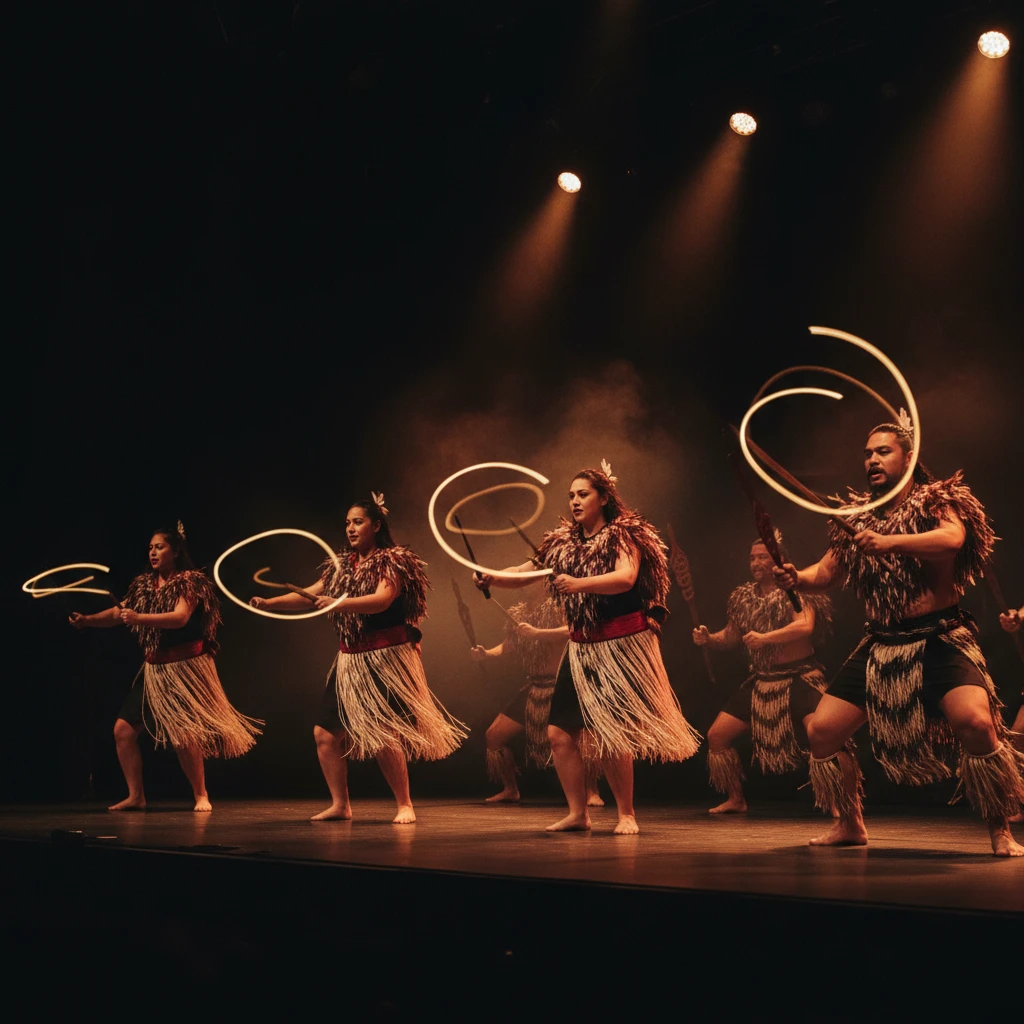
One of the cornerstone events of the season is the massive celebration held at Pukekawa (Auckland Domain). This free, family-friendly event typically occurs near the public holiday date. It features live music from top New Zealand artists, kapa haka performances, and an extensive array of food stalls offering traditional Māori kai alongside modern cuisine.
For tourists, this is the best opportunity to experience the concept of whanaungatanga (kinship/connection) in a large-scale setting. Visitors can expect to see traditional weaving demonstrations and participate in interactive storytelling sessions that explain the celestial significance of the Matariki star cluster.
Street Parties and Urban Installations
Karangahape Road and the Britomart precinct often host street parties and light trails. Te Karanga a Hape is a popular block party featuring live music, art installations, and late-night shopping. Meanwhile, the Viaduct Harbour usually features light sculptures that represent the nine stars of Matariki, providing a perfect evening walking route for visitors staying in CBD hotels.
Sky Tower Lighting Schedule & Vector Lights
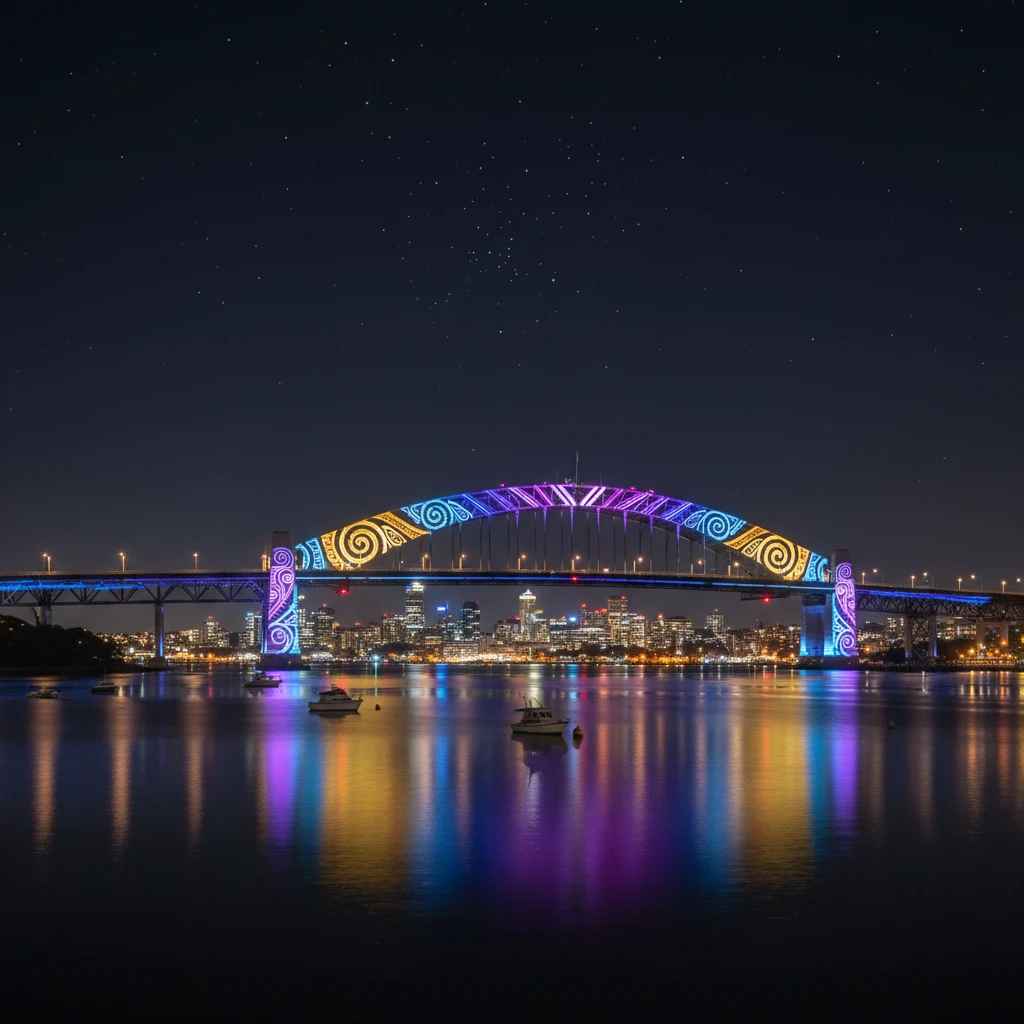
For those seeking the most iconic visual representations of the holiday, the illumination of Auckland’s skyline is unmissable. The coordination between the Sky Tower and the Harbour Bridge creates a cohesive visual narrative across the city.
Vector Lights on the Harbour Bridge
The Vector Lights show is a sustainable light and sound experience powered by solar, battery, and peer-to-peer technology. During Matariki, the show runs on specific evenings, usually starting at 6:00 PM and repeating every 15 to 30 minutes until midnight.
Best Viewing Spots:
- Little Shoal Bay (Northcote): Offers a panoramic view of the bridge and the city skyline.
- Silo Park (Wynyard Quarter): A closer, industrial-chic vantage point that often has food trucks nearby.
- Mt Eden (Maungawhau): For a distant, elevated view of the entire illuminated city.
Sky Tower Illumination
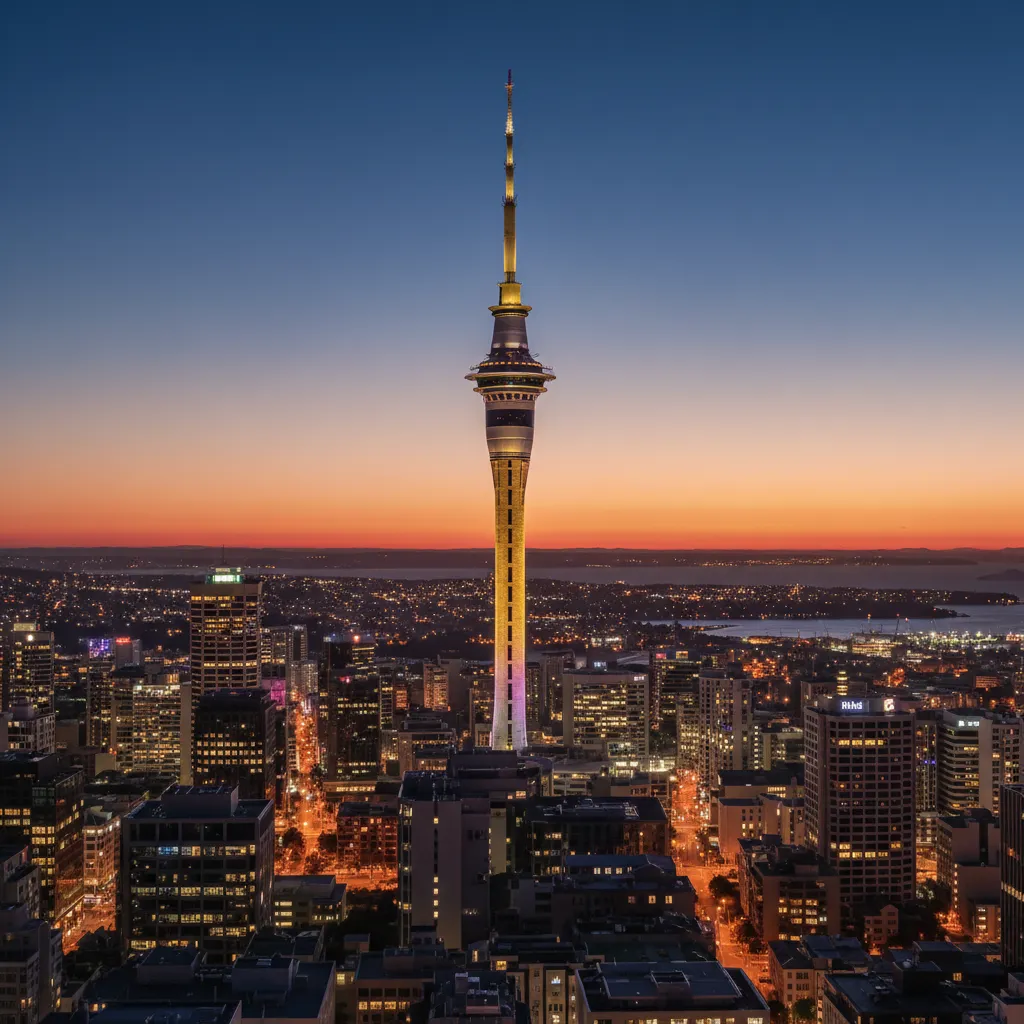
The Sky Tower lighting schedule for Matariki is dynamic, often mimicking the colors of the dawn sky—pinks, oranges, and purples—before shifting to the deep blues and golds associated with the star cluster. The lighting typically begins at dusk and continues through the early morning. Commercial operators within the Sky Tower, such as the Orbit 360° Dining restaurant, offer special Matariki-themed menus, providing a high-end way to experience the festival while overlooking the lights.
Wellington Matariki Celebrations: Mana Moana & Ahi Kā
While Auckland offers scale, Wellington (Te Whanganui-a-Tara) offers an intimate, artistic, and deeply atmospheric experience. The capital city’s celebrations are centered around the waterfront and are renowned for their high production value and integration with the natural elements of wind and water.
Matariki Ahi Kā
Ahi Kā means “keeping the home fires burning.” This festival is held on the Wellington waterfront, typically around Odlins Plaza and Whairepo Lagoon. It is a sensory experience involving large-scale fire sculptures, projections on water, and live performance art. The intent is to encourage people to gather, share warmth, and reflect on the year past.
Visitors should plan to arrive early in the evening. The event is free, making it a high-traffic area. Local vendors line the waterfront serving hot chocolate, rewena bread, and hangi parcels, allowing visitors to dine while walking through the installations.
Mana Moana: Digital Ocean
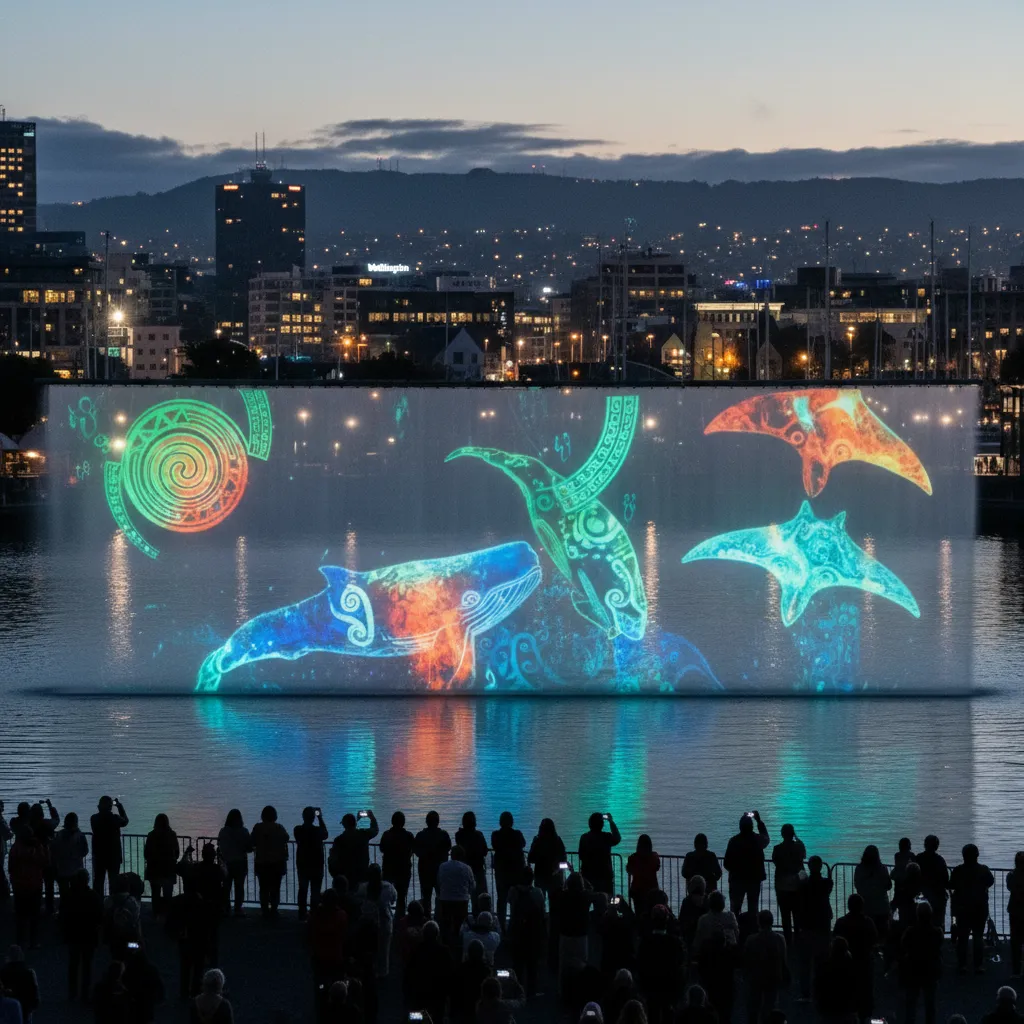
Mana Moana is a unique collaboration between Māori and Pacific artists, musicians, and choreographers. It involves projecting short films and animations onto a screen of water spray in the lagoon. This creates a ghostly, ethereal effect where the images appear to float in the air.
Commercial Tip: Several waterfront restaurants offer “dinner and a show” packages where you can reserve outdoor seating with heaters to watch the Mana Moana projections in comfort. Booking these weeks in advance is highly recommended as they sell out quickly.
Te Papa Tongarewa: Educational Exhibitions and Whānau Activities
Te Papa Tongarewa, New Zealand’s national museum located in Wellington, serves as the educational anchor for Matariki. For tourists and families wanting to understand the why behind the celebrations, a visit here is essential.
Interactive Matariki Exhibitions
During the Matariki period, Te Papa curates specific exhibitions that explain the astronomy and mythology of the star cluster. These often include:
- Planetarium Shows: Guided tours of the night sky inside mobile domes, teaching visitors how to locate Matariki, Puanga, and other significant celestial bodies.
- Toi Māori Workshops: Paid and free workshops where visitors can learn raranga (weaving) or engage in traditional instrument workshops.
- Storytelling Sessions: Kaumātua (elders) sharing regional stories about the stars and their prediction of the coming harvest.
Te Papa also hosts the “Matariki After Dark” series in some years, an adults-only event featuring contemporary Māori music, cocktails using indigenous ingredients, and exclusive after-hours access to galleries. This is a premium commercial offering that targets the cultural tourism sector.
The Cultural Significance of Matariki
Understanding the cultural context enriches the experience of attending these events. Matariki is the Māori name for the cluster of stars also known as the Pleiades. Its rising in mid-winter marks the start of the Māori New Year.
Historically, Matariki was a time to remember those who had passed away in the last year (releasing their spirits to become stars), celebrate the present harvest, and plan for the future. The brightness of the stars was used to predict the productivity of the coming season’s crops.
In the context of modern tourism and events, this tripartite focus—Remembrance, Celebrating the Present, and Looking to the Future—is reflected in the programming. You will find quiet, reflective spaces for remembrance alongside loud, joyous concerts.
Practical Tips for Attending Matariki Festivals
To make the most of the Matariki events in Auckland and Wellington, strategic planning is required, particularly regarding logistics and comfort.
Weather and Clothing
Matariki occurs in June and July, which is mid-winter in New Zealand. Evening temperatures in Auckland can drop to 8°C (46°F), while Wellington is often colder and windier.
Essential Gear:
* Thermal underlayers.
* Windproof and waterproof jackets (especially for Wellington waterfront events).
* Comfortable walking shoes, as many light trails require significant walking.
Transport and Parking
Auckland: Parking in the CBD during the Matariki Festival is limited and expensive. The best commercial option is to use ride-share apps or public transport (AT Metro) to get into the city center. For the Vector Lights, taking a ferry to Devonport offers a two-in-one experience: transport and a viewing platform.
Wellington: The city is compact and walkable. If you are staying in a CBD hotel, walking to the waterfront is the most efficient method. Avoid driving near Odlins Plaza during Ahi Kā as road closures are frequent.
Booking and Tickets
While many outdoor light shows are free, specific workshops at Te Papa, concerts at the Auckland Town Hall, or special dining events at the Sky Tower require tickets. It is advisable to check Eventfinda or Ticketmaster NZ at least one month prior to the holiday to secure spots for paid events.