
The legend of Matariki story primarily stems from the creation myth involving the separation of Ranginui (Sky Father) and Papatūānuku (Earth Mother). In his grief and rage at their separation, the wind god Tāwhirimātea crushed his own eyes and threw them into the heavens, creating “Ngā Mata o te Ariki Tāwhirimātea”—the eyes of the god—which became the Matariki star cluster.
This celestial event marks the Māori New Year, a time of remembrance, celebrating the present, and looking to the future. While the story of Tāwhirimātea is the most widely known origin, other traditions view Matariki as a mother star surrounded by her daughters, each representing different environmental domains. Understanding these legends is essential to grasping the depth of Mātauranga Māori (Māori knowledge) and the intricate connection between the stars, the earth, and the people.
What is the Legend of Matariki Story Regarding Tāwhirimātea?
To truly understand the legend of Matariki story, one must look back to the very beginning of the world according to Māori cosmology. The narrative is deeply rooted in the separation of the primal parents, Ranginui (the Sky Father) and Papatūānuku (the Earth Mother). For aeons, they lay locked in a tight embrace, keeping their children in darkness between them. These children, who would become the gods of the natural world, longed for light and space to grow.
Eventually, Tāne Mahuta (god of the forest) succeeded in separating his parents, pushing Rangi up into the heavens and leaving Papa below. Light flooded into the world (Te Ao Mārama). However, not all the children were pleased with this separation. Tāwhirimātea, the god of wind and storms, was devastated by the separation of his parents. He could not bear to hear his parents’ cries of sorrow or see their tears (rain and dew).
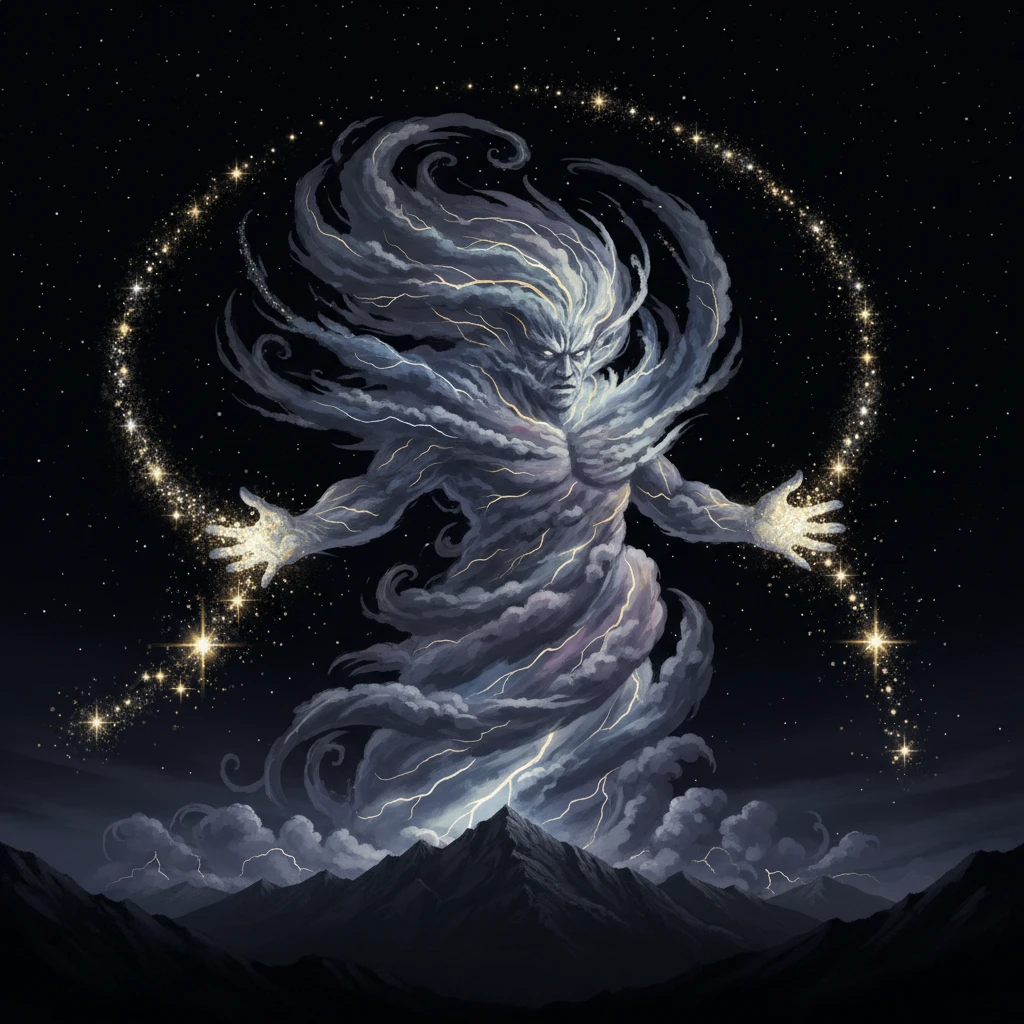
In a fit of anguish and rage, Tāwhirimātea tore out his own eyes. He crushed them within his hands and flung the fragments deep into the chest of his father, Ranginui. These fragments stuck to the sky and became the cluster of stars we know today as Matariki. Thus, the name Matariki is often considered a truncation of the phrase Ngā Mata o te Ariki Tāwhirimātea, meaning “The Eyes of the God Tāwhirimātea.”
This origin story serves as a poignant reminder of the weather’s unpredictability during the Māori New Year. When the cluster appears bright and clear, it is said that Tāwhirimātea is calm, predicting a warm and productive season. If the stars appear hazy or shimmering, it indicates that Tāwhirimātea is still weeping or angry, forecasting a cold, windy, and difficult winter.
Who are Matariki and Her Children?
While the story of Tāwhirimātea provides a dramatic cosmological origin, another prevalent legend of Matariki story personifies the cluster as a whānau (family). in this tradition, Matariki is viewed as the mother star, surrounded by her daughters (and in some accounts, sons). This narrative shifts the focus from the violence of creation to the nurturing aspects of the environment, health, and sustenance.
In this whakapapa (genealogy), the star Matariki cares for and guides her children as they travel across the sky to visit their grandmother, Papatūānuku. Each of the stars in the cluster has a specific role and responsibility, governing different aspects of the natural world and human life. This personification helps to teach the principles of interconnectivity—how the health of the waterways, the soil, and the atmosphere are all intrinsically linked to human wellbeing.
The Domains of the Stars: Meanings and Whakapapa
Depending on the iwi (tribe) and their specific oral traditions, the Matariki cluster is recognized as having either seven or nine visible stars. The nine-star model, championed by experts like Dr. Rangi Mātāmua, provides a comprehensive view of the environment. Here is the breakdown of the stars and the legends associated with their domains:
1. Matariki (The Mother)
Matariki signifies reflection, hope, and the connection to the environment. She is the conductor of the ensemble, ensuring her children perform their duties to support life on earth. Her brightness often determines the overall luck and health for the coming year.
2. Pōhutukawa
This star is connected to those who have passed on. Pōhutukawa carries the spirits of the dead (te hunga mate) across the night sky, releasing them to become stars themselves. During Matariki, we cry for those we have lost over the past year, acknowledging Pōhutukawa’s role in the cycle of life and death.
3. Tupu-ā-nuku
Tupu-ā-nuku is the star connected to food that grows within the soil (nuku). This includes kūmara (sweet potato) and other root vegetables. A bright Tupu-ā-nuku signals a bountiful harvest and fertile soils for the planting season ahead.
4. Tupu-ā-rangi
Contrasting her sister, Tupu-ā-rangi is connected to food that comes from the sky (rangi). This includes birds (manu), berries, and fruits that grow on trees. She represents the abundance of the forests.
5. Waitī
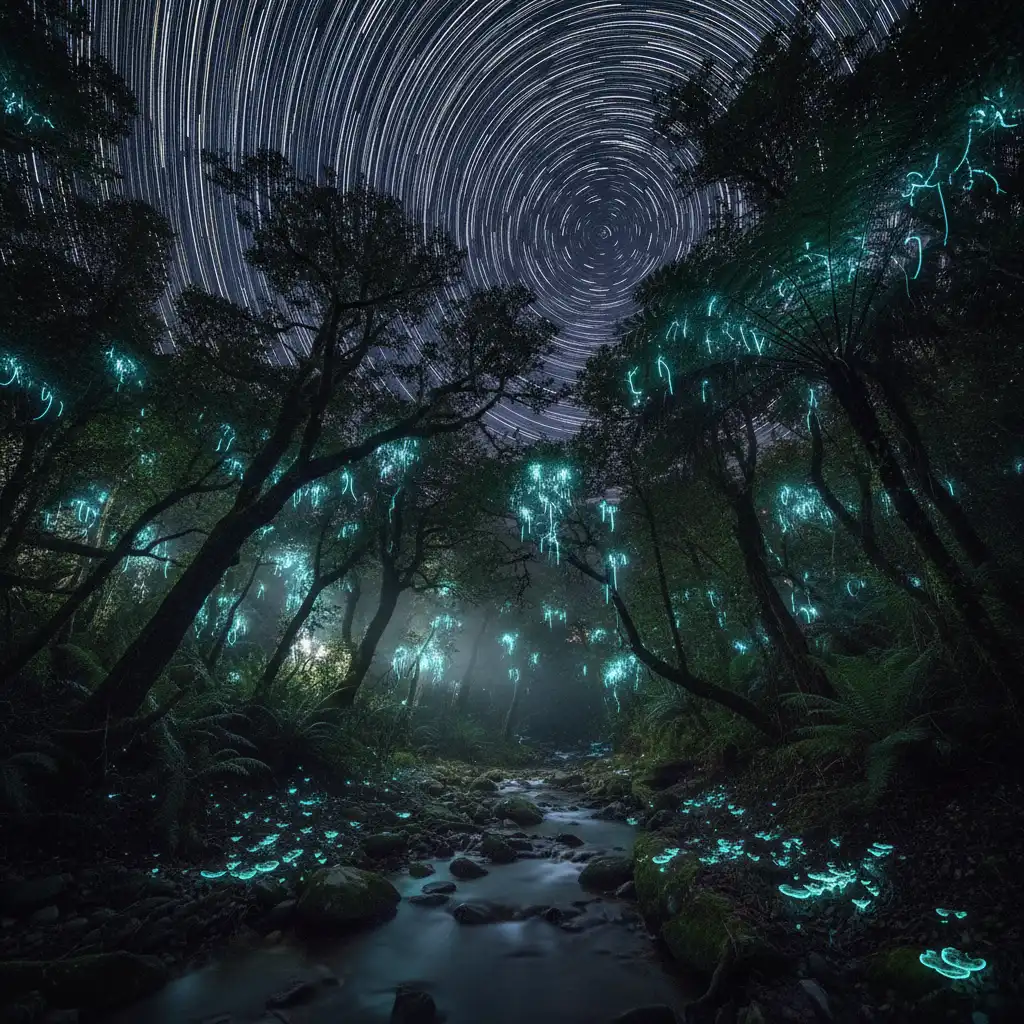
Waitī watches over fresh water environments. She is linked to all creatures that live in rivers, streams, and lakes, such as eels (tuna). Her shimmer indicates the health of the waterways and the hydration of the land.
6. Waitā
Waitā is associated with the ocean (te moana) and the food sources within it, particularly kaimoana (seafood). This star represents the vast salt waters and the biodiversity found within the deep blue.
7. Waipuna-ā-rangi
This star is connected to the rain. Waipuna-ā-rangi welcomes the winter rains that replenish the water tables and feed the rivers. Her name translates to “Water that pools in the sky.”
8. Ururangi
Ururangi is the star of the winds. He (often referred to as male in some traditions) determines the nature of the winds for the year—whether they will be gentle breezes or fierce gales. This connects back to Tāwhirimātea and the importance of air movement for climate regulation.
9. Hiwa-i-te-rangi
Hiwa-i-te-rangi is the wishing star. She is the youngest and represents our aspirations and dreams for the future. During Matariki, it is customary to send one’s wishes to Hiwa-i-te-rangi, hoping for prosperity and success in the coming year.
Regional Variations: Puanga and Iwi Specifics
Mātauranga Māori is not a monolith; it varies significantly based on geography. While the legend of Matariki story is central to many, it is not the primary signal for the New Year for all iwi. For tribes in the Far North and parts of the West Coast, the Matariki cluster sets below the horizon and is difficult to see clearly due to the mountainous terrain or latitude.
For these iwi, the star Puanga (Rigel in the Orion constellation) is the herald of the New Year. Puanga is a bright star that rises shortly before Matariki. The legends in these regions often emphasize the relationship between Puanga and Matariki. Some stories describe Puanga as an older sibling or a rival who seeks to outshine Matariki. However, the core purpose remains the same: marking the transition of seasons, remembering the dead, and preparing for the harvest.

These variations enrich the tapestry of Māori mythology. They demonstrate how ancestors adapted their knowledge systems to their specific environments. Whether acknowledging seven stars, nine stars, or the prominence of Puanga, the underlying values of renewal and environmental stewardship are universal across Aotearoa.
The Importance of Whakapapa and Oral History
The survival of the legend of Matariki story is a testament to the power of oral history. For centuries, Māori had no written language in the Western sense. Instead, knowledge, history, and science were encoded in kōrero pūrākau (stories), waiata (songs), and whakapapa (genealogy). Reciting the names of the stars is not merely an astronomical exercise; it is an act of preserving history.
Whakapapa connects people to the stars. By personifying the stars as ancestors or gods, Māori established a familial bond with the cosmos. This worldview, known as Te Ao Māori, posits that humans are not superior to nature but are kin to it. We are descended from the same primal parents, Rangi and Papa, as the stars, the trees, and the birds.
In modern times, the revival of Matariki celebrations is a reclaiming of this indigenous knowledge. It counters the colonial suppression of Māori astronomical wisdom and validates the scientific accuracy embedded within these legends. For example, the knowledge that a hazy appearance of stars predicts bad weather correlates with modern atmospheric physics—turbulence in the atmosphere distorts light, often preceding storms.
Resources for Storytelling and Education
Sharing the legend of Matariki is a vital part of the celebration. For educators, parents, and community leaders, there are numerous ways to bring these stories to life. The focus should always be on authenticity and respect for the source material.
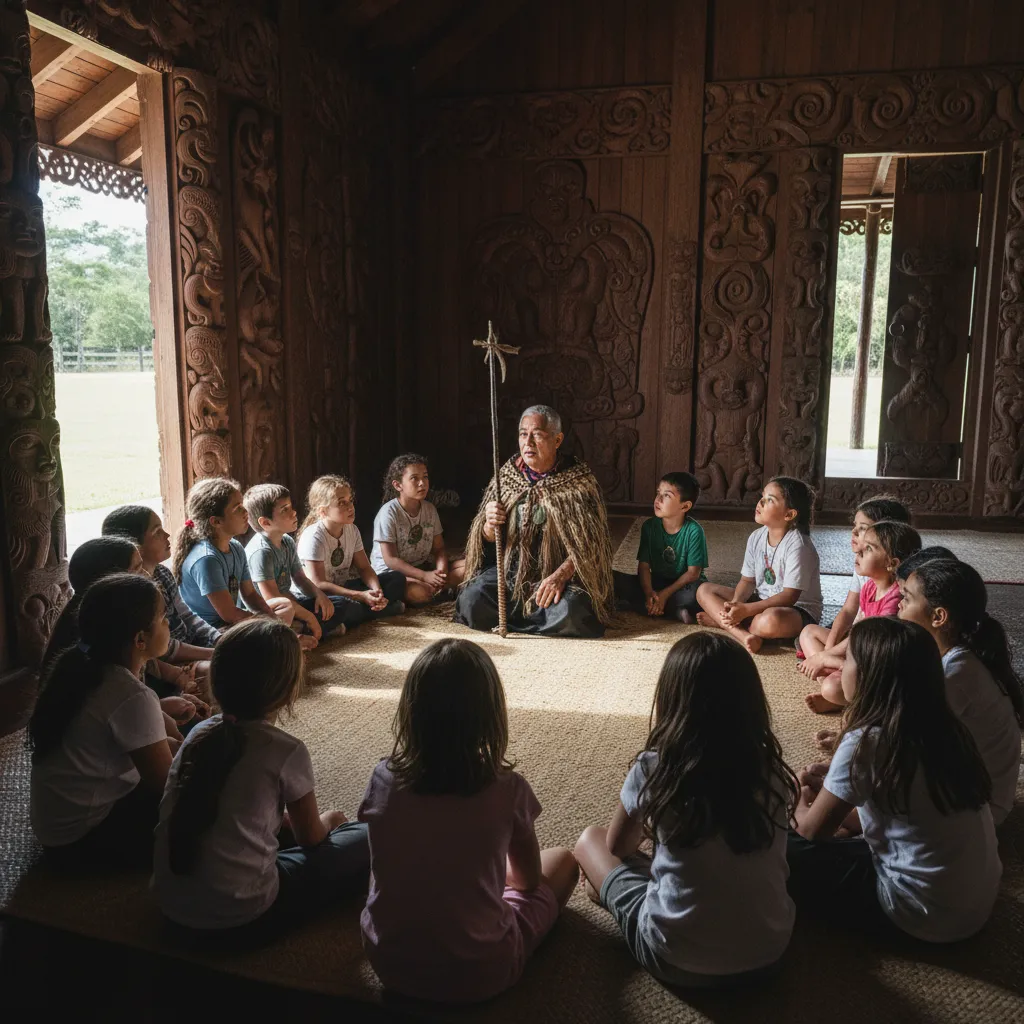
When teaching the legend, consider the following approaches:
- Visual Arts: Encourage tamariki (children) to draw the nine stars and assign them their specific environmental domains. This reinforces the connection between the myth and the physical world.
- Waiata: Learn songs that list the names of the stars. Music is a traditional mnemonic device that aids in memorizing complex information.
- Observation: If possible, organize pre-dawn viewing sessions. Seeing the cluster in reality grounds the legend in personal experience.
- Local Knowledge: Consult with local mana whenua (tribal authority) to understand the specific narratives of your region. Does your area look to Matariki or Puanga? What are the local landmarks associated with the sunrise?
By engaging with these legends deeply, we ensure that the “Eyes of the God” continue to watch over future generations, guiding them through the cycles of the year with wisdom and hope.
What is the story behind Matariki?
The story behind Matariki most commonly refers to the “Eyes of the God” (Ngā Mata o te Ariki Tāwhirimātea). It describes how the wind god Tāwhirimātea, angry at the separation of his parents Ranginui and Papatūānuku, crushed his eyes and threw them into the sky to create the star cluster.
Why are there 7 or 9 stars in Matariki?
Traditionally, many people can see seven stars with the naked eye, leading to the “Seven Sisters” narrative common globally. However, in Māori astronomy, particularly detailed by experts like Dr. Rangi Mātāmua, there are nine stars. The two fainter stars are Pōhutukawa (connected to the dead) and Hiwa-i-te-rangi (connected to wishes).
What does Matariki mean literally?
Matariki is an abbreviation of “Ngā Mata o te Ariki Tāwhirimātea,” which translates to “The eyes of the god Tāwhirimātea.” Alternatively, it can be translated as “Little Eyes” (Mata = eyes, Riki = small), though the god origin is more culturally significant.
Who are the daughters of Matariki?
The daughters (and children) of Matariki are Tupu-ā-nuku, Tupu-ā-rangi, Waipuna-ā-rangi, Waitī, Waitā, and Ururangi. In the nine-star tradition, Pōhutukawa and Hiwa-i-te-rangi are also included in the cluster’s family.
Is Matariki a god or goddess?
In many traditions, Matariki is personified as a female ancestor or chieftainess (Ariki) and a mother figure. However, the name itself originates from the eyes of the male god Tāwhirimātea. The personification shifts depending on whether the story focuses on the star cluster as a family or the creation event.
How is the legend of Matariki celebrated today?
Today, the legend is celebrated through storytelling, remembrance of the dead (Pōhutukawa), shared feasts (hākari) to celebrate the harvest, and planning for the future (Hiwa-i-te-rangi). It has become a public holiday in New Zealand, marking a nationwide recognition of Māori astronomy and culture.