Matariki and the Pleiades refer to the same astronomical entity, the open star cluster Messier 45. While “Pleiades” is the Greek name associated with the Seven Sisters mythology, “Matariki” is the Māori name used in Aotearoa New Zealand. The key difference lies in cultural application: Matariki signifies the Māori New Year, incorporating nine distinct stars that govern environmental domains, distinct from the seven stars of Western tradition.
The Astronomical Identity: What is Messier 45?
To truly understand the comparison of Matariki vs Pleiades, we must first look at the object through the lens of modern astronomy. Regardless of the name attached to it by human culture, the physical entity is known to astronomers as Messier 45 (M45).
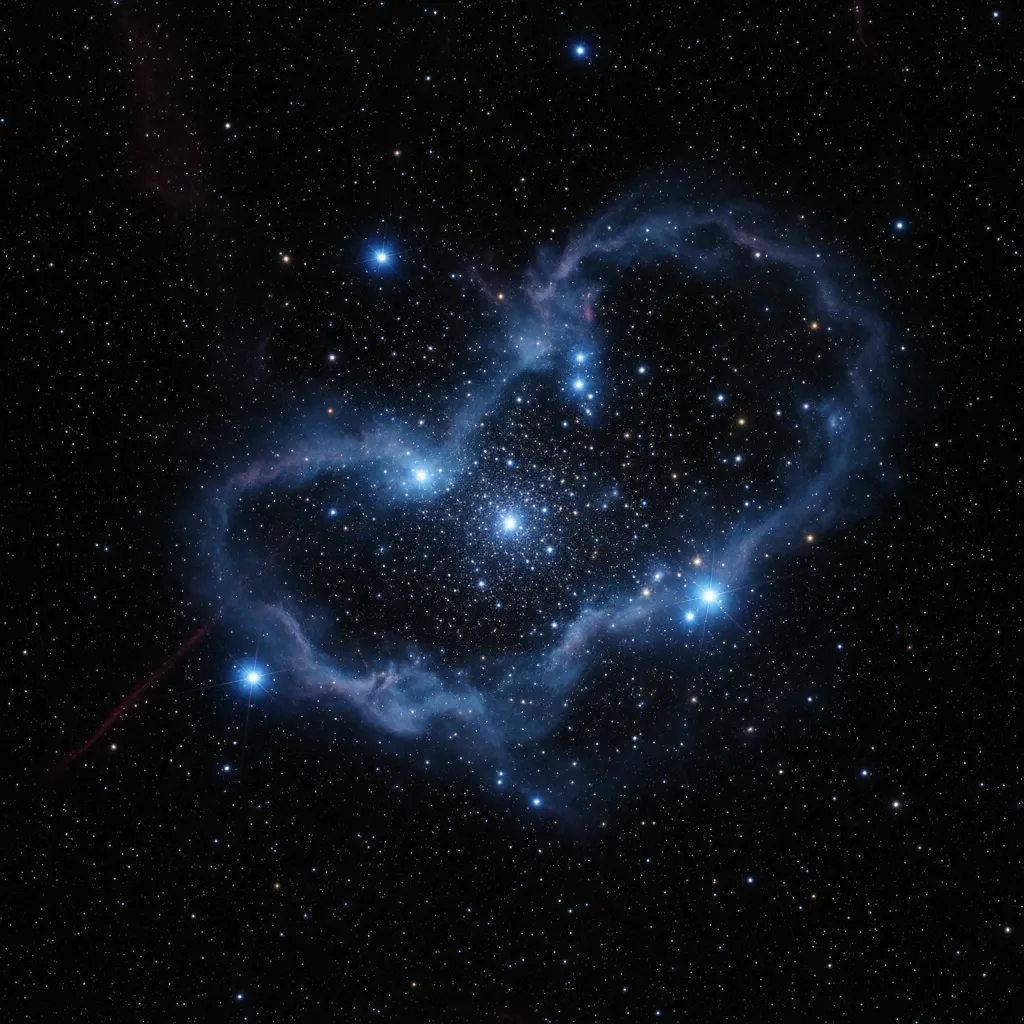
Located in the constellation of Taurus, M45 is an open star cluster containing middle-aged, hot B-type stars. It is one of the nearest star clusters to Earth, sitting approximately 444 light-years away, making it clearly visible to the naked eye in the night sky. While casual observers usually spot six or seven stars, the cluster actually contains over 1,000 confirmed members. The brightness of the cluster is dominated by extremely luminous, blue stars that formed within the last 100 million years.
A defining feature of M45 is the faint reflection nebula surrounding the brightest stars. Originally thought to be leftover dust from the cluster’s formation, modern science suggests this is actually an unrelated dust cloud that the stars are currently passing through. This interaction creates the stunning blue haze often seen in long-exposure astrophotography.
The Greek Connection: Legend of the Seven Sisters
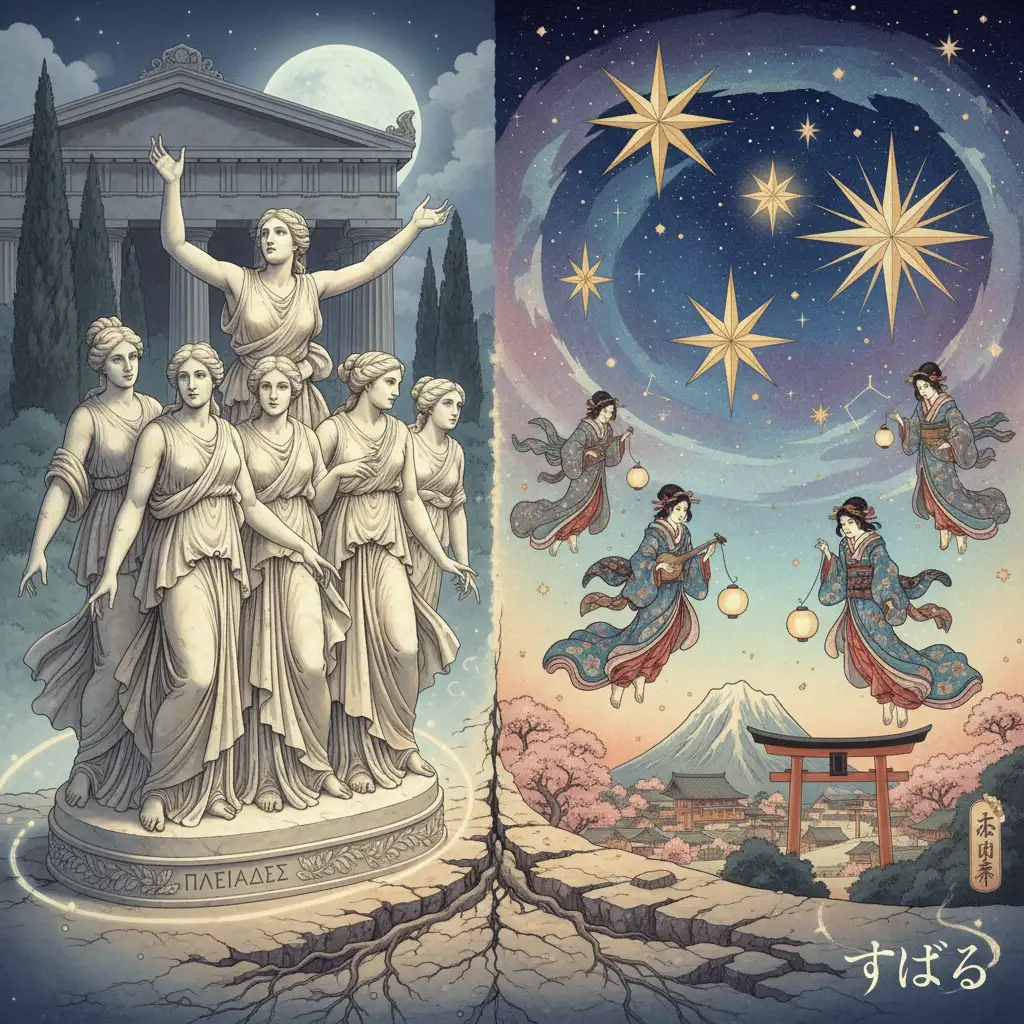
The name “Pleiades” is deeply rooted in Ancient Greek mythology and serves as the dominant nomenclature in Western culture. The stars are known as the Seven Sisters, the daughters of the titan Atlas and the sea-nymph Pleione.
According to the myth, the hunter Orion became enamored with the sisters and pursued them relentlessly for seven years. To protect them, Zeus transformed the sisters into doves and then into stars to place them in the sky. However, Orion was also placed in the sky as a constellation, continuing his eternal chase across the celestial dome.
The Mystery of the Lost Sister
One of the most enduring questions in the Matariki vs Pleiades discussion is the discrepancy in numbers. Greek poetry refers to “Seven Sisters,” yet most people with average eyesight can only distinguish six stars. The named stars are Alcyone, Maia, Electra, Merope, Taygete, Celaeno, and Sterope.
Greek mythology accounts for this with the “Lost Pleiad.” Legend says that Merope faded away because she married a mortal (Sisyphus) and hid her face in shame. Alternatively, some myths suggest Electra abandoned her sisters in grief after the destruction of Troy. Astronomically, this aligns with variable stars or the physics of Pleione, a shell star that fluctuates in brightness, occasionally becoming invisible to the naked eye.
Global Perspectives: Subaru and Ancient Cultures
The visibility of this cluster means it has been integrated into the folklore of almost every ancient culture on Earth. Comparing these global contexts highlights just how universal the human connection to the stars is.
Japan: The Subaru
In Japan, the cluster is known as Subaru, a verb meaning “to gather” or “to unite.” This signifies how the stars appear clustered together. This cultural icon is famously recognized today as the logo for the Subaru automobile manufacturer, which depicts six stars to represent the merger of five smaller companies into one larger entity (Fuji Heavy Industries).
Indigenous Americas
Across the Americas, the cluster holds significant weight. The Cherokee myth tells of seven boys who refused to do their ceremonial chores and instead played a game, eventually rising into the sky to become the stars. The Aztecs knew the cluster as Tianquiztli (the marketplace) and used its position in the sky to calibrate their calendar cycles, specifically the 52-year cycle known as the New Fire Ceremony.
Navigating the Great Ocean: The Pacific Connection
Before the cluster was known as Matariki in Aotearoa, it played a critical role in the history of Pacific navigation. For Polynesian wayfinders, the stars were not just stories; they were a survival map.
The Pacific Ocean covers one-third of the Earth’s surface. Navigating the vast distances between islands required an intimate knowledge of the celestial sphere. The Pleiades (known by various names across the Pacific, such as Makaliʻi in Hawaii and Mata-ariki in the Cook Islands) served as a zenith star for specific latitudes and a seasonal marker for sailing.
When the ancestors of the Māori people embarked on their waka hourua (double-hulled canoes) to voyage from Hawaiki to Aotearoa, they relied on star compasses. The rising of this cluster often marked the season where trade winds were favorable for voyaging. This deep navigational history laid the foundation for the spiritual significance the cluster would later adopt upon the discovery of New Zealand.
Why Matariki is Unique to Aotearoa
While the physical stars are the same as the Pleiades, the concept of Matariki is unique to the Māori of New Zealand. In Aotearoa, the rising of Matariki in the mid-winter sky (late June or early July) marks the beginning of the Māori New Year (Te Mātahi o te Tau).
Unlike the Greek context, which focuses on tragedy and pursuit, Matariki is a celebration of three key pillars:
- Remembrance: Honoring those who have passed away since the last rising of Matariki. It is believed that the stars carry the spirits of the deceased into the afterlife.
- Celebrating the Present: Gathering with whānau (family) and friends to share food, sing, and give thanks for the abundance of the harvest.
- Looking to the Future: Planning for the upcoming year, setting intentions, and observing the stars to predict the success of the next harvest.

The Nine Stars of Matariki vs. The Seven Sisters
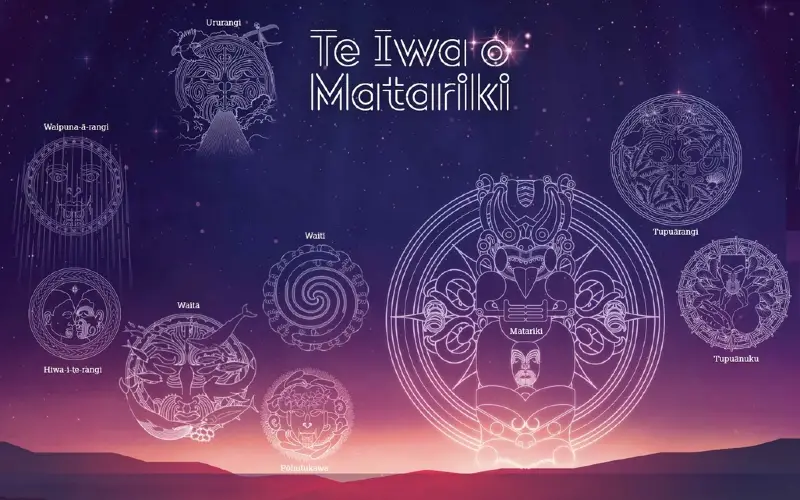
A critical distinction in the Matariki vs Pleiades analysis is the number of stars recognized. While the West traditionally counts seven, leading Māori astronomer Dr. Rangi Matamua and other experts have revitalized the knowledge of nine distinct stars within the Matariki narrative. Each star holds dominion over a specific environmental aspect.
The Domains of the Nine Stars
- Matariki: The mother star, signifying reflection, hope, and the health of the people.
- Pōhutukawa: Connects with those who have passed on.
- Tupuānuku: Associated with food grown in the ground (kumara, potatoes).
- Tupuārangi: Associated with food from the sky (birds, fruit from trees).
- Waitī: Connected to fresh water and the creatures within it (eels, crayfish).
- Waitā: Connected to the ocean and salt water food sources.
- Waipunarangi: Associated with rain.
- Ururangi: Associated with the winds.
- Hiwa-i-te-rangi: The wishing star, to which people send their dreams and desires for the year.
This environmental connection makes Matariki a highly functional system. In the past, Tohunga (experts) would observe the brightness and clarity of each individual star upon its rising. If Waitī was hazy, it might predict a poor season for freshwater fishing. If Tupuānuku was bright, it signaled a bountiful kumara harvest. This predictive aspect is largely absent from the Greek Seven Sisters mythology.
The Modern Revival and Public Holiday
The narrative of Matariki has undergone a massive resurgence in New Zealand. For much of the 20th century, the specific knowledge of the nine stars and the Maramataka (Māori lunar calendar) was suppressed or forgotten due to colonization.
However, in 2022, New Zealand celebrated its first official public holiday dedicated to Matariki. This marked a significant moment in the nation’s history—it is the first public holiday based on the lunar calendar and the first to explicitly honor Māori mātauranga (knowledge).
This elevates Matariki beyond a simple translation of “The Pleiades.” It has become a symbol of national identity, bi-culturalism, and environmental stewardship. While the rest of the world looks at M45 and sees the Seven Sisters fleeing Orion, Aotearoa looks at the same cluster and sees a time to reset, rest, and reconnect with the earth.

People Also Ask
Is Matariki exactly the same as the Seven Sisters?
Astronomically, yes; they both refer to the star cluster Messier 45. Culturally, no. The Seven Sisters is a Greek myth involving seven siblings, while Matariki is the Māori New Year celebration involving nine stars with specific environmental domains.
Why does Matariki have 9 stars but Pleiades has 7?
Western tradition focuses on the brightest stars visible to the average naked eye, resulting in the “Seven Sisters.” Māori astronomy (tātai arorangi) identifies nine stars because the two additional stars, Pōhutukawa and Hiwa-i-te-rangi, are crucial to the spiritual narrative of death and future aspirations, even if they are visually fainter.
When is the best time to view Matariki?
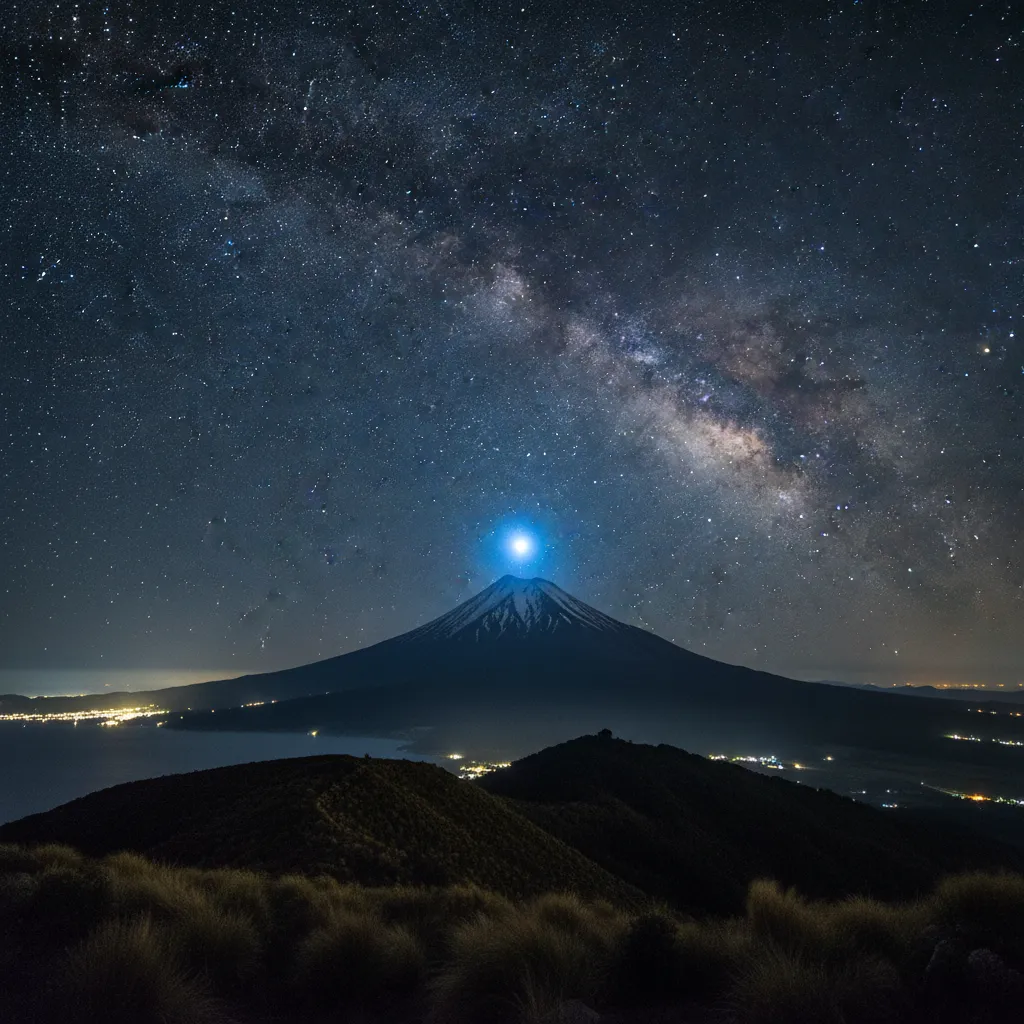
In New Zealand, the best time to view Matariki is in mid-winter (late June to mid-July) just before sunrise. You should look towards the northeast horizon. The cluster appears earlier in the night during summer but does not hold the same New Year significance then.
What does the Japanese name Subaru mean regarding this cluster?
In Japanese, “Subaru” means “to govern,” “unite,” or “gather together.” It refers to the cluster’s appearance as a tight grouping of stars. This symbolism of unity is why the car manufacturer Subaru uses the stars in its logo.
How did Polynesian navigators use the Pleiades?
Polynesian navigators used the cluster (often called Makaliʻi) as a zenith star. By sailing to the latitude where the stars passed directly overhead, they could locate specific island chains. It also served as a seasonal marker to determine when trade winds were safe for long voyages.
What is the meaning of the star Hiwa-i-te-rangi?
Hiwa-i-te-rangi is the youngest star in the Matariki cluster according to Māori tradition. It is known as the “wishing star.” During the New Year, people send their dreams, desires, and aspirations for the coming year to this star, similar to the western concept of “wishing upon a star.”