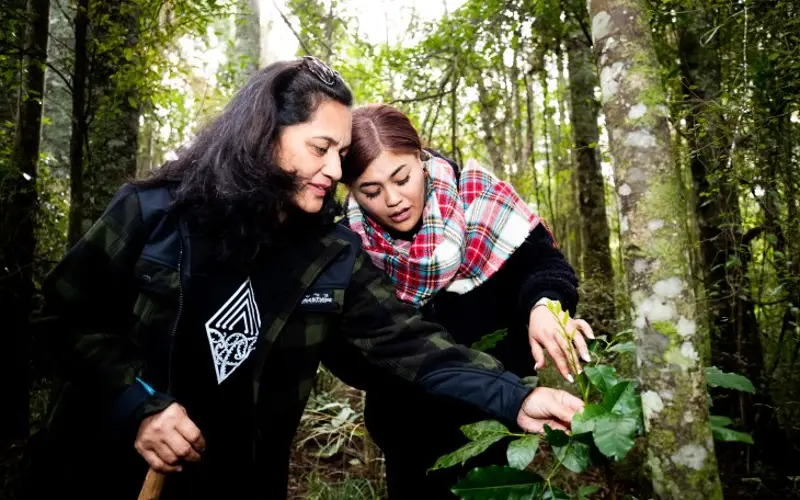
Matariki whakataukī are traditional Māori proverbs used to celebrate the Māori New Year, encapsulating ancestral wisdom regarding the stars, seasonal cycles, and community values. These quotes typically highlight themes of remembrance, abundant harvesting, and social gathering, serving as essential cultural touchstones for speeches, greetings, and educational settings during the Matariki festival.
Matariki, the Māori New Year, is a time of profound cultural significance in Aotearoa New Zealand. It is marked by the rising of the Pleiades star cluster and signals a shift in seasons, prompting communities to reflect on the past, celebrate the present, and plan for the future. Central to these celebrations are Matariki whakataukī quotes—proverbs that carry the weight of history and the beauty of the Māori language (Te Reo Māori).
These proverbs are not merely sayings; they are repositories of knowledge. They tell us when to plant, when to harvest, how to behave, and how to honor those who have passed. For educators, speakers, and anyone looking to deepen their understanding of this holiday, mastering these whakataukī provides a genuine connection to the spirit of the season.
What is the Cultural Significance of Matariki Proverbs?
Whakataukī (proverbs) play a pivotal role in Māori oratory and daily life. They are metaphorical, poetic, and often open to interpretation, allowing them to be applied to various situations. In the context of Matariki, these proverbs serve three primary functions: preserving astronomical knowledge, reinforcing social cohesion, and guiding resource management.
When you use a Matariki whakataukī, you are reciting a line that has been spoken for hundreds of years. This continuity links modern celebrations with the practices of tupuna (ancestors). The proverbs often personify the stars, attributing distinct responsibilities to them—such as Waitī watching over fresh water or Tupu-ā-nuku caring for soil and plants. Understanding these sayings is crucial for anyone wanting to move beyond a superficial observation of the holiday toward a practice grounded in mātauranga Māori (Māori knowledge).

Matariki Hunga Nui: The Gathering of People
One of the most frequently cited themes in Matariki whakataukī quotes is the concept of gathering. Matariki occurs in mid-winter, a time when agricultural work slowed down, and stored food was plentiful. This allowed whānau (families) and hapū (sub-tribes) to come together to learn, feast, and mourn.
What does “Matariki Hunga Nui” mean?
The phrase “Matariki hunga nui” translates literally to “Matariki of the many people.” However, the deeper meaning refers to the specific tradition of communities congregating during this period. Because the harvest was complete and the pātaka (storehouses) were full, it was the ideal time for social events.
This proverb highlights the human element of the New Year. It is not just an astronomical event; it is a sociological one. In modern contexts, this quote is perfect for invitations to community dinners, school assemblies, or corporate events celebrating Matariki. It reminds us that the stars bring us together.
Associated Whakataukī:
“Ngā kai a Matariki, nāna i ao ake ki runga.”
Translation: The foods of Matariki, scooped up by her.
Meaning: This refers to the abundance of food that allows people to gather. Without the food provided by the season, the “hunga nui” (great gathering) could not take place.
Matariki Ahunga Nui: The Provider of Food
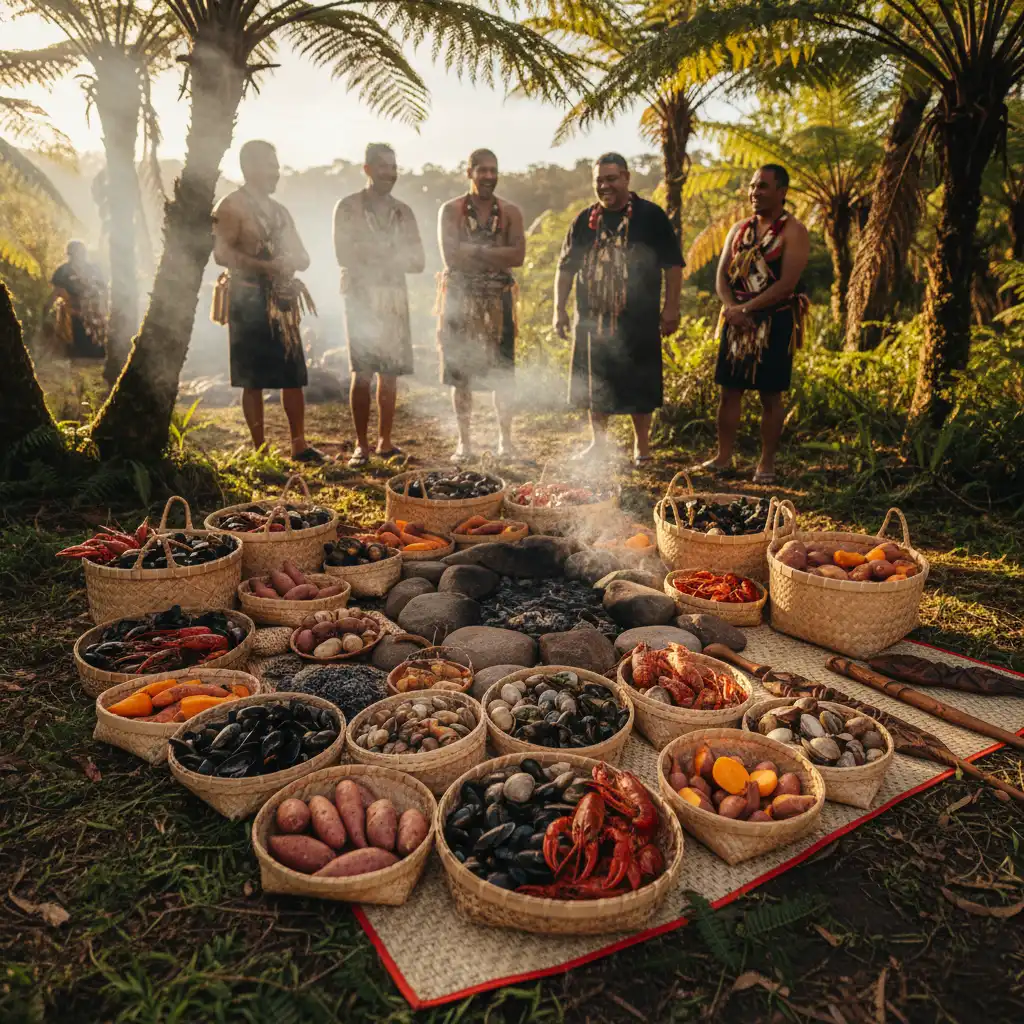
While the gathering of people is the result, the cause is often the abundance of resources. The proverb “Matariki ahunga nui” translates to “Matariki provider of plentiful food.” This acknowledges the star cluster’s connection to the harvest season.
Traditionally, the visibility and brightness of the stars were used to predict the productivity of the coming year’s crops. If the stars were clear and bright, it signaled a warm, productive season. If they were hazy, it warned of a cold, lean year. This whakataukī celebrates the hard work of the harvest and the security of having full food stores for the winter months.
How does this relate to modern celebrations?
Today, “Matariki ahunga nui” is often quoted before a hākari (feast). It serves as a grace or acknowledgment of the food sources. It is also a reminder of our responsibility to the environment—if we care for the earth (Papatūānuku), Matariki will continue to be a provider of abundance. It encourages sustainable practices and gratitude for the nourishment we receive.
Matariki Tāpuapua: Weather and Environmental Signs
Not all Matariki whakataukī quotes are about celebration; some are practical observations of the environment. The winter season in Aotearoa is wet and cold, and the proverbs reflect this reality.
What is the meaning of “Matariki Tāpuapua”?
“Matariki tāpuapua” translates to “Matariki of the many pools.” This phrase describes the heavy rains and wet weather characteristic of the mid-winter period when Matariki rises. The “pools” refer to the puddles and waterways that swell during this time.
This proverb is often used to remind people to prepare for the elements. It speaks to the resilience required to navigate the winter months. In a metaphorical sense, it can also refer to the tears cried for those who have passed away since the last rising of Matariki, linking the rain to the grieving process (te tangi a te iwi).
Another Environmental Whakataukī:
“Ka kitea a Matariki, ka rere te korokoro.”
Translation: When Matariki is seen, the lamprey migrates.
Meaning: This is a maramataka (lunar calendar) observation. It signals that when the cluster appears, a specific food source, the korokoro (lamprey), begins its migration and is ready for harvesting. It emphasizes living in sync with nature’s cycles.

Essential Matariki Whakataukī Quotes and Translations
For those seeking to incorporate specific quotes into their work or study, here is a curated list of essential Matariki whakataukī, complete with translations and deeper context.
1. The Sign of the New Year
Whakataukī: “Matariki kanohi iti.”
Translation: Matariki of the small eyes.
Context: This is a term of endearment but also a literal description. The Pleiades cluster is small and distinct. It suggests that even small things can have a massive impact. It is often used to encourage children, reminding them that they are important despite their size.
2. The Cycle of Life
Whakataukī: “Haere atu atu rā koutou ki te pō, haere rā.”
Translation: Go then, you all, into the night, farewell.
Context: While not exclusively a Matariki proverb, this sentiment is central to the pōhutukawa star in the cluster, which connects to the dead. Matariki is the time to call out the names of those lost in the year. This quote is appropriate for the remembrance portion of a Matariki ceremony.
3. Planning for the Future
Whakataukī: “Matariki, te whetū o te tau.”
Translation: Matariki, the star of the year.
Context: A simple affirmation that Matariki is the herald of the new cycle. It is often used as a headline or a simple greeting card message to validate the importance of the holiday.
How to Use Matariki Proverbs in Speeches and Greetings
Integrating Matariki whakataukī quotes into your whaikōrero (formal speeches) or casual greetings adds depth and cultural authenticity. However, it is vital to use them correctly to show respect.
Opening a Speech
Start by acknowledging the time of year. You might say:
“Tēnā koutou katoa i te wā o Matariki. E ai ki te kōrero, ‘Matariki hunga nui.’ It is a privilege to see so many of you gathered here today…”
This immediately grounds your speech in the context of the gathering. It shows you understand that the presence of the people is just as important as the event itself.
Closing a Speech
To conclude, you can look forward to the abundance of the year ahead:
“May the year ahead be one of prosperity. As the ancestors said, ‘Matariki ahunga nui’—may we all be fed and nourished in the coming months.”
Email Sign-offs
During the month of Matariki (typically June/July), consider changing your email signature to include a short whakataukī. For example:
- “Mānawatia a Matariki” (Welcome/Celebrate Matariki)
- “Ngā mihi o Matariki” (Greetings of Matariki)
Classroom Ideas: Printable Quote Cards
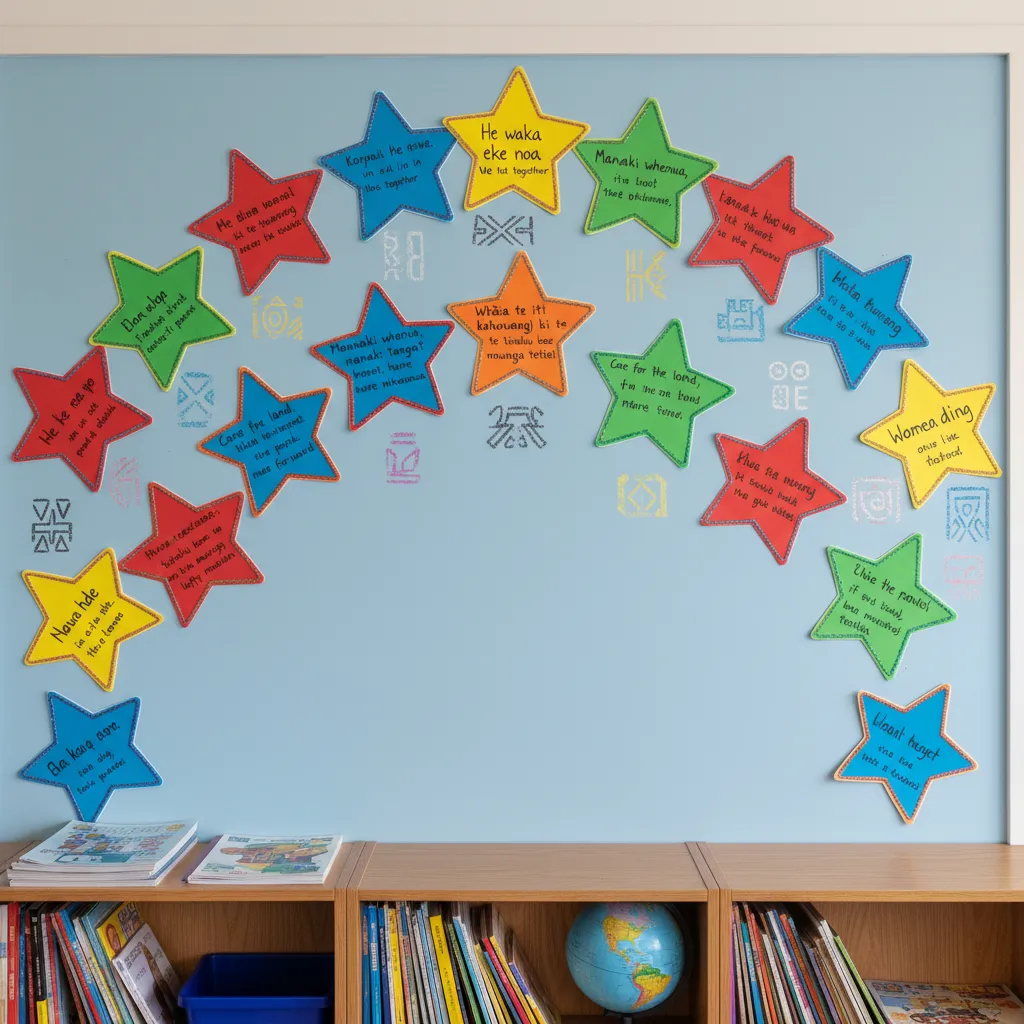
For educators, Matariki offers a fantastic opportunity to teach Te Reo Māori through proverbs. Creating printable quote cards is an engaging activity that combines art, language, and culture.
Activity: The Star Values
Create a set of 9 cards, one for each star of the Matariki cluster (Matariki, Pōhutukawa, Tupu-ā-nuku, Tupu-ā-rangi, Waipuna-ā-rangi, Waitī, Waitā, Ururangi, Hiwa-i-te-rangi). On each card, have students write a whakataukī or keyword associated with that star’s domain.
- Hiwa-i-te-rangi (The wishing star): Use quotes about aspirations and dreams.
- Tupu-ā-nuku (Food from the earth): Use quotes about gardening and hard work.
Visual Design Tips for Printables
When designing these resources, use colors that reflect the pre-dawn sky: deep blues, purples, and blacks, accented with silver or gold for the stars. Ensure the Māori text is prominent, with the English translation smaller and underneath. This hierarchy respects the mana of the indigenous language.
People Also Ask (PAA)
What is the most famous Matariki proverb?
The most famous proverb is likely “Matariki hunga nui,” which means “Matariki of the many people.” It is widely used because it celebrates the community aspect of the festival, highlighting how the New Year brings whānau and communities together to feast, reflect, and celebrate.
What do you say for Matariki greetings?
The most common greeting is “Mānawatia a Matariki,” which translates to “Welcome Matariki” or “Celebrate Matariki.” You can also say “Ngā mihi o te tau hou Māori” (Greetings for the Māori New Year) or simply “Ngā mihi o Matariki.”
What are the 3 main themes of Matariki?
The three main themes of Matariki are: 1) Remembrance (remembering those who have passed since the last rising), 2) Celebrating the present (gathering with whānau and sharing food), and 3) Looking to the future (planning for the year ahead and sending wishes to the star Hiwa-i-te-rangi).
What is the quote about Matariki and food?
The key quote regarding food is “Matariki ahunga nui,” meaning “Matariki provider of abundant food.” Another relevant quote is “Ngā kai a Matariki, nāna i ao ake ki runga,” which refers to the food scooped up and provided by the Matariki cluster.
How do you explain Matariki to a child?
You can explain Matariki to a child as the Māori New Year, marked by a group of twinkling stars rising in the winter sky. It is a special time to remember family members we miss, have a big feast with people we love, and make wishes for the coming year.
Why is Matariki called the provider?
Matariki is called the provider because its appearance in the sky coincides with the end of the harvest season when food storehouses (pātaka) were historically full. The brightness of the stars was also used to predict how plentiful the next harvest would be, linking the cluster directly to food security.