
To hire a Māori cultural speaker, organizations must identify their specific educational goals—whether for Matariki observances, Te Tiriti o Waitangi training, or leadership development. The process involves engaging verified experts or agencies, defining a clear brief that respects Tikanga (protocol), and agreeing on professional fees or koha (customary gifting) to ensure a culturally safe and authentic exchange.
The Importance of Indigenous Wisdom in Modern Events
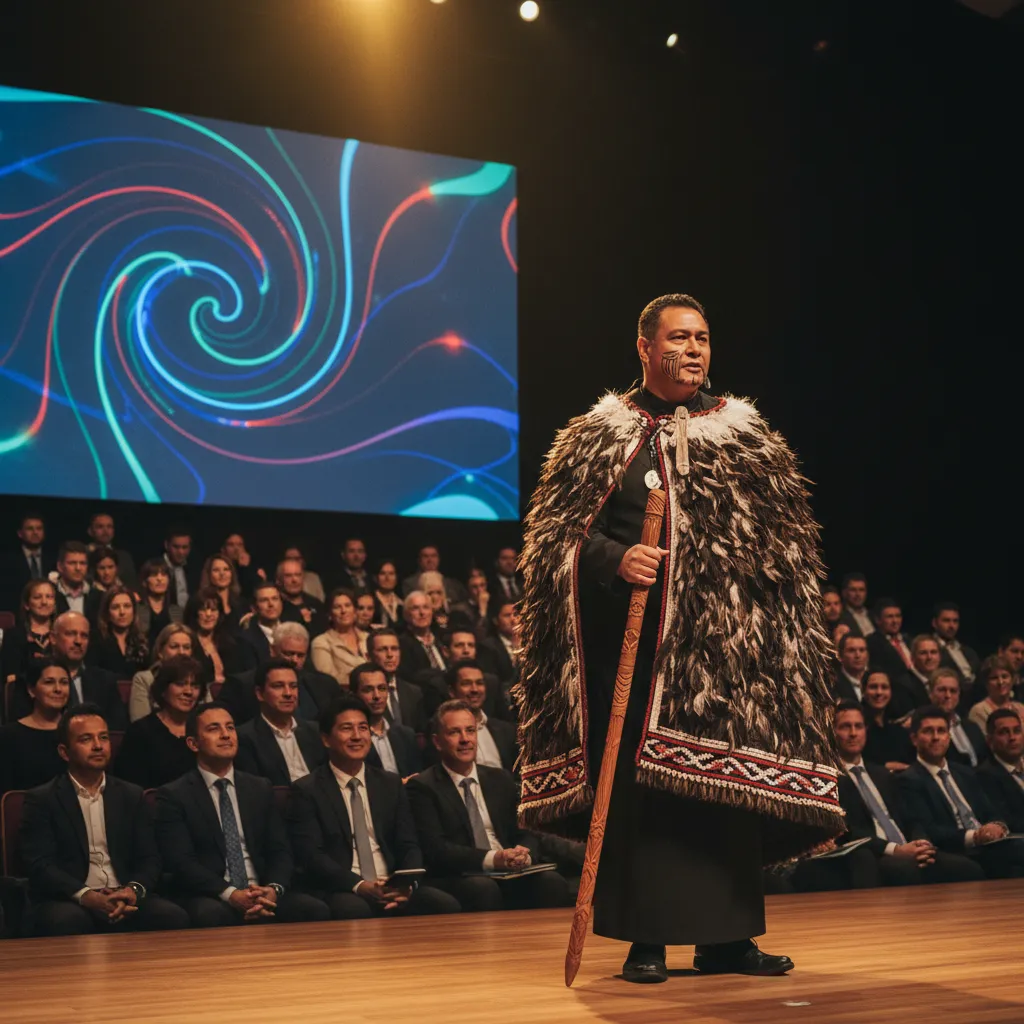
In an increasingly globalized world, the demand for authentic cultural intelligence is at an all-time high. Organizations across New Zealand and the globe are recognizing that to hire a Māori cultural speaker is not merely a box-ticking exercise; it is a strategic investment in cultural competency, inclusivity, and historical awareness. Whether you are planning a corporate conference, an educational summit, or a tourism industry workshop, the inclusion of an indigenous expert elevates the discourse and grounds the event in the unique heritage of Aotearoa (New Zealand).
Māori oratory, or whaikōrero, is an art form steeped in centuries of tradition. It relies on metaphor, genealogy (whakapapa), and localized history to convey powerful messages. By bringing this level of expertise into your organization, you bridge the gap between corporate objectives and community values, fostering an environment of Manaakitanga (hospitality and respect).
Why Hire an Expert? The Business Case for Culture
When you look to hire a Māori cultural speaker, you are engaging with a knowledge system that has thrived for over a thousand years. However, beyond the cultural appreciation, there are tangible benefits for businesses, government agencies, and educational institutions.
1. Fulfilling Te Tiriti o Waitangi Obligations
For New Zealand-based organizations, understanding the principles of the Treaty of Waitangi is often a statutory or organizational requirement. An expert speaker can demystify these obligations, moving beyond legalese to explain the spirit of partnership, protection, and participation. This is crucial for HR departments and leadership teams aiming to implement meaningful bi-cultural strategies.
2. Enhancing Cultural Competency (CQ)
Cultural Intelligence (CQ) is a top skill required in modern leadership. A cultural speaker provides your team with the tools to navigate diverse environments without causing offense. They teach the “why” behind the “what”—explaining why certain protocols exist, how to pronounce names correctly, and the significance of local landmarks. This reduces the risk of cultural appropriation and public relations mishaps.
3. Authentic Storytelling and Engagement
Indigenous storytelling is world-class. It is not linear; it is woven with connection to the earth, the stars, and the ancestors. A professional Māori speaker brings a charisma and depth that standard keynote speakers often lack. They can transform a dry topic into an emotional journey, ensuring your audience retains the information long after the event concludes.
Types of Speakers: From Astronomers to Historians
Not all cultural speakers cover the same ground. “Māori culture” is a broad umbrella. To get the best ROI (Return on Investment) for your event, you must align the speaker’s specific expertise with your event’s theme.
Māori Astronomers and Matariki Experts
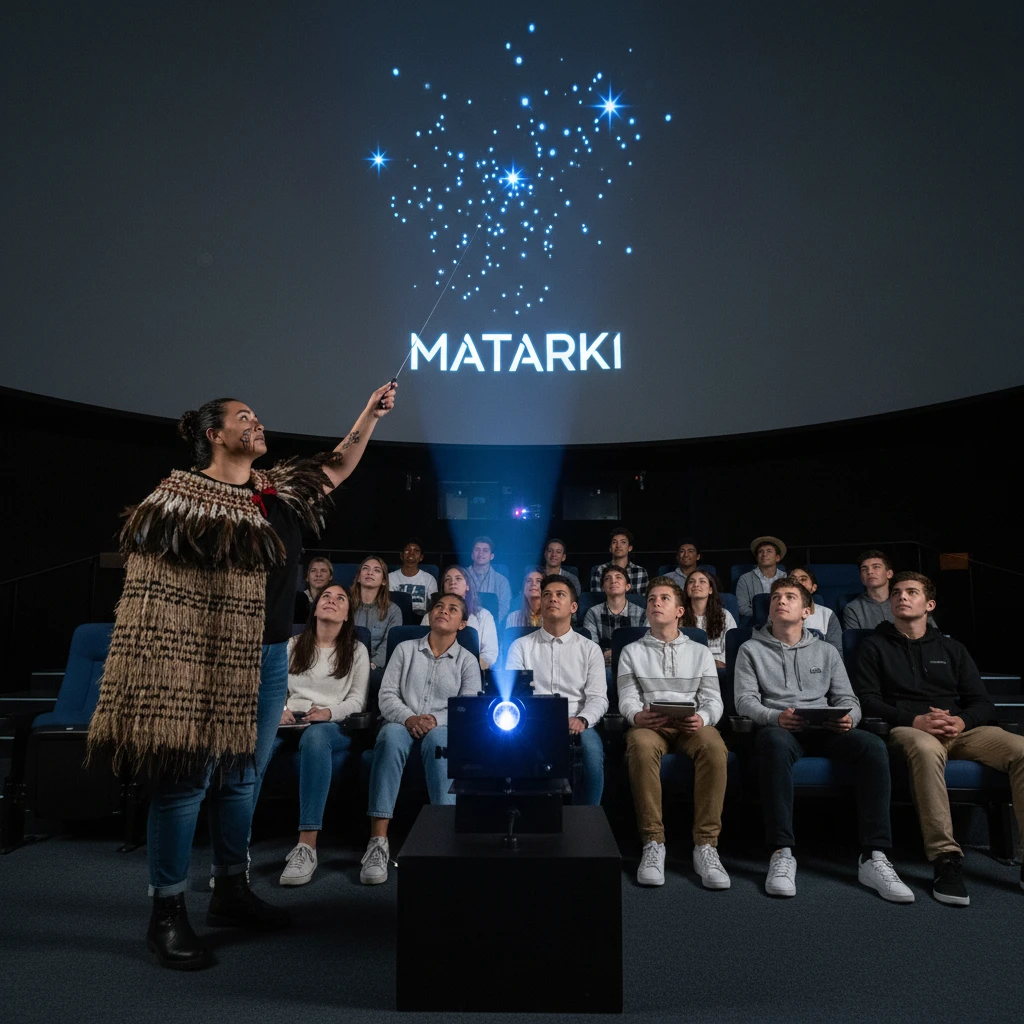
With the recent establishment of the Matariki public holiday, the demand to hire Māori cultural speakers specializing in astronomy is immense. These experts combine scientific knowledge with indigenous cosmology.
- Focus: The Māori lunar calendar (Maramataka), environmental indicators, star navigation, and the spiritual significance of the New Year.
- Best For: Mid-winter events (June/July), sustainability conferences, and science symposiums.
Tribal Historians and Te Tiriti Educators
These speakers are often elders (Kaumātua) or academic historians who specialize in the history of colonization, the Land Wars, and the settlement process.
- Focus: Localized history (Mana Whenua stories), The Treaty of Waitangi, social justice, and political history.
- Best For: Government training days, legal conferences, and urban planning workshops.
Tikanga and Protocol Advisors
If your event involves welcoming international dignitaries or opening a new building, you need a protocol expert rather than a general speaker. They manage the Powhiri (welcome ceremony).
- Focus: Whaikōrero (formal speechmaking), Karakia (blessings), and ceremonial safety.
- Best For: Building openings, international summits, and formal awards ceremonies.
Leadership and Business Mentors
A growing niche involves speakers who map Māori values (such as Kaitiakitanga/Guardianship and Whanaungatanga/Relationship building) onto modern business frameworks.
- Focus: Indigenous economic models, sustainable leadership, and team dynamics.
- Best For: Executive retreats, MBA programs, and startup incubators.
Virtual vs. In-Person Engagements
The post-pandemic landscape has normalized virtual events, but when you hire a Māori cultural speaker, the medium significantly impacts the message. Here is how to decide between the two.
In-Person: The Power of Kanohi ki te Kanohi
Kanohi ki te Kanohi means “face to face.” In Māori culture, physical presence is vital for establishing trust and transferring knowledge effectively. The exchange of breath (Hongi) and the sharing of food (Kai) are integral parts of the process that cannot be replicated online.
- Pros: High engagement, allows for ceremonial elements, stronger relationship building.
- Cons: Higher cost (travel/accommodation), logistical complexity.
Virtual: Accessibility and Reach
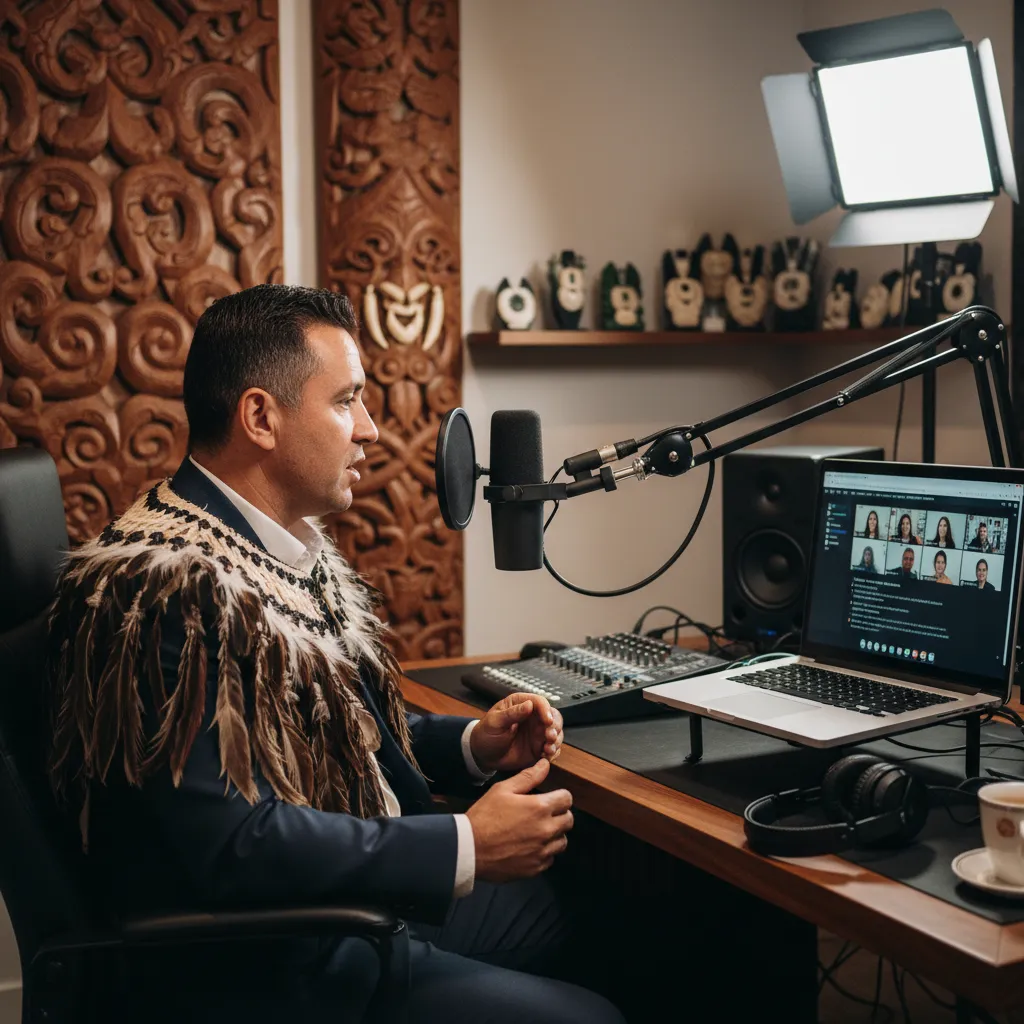
Virtual sessions are excellent for “Lunch and Learn” style webinars or when accessing high-demand speakers who cannot travel. While you lose the physical connection, a skilled speaker can still convey mana (presence) through the screen.
- Pros: Lower cost, easier to schedule, accessible to remote teams.
- Cons: Harder to gauge audience reaction, inability to perform physical protocols (like Harirū).
The Booking Process: Best Practices & Etiquette
Booking a cultural speaker requires more sensitivity than booking a standard keynote. There are protocols of engagement that ensure the safety and respect of both the speaker and the host.
1. Professional Fee vs. Koha
This is the most common point of confusion. Traditionally, koha is a gift (often monetary) given to support the speaker and their marae. However, in a corporate context, professional speakers have set fees.
The Rule of Thumb: If you are hiring a professional consultant or speaker for a business event, expect to pay a professional invoice. Do not assume a small cash donation is sufficient unless explicitly agreed upon. If the speaker is a Kaumātua representing a tribe for a community blessing, a Koha may be more appropriate, but it should still be substantial and respectful of their time and mana.
2. Manaakitanga (Hospitality)
You are responsible for the wellbeing of the speaker. This includes:
- Transport: Booking reputable travel and transfers.
- Kai (Food): Ensuring food is available. In Māori custom, the process of Whakanoa (lifting the tapu/sacredness of the speech) is often done with food. Never let a speaker leave hungry.
- Support Person: Ideally, a speaker should not travel alone. Be prepared to host their Kaikaranga (caller) or support person if required.
3. The Brief
Be specific. Do not ask a speaker to “just come and do something Māori.” That is tokenistic. Ask them to “speak on the relevance of Matariki to modern team building” or “discuss the history of this specific region.” The more specific the brief, the safer and more effective the speaker will be.
Structuring Your Booking Inquiry
When you approach an agency or an individual to hire a Māori cultural speaker, having the right details ready will expedite the process. Use this checklist to form your inquiry.

Essential Information Required:
- Event Date & Time: Include the specific slot for the speaker.
- Location: Physical venue or Virtual platform link.
- Audience Demographics: Who are they? (Execs, students, tourists?) How many people?
- Cultural Safety: Is there a Powhiri planned? Who will look after the speaker?
- Topic/Theme: What is the core message you want delivered?
- Budget Range: Be transparent about your budget cap.
- Recording Rights: Do you intend to record the speech? (Note: Many cultural speakers retain IP rights to their stories and may charge extra for recording).
By approaching the booking process with preparation and respect, you ensure a successful partnership. Hiring a Māori cultural speaker is a powerful way to enrich your event, educate your audience, and contribute to the preservation and celebration of indigenous knowledge.
People Also Ask
How much does it cost to hire a Māori cultural speaker?
Fees vary significantly based on experience and reputation. A community elder might accept a koha (donation) of $200-$500 for a brief blessing, while professional keynote speakers and corporate educators typically charge between $2,500 and $10,000+ per engagement.
What is the difference between a speaker and a Kapa Haka group?
A speaker focuses on education, storytelling, and oral transmission of knowledge. A Kapa Haka group is a performance troupe focused on singing and dance. While both share culture, a speaker is best for workshops and keynotes, while Kapa Haka is best for entertainment or ceremonial openings.
Do I need to perform a Powhiri to host a speaker?
Not necessarily. A Powhiri is a formal welcome ceremony. For most corporate speeches, a Mihi Whakatau (less formal welcome) is sufficient. However, you should always ask the speaker what their preference is regarding their arrival protocol.
Can I hire a speaker for a wedding or private function?
Yes, many cultural speakers officiate weddings or speak at private functions. They can provide blessings, explain the significance of the union in Māori culture, or act as an MC to ensure cultural protocols are followed.
What topics does a Māori cultural advisor cover?
Advisors cover a wide range of topics including Te Tiriti o Waitangi (The Treaty), Tikanga (customs), Te Reo Māori (language), conflict resolution, environmental sustainability (Kaitiakitanga), and mental health models like Te Whare Tapa Whā.
How far in advance should I book for Matariki?
Matariki (Māori New Year) in June/July is the busiest season for cultural speakers. It is highly recommended to book at least 3 to 6 months in advance to secure a high-profile astronomer or cultural expert.