When is the best Matariki rise time in Hamilton?
For observers in Hamilton, the Matariki cluster becomes visible low on the northeastern horizon between 5:30 AM and 6:00 AM during the lunar phase of Pipiri (June/July). The optimal viewing time is roughly 45 to 60 minutes before sunrise, offering the best contrast between the brightness of the stars and the pre-dawn sky.
Matariki Rise Time Hamilton: The Optimal Window
For residents of the Waikato, specifically Hamilton, witnessing the rise of Matariki (the Pleiades) is a profound experience that marks the beginning of the Māori New Year. Unlike standard solar holidays, the timing of Matariki is determined by both stellar and lunar cycles. The primary keyword here is precision; timing is everything when trying to spot a faint cluster of stars against the encroaching dawn.
In Hamilton, the geographical location (approximately 37.78° S latitude) dictates specific rise times. While the cluster technically rises above the horizon earlier in the night, it is not visible due to atmospheric extinction and the lack of contrast. The “heliacal rising”—the moment the stars become visible just before the sun—is the critical window.
Specific Timing for Hamilton:
- Early June: The cluster rises closer to 5:00 AM but is often too close to the horizon to be seen clearly through the thick atmosphere of the Waikato basin until slightly later.
- Late June to Early July (Pipiri): This is the prime viewing season. In Hamilton, you should be in position looking toward the northeast horizon by 5:30 AM.
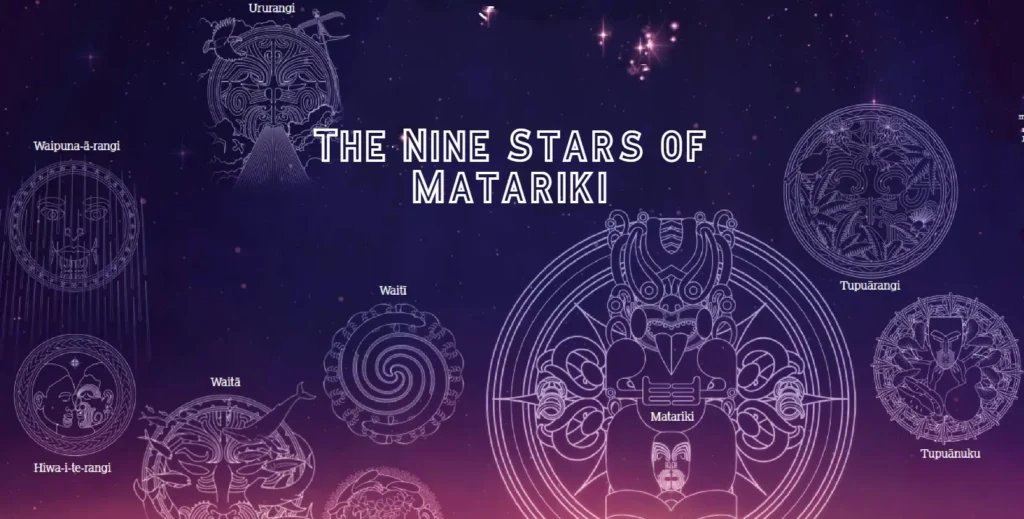
- The “Magic” Interval: The stars are most brilliant between 5:45 AM and 6:15 AM. By 6:30 AM, the civil twilight (the light from the sun, which is still below the horizon) begins to wash out the fainter stars in the cluster, such as Waipuna-ā-rangi and Hiwa-i-te-rangi.
How Latitude Affects Viewing Times Across New Zealand
While this guide focuses on the Matariki rise time in Hamilton, it is essential to understand that your physical location on the motu (island) shifts the viewing window. New Zealand spans a significant range of latitudes, which affects how early or late astronomical objects appear to rise.
Because Matariki is located in the northern celestial hemisphere (specifically in the constellation Taurus), it rises earlier for observers further north and later for those further south. This is due to the curvature of the Earth and the angle of the ecliptic relative to the local horizon.
Regional Comparison:
- Te Tai Tokerau (Northland): Observers in Whangārei or Kaitaia will see Matariki rise approximately 15 to 20 minutes earlier than those in Hamilton. The cluster appears higher in the sky at 6:00 AM compared to the Waikato view.
- Te Whanganui-a-Tara (Wellington): Being further south, the capital sees Matariki rise slightly later. If you are traveling from Hamilton to Wellington, adjust your viewing schedule by delaying it roughly 10-15 minutes.
- Ōtepoti (Dunedin) & Murihiku (Southland): The difference here is most pronounced. In the deep south, the rise time is significantly later, and in some areas with high topography, the star Puanga (Rigel) is used as the primary marker for the New Year because Matariki rises so low and late that it is difficult to see before the sun obscures it.
For Hamiltonians, this means you are in a “Goldilocks” zone—far enough north to get a good, high view of the cluster before sunrise, but not so far south that you are forced to rely solely on Puanga.
The Window of Visibility Before Sunrise
Understanding the “Window of Visibility” is crucial for a successful sighting. This window is the brief period where two competing factors balance out: the altitude of the stars and the brightness of the sun.
Factor 1: Atmospheric Extinction
When stars are low on the horizon (below 5-10 degrees), their light must travel through a much thicker layer of Earth’s atmosphere. This scatters the light, making faint stars invisible. In Hamilton, the Kaimai Ranges to the east can also physically block the horizon. Therefore, you must wait until Matariki is at least 10 to 15 degrees above the horizon.
Factor 2: Solar Twilight
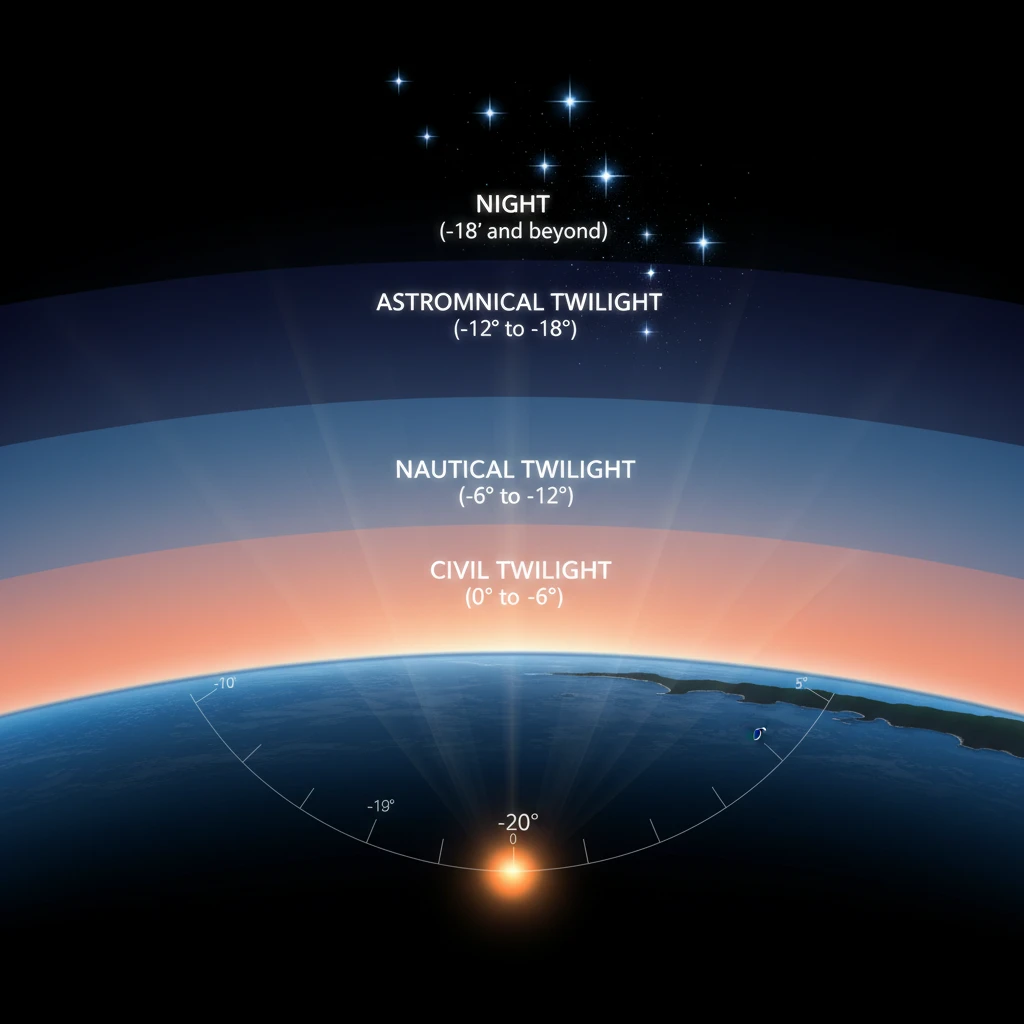
As the sun approaches the horizon from below, the sky undergoes three phases of twilight: astronomical, nautical, and civil. Matariki is best viewed during astronomical twilight and the early part of nautical twilight.
- Astronomical Twilight: The sky is fully dark. Best for seeing the faint stars.
- Nautical Twilight: The horizon becomes visible (sailors can take readings). The sky turns a deep blue. Brighter stars (Matariki, Tupu-ā-nuku) remain visible, but fainter ones disappear.
- Civil Twilight: Meaningful terrestrial objects are visible. It is generally too bright to see the full cluster.
How to Locate Matariki from the Waikato
Knowing the time is half the battle; knowing where to look is the other. The Waikato landscape is generally flat, but urban light pollution in Hamilton can make star spotting tricky. To find Matariki, you should use a technique called “star hopping” using more prominent constellations.
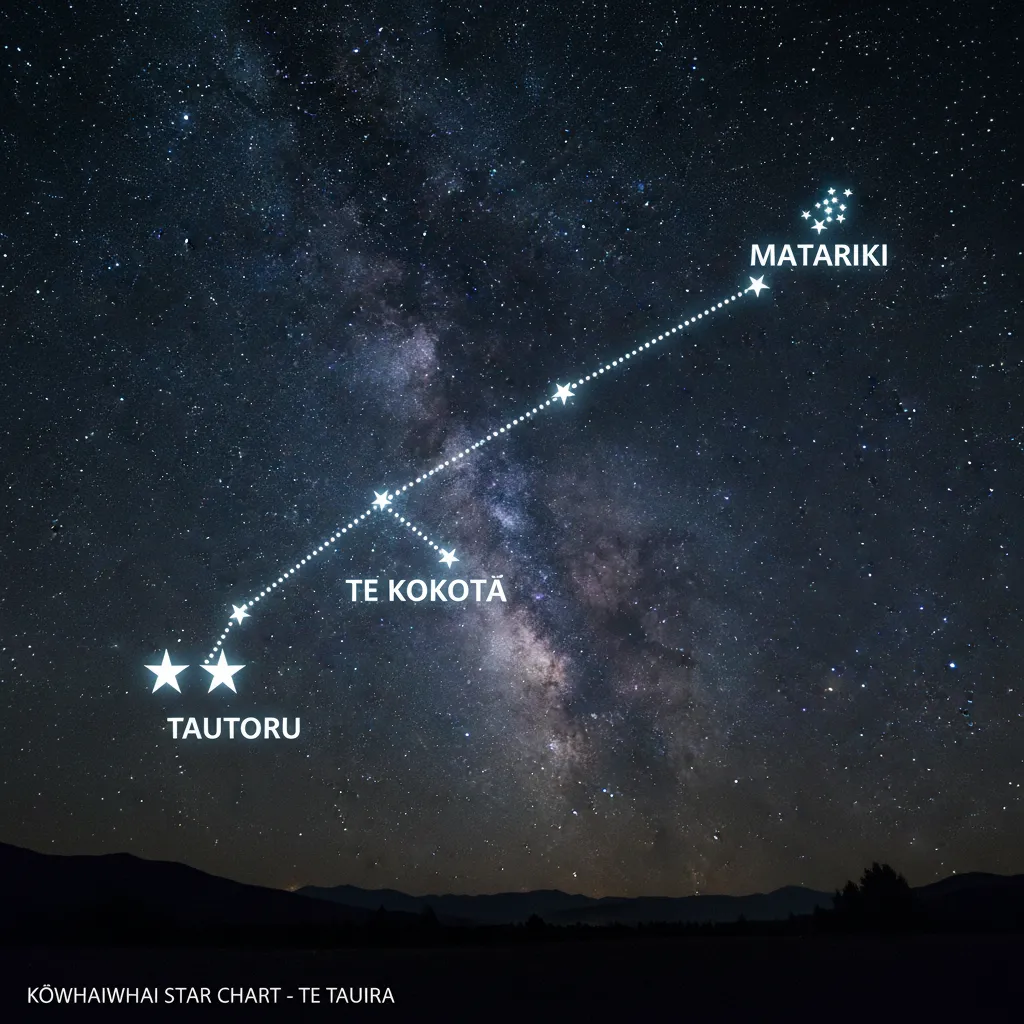
The Tautoru Method (Orion’s Belt)
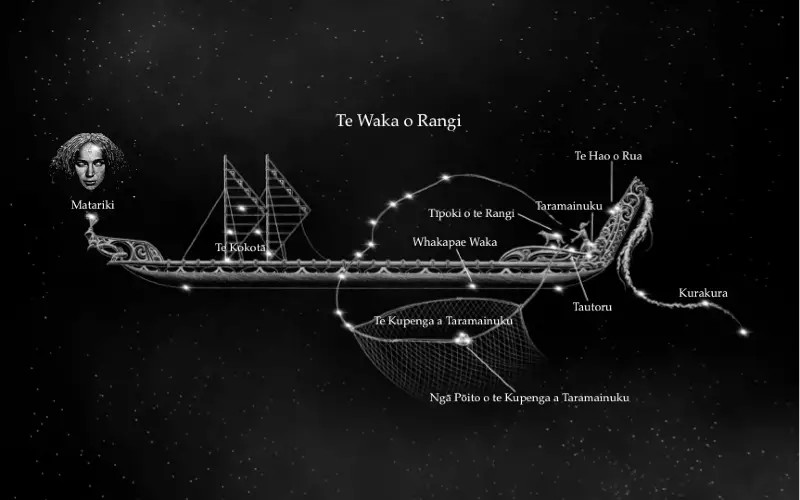
The easiest way to find Matariki is to locate Tautoru, known in western astronomy as Orion’s Belt. These are three distinctive bright stars in a row.
- Find Tautoru: Look to the Northeast. You will see the distinctive shape of the Pot (Orion). The bottom three stars form Tautoru.
- Follow the Line: Draw an imaginary line from Tautoru extending leftwards (northward).
- Find Te Kokotā (The Hyades): The first bright cluster you hit is a V-shape of stars. This is the face of Taurus the Bull. The bright reddish star here is Aldebaran.
- Continue to Matariki: Keep following that same line past the V-shape, and you will arrive at a smaller, tighter, twinkling cluster. That is Matariki.
In Hamilton, if you are viewing from locations like the Hakarimata Summit or a high point in Raglan, this alignment will be unmistakable against the dark sea or rural backdrop.
Calendar of Optimal Viewing Dates for Pipiri
Matariki is a lunar-stellar celebration. It does not occur on the same Gregorian date every year. The holiday and the observation period are determined by the lunar phases, specifically the Tangaroa nights of the moon cycle in the month of Pipiri (June/July).
Why the Moon Phase Matters
Trying to view Matariki during a Full Moon (Rākaunui) is ill-advised. The brightness of the moon washes out the faint stars of the cluster. The traditional Māori timing for Matariki observation coincides with the last quarter of the moon, leading into the new moon (Whiro). This ensures the sky is at its darkest in the pre-dawn hours.
Typical Viewing Schedule (Pipiri Cycle)
- Tangaroa-a-mua to Tangaroa-a-roto: These are often considered the most propitious nights for viewing. In the lunar calendar, these usually fall 3-4 days after the Last Quarter moon.
- Mutuwhenua / Whiro: The darkest nights of the month. Ideally suited for viewing, provided the weather holds.
For the specific year you are reading this, check the official government Matariki dates, but plan your Hamilton viewing expedition for the week leading up to the official public holiday. This “rise period” is when the tohu (signs) of the stars are read.
Weather Contingency Planning for Hamilton Viewers
Hamilton and the wider Waikato region are famous for one specific meteorological phenomenon in winter: Fog.
The Waikato River runs through the city, and during the cold mornings of June and July, thick fog blankets the basin. This can completely obscure the sky, making a 5:30 AM wake-up call frustrating if you are at ground level.
Escaping the Fog
To ensure you see the Matariki rise time in Hamilton clearly, you need a contingency plan that involves elevation. If the forecast predicts fog, do not stay in the city center.
Top 3 Viewing Locations Near Hamilton:
- Hakarimata Summit Track (Ngaruawahia): A rigorous climb, but it takes you well above the fog layer. You will often see a “sea of clouds” below you with a crystal-clear sky above.
- Sanatorium Hill (Cambridge): Located a short drive south-east, this offers good elevation and is often clear when the Hamilton basin is socked in.
- Te Awa River Ride (Southern Section): Sometimes moving away from the dense urban heat island and river bend helps, though elevation is your best bet.
Always check the MetService forecast specifically for “fog clearance times.” However, since you are viewing before sunrise, the fog will likely be at its thickest. Plan to drive to higher ground.

The Significance of the Pre-Dawn Rise
Why do we wake up so early? Why not view it when it rises late at night in November? The significance of the Matariki rise time in winter lies in the concept of the “return.”
Matariki sets in the west in the early evenings of late autumn (May). When it disappears, it is said to be gathering the spirits of those who have passed away during the year. When it re-appears (rises) in the pre-dawn sky of mid-winter, it is releasing those spirits to become stars in the sky and signaling the start of the new life cycle.
Observing the rise is about reading the stars. In traditional observation, the brightness and clarity of each individual star in the cluster predicted the fortunes for the coming year regarding harvest, fishing, and weather. For example, if Waitī (associated with fresh water) appeared blurry, it might predict a year of floods or poor eel migration.
By making the effort to wake at 5:30 AM in Hamilton, braving the Waikato frost, you are participating in a tradition that spans centuries, connecting with the environment and the cycles of time in a deeply meaningful way.
What is the best time to see Matariki in Hamilton?
The best time is typically between 5:30 AM and 6:15 AM in late June and early July. You want to look during the window before the sun brightens the sky but after the cluster has risen high enough above the horizon.
Which direction should I look to see Matariki?
Look towards the Northeast horizon. If you can find Orion’s Belt (The Pot), follow the line of the three stars to the left (north) until you find a small, twinkling cluster of stars.
Can I see Matariki in the evening?
Not during the Māori New Year (June/July). At this time of year, Matariki rises in the morning. It becomes visible in the evening sky later in the year, during summer, but that does not mark the New Year.
What if it is cloudy on the Matariki public holiday?
Matariki is a period, not just a single day. If the public holiday is cloudy or foggy in Hamilton, try viewing the cluster on the mornings immediately before or after the holiday. The stars remain in a similar position throughout the Pipiri phase.
Why is Matariki on different dates every year?
Matariki follows a stellar-lunar calendar (Maramataka), not the solar Gregorian calendar. The date shifts to align with the correct phase of the moon (usually the last quarter) within the lunar month of Pipiri.
What is the difference between Matariki and Puanga?
Matariki is the general marker for the Māori New Year. However, in some regions (like Taranaki, Whanganui, and parts of the South Island), the landscape blocks the view of Matariki, or it rises too low. In these areas, the brighter star Puanga (Rigel) is used to mark the New Year instead.