
To celebrate Matariki, focus on three core principles: remembering those who have passed (maimoatanga), celebrating the present with whānau and feasting (whakangahau), and planning for the future (wānanga). Meaningful observations include viewing the Matariki star cluster before dawn, hosting a shared meal with indigenous ingredients, and setting new intentions for the year ahead.
Matariki, the Māori New Year, marks the rising of the Pleiades star cluster in mid-winter. It is a time of renewal, reflection, and connection. As Aotearoa New Zealand embraces this period as a public holiday, understanding the correct tikanga (protocols) and methods of celebration ensures that the observance remains culturally safe, respectful, and deeply meaningful. Whether you are hosting a private dinner or attending a public light festival, the essence of Matariki remains grounded in the cycles of nature and humanity.
The Three Principles of Matariki
When asking how to celebrate Matariki, it is essential to look beyond the surface level of festivals and understand the philosophical pillars that hold the occasion up. Matariki is not merely a celestial event; it is a framework for processing time and human experience. The celebration is divided into three distinct phases, often referred to as the three pou (pillars).

1. Remembrance (Maimoatanga)
The first pillar is dedicated to the past. Matariki is the time to honor those who have passed away since the last rising of the star cluster. In traditional belief, the star Pōhutukawa (one of the nine stars in the cluster) is connected to the dead. It is believed that Matariki carries the spirits of the deceased into the sky to become stars.
How to observe this:
- Take a moment of silence during your gathering to read the names of loved ones lost in the previous year.
- Visit urupā (cemeteries) to clean headstones and pay respects.
- Share stories and memories of ancestors to keep their legacy alive within the family.
2. Celebrating the Present (Whakangahau)
The second pillar focuses on the present moment. Once the grieving and remembrance are acknowledged, the focus shifts to gratitude for life, health, and the harvest. The appearance of Matariki historically signaled the end of the harvest season when pātaka (storehouses) were full. This is a time for feasting, singing, and enjoying the company of whānau (family) and friends.
How to observe this:
- Organize a potluck dinner where everyone contributes a dish.
- Engage in waiata (songs), kapa haka, or simply play music that brings people together.
- Focus on rest and relaxation, acknowledging the winter season as a time to slow down.
3. Planning for the Future (Wānanga)
The final pillar looks to the horizon. Just as the stars were used to navigate the oceans, they are used metaphorically to navigate the year ahead. Hiwa-i-te-rangi is the star within the cluster connected to granting wishes and aspirations.
How to observe this:
- Set goals or “New Year’s resolutions” for your career, education, or personal growth.
- Discuss plans for the garden—what will you plant when the earth warms up?
- Teach children about the stars and the environment to ensure knowledge is passed to the next generation.
Modern vs. Traditional Celebrations
The evolution of Matariki from a pre-colonial agrarian marker to a modern public holiday has seen the adaptation of ceremonies. Understanding the distinction between the two helps in crafting a celebration that honors history while fitting into contemporary life.
Traditional Rites: The Hautapu
Historically, the most significant ceremony is the Hautapu. This ritual involves cooking kai (food) in an earth oven (hāngī) before dawn. The steam from the hāngī is released into the sky as an offering to feed the stars. The tohunga (priests) would observe the stars’ visibility and brightness to predict the productivity of the coming season.
While full Hautapu ceremonies are complex and usually conducted by iwi (tribes) or civic leaders, the concept of offering and gratitude remains central. It was a solemn, spiritual time rather than a loud party.
Contemporary Adaptations
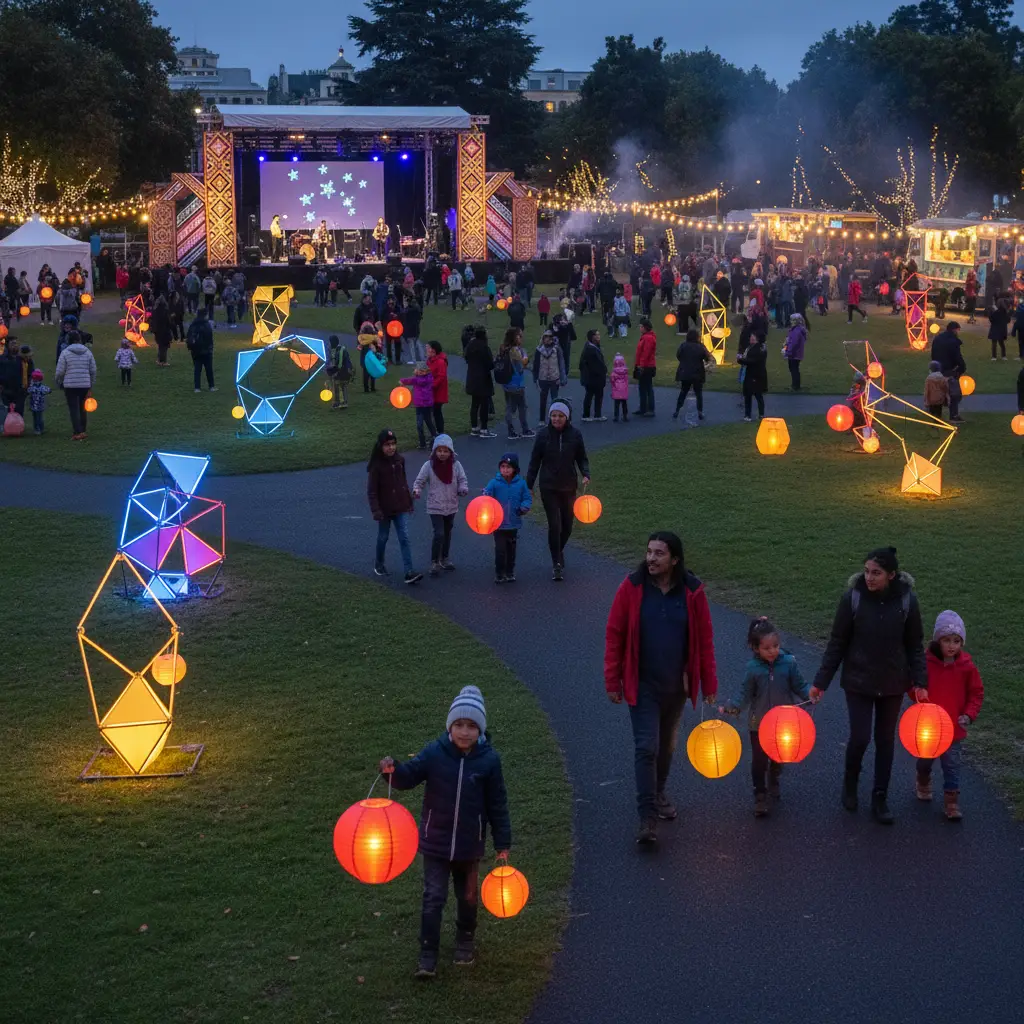
Today, Matariki is often celebrated with light festivals, concerts, and public holidays. While these are excellent for community building, they are modern interpretations. The modern celebration often emphasizes environmental stewardship—cleaning up beaches, planting trees, and reducing waste—aligning with the kaitiakitanga (guardianship) aspect of the holiday.
How to Host a Meaningful Matariki Dinner
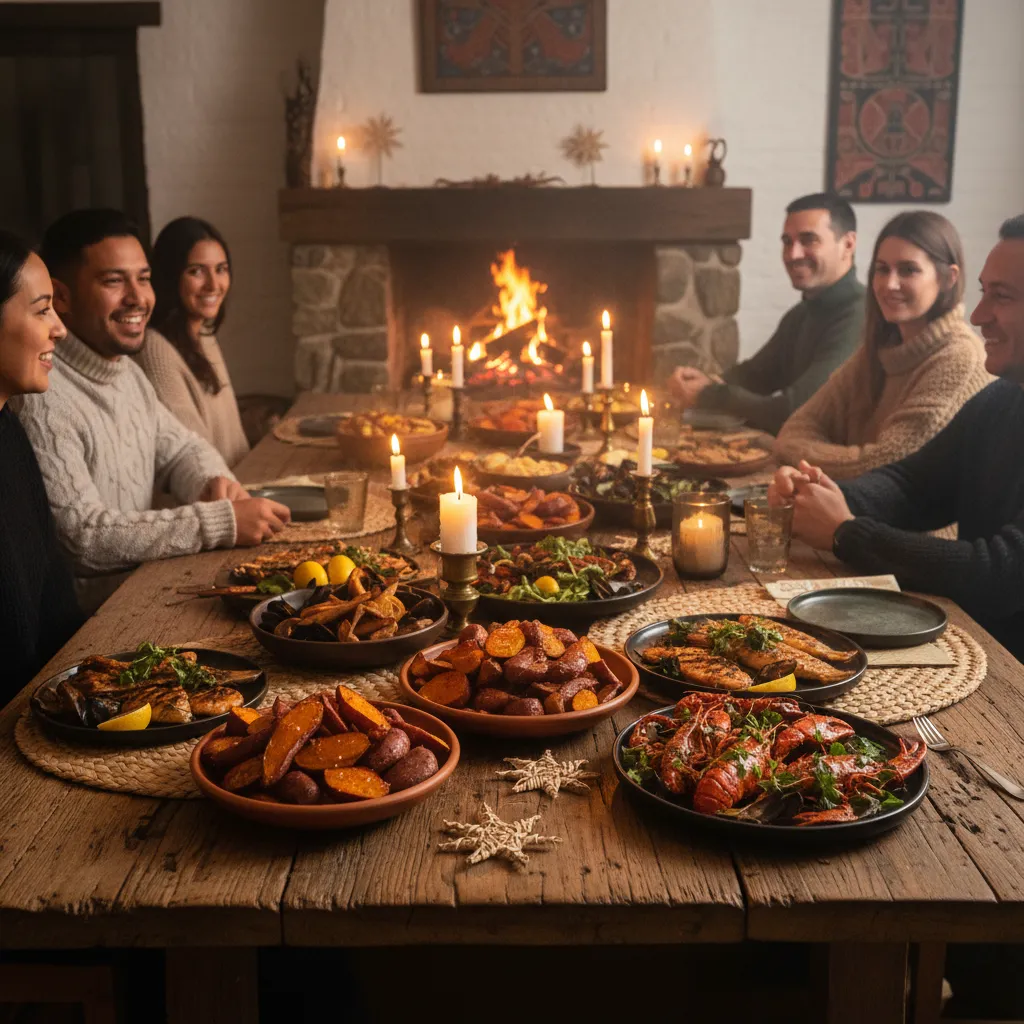
Food is the glue of Māori culture, and hosting a Matariki dinner is one of the most accessible ways to celebrate. This is not just about eating; it is about the hākari (feast) as a ceremonial act of unity.
Curating the Menu
To align with the stars, try to include ingredients sourced from the domains of the specific stars in the cluster:
- Tupu-ā-nuku (Food from the earth): Kūmara (sweet potato), taewa (Māori potatoes), and herbs. Roast vegetables are a staple here.
- Tupu-ā-rangi (Food from the sky): Birds were traditionally eaten, but today, chicken or duck is appropriate. You can also include fruits and berries.
- Waitī (Freshwater food): Eels, trout, or watercress.
- Waitā (Saltwater food): Kaimoana (seafood) such as mussels, oysters, or fish.
Setting the Atmosphere
Decorate your table with natural elements. Use flax weaving, stones, or greenery to bring the outdoors in. Lighting should be warm and inviting—candles are perfect for representing the starlight. Before eating, it is customary to say a karakia (blessing). This doesn’t need to be religious; it can simply be a statement of gratitude for the food, the hands that prepared it, and the company sharing it.
Viewing the Matariki Cluster
The most literal way to celebrate is to view the stars themselves. Matariki is best viewed in the early morning, just before the sun rises.
When and Where to Look
Look towards the northeast horizon between 5:30 AM and 6:30 AM. To find Matariki, first find the distinct row of three stars that make up ‘Tautoru’ (Orion’s Belt). Trace a line left from Tautoru to a triangular cluster of stars—this is ‘Te Kokotā’ (The Face). Continue left to the next bright cluster, which is Matariki.
This activity requires patience and clear skies. It is a perfect time for quiet contemplation. Turn off phones and torches to let your eyes adjust to the darkness. Use this time to speak your wishes to Hiwa-i-te-rangi.
Public Holiday Etiquette and Tikanga
As Matariki is a recognized public holiday in New Zealand, there are expectations around behavior and commercialization.
Commercialization vs. Respect
Unlike Christmas or Easter, which have been heavily commercialized, there is a strong push to keep Matariki focused on values rather than sales. Retailers are encouraged to avoid “Matariki Sales” that cheapen the significance of the event. As a participant, try to focus your spending on supporting local Māori businesses or sustainable initiatives rather than buying mass-produced plastic merchandise.
Cultural Appropriation
Be mindful of using Māori imagery and patterns. If you are organizing an event, ensure you are not misusing sacred symbols. Consult with local iwi or cultural advisors if you are unsure. The goal is to appreciate, not appropriate.
Community Involvement
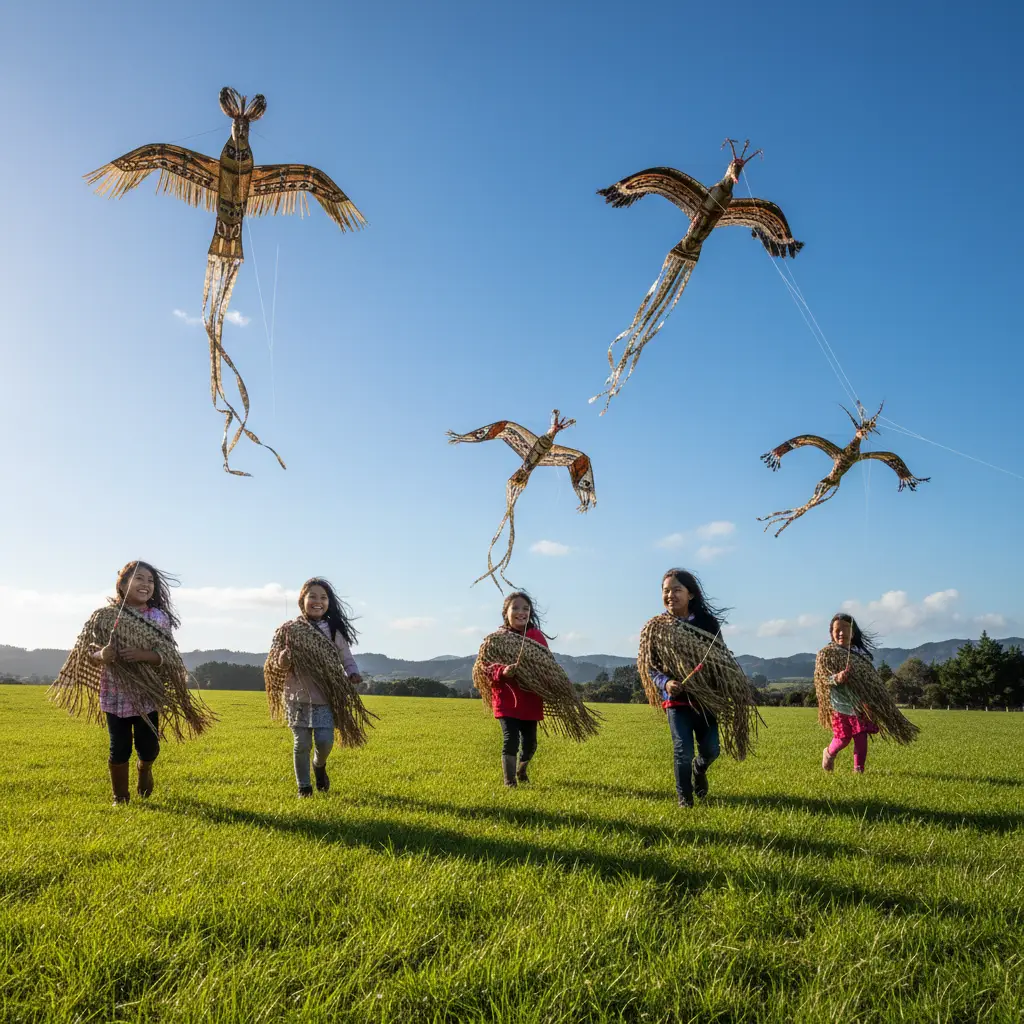
Matariki is not a solitary event; it is communal. Engaging with your local community strengthens the bonds that the holiday celebrates. Check your local council listings for events—many cities host dawn ceremonies, kite flying days (manu tukutuku), and educational workshops.
If you cannot find an event, consider volunteering. Environmental regeneration projects are popular during Matariki. Planting native trees is a profound way to honor Tupu-ā-nuku (the star associated with trees and soil) and invest in the future of the land.
Frequently Asked Questions
What is the correct greeting for Matariki?
The most common greeting is “Mānawatia a Matariki,” which translates to “Celebrate Matariki” or “Welcome Matariki.” It is a respectful way to wish someone well during the Māori New Year.
Can anyone celebrate Matariki?
Yes, Matariki is for everyone in Aotearoa New Zealand and beyond. While it is rooted in Māori culture, the values of remembrance, celebration, and environmental stewardship are universal. Non-Māori are encouraged to participate respectfully and learn about the traditions.
How many stars are in the Matariki cluster?
While the cluster contains hundreds of stars, Māori tradition typically identifies nine distinct stars: Matariki (the mother) and her eight children: Pōhutukawa, Tupu-ā-nuku, Tupu-ā-rangi, Waitī, Waitā, Waipuna-ā-rangi, Ururangi, and Hiwa-i-te-rangi.
What foods are traditional for Matariki?
Traditional foods include kūmara (sweet potato), fish, eel, birds (now chicken/duck), and preserved vegetables. The key is to represent the four food sources: earth, sky, freshwater, and saltwater.
Is Matariki the same dates every year?
No. Matariki follows the Māori lunar calendar (Maramataka). The dates shift every year, similar to Easter. It generally falls in June or July, marked by the rising of the stars and the lunar phase.
What is a Hautapu ceremony?
A Hautapu is a sacred offering ceremony. It involves cooking food in an earth oven (hāngī) and releasing the steam to the sky to feed the stars. It is a ritual of gratitude and divination regarding the year ahead.