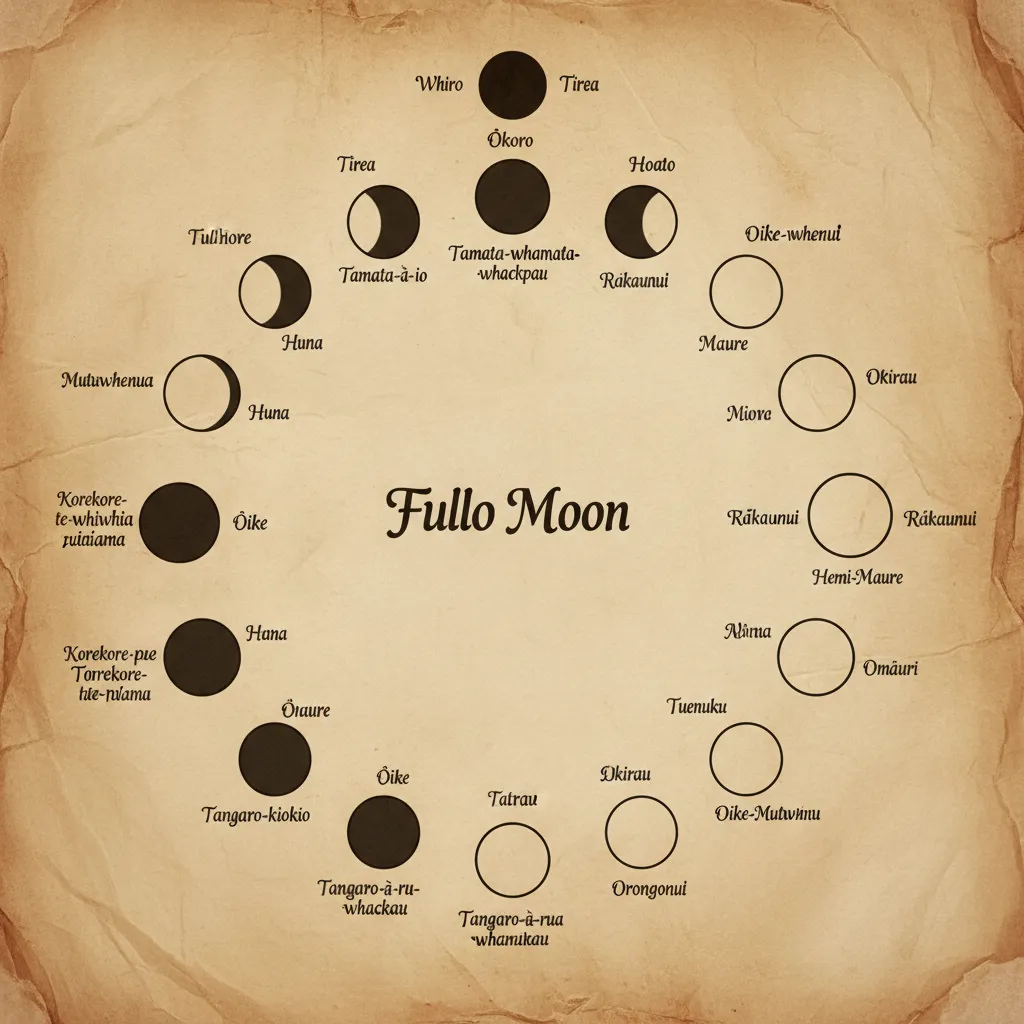
The Māori fishing calendar, known as Maramataka, is a traditional lunar almanac that guides anglers on the optimal times to fish based on the moon’s phases. By tracking the gravitational pull and energy levels of specific lunar nights, such as the high-energy Tangaroa phases, anglers can predict fish behavior, feeding windows, and catch rates with significant accuracy.
What is the Māori Fishing Calendar (Maramataka)?
For centuries, long before the advent of sonar fish finders and GPS technology, Māori navigators and tohunga (experts) relied on the Maramataka to survive and thrive. The word Maramataka literally translates to “the moon turning,” representing a sophisticated system of timekeeping that aligns with the lunar cycle rather than the solar Gregorian calendar.
Unlike a standard calendar that marks dates arbitrarily, the Maramataka is an ecological almanac. It divides the lunar month (approximately 29.5 days) into specific phases, each possessing a distinct mauri (life force) or energy level. This energy influences everything in the natural world, from the sap rising in trees to the feeding aggression of predatory fish. For the modern angler, understanding this system provides a distinct advantage, allowing one to align fishing trips with nature’s rhythm rather than fighting against it.
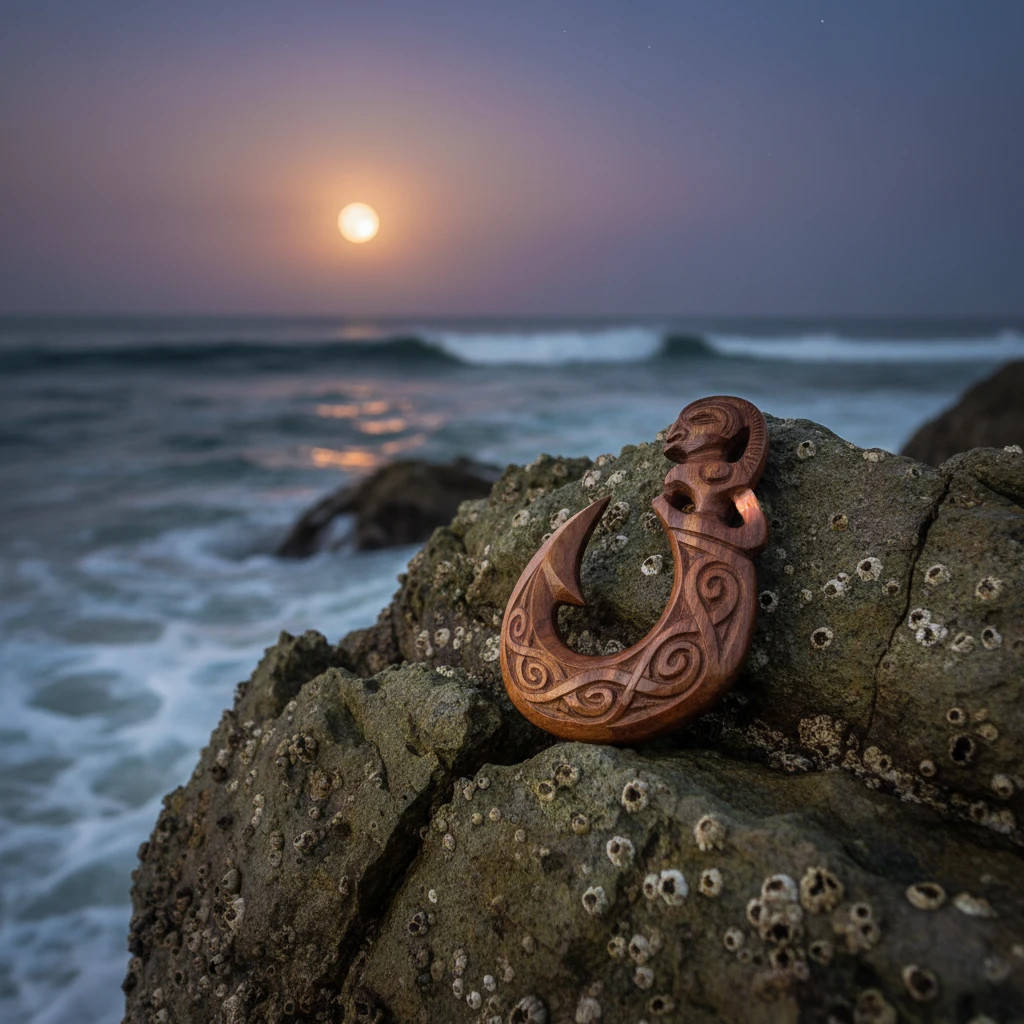
It is important to note that Maramataka is not a static, universal chart. It varies slightly between iwi (tribes) and geographical regions due to the unique environmental factors of different coastlines. However, the core principles regarding the influence of the moon on marine life remain consistent across Aotearoa (New Zealand).
The Intersection of Science and Ancestral Observation
While rooted in tradition, the Maramataka aligns closely with modern marine biology and oceanography. The gravitational pull of the moon drives the tides, moving vast quantities of water. This movement stirs up sediment and nutrients from the ocean floor, triggering a food chain reaction. Plankton becomes active, drawing in baitfish, which in turn attract apex predators like Kingfish (Haku) and Snapper (Tāmure).
Māori ancestors observed these patterns over generations. They noted that on certain nights, the eels would migrate in mass, while on others, the ocean seemed barren. These observations were codified into the names of the nights themselves. For example, a night named “Huna” (meaning hidden) suggests that food sources—and therefore fish—are scarce or hard to find.
High Energy Days: The Best Times to Fish
To maximize your success on the water, you must identify the high-energy phases. These are the periods where the gravitational forces and light levels combine to trigger aggressive feeding behaviors.
The Tangaroa Phases
The most productive fishing days in the Maramataka are generally the Tangaroa days. Tangaroa is the Atua (god) of the sea, and days bearing his name are considered the gold standard for fishing.
- Tangaroa-ā-mua: This phase usually occurs around the 23rd or 24th night of the lunar cycle (depending on the specific tribal variation). It marks a surge in activity.
- Tangaroa-ā-roto: The middle Tangaroa day is often cited as the peak of fishing productivity. Currents are strong, and fish are feeding voraciously.
- Tangaroa-kiokio: The final phase of this trio. While activity is still high, it may begin to taper off slightly as the cycle shifts.
Fishing during the Tangaroa phases often results in larger catches and more aggressive strikes. It is the ideal time to target trophy fish or fill the bin for a whānau (family) gathering, where you might prepare 10 Traditional Māori Foods to Try During Matariki.
Rākaunui (The Full Moon)
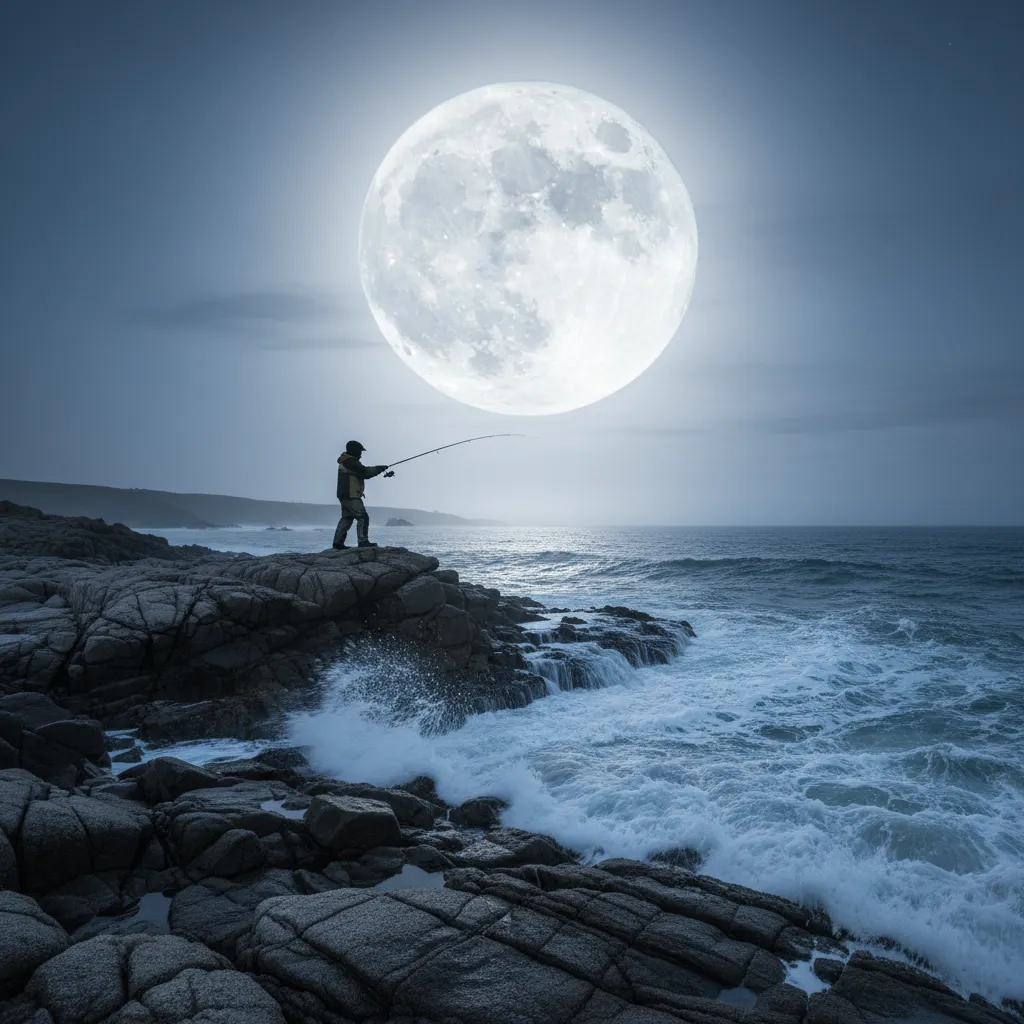
Rākaunui represents the full moon. During this time, the tides are at their highest (spring tides), creating significant water movement. While the energy is incredibly high, fishing during the full moon can be tricky. The abundance of light at night allows predators to feed effectively after dark, which sometimes means they are less hungry during the day. However, for night fishing or targeting species in deeper water, Rākaunui is a powerful time.
Tamatea Phases
The Tamatea phases usually occur around the arrival of the new moon or just after the first quarter. These days are associated with unpredictable weather and changing winds. The name Tamatea is linked to storms. While the fishing can be explosive due to the changing barometric pressure, anglers must exercise extreme caution regarding sea conditions.
The Korekore Phases: When to Rest and Repair
Just as there are days to act, there are days to rest. The Maramataka identifies low-energy periods known as the Korekore phases. The word “Kore” implies nothingness, nil, or zero.
During Korekore days (such as Korekore-te-whiwhia and Korekore-te-rawea), the ocean is often described as lethargic. Experienced anglers might notice that even with perfect bait and location, the fish simply aren’t biting. These phases typically occur around the quarter moons when tidal movement is weakest (neap tides).
What to do during Korekore phases:
- Maintenance: Use this time to service reels, repair nets, and sharpen hooks.
- Preparation: Gather bait or scout new locations without the pressure of catching.
- Observation: Watch the water to learn currents without wetting a line.
Attempting to fish heavily during Korekore days is often seen as a waste of energy and resources, aligning with the concept that nature requires downtime to replenish.
Species Behavior During Different Moon Phases
Different species react uniquely to the lunar cycle. While the Maramataka provides a general guide, understanding species-specific nuances can refine your strategy.
Snapper (Tāmure)
Snapper are notoriously sensitive to light and tidal flow. During the bright nights of Rākaunui (Full Moon), Snapper often feed in shallower water at night. Consequently, fishing for them at midday following a full moon can be slow. Conversely, during the dark nights of Whiro (New Moon), Snapper rely more on scent and vibration, making dawn and dusk bite times (change of light) absolutely critical.
Eels (Tuna)
Freshwater eels are heavily influenced by the Maramataka. The migration of tuna usually aligns with the darker phases of the moon (Hinapōuri). They utilize the cover of darkness to move safely downstream toward the ocean for breeding. Fishing for eels is most productive when the moon is obscured, whereas bright moon phases often keep them hidden in the mud.
Kingfish (Haku)
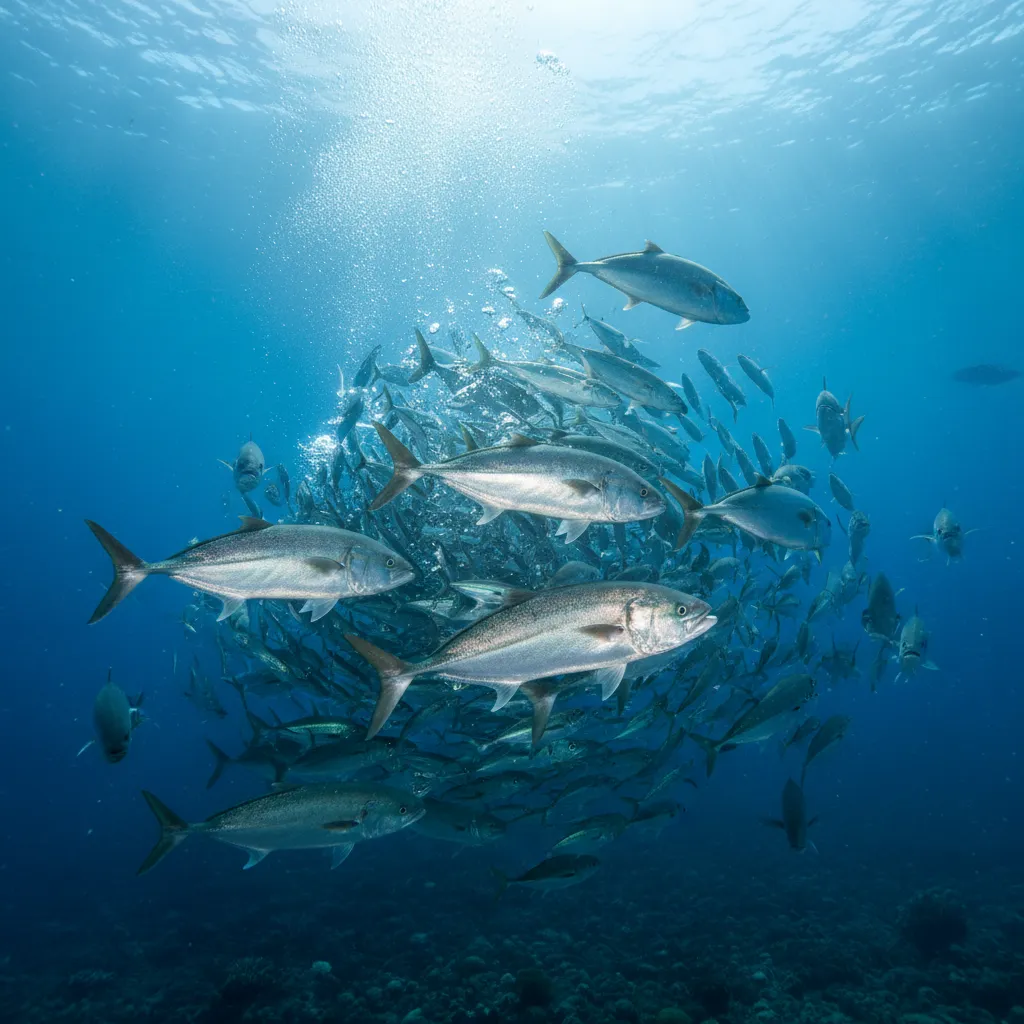
Kingfish thrive on current. Therefore, the phases that produce the strongest tidal flows—Rākaunui (Full Moon) and Whiro (New Moon)—are often the best for targeting these powerful predators. They utilize the fast-moving water to ambush baitfish around pins and headlands.
Kaitiakitanga: Sustainable Fishing Practices
Using the Maramataka is not just about catching more fish; it is about connecting with the environment through Kaitiakitanga (guardianship). The calendar teaches that resources are not infinite and that harvesting must align with the natural ability of the ecosystem to recover.
Respecting the Cycle
The inclusion of Korekore (low energy) days in the calendar serves a conservation purpose. By discouraging fishing during these times, the system naturally imposes a “rahui” (restriction) that allows fish stocks to rest and feed without harassment. Following the Maramataka inherently prevents overfishing by limiting the days an angler is active.
Modern Application of Kaitiakitanga
- Take only what you need: Just because it is a Tangaroa day and the fish are biting, does not mean you should fill the boat.
- Return the large breeders: Large Snapper and Crayfish are vital for the genetic strength of the population.
- Respect the first catch: A traditional practice involves returning the first fish caught to Tangaroa as an offering of gratitude and to ensure future abundance.
Reading the Tides and Stars Alongside the Moon
The moon does not work in isolation. A master angler using the Maramataka also looks to the stars and the tides to build a complete picture of the fishing conditions.
Matariki and Seasonal Shifts
The appearance of Matariki (the Pleiades star cluster) signals the Māori New Year and a shift in seasons. This celestial event often correlates with the migration of specific species, such as the running of the Kanae (Mullet). Reading the stars, perhaps by using an Interactive Night Sky Map Tool: Locate Matariki Now, helps determine the seasonal availability of fish, while the moon determines the daily activity.
Tidal interplay
The Maramataka dictates the size of the tide, but the local geography dictates the timing. The rule of thumb for many coastal areas is that the “bite time” occurs two hours before high tide and two hours after. However, during a Tangaroa phase, this bite window often extends, whereas, in a Korekore phase, the window may shrink to only 30 minutes or vanish entirely.
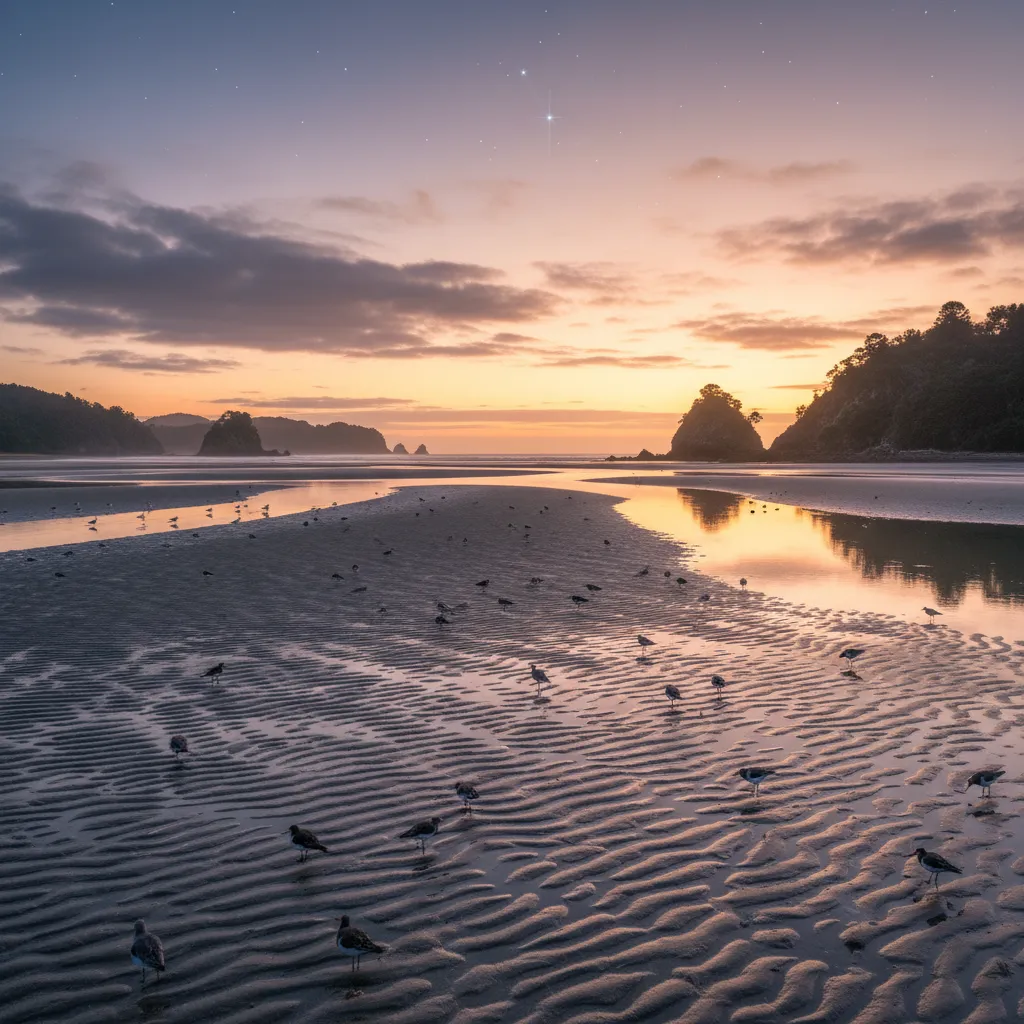
Combining these elements—Lunar Phase + Tidal Flow + Stellar Seasonality—creates a powerful predictive model. For example, fishing a Tangaroa phase, on an incoming tide, during the correct season for the target species, is the formula for a world-class fishing experience.
Conclusion
The Maramataka is more than a fishing calendar; it is a testament to the deep observational science of Māori ancestors. For the modern angler, it offers a way to increase efficiency and success on the water. By targeting the high-energy Tangaroa days, respecting the rest periods of the Korekore phases, and practicing Kaitiakitanga, you engage in a sustainable and spiritually rewarding relationship with the ocean. Next time you plan a trip, look up at the moon—Tangaroa might just be waiting for you.
Is the Māori fishing calendar (Maramataka) accurate?
Yes, the Maramataka is widely considered accurate by both traditional anglers and modern science. It is based on centuries of empirical observation regarding how lunar gravity affects tides and marine biology. Many commercial and recreational fishermen use it to predict bite times with high success rates.
What are the best days to fish according to the Māori calendar?
The best days are typically the Tangaroa phases (Tangaroa-ā-mua, Tangaroa-ā-roto, Tangaroa-kiokio), which occur roughly 3 to 6 days after the full moon. The Full Moon (Rākaunui) and New Moon (Whiro) are also high-potential days depending on the species.
What does ‘Korekore’ mean in fishing terms?
In the context of fishing, ‘Korekore’ translates to ‘nothing’ or ‘nil.’ These are low-energy lunar phases where fish activity is minimal, and catch rates are typically poor. It is traditionally a time for resting and repairing gear rather than fishing.
How do I find out the current moon phase for fishing?
You can find the current Maramataka phase through various dedicated apps, New Zealand fishing websites, or by purchasing Maramataka Posters. Alternatively, simply observing the shape of the moon and consulting a lunar chart will give you the phase.
Does the Maramataka apply to freshwater fishing?
Yes, the Maramataka applies to freshwater environments as well. Species like Eels (Tuna) and Whitebait (Inanga) are heavily influenced by lunar phases for migration and feeding, particularly in relation to light levels at night.
What is the difference between Huna and Whiro phases?
Whiro is the New Moon, a dark night often associated with high activity and new beginnings. Huna implies ‘hidden’; it is a phase where fish are elusive and difficult to catch, making it a poor day for fishing compared to Whiro.