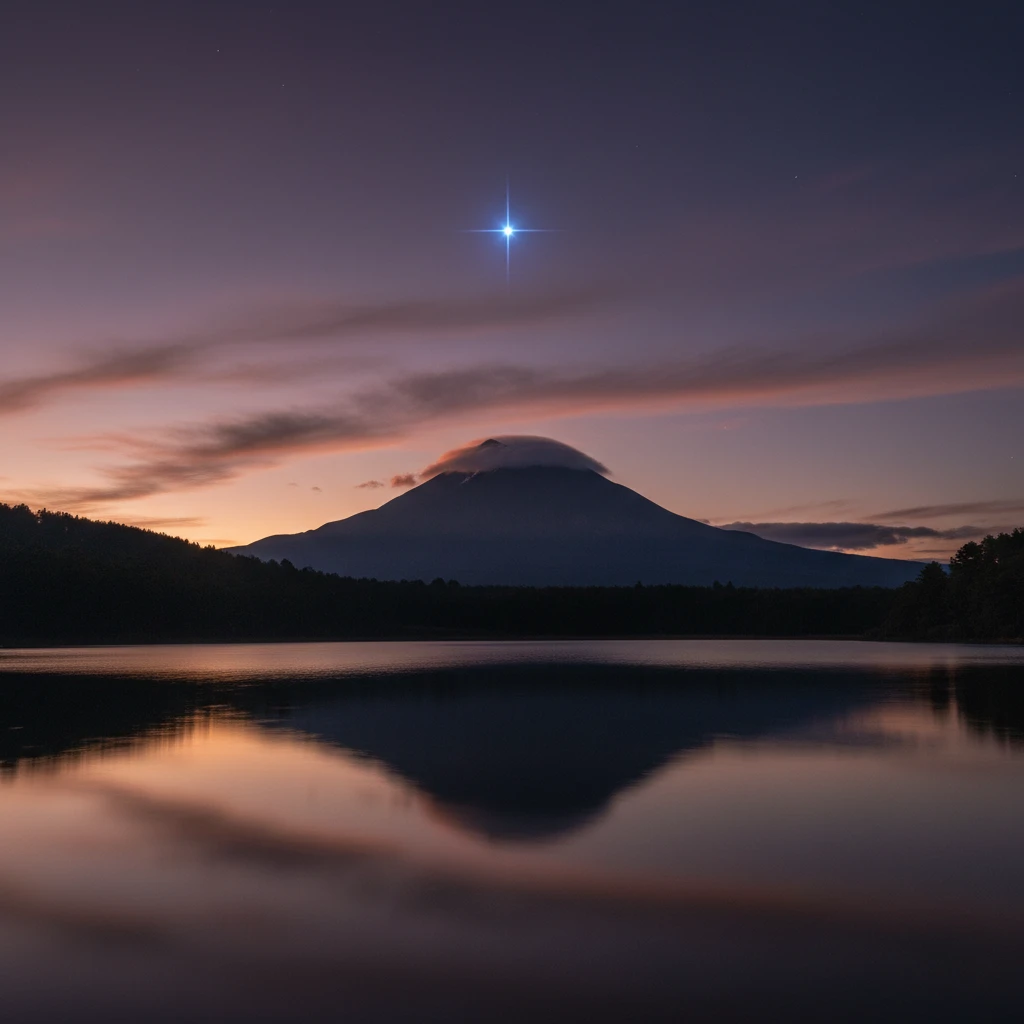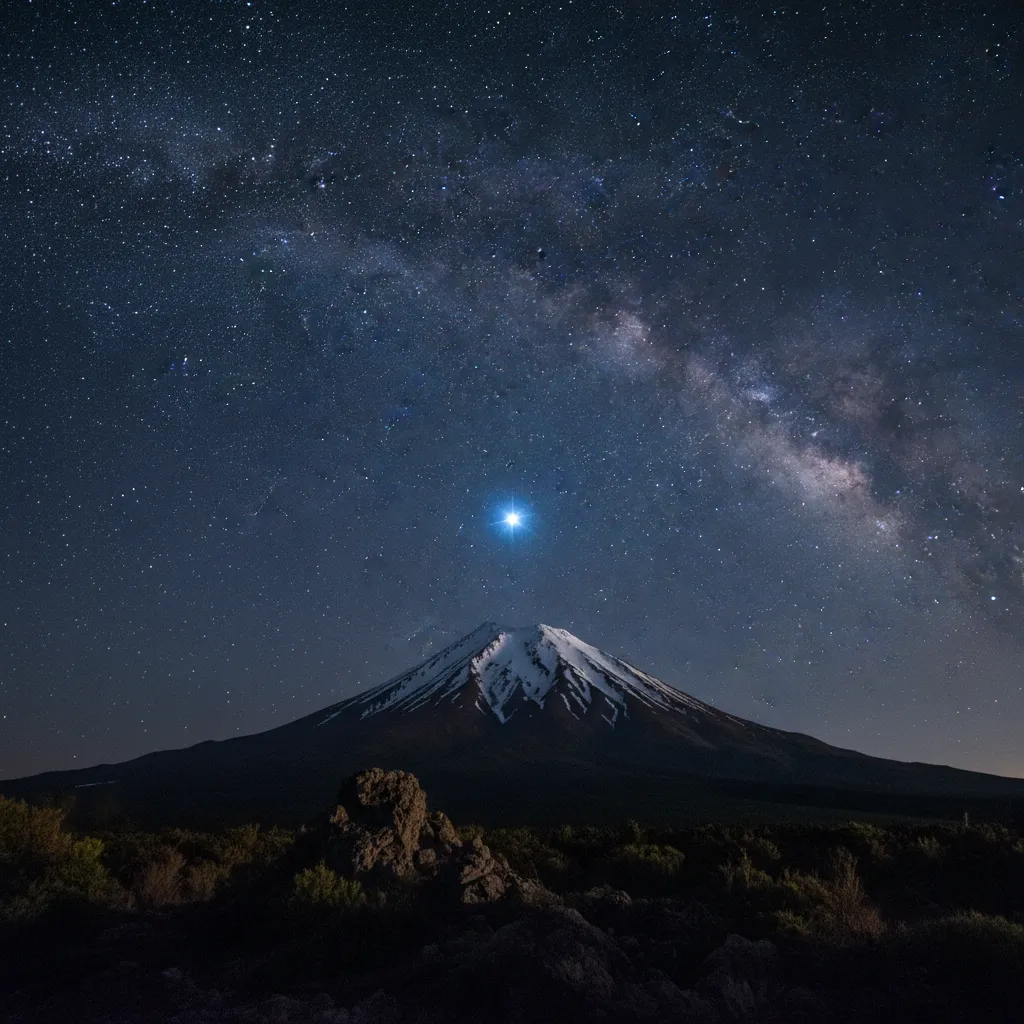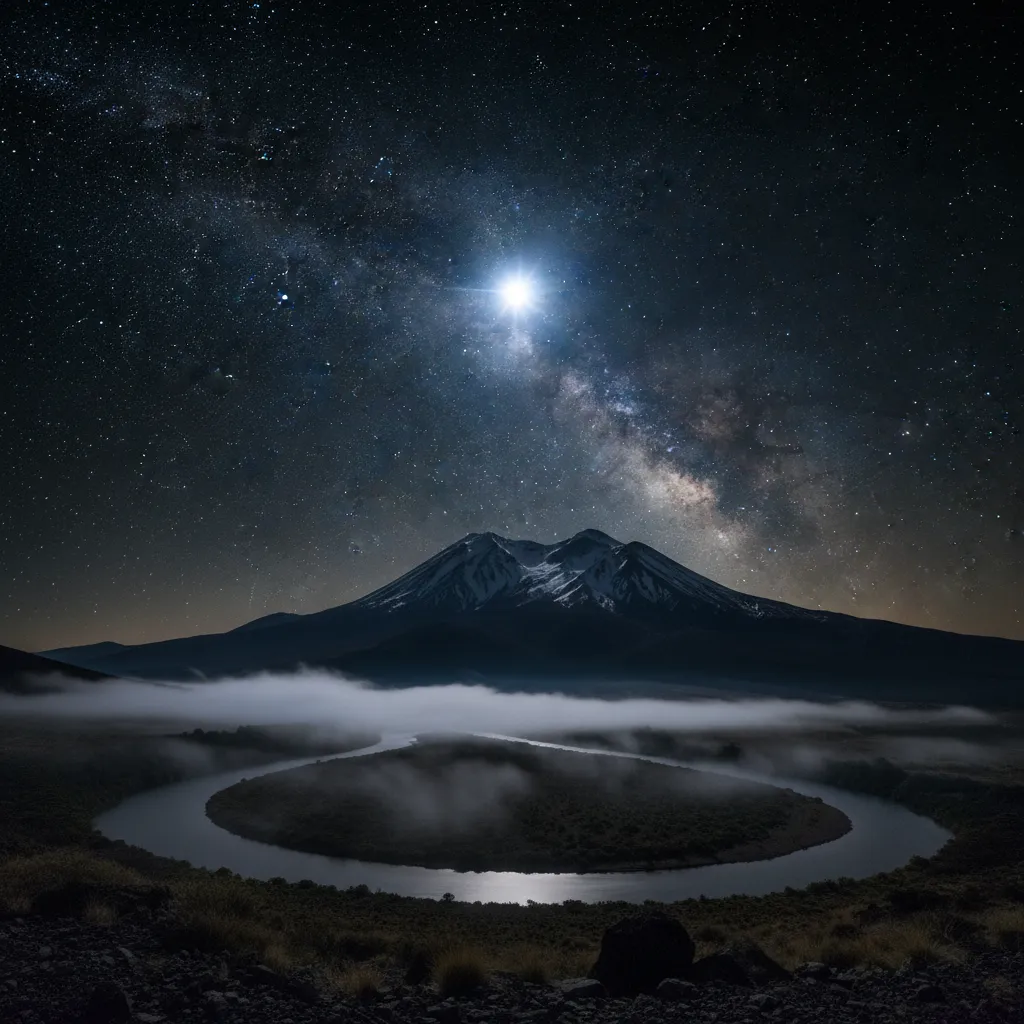
Te Tai Hauāuru Puanga refers to the specific observance of the Māori New Year by iwi on the West Coast of New Zealand’s North Island. Because the Matariki cluster is often obscured by the geography of Mount Taranaki and local weather patterns, tribes in Taranaki and Whanganui look to the star Puanga (Rigel) as the primary celestial signal to mark the seasonal transition, honor ancestors, and initiate winter preparations.
What is the Significance of Puanga in Te Tai Hauāuru?
In the rich tapestry of Māori cosmology, the rising of stars signals the shifting of seasons, the time to plant, the time to harvest, and the time to rest. While the majority of Aotearoa New Zealand turns its eyes toward the Pleiades cluster known as Matariki to mark the New Year, the tribes of Te Tai Hauāuru (the West Coast) have a distinct and ancient tradition centered around the star Puanga.
Puanga is known astronomically as Rigel, the brightest star in the constellation Orion. For the iwi (tribes) of Taranaki, Whanganui, and parts of the Far North, Puanga is the herald of the New Year. This distinction is not merely a preference but a necessity born of the unique landscape and environmental conditions of the West Coast. The celebration of Te Tai Hauāuru Puanga is a testament to the localized knowledge systems (mātauranga) that Māori developed over centuries of close observation of their specific environments.
The period of Puanga is a time of deep spiritual reflection and practical preparation. It marks the end of the harvest and the beginning of the winter months, a time known as te wā o te hōtoke. It is a season where the focus shifts from the external work of cultivation to the internal work of learning, planning, and strengthening community bonds. The appearance of Puanga in the pre-dawn sky is a signal that the old year has passed and the new year offers a fresh opportunity for growth, despite the coming cold.
Why do West Coast Iwi Observe Puanga Instead of Matariki?
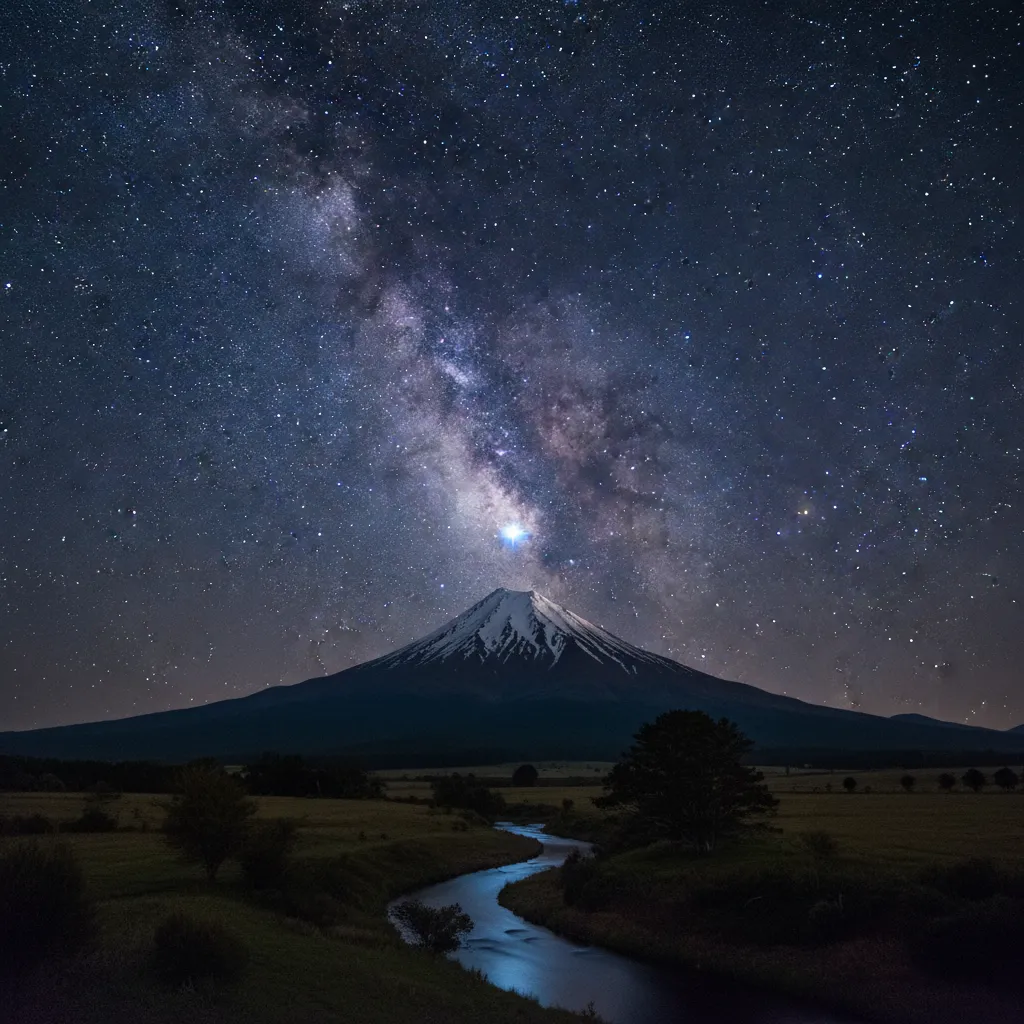
The primary reason for the focus on Puanga in Te Tai Hauāuru is geographical. The towering presence of Maunga Taranaki to the west and the rugged hill country of the Whanganui region create a horizon line that often obscures the lower-lying Matariki cluster during the crucial mid-winter months. Furthermore, the prevailing westerly weather patterns often bring clouds that blanket the horizon where Matariki would rise. Using an Interactive Night Sky Map Tool: Locate Matariki Now helps clarify why Puanga is more visible in these conditions.
Puanga, however, rises higher in the sky and is significantly brighter than the individual stars of Matariki. This makes it visible even when the lower horizon is blocked by mountains or low cloud cover. For the ancestors of the West Coast tribes, reliability was key. A tohu (sign) that could not be seen could not be followed. Therefore, the brighter, higher star of Puanga became the reliable marker for the turning of the season.
This astronomical distinction highlights the adaptability of Māori science. It was not a rigid system applied uniformly across the country, but a flexible framework that adapted to local topography. While Matariki is acknowledged and celebrated if visible, Puanga takes precedence as the principal signifier of the New Year in this rohe (region). It is often said in these regions that “Puanga leads Matariki to the sky” or that Puanga is the older brother who arrives first to clear the path.
Shared Traditions between Taranaki and Whanganui
The regions of Taranaki and Whanganui share a deep genealogical and cultural history, often referred to as whanaungatanga. These shared bonds are evident in their observance of Puanga. Both regions view this time as a period of wānanga—intensive learning and discussion. Historically, once the crops were stored and the weather turned cold, outdoor activity was limited. This provided the perfect environment for the transmission of knowledge.
The Whare Wānanga
During the long nights of Puanga, elders would gather the younger generations in the wharenui (meeting house) to teach whakapapa (genealogy), history, waiata (songs), and karakia (prayers). This ensured that the intellectual wealth of the iwi was preserved. In both Taranaki and Whanganui, these learning sessions are considered sacred. The restrictions of winter forced the community indoors, turning the season into a natural academic term for the tribe.
Food Preservation
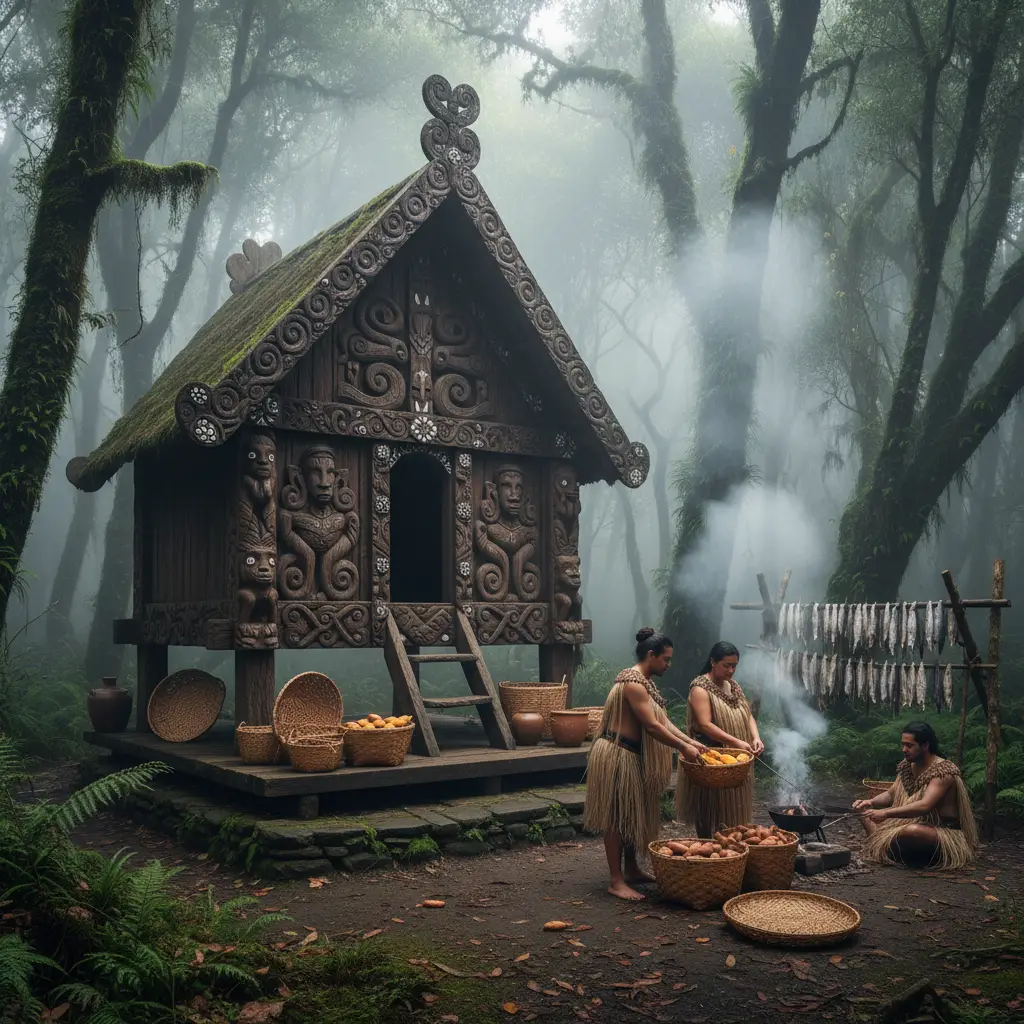
Another shared tradition is the emphasis on food storage. The rising of Puanga signaled that the harvest must be finished. Kumara pits were sealed, and food was preserved in fat or dried to last through the winter. The abundance of the harvest was celebrated, but the focus was on rationing and ensuring the survival of the community through the lean months. This practice of kai (food) management is central to the Puanga celebrations, representing the resilience and foresight of the people.
The Impact of Weather Patterns on Observation
In Te Tai Hauāuru, the observation of Puanga is not merely about noting its appearance; it is about reading the star to predict the coming year’s productivity. Tohunga kōkōrangi (expert astronomers) would scrutinize the brightness, color, and clarity of Puanga as it rose.
If the star appeared bright and clear, with well-defined rays, it was interpreted as a sign of a warm, productive growing season ahead. Conversely, if the star appeared hazy, shimmering excessively, or dim, it was seen as a warning of a cold, harsh winter and a difficult planting season. These observations allowed the iwi to plan their agricultural activities accordingly. A predicted cold season might mean planting later or preparing more robust defenses for the crops.
The weather of the West Coast is dynamic, often dominated by the Tasman Sea. The ability to read the stars in conjunction with atmospheric conditions—such as cloud formations and wind directions, rooted in The Story of Tāwhirimātea—was a critical survival skill. Puanga acted as the central calibration point for these environmental assessments.
Local Marae Celebrations and Ceremonial Practices
Modern celebrations of Te Tai Hauāuru Puanga remain deeply rooted in the traditions of the marae. While public events and festivals have grown in popularity, the heart of the observance occurs within the tribal gathering places.
The Hautapu Ceremony
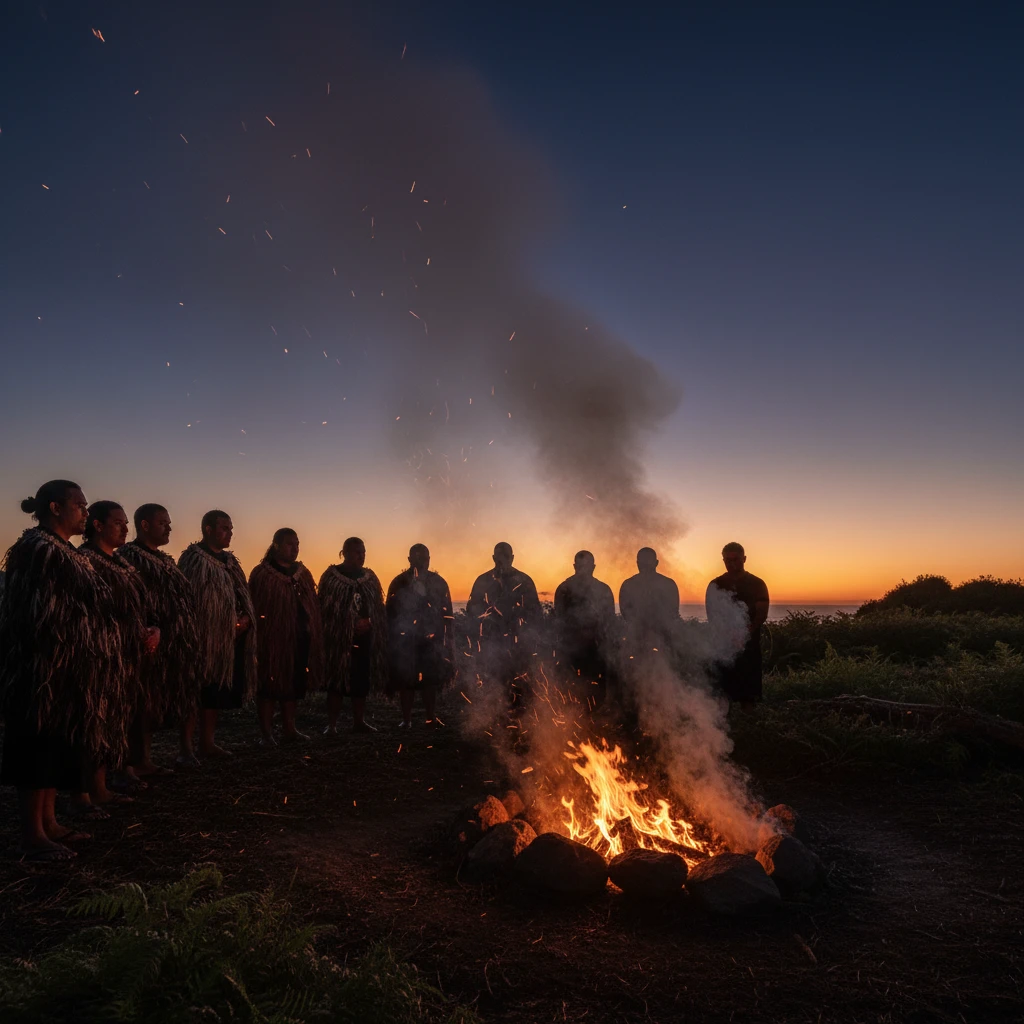
One of the most sacred rites performed is the hautapu. This ceremony involves cooking food in an earth oven (hāngī) and uncovering it before dawn so that the steam rises to feed the stars. In the context of Puanga, this offering is a gesture of gratitude for the year that has passed and a request for abundance in the year to come. The steam is believed to carry the essence of the food to the heavens, acknowledging the link between the celestial and terrestrial realms.
Whakamahara (Remembrance)
A central tenet of the Māori New Year is remembering those who have passed away since the last rising of the star. During Puanga celebrations on the West Coast, names of the deceased are called out into the night sky. It is believed that Puanga and Matariki care for the spirits of the dead (te hunga mate) and release them into the heavens to become stars themselves. This emotional and spiritual release allows the living to process their grief and move forward into the new year with a lighter heart.
Community Resilience and Winter Gathering
Te Tai Hauāuru Puanga is fundamentally a celebration of community resilience. The West Coast environment can be unforgiving, with harsh winds and heavy rains. The gathering of the iwi during this time reinforces the social fabric necessary to withstand these challenges.
The concept of kotahitanga (unity) is paramount. Families travel back to their ancestral marae to reconnect, resolve disputes, and plan for the future. In a modern context, this resilience translates to discussions about tribal development, environmental protection of the Whanganui River and Taranaki Maunga, which aligns with the values found in Waitī & Waitā: Guardians of the Water, and the revitalization of language. The winter gathering is a battery charger for the culture; it is where the identity of the West Coast tribes is reaffirmed.
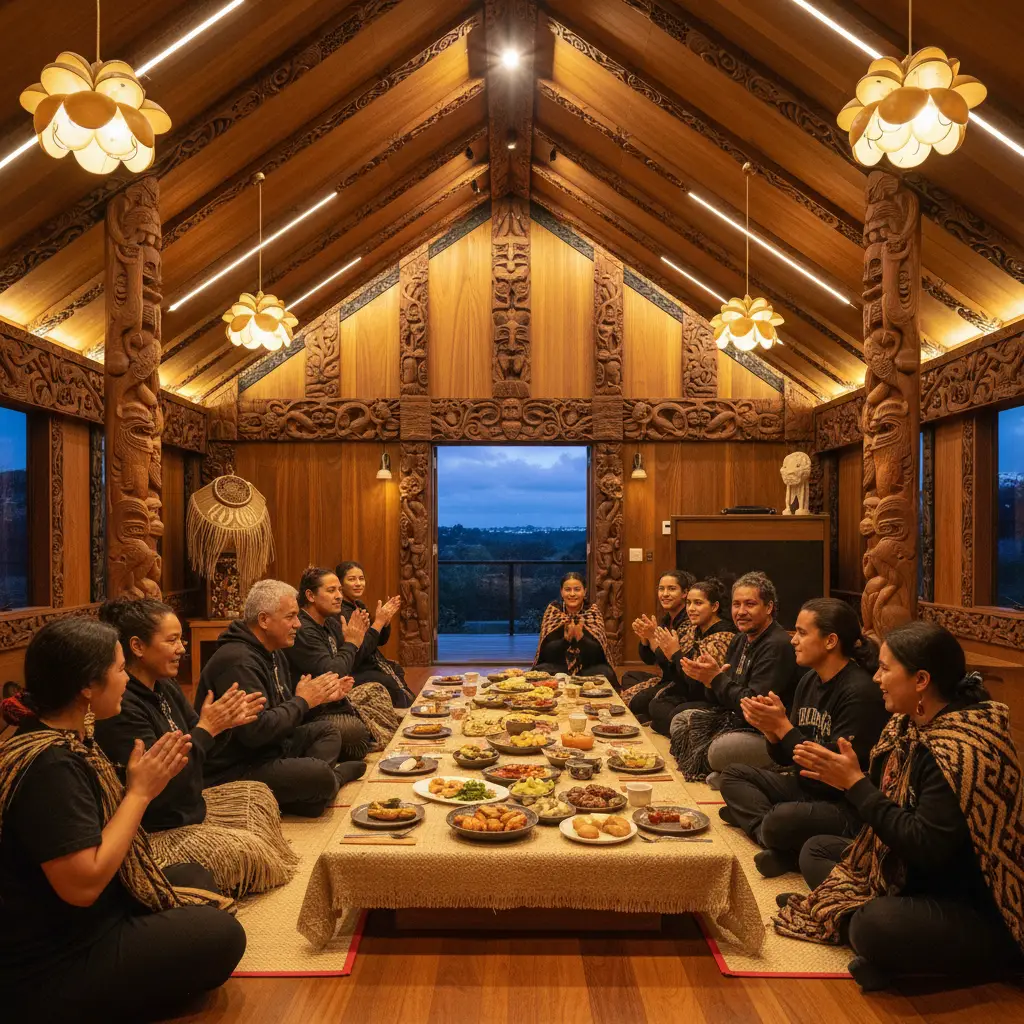
Furthermore, the sharing of kai during these gatherings is legendary. The feasts of Puanga are not just meals; they are demonstrations of manaakitanga (hospitality). Serving the preserved foods of the harvest—such as tītī (muttonbird), tuna (eel), and kumara—honors the guests and displays the success of the tribe’s labor. It is a time when the hard work of the previous months is enjoyed communally, reinforcing the idea that survival and prosperity are collective efforts.
People Also Ask (PAA)
What is the difference between Puanga and Matariki?
The main difference is the star being observed. Matariki refers to the Pleiades star cluster, while Puanga is the star Rigel in the Orion constellation. While Matariki is the general marker for the Māori New Year across most of New Zealand, tribes on the West Coast (Te Tai Hauāuru) and in the Far North observe Puanga because Matariki is often obscured by local geography and mountains.
When is Puanga celebrated?
Puanga is celebrated in mid-winter, typically between June and July. The exact timing varies each year as it is determined by the lunar calendar (maramataka) and the heliacal rising of the star Rigel. It usually coincides with the first new moon after the star rises in the pre-dawn sky.
Which iwi celebrate Puanga?
Puanga is primarily celebrated by the iwi of Taranaki (such as Te Atiawa, Taranaki, Ngāruahine) and the Whanganui River tribes (Te Āti Haunui-a-Pāpārangi). It is also observed by tribes in the Far North (Te Tai Tokerau), such as Ngāpuhi, who also have geographical reasons for favoring Rigel over the Pleiades.
How is Puanga celebrated today?
Today, Puanga is celebrated with a mix of traditional and modern events. These include dawn ceremonies (hautapu), remembering the dead, community feasts, cultural festivals, art exhibitions, and educational workshops (wānanga) focused on environmental stewardship and astronomy.
What does the star Puanga signify?
Puanga signifies the preservation of knowledge, the end of the harvest, and the beginning of winter. It is seen as a time to retreat indoors, engage in learning (wānanga), strengthen family bonds, and prepare spiritually and physically for the months ahead. Its brightness is also read as a predictor for the coming growing season.
Can you see Matariki from the West Coast?
It is difficult to see Matariki from many parts of the West Coast due to the high horizon created by Mount Taranaki and the central ranges. Additionally, prevailing westerly weather often brings clouds that obscure the lower horizon where Matariki rises. This is why the higher, brighter star Puanga became the primary marker for the region.