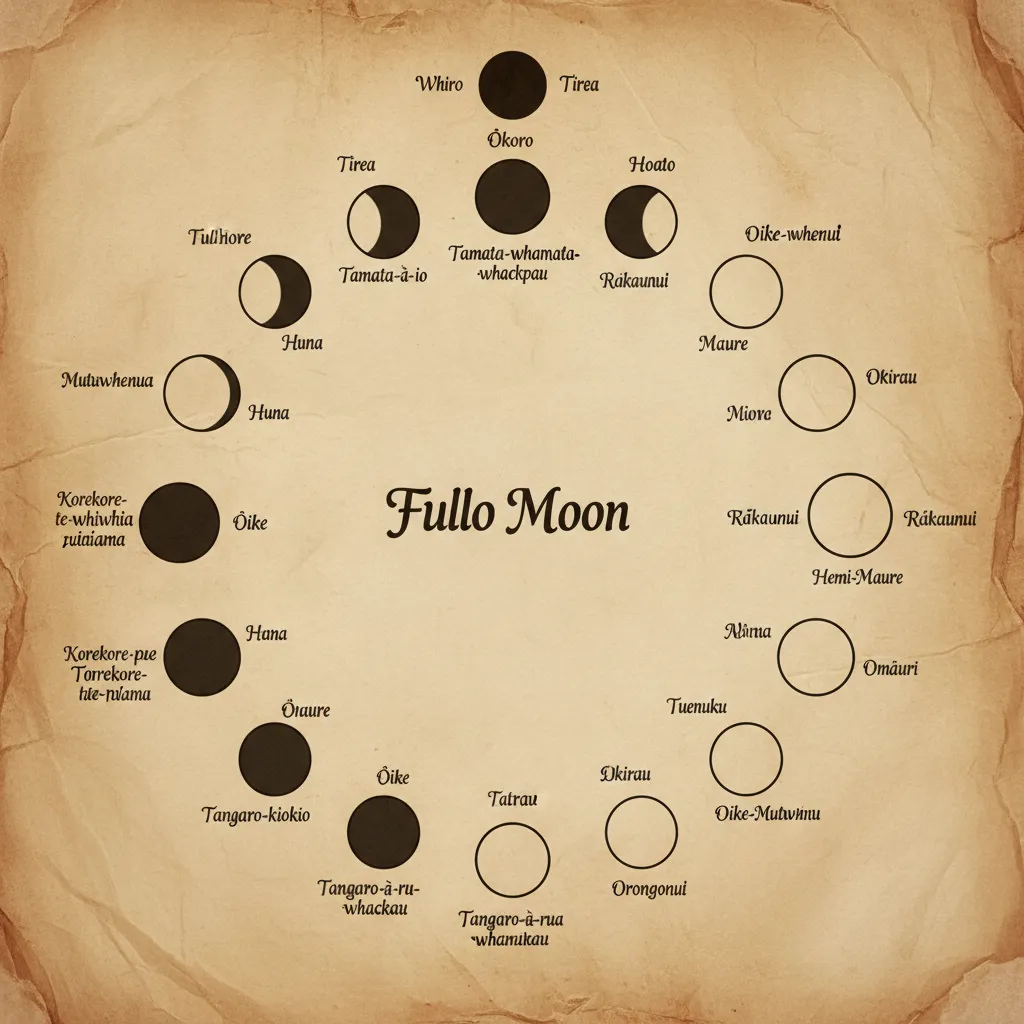
A free Maramataka PDF download provides essential charts and diagrams of the traditional Māori lunar calendar, helping users align daily activities with moon phases. These high-quality digital resources typically include printable monthly planners, fishing and planting guides, and educational worksheets suitable for classrooms, offering a practical way to integrate indigenous knowledge into modern living.
Whether you are a kaiako (teacher) looking for curriculum-aligned resources, a gardener seeking the best planting days, or someone wanting to reconnect with the natural rhythms of the environment, accessible digital charts are the perfect starting point. The Maramataka is not merely a calendar; it is a complex ecological system that observes the interactions between the moon, the stars, the earth, and the tides.
Essential Free Maramataka PDF Downloads for Daily Alignment
Finding high-quality, printable resources is crucial for effectively applying the Maramataka in daily life. A comprehensive free Maramataka PDF download generally encompasses more than just a list of dates; it offers visual representations of the moon’s energy levels, specific guidance for food gathering (mahinga kai), and cues for mental well-being. By having these charts physically present in your home or office, you can build a habit of checking the lunar phase before planning major events, planting crops, or heading out to fish.

Monthly Maramataka Cheat Sheets
One of the most popular formats for beginners is the monthly cheat sheet. These single-page PDFs are designed for quick reference, breaking down the 29.5-day lunar cycle into digestible segments. Unlike standard Gregorian calendars, these sheets focus on the energy of the day rather than the hour.
Key Features of a Good Cheat Sheet
When searching for a downloadable cheat sheet, look for the following elements to ensure it provides maximum value:
- Visual Moon Phases: Clear illustrations of the moon’s shape for every night of the cycle, from Whiro (New Moon) to Rakaunui (Full Moon).
- Energy Indicators: Color-coded zones indicating high energy (good for physical work), low energy (good for rest and reflection), and volatile energy (caution required).
- Activity Symbols: Icons representing the best times for fishing, eel gathering, planting root vegetables versus leafy greens, and holding hui (meetings) involving the Role of Music and Dance in Matariki Celebrations.
Using the Cheat Sheet for Productivity
Many organizations now use these PDF charts to plan workflow. For example, during the high-energy phases of Tamatea, teams might schedule brainstorming sessions or heavy lifting. Conversely, during the lower energy phases like Korekore, the focus shifts to administrative tasks, planning, and rest. Downloading a printable version allows you to circle key dates and annotate them with your personal observations, effectively turning a static PDF into a living document of your local environment.
Printable Diagrams of the Matariki Cluster
The rising of Matariki (the Pleiades) signals the Māori New Year and is a pivotal time for utilizing the Maramataka. High-resolution diagrams of the Matariki cluster are essential educational tools, particularly for identifying the individual stars and understanding their specific domains. Using an Interactive Night Sky Map Tool: Locate Matariki Now can further enhance this spatial understanding.

Understanding the 9 Stars via PDF Charts
A robust Matariki PDF download will often detail the nine stars recognized in many traditions (though some iwi count seven). These charts serve as excellent wall posters for schools and community centers. The diagram should clearly label:
- Matariki: The mother star, signifying health and wellbeing.
- Pōhutukawa: Connected to those who have passed away.
- Tupuānuku: Associated with food grown in the ground.
- Tupuārangi: Associated with food from the sky (birds, fruits).
- Waipunarangi: Connected to rain.
- Ururangi: Connected to the winds.
- Waitī: Associated with fresh water bodies and food within them.
- Waitā: Associated with the ocean and food within it.
- Hiwa-i-te-rangi: The wishing star, connected to future aspirations.
Having a printable visual aid helps learners distinguish between these stars and understand how the visibility of the cluster was historically used to predict the harvest for the coming year, particularly through Ururangi & Waipuna-ā-rangi: Weather Forecasting.
Classroom Worksheets for Teachers
For educators, finding a free Maramataka PDF download that is curriculum-aligned is a goldmine. Integrating Māori astronomy into science, social studies, and health curriculums fosters a deeper understanding of indigenous science and environmental stewardship.
Early Childhood Education (ECE) Resources
For younger learners, worksheets focus on observation and shape recognition. Downloadable activities often include:
- Moon Phase Coloring Pages: Simple outlines of the moon shapes for children to color, helping them learn the visual progression of the cycle.
- Star Connecting Activities: Dot-to-dot puzzles revealing the shape of the Matariki cluster or Te Waka o Rangi.
- Daily Weather Logs: Simple charts where tamariki can draw the weather and the moon shape they saw the night before.
Primary and Secondary School Worksheets
For older students, the resources become more analytical. Teachers should look for PDFs that include:
- Comparative Analysis: Worksheets that ask students to compare the Gregorian calendar with the Maramataka, highlighting the differences between solar and lunar timekeeping.
- Data Collection Tables: Templates for students to conduct their own month-long observation of the moon, tides, and local flora/fauna behavior.
- Critical Thinking Prompts: Questions regarding the impact of modern lighting on star observation or the effects of climate change on traditional tohu (signs).

How to Read and Interpret Maramataka Diagrams
Downloading the file is only the first step; understanding how to interpret the data is where the real value lies. Most Maramataka diagrams are circular, representing the cyclical nature of time, rather than linear.
Navigating the Dial
A standard Maramataka dial is read counter-clockwise or clockwise depending on the specific iwi design, but it always follows the moon’s progression. The cycle typically starts with Whiro (the new moon). As you move around the diagram, you will encounter phases grouped by their utility:
- Productive Days (Rakaunui, Turu): The diagram will often highlight these segments in bright colors (like green or yellow), indicating high energy, high tides, and optimal times for action.
- Rest Days (Korekore phases): Often shaded in cooler colors (blues or greys), these sections warn against productive labor. The “Korekore” days are famously “lean” days where fishing is poor and planting is discouraged.
- Cautionary Days (Tamatea phases): These are often marked with warning symbols. The weather can be unpredictable, and the energy is volatile.
Localizing Your Chart
It is critical to note that a generic free Maramataka PDF download may not perfectly match your local environment. The Maramataka is an observational science based on local latitude and landscape. Use the downloaded chart as a baseline, but annotate it. If the chart says it’s a good day for fishing but your local harbor is stormy, your local observation (tohu) takes precedence. This practice of observation and adjustment is the essence of being a practitioner of the Maramataka.
Links to Official Government and Iwi Resources
To ensure authenticity and accuracy, it is best to source your downloads from reputable organizations, iwi authorities, and educational institutes. These sources ensure the mātauranga (knowledge) is shared correctly and respectfully.

Recommended Sources for Authentic Downloads
1. Te Papa Tongarewa (Museum of New Zealand)
Te Papa offers excellent educational resources, including downloadable activity books and posters regarding Matariki and the Maramataka. Their resources are often bilingual and visually engaging for all ages.
2. Science Learning Hub (Pokapū Akoranga Pūtaiao)
This is a premier source for teachers. They provide extensive PDF articles, diagrams, and teacher support materials that bridge the gap between western science and mātauranga Māori. Look for their “Observing the Moon” and “Matariki” collections.
3. Living by the Stars (Dr. Rangi Matamua)
Professor Rangi Matamua is a leading authority on Māori astronomy. His website and associated social media channels often share high-fidelity charts and calendars that are grounded in deep research and traditional knowledge.
4. Regional Iwi Websites
Because the Maramataka varies by region (e.g., inland iwi vs. coastal iwi), checking the website of the local iwi in your area is highly recommended. Many iwi, such as Ngāi Tahu, Waikato-Tainui, and Ngāti Kahungunu, produce their own localized calendars available for download.
5. The Ministry of Education (Te Tāhuhu o te Mātauranga)
For kaiako, the TKI (Te Kete Ipurangi) website hosts a plethora of curriculum-aligned PDFs that utilize the Maramataka context for literacy and numeracy learning.
Respecting Intellectual Property
When downloading these free resources, always check the usage rights. While they are free to download, they are often intended for personal or educational use. If you plan to redistribute them or use them in a commercial setting, you must seek permission from the creators or the iwi to whom the knowledge belongs.
Frequently Asked Questions
What is the best free Maramataka app or PDF?
While there are several apps, the best PDF resources often come from Te Papa Tongarewa or the Science Learning Hub. These organizations provide scientifically accurate and culturally verified charts that are free to download and print. For mobile users, apps like ‘Maramataka’ by various iwi developers are excellent digital alternatives.
How do I use a Maramataka chart for gardening?
To use a Maramataka chart for gardening, look for the ‘Mawharu’, ‘Oike’, and ‘Rakaunui’ phases. These are typically high-energy phases conducive to planting. Avoid planting during the ‘Korekore’ phases, as these are associated with poor root growth and low yield. The chart will usually have specific symbols indicating root crops vs. above-ground crops.
Is the Maramataka the same for every Iwi?
No, the Maramataka varies significantly between iwi (tribes). Coastal iwi may have different names for phases compared to inland iwi, and the timing of the new year (Matariki vs. Puanga) can differ based on the visibility of specific stars in that region. It is best to find a resource specific to your local area.
Can I use a Maramataka PDF for fishing?
Yes, fishing is one of the primary uses of the Maramataka. The charts identify days of high abundance (often around the full moon and new moon) and days where fish are scarce. Experienced fishers combine these lunar charts with tide tables and weather forecasts for the best results.
What does the ‘Korekore’ phase mean in the Maramataka?
‘Korekore’ translates roughly to ‘nothing’ or ‘nil’. In the Maramataka, these are days of low energy and scarcity. It is a time to refrain from food gathering, fishing, or planting. Instead, it is a time for planning, resting, repairing nets or tools, and engaging in wananga (learning).
When does the Māori lunar month start?
The Māori lunar month typically starts with the new moon (Whiro). However, the exact start of the month is determined by the sighting of the new moon, not just a calculation. This observational approach keeps the calendar in sync with the actual environment.