
Puanga legends in Māori mythology center on the star Rigel, which serves as the primary herald of the New Year for iwi (tribes) in western and northern Aotearoa. These narratives personify Puanga as a prominent, often jealous celestial figure who competes with Matariki, symbolizing the arrival of winter, the preservation of food, and the connection between the cosmic and terrestrial realms.
While the rise of the Matariki cluster (the Pleiades) is the most widely recognized signifier of the Māori New Year, it is not the universal marker across all of New Zealand. For tribes in regions like Taranaki, Whanganui, and the Far North, the geography often obscures the view of Matariki on the horizon. Instead, these communities look to Puanga (Rigel), the bright star in the Orion constellation, to signal the turning of the seasons. The legends surrounding Puanga are rich with themes of rivalry, hierarchy, and survival, offering a distinct cultural lens through which the cosmos is viewed.
Who is Puanga in Māori Cosmology?
In the vast pantheon of Māori astronomy, celestial bodies are not merely balls of gas burning in the distance; they are ancestors, deities, and personified characters with distinct personalities. Puanga is the Māori name for the star Rigel, the brightest star in the constellation Orion. Astronomically, it is a blue-white supergiant, blazing with an intensity that makes it one of the most visible stars in the night sky.
In mythology, Puanga is male and is often viewed as a solitary, powerful figure. Unlike Matariki, who is often depicted as a mother surrounded by her daughters (the cluster), Puanga stands alone or as part of the larger structure of Te Kakau (The Handle), which is associated with Orion’s Belt. The personification of Puanga is deeply tied to the season of winter—Te Hōtoke. He is seen as the bringer of cold winds and the signal to retreat indoors.
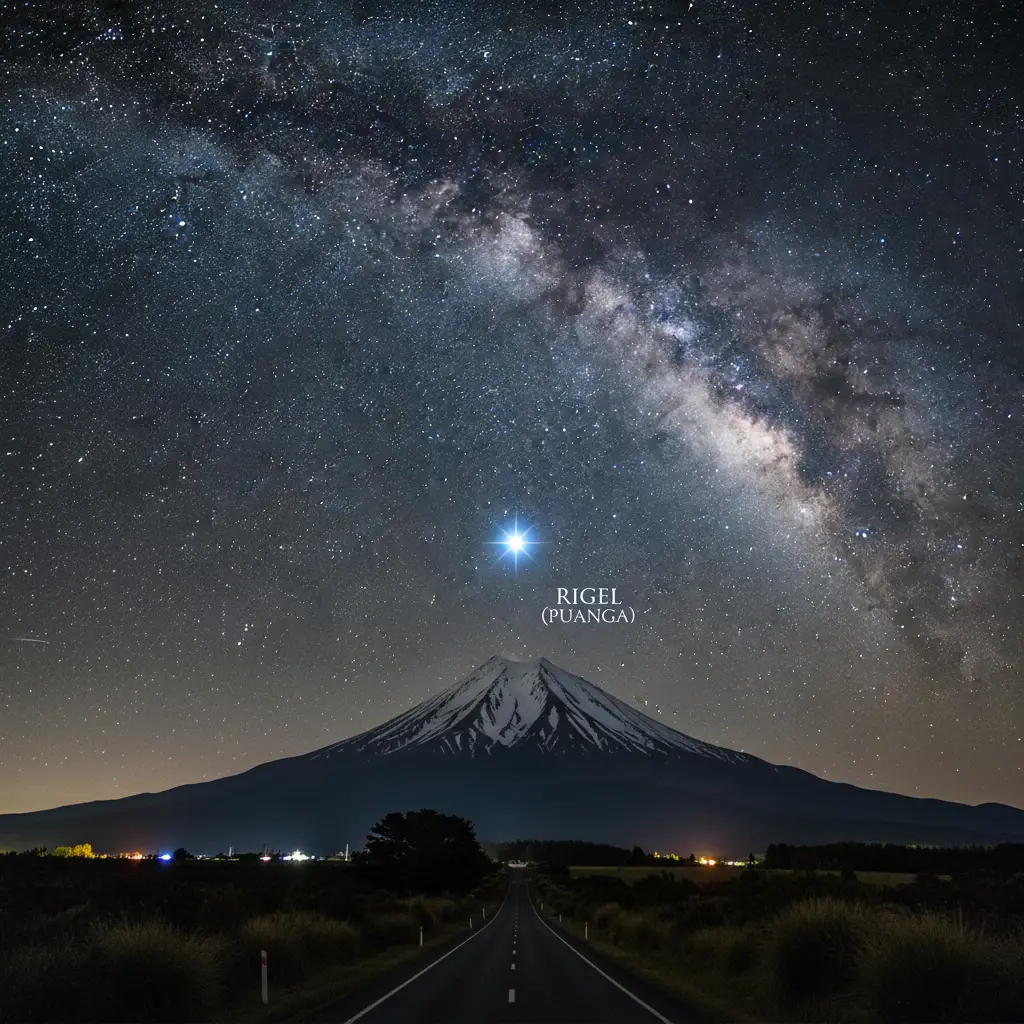
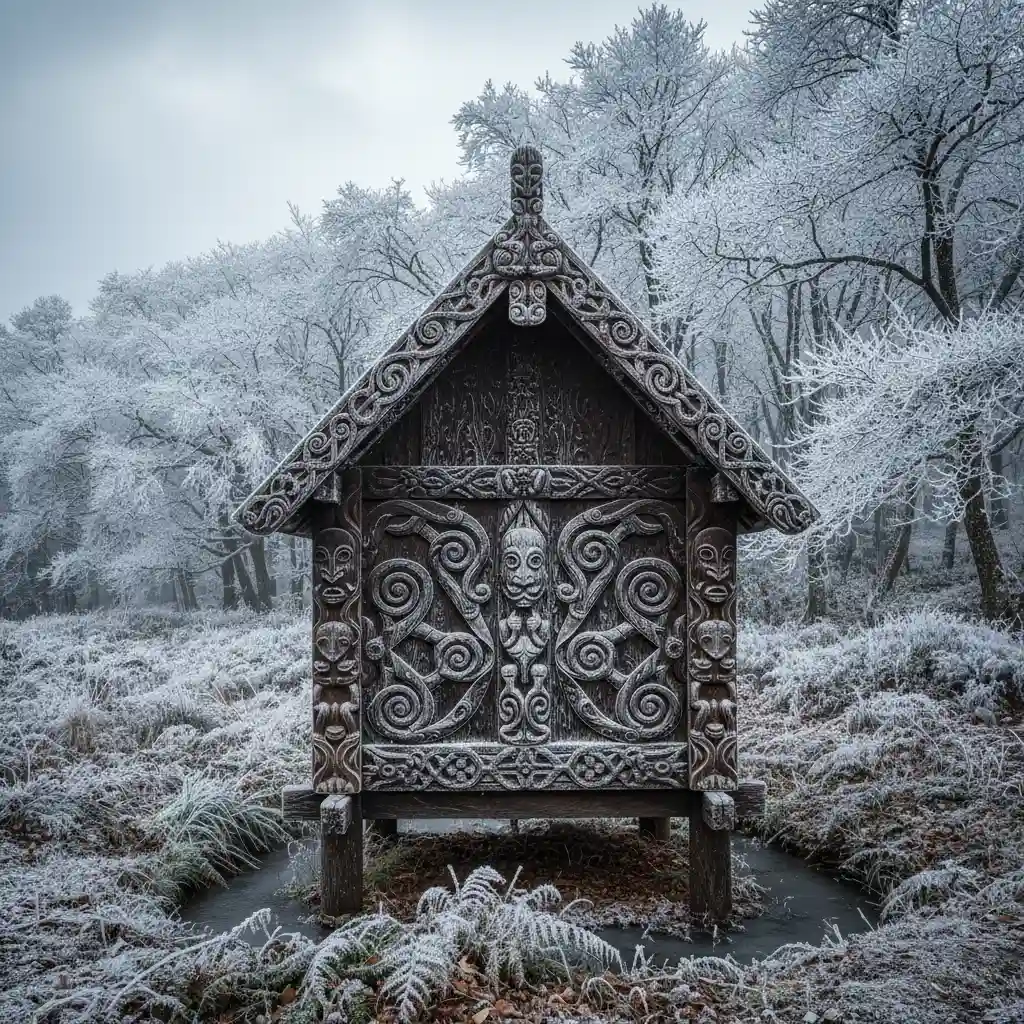
Because Puanga rises higher in the sky than Matariki, he is often interpreted as seeking prominence. His appearance marks the end of the harvest season and the time when food stores (pātaka) must be full. The adage “Puanga kai rau” (Puanga of the abundant food) refers to the results of the harvest that have been stored away for the winter months. While Matariki is associated with the preparation of the ground and new planting, Puanga is the guardian of the preserved crop, ensuring the people survive the harsh months ahead.
The Rivalry: Puanga vs. Matariki
One of the most compelling narratives in Māori astronomy is the relationship between Puanga and Matariki. This is not always a harmonious relationship; it is frequently depicted as a cosmic rivalry fueled by jealousy and the desire for recognition.
Why is there conflict between the stars?
According to several tribal traditions, Puanga was envious of the adoration Matariki received. Matariki, being a cluster of stars, was considered beautiful and delicate, and her appearance was greeted with festivities, singing, and joy. Puanga, being a single star, felt overlooked despite his brightness.
Legends state that this jealousy drove Puanga to climb higher into the heavens. He wanted to be the first star seen in the morning sky, outshining Matariki and claiming the status of the herald of the New Year. In doing so, he positioned himself where he could not be missed, demanding the attention of the people below. This myth explains the astronomical reality: Rigel (Puanga) does indeed rise earlier and sit higher in the sky than the Pleiades (Matariki) in many parts of the southern hemisphere winter sky.
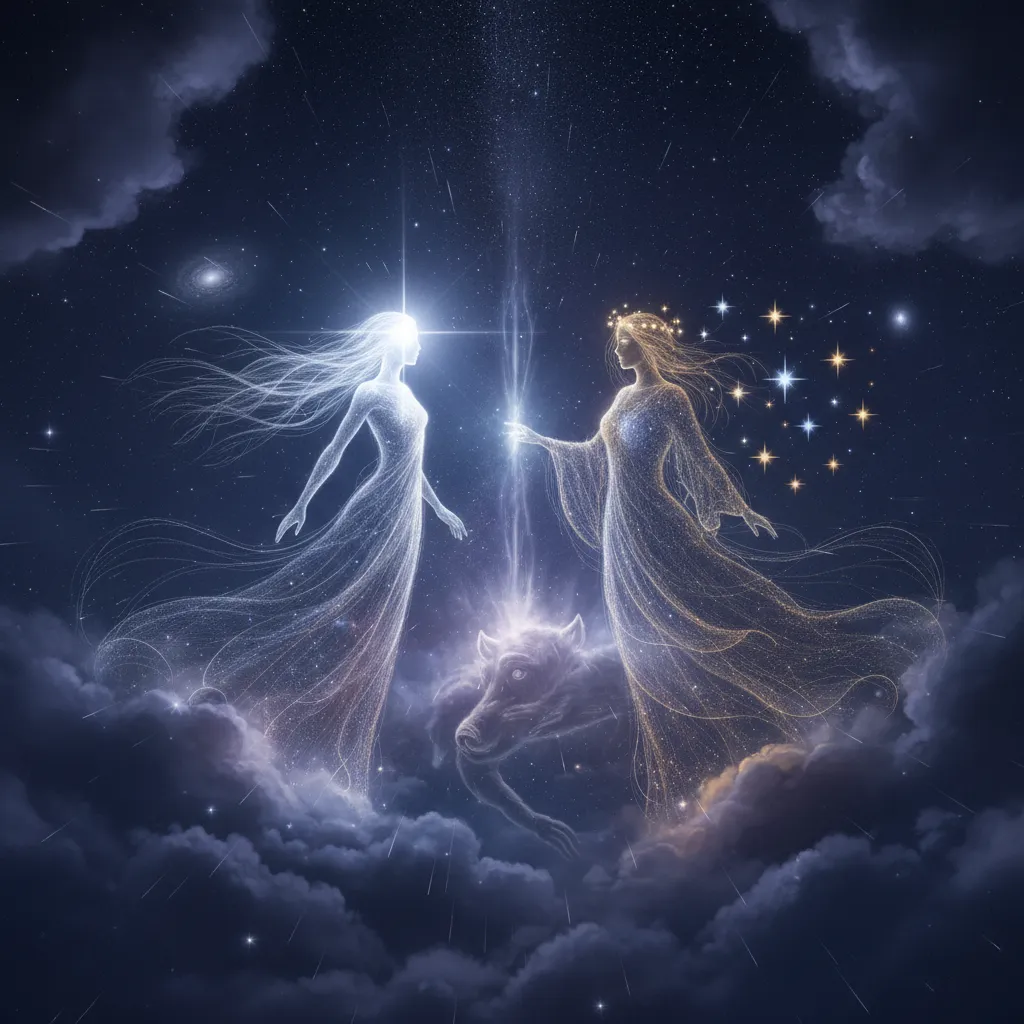
This rivalry is not purely antagonistic; it represents a duality necessary for balance. Matariki brings the promise of the future and new life, while Puanga represents the reality of the present and the preservation of the past (stored food). They are two sides of the same seasonal coin, competing for the sky but working together to guide the people through the cycle of the year.
Puanga as the Elder Sibling
Beyond rivalry, another prevailing narrative frames the relationship as one of kinship. In these stories, Puanga is cast as the tuakana (elder sibling) to Matariki, the teina (younger sibling). In Māori culture, the tuakana-teina relationship is fundamental to social structure, dictating roles of protection, guidance, and authority.
As the elder, Puanga carries the weight of responsibility. While the younger Matariki is associated with the festivities and the lighter aspects of the New Year, Puanga is concerned with the serious business of survival. The elder sibling ensures the whānau (family) is fed. This aligns with the agricultural calendar: the time of Puanga is when the kumara pits are sealed and the drying of fish and birds is completed.
This dynamic also explains why some iwi prioritize Puanga. In the hierarchy of the sky, the elder speaks first. Therefore, when Puanga appears, he announces the coming season before his younger sibling Matariki rises. For the tribes of the West Coast, acknowledging Puanga first is a matter of cultural protocol—respecting the senior line.
Regional Storytelling Variations
The prominence of Puanga legends is geographically distinct. New Zealand’s rugged topography influences which stars are visible on the eastern horizon during the pre-dawn hours of mid-winter. This physical reality has shaped the mythology of specific regions.
The Taranaki and Whanganui Perspective
In Taranaki and Whanganui, the landscape is dominated by mountains and high ranges to the east. These physical barriers often block the view of Matariki, which sits lower on the horizon. However, Puanga rises higher and to the north, clearing the mountain ranges earlier. Consequently, the tribes of Taranaki and Whanganui developed a strong “Puanga-centric” calendar.
For the people of Whanganui, the river and the mountains are central to identity. The legend tells that Puanga was sent to the heavens to provide a beacon for the people when the lower stars were obscured by the mist of the Whanganui River and the peaks of the central plateau. Here, Puanga is not just a star; he is a guardian who ensures the people are not left without a celestial guide.
The Far North (Te Tai Tokerau)
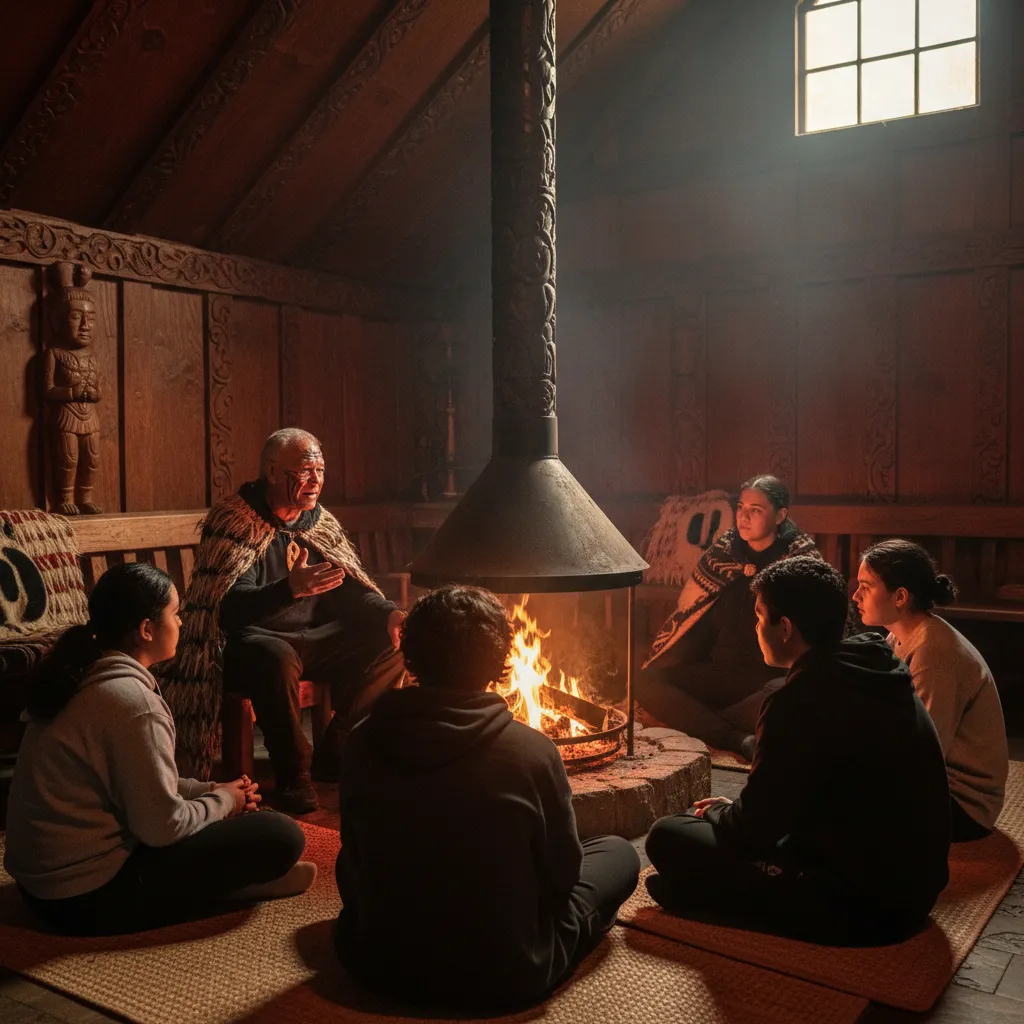
In the Far North, specifically among Ngāpuhi, Puanga is also accorded high status. The narratives here focus heavily on the element of wānanga (learning) and the elements. Puanga is associated with the winds and rain that cleanse the land. The appearance of Puanga is a time for indoor learning, where elders pass down knowledge to the younger generation while the weather outside is inhospitable.
There is a saying in the North: “Puanga hoko,” which refers to the trade and exchange that occurred during this season. Because warfare and heavy labor ceased during the cold of Puanga, it became a time for diplomacy, trade, and strengthening relationships between hapū (sub-tribes).
The Cultural Significance of Puanga Today
In modern New Zealand, the revitalization of traditional astronomical knowledge has led to a resurgence in the celebration of Puanga. While Matariki has become a national public holiday, regions with a history of Puanga observance are ensuring their specific narratives are not lost in the generalization of the event.
Festivals in Taranaki and Whanganui are explicitly named “Puanga Festivals.” These events focus on:
- Remembrance: Like Matariki, Puanga is a time to mourn those who have passed in the previous year. The star is seen as a carrier of spirits to the afterlife.
- Environmental Awareness: The legends of Puanga emphasize a strict adherence to nature’s cycles. Modern celebrations often include tree planting and river cleaning, honoring Puanga’s role as a guardian of the environment.
- Unity: The rivalry myths serve as a lesson in reconciliation. Just as Puanga and Matariki share the sky, different iwi share the land. The season is a time to settle debts and resolve conflicts.
Understanding Puanga legends is crucial for a comprehensive view of Māori culture. It challenges the idea of a “one-size-fits-all” mythology and highlights the deep connection Māori have with their specific local landscapes. Whether viewed as a jealous rival or a protective elder brother, Puanga remains a beacon of resilience, guiding the people through the darkest days of the year toward the light of spring.
Frequently Asked Questions
What is the difference between Puanga and Matariki?
Puanga is the star Rigel in the Orion constellation, while Matariki is the Pleiades star cluster. While both signal the Māori New Year, different tribes prioritize one over the other depending on which is more visible in their region. Puanga is typically observed by western and northern tribes where Matariki is often obscured by geography.
Why do some tribes celebrate Puanga instead of Matariki?
Tribes in regions like Taranaki, Whanganui, and parts of the Far North celebrate Puanga because landscape features like mountains or mist block the view of Matariki on the eastern horizon. Puanga rises higher and is brighter, making it a more reliable astronomical marker for these specific locations.
What does the star Puanga symbolize?
Puanga symbolizes the arrival of winter, the preservation of food, and the cycle of life and death. It is often personified as a male figure associated with “hard” food (preserved crops) and is viewed as an elder sibling or rival to Matariki.
When is Puanga visible in the sky?
Puanga becomes visible in the pre-dawn sky in mid-winter, typically around June or July. Its heliacal rising (rising just before the sun) marks the beginning of the New Year for the iwi who observe it.
Is Puanga a god in Māori mythology?
While not a “god” in the Western sense, Puanga is a celestial being (atua) and an ancestor. He is personified with human-like traits such as jealousy or protective instincts and holds significant spiritual power over the seasons and agriculture.
How is Puanga celebrated today?
Modern Puanga celebrations involve arts festivals, kapa haka (performing arts), wānanga (learning sessions), and remembrance ceremonies for those who have passed. It is a time for communities to gather, share food, and plan for the year ahead, similar to Matariki festivities.