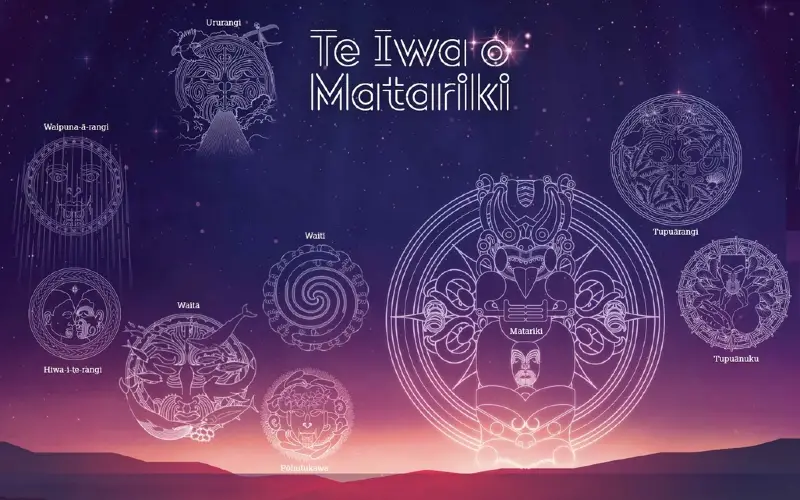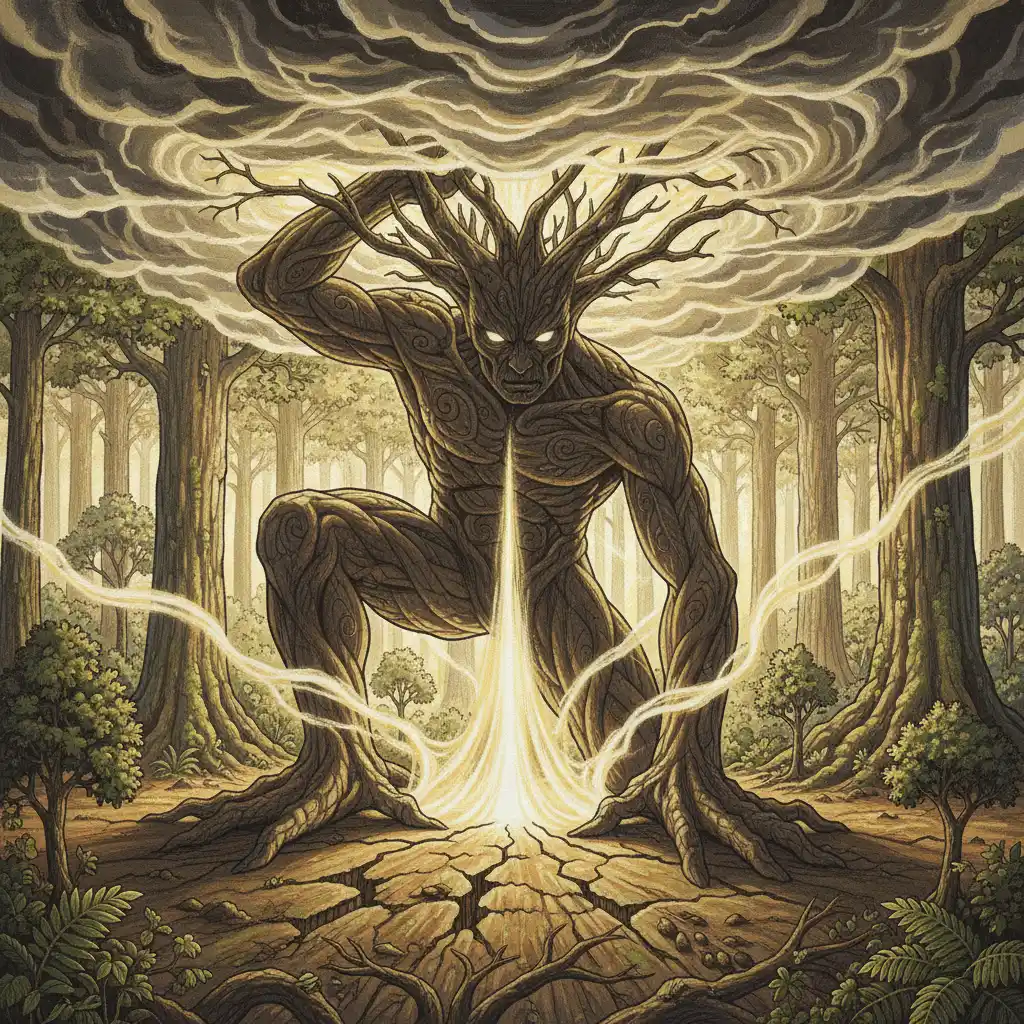
The story of Puanga and Matariki recounts a celestial rivalry between two cousins: the solitary star Puanga (Rigel) and the star cluster Matariki (Pleiades). While Matariki is the general herald of the Māori New Year, Puanga is recognized by western and northern tribes as the primary signal, having won the race to the dawn in regions where geography obscures Matariki.
In the rich tapestry of Māori astronomy, or Tātai Arorangi, few narratives are as culturally significant or geographically distinct as the relationship between Puanga and Matariki. While the rise of Matariki is celebrated nationally as the marker of the New Year (Te Tau Hou Māori), this is not a universal rule across Aotearoa (New Zealand). For many iwi (tribes), particularly those in the West Coast, Taranaki, Puanga Whanganui: Traditions of the River, and the Far North, it is the brilliant, solitary star Puanga that heralds the changing of the season.
Understanding the legend of their rivalry, their distinct roles, and Viewing Matariki: When and Where to Look provides a deeper appreciation of how Māori ancestors navigated their lives in harmony with the cosmos. It reveals a system of knowledge deeply rooted in observation, adaptation, and respect for the environment.
Who are Puanga and Matariki?
To understand the legend, one must first identify the celestial bodies involved. In Western astronomy, Matariki is known as the Pleiades, a star cluster in the constellation Taurus. It is often referred to as the Seven Sisters. Puanga, on the other hand, is Rigel, the brightest star in the constellation Orion (often seen above the three stars of ‘The Pot’ or Orion’s Belt).
In Māori cosmology, they are viewed as cousins. They share a whakapapa (genealogy) that connects them to the higher heavens, yet they possess distinct personalities and responsibilities. Matariki is viewed as a cluster, representing community, gathering, and reflection. Puanga is a single, piercing light, representing intensity, preservation, and the solitary strength of leadership.
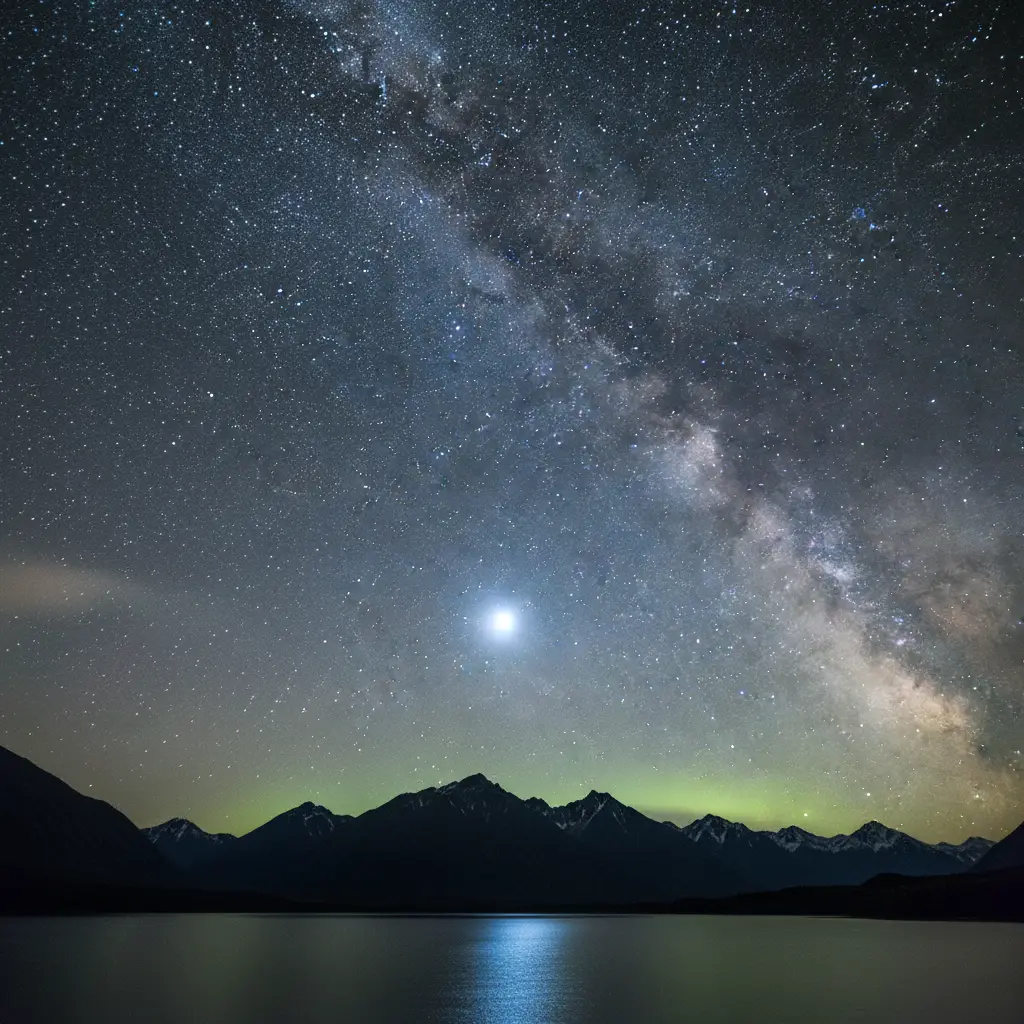
The distinction is not merely mythological but practical. The geography of Aotearoa varies wildly. In areas like Taranaki and parts of the West Coast, the high mountain ranges block the view of the eastern horizon where Matariki rises. Therefore, the ancestors in these regions looked higher in the sky to a star that could not be obstructed by the landscape: Puanga.
The Story of the Race to the Dawn
The core of the legend revolves around a competition: the race to appear in the pre-dawn sky first, marking the beginning of the New Year. This event is known as the heliacal rising—when a star first becomes visible above the eastern horizon just before the sun rises.
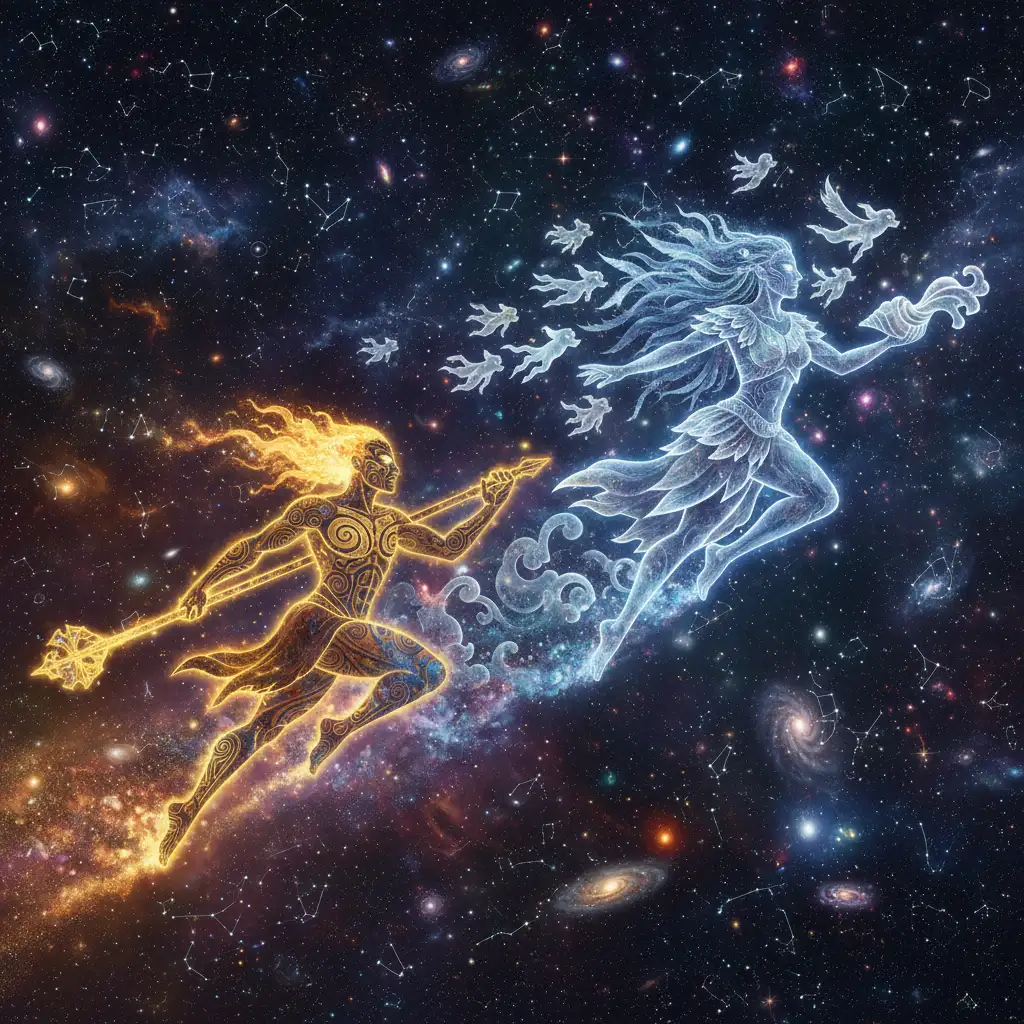
According to tribal narratives, Puanga and Matariki were competitive cousins. Matariki, surrounded by her daughters (the other stars in the cluster), relied on the strength of the collective. She moved with grace and the support of her whānau (family). Puanga, however, was a solitary figure. He did not have a cluster to support him, but he possessed an intense, burning energy.
The legend states that Puanga, driven by a desire to be the first to announce the coming year, climbed higher into the heavens. He sought a vantage point that would allow him to be seen before his cousin. While Matariki rose low on the horizon, navigating the heavy atmosphere of the earth, Puanga ascended steeply. Because of his position higher in the sky (relative to the ecliptic and the horizon in certain latitudes), Puanga often breaks the darkness of the dawn sky before the delicate cluster of Matariki can be fully distinguished.
This “race” explains the astronomical reality: Rigel (Puanga) is a supergiant star that is significantly brighter than the stars of the Pleiades. Its brightness and higher altitude allow it to pierce the twilight more effectively, effectively “winning” the race in the eyes of the observers in the West and North.
Why Puanga is Often Brighter and More Visible
The legend of the race is underpinned by scientific fact. Puanga (Rigel) is a blue-white supergiant, approximately 40,000 to 300,000 times as luminous as the Sun. It is the seventh-brightest star in the entire night sky. In contrast, the stars of Matariki are hot blue luminous stars, but they are much further away and appear as a faint cluster to the naked eye.
For Māori tohunga kōkōrangi (expert astronomers), visibility was paramount. If the weather was poor or the horizon misty, Matariki could be invisible. Puanga, due to his sheer brilliance and higher positioning, was a more reliable indicator in turbulent weather. This reliability earned Puanga the status of the primary signifier for the New Year in rohe (regions) with rugged terrain or prevalent mist.
When Puanga appeared, the tohunga would read the star’s color and clarity. If Puanga was bright and clear, it foretold a warm season and a bountiful harvest. If the star appeared hazy or shimmering, it was a warning of a cold, difficult winter ahead. This predictive capability cemented Puanga’s status as a rival equal to, and in some places superior to, Matariki.
Matariki’s Role as the Mother and Gatherer
Despite the rivalry, the roles of these two celestial bodies are complementary rather than mutually exclusive. Matariki is often personified as a mother surrounded by her children. Her arrival signals a time of Hunga Nui—the gathering of people.
Matariki is associated with:
- Remembrance: Calling out the names of those who have passed away since the last rising.
- Togetherness: Communities coming together to share food, sing, and reinforce social bonds.
- Preparation: The planting of crops is often timed by the setting and rising of Matariki.
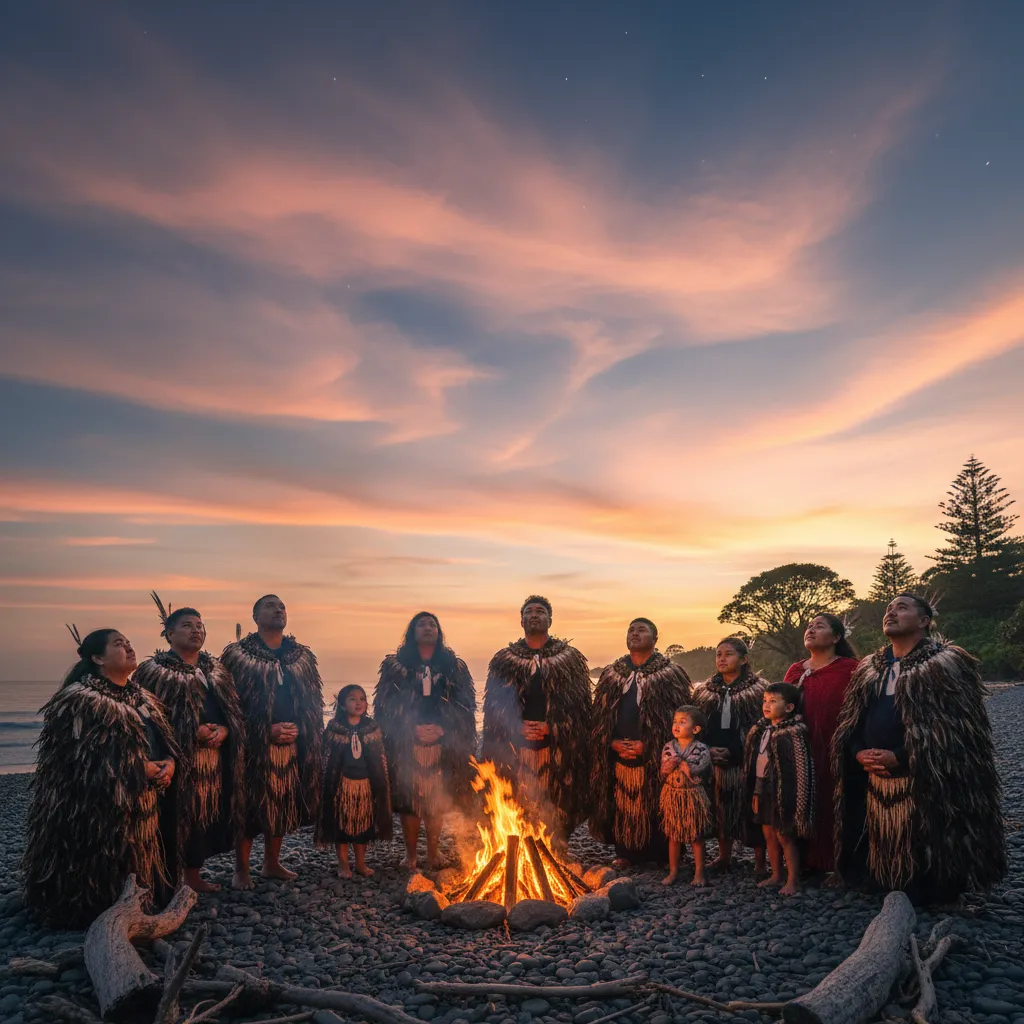
The phrase “Matariki Hunga Nui” translates to “Matariki of the many people.” This reflects the cluster nature of the stars and the social activity on earth. She is the nurturer, ensuring that the people are emotionally and spiritually prepared for the cycle ahead. Her appearance is a gentle reminder of the continuity of life and the importance of whanaungatanga (kinship).
Puanga’s Role as the Solitary Chief
If Matariki is the gatherer, Puanga is the preserver. In the story of Puanga and Matariki, Puanga is often depicted as the “Solitary Chief.” His isolation in the sky mirrors the role of a leader who must sometimes stand alone to make difficult decisions for the survival of the tribe.
The proverb associated with him is “Puanga Kai Rau”, meaning “Puanga of the plentiful food.” This seems paradoxical for a solitary figure, but it relates to the timing of his rise. Puanga rises during the time of harvest and food preservation (May/June). His appearance signals that the storage houses (pātaka) must be full.
Puanga is associated with:
- Strictness and Discipline: The preservation of food requires strict adherence to processes to ensure survival through winter.
- Protection: Just as a chief protects the tribe, Puanga watches over the food stores.
- Stoicism: Standing alone against the cold dark sky, Puanga represents resilience in the face of adversity.
While Matariki invites celebration, Puanga demands preparation. He asks: “Are you ready? Is your food stored? Is your shelter secure?” He is the stern older cousin ensuring the family survives the winter so they can enjoy the festivities Matariki brings.
Moral Lessons from the Legend
The story of Puanga and Matariki offers profound moral lessons that remain relevant today. It is not simply a story about stars, but a metaphor for human behavior and societal structure.
1. Diversity of Perspective
The fact that different tribes celebrate different stars teaches us that there is no single “right” way to view the world. Context, environment, and geography shape our reality. What works for the East Coast (Matariki) does not work for the West Coast (Puanga). This encourages tolerance and the understanding that different solutions are required for different environments.
2. Collective vs. Individual Strength
Matariki represents the power of the collective—we are stronger together. Puanga represents individual excellence and accountability. A healthy society needs both: the community support of Matariki and the strong, decisive leadership of Puanga.
3. Resilience and Adaptation
The ancestors did not stubbornly look for Matariki where she could not be seen. They adapted. They looked to Puanga. This teaches resilience—if one path is blocked, find another source of light and guidance.
Regional Significance and Modern Celebrations
Today, as Aotearoa experiences a renaissance of Māori culture, the distinction between Puanga and Matariki is being revitalized. While the public holiday is officially named “Matariki,” there is a growing acknowledgment of Puanga’s role.
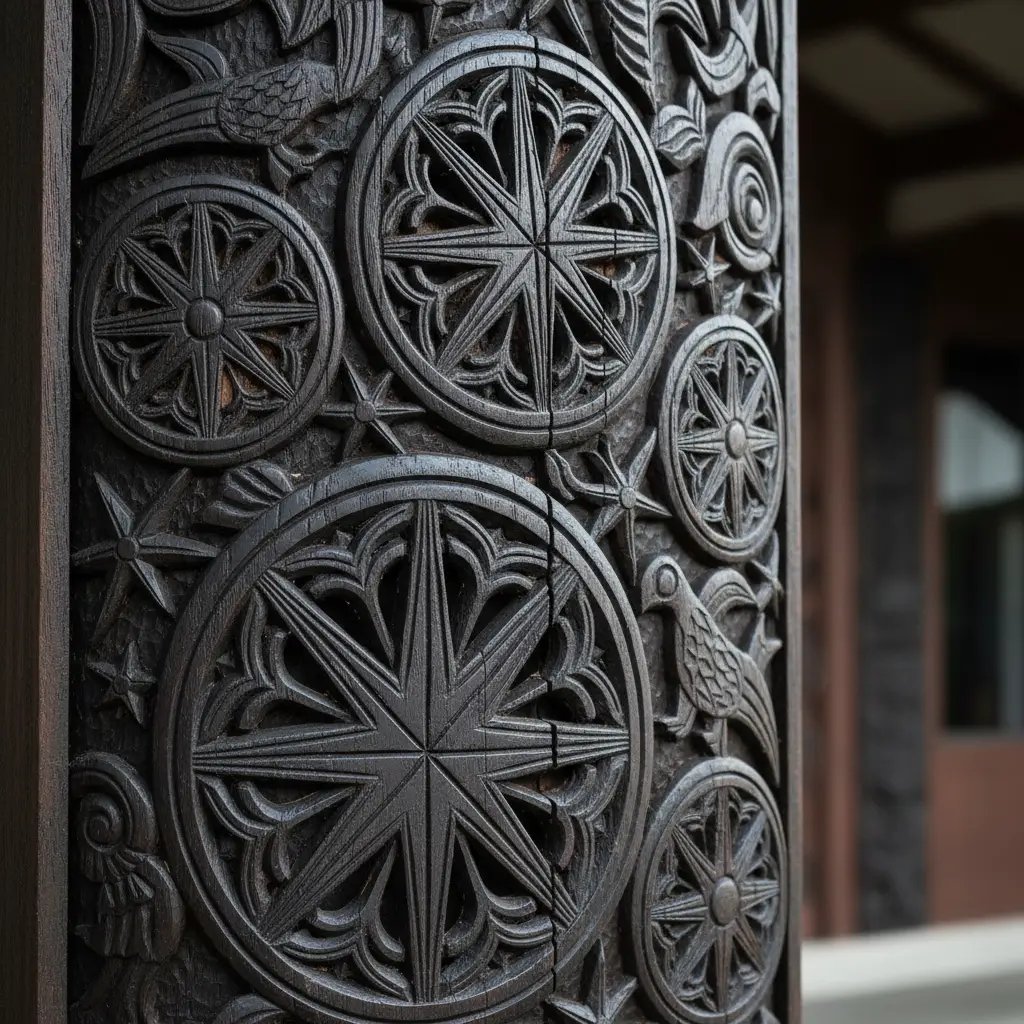
In regions like Whanganui, Taranaki, and parts of Northland, “Puanga” festivals are held alongside or instead of Matariki festivals. These celebrations honor the specific traditions of the local iwi. They ensure that the specific mātauranga (knowledge) of those ancestors is not lost in a homogenized national narrative.
For tourists and locals alike, this offers a richer experience. One can travel to the East Coast to witness the rise of Matariki over the ocean, or journey to Taranaki to see Puanga rise over the majestic mountain. Both events celebrate the same cosmic cycle—the return of the sun, the remembrance of the dead, and the hope for the future—but through different celestial lenses.
People Also Ask
What is the relationship between Puanga and Matariki?
In Māori mythology, Puanga (Rigel) and Matariki (Pleiades) are often described as cousins. They are celestial rivals who race to appear in the pre-dawn sky to signal the New Year. While Matariki is a cluster representing gathering, Puanga is a solitary star representing preservation and intensity.
Why do some tribes celebrate Puanga instead of Matariki?
Tribes in the West Coast, Taranaki, Whanganui, and parts of the Far North celebrate Puanga because the geography (such as high mountain ranges) often blocks the view of Matariki on the eastern horizon. Puanga rises higher and is brighter, making it the primary marker for the New Year in these regions.
Is Puanga a star or a cluster?
Puanga is a single star. It is known in Western astronomy as Rigel, which is a blue-white supergiant and the brightest star in the constellation Orion. This contrasts with Matariki, which is an open star cluster containing hundreds of stars (seven to nine visible to the naked eye).
What does Puanga Kai Rau mean?
“Puanga Kai Rau” translates to “Puanga of the plentiful food.” This proverb refers to the time of year when Puanga rises (May/June), which coincides with the completion of the harvest and the stocking of food storehouses for winter. It symbolizes abundance and preparation.
Who won the race between Puanga and Matariki?
The “winner” depends on your location. In the East, Matariki is the primary signal. However, in the West and North, Puanga is said to have won the race because he rises higher and is visible earlier or more clearly than the lower-lying Matariki cluster.
Can you see Puanga and Matariki at the same time?
Yes, you can see both in the pre-dawn sky during the winter months. Matariki appears as a cluster to the left (North-East), while Puanga appears as a bright single star higher up and to the right (above the three stars of Orion’s Belt/The Pot). Interactive Night Sky Map Tool: Locate Matariki Now