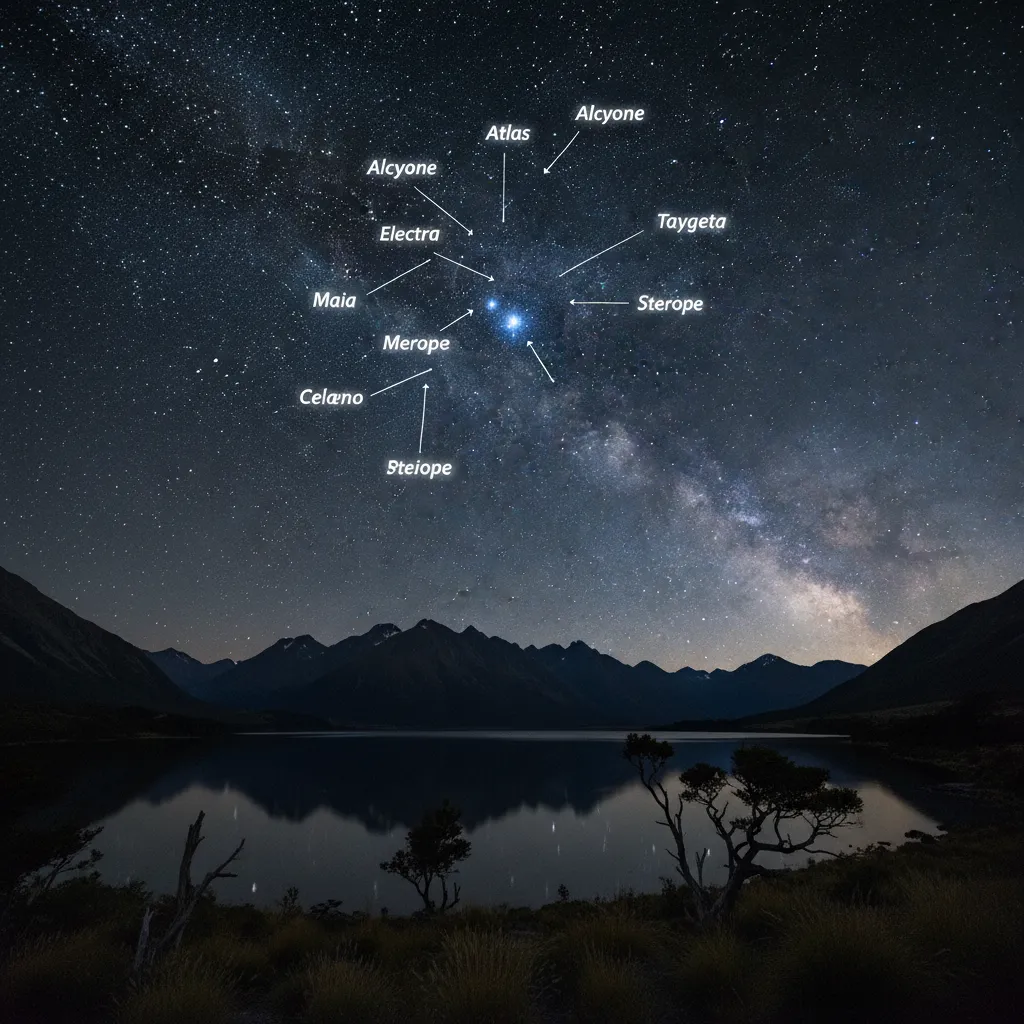
Matariki history books are authoritative literary resources that explore the origins, astronomical significance, and cultural traditions of the Māori New Year. These texts, often authored by experts like Dr. Rangi Mātāmua, provide deep insights into the Maramataka (lunar calendar), star navigation, and the spiritual ceremonies associated with the rising of the Pleiades cluster.
Foundational Works: The Authority of Dr. Rangi Mātāmua
When curating a library of Matariki history books, one cannot begin without acknowledging the paradigm-shifting work of Professor Rangi Mātāmua. His research has fundamentally altered the national understanding of the Māori New Year in Aotearoa New Zealand, moving the narrative from a general celebration to a specific, scientifically grounded cultural observance.
For educational institutions, serious collectors, and cultural researchers, Mātāmua’s works represent the gold standard of mātauranga Māori (Māori knowledge) regarding astronomy.
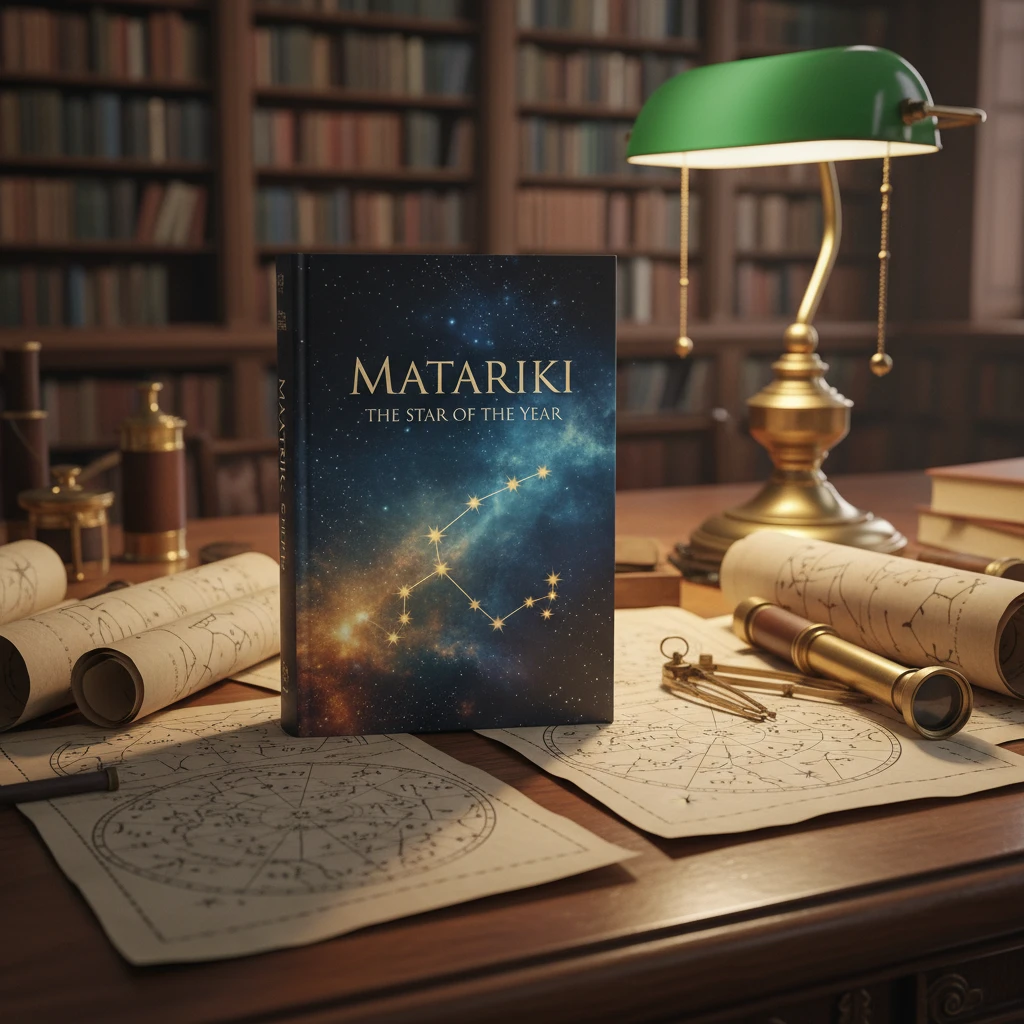
Matariki: The Star of the Year
This text is widely considered the definitive guide to the subject. Before its publication, popular understanding often cited seven stars in the Matariki cluster (The Pleiades). Dr. Mātāmua, drawing upon a 400-page manuscript written by his ancestor Te Kōkau and passed down through generations, revealed that for many iwi (tribes), there are actually nine visible stars, each with a distinct purpose and environmental domain.
The commercial and educational value of this book lies in its bilingual presentation and its comprehensive breakdown of:
- Te Iwa o Matariki: The specific roles of the nine stars (e.g., Waitī for fresh water, Waitā for salt water).
- Ceremonial Procedures: Historical accounts of how the “hautapu” ceremony was conducted to feed the stars.
- Correct Timing: The astronomical methodology for determining exactly when Matariki rises, debunking fixed-date celebrations.
Matariki Te Whetū Tapu o te Tau
For those seeking total immersion, the Te Reo Māori edition of his work offers linguistic nuances that are sometimes lost in translation. For academic libraries and language schools, stocking this version is essential for supporting language revitalization efforts alongside cultural history.
Celestial Guidance: Books on Traditional Navigation and Astronomy
To fully understand the history of Matariki, one must study the broader context of Polynesian navigation. The ability to read the night sky was not merely for marking the New Year; it was a survival mechanism that allowed ancestors to traverse the Pacific Ocean. Matariki history books often intersect with texts on ocean voyaging.
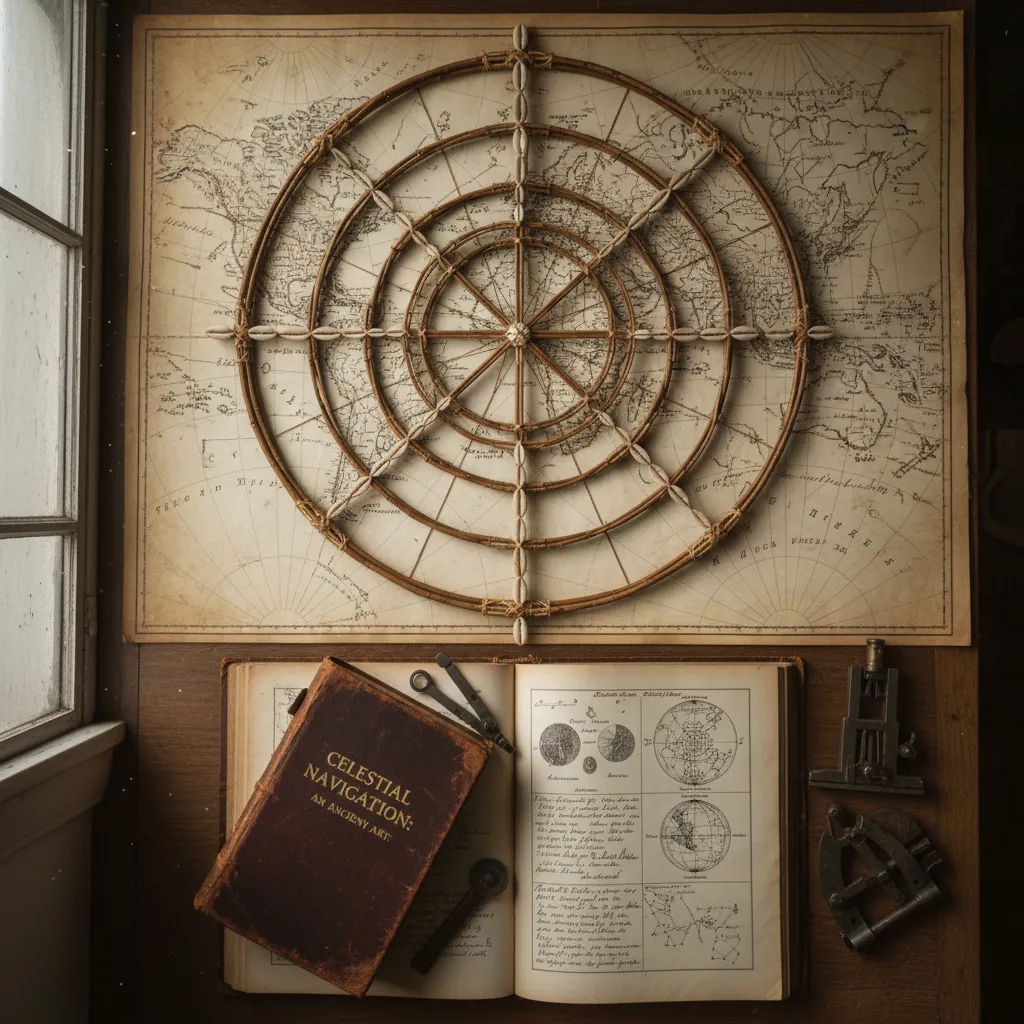
The Intersection of Voyaging and the New Year
Books that detail the journeys of the waka hourua (double-hulled canoes) provide the practical application of the astronomy that underpins Matariki. When selecting texts in this niche, look for works that discuss:
- The Star Compass: How the rising and setting points of stars, including Matariki, were used for orientation.
- Seasonal Indicators: How navigators used the brightness of stars to predict weather patterns—a key component of Matariki divination.
Notable authors and navigators such as Jack Thatcher and Hoturoa Barclay-Kerr have contributed to this body of knowledge, often featured in anthologies or specific chapters within broader histories of Māori science. These texts are vital for anyone wishing to understand the “science” behind the “spirituality.”
Academic Deep Dives: University Press Publications
For the commercial buyer looking to supply universities, museums, or high-level research facilities, publications from houses like Auckland University Press, Bridget Williams Books, and Huia Publishers are indispensable. These publishers specialize in peer-reviewed, academically rigorous Matariki history books and related cultural texts.
The Value of Oral History in Print
Academic texts on this subject often bridge the gap between archaeology and oral tradition. They do not treat Matariki in isolation but weave it into the social fabric of pre-colonial Māori society.

Key themes found in these high-level texts include:
- Tribal Variations: Unlike mass-market books which may generalize, academic texts explore how Matariki was observed differently in the Far North (where Puanga is often celebrated instead) versus the South Island.
- The suppression of Knowledge: Historical analyses of how the Tohunga Suppression Act of 1907 impacted the transmission of astronomical knowledge and how it is being reclaimed today.
- Economic and Social Cycles: How the rising of Matariki dictated the harvest, storage, and trade of resources (kai).
Recommendation: Look for anthologies titled Te Ao Hurihuri or works by scholars like Dame Anne Salmond, which, while broader in scope, offer the necessary anthropological context to understand the magnitude of the Matariki observance.
Resources for Deep Cultural Research and the Maramataka
The study of Matariki is inextricably linked to the Maramataka—the Māori lunar calendar. Commercial buyers and researchers should prioritize books that explain this system, as Matariki marks the reset of this calendar.
Living by the Stars
Books focusing on the Maramataka are currently seeing a surge in commercial interest. These texts are practical manuals as much as they are history books. They teach readers how to align their daily activities—planting, fishing, meeting, and resting—with the phases of the moon and the position of stars.
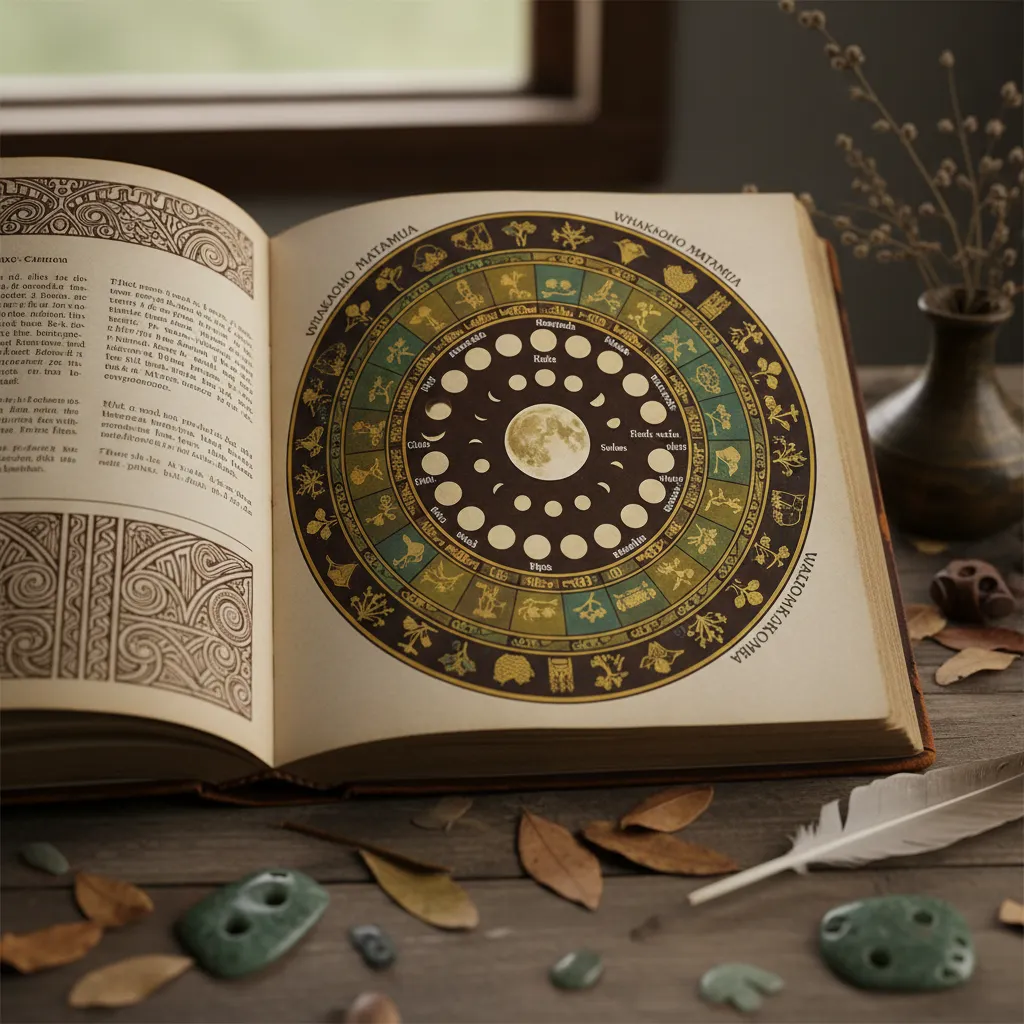
Key Elements to Look For:
- Environmental Indicators: High-quality texts will correlate star sightings with biological events, such as the flowering of the Pohutukawa or the migration of eels (tuna).
- Mental Health and Wellbeing: Modern interpretations often reference historical practices of using the Matariki period for reflection, mourning, and psychological reset.
How to Evaluate Authentic Matariki Literature
With the commercialization of Matariki as a public holiday, there has been an influx of generic content. For educators and retailers, distinguishing between authentic Matariki history books and superficial merchandise is critical.
Criteria for Selection
1. Authorship and Whakapapa:
Does the author have a recognized background in Māori studies or astronomy? Are they connected to the iwi (tribes) whose stories they are telling? Works by Māori scholars are generally preferred for their cultural nuance and authority.
2. Source Material:
Check the bibliography. Does the book reference primary manuscripts, oral histories, or archival recordings? A reliable history book will be transparent about its sources, often citing 19th-century manuscripts or specific elders (kaumātua).
3. Regional Specificity:
Avoid books that claim a “one size fits all” approach to Māori astronomy. Authentic texts acknowledge that while Matariki is a nationwide celebration, the specific stars observed and the narratives told vary significantly between the West Coast and East Coast of New Zealand.
By investing in high-quality, authoritative texts, readers and institutions contribute to the preservation of indigenous knowledge and ensure that the history of Matariki is passed down accurately to future generations.
Frequently Asked Questions (PAA)
Who wrote the best book on Matariki?
Dr. Rangi Mātāmua is widely considered the leading authority on the subject. His book, Matariki: The Star of the Year, is regarded as the seminal text, based on ancient manuscripts and deep astronomical research.
What are the 9 stars of Matariki in order?
According to Dr. Mātāmua’s research, the nine stars are Matariki (the mother), Pōhutukawa, Tupuānuku, Tupuārangi, Waipuna-ā-rangi, Waitī, Waitā, Ururangi, and Hiwa-i-te-rangi. Each star governs a specific domain of the environment or wellbeing.
Is Matariki religious or cultural?
Matariki is primarily a cultural and spiritual observance rather than a religion in the Western sense. It is grounded in environmental science (astronomy) and traditional practices regarding the harvest, remembering the dead, and planning for the future.
Where can I buy authentic Māori history books?
Authentic texts can be purchased from specialized retailers such as Huia Publishers, Auckland University Press, and reputable independent bookstores in New Zealand. Museums and cultural centers also stock verified educational resources.
What is the story behind Matariki?
While stories vary by tribe, a common narrative is that Matariki and her children (the other stars) appear to signal the New Year. Another myth involves the god Tāwhirimātea crushing his eyes in sorrow and throwing them into the sky, creating the cluster (Ngā Mata o te Ariki – The Eyes of the God).
Why was Matariki banned or stopped in the past?
Matariki was never officially “banned,” but the practice declined significantly due to colonization, the Tohunga Suppression Act of 1907, and the imposition of the Gregorian calendar. The current revival is part of a broader reclaiming of Māori identity and knowledge.