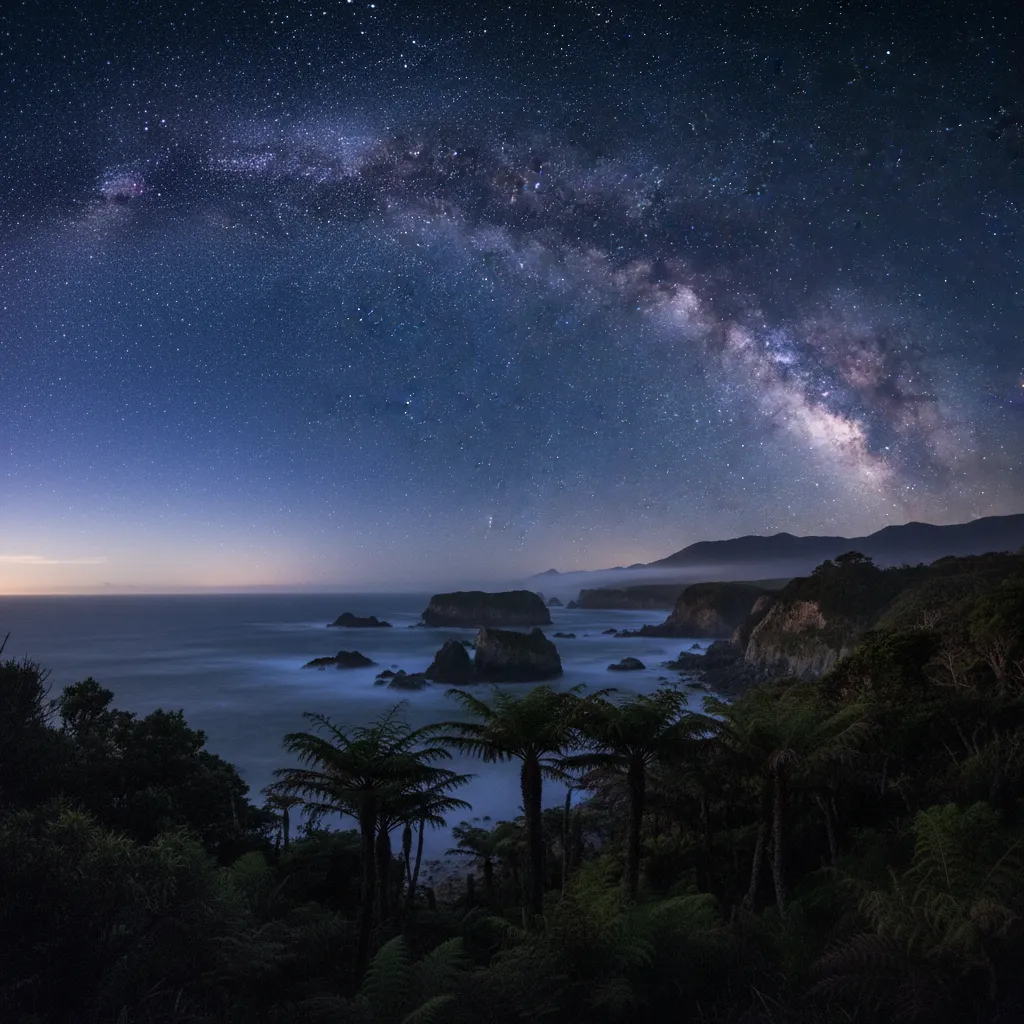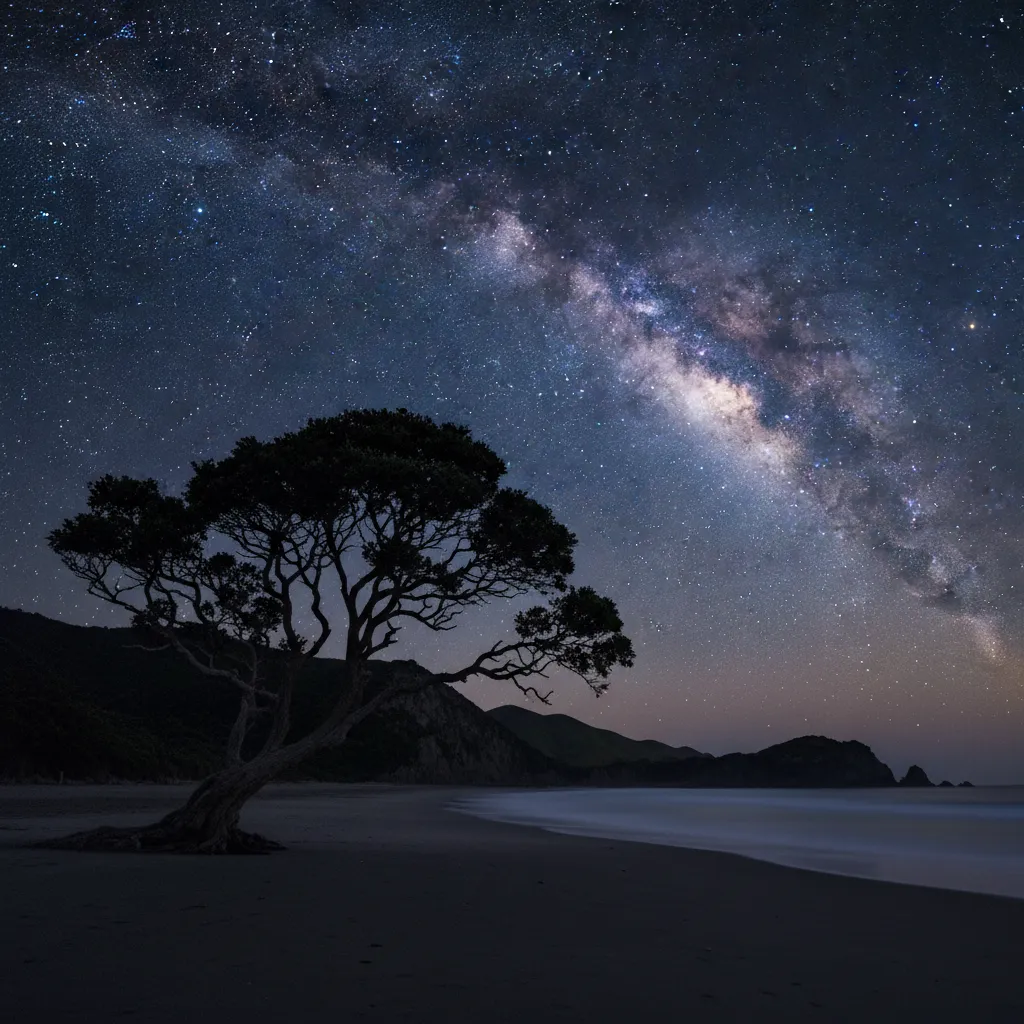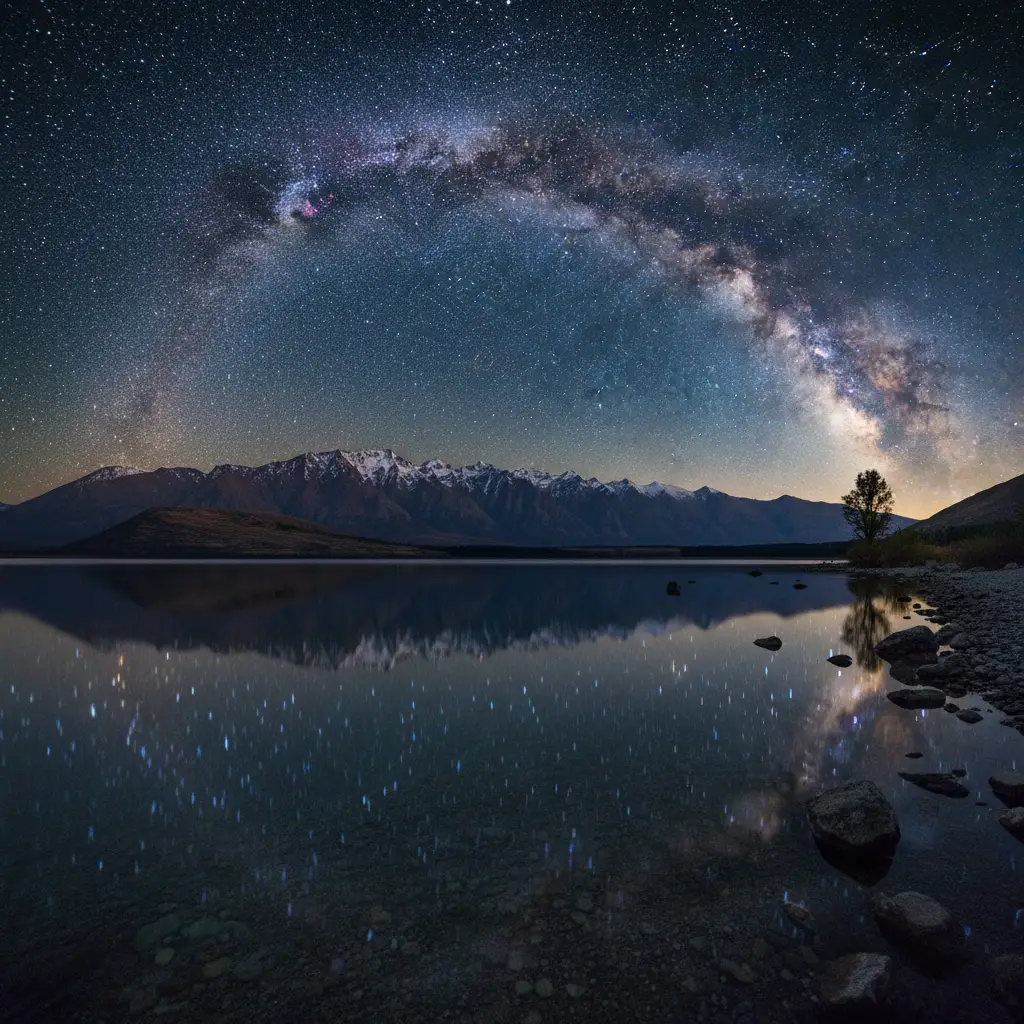
To book a dark sky experience in Tekapo, visitors should reserve guided tours with the Dark Sky Project at the Mt John University Observatory or Cowan’s Observatory at least three months in advance. These experiences provide exclusive access to powerful optical telescopes within the Aoraki Mackenzie International Dark Sky Reserve, offering world-class views of the Southern Cross, Magellanic Clouds, and deep-sky objects.
Why Choose the Aoraki Mackenzie Reserve?
When you look to book a dark sky experience in Tekapo, you are securing a place in one of the most pristine astronomical environments on Earth. The Aoraki Mackenzie International Dark Sky Reserve is a Gold Tier reserve, a status granted by the International Dark-Sky Association. This designation is reserved for environments with practically no light pollution, ensuring that the night sky remains as our ancestors saw it thousands of years ago.
Located in the heart of New Zealand’s South Island, the reserve encompasses Aoraki/Mt Cook National Park and the Mackenzie Basin. For astronomy enthusiasts and casual stargazers alike, this region offers a unique window into the universe. Unlike the Northern Hemisphere, the Southern Sky reveals the galactic center of the Milky Way directly overhead, along with unique features like the Magellanic Clouds (dwarf galaxies orbiting our own) and the iconic Southern Cross (Crux).
Furthermore, the infrastructure in Tekapo is specifically designed to support astrotourism. Streetlights are shielded and emit a specific sodium amber glow to prevent light scattering, and local ordinances strictly control light emission. When you book a tour here, you are supporting a community dedicated to the preservation of the night.
Mt John Observatory Tours: The Premier Experience
The summit of Mt John (Ōtehīwai) is the crown jewel of the reserve. Rising high above the township, it sits above much of the low-lying atmospheric turbulence, providing exceptional seeing conditions. This is the location of the University of Canterbury Mt John Observatory, New Zealand’s premier astronomical research center.
What to Expect on the Summit Experience
Booking the “Summit Experience” through the Dark Sky Project is the most sought-after option. This tour takes you to the very top of the mountain by bus, where light pollution is virtually non-existent. The experience is educational, combining science with storytelling.
Guides use powerful green lasers to point out constellations and navigate the celestial sphere. More importantly, visitors get access to 16-inch optical telescopes. Through these lenses, you can observe:
- Globular Clusters: Such as Omega Centauri, a spherical collection of millions of stars that looks like a glittering jewel box.
- Nebulae: Including the Tarantula Nebula and the Carina Nebula, regions of active star formation.
- Planets: Depending on the time of year, Jupiter’s stripes and Saturn’s rings are visible in crisp detail.
- Alpha Centauri: Our nearest star system.
Because this is an active research facility, the tour also offers a glimpse into the professional world of astronomy, including the massive MOA telescope used for detecting exoplanets via gravitational microlensing. It is essential to book this experience weeks, if not months, in advance, especially during the peak tourist season (December to March) and the Matariki winter season (June to July).
Cowan’s Observatory & Riverside Options
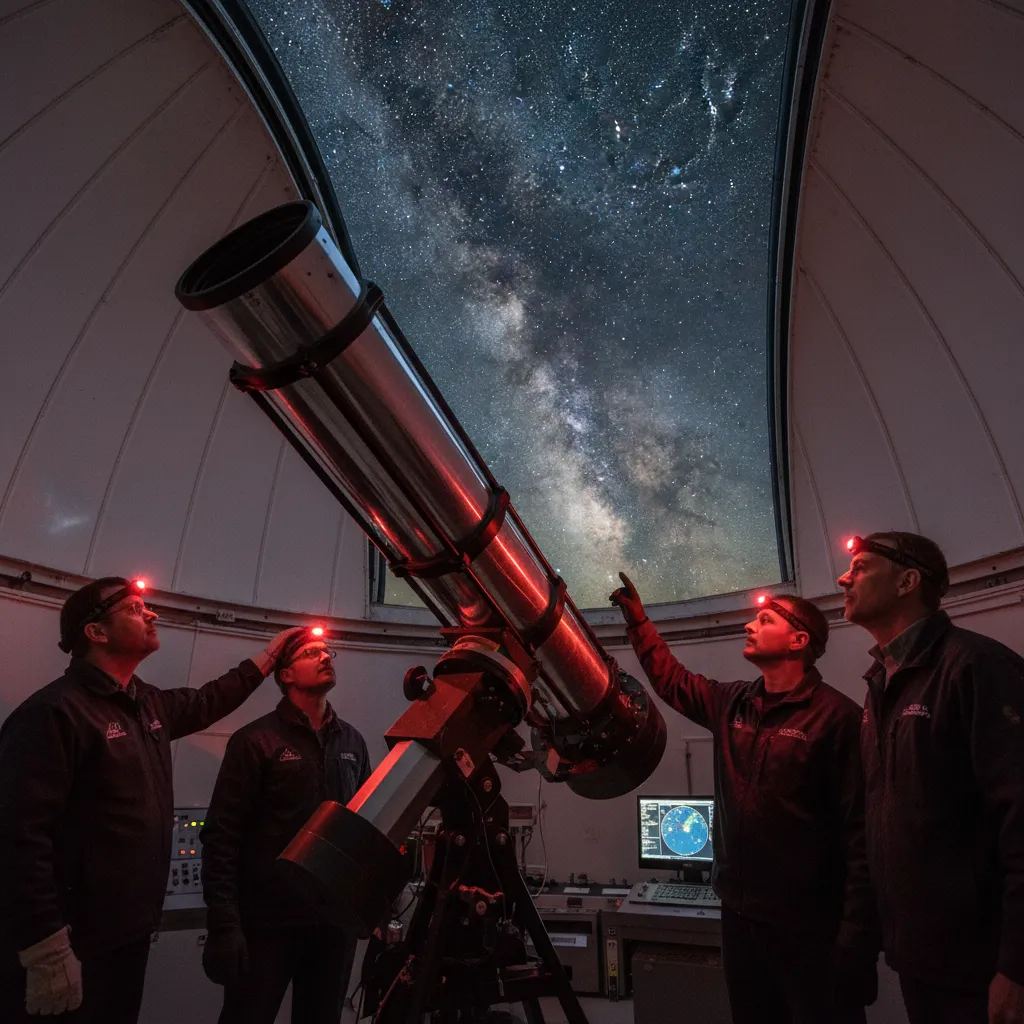
If the Mt John tours are fully booked, or if you are looking for a slightly more sheltered environment, Cowan’s Observatory is an excellent alternative. Located in a purpose-built crater to shield against the wind and block out the minimal light from the nearby township, this location offers a more intimate experience.
Cowan’s focuses heavily on the educational aspect and is often preferred by families or those who might find the exposed summit of Mt John too cold or windy. The telescopes here are equally capable of resolving deep-sky objects, and the guides are trained to explain the life cycle of stars in an accessible manner.
Alpha and Chameleon Stargazing
For budget-conscious travelers or those seeking a more personal touch, smaller operators like Chameleon Stargazing offer tours that often include hot chocolate, fire pits, and comfortable seating. These tours usually operate from darker spots around the lake or riverside locations. While they may not have the massive observatory domes of Mt John, their portable telescopes are high-quality, and the smaller group sizes often allow for more questions and personalized interaction with the astronomy guides.
Maramataka: Māori Astronomy and Cultural Significance
A truly holistic dark sky experience in New Zealand involves understanding the indigenous perspective. The Aoraki Mackenzie Reserve is not just a scientific asset; it is a cultural treasure. When you book dark sky experience Tekapo tours, look for operators who integrate Maramataka (the Māori lunar calendar) and star lore into their narrative.
Māori ancestors were master navigators who traversed the vast Pacific Ocean using the stars (ngā whetū) as their guide. In Tekapo, the night sky tells the stories of creation, navigation, and seasonal cycles. Key cultural elements to listen for include:
- Matariki (The Pleiades): The appearance of this star cluster in mid-winter marks the Māori New Year. It is a time of remembrance, celebrating the present, and looking to the future.
- Rehua (Antares): A significant star associated with summer, heat, and healing.
- Te Waka o Rangi: The canoe of the sky, often identified with parts of the Scorpius constellation and the Southern Cross, tasked with collecting the souls of the departed.
Understanding the sky through the lens of Māori astronomy adds a profound spiritual layer to the visual spectacle, connecting the observer to the land (whenua) and the sky (rangi).
Free Viewing Spots in Lake Tekapo
While paid tours offer telescopes and expert guidance, the sky itself is free. If you are unable to secure a booking, or simply want to enjoy the stars in solitude, there are several prime locations accessible to the public.
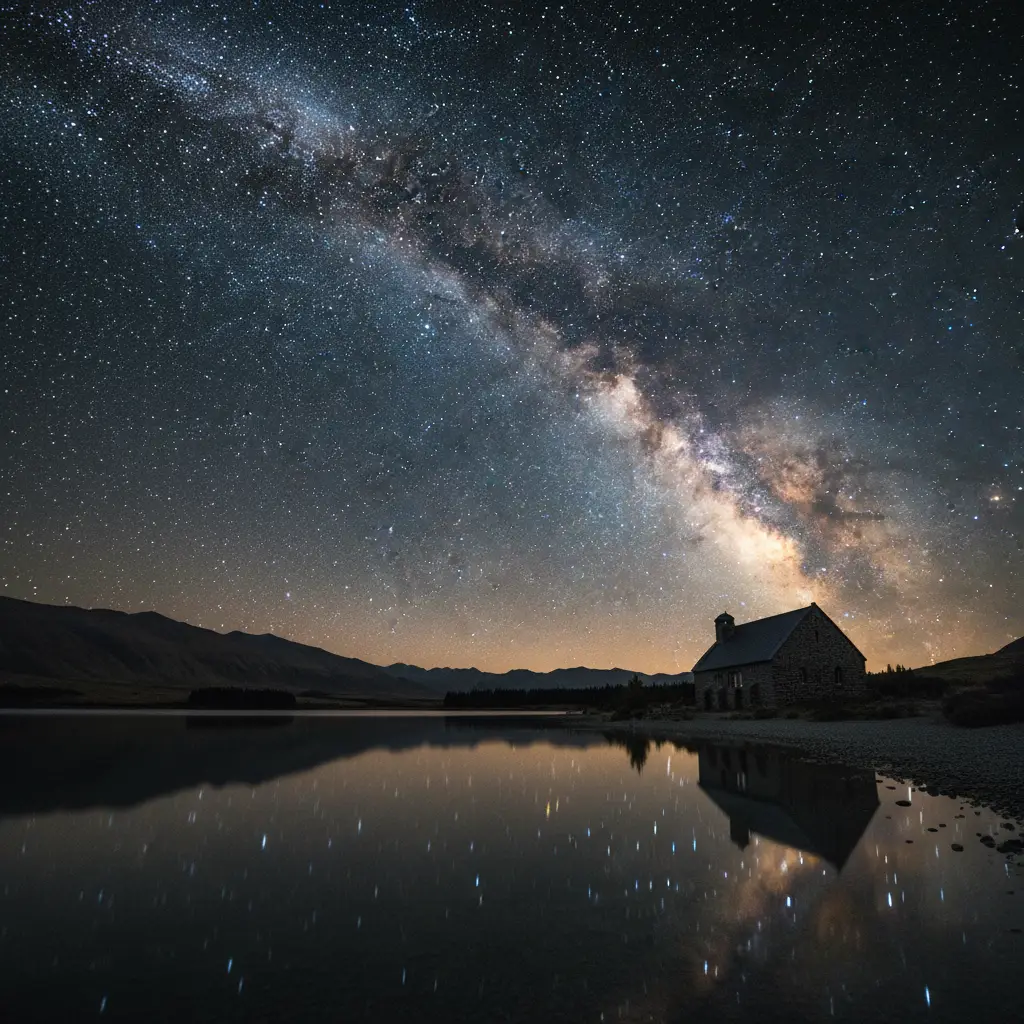
The Church of the Good Shepherd
This is the most iconic photography spot in the region. However, it is important to note that this area is extremely popular. At night, you will often find dozens of astrophotographers lined up. If you visit here, be respectful: turn off your car headlights immediately upon parking and avoid using white flashlights, as this ruins night vision and ruins long-exposure photographs for others.
Lake Alexandrina
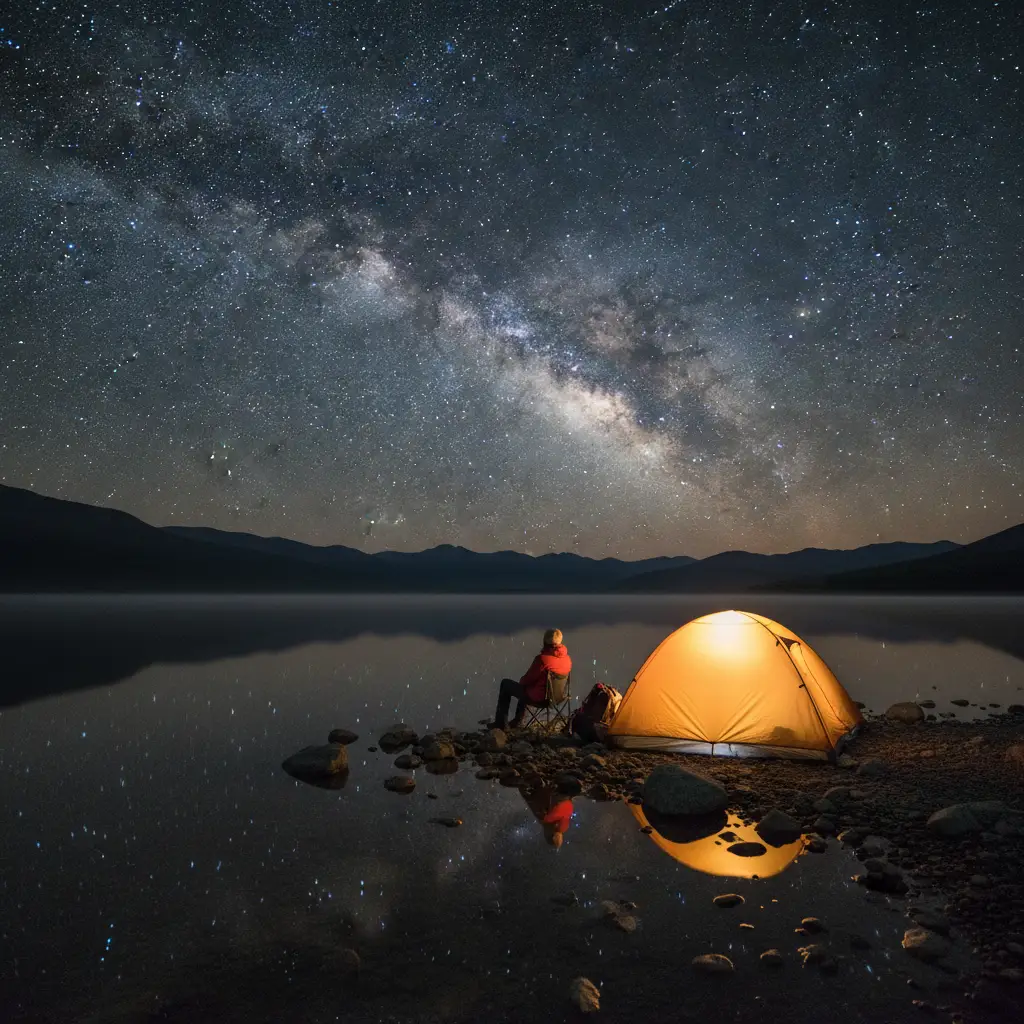
For a darker, quieter experience, drive approximately 15 minutes west to Lake Alexandrina. This lake is free from the immediate light of the Tekapo township. The reflection of the Milky Way in the calm waters of Alexandrina is often superior to that of the main lake due to the shelter provided by the surrounding hills.
Best Time of Year to Visit for Stargazing
The “best” time depends on what you want to see. The Aoraki Mackenzie Reserve offers different spectacles depending on the season.
Winter (May – August)
Winter is widely considered the premium season for serious astronomy. The nights are long, offering up to 12 hours of total darkness. The air is crisp and cold, which reduces atmospheric distortion, leading to sharper images.
- Target: The Galactic Core of the Milky Way is high and bright.
- Aurora Australis: Winter offers the highest probability of witnessing the Southern Lights. The solar activity interacts with the Earth’s magnetic field to create curtains of green and pink light dancing on the southern horizon.
- Matariki: Visible in the pre-dawn sky.
Summer (December – February)
Summer offers a more comfortable temperature for standing outside, but the nights are short, with true darkness not falling until after 11:00 PM. While the core of the Milky Way is not as prominent as in winter, the summer sky features the brilliant Orion constellation and the brightest star in the sky, Sirius.
The Moon Phase Factor
Regardless of the season, the phase of the moon is the most critical factor when you book a dark sky experience in Tekapo. A full moon acts as a giant natural streetlight, washing out the fainter stars and the structure of the Milky Way. For the best experience, book your trip during the New Moon phase or the week leading up to it.
Accommodation in the Reserve
To maximize your time under the stars, consider staying in accommodation designed for sky-watching. Many providers in the Mackenzie Basin have adapted their architecture to embrace the reserve status.
Skyscape
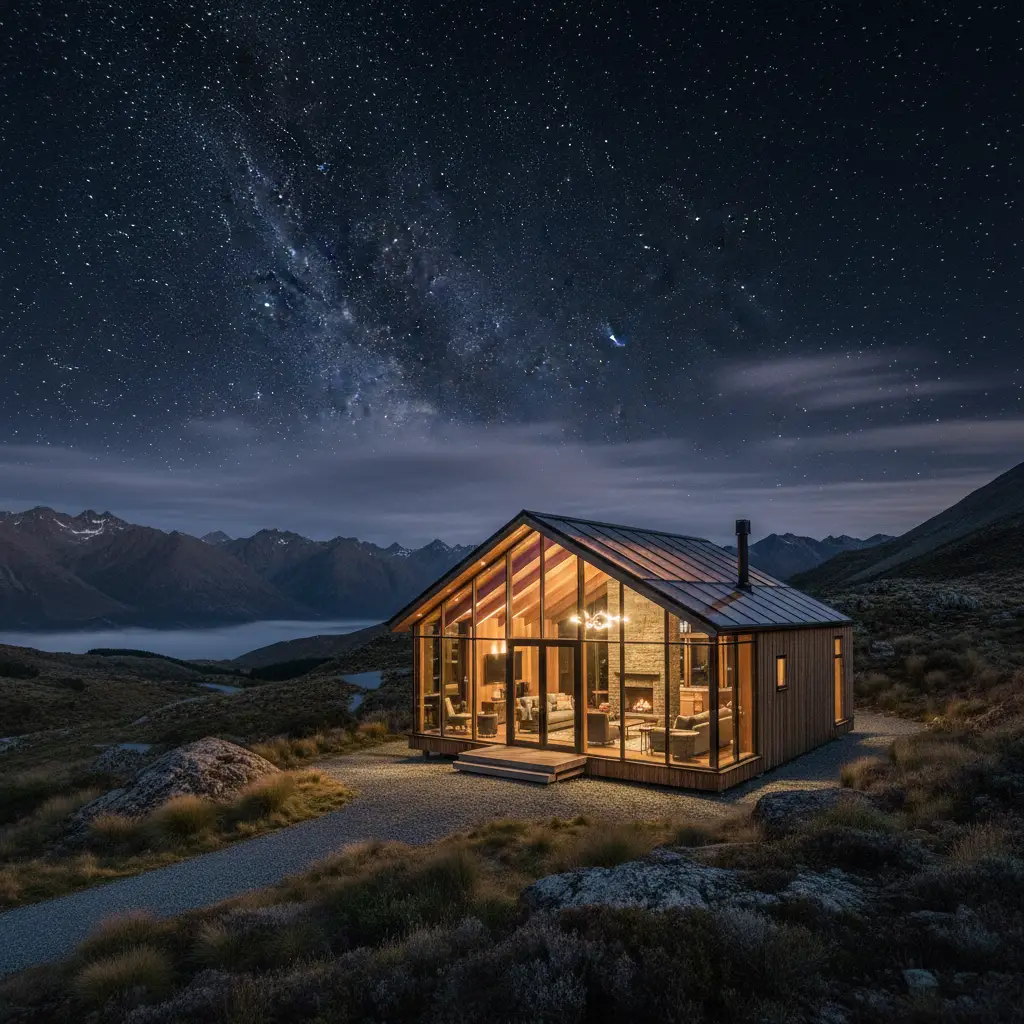
Located just outside Twizel (within the reserve), Skyscape offers glass-roofed units built into the earth. This allows you to lie in a luxury bed and watch the stars drift overhead without braving the cold.
Lake Tekapo Holiday Homes
Many private rentals in Tekapo feature large decks and telescopes provided by the hosts. Look for properties located on the outskirts of the subdivision, away from the village center, to minimize local light intrusion.
Peppers Bluewater Resort
Situated near the lake, this resort is designed with dark sky compliance in mind. The lighting is low-level and directed downward. It serves as a convenient base, being walking distance from the Dark Sky Project base at the lakefront.
Frequently Asked Questions
What is the best month to see the Southern Lights in Tekapo?
The best months to see the Aurora Australis (Southern Lights) in Tekapo are during the winter season, specifically from May to August. The nights are longest during this period, maximizing your chances. However, Auroras are solar-dependent and never guaranteed.
Do I need to book Mt John Observatory tours in advance?
Yes, it is highly recommended to book Mt John Observatory tours at least 2 to 3 months in advance. Due to strict capacity limits on the summit and high demand from international tourists, spots sell out very quickly, especially around the New Moon.
Can I drive up to Mt John Observatory at night?
No, private vehicles are not permitted on the Mt John access road at night. To access the summit after dark, you must be part of a guided tour with the Dark Sky Project. This rule helps control light pollution and ensures safety on the narrow mountain road.
What should I wear for a stargazing tour?
Even in summer, the alpine environment can be very cold at night. Dress in warm layers, including thermal underwear, a heavy down jacket, a beanie, gloves, and sturdy footwear. The summit of Mt John is exposed and often windy.
Is the Dark Sky Project worth the money?
For most visitors, yes. The access to professional-grade telescopes, the dark sky location on the summit, and the knowledge of the guides provide an experience that is impossible to replicate with the naked eye or consumer equipment.
What happens if it is cloudy during my tour?
Most operators, including the Dark Sky Project, offer an indoor alternative if the weather prevents stargazing. This usually involves a tour of the research facilities and an interactive presentation. Check the cancellation and refund policy before booking, as some operators may offer a partial refund or the option to reschedule.