
An NZ night sky guide encompasses the observation of Aotearoa’s unique celestial features, including the Southern Cross, the Magellanic Clouds, and the Aurora Australis. It integrates modern astronomy with Maramataka—the Māori lunar calendar—offering a holistic view of the cosmos from within the world’s premier Dark Sky Sanctuaries.
New Zealand, or Aotearoa (“The Land of the Long White Cloud”), transforms after dusk into the land of the long dark sky. For astronomers, photographers, and cultural enthusiasts, the country offers an unparalleled window into the universe. Unlike the northern hemisphere, the southern skies present the Galactic Center of the Milky Way directly overhead during winter, along with celestial jewels invisible to half the global population.
This comprehensive guide bridges the gap between scientific stargazing and the rich cultural heritage of Māori astronomy, ensuring you have the knowledge to navigate the heavens from the bottom of the world.
Why is the New Zealand Night Sky Unique?
The quality of a stargazing location is often determined by the darkness of its skies and the stability of its atmosphere. New Zealand excels in both, largely due to its low population density and geographic isolation. Large swathes of the country suffer from minimal light pollution, allowing for naked-eye visibility of celestial objects that require binoculars elsewhere in the world.
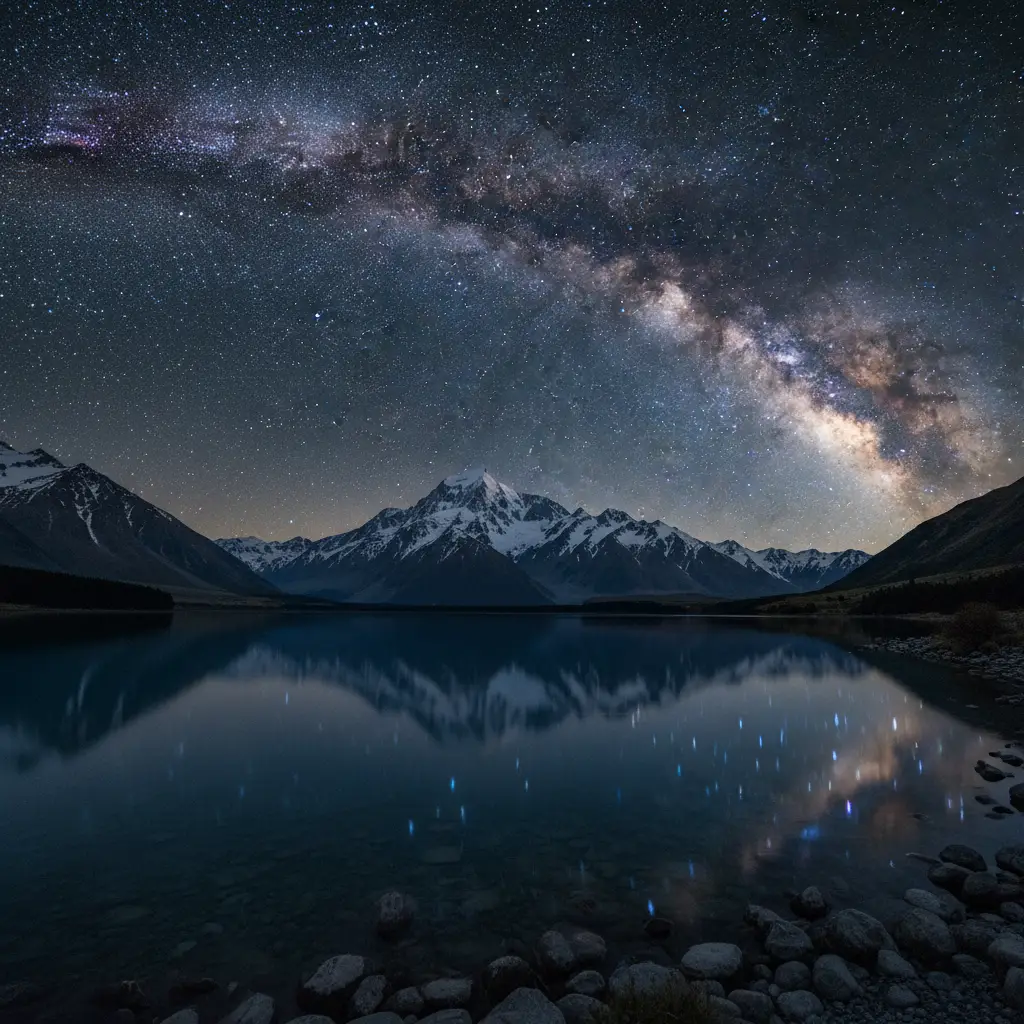
The Southern Advantage
The southern hemisphere looks towards the center of our galaxy. This means the Milky Way appears brighter, more defined, and more complex than it does in the north. Key features exclusive to or best viewed from NZ include:
- The Southern Cross (Te Punga): The anchor of the southern skies, used for navigation for centuries.
- The Magellanic Clouds: Two dwarf galaxies orbiting the Milky Way, visible as faint, cloud-like smudges to the naked eye.
- Alpha Centauri: The closest star system to our solar system.
- The Coalsack Nebula: A prominent dark nebula that forms a silhouette against the bright band of the Milky Way.
Understanding Maramataka and Māori Astronomy
To truly utilize an NZ night sky guide, one must understand the indigenous perspective. Māori were expert astronomers (tātai arorangi), using the stars to navigate the vast Pacific Ocean to reach Aotearoa. Their system of timekeeping, the Maramataka, is a lunar calendar that aligns astronomical movements with earthly cycles.
What is Maramataka?
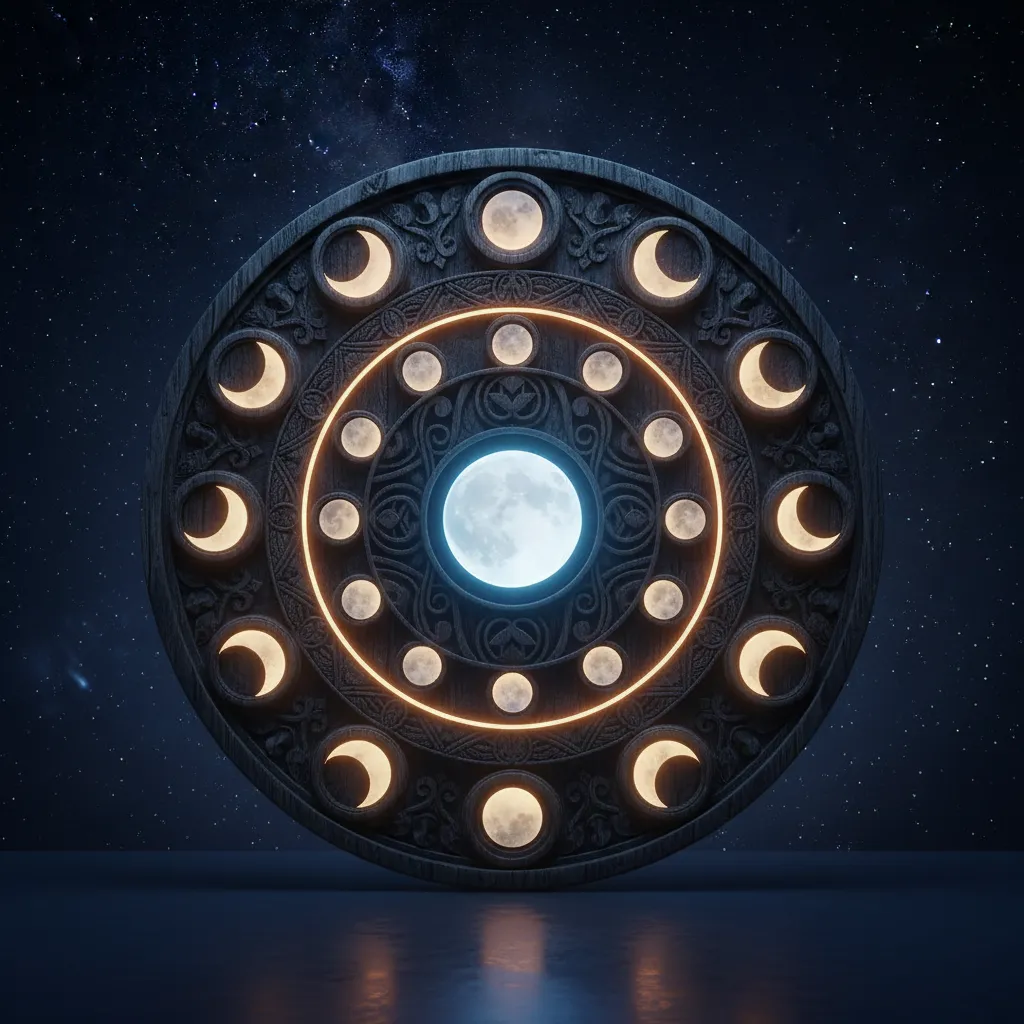
Maramataka literally means “the moon turning.” It is not merely a calendar but a predictive tool used for planting, fishing, and harvesting. Each phase of the moon (over 30 distinct phases) carries specific energy levels and instructions for daily life. For example, during the high-energy phase of Rakaunui (Full Moon), it is an optimal time for planting and active tasks, whereas Whiro (New Moon) is a time for reflection and rest.
The Significance of Matariki
Matariki is perhaps the most famous aspect of Māori astronomy today. It refers to the star cluster known internationally as the Pleiades or the Seven Sisters. In New Zealand, the heliacal rising of Matariki in mid-winter (typically late June or July) marks the beginning of the Māori New Year.
Historically, the brightness and clarity of the Matariki stars upon their return would predict the productivity of the coming harvest. If the stars were clear and bright, a warm and bountiful season was expected. If they were hazy, it foretold a cold winter and potential crop failure. Today, Matariki is a public holiday in New Zealand, celebrated with feasts, remembrance of ancestors, and stargazing events.
Chasing the Aurora Australis (Southern Lights)
While the Aurora Borealis gets much of the global attention, the Aurora Australis offers an equally spectacular, albeit more elusive, display. Because the south magnetic pole is located over the ocean (unlike the north magnetic pole which is over land), viewing the Southern Lights requires specific conditions.
How to Predict the Southern Lights?
The Aurora is caused by solar wind interacting with Earth’s magnetic field. To predict visibility in New Zealand, you must monitor the Kp-index (Planetary K-index). This scale measures geomagnetic activity:
- Kp 1-3: Low activity. Aurora may be visible photographically from Stewart Island or the deep south coast.
- Kp 4-5: Moderate storm. Visible to the naked eye in Southland, Otago, and Mackenzie Country as beams of light or a glow on the horizon.
- Kp 6-9: Strong to Extreme storm. Can be seen as far north as Wellington or even Auckland during extreme events.
Best Viewing Tactics
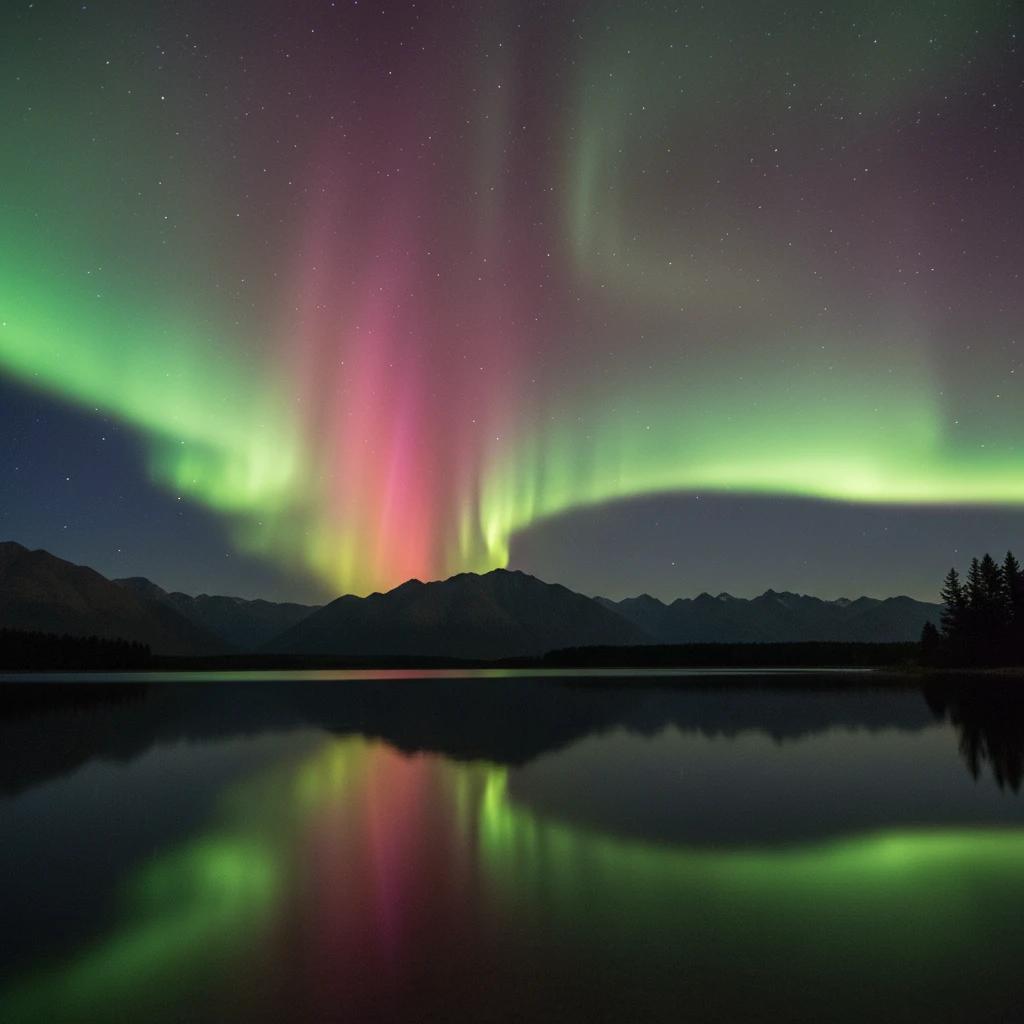
To see the Aurora Australis, look directly south. Unlike the Northern Lights which often occur overhead, the Southern Lights frequently appear as “curtains” of light dancing on the southern horizon. Cameras are far more sensitive than the human eye; set your camera to a long exposure (10-20 seconds) to detect color before it becomes visible to the naked eye.
Seasonal Highlights: When to Look Up
The night sky is a dynamic canvas. Depending on when you visit New Zealand, the celestial menu changes dramatically.
Winter (June – August)
This is the prime season for serious stargazing. The nights are long, starting as early as 5:30 PM.
- The Galactic Core: The brightest part of the Milky Way is directly overhead. It looks like a river of diamonds stretching across the sky.
- Matariki: Visible in the pre-dawn sky on the northeastern horizon.
- Scorpius: This constellation dominates the zenith, looking like a giant fishhook (Maui’s Fishhook according to Māori legend).
Summer (December – February)
Nights are short, with darkness not fully settling until 10:30 PM, but the temperatures are milder.
- Orion (The Pot): In the southern hemisphere, Orion appears upside down. The three stars of Orion’s Belt and the sword form a shape known locally as “The Pot.”
- Crux (Southern Cross): While visible year-round, it is lower in the sky during summer evenings.
- Meteor Showers: The Geminids (December) are visible, though the radiant point is low on the horizon, producing “earthgrazers”—long, slow-moving meteors.
Top Dark Sky Locations in Aotearoa
New Zealand is a world leader in Dark Sky conservation. Here are the premier destinations for your itinerary.
Aoraki Mackenzie International Dark Sky Reserve
The largest of its kind in the southern hemisphere, this reserve encompasses Lake Tekapo, Twizel, and Mt Cook Village. The Bortle Scale rating here is Class 1 (excellent dark sky site). Tours at the Mt John Observatory offer access to powerful telescopes and expert guidance.
Great Barrier Island (Aotea)
Located off the coast of Auckland, this island is an International Dark Sky Sanctuary. Being an island, it is completely detached from the light pollution of the mainland grid. It is an exceptional location for combining marine activities by day and astronomy by night.
Stewart Island (Rakiura)
Rakiura translates to “The Land of Glowing Skies,” a nod to the prevalence of the Aurora Australis. As the southernmost populated island in NZ, it offers the best chance of seeing the Southern Lights. In 2019, it was accredited as a Dark Sky Sanctuary.
Essential Gear and Preparation
You don’t need a doctorate in astrophysics to enjoy the NZ night sky, but the right equipment enhances the experience significantly.
Clothing is Critical
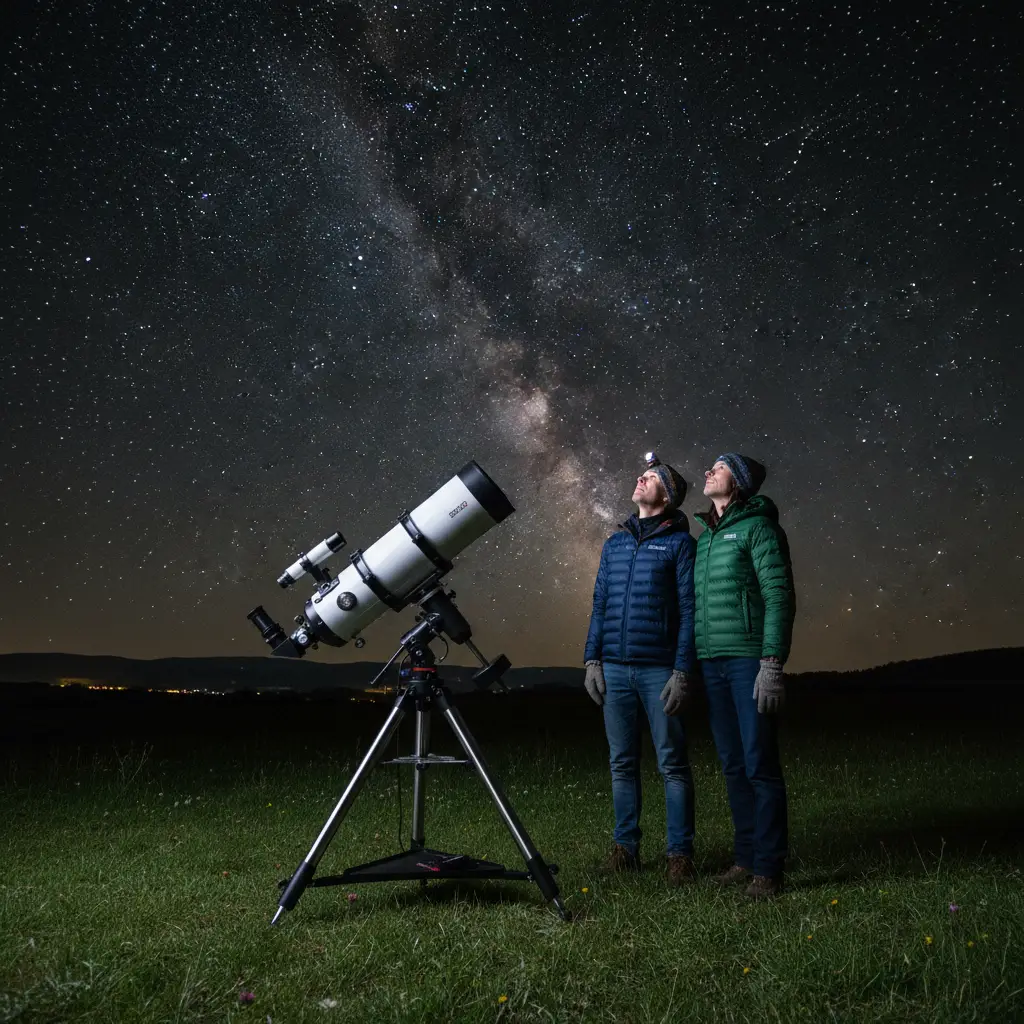
New Zealand nights can be cold, even in summer. In alpine regions like Tekapo, temperatures frequently drop below freezing.
- Layers: Merino wool base layers are essential.
- Outerwear: A windproof down jacket.
- Extremities: Gloves and a beanie are non-negotiable for observing sessions longer than 15 minutes.
Optical Aids
Binoculars (10×50): Often better than a cheap telescope. They allow you to scan the Milky Way and see the texture of the Magellanic Clouds.
Red Light Torch: White light ruins your night vision (which takes 20 minutes to adapt). Use a red light headlamp to navigate in the dark without blinding yourself or other stargazers.
Apps and Technology
Download apps like Stellarium or Star Walk 2 to identify constellations. For Aurora hunting, Glendale App or Aurora Alert NZ are indispensable for real-time data on solar wind and magnetic activity.
Frequently Asked Questions
What is the best month to see the Milky Way in New Zealand?
The best time to view the core of the Milky Way in New Zealand is during the winter months, specifically from June to August. During this time, the galactic center is high in the sky and visible for the longest duration due to the long nights.
Can you see the Northern Lights in New Zealand?
No, you cannot see the Northern Lights (Aurora Borealis) in New Zealand. However, you can see the Southern Lights (Aurora Australis), which are the southern hemisphere’s equivalent and are equally spectacular.
Where is the darkest sky in New Zealand?
While there are many dark spots, the Aoraki Mackenzie International Dark Sky Reserve and the Dark Sky Sanctuaries on Great Barrier Island (Aotea) and Stewart Island (Rakiura) offer the darkest, most protected skies with minimal light pollution.
Do I need a telescope to enjoy the NZ night sky?
No, a telescope is not necessary. The skies in New Zealand are so dark that the naked eye can reveal thousands of stars, satellites, and the Milky Way structure. A pair of binoculars is a great, portable upgrade if you want more detail.
What is the Māori name for the Milky Way?
The Milky Way has several names in Māori tradition, depending on the iwi (tribe) and the story. A common name is Te Ika-a-Rangi (The Fish of the Sky) or Te Mangōroa (The Long Shark).
Is it safe to go stargazing alone in New Zealand?
Generally, yes. New Zealand is very safe. However, stargazing locations are often remote and can be uneven terrain. It is advisable to tell someone where you are going, carry a phone (though reception may be patchy), and bring a torch.