Matariki is a standard public holiday in New Zealand, meaning it is not a restricted trading day. Most supermarkets, malls, and retail stores remain open, typically operating under Sunday or public holiday hours. While alcohol sales are permitted, hospitality venues often apply a 15% surcharge to cover increased staff wages.
With the introduction of Matariki as New Zealand’s newest public holiday, confusion often arises regarding trading laws. Unlike Good Friday or Christmas Day, which enforce strict closures, Matariki allows businesses to choose whether to open. This guide provides a comprehensive breakdown of what to expect regarding supermarkets open Matariki, mall schedules, and essential services.
Is Matariki a Restricted Trading Day?
To plan your long weekend effectively, it is crucial to understand the legal framework behind New Zealand’s public holidays. The Shop Trading Hours Act 1990 dictates which days retailers must close. Currently, there are only three and a half days of restricted trading in New Zealand:
- Christmas Day
- Good Friday
- Easter Sunday
- Anzac Day (until 1:00 PM)
Matariki is NOT a restricted trading day.
When the Te Kāhui o Matariki Public Holiday Act 2022 was passed, establishing the Māori New Year as a statutory holiday, it was designed to be a standard public holiday similar to Labour Day or the King’s Birthday. This means that retailers, including supermarkets and big-box stores, have the legal right to open their doors if they choose to do so.
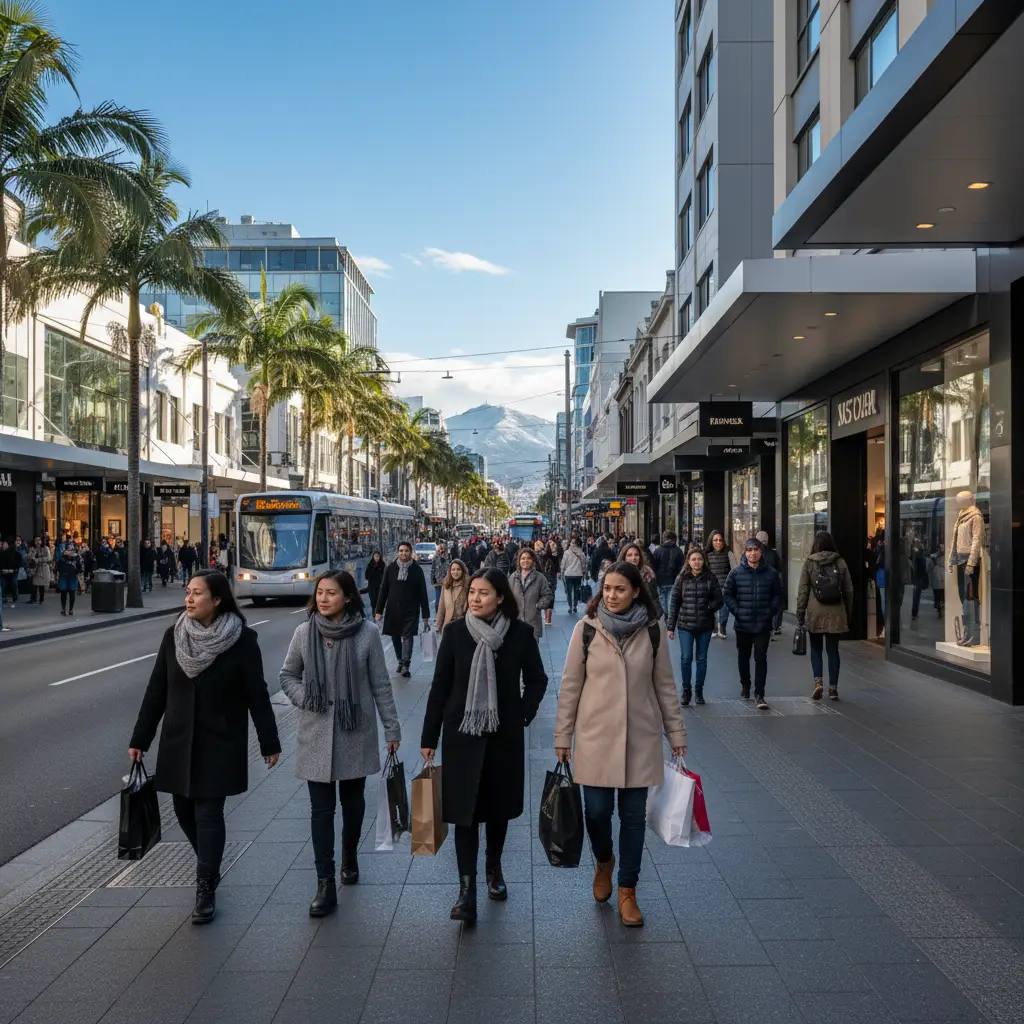
However, just because they can open does not mean every store will open. Small businesses, independent boutiques, and family-owned shops often take the opportunity to close and celebrate the holiday with their whānau. Conversely, major retailers and supermarkets almost universally remain open to capture the foot traffic from people enjoying their day off.
Are Supermarkets Open Matariki?
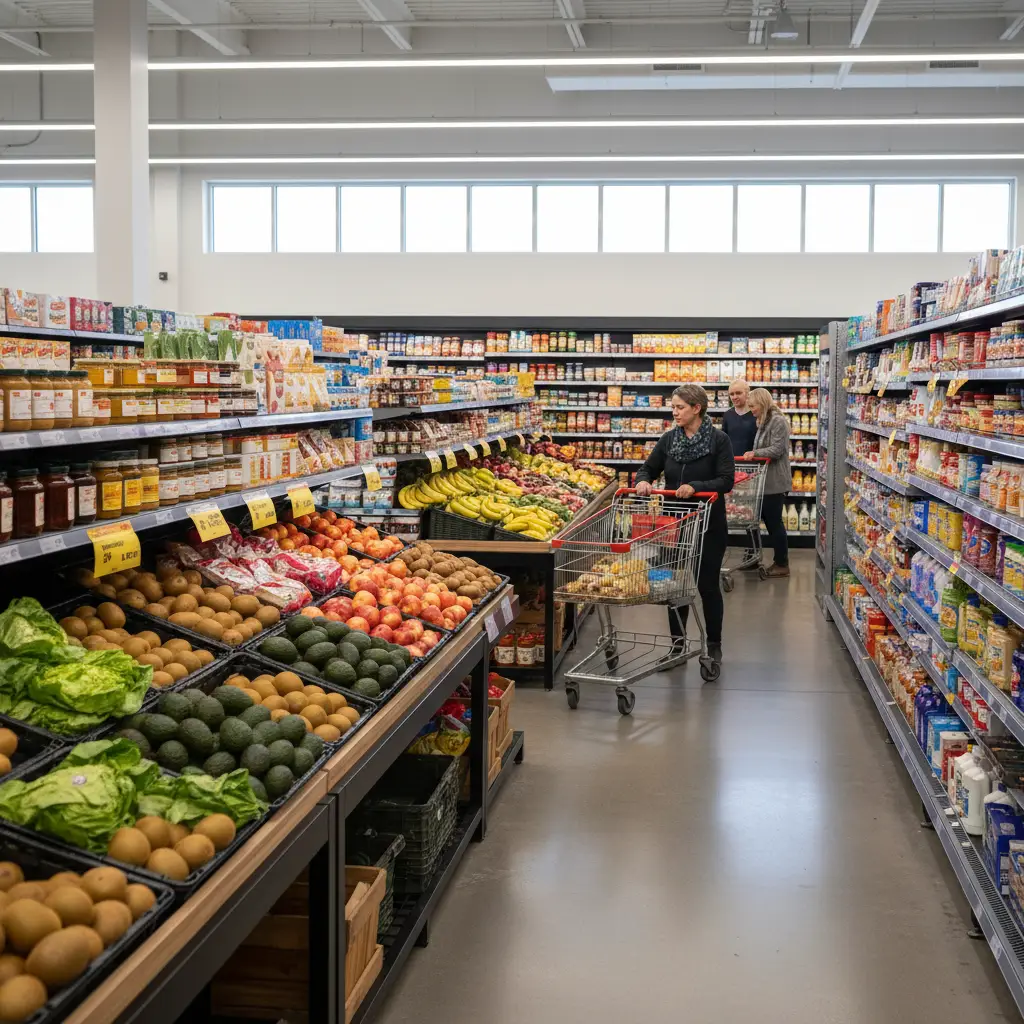
For most New Zealanders, the primary concern is whether they can buy groceries for the long weekend. The short answer is yes. Major supermarket chains treat Matariki as a standard trading day, though hours may be adjusted to reflect “Sunday hours” or specific public holiday schedules.
Woolworths (formerly Countdown)
Woolworths stores across New Zealand generally remain open on Matariki. Most stores will operate during their standard hours (e.g., 7:00 AM to 10:00 PM), although some regional stores may reduce their opening window slightly. It is advisable to check the specific store locator on the Woolworths website, but you can confidently expect your local branch to be open.
New World
New World supermarkets are individually owned and operated, meaning the owner-operator has the final say on trading hours. However, historically, almost all New World locations remain open on standard public holidays. Expect opening times to align with their weekend schedule, typically opening around 7:00 AM or 8:00 AM and closing between 8:00 PM and 9:00 PM.
PAK’nSAVE
Similar to New World, PAK’nSAVE stores are owner-operated. Given their high volume, they rarely close for standard public holidays. You can expect supermarkets open Matariki at PAK’nSAVE locations nationwide, usually maintaining their standard 7:00 AM to 10:00 PM hours to accommodate families doing their weekly shop on the day off.
Four Square and Dairies
Local convenience stores, Four Squares, and dairies are the most likely to remain open, often with extended hours. These businesses thrive on public holidays when people need last-minute essentials like milk, bread, or snacks.
Mall Schedules: Westfield, Sylvia Park, and Regional Centres
If you are planning a shopping spree, New Zealand’s major shopping centres generally welcome customers on Matariki. However, they typically operate on reduced “statutory holiday hours.” Below is a general guide for major retail precincts:
- Westfield (Newmarket, Albany, St Lukes, Riccarton, etc.): usually open from 10:00 AM to 6:00 PM. Cinema complexes and dining precincts within these malls often stay open later.
- Sylvia Park (Auckland): Standard public holiday hours apply, usually 10:00 AM to 7:00 PM.
- Commercial Bay (Auckland CBD): Retailers typically open 10:00 AM to 5:00 PM, while hospitality venues remain open late.
- The Base (Hamilton) & Queensgate (Wellington): Open, generally 10:00 AM to 6:00 PM.
While the mall itself is open, individual stores within the complex reserve the right to close. However, major anchor tenants (department stores like Farmers, Kmart, and The Warehouse) will almost certainly be open.
Alcohol Sale Restrictions and Hospitality
One of the most common questions regarding NZ holidays involves alcohol laws. New Zealand has strict liquor licensing laws that prohibit the sale of alcohol on restricted trading days (Good Friday, Easter Sunday, Christmas Day, and Anzac Day morning).
There are no liquor bans specific to Matariki.
Buying Alcohol at Supermarkets and Liquor Stores
You can purchase beer, wine, and cider at supermarkets, and spirits at bottle stores (Liquorland, Super Liquor, Bottle-O) on Matariki. Standard licensing hours apply. For example, if your local supermarket is licensed to sell alcohol until 10:00 PM, they will continue to do so on Matariki.
Bars, Pubs, and Restaurants
Hospitality venues are permitted to open and serve alcohol without the “dining requirement” that exists on restricted days (where you must buy a substantial meal to be served a drink). You can visit a pub for a casual drink on Matariki without ordering food.
Understanding Public Holiday Surcharges
While shops and cafes are open, consumers should be prepared for slightly higher prices in the hospitality sector. Under New Zealand employment law, employees working on a public holiday are entitled to:
- Time and a half: They must be paid 1.5 times their standard hourly rate.
- Day in lieu: If the day is a standard working day for them, they also accrue an alternative paid holiday to be taken later.
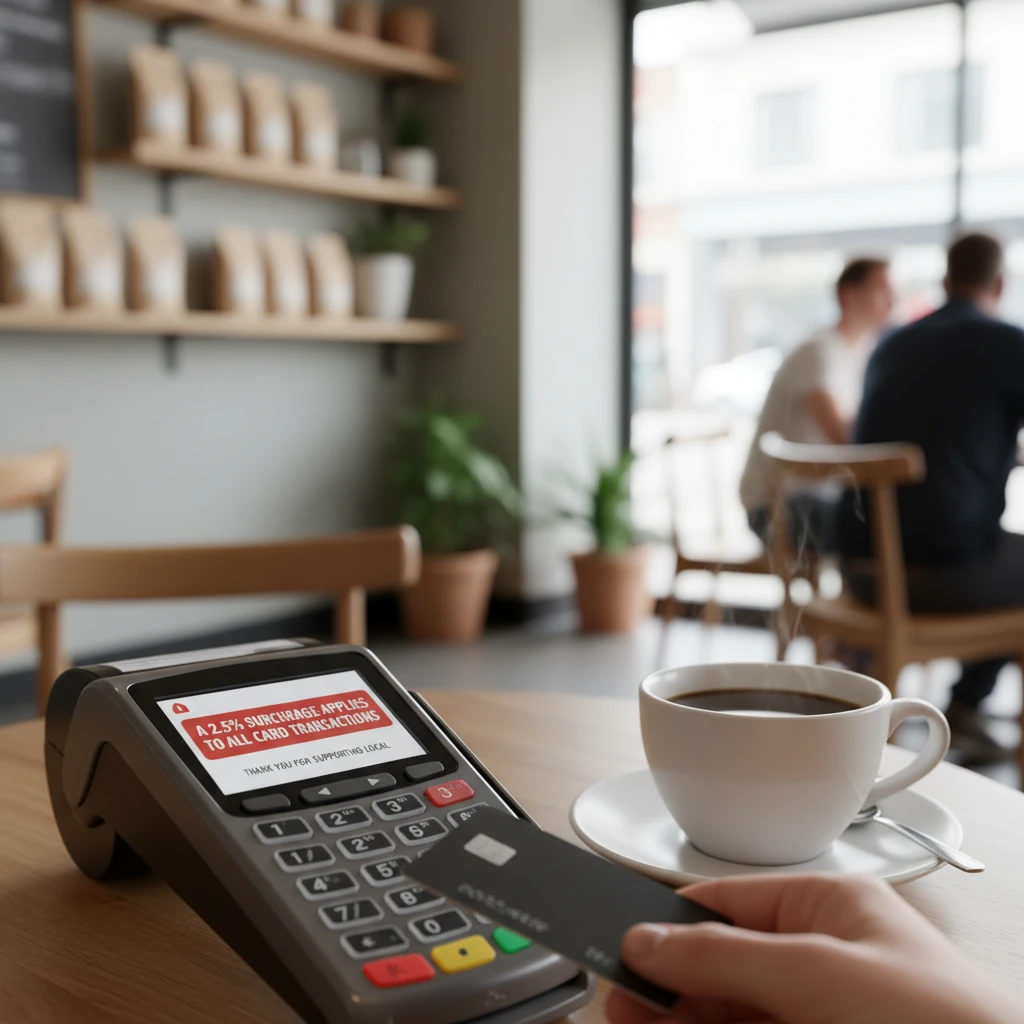
To offset these significantly increased wage costs, many cafes, restaurants, and bars apply a 15% public holiday surcharge. By law, this surcharge must be clearly advertised—usually via a sign at the counter or a note on the menu. If you are grabbing a coffee or brunch on Matariki, check the signage before ordering to avoid surprise costs.
Retail stores (clothing, electronics, supermarkets) generally do not apply surcharges. The price on the shelf is the price you pay.
Are Pharmacies, Banks, and Couriers Open?
While retail is open, the service sector largely shuts down for the public holiday. Understanding what services are unavailable is just as important as knowing which shops are open.
Banks and Financial Institutions
Physical bank branches will be closed on Matariki. This includes Kiwibank, ANZ, BNZ, ASB, and Westpac. Online banking and ATMs will function as normal, but payment processing for inter-bank transfers may be delayed until the next business day.
Courier and Postal Services
NZ Post does not deliver standard mail or courier parcels on statutory public holidays. CourierPost and other private courier firms generally do not operate standard delivery runs. If you are expecting a package, do not expect it to arrive on Matariki. Rural delivery services also pause for the day.
Pharmacies and Medical Centres
Most community pharmacies will close. However, “Urgent Pharmacies” (often associated with After-Hours Medical Centres) will remain open. If you require a prescription filled, search for “After Hours Pharmacy” in your area. General Practitioner (GP) clinics will be closed; for non-emergency medical issues, you will need to visit an Accident & Medical clinic, which may charge higher public holiday consultation fees.
The Significance of Matariki
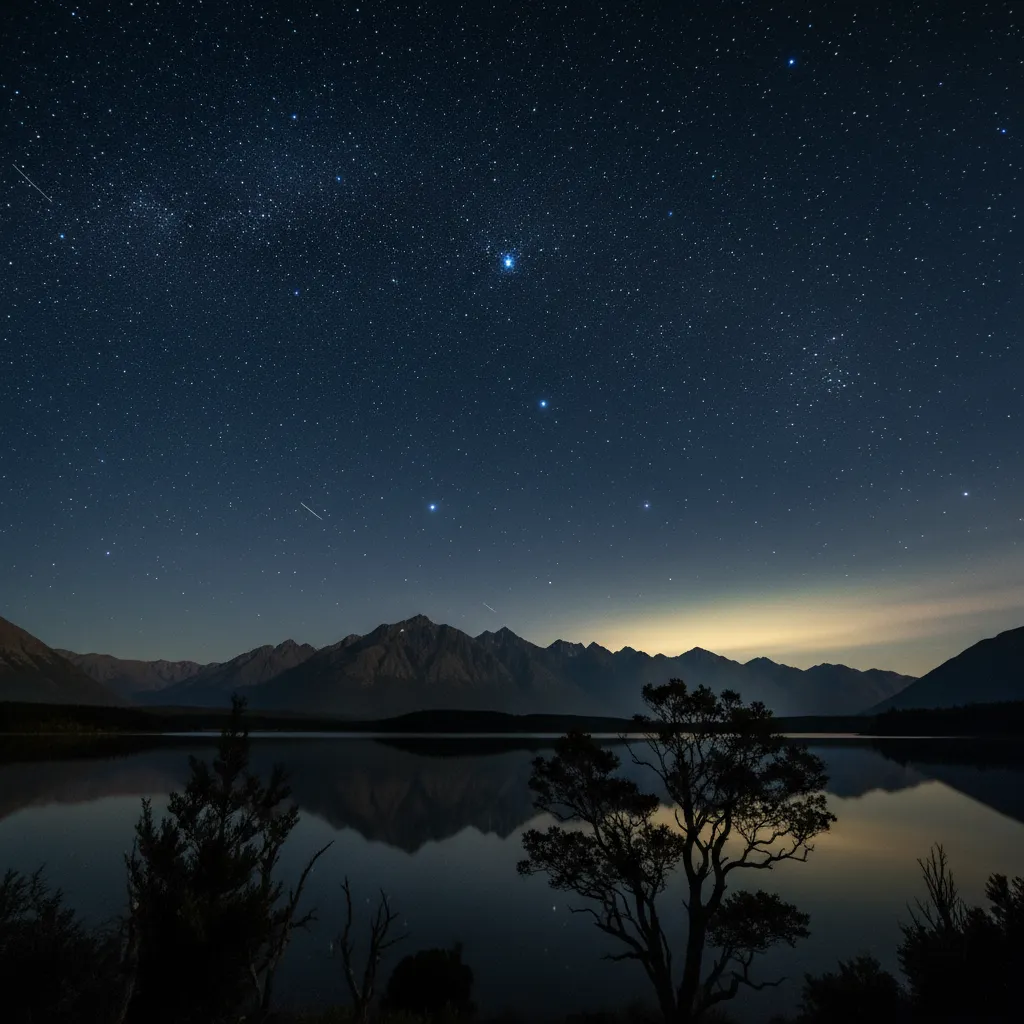
While commercial trading continues, it is important to acknowledge why the holiday exists. Matariki marks the rising of the Pleiades star cluster, signaling the Māori New Year. It is a time for remembrance, celebrating the present, and looking to the future.
Unlike other holidays that have become heavily commercialized, there is a strong cultural push in New Zealand to keep Matariki focused on community and environment. While you are out shopping at supermarkets open on Matariki, you may notice staff wearing specific cultural attire, bilingual signage, or events taking place within malls celebrating Māori culture.
People Also Ask
Is Matariki a paid holiday in NZ?
Yes, Matariki is a statutory public holiday. If you usually work on the day Matariki falls, you are entitled to a paid day off. If you work on the day, you must be paid time and a half and receive a day in lieu (alternative holiday).
Are schools closed on Matariki?
Yes, all state and integrated schools, kura, and early childhood centres in New Zealand are closed on Matariki. It is a mandatory holiday for the education sector.
When is Matariki 2024 and 2025?
Matariki dates shift every year based on the lunar calendar (Maramataka). In 2024, it is observed on Friday, June 28. In 2025, it will be observed on Friday, June 20.
Can I buy alcohol on Matariki?
Yes. Unlike Good Friday or Easter Sunday, there are no specific restrictions on the sale of alcohol on Matariki. Supermarkets, liquor stores, and bars operate under their standard license conditions.
Is public transport running on Matariki?
Public transport generally runs on a Sunday or Public Holiday timetable. This usually means fewer services and later start times. Check your local transport provider (e.g., AT Mobile, Metlink) for specific schedules.
Do I have to pay a surcharge at restaurants on Matariki?
It depends on the venue. Many hospitality businesses charge a 15% surcharge on public holidays to cover increased staff costs (time and a half). They are legally required to inform you of this surcharge before you pay.