The ideal camera lens for night sky photography features a wide focal length (typically 14mm to 24mm) and a fast maximum aperture of f/2.8 or wider. These specifications allow the sensor to gather sufficient light to reveal faint stars and the Aurora Australis without requiring exposure times that cause star trails, while high-quality optical elements minimize coma and distortion.
New Zealand offers some of the darkest skies on the planet, from the Aoraki Mackenzie International Dark Sky Reserve to the remote corners of Rakiura (Stewart Island). Whether you are chasing the elusive Aurora Australis or documenting the rise of Matariki, selecting the right glass is the single most critical hardware decision you will make. While camera bodies age quickly, a high-quality astrophotography lens is a long-term investment that defines the clarity, sharpness, and depth of your celestial images.
What Makes a Lens Good for Night Sky Photography?
Astrophotography imposes unique and demanding stresses on optical equipment that daytime photography simply does not. When shooting the night sky, you are photographing pinpoint sources of light (stars) against a near-black background. This high-contrast scenario reveals optical flaws that would otherwise go unnoticed in landscape or portrait photography.
To capture the Milky Way (Te Ika-a-Māui) or the Magellanic Clouds effectively, a lens must balance three critical factors: light-gathering ability, field of view, and edge-to-edge sharpness. The “Commercial” reality of this niche is that you often pay for the correction of optical aberrations. A cheap lens might look sharp in the center, but the stars in the corners will look like flying saucers or seagulls due to comatic aberration. For the New Zealand astrophotographer, particularly those involved in astro-tourism or commercial prints, these defects are unacceptable.
Why Are Fast Aperture Lenses (f/2.8 or lower) Critical?
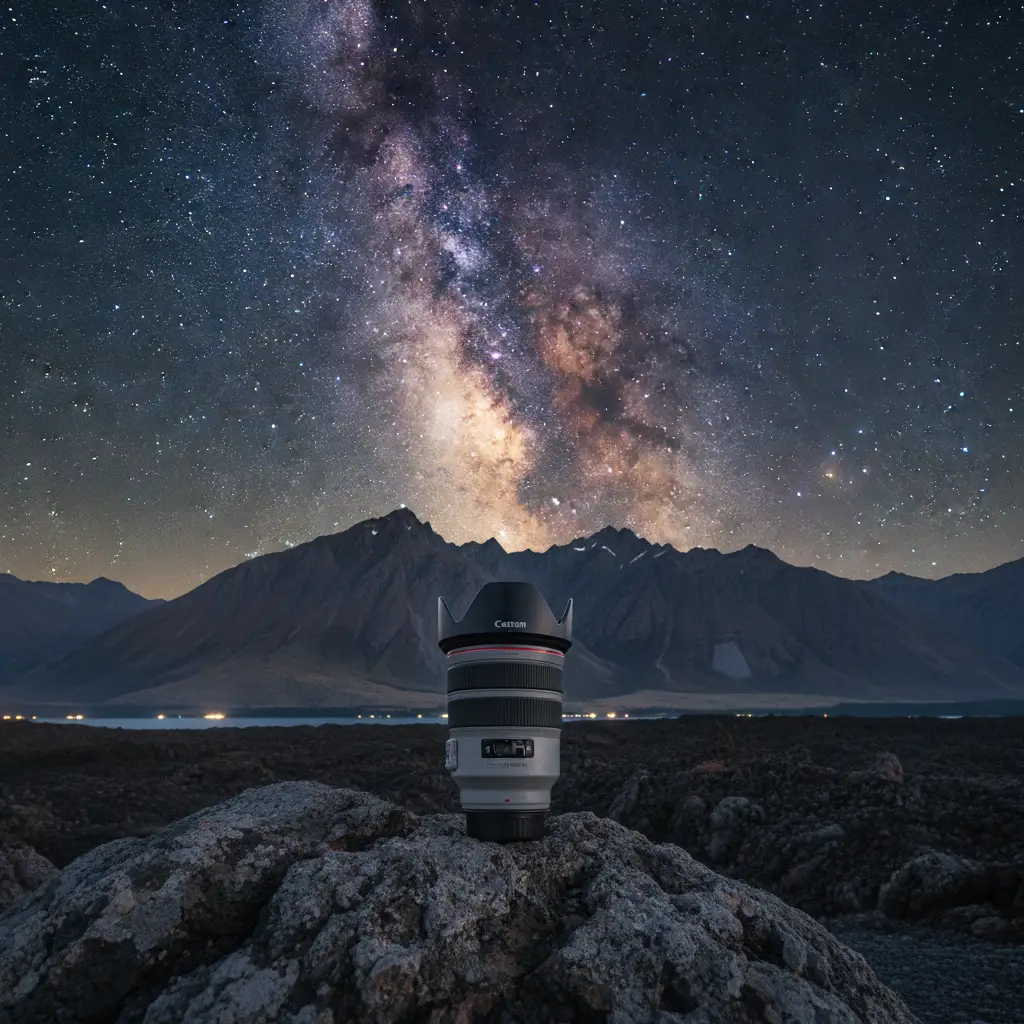
The term “fast” refers to the maximum opening of the lens diaphragm. In astrophotography, aperture is king. Because the earth is rotating, you have a limited shutter speed window before stars begin to trail (streak) rather than appearing as sharp points. This limitation means you cannot simply leave the shutter open for minutes at a time unless you are using a star tracker.
For a static tripod shot, you are typically limited to 15–25 seconds of exposure. To get a properly exposed image in that short timeframe, your lens must gulp in light. A lens with an aperture of f/1.4 allows in four times as much light as a lens with an aperture of f/2.8, and eight times as much as a standard f/4 kit lens. This difference is massive. It allows you to keep your ISO lower, resulting in cleaner images with less digital noise.
The Trade-off: Wide Open Sharpness
While an f/1.4 lens is desirable, shooting “wide open” at the maximum aperture often results in softer images and vignetting (dark corners). The hallmark of a top-tier commercial astrophotography lens is its ability to remain sharp even when used at its widest aperture settings. Premium lenses, such as the Sony G Master series or Canon L series, are engineered to deliver crisp stars across the frame even at f/1.4 or f/2.8.
Combating Coma and Distortion
When researching a camera lens for night sky photography, you will frequently encounter the term “Coma” or Comatic Aberration. This is an optical defect where points of light (stars) near the edges of the frame appear distorted, often looking like small comets with tails pointing toward the center of the image.
For astrophotographers, coma is the enemy. It ruins the aesthetic of the night sky and makes large prints look amateurish. Another issue is chromatic aberration (color fringing), where stars appear to have purple or green halos. While software like Lightroom can correct some chromatic aberration and vignetting, coma is extremely difficult to fix in post-production without degrading the image.
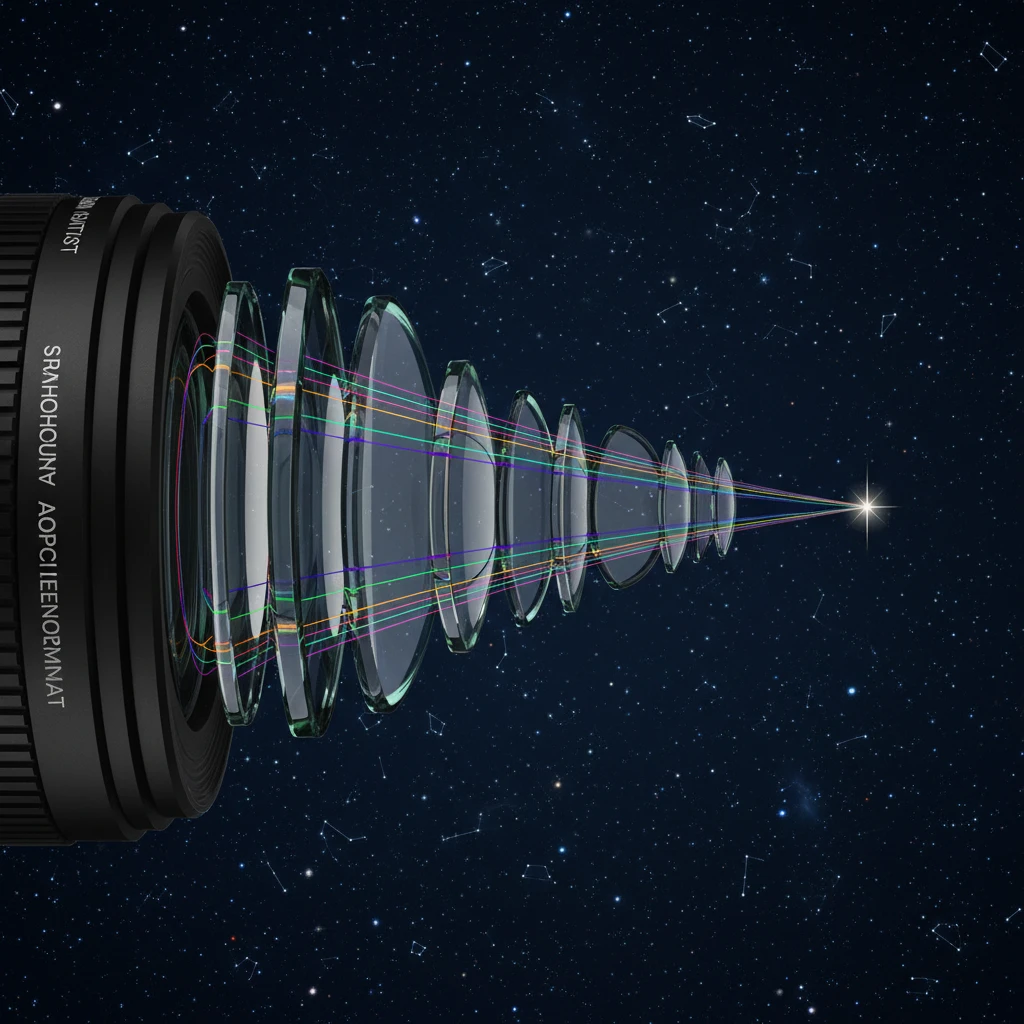
The best lenses utilize complex glass elements—such as aspherical and low-dispersion elements—to physically correct light paths before they hit the sensor. When evaluating a lens for purchase, always look for “coma test” reviews. A lens that renders stars as perfect pinpoints in the extreme corners is worth the premium price tag.
Best Lenses for Sony, Canon, and Nikon
Based on current market performance and optical benchmarks, here are the top contenders for the major mirrorless and DSLR systems. These recommendations assume a full-frame sensor, which is the standard for high-end low-light photography.
Best Lenses for Sony E-Mount
Sony FE 24mm f/1.4 GM: Widely regarded as the gold standard for wide-angle astrophotography. It is incredibly sharp at f/1.4 and has exceptional coma control due to its XA (extreme aspherical) elements. It is also lightweight, making it perfect for hiking into the Southern Alps.
Sony FE 14mm f/1.8 GM: For those who need a wider field of view to capture the full arch of the Milky Way or expansive Aurora displays, this lens is an engineering marvel. It provides an ultra-wide perspective with the light-gathering capability of f/1.8.
Best Lenses for Canon RF and EF
Canon RF 15-35mm f/2.8L IS USM: For the mirrorless R system, this zoom offers versatility. While f/2.8 is slower than f/1.4, the optical quality is superb, and the zoom range allows for diverse compositions.
Sigma 14mm f/1.8 DG HSM Art (EF Mount): Although designed for DSLRs (and adaptable to RF), this lens was the world’s first f/1.8 ultra-wide. It is heavy and bulky, but its ability to gather light is nearly unmatched in the Canon ecosystem for wide angles.
Best Lenses for Nikon Z and F
NIKKOR Z 20mm f/1.8 S: The Z-mount has allowed Nikon to produce lenses with incredible corner sharpness. The 20mm f/1.8 S is practically free of coma and offers a slightly tighter field of view than a 14mm, which effectively magnifies the core of the Milky Way.
AF-S NIKKOR 14-24mm f/2.8G ED: A legendary F-mount lens that was the king of astrophotography for a decade. It is still a viable commercial choice for Nikon DSLR shooters, renowned for its sharpness.
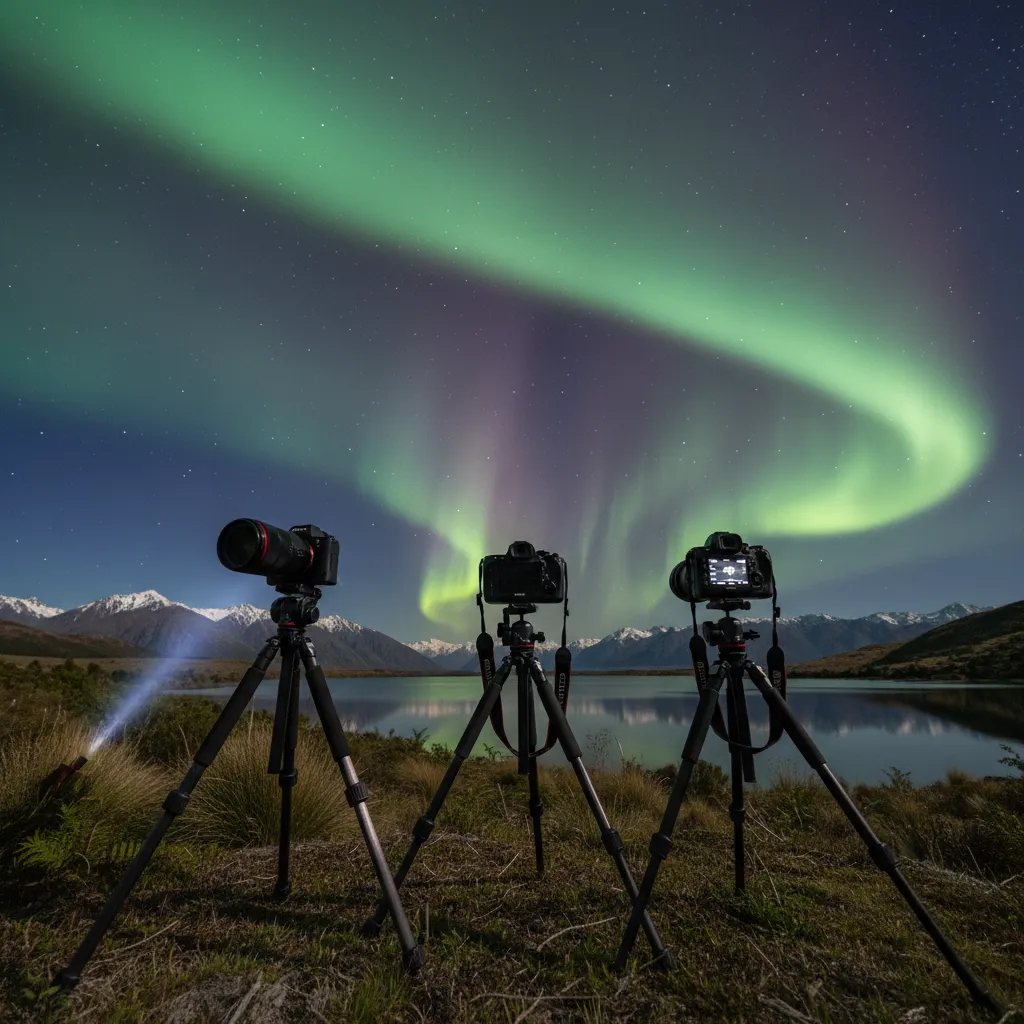
Budget-Friendly Manual Lenses
You do not need to spend $3,000 to get professional results. In fact, because autofocus is useless for stars (you must manually focus on infinity), manual-focus lenses are excellent budget alternatives. They strip away the expensive autofocus motors and stabilization tech, putting all the manufacturing cost into the glass itself.
Samyang / Rokinon 14mm f/2.8
This is arguably the most popular entry-level astrophotography lens in history. Available for almost all mounts, it costs a fraction of the proprietary brand lenses. While it suffers from some distortion (often mustache-shaped), the sharpness is surprisingly good for the price. It is an excellent starting point for students or hobbyists exploring the NZ night sky.
Laowa 15mm f/2 Zero-D
Venus Optics (Laowa) creates fully manual lenses that punch above their weight class. The “Zero-D” stands for Zero Distortion. An f/2 aperture is faster than the standard f/2.8 zooms, giving you a distinct advantage in light gathering. It is a favorite among nightscapers who want high performance without the bulk of the Sigma Art series.
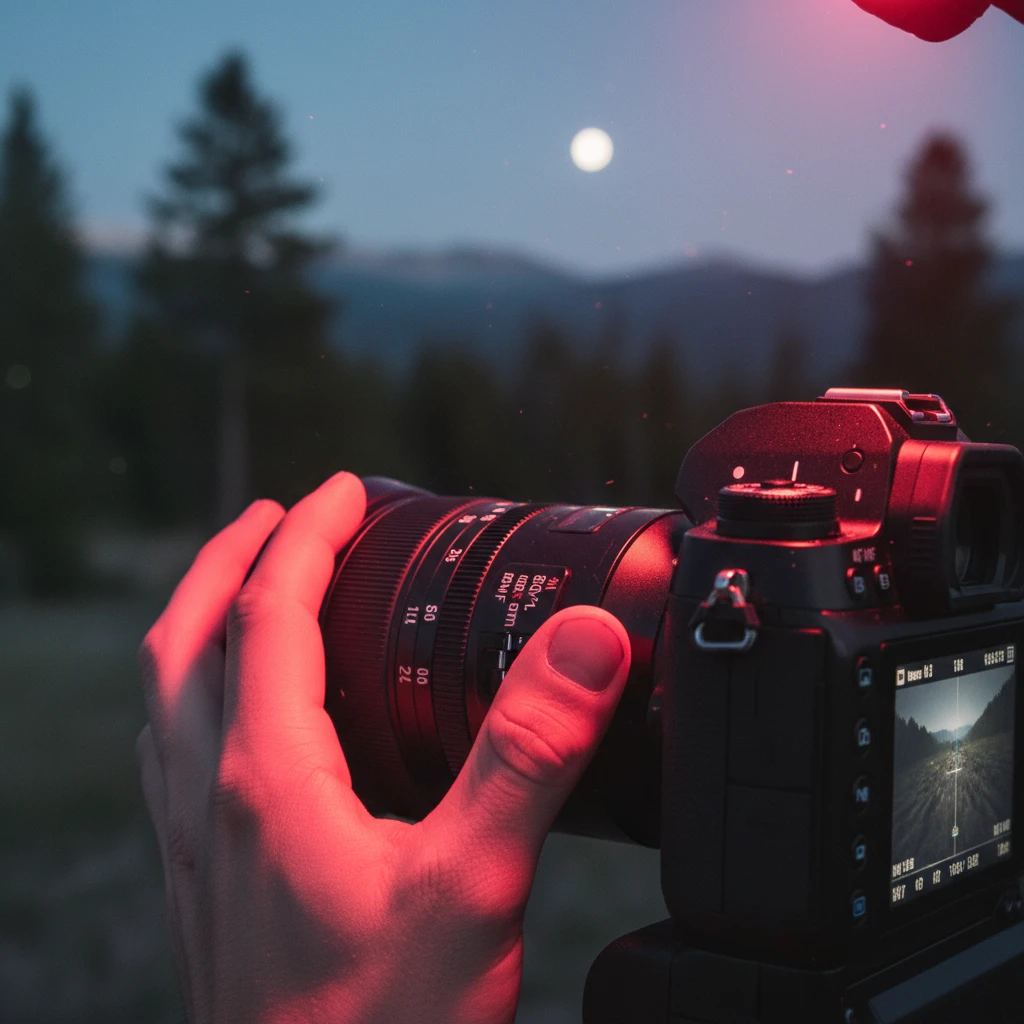
Capturing the Aurora Australis and Maramataka in NZ
New Zealand’s unique position relative to the South Magnetic Pole makes it a prime location for astrophotography. However, the requirements for shooting the Aurora Australis (Southern Lights) differ slightly from standard Milky Way photography.
The Aurora is a dynamic, moving subject. Unlike the slow rotation of the stars, the Aurora can dance rapidly. This means you often need shorter shutter speeds (5–10 seconds) to capture the structure of the beams (the “picket fence” effect) rather than a washed-out glow. Consequently, a faster lens (f/1.4 or f/1.8) is even more valuable here than for static stars.
Furthermore, cultural photography involving Maramataka (the Māori lunar calendar) and the rising of Matariki requires lenses that can handle the subtle brightness of dawn or dusk while still resolving stars. A focal length of 24mm or 35mm is often preferred here to provide a more natural perspective that includes foreground elements like Pou (carved posts) or Maunga (mountains) without the extreme distortion of a 14mm lens.
For tourism operators in regions like Lake Tekapo or Great Barrier Island, investing in f/1.4 primes ensures that clients receive high-quality portraits under the stars, which is a significant value-add for the NZ tourism market.
People Also Ask
What is the best focal length for night sky photography?
The “sweet spot” for night sky photography is generally between 14mm and 24mm on a full-frame camera. A 14mm lens provides an ultra-wide field of view, allowing you to capture the entire arch of the Milky Way or vast Aurora displays. A 24mm lens offers a tighter perspective but typically comes with faster apertures (like f/1.4), allowing for cleaner, brighter images.
Do I need a prime lens for astrophotography?
While high-end zoom lenses (like a 14-24mm f/2.8) are excellent, prime lenses are generally preferred for astrophotography. Prime lenses (fixed focal length) are easier to engineer with wide apertures (f/1.4 or f/1.8) and often have fewer optical elements, resulting in sharper images and better light transmission compared to zooms.
Can I use a kit lens for astrophotography?
Yes, you can use a kit lens, but it has limitations. Most kit lenses have a maximum aperture of f/3.5 or f/4. This is “slow” for night photography, meaning you will need to increase your ISO significantly, which introduces noise/grain. To get the best results with a kit lens, shoot at the widest focal length (e.g., 18mm) and the widest aperture available.
What is the 500 Rule in photography?
The 500 Rule is a formula used to calculate the maximum shutter speed you can use before stars start to trail (blur). You divide 500 by your lens’s focal length. For example, with a 20mm lens: 500 / 20 = 25 seconds. This means you can expose for up to 25 seconds before star trails become noticeable. Note: For high-resolution modern cameras, the “NPF Rule” is often considered more accurate.
How do I focus my lens for stars?
Autofocus does not work on stars. You must switch your lens to Manual Focus (MF). Use “Live View” on your camera screen, zoom in digitally on the brightest star you can find, and rotate the focus ring until the star is as small and sharp as possible. Using “Focus Peaking” can also assist in this process.
Is f/4 good enough for astrophotography?
f/4 is generally considered the minimum acceptable aperture for night sky photography, but it is not ideal. At f/4, you are letting in half as much light as f/2.8. This forces you to use very high ISO settings (6400+), which degrades image quality. However, f/4 can work for star trails or moonlit landscapes where long exposures are acceptable.