
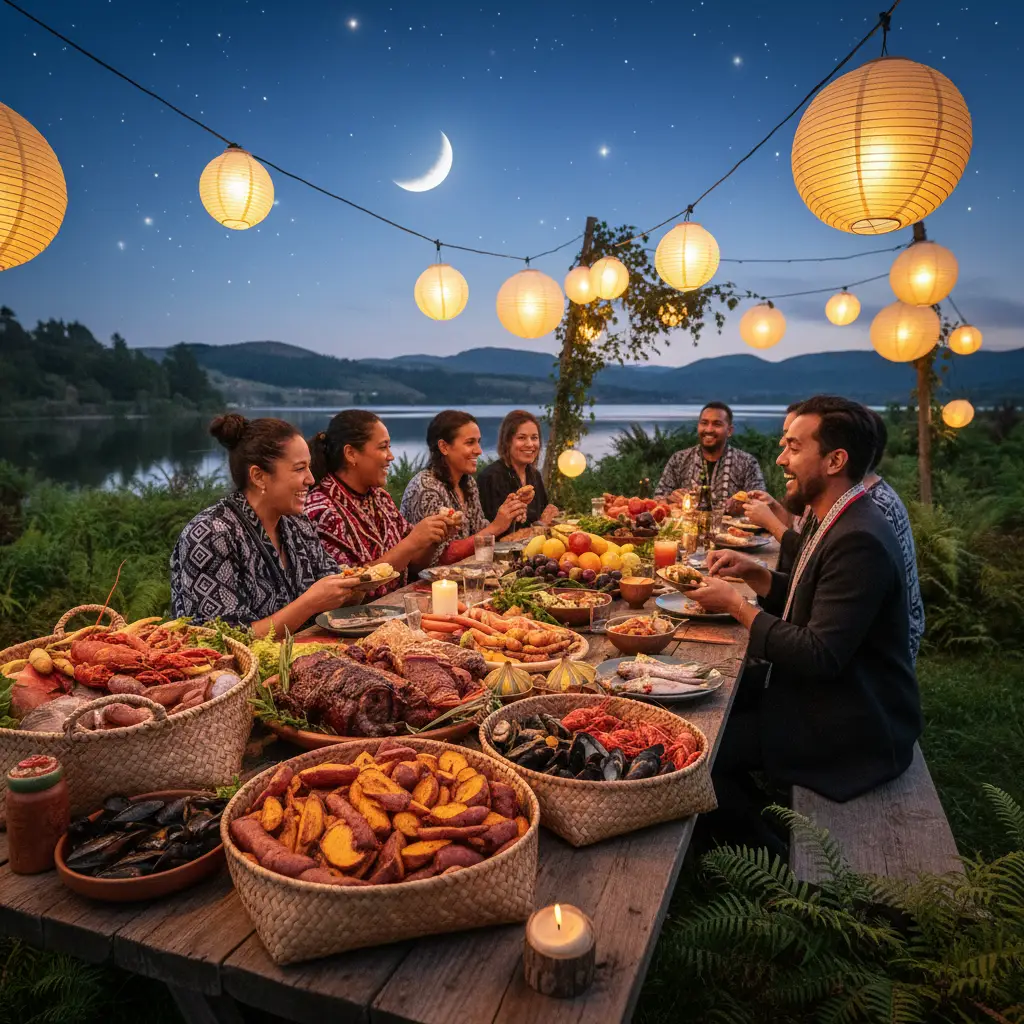
Catering for Matariki Events
Catering for Matariki involves providing communal feasts that honor the Māori New Year, typically featuring traditional Kai Māori like hāngī, […]

Catering for Matariki involves providing communal feasts that honor the Māori New Year, typically featuring traditional Kai Māori like hāngī, […]

Umu Kohukohu Whetū is a specialized form of earth oven cooking used ceremonially during Matariki (the Māori New Year) to
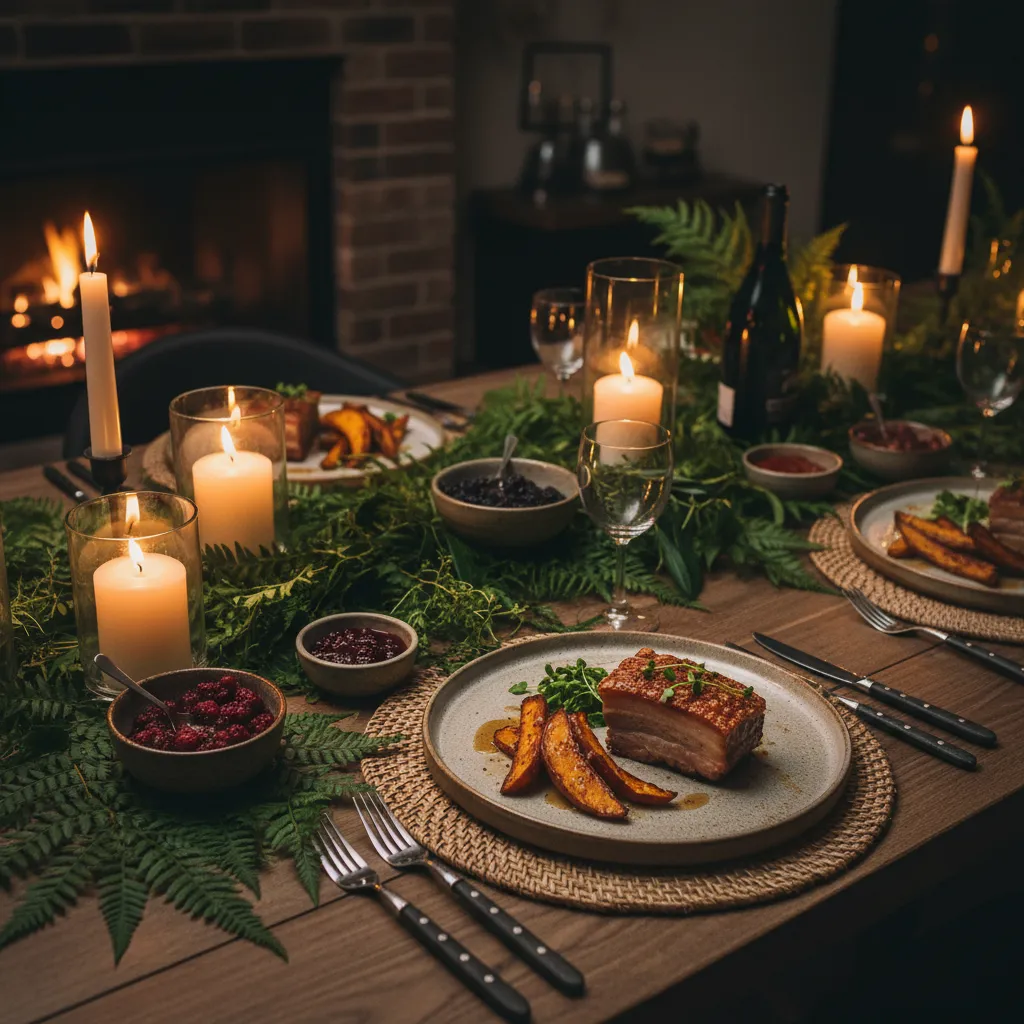
Modern Matariki recipes celebrate the Māori New Year by elevating traditional ingredients like kumara, pork, and kaimoana (seafood) with contemporary
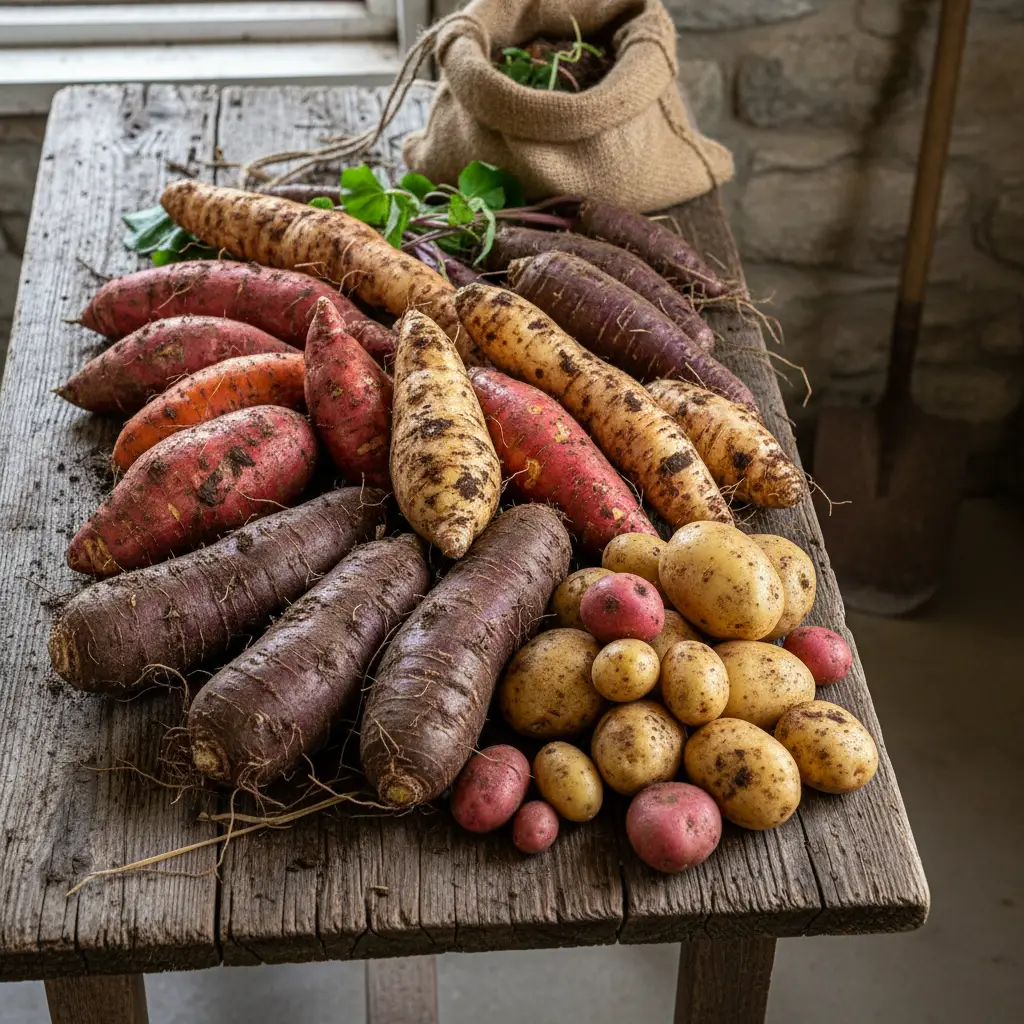
Traditional Māori food for Matariki centers on ingredients connected to the four food stars of the cluster: Tupuānuku (root vegetables
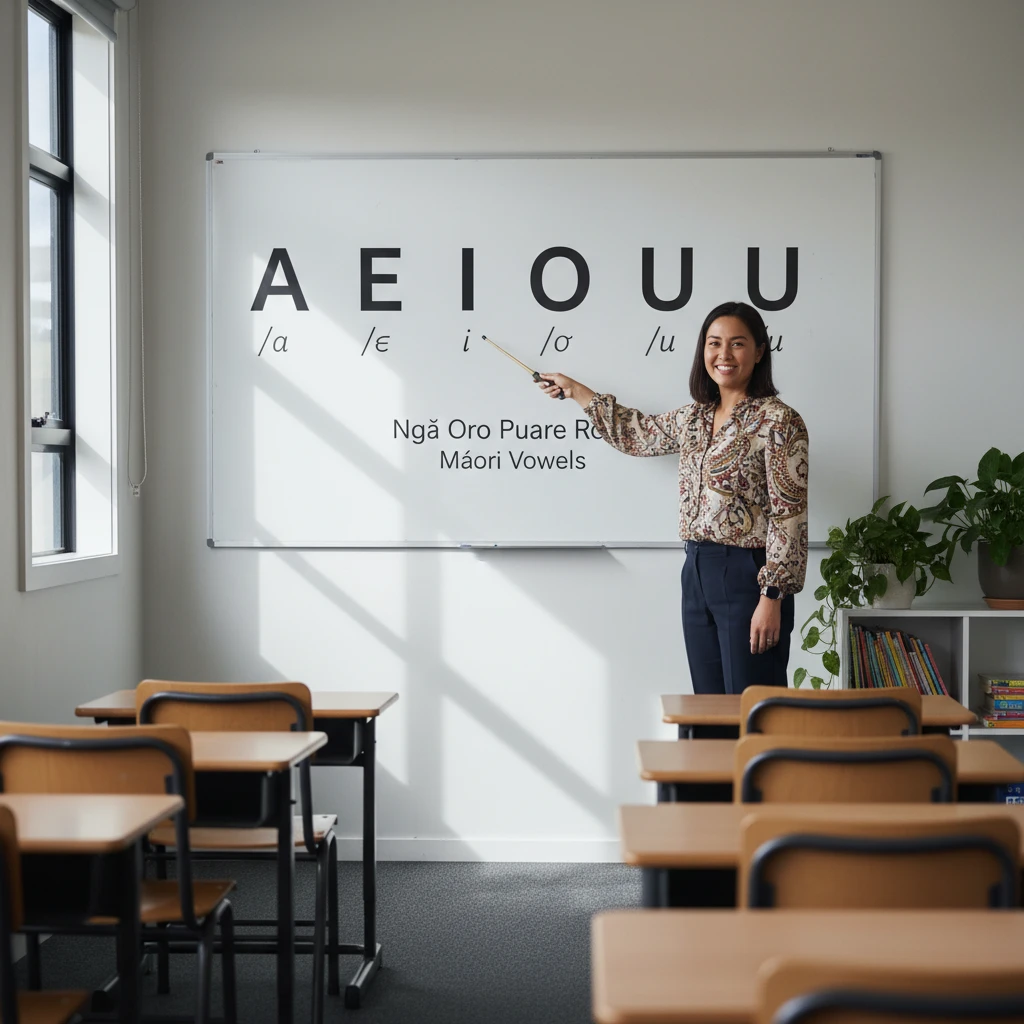
To pronounce Matariki correctly, break it into four syllables: Ma-ta-ri-ki. The vowels are short: ‘Ma’ sounds like ‘mud’, ‘ta’ sounds

Matariki clothing merchandise refers to apparel and accessories featuring Toi Māori (Māori art) designs that celebrate the Māori New Year.

To celebrate Matariki at home, families often perform a Whānau Hautapu, a ceremonial offering of steam to the stars. This

Matariki remembering the dead is a fundamental pillar of the Māori New Year, centered on the star Pōhutukawa. During this

Matariki karakia are traditional Māori incantations recited during the Māori New Year to honor the appearance of the Pleiades star

The Hautapu ceremony is a sacred Māori ritual performed during Matariki involving the offering of food to the stars. Food